Updated May 13, 2026
Oh, Mary!
The chaos queen of the season, and still the play everyone points to when they say, “Yes, comedy can sell on Broadway.” Cole Escola’s deranged Mary Todd Lincoln fantasia has become a genuine Broadway phenomenon, now extended through January 3, 2027. It is short, sharp, filthy-smart, and proof that a very specific comic voice can become commercial when it is truly undeniable.
Harry Potter and the Cursed Child
The long-running spectacle play that keeps reminding Broadway there is more than one way to make a “play” feel like an event. It is still the big magic-machine of the category, built for tourists, families, fans, and anyone who wants theatrical wizardry without needing a song cue every seven minutes. The current one-show version follows Harry, Ron, Hermione, and the next generation 19 years later.
Proof
A prestige revival with a killer package: Ayo Edebiri, Don Cheadle, Jin Ha, Kara Young, David Auburn’s Pulitzer and Tony-winning play, and Thomas Kail directing. The play’s central question, whether Catherine has inherited her father’s genius, madness, or both, still lands because it is really about belief, family, grief, and the terrifying possibility of your own brilliance.
Becky Shaw
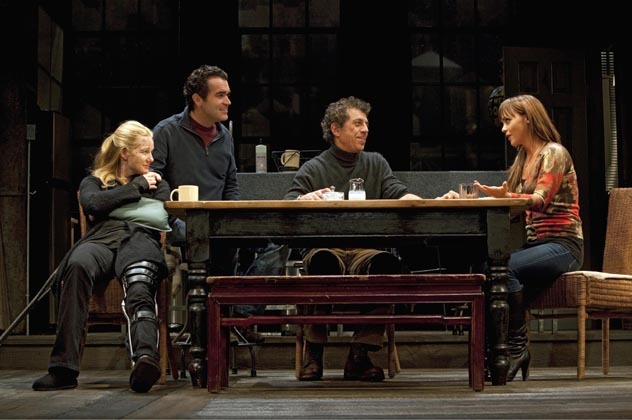
A dark comedy with teeth. Gina Gionfriddo’s play turns a blind date into a social grenade, with marriage, obligation, class, kindness, cruelty, and emotional neediness all getting dragged into the room. It feels like one of those plays where everyone thinks they are the sane one, which is usually when theatre gets fun.
Every Brilliant Thing
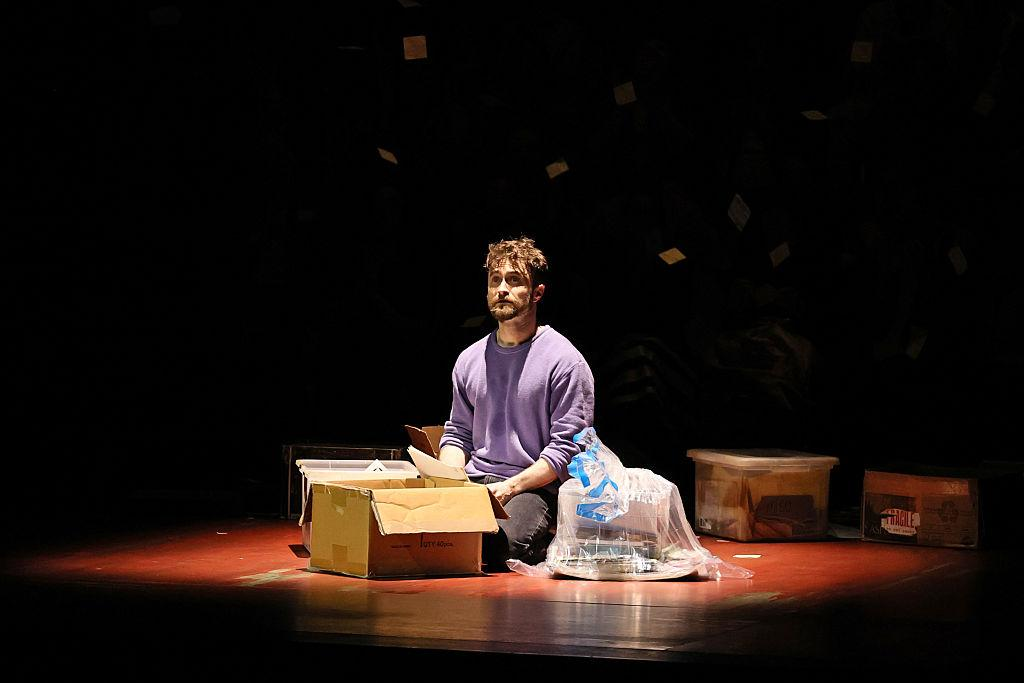
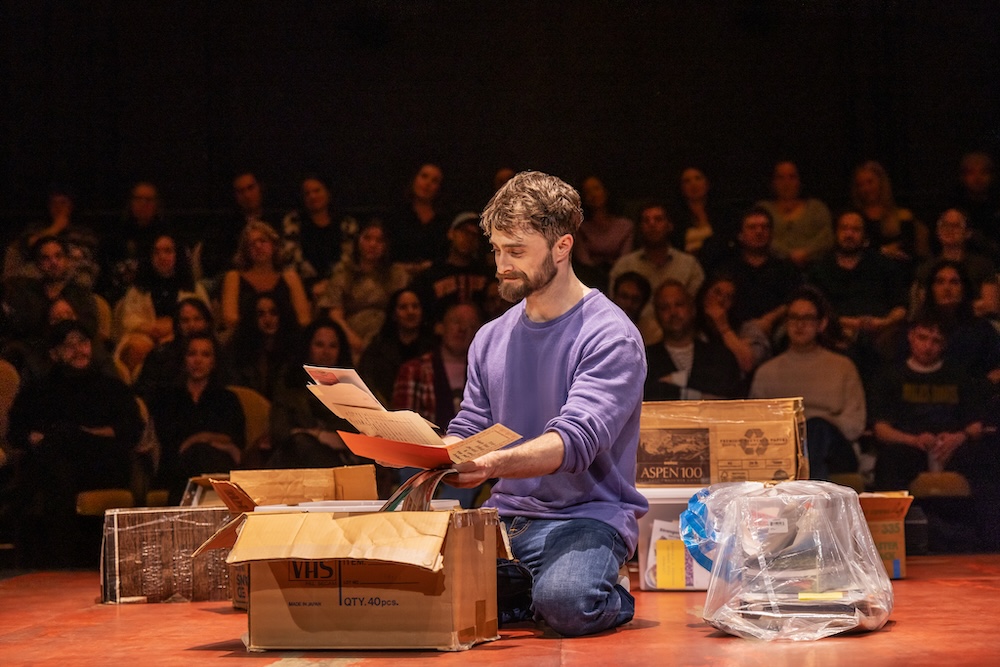
The heart-warmer, but not in a soft-focus way. This solo play uses a list of life’s small joys to talk about depression, survival, memory, and hope. Daniel Radcliffe leads the Broadway run through May 24, with Mariska Hargitay stepping in for 40 performances beginning May 26. It is intimate, interactive, and emotionally direct without feeling like homework.
Joe Turner’s Come and Gone
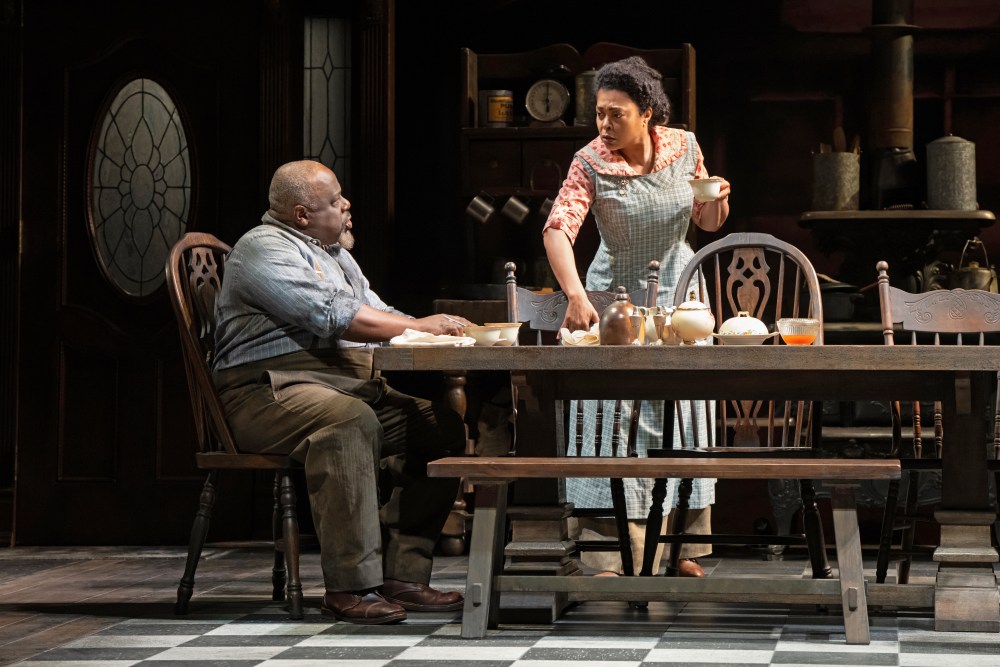
A major August Wilson revival, and one of the season’s weightier American classics. Set in Pittsburgh in 1911, it centers on a boardinghouse during a moment of migration, identity, and spiritual searching. With Taraji P. Henson, Cedric the Entertainer, Joshua Boone, and Ruben Santiago-Hudson, this has the potential to be both literary and star-powered.
The Balusters
David Lindsay-Abaire doing neighborhood warfare, which is exactly the kind of petty American comedy that can become weirdly profound if handled right. The setup is almost beautifully ridiculous: a neighborhood association spirals over porch railings, trash protocol, and a proposed stop sign. Translation: it is about control, taste, community, and people absolutely losing their minds over small things because the big things are harder to say out loud.
The Fear of 13
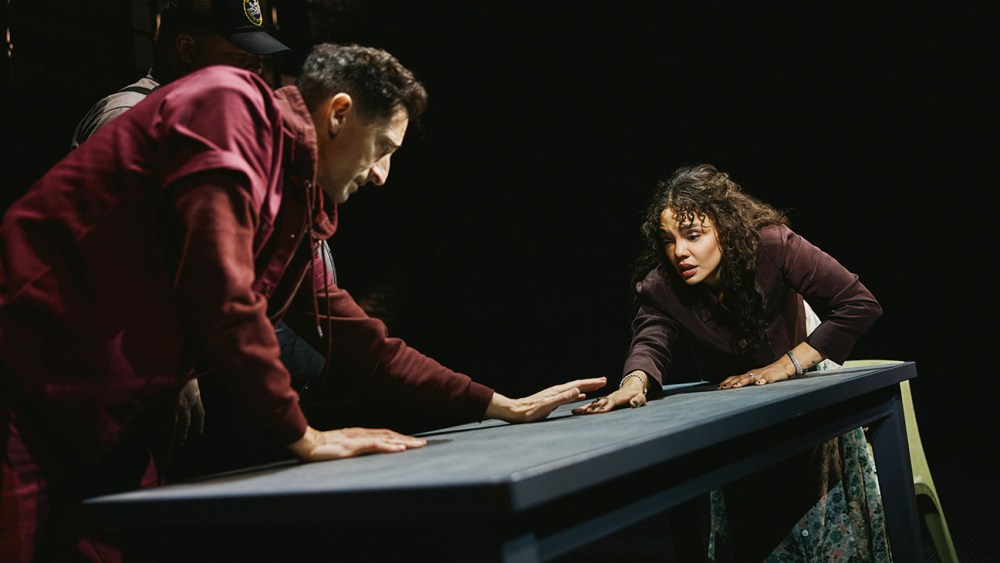
True crime, justice, wrongful conviction, death row, Adrien Brody, Tessa Thompson, David Cromer, Lindsey Ferrentino. That’s the sell. Based on the story of Nick Yarris, the play follows how a traffic stop became a murder conviction, 22 years on Death Row, and a shocking request for an execution date. It is built like a moral thriller, but the real hook is truth versus the system that claims to protect it.
Fallen Angels
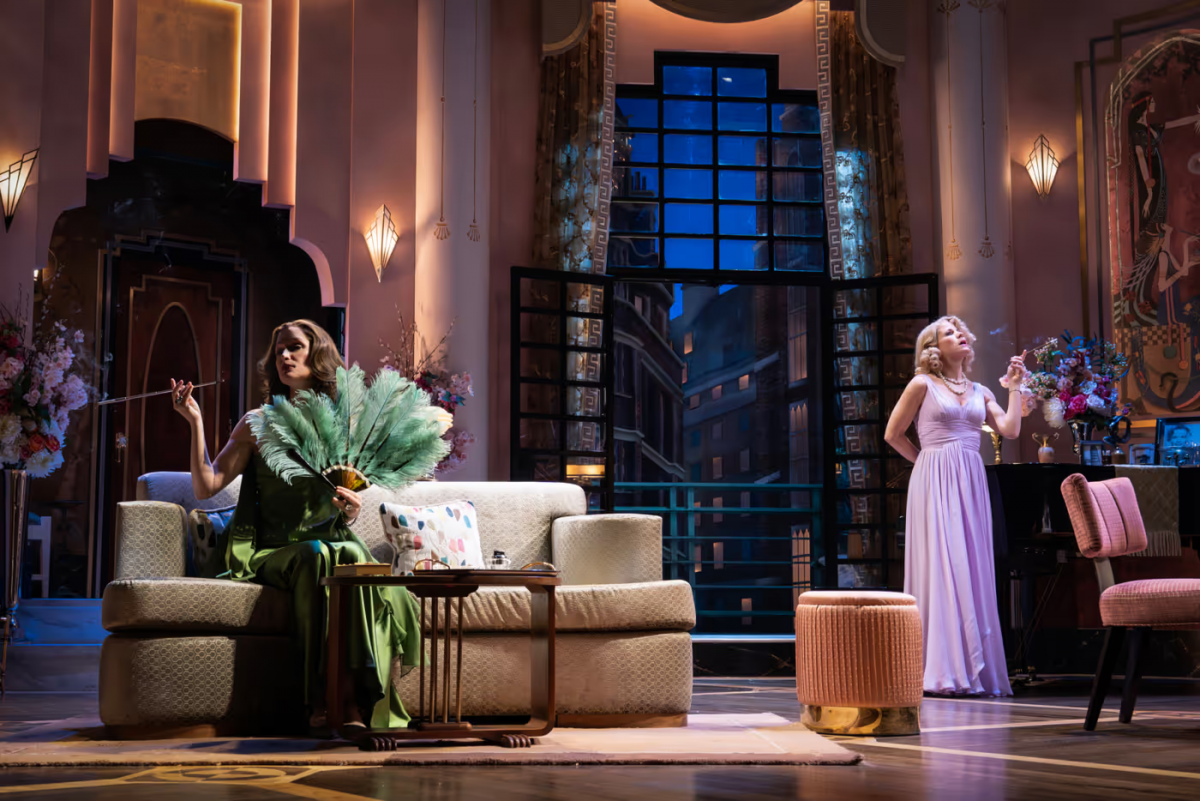
Noël Coward, Rose Byrne, Kelli O’Hara, champagne, husbands out of town, and a shared former lover possibly arriving from France. It is elegant bad behavior, which is the best kind because everyone is dressed well while making terrible decisions. At 90 minutes with no intermission, this feels like a sleek comedy revival built for people who want wit, glamour, and a little marital panic.
Death of a Salesman
The heavy hitter. Nathan Lane and Laurie Metcalf in Arthur Miller’s American tragedy, directed by Joe Mantello. This is one of those productions where the casting alone becomes the event, because Willy and Linda need actors who can carry national disappointment in their bones. Miller’s story of a family crushed by the American Dream remains brutally current, because, well, have you looked around?
Stranger Things: The First Shadow
A play, yes, but also basically Broadway’s blockbuster franchise experiment. Set in Hawkins in 1959, it serves as a prequel to the Netflix series and leans hard into special effects, lore, and theatrical scale. For non-theatre audiences, this may be one of the easiest bridges into Broadway because it sells itself less like “a play” and more like stepping inside the mythology.
Giant
A serious, awards-shaped drama about Roald Dahl, legacy, apology, and public reckoning. John Lithgow reprises his Olivier-winning performance as Dahl following the play’s West End run. Set across a single afternoon in 1983, the play confronts Dahl after the backlash to his antisemitic article, asking whether a public apology can repair private conviction or public damage.
Dog Day Afternoon
A true-crime pressure cooker with major actor heat. Jon Bernthal and Ebon Moss-Bachrach lead Stephen Adly Guirgis’ stage adaptation of the famous 1972 bank robbery story, directed by Rupert Goold. This one has commercial muscle: recognizable title, New York grit, prestige playwright, hot TV actors, and a story that already knows how to hold an audience hostage, pun unfortunately earned.