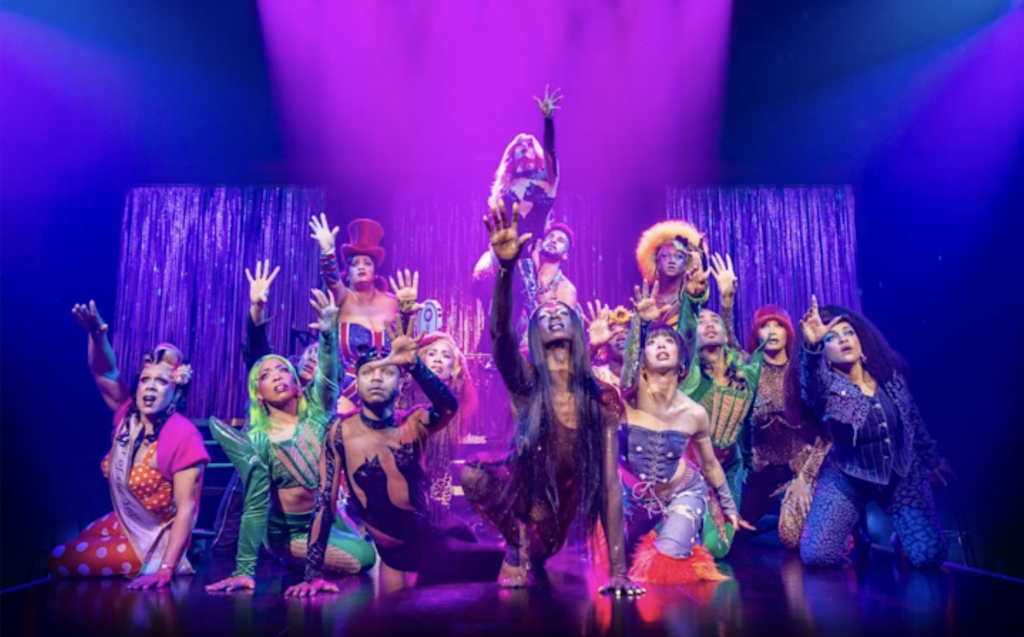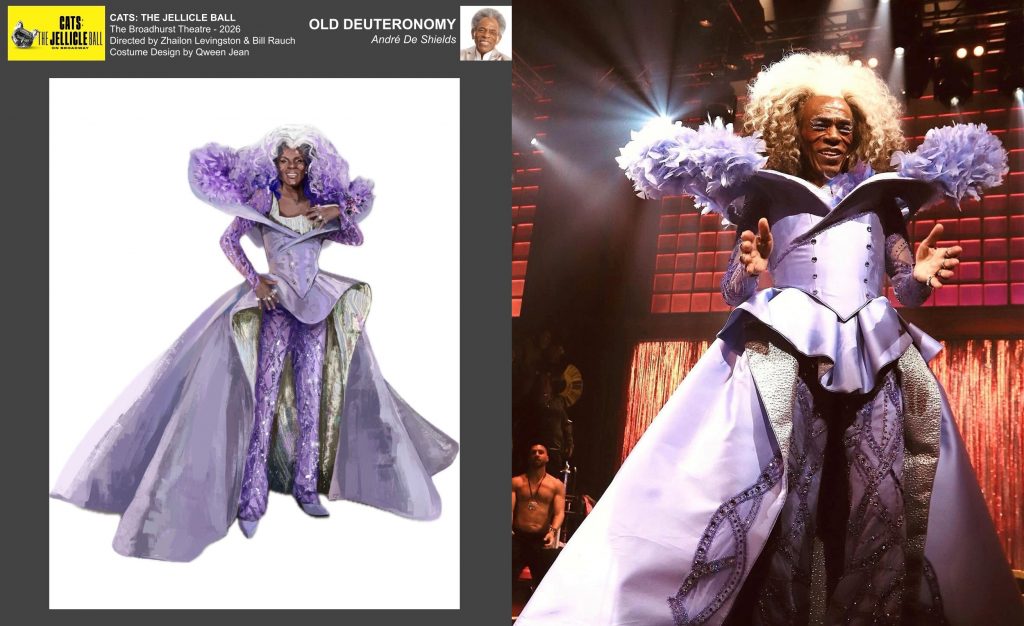
Categories
Creative

Everything You Need to Know About “Are You Now or Have You Ever Been,” Coming to New York City Center Stage I

A chilling piece of American theatre history is heading back into the spotlight.

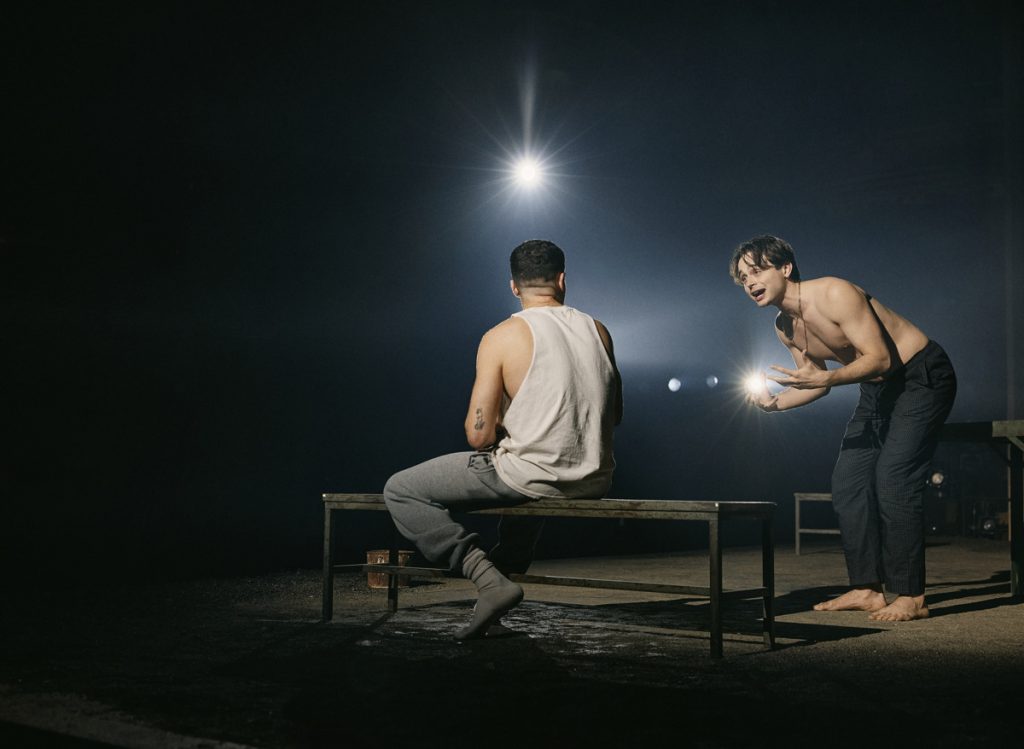
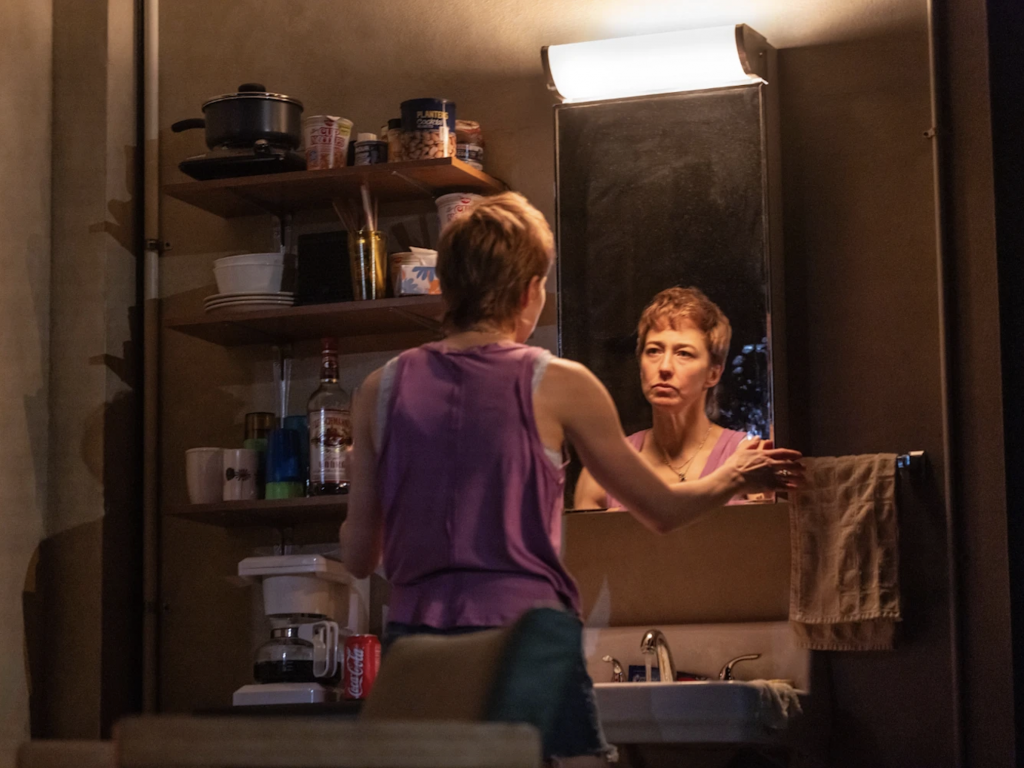
Are You Now or Have You Ever Been, Eric Bentley’s searing docudrama about the House Un-American Activities Committee’s investigation of show business, is coming to New York City Center Stage I directed by Tony Award winner Anna D. Shapiro. The play revisits one of the most infamous chapters in American cultural history, when artists, actors, writers, directors, and performers were asked to defend their loyalty, reveal their politics, and, in many cases, name names.

The title comes from the question that became synonymous with the era: “Are you now, or have you ever been, a member of the Communist Party?”

What is Are You Now or Have You Ever Been about?

The play examines the investigation of show business by the House Un-American Activities Committee from 1947 to 1956, a period when Hollywood and the American theatre world were pulled into a national panic over suspected Communist influence. It centers on seventeen witnesses, including Ring Lardner Jr., Larry Parks, Sterling Hayden, José Ferrer, Abe Burrows, Elia Kazan, Jerome Robbins, Lillian Hellman, Arthur Miller, and Paul Robeson.

Rather than fictionalize the events, Bentley assembled the drama directly from testimony and public record. In other words, the drama is not “inspired by” history, it is history, staged with a courtroom’s tension and a thriller’s moral pressure.

Why does it matter now?

It matters because the question at the center of the play has never really gone away.

Are You Now or Have You Ever Been is about censorship, fear, public shaming, political pressure, and the price of survival. It asks what people do when their careers, reputations, and livelihoods are placed on the line. Do they stay silent? Do they resist? Do they cooperate? Do they sacrifice someone else to save themselves?

The play’s most powerful moments come from artists trying to hold onto their conscience under pressure. Arthur Miller, asked to name people from meetings he had attended, says, “My conscience will not permit me to use the name of another person.” The House of Representatives later found him in contempt of Congress.

Lillian Hellman’s statement is another of the play’s defining moments. In her letter to the Committee, she writes that she cannot and will not “cut my conscience to fit this year’s fashions,” refusing to hurt others in order to save herself.

That is the play in one sentence: conscience under interrogation.

Who wrote it?

Are You Now or Have You Ever Been was written by Eric Bentley, the influential critic, scholar, translator, and playwright. Bentley was born in England in 1916, became an American citizen in 1948, was inducted into the American Theatre Hall of Fame in 1998, and received a gold medal from the American Academy of Arts and Letters in 2011.

Bentley was one of the great theatrical minds of the 20th century, and this play remains one of his most direct, devastating works.

Has the play been seen in New York before?

Yes. Are You Now or Have You Ever Been was previously seen Off Broadway in 1978 and on Broadway in 1979, directed by John Bettenbender.

Its return to New York City for the first time in nearly 50 years gives audiences a fresh chance to experience a piece that feels both historical and alarmingly immediate.

Where is it playing?

The production is coming to New York City Center Stage I. The venue has long been associated with intimate Off Broadway theatre. That intimacy matters because this play relies on proximity. The closer the room, the sharper the questions land.

What kind of play is it?

Think courtroom drama meets political thriller meets documentary theater.

There are no easy heroes. The play doesn’t simply divide people into brave resisters and cowardly informers, it shows how pressure works, how language can be twisted, and how reputations can be destroyed by implication.

One of the most haunting sections comes from Larry Parks, who pleads not to be forced into the choice of contempt or becoming an informer. He says he does not want to “crawl through the mud,” asking the Committee not to force him to name names. Eventually, (spoiler alert!) under closed-session pressure, he does.

That’s what makes the piece so powerful: it doesn’t let the audience sit comfortably above history. It asks: what would you do?

Who’s starring in it?

The cast includes New York theatre stalwarts: Brooks Ashmanskas, Frederick Weller, Steven Boyer, Jason Babinsky, Adam Kantor, and Michael McKean.

In a unique twist, the actors playing those testifying before Congress are a rotating list of stars of stage and screen, including David Krumholtz, Andrew McCarthy, Jay O. Sanders, Sally Murphy, Billy Eugene Jones, Steven Pasquale, Tom Sadoski, Happy Lennix, TR Knight, Bob Odenkirk, Molly Ringwald, Santino Fontana, and more to be announced.

Why should theatre fans pay attention?

This is theatre about theatre people. The witnesses are writers, actors, directors, choreographers, and performers who helped shape American culture.

The play also exposes how deeply politics and entertainment have always been intertwined. The blacklist was an artistic rupture: careers ended, friendships shattered, movies and plays altered. Silence was a survival strategy, and the activity (or lack thereof) still impacts the entertainment industry to this day.

What is the big takeaway?

Are You Now or Have You Ever Been is about the cost of fear in public life. It asks what happens when patriotism becomes a performance, when accusation becomes punishment, and when artists are forced to choose between their careers and their conscience.

At New York City Center Stage I, the play arrives as both a history lesson and a warning flare. It’s a reminder that democracy is not only tested in elections and courtrooms; sometimes, it’s tested in a chair, under lights, with one question:

Are you now, or have you ever been?

Get tickets

AreYouNowPlay.com

Categories
Cover Story Creative

The Art of the Shot: Matthew Murphy

Broadway’s Best Shows sat down with Photographer Matthew Murphy to discuss his work with MurphyMade, the leading photography shop for theatrical photography.

Cover photo of Matthew by Ethan Carlson.


You started as a dancer… what was the moment you realized your path was actually behind the camera, not on stage?

I was fortunate enough to follow my first dream of becoming a professional dancer when I joined American Ballet Theatre in 2003. I spent a fabulous 5 years there, but when I was 22 I retired the tights and picked up a DSLR when I was recovering from Epstein Barr Virus. It was during that time that I really started to photograph a lot of dance—both during rehearsals at ABT and in downtown dance performances of friends’. While I always loved dancing, it quickly became apparent to me that photography allowed me a freedom and variety to my artistic experience that had been lacking in my ballet career. I was fortunate that a lot of opportunities fell into place quickly due to my dance world connections. But it was when I got hired as a freelancer for the Arts section of The NY Times that I really felt this could be a viable career path.

Was there a specific show or moment that felt like your “break” as a photographer?

Without a doubt my big break was when I was hired as the production photographer for “Kinky Boots” during their out-of-town tryout in Chicago. I’d met Jerry Mitchell while photographing “Broadway Bares” and then a few years later I reached out while I was in LA visiting my husband’s family to see if he wanted someone to photograph the Hollywood Bowl production of “Hairspray.” To my surprise, he said yes, and from there he mentioned wanting to try to get me on his next Broadway show. That turned out to be the future Tony-winning hit. I often think how different my life would be if Jerry hadn’t put my name in front of Daryl Roth, Hal Luftig, Aaron Lustbader and Rick Miramontez. They all took a chance on a completely unknown kid (I was 26 at the time and had no clue what the role of production photographer really entailed). It was a crash course and they really encouraged me and helped at every step of the way. Forever indebted is an understatement.

What did being a dancer teach you that most photographers don’t instinctively understand?

I could go on and on about how valuable my dance career has been to my photographic career. First and foremost I think dancers have a work ethic ingrained in them that I have taken with me throughout my life. On top of that, my technical expertise about proper dance technique allows me to really parse the difference between an image that protects the integrity of the dancers/choreographer and one that just has energy. I also think it gave me such insight into the different departments—stage management, company management, designers—that lets me communicate clearly with them.

When you’re shooting now, do you still feel like a performer in the room in some way?

I always say that when I photograph my goal is to kind of tether to the performers on the stage and essentially do a pas de deux with them. We should breath as one. Just like a good partner as a dancer, I should be able to anticipate and support the performances while analyzing space and all the design elements and making split second decisions.


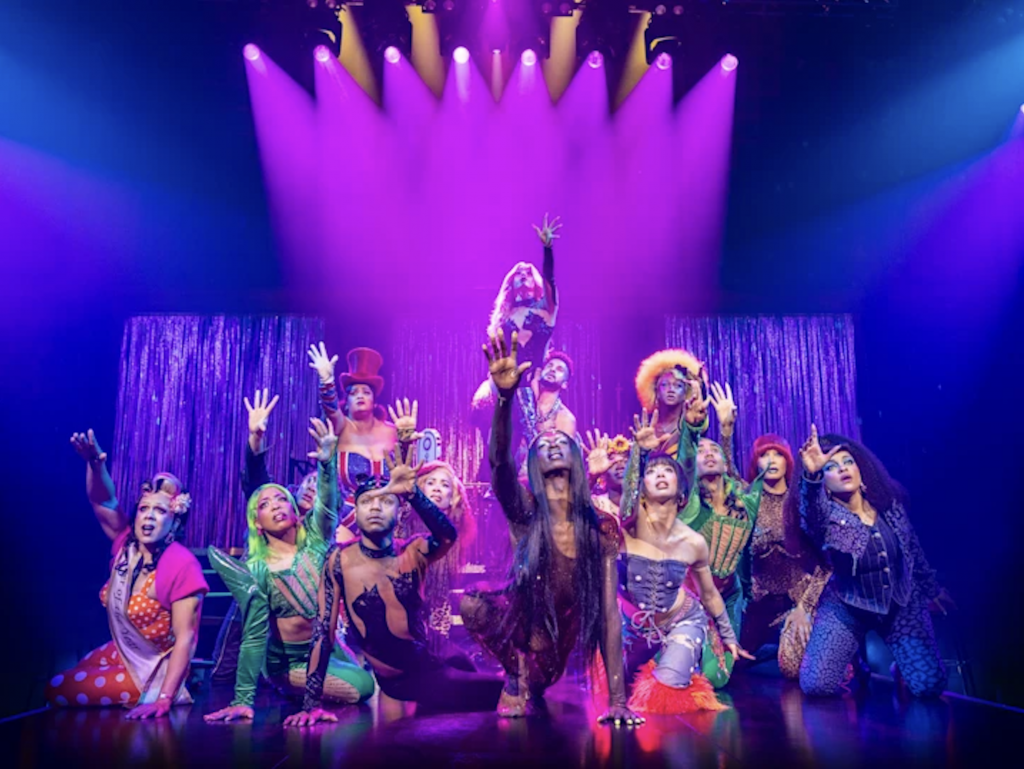
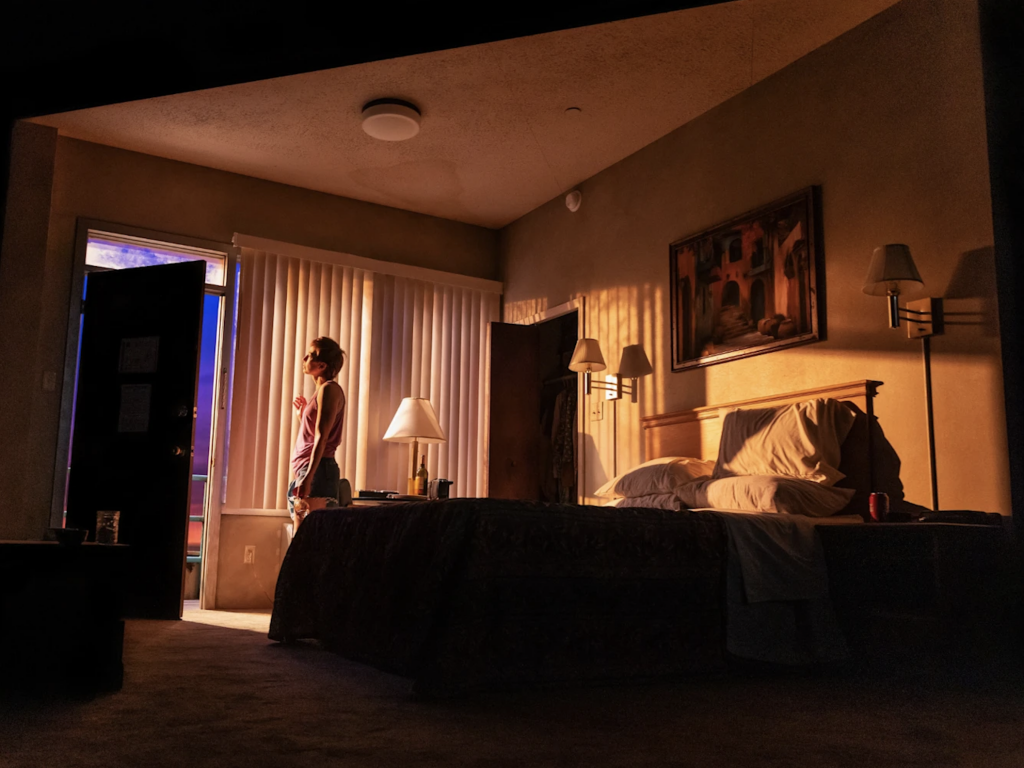
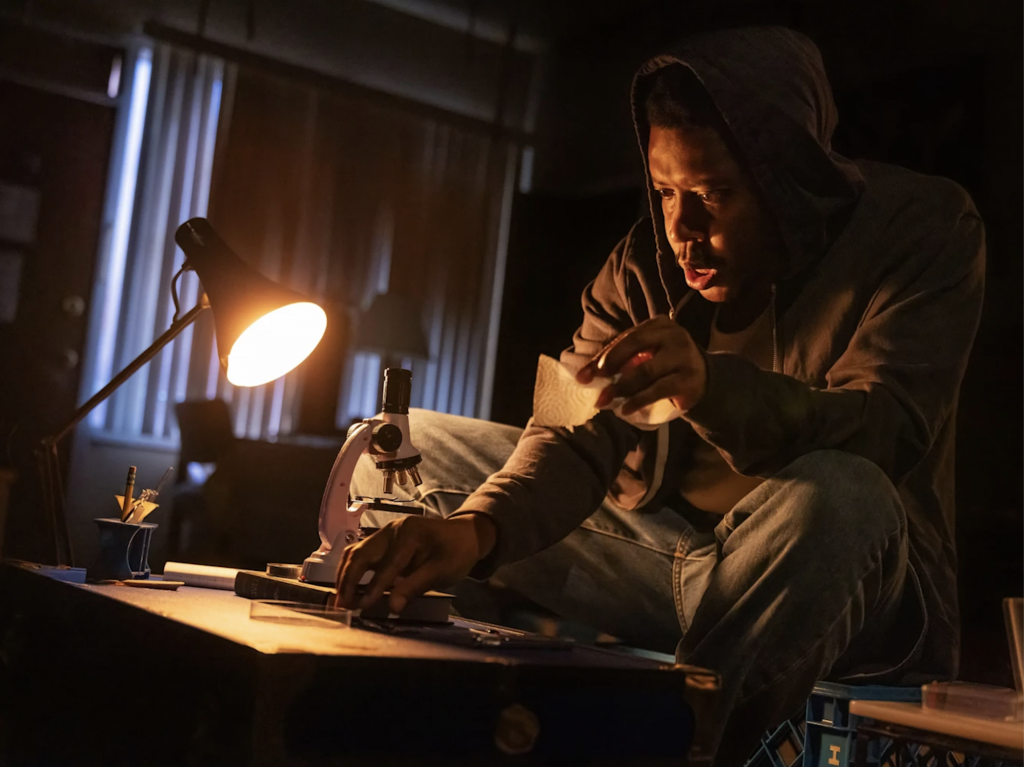
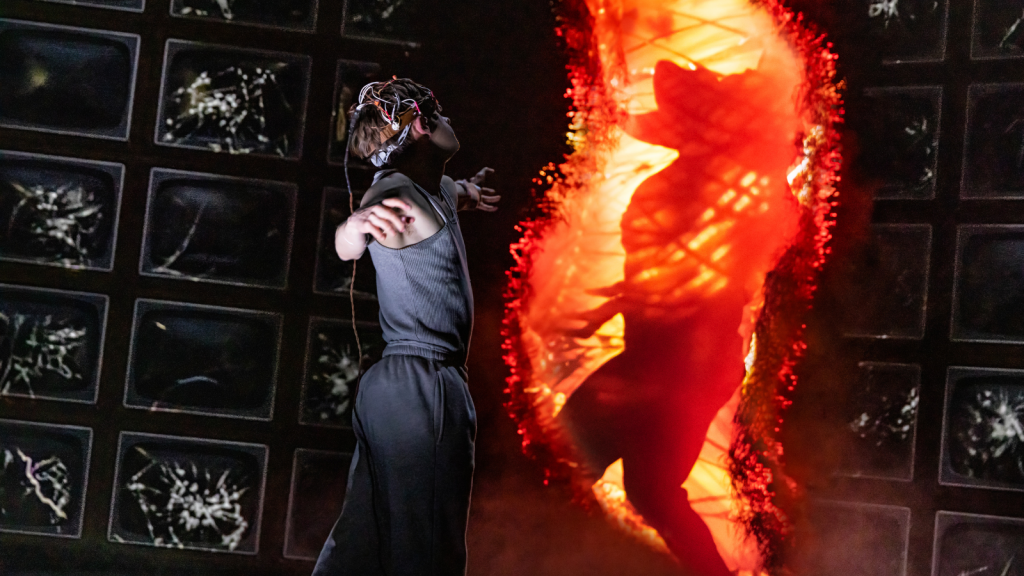
Stranger Things
Stranger Things

THE ART OF THE PERFECT SHOT

What makes a perfect theatre photograph… is it technical, emotional, or pure luck?

To me a perfect theater photograph should make the viewer feel what it’s like to be immersed in the show. The photograph should go beyond simply documenting the design elements and performances. It should feel completely alive even though it’s still. Some shots are more successful than others at accomplishing that but it’s always the goal. You should hear the photo, not just see it.

When you’re watching a run-through, what are you actually looking for?

When I’m watching a run through I’m usually antsy about wanting to be photographing it. I’d personally always rather learn the show by shooting (and have multiple times to shoot), but if I only get one chance to photograph it I will certainly stop by and see a run through whenever possible. I’m looking for a variety of things: getting a sense of lighting, pacing, and shape of the physical space. I’m also noting if there are any elements of surprise (things that happen so quickly I might miss them if shooting the show without a first look). More than anything though I would say I’m just getting myself acquainted with the creative teams. I check in about any direction/hopes/dreams they have for the shots and make sure all the goals are aligned and expectations are managed as to what is possible.

Is the best shot usually planned… or something you steal in a split second?

I find that the best, most exciting shots are 99% of the time something that happens in a perfect split second during a run through when all of the elements align to make magic. Often that will happen and then you’ll chase that image for years to come when replacement casts come in and you try to replicate the same energy that originally happened organically.

How do you capture energy, something that’s inherently live, in a still image?

You stay really, really tapped into what’s happening at every moment. The adrenaline that goes through your body while photographing a show is akin to waiting for the starting gun of a race to go off—for 2 hours straight.

Have you ever missed “the shot”… and had to live with it?

Oh 10000000%. I’d be lying if I said no. But…as you gain more experience you get better and better at ensuring you get the shots.

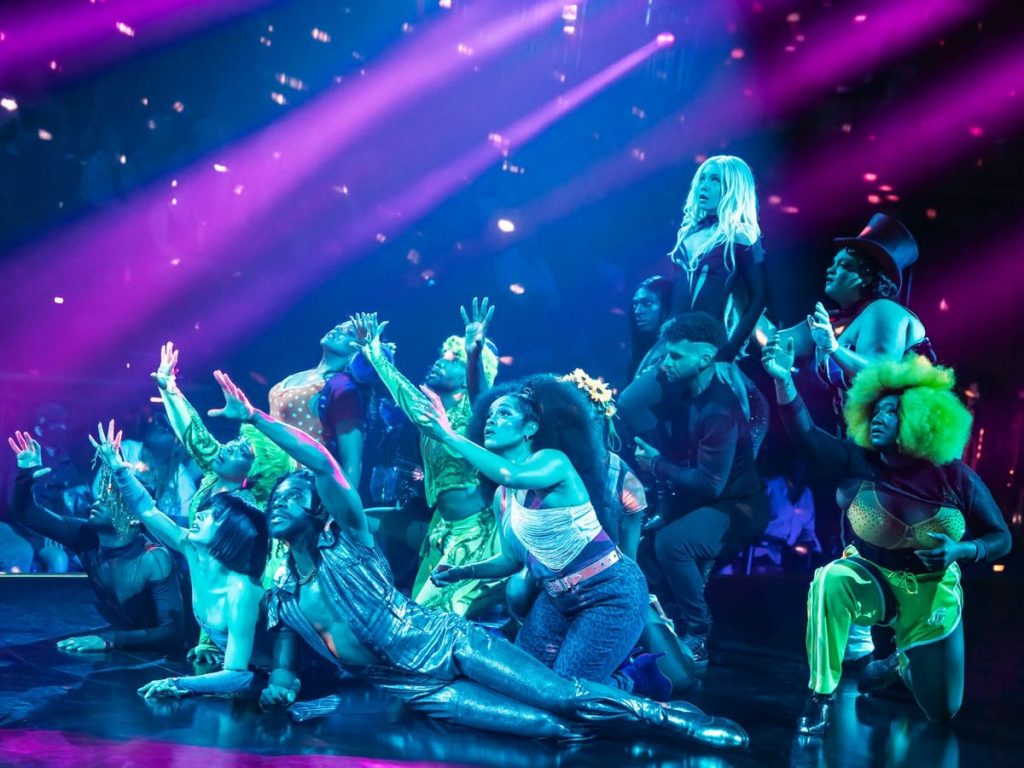
The Outsiders
The Outsiders

What’s a photo you’ve taken where you knew immediately, “that’s the one”?

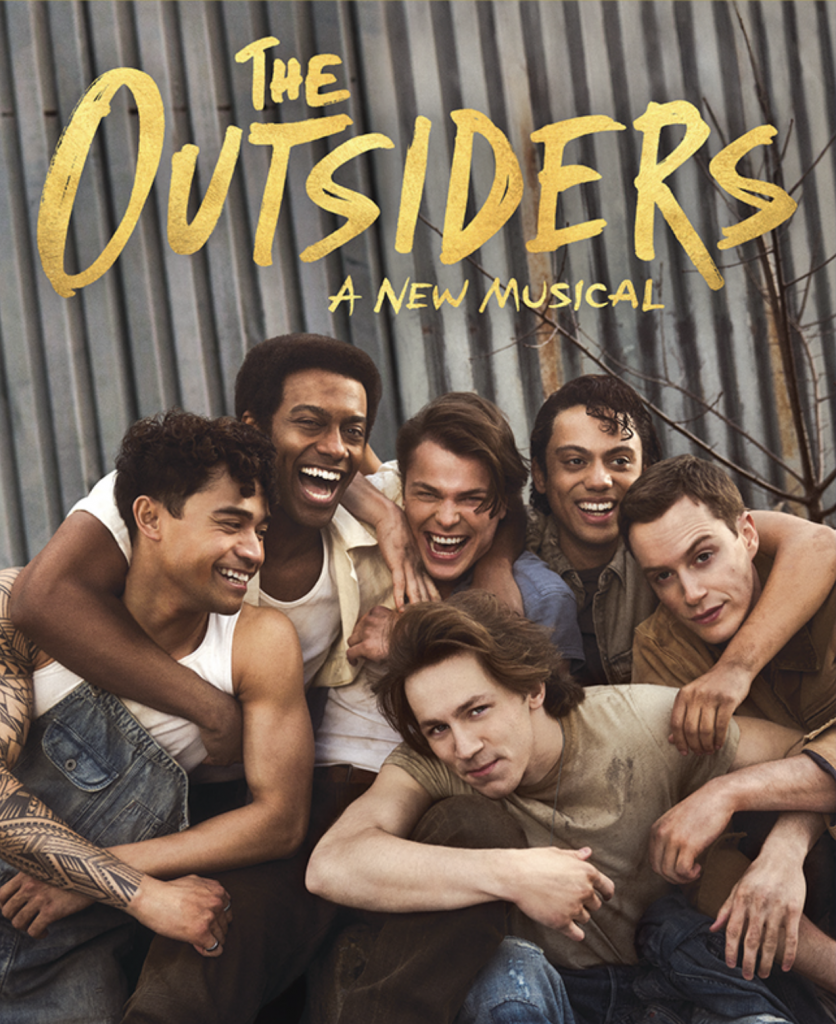
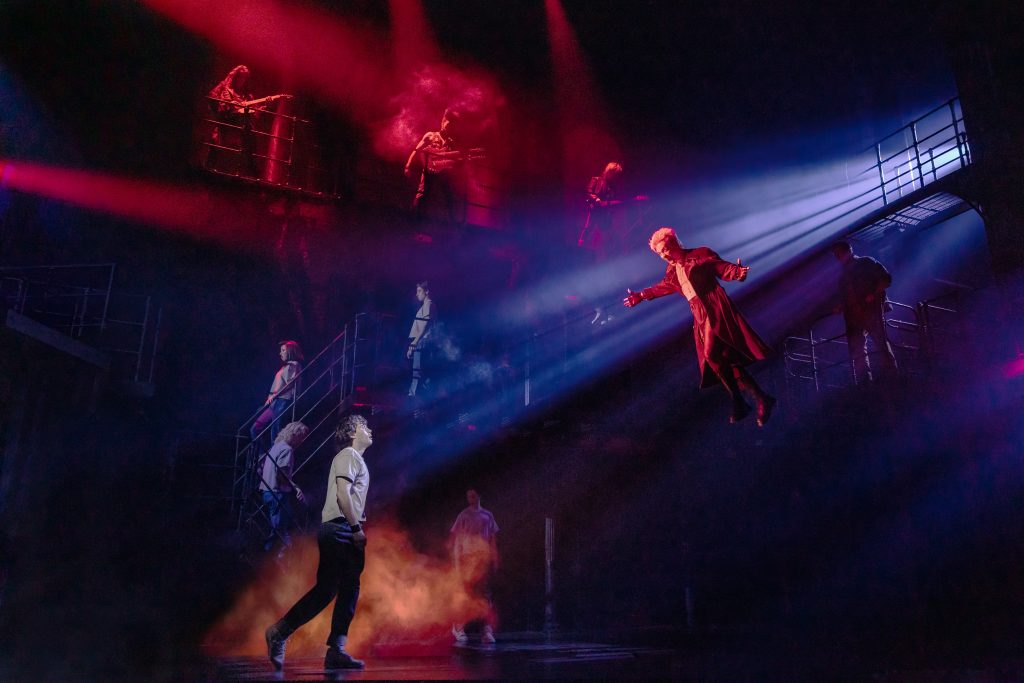
A recent shot that I went into the shoot aiming to get was this tackle moment during the rumble in “The Outsiders.” That entire section is impossibly difficult to shoot…the lighting has extreme changes every couple of seconds so you’re constantly adjusting your settings and reacting to how the performers are situated in the space. I’d really wanted to get this shot, but even once I got it I wasn’t sure it would ever see the light of day. I knew it was exciting, but that doesn’t always mean it gets selected as an official press shot. I was thrilled when it did.


COLLABORATION / POLITICS OF THE ROOM

Who are you really working for in the room… the producers, marketing, the director, or the show itself?

The role of a production photographer is one that wears many hats. Ultimately you’re working for the producers, but you are aiming to deliver photos that please producers, press/marketing teams, the creatives of the show, and the performers. When it really comes down to it, I think if I take the approach of trying to create images that excite me, I tend to hit the mark most fully for everyone. If I go into it trying too hard to shoot in a way that is safe/pleases everyone it usually ends up having diminishing returns. You “yes and” the needs. You make sure you get what the teams think they want, and then you show them something more exciting they may not have thought of by using your expertise behind the lens.

How early do you get involved in a production… and how does that relationship evolve?

It depends production to production and has varied as the industry has evolved. My preference would be to get in the room during rehearsals at the studios to not only get acquainted with the show, but to familiarize myself with the actors and creative teams. I think that ultimately creates the most trust between photographer and subject(s) which you get a sense of in the photos, especially when setups are involved.

Have you ever had creative tension with a team about what the show should look like visually?

I wouldn’t say I’ve had tension over how the show should look, as ultimately my opinion about the design choices is above my pay grade. I’ve had opinions but usually by the point we come in it’s too late for those opinions to have anything but a negative effect. However, I have definitely run into stressful situations where a show might look one way to the eye but looks differently on camera. Or something that when in motion you don’t clock (a design element like a costume, or makeup design for instance), suddenly becomes a glaring issue in a still image. This most often happens during the first photo review for new musicals when all of a sudden the stress of putting on a $20 million show is staring the teams in the face. And suddenly they have to decide…what are the 10 images that are going to differentiate ourselves in the market and sell the show.

How do you balance telling the truth of the show versus selling the show?

I think if I let feeling be my guide I tend to be most successful. By that I mean that when you’re watching a show as an audience member your heart connects a lot of dots and forgives a lot that your eye might not when faced with cold hard facts of a photo-journalistic image. So when I’m creating an image to sell a show—especially if we are doing a setup–, sometimes I do something that I call a hybrid moment which is when you are maybe taking an element or two from one moment and putting it together with something else to make it all coalesce on camera.

What’s the best collaboration you’ve had with a director or performer?

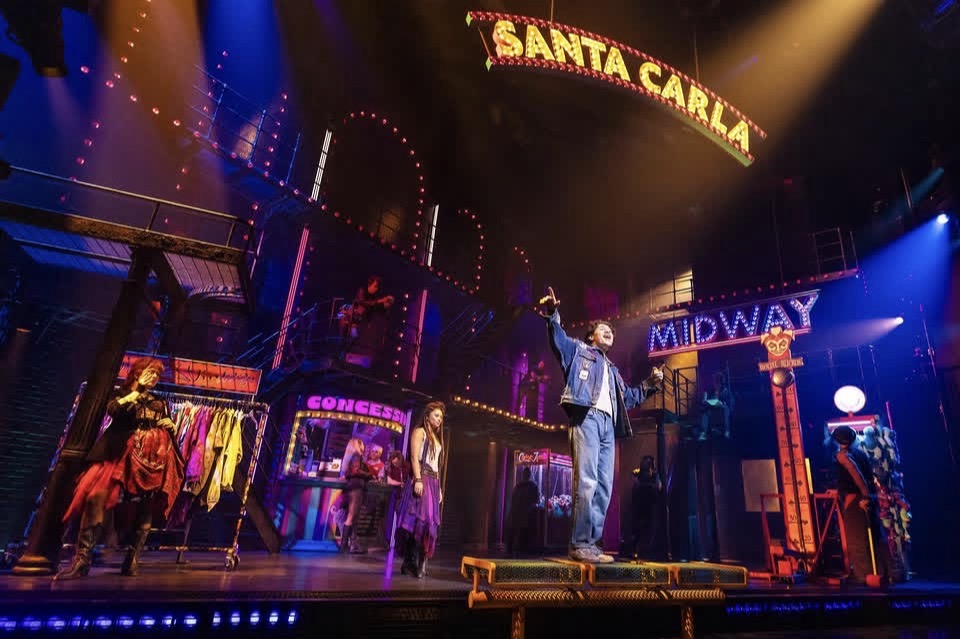
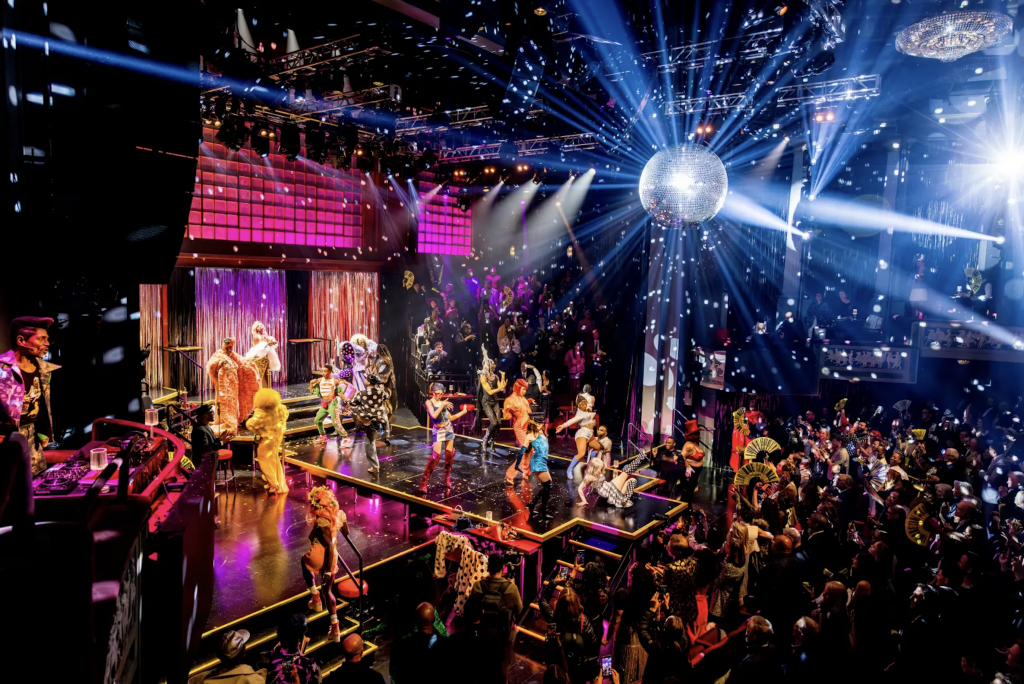
I have been so lucky to have so many. But one that really sticks out to me is my collaboration with Alex Timbers. I’ve worked on 10 of his shows and I always feel like I’m not only trusted but encouraged to explore and create. He is so clear about what he wants (both during the shoot and during the editing process where he’s wonderfully collaborative with notes). He took a chance on me really early on with “Rocky,” which to this day is one of my favorite shows I’ve ever photographed. A big one where I felt like I really came into my photographic voice most fully was “Moulin Rouge” which was a big turning point in terms of helping to create the brand of the show from the ground up. I just never could have imagined being so lucky. I also put it together recently that the first time I ever took a photo in a Broadway theater was during tech of “Bloody Bloody Andrew Jackson” when a friend brought me in and let me snap a couple of shots from the back of the house. And I’m always incredibly excited to see what Alex comes up with next.


TOOLS OF THE TRADE

What kind of equipment is actually essential for theatre photography… and what’s overrated?

For theater photography you absolutely have some requirements in terms of gear. You need what photographers call fast glass, which is a lens that has the ability to function quickly and precisely in low light. These days, you need the ability to shoot silently on a mirrorless camera. You need fast memory cards because you’re usually shooting a lot of images in quick succession. In terms of most overrated…that’s tougher because we tend to be pretty slim in terms of gear.

How do you deal with low light, movement, and the unpredictability of live performance?

In terms of the unpredictability you have to somehow find a way to direct an image without having any control. So that leaves the one thing you have control over to be yourself. Where are you positioned? How are you micro adjusting to split second shifts in staging? Even though I’d probably look relatively calm from the outside, internally it feels like you’re doing math equations constantly.  

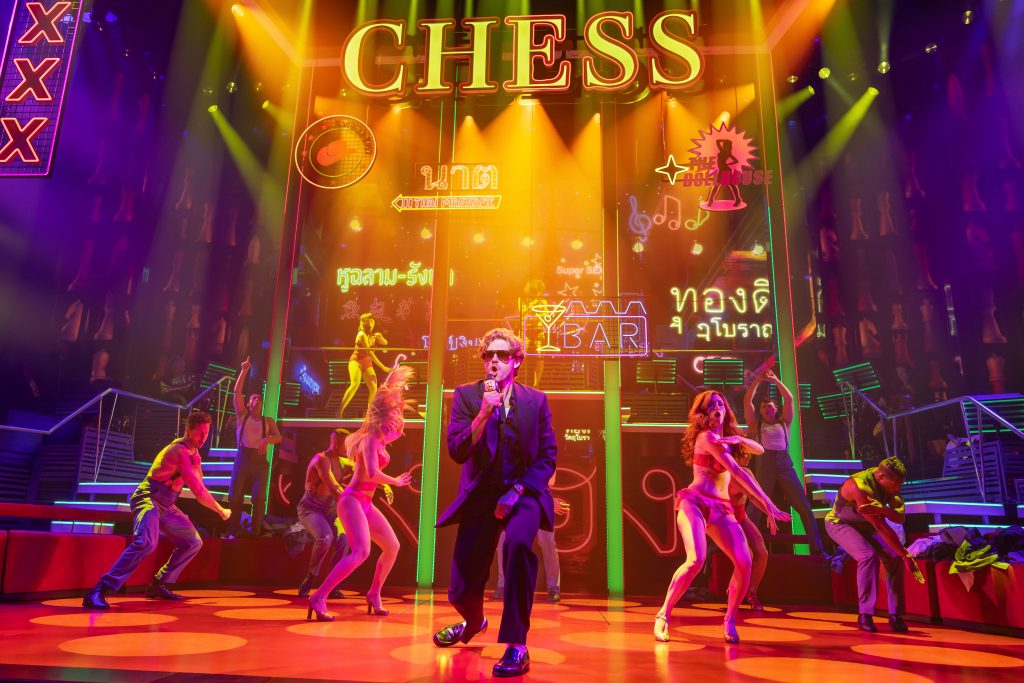
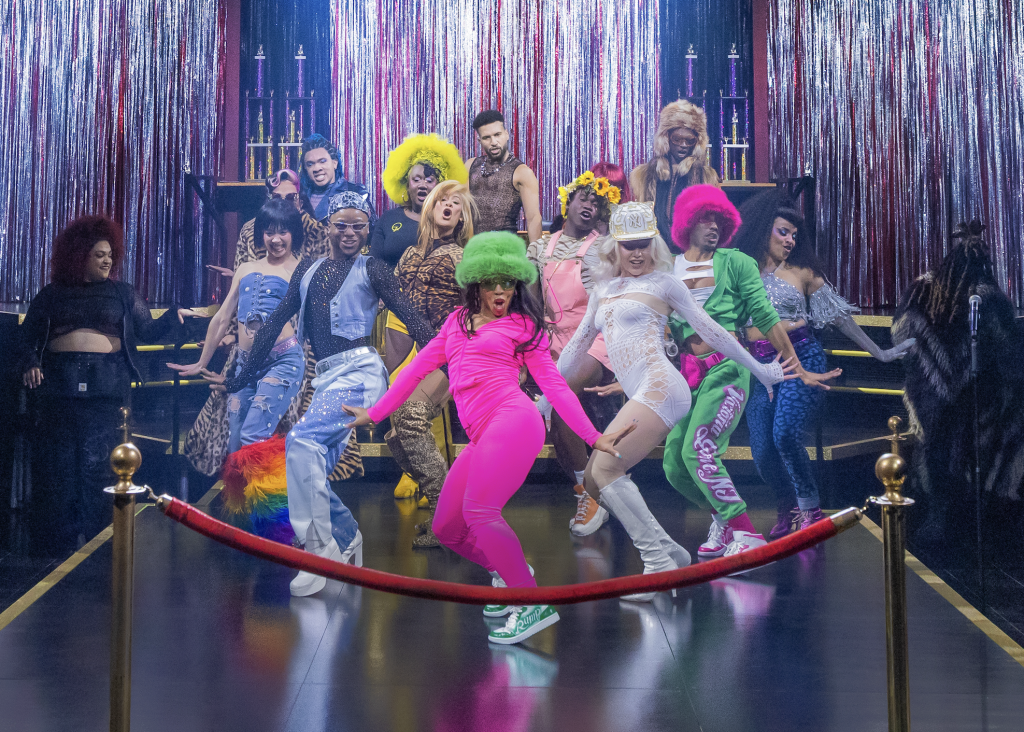
Moulin Rouge

Are there shots you simply can’t get no matter how good you are?

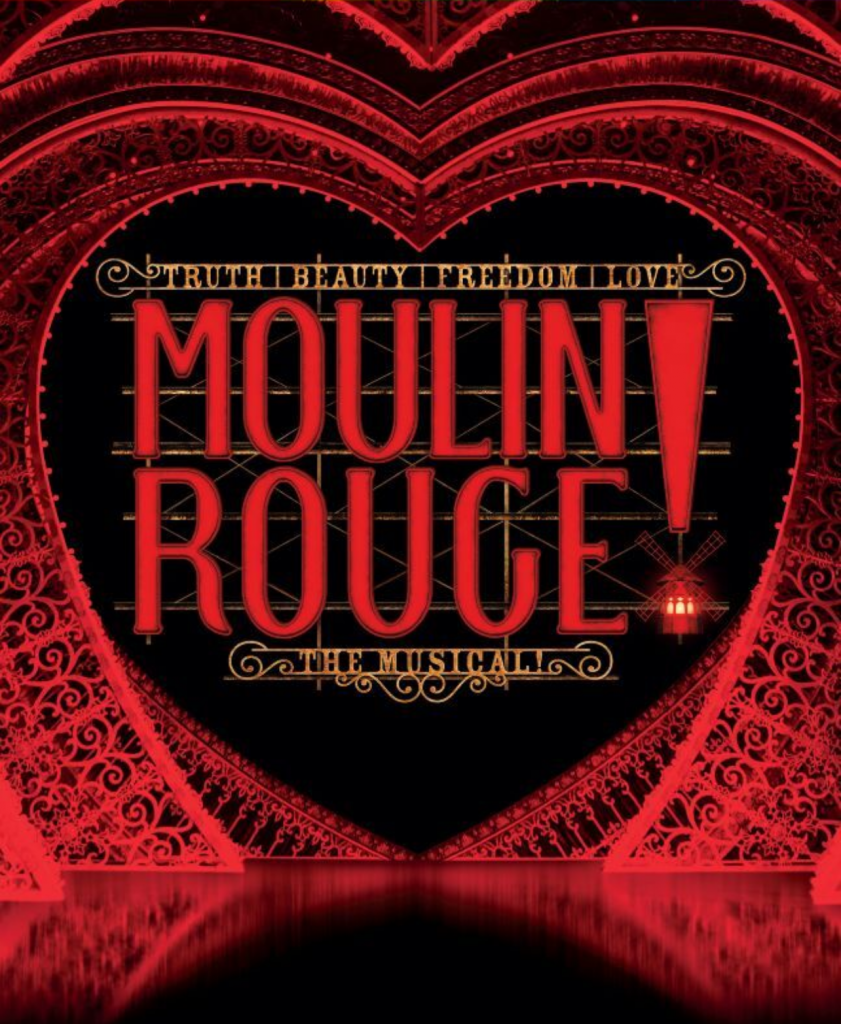
A mantra of mine internally while I’m shooting is that there’s always a shot to be found. The one you think you might need or want could prove impossible for whatever reason, but if you keep doing the math of what’s possible there’s always a shot to be found. One recent one that comes to mind is from “Moulin Rouge” where I was shooting a put-in for the new Satine. She was in costume…most other people were not, including her Christian for a large part of the second act. One of our signature shots is from “Come What May” and I was shooting at odd angles knowing that there was no way to get the expected shot, or even the secondary or third angle shots we’ve done over the years. But I kept saying…there’s a shot here and I figured out that if I could shoot into the reflection of the window and get the angle right I could get an exciting new shot (that needed a little photoshop love to finesse some of his outfit and remove an Apple watch…shout out to our retoucher Peter James Zielinski who does the lord’s work on the production photos that Evan Zimmerman and I take). But if I’d let my brain rest knowing we couldn’t’ get the normal shot I never would have found a new exciting one.

Has technology made your job easier… or just raised the bar?

Definitely both. Mirrorless cameras are mind boggling. It’s hard to remember that for the first half of my career I was shooting on standard DSLR cameras where you couldn’t see the exposure/changes in live time through the viewfinder. You were just looking through a little window to the stage and doing actual math for exposure adjustments in real time as lighting cues shifted and you could steal a second to check on the back of the camera.


THE JOB PEOPLE DON’T SEE

What’s the biggest misconception people have about your job?

That all the best shots of a show are the ones that are released. I would say a huge learning curve for me early on was accepting that for a million different reasons (costumes changing, actors not approving a shot, a certain element being maintained as a surprise) gorgeous shots never see the light of day. A painful reality of the profession.

People think it’s glamorous… what’s the part that’s actually grueling?

The turnaround time on launches is brutal. Often we are shooting a show until 11pm, then editing an initial gallery of photos until 2am or later, waking up at 8am to check in with teams and get the approval process going for a “first look” shot, then waiting on producers, press, actors, ad agencies to weigh in, then hustling through a retouch, sending that through the proper channels for notes, and trying to get an image out the door by 2pm the day of first preview. Exhilarating and exhausting.

I’ve heard theatre photography can be physically demanding… what does a long day actually feel like?

Theater photography is a huge adrenaline rush, so when the show finally ends you feel like you’ve fun a race. Then you’ve got the physical component of holding multiple cameras for hours. I have more back, shoulder, wrist issues than I ever did when I was a dancer.

What does an “easy” day look like… and what’s a day from hell?

An easy day is when I get to be in the room during tech of a new show and all the elements are running smoothly and I’m one of a handful of people seeing a new piece of theater before the first public performance. A day from hell is when someone forgets to call spotlight operators to a musical photo call.

Have you ever had to push through exhaustion or pain to get the shot?

Absolutely. There have been times where because of how tech schedules line up you’re shooting many days back to back (or even two shows in a day) and your brain is fried. In those moments I remind myself to stay curious. And I usually have some Chipotle and a Bloom Energy Drink and keep it peppy.


THE EYE / TASTE LEVEL

How do you develop an eye… can it be taught, or is it instinct?

I think it’s a little bit of both. I think a lot of the “eye” is instinct, but then a lot of it is learned from problem solving and building to your toolbox.

Do you think audiences today read images differently because of social media?

Absolutely. The reality is that these days most people are seeing our images on their phone and so much of the detail is lost. So things like color and movement become especially important to help the image become “thumb stopping” as you’re scrolling.

Are you ever thinking about how a shot will perform online while you’re taking it?

I would say that there are times during setup calls when I think through shooting more vertically so it fits the ratio of social media more easily. But it’s not my guiding principle.


CAREER PATH / BREAKING IN

How does someone actually break into theatre photography today?

I think starting small and slowly building connections and experience. I got my start in cabarets and off-off-off Broadway productions. And honestly learning on shows that didn’t necessarily have the production value of huge mega musicals allowed me to be creative and learn how to problem solve on my feet.

What should young photographers be doing right now if they want your career?

Build that portfolio shot by shot. Analyze why a certain image works and why others don’t.

What mistakes do you see early photographers make over and over?

Airing dirty laundry/complaints online. Group texts exist for a reason.

On top of that, too often I see people reaching out just saying “tell me what to do.” Reach out to people when you are ready to have a conversation, not just siphon info. And before you reach out to people make sure you’ve looked online to see if they’ve answered your questions somewhere already.  


Kinky Boots

LEGACY / REFLECTION

You’ve captured so many shows… do you think about legacy at all?

I recently passed my hundredth Broadway show as production photographer and it was one of the first times I really stopped and reminisced about what the past decade has been like and what the future looks like. I don’t spend a lot of time thinking about legacy, I just keep working hard, leading with kindness and trying to get the next exciting shot.

Is there a moment you’ve photographed that you feel will outlive the production itself?

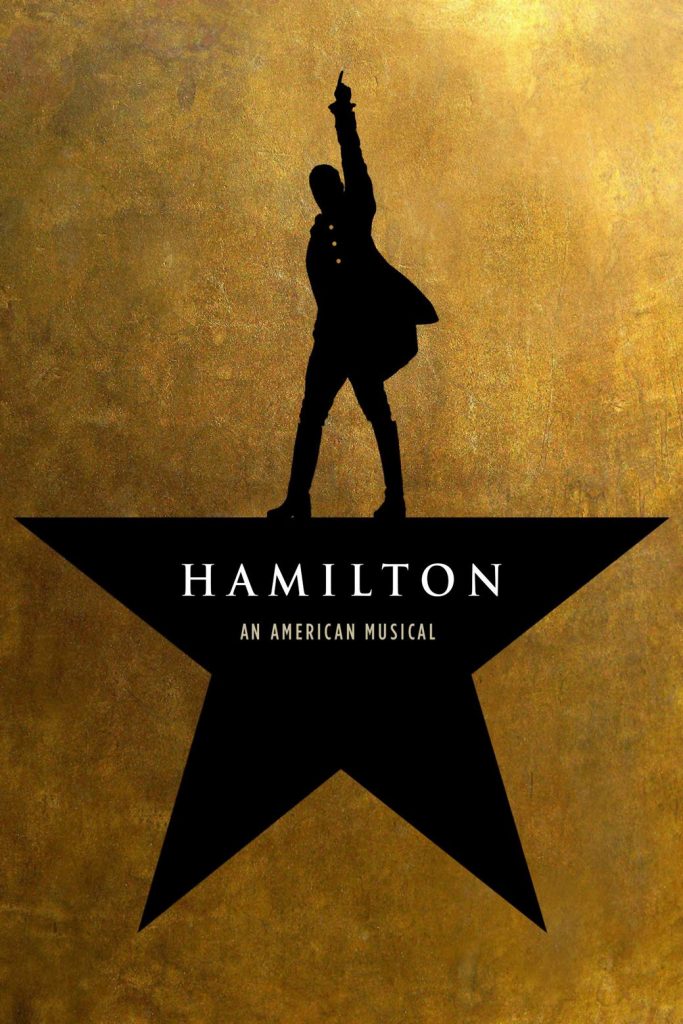
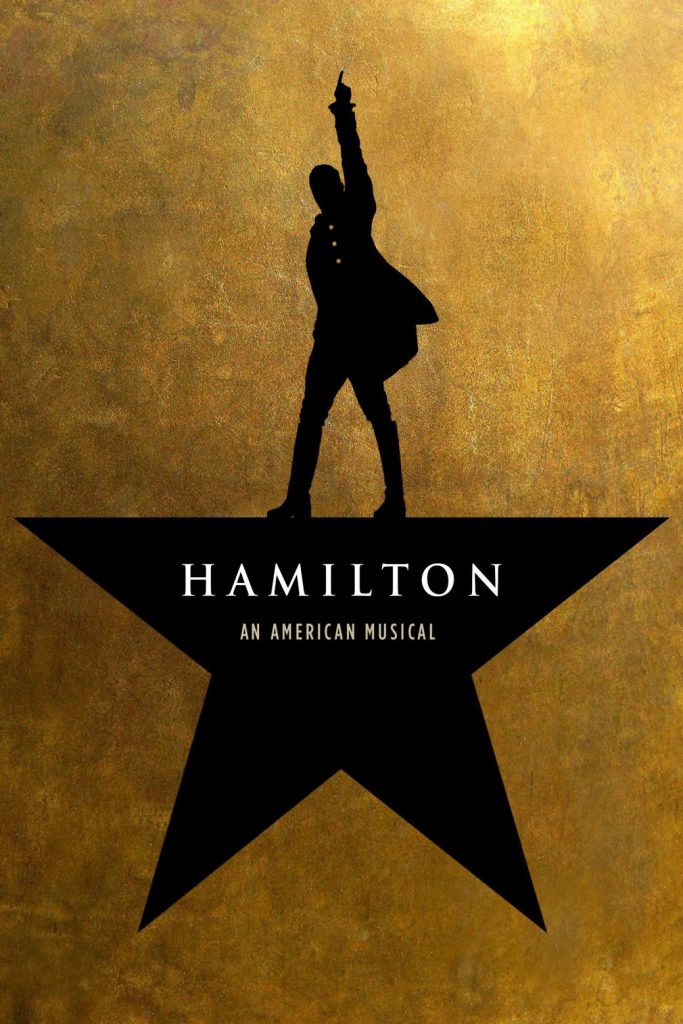
I think the beauty of production photography is that it is one of the few things that does outlive the production just by nature of a show’s life cycle. But in terms of broader picture, I think the HAMILTON logo is the first thing that comes to mind. I photographed all of the silhouettes and to see parody logos pop up in Disney movies and Legoland renderings…seeing bootleg merch is always a good reminder of how much that star logo infiltrated pop culture.

After all these years, what still excites you when you walk into a theatre with a camera?

The possibility of capturing a real star-is-born performance. I remember when my incredible associate Evan and I were in Chicago photographing BOOP! It was this instant awareness that Jasmine Amy Rogers was a true force that we were witnessing right on take off. Getting to photograph those career milestone moments for people never gets old.

And what still scares you? 

I think these days I wouldn’t necessarily say I get scared. I get excited (and a little anxious) before shoots sometimes but rarely actually scared. If anything I get scared a person won’t like a photo that goes out. I always want people to look at an image of their performance and think…wow, that really captures how that moment felt when I was performing.

Categories
Creative

How Shows Actually Get Nominated for Tony Awards

The Tony Award nominations arrive on Tuesday, May 5th at 8am-and with them comes the annual ritual of thrills, confusion, and being personally offended on behalf of someone you’ve never met.

But how does a Broadway show actually get nominated for a Tony Award?

The answer is more interesting than “people vote.” It is also more complicated. 

First, a show has to be eligible. Not every great production in New York can compete for a Tony. Off-Broadway shows and touring productions are not eligible. The official Tony Awards FAQ states that only Broadway productions that open in one of the 41 designated Broadway theatres in Manhattan are eligible. So yes, your favorite downtown miracle may be brilliant, devastating, and performed under one perfect bare bulb, but unless it transfers to an eligible Broadway theatre, Tony voters are not circling it on a ballot.

Think of the Administration Committee as Broadway’s Supreme Court – except the cases involve whether an actress counts as “featured” and the oral arguments happen over lunch. Is a performer leading or supporting? Is something a revival if it’s never actually been on Broadway before? The committee decides, and then everyone else argues about it loudly until June.

That matters because Tony categories are not always as obvious as they look. Is a performer leading or featured? Is a production a revival even if it has never been on Broadway before? Is a role placement determined by billing, producer request, or committee judgment? The answer is often: let the Administration Committee decide, and then let everyone else debate it loudly until June. Many times, producers will petition a category (for example, an actress to be put into a featured role instead of lead) to help with their chances of winning, but at the end of the day, the committee is there to determine it.

Once eligibility is settled, the nominations themselves are chosen by the Tony Awards Nominating Committee. This is a rotating group of theatre professionals selected by the Administration Committee. They serve overlapping three-year terms, are asked to see every new Broadway production, and then meet shortly after the eligibility deadline to determine the nominations by secret ballot. The ballots are supervised by an accounting firm to check accuracy.

In other words, this is not the full Tony voting body deciding nominations. It is a smaller group of nominators whose job is to watch the season, consider the eligible candidates, and vote.

For the 2025-2026 Broadway season, the Tony Awards announced a Nominating Committee of 64 members. The group includes actors, directors, designers, producers, writers, administrators, educators, and other theatre professionals. That range matters. The idea is that the nominations should come from people who understand the many crafts that make Broadway Broadway, from the person belting downstage center to the person who crafted the sound. 

After the nominations are announced, the process shifts. The winners are chosen by the larger Tony voting body. The Tony Awards says there are approximately 831 eligible voters, though that number can fluctuate year to year. Voters include members of The Broadway League, the American Theatre Wing, theatre unions and guilds, critics, casting professionals, press agents, managers, and the Nominating Committee.

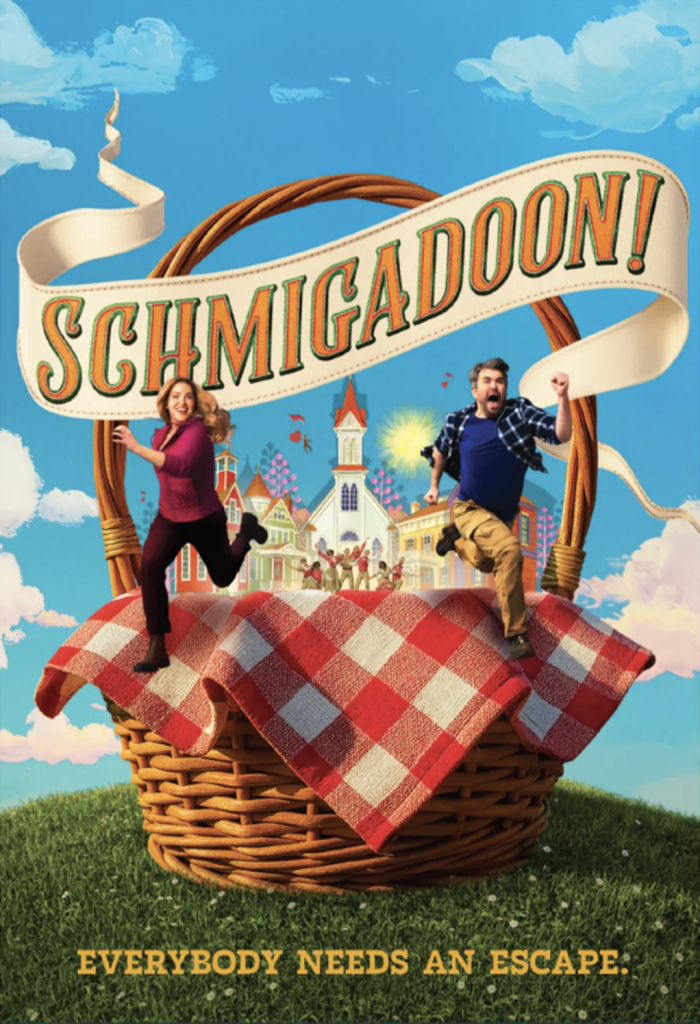
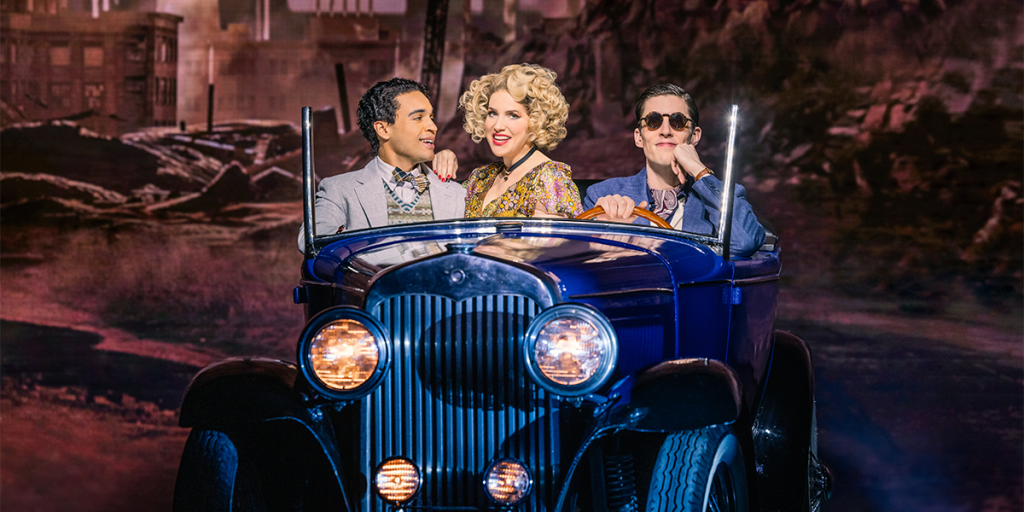
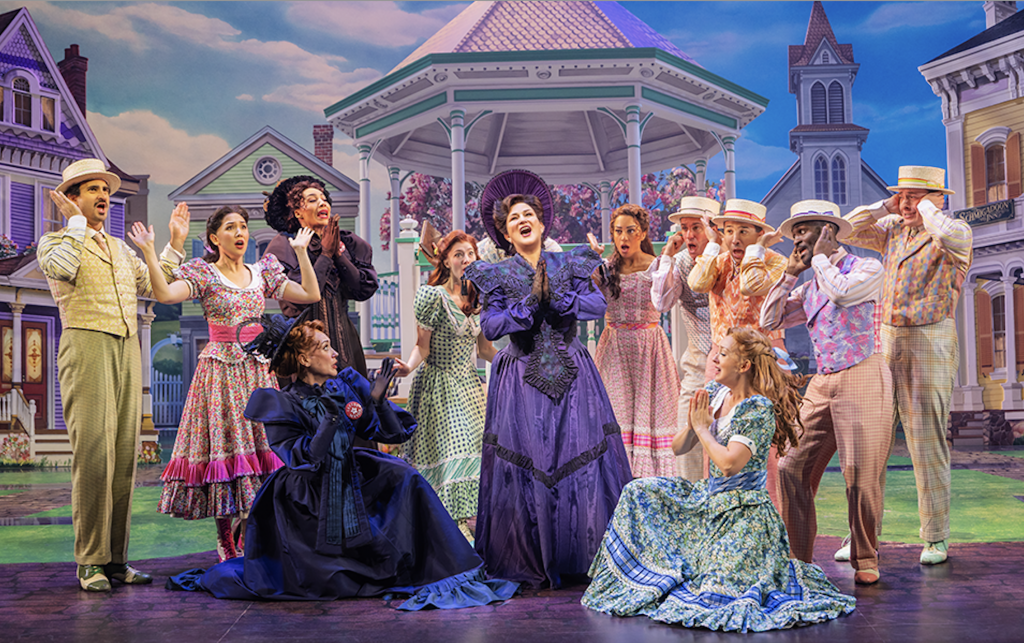
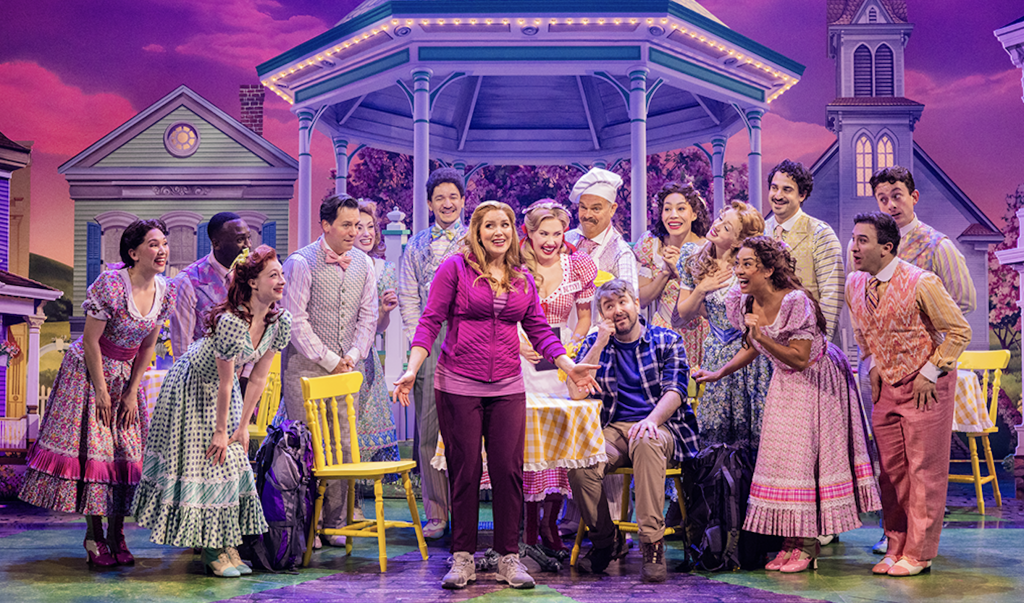
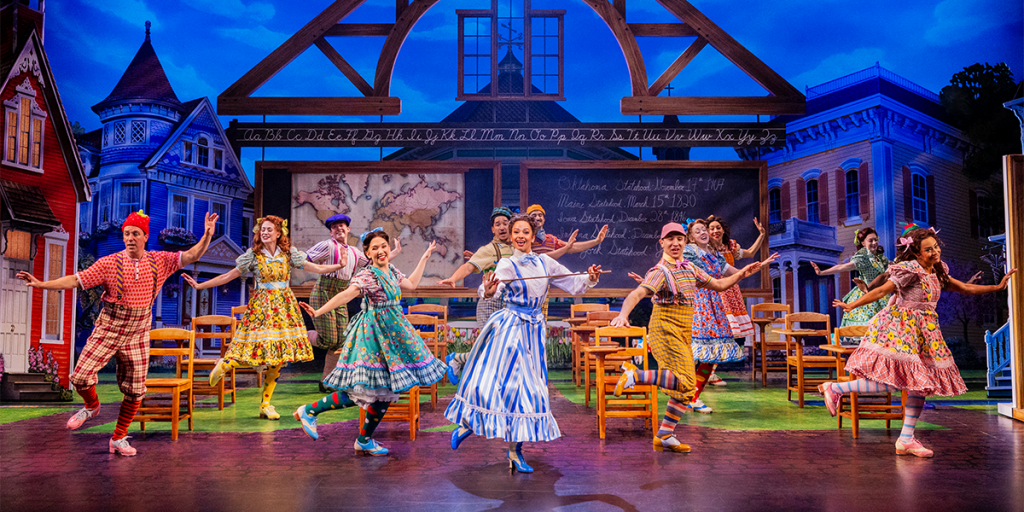
Photo credit: Schmigadoon! on Broadway. (Photos by Matthew Murphy and Evan Zimmerman)

Of course, every season comes with its own share of “wait… what?” moments, and this year delivered. The Tony Awards Administration Committee made a notable ruling that Marjorie Prime would be eligible for Best Revival of a Play, despite never having appeared on Broadway before, a reminder that “revival” can mean returning to prominence, not just returning to Broadway. Then there’s Schmigadoon!, where composer Cinco Paul was deemed eligible for Best Original Score, even though the music technically originated on television, signaling a continued evolution in how the Tonys define “written for the theatre.” And in the ever-strategic world of performance categories, both Jessica Vosk and Kelli Barrett were ruled eligible as Leading Actress contenders for Beaches, despite initial hopes to position Barrett in Featured. When that happens, the category doesn’t shrink, it expands, meaning more nominees and a slightly more crowded race. In other words, even the rules have plot twists.

There’s one more catch worth savoring: voters are expected to actually attend the productions they vote on. Skip a show and fail to log it in the Tony Voter Portal, and you’re locked out of voting in its categories. In other words, you cannot phone in the Tonys – even if you very much want to.

So the Tony nomination process is really a three-act play – one that somehow requires four committees and an accounting firm just to reach intermission.

Act One: a Broadway production opens and qualifies. Act Two: the Administration Committee rules on categories and eligibility. Act Three: the Nominating Committee sees everything, convenes, and votes by secret ballot. Curtain.

The Tonys matter because Broadway people care. A nomination can extend a run, change a career, boost a box office, and introduce audiences to shows they might otherwise miss. It is industry procedure, yes, but it is also storytelling. Every nomination morning tells us what Broadway is choosing to celebrate, what it is still wrestling with, and which performances managed to cut through the noise.

The Tonys may end with a trophy, but they begin with rules, committees, eligibility meetings, and a room full of people who saw everything.

Categories
Creative

Spotlight on Plays

Updated May 13, 2026

Oh, Mary!

The chaos queen of the season, and still the play everyone points to when they say, “Yes, comedy can sell on Broadway.” Cole Escola’s deranged Mary Todd Lincoln fantasia has become a genuine Broadway phenomenon, now extended through January 3, 2027. It is short, sharp, filthy-smart, and proof that a very specific comic voice can become commercial when it is truly undeniable.

Harry Potter and the Cursed Child

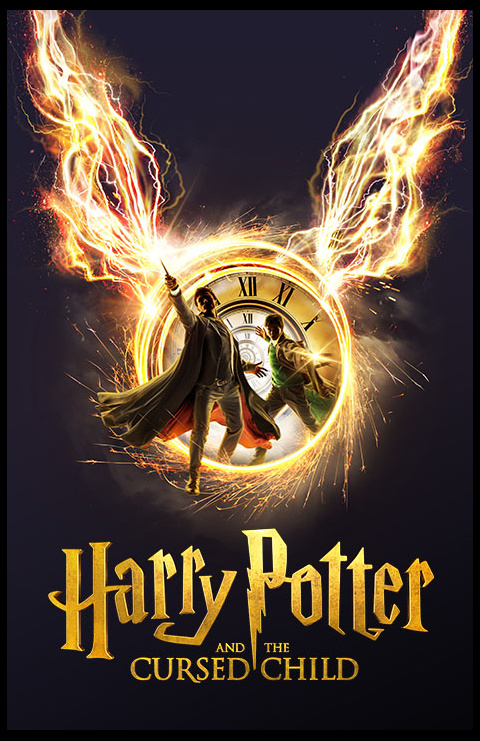
The long-running spectacle play that keeps reminding Broadway there is more than one way to make a “play” feel like an event. It is still the big magic-machine of the category, built for tourists, families, fans, and anyone who wants theatrical wizardry without needing a song cue every seven minutes. The current one-show version follows Harry, Ron, Hermione, and the next generation 19 years later.

Proof

A prestige revival with a killer package: Ayo Edebiri, Don Cheadle, Jin Ha, Kara Young, David Auburn’s Pulitzer and Tony-winning play, and Thomas Kail directing. The play’s central question, whether Catherine has inherited her father’s genius, madness, or both, still lands because it is really about belief, family, grief, and the terrifying possibility of your own brilliance.

Becky Shaw

A dark comedy with teeth. Gina Gionfriddo’s play turns a blind date into a social grenade, with marriage, obligation, class, kindness, cruelty, and emotional neediness all getting dragged into the room. It feels like one of those plays where everyone thinks they are the sane one, which is usually when theatre gets fun.

Every Brilliant Thing

The heart-warmer, but not in a soft-focus way. This solo play uses a list of life’s small joys to talk about depression, survival, memory, and hope. Daniel Radcliffe leads the Broadway run through May 24, with Mariska Hargitay stepping in for 40 performances beginning May 26. It is intimate, interactive, and emotionally direct without feeling like homework.

Joe Turner’s Come and Gone

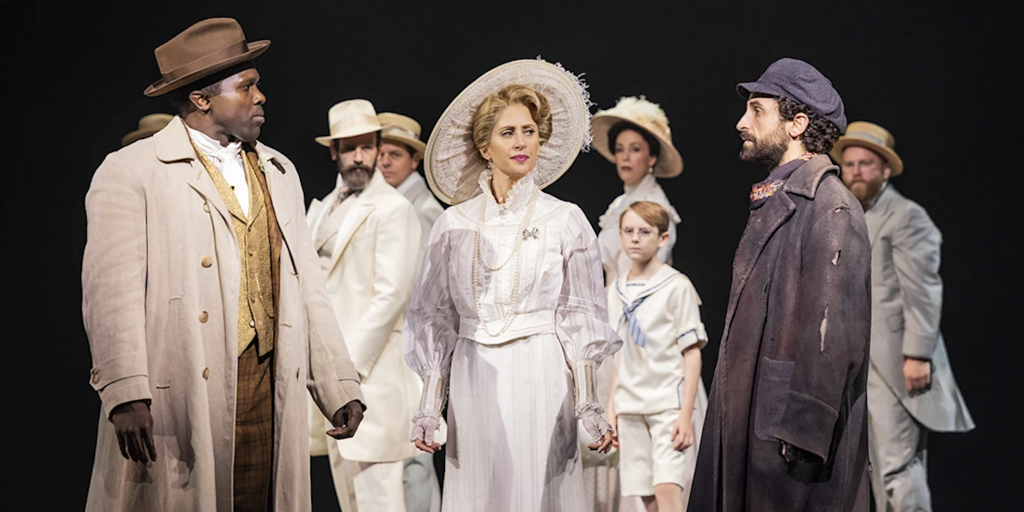
A major August Wilson revival, and one of the season’s weightier American classics. Set in Pittsburgh in 1911, it centers on a boardinghouse during a moment of migration, identity, and spiritual searching. With Taraji P. Henson, Cedric the Entertainer, Joshua Boone, and Ruben Santiago-Hudson, this has the potential to be both literary and star-powered.

The Balusters

David Lindsay-Abaire doing neighborhood warfare, which is exactly the kind of petty American comedy that can become weirdly profound if handled right. The setup is almost beautifully ridiculous: a neighborhood association spirals over porch railings, trash protocol, and a proposed stop sign. Translation: it is about control, taste, community, and people absolutely losing their minds over small things because the big things are harder to say out loud.

The Fear of 13

True crime, justice, wrongful conviction, death row, Adrien Brody, Tessa Thompson, David Cromer, Lindsey Ferrentino. That’s the sell. Based on the story of Nick Yarris, the play follows how a traffic stop became a murder conviction, 22 years on Death Row, and a shocking request for an execution date. It is built like a moral thriller, but the real hook is truth versus the system that claims to protect it.

Fallen Angels

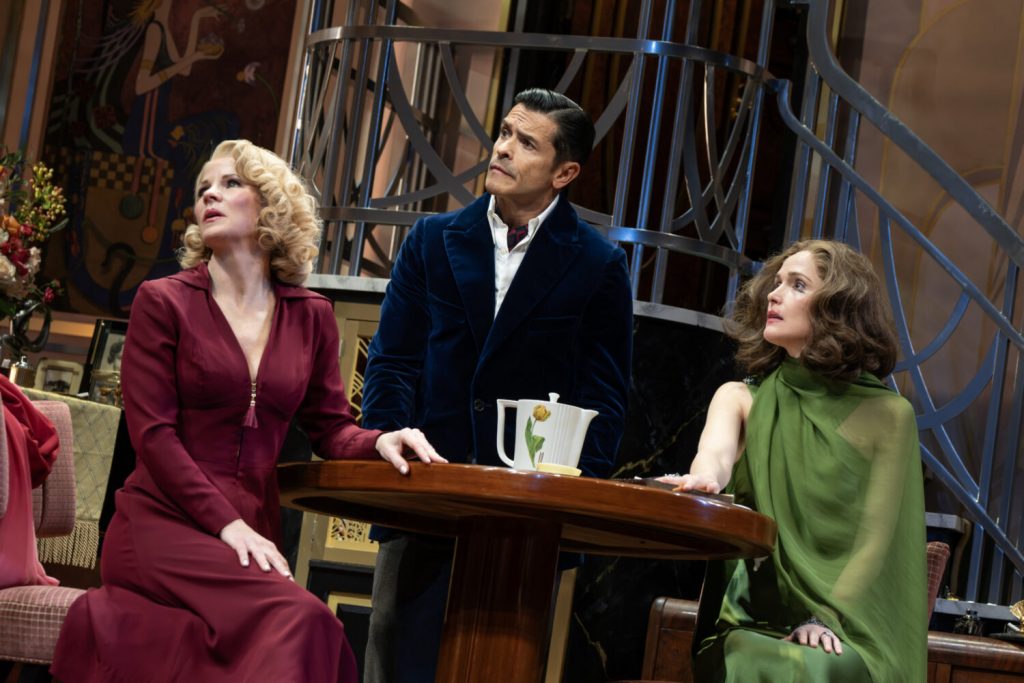
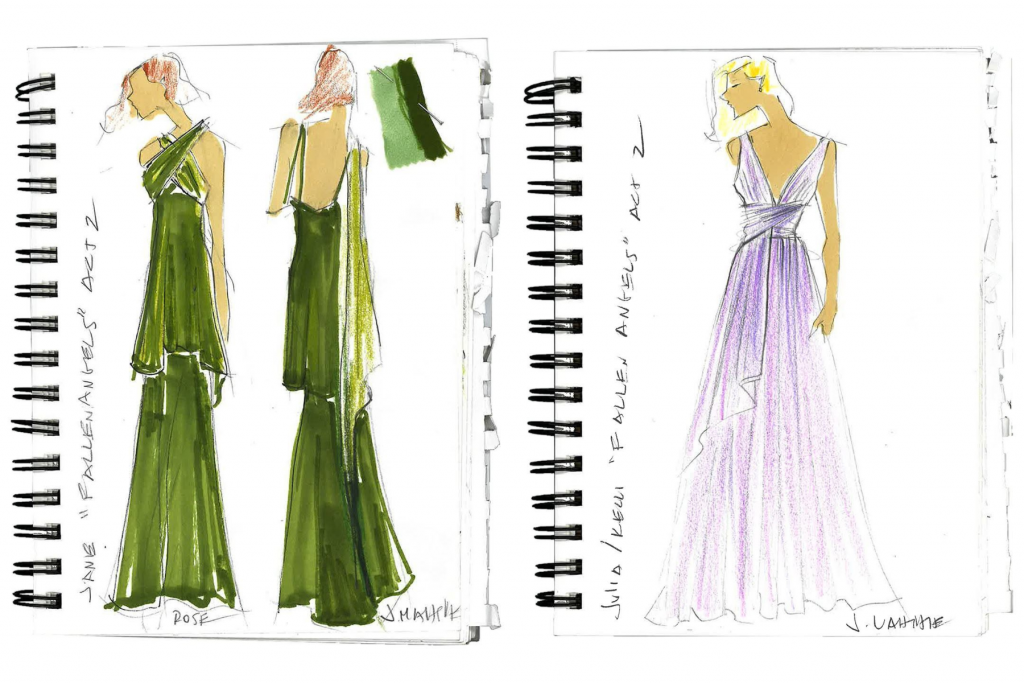
Noël Coward, Rose Byrne, Kelli O’Hara, champagne, husbands out of town, and a shared former lover possibly arriving from France. It is elegant bad behavior, which is the best kind because everyone is dressed well while making terrible decisions. At 90 minutes with no intermission, this feels like a sleek comedy revival built for people who want wit, glamour, and a little marital panic.

Death of a Salesman

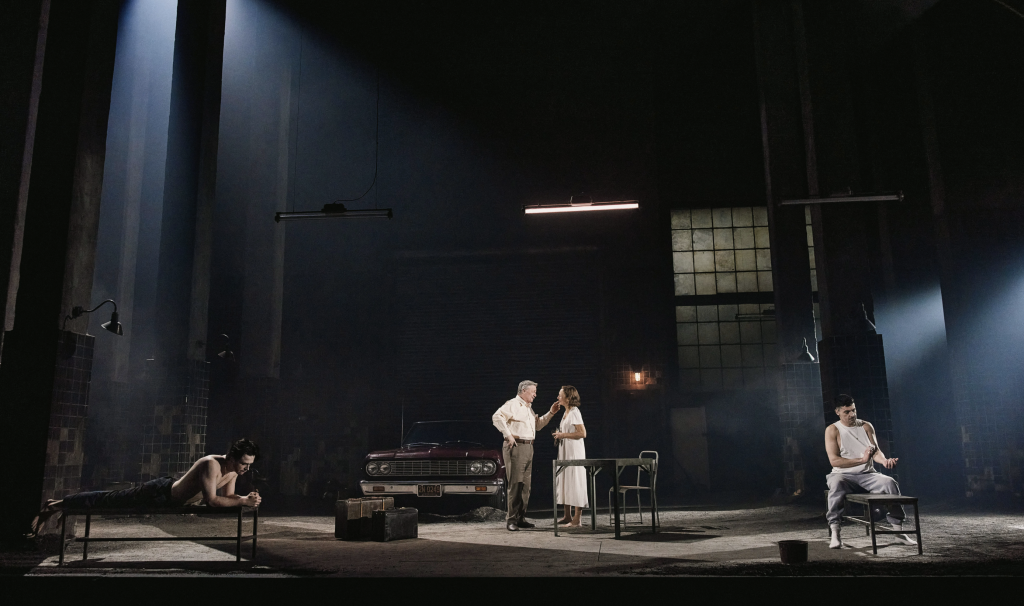
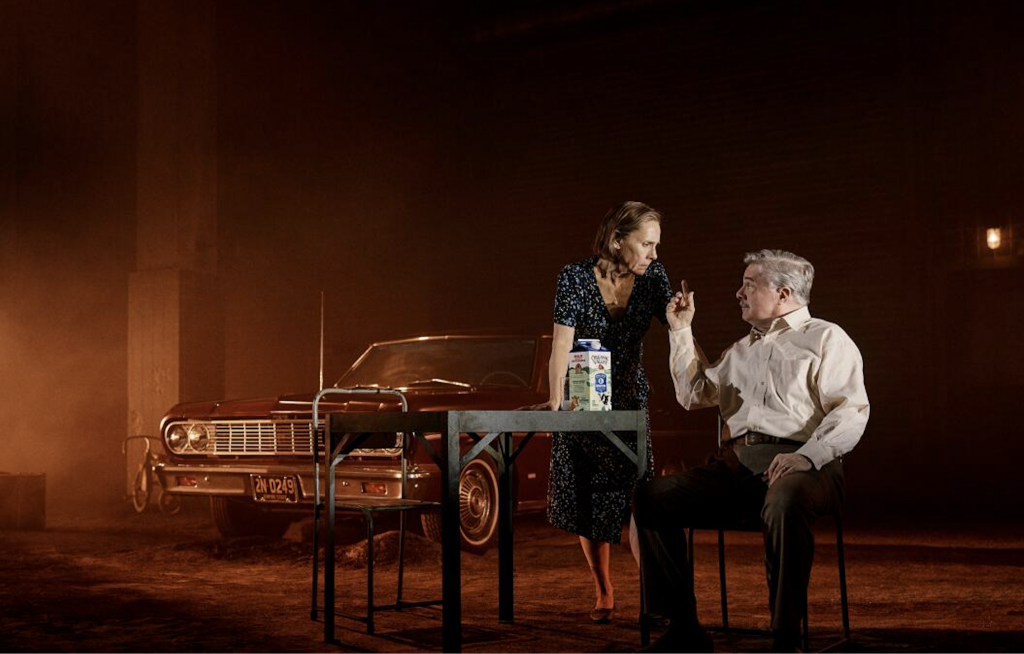
The heavy hitter. Nathan Lane and Laurie Metcalf in Arthur Miller’s American tragedy, directed by Joe Mantello. This is one of those productions where the casting alone becomes the event, because Willy and Linda need actors who can carry national disappointment in their bones. Miller’s story of a family crushed by the American Dream remains brutally current, because, well, have you looked around?

Stranger Things: The First Shadow

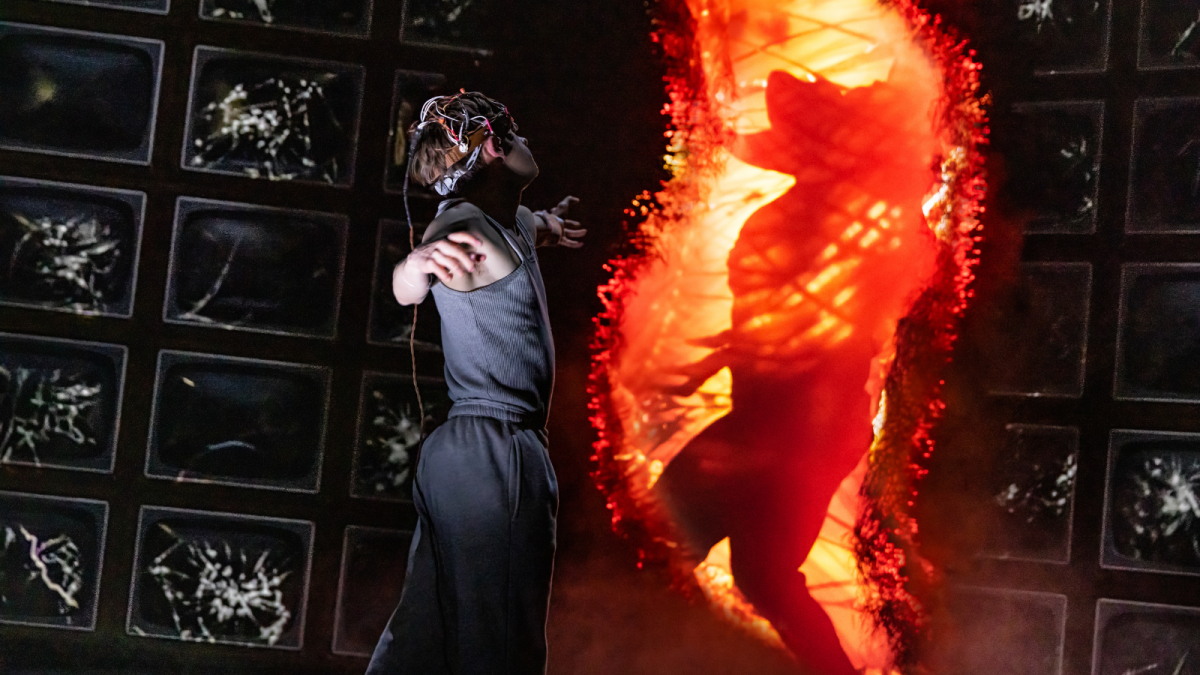
A play, yes, but also basically Broadway’s blockbuster franchise experiment. Set in Hawkins in 1959, it serves as a prequel to the Netflix series and leans hard into special effects, lore, and theatrical scale. For non-theatre audiences, this may be one of the easiest bridges into Broadway because it sells itself less like “a play” and more like stepping inside the mythology.

Giant

A serious, awards-shaped drama about Roald Dahl, legacy, apology, and public reckoning. John Lithgow reprises his Olivier-winning performance as Dahl following the play’s West End run. Set across a single afternoon in 1983, the play confronts Dahl after the backlash to his antisemitic article, asking whether a public apology can repair private conviction or public damage.

Dog Day Afternoon

A true-crime pressure cooker with major actor heat. Jon Bernthal and Ebon Moss-Bachrach lead Stephen Adly Guirgis’ stage adaptation of the famous 1972 bank robbery story, directed by Rupert Goold. This one has commercial muscle: recognizable title, New York grit, prestige playwright, hot TV actors, and a story that already knows how to hold an audience hostage, pun unfortunately earned.

Categories
Creative

Broadway’s Best Wedding Songs: For Your First Dance

There’s nothing quite like the first dance at a wedding. That magical moment when all eyes are on the couple, swaying together in a song that feels like it was written just for them. And what better place to draw inspiration than Broadway, where love stories have been told for decades. From golden age classics to contemporary favorites, Broadway has given us a soundtrack of romance that’s perfect for the dance floor.

Classic Golden Age Romance

For couples who love tradition and timeless melodies.

1. “Some Enchanted Evening” (South Pacific)
Rodgers & Hammerstein at their most sweeping – a grand, cinematic ballad about love at first sight.

2. “’Til There Was You” (The Music Man)
Sweet and understated, with just enough charm to melt hearts.

3. “If I Loved You” (Carousel)
A lush duet, brimming with longing and romance.

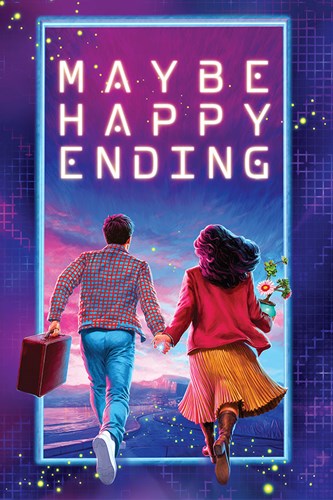
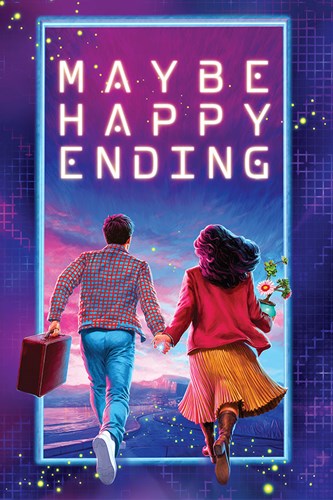
4. “Sentimental Person” (Maybe Happy Ending)
Elegant, dramatic, and perfect for a graceful waltz.


Dramatic Showstoppers

Big voices, big orchestrations, and first dances that feel like opening night.

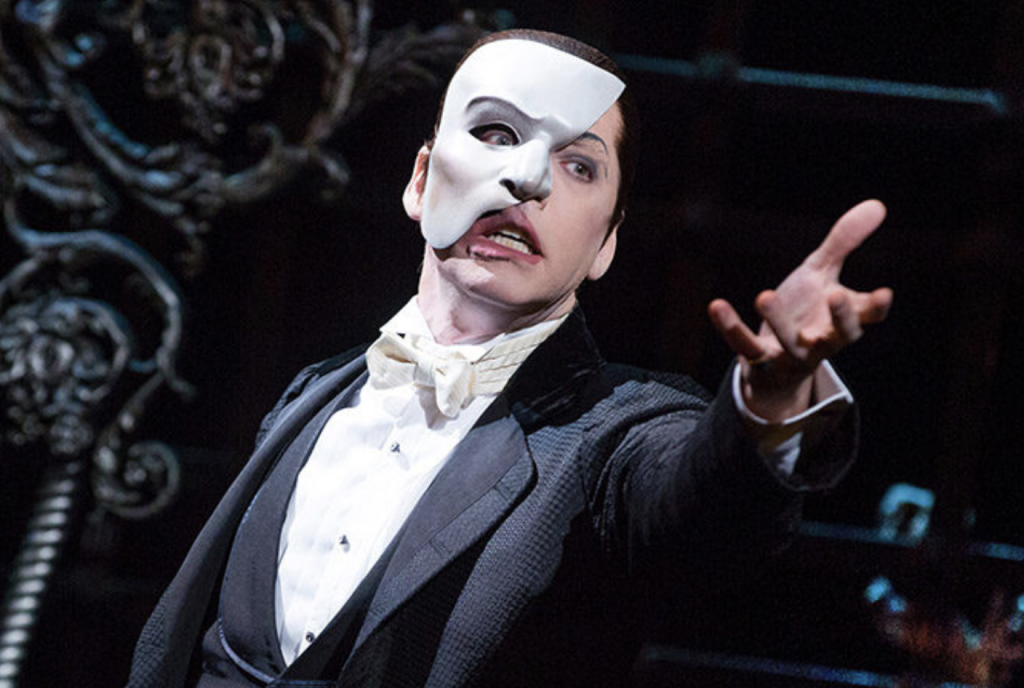
5. “All I Ask of You” (The Phantom of the Opera)
A Broadway power duet that soars with passion.

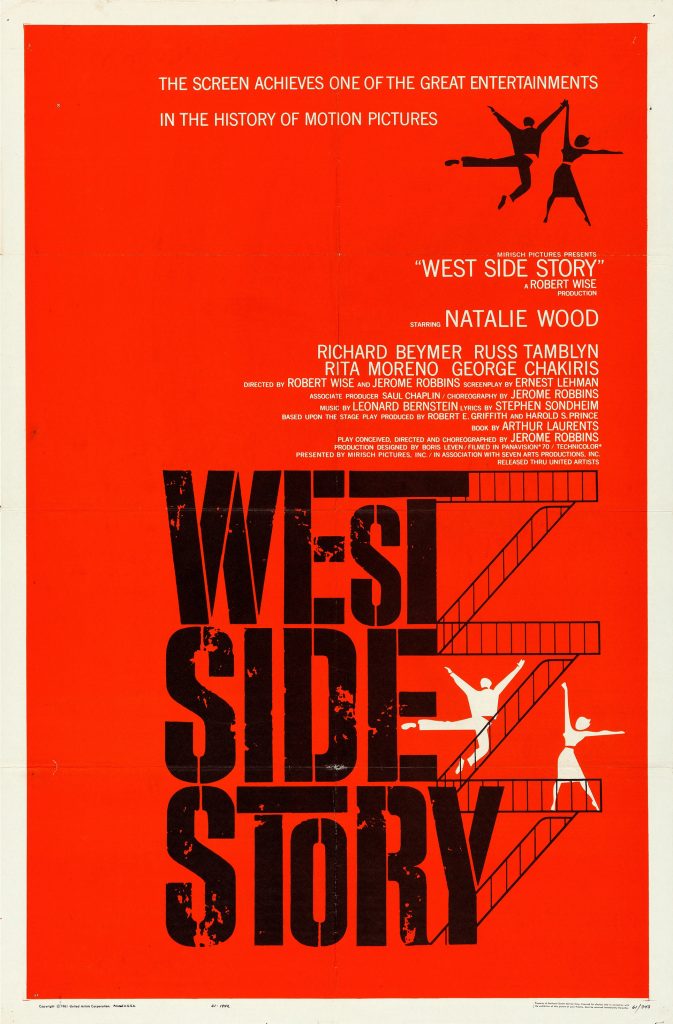
6. “Somewhere” (West Side Story)
Yearning and hopeful, with a grandeur that fills the room.

7. “What I Did for Love” (A Chorus Line)
Heartfelt and emotional, a declaration of commitment beyond the spotlight.


Modern Favorites

For couples who want Broadway’s newer ballads to define their love story.

8. “Falling Slowly” (Once)
Intimate and contemporary, with quiet emotion that builds beautifully.

9. “You Matter to Me” (Waitress)
Sara Bareilles’ tender duet – modern, personal, and full of warmth.

10. “I Choose You” (The Bridges of Madison County)
Jason Robert Brown’s soaring ballad of devotion feels tailor-made for weddings.


Sweet & Quirky Picks

11. “They Can’t Take That Away from Me” (Crazy for You)
A Gershwin gem that’s equal parts classy and charming – perfect for couples who want timeless elegance with a wink.

12. “Do You Love Me?” (Fiddler on the Roof)
Gentle, sweet, and slightly playful – a duet that captures the humor and tenderness of lasting love.

13. “You’re the Top” (Anything Goes)

Cole Porter’s witty wordplay brings sophistication with a dash of humor – an upbeat and charming choice.

Categories
Creative

Cast Comebacks: Actors Returning to Broadway in 2025

Broadway is preparing for a season of homecomings. A parade of celebrated actors are returning to its stages, bringing new works, long‑delayed premieres and high‑profile revivals. The 2025 calendar shows why New York’s theatre scene remain a magnet for stars who could easily continue working in film or television. Many performers talk about the unique intimacy of the theatre and the chance to inhabit a character night after night, building energy with an audience. After pandemic disruptions and time spent in Hollywood, these artists are choosing to reconnect with their stage roots in a year that promises both nostalgia and novelty.

The season’s most talked‑about reunion pairs Kristin Chenoweth with F. Murray Abraham in The Queen of Versailles. Adapted from Lauren Greenfield’s documentary, the musical charts the saga of Jackie and David Siegel, time‑share moguls whose lavish dream home became a symbol of overreach. A Boston tryout confirmed that the show captures the couple’s ambition and downfall, and the Broadway production will begin previews at the St. James Theatre on October 8, 2025. Chenoweth will tackle Jackie while Abraham plays David.

Just down the block at the Booth Theatre, Laurie Metcalf will anchor the Broadway premiere of Little Bear Ridge Road. The one‑act, written by Samuel D. Hunter and directed by Joe Mantello, centers on a razor‑tongued aunt and the nephew who returns to help sell her crumbling Idaho home. Previews begin October 7, and the play’s combination of wry humor and emotional candour seems tailor‑made for Metcalf’s talents.

Comedy is taking center stage with Bobby Cannavale and James Corden team with Neil Patrick Harris in Yasmina Reza’s Art. The modern classic, which first opened in 1994, follows three friends whose relationship is threatened when one of them buys an expensive white painting. The new revival began previews August 28 and runs through December 21, 2025. Cannavale, Corden and Harris could make this a standout in a season full of drama.

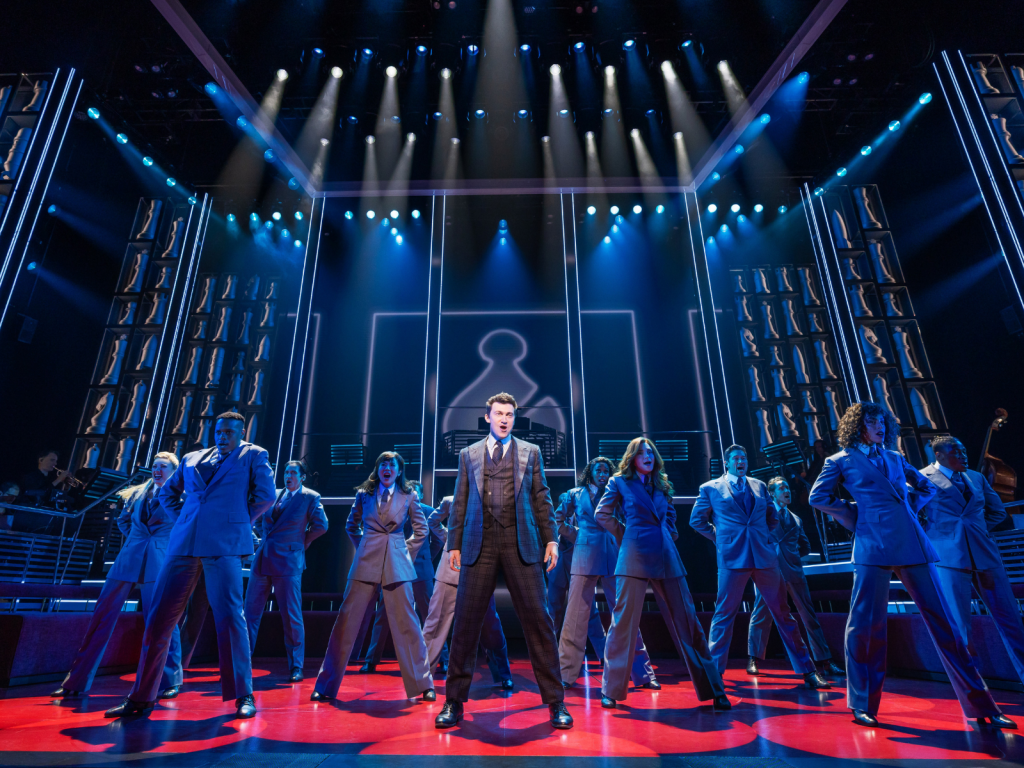
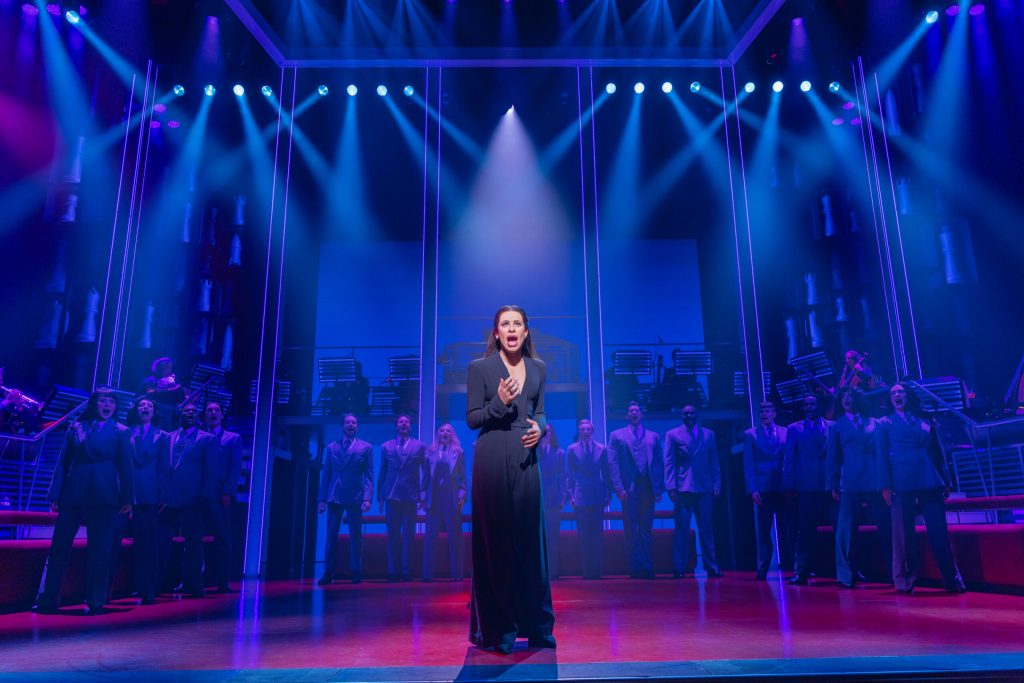
Broadway fans are buzzing as Lea Michele and Aaron Tveit prepare to make their return to the stage in the first-ever Broadway revival of Chess. Set to play at the Imperial Theatre, the production begins previews on October 15 with an official opening on November 16.

Kelli O’Hara will headline Noël Coward’s Fallen Angels at Roundabout’s newly renovated Todd Haimes Theatre. The 1925 farce about two wives awaiting the return of an old flame has rarely been seen on Broadway, and this production pairs O’Hara with Emmy‑nominated Rose Byrne.

Carrie Coon, last seen on Broadway more than a decade ago, returns in Tracy Letts’s psychological thriller Bug. The Manhattan Theatre Club production, opening December 18, 2025 with an official opening  January 8, 2026, follows a waitress who becomes consumed by conspiracy theories and delusions after meeting a disturbed Gulf War veteran. Coon’s penchant for inhabiting complex characters should bring new life to Letts’s unsettling play.

Tragedy will not be neglected. Studio 54 will host the U.S. transfer of Robert Icke’s adaptation of Oedipus starring Mark Strong and Lesley Manville. Critics hailed the London production for turning Sophocles’ classic into a political thriller set on election night. The American engagement begins October 30, 2025 and will run for a limited fourteen‑week engagement.

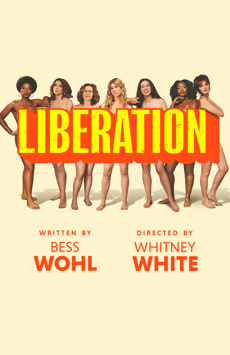
Other notable comebacks include Leslie Odom, Jr.‘s return to his Tony winning role as Aaron Burr in Hamilton, Betsy Aidem as Margie in Liberation by Bess Wohl, and Broadway Stalwart Danny Burstein, who is set to take on the role of Jon in the upcoming production of Marjorie Prime at the Hayes Theater.

Categories
Creative

What Classic Novels Could Be the Next Hit Musicals?

Broadway has always drawn inspiration from the written word. From Les Misérables to The Color Purple, some of theatre’s most beloved scores have literary roots. The current pipeline of novel-to-musical adaptations shows this trend is stronger than ever.

Novels Already Heading to Broadway

Midnight in the Garden of Good and Evil – John Berendt’s Savannah-set bestseller offers a Southern Gothic blend of mystery, magic, and scandal. With Jason Robert Brown and Taylor Mac at the helm, this adaptation promises to be one of Broadway’s most original projects in years.

Beaches: The Musical – Iris Rainer Dart’s emotional tale (immortalized in the Bette Midler film) has been circling Broadway for years. After workshops and regional productions, it’s finally approaching Broadway with Lonny Price as director. Expect soaring ballads and plenty of emotional moments.

Anne of Green Gables – Lucy Maud Montgomery’s spirited heroine is making the journey from Prince Edward Island to Broadway. Anne’s story of belonging, imagination, and coming-of-age seems perfectly suited for a heartfelt musical score.

These join recent literary adaptations like The Great Gatsby, The Notebook, and Water for Elephants, proving Broadway’s appetite for book-based material.

The Next Hit Musical?

Some classic novels would make for great musicals. We experimented with some titles for your enjoyment.

Gone Girl – Gillian Flynn’s psychological thriller could translate into a noir-pop musical with unreliable narrators and dueling perspectives. Think Chicago meets Next to Normal with a contemporary edge. In a Broadway landscape that has embraced Parade, The Outsiders and Sweeney Todd, there’s room for darker material.

Mark Twain’s Catalog – Beyond Big River (Roger Miller’s take on Huckleberry Finn), Twain’s works offer untapped potential. The Prince and the Pauper could become a family-friendly spectacle.

The Catcher in the Rye – Holden Caulfield navigating New York with an alternative rock score could be the next Spring Awakening. The obstacle? J.D. Salinger’s estate has historically blocked adaptations. But if permissions were ever granted, it could electrify audiences.

Rebecca – Daphne du Maurier’s gothic masterpiece attempted a Broadway run in the 2010s but was derailed by legal and financial troubles. The source material remains compelling: a haunted estate, a menacing housekeeper, and a romance that ends in flames. The right creative team could finally bring this sweeping, operatic story to life. Maybe even a modern twist?

Lord of the Flies – Golding’s survival tale reimagined with choral harmonies and primal rhythms could be a daring new musical. The challenge? Making savagery sing without losing its edge.

The Exorcist – A rock-opera showdown of faith versus possession, complete with theatrical spectacle, could thrill Broadway. The risk? Special effects must serve the story, not swamp it.

The Scarlet Letter – Hawthorne’s tale of shame and resilience could soar with sweeping ballads and lush ensembles. The hurdle? Turning Puritan austerity into riveting stage drama.


Literature provides the emotional intensity that musicals require —love, loss, betrayal, triumph, and transformation. The best novel-to-musical adaptations don’t just retell stories; they find the songs hidden within the text.

With several literary adaptations currently in development, the next great novel-to-musical hit might already be sitting on your bookshelf, waiting for the right creative team to discover its hidden melodies.

Categories
Creative

Where’s That Cast Now? The Book of Mormon Edition

When The Book of Mormon opened at the Eugene O’Neill Theatre in March 2011, it was an instant cultural earthquake—raucous, irreverent, and packed with a powerhouse cast. Trey Parker, Matt Stone, and Robert Lopez’s satirical masterpiece took home nine Tony Awards, including Best Musical, and cemented its place in Broadway history. But what happened to the original cast after they bid farewell to Uganda? Let’s check in.


Andrew Rannells (Elder Price)

The breakout star of The Book of Mormon, Rannells earned a Tony nomination for his pristine comedic timing and powerhouse vocals. After leaving the show, he jumped to HBO’s Girls as Elijah, a role that made him a TV fan favorite. He’s also appeared in The New Normal, Black Monday, and the film adaptation of The Prom. On Broadway, he returned in Falsettos (another Tony nomination), The Boys in the Band, and Hedwig and the Angry Inch. He’s now an established multi-hyphenate—actor, singer, and author (Too Much Is Not Enough), and came back to Broadway most recently in 2023 in Gutenberg! The Musical! opposite Mormon castmate Josh Gad.

Josh Gad (Elder Cunningham)

Josh Gad left The Book of Mormon with a Tony nomination and a rocket strapped to his career. He became a household name as the voice of Olaf in Disney’s Frozen franchise, starred in films like Beauty and the Beast as LeFou, Artemis Fowl, and Murder on the Orient Express, and fronted series like Central Park and Avenue 5. Recently, he co-created and starred in the Apple TV+ series Wolf Like Me. He returned to the stage in Gutenberg! The Musical! in 2023 and Broadway fans are eagerly awaiting his next project.

Nikki M. James (Nabulungi)

James earned a Tony Award for Best Featured Actress in a Musical for her luminous performance as Nabulungi. Since then, she’s built a wide-ranging career spanning stage and screen. She appeared in Les Misérables (2014 revival), The Adventures of Tom Sawyer, and received a Tony Award nomination for playing Ida B. Wells in Suffs. On TV, she’s had recurring roles in BrainDead, The Good Wife, Severance, Daredevil: Born Again, and Proven Innocent. She continues to be a beloved Broadway presence and versatile performer.

Rory O’Malley (Elder McKinley)

O’Malley’s hilarious, scene-stealing “Turn It Off” won him a Tony nomination. After Mormon, he starred in Hamilton as King George III on Broadway and on the road, and has appeared in Crazy Ex-Girlfriend and American Princess. Beyond acting, he co-founded Broadway Impact, an organization advocating for marriage equality. He remains a champion for social causes and LGBTQ+ rights within the theatre community.

Michael Potts (Mafala Hatimbi)

Potts has built a robust career in both theatre and television. He starred in the Tony-winning revival of The Iceman Cometh alongside Denzel Washington and earned acclaim for The Piano Lesson on Broadway. TV fans know him from The Wire (Brother Mouzone), True Detective, and Show Me a Hero. His career continues to balance powerful stage work with scene-stealing screen roles.

Lewis Cleale (Price’s Dad / Mission President)

A Broadway veteran before Mormon, Cleale has continued working steadily, appearing in The Book of Mormon for several years and in productions like The Fantasticks. He’s also lent his voice to recordings and is a respected name in the theatre community.

Brian Tyree Henry (The General)

An Emmy-nominated American actor best known for his role as Alfred “Paper Boi” Miles on Atlanta, Henry has appeared in acclaimed films including If Beale Street Could Talk, Widows, and Bullet Train, earning praise for his versatility and depth.

Categories
Creative

From Stage to Screen: Broadway Stars Who Made It in Hollywood

Broadway has always been a training ground for some of the world’s greatest performers. The discipline, stamina, and craft demanded by the stage often translate beautifully to the camera. Some actors find themselves moving seamlessly between the two worlds, carrying the essence of live performance into their screen roles. Here’s a look at a few who have successfully built careers in both Broadway and Hollywood.

Carrie Coon

Known for her searing stage work in Who’s Afraid of Virginia Woolf? (for which she earned a Tony nomination), Carrie Coon quickly caught the attention of television and film audiences with The White Lotus, The Leftovers, Fargo, and The Gilded Age. Her ability to bring quiet intensity to both stage and screen has made her one of the most versatile actors of her generation.

Cynthia Nixon

Long before Sex and the City made her a household name, Cynthia Nixon was a Broadway regular—making her debut at age 14 in The Philadelphia Story and famously performing in two Broadway shows simultaneously at age 18 (Hurlyburly and The Real Thing). She later won a Tony Award for Rabbit Hole and continues to balance stage roles with a thriving screen career, most recently on The Gilded Age and reprising Miranda in And Just Like That.

Natalie Portman

Portman made her stage debut in The Diary of Anne Frank on Broadway as a teenager, showcasing early on the depth that would define her film work. While she’s best known for Black Swan (for which she won an Oscar), Jackie, and Star Wars, her theatre roots reflect the training and presence that ground her screen career.

Sarah Jessica Parker

Before she became Carrie Bradshaw, Parker was a Broadway baby, starring in Annie at age 14 and later in How to Succeed in Business Without Really Trying and Once Upon a Mattress. Though television cemented her pop-culture status, she frequently returns to the stage, most recently co-starring with Matthew Broderick in Plaza Suite—a reminder that her stage chops remain as sharp as ever.

Meryl Streep

Often hailed as the greatest living actress, Streep began her career in the theatre, including Shakespeare in the Park and Broadway roles before her meteoric rise in film. She has periodically returned to the stage while dominating cinema with performances in Sophie’s Choice, Doubt, The Devil Wears Prada, and August: Osage County—all roles that draw heavily from her stage training.

Denzel Washington

Washington’s towering presence on screen (Training Day, The Book of Eli, Glory) has always been matched by his stage work. He’s taken on some of theatre’s most iconic roles, including Julius Caesar, A Raisin in the Sun, and The Iceman Cometh, and most recently Othello in 2025. His Tony-winning turn in Fences exemplifies how he bridges the worlds of Broadway and Hollywood with equal force.

Kerry Washington

Kerry Washington, who appeared on Broadway in Race before her breakout television role on Scandal, is set to return to Off-Broadway in The Whoopi Monologues, a production by Whoopi Goldberg at Lincoln Center Theater’s Mitzi E. Newhouse Theater in July 2026.

_____

For these performers, the theatre is more than just a career stepping stone—it’s an artistic home. The immediacy of a live audience, the rigor of nightly performance, and the intimacy of the stage all inform their film and television work. As Broadway and Hollywood continue to overlap, these actors prove that great storytelling transcends medium.

Categories
Creative

Broadway Love Triangles Ranked

Nothing stirs the pot in musical theatre quite like a good love triangle. The genre thrives on heightened stakes, soaring voices, and impossible choices – and when romance enters in threes, the drama practically writes itself. Some triangles are tragic, some are messy, some are swoon-worthy, but all are unforgettable when paired with powerhouse vocals.

Here’s a ranking of Broadway’s most iconic love triangles, judged by three criteria: dramatic tension (how badly do we want to know what happens?), vocal fireworks (who belts the house down in the process?), and cultural impact (how much staying power does this triangle have?).


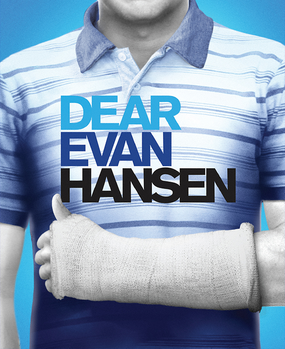
10. Dear Evan Hansen

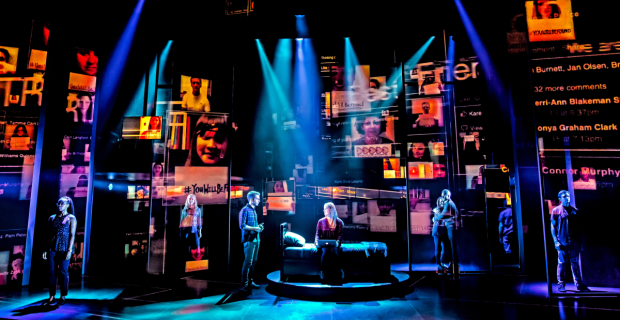
The unconventional triangle of Evan, the deceased Connor, and Zoe creates a uniquely modern dilemma built on deception and grief. While the stakes are emotionally high – Evan’s lies spiral out of control as he falls for his “best friend’s” sister – the resolution feels more therapeutic than romantic. “For Forever” and “You Will Be Found” showcase contemporary musical theatre vocals, but the triangle itself serves the larger themes of mental health and social media rather than classic romantic tension.


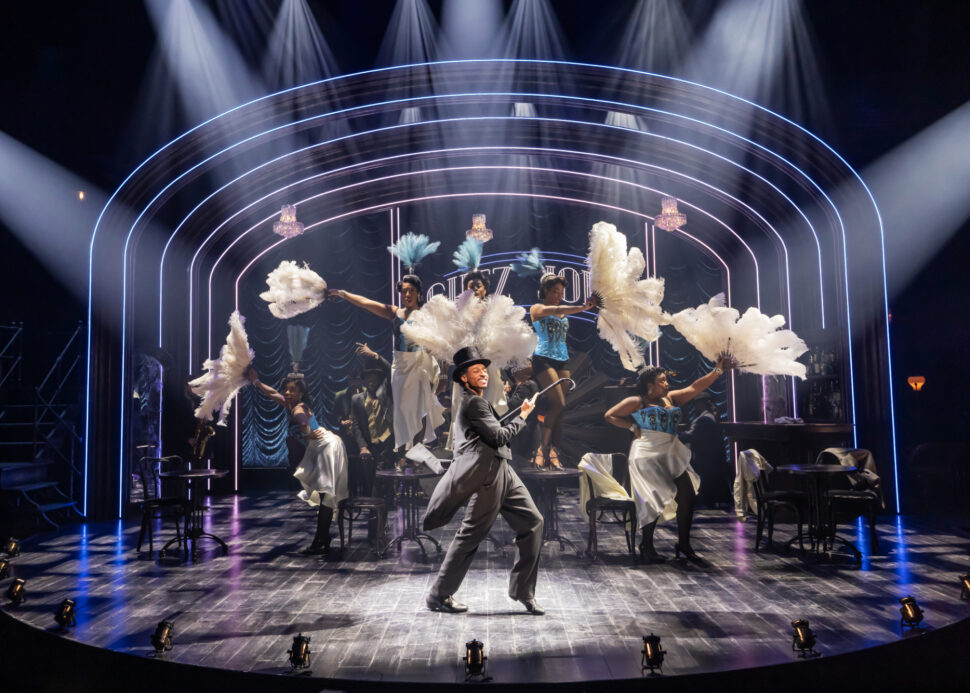
9. Chez Joey (formerly “Pal Joey”)

In Rodgers and Hart’s Pal Joey, Joey Evans (a charming heel) juggles relationships with socialite Vera and ingénue Linda. The “triangle” is less about true romance and more about social climbing, but it sets the template for morally ambiguous Broadway love plots. While the stakes are lighter compared to modern mega-musicals, the songs are lush, jazzy, and sly. “Bewitched, Bothered and Bewildered” remains one of the all-time great torch songs.


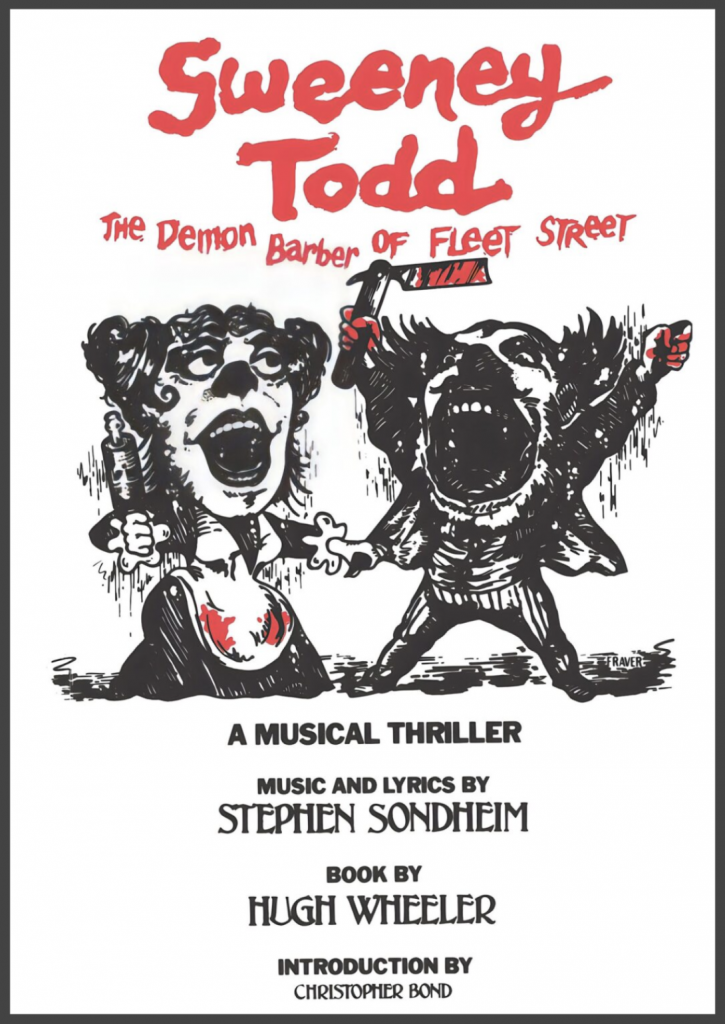
8. Sweeney Todd

The twisted triangle of Sweeney Todd, Mrs. Lovett, and his deceased wife Lucy creates one of Broadway’s darkest romantic dynamics. Mrs. Lovett’s obsessive devotion to Sweeney, built on her lie about Lucy’s fate, drives much of the musical’s horror. “By the Sea” reveals Mrs. Lovett’s delusional domestic fantasies, while Sweeney’s “Lucy” shows his haunted devotion. It’s less traditional romance and more psychological thriller, but the vocal demands and Sondheim’s brilliant writing make it unforgettable.


7. Next to Normal

Diana’s struggle with bipolar disorder creates a complex triangle between her, husband Dan, and her idealized psychiatrist Dr. Madden (representing her various doctors and treatments). The “romance” here is really about Diana choosing between the fantasy of a quick fix and the hard work of real healing. “I Am the One” showcases the pull between Dan’s patient love and the seductive promise of medical solutions. While the vocals are more contemporary pop than traditional Broadway belting, the emotional stakes couldn’t be higher.

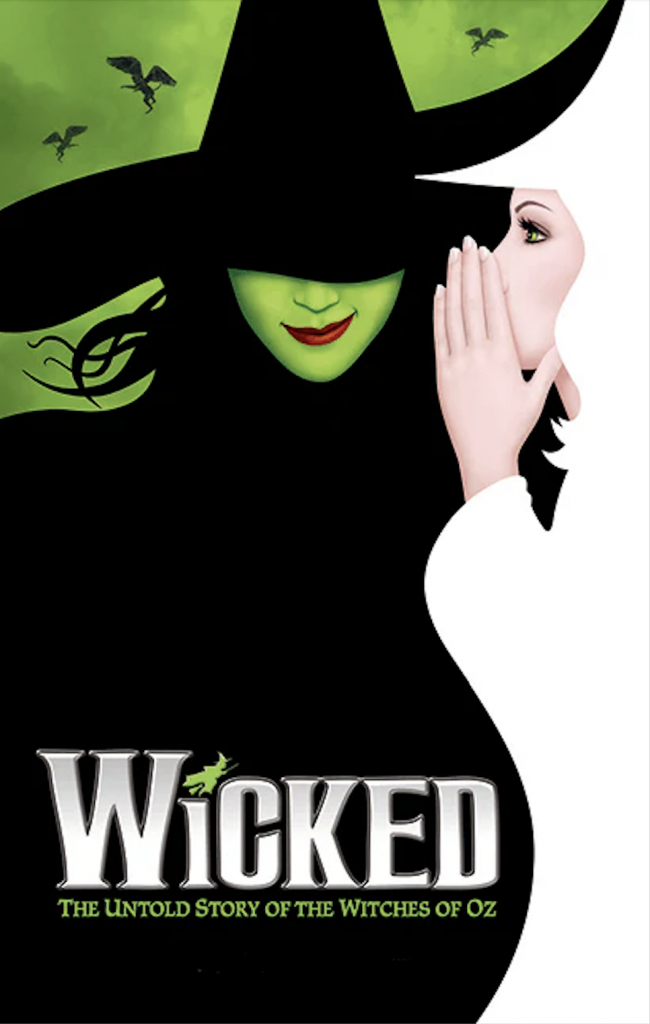
6. Wicked

The green girl vs. the blonde girl for the same prince. The triangle of Elphaba, Glinda, and Fiyero is less about romance and more about identity and friendship, but the “drama” of who Fiyero truly belongs with (spoiler: the green one) still keeps audiences invested. What cements Wicked’s placement here are the vocals: “Defying Gravity,” “As Long As You’re Mine,” and “I’m Not That Girl” are showstoppers that have launched countless careers. Few musicals can match the combined belting power required here. The cultural impact is undeniable – this show has redefined what Broadway blockbusters can be.


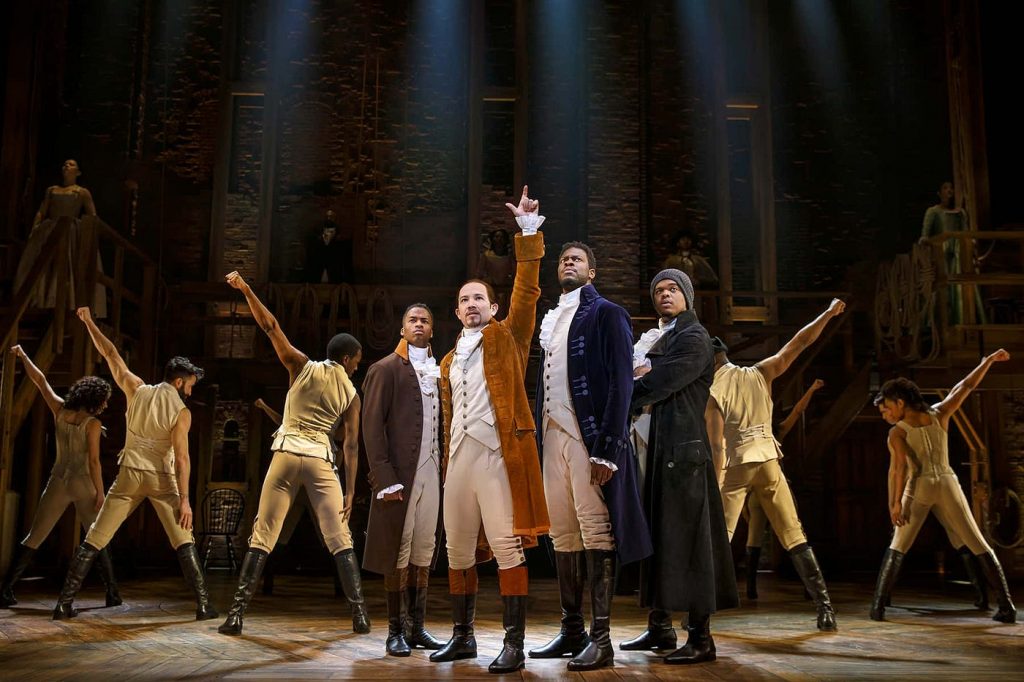
5. Hamilton

This is a triangle that pulses with both history and heartbreak: Alexander Hamilton, his wife Eliza, and her sister Angelica. It’s less a scandalous tug-of-war and more a portrait of missed opportunities, emotional restraint, and devastating betrayal. Angelica’s “Satisfied” reframes Eliza’s “Helpless” in one of the most ingenious bits of musical storytelling in the 21st century. Add Hamilton’s ultimate lapse with Maria Reynolds, and you’ve got not just a triangle but a full love web that ends in ruin. The vocals – rap, R&B, and Broadway balladry – are uniformly killer, and the cultural impact of Hamilton’s revolutionary approach to casting and music cannot be overstated.

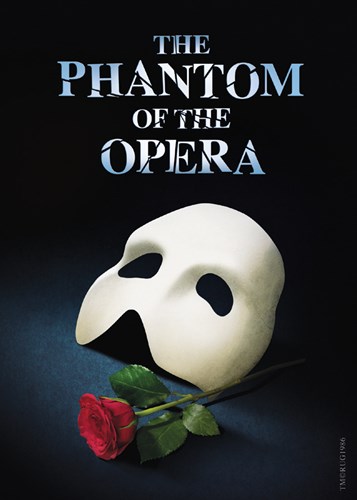
4. Phantom of the Opera

Broadway’s former longest-running show is built entirely on one triangle: Christine torn between childhood sweetheart Raoul and tortured genius Erik, the Phantom. The stakes? Love, freedom, sanity, and sometimes life itself. Phantom thrives on gothic melodrama, with Christine’s “Wishing You Were Somehow Here Again” and the Phantom’s “Music of the Night” providing vocal catharsis. While the Phantom’s obsession can feel more sinister than romantic to modern audiences—sparking important conversations about consent and toxic relationships—there’s no denying the triangle’s grip on audiences for over three decades.

3. Chess

A Cold War chessboard becomes the backdrop for one of Broadway’s most intense triangles: Florence torn between American champion Freddie and Soviet rival Anatoly. Here, love and politics intersect, and the stakes feel monumental with personal relationships become metaphors for global tensions. Vocally, the score is among the most demanding in the canon: “Nobody’s Side,” “Pity the Child,” and “Anthem” test singers to their absolute limits (Not to mention “I Know Him So Well”). Though Chess has always struggled with its book and has had limited Broadway runs, the combination of high-stakes drama and vocal fireworks should be a must-see for the upcoming revival.


2. Miss Saigon

Kim, Chris, and Ellen form one of the most gut-wrenching Broadway triangles. Kim’s devotion to Chris, Chris’s conflicted love between past and present, and Ellen’s rightful claim as his wife create impossible choices with devastating consequences. “I Still Believe” is practically a masterclass in duet-writing, and Kim’s “I’d Give My Life for You” guarantees tears night after night. The sheer dramatic weight and operatic vocals make this unforgettable, though modern revivals have grappled with questions about cultural representation and the “white savior” narrative that somewhat complicate its legacy.


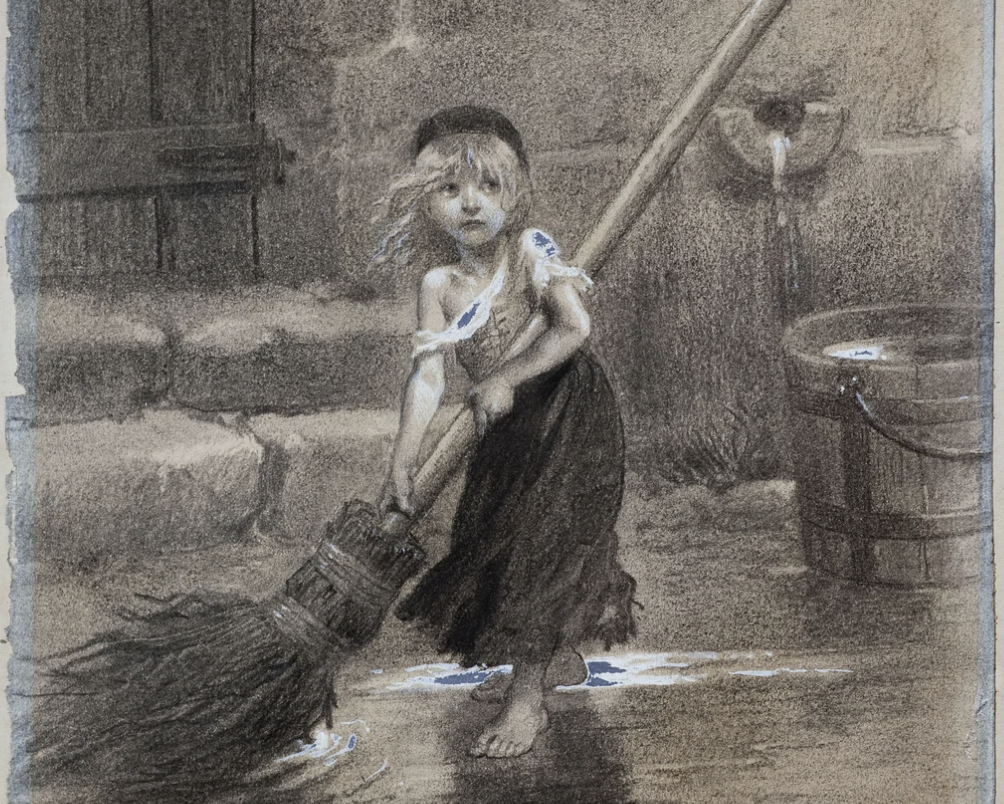
1. Les Misérables

The gold standard: Marius torn between the ethereal Cosette and the tragically overlooked Éponine. While some argue the outcome is predictable, the tension comes from Éponine’s unrequited devotion and her iconic solo “On My Own” – a song that has become an anthem for anyone who’s ever loved from the sidelines. The love triangle plays against the sweeping backdrop of revolution, amplifying every emotion. Add in Cosette and Marius’s soaring “A Heart Full of Love,” and you have the perfect balance of youthful idealism, heartbreak, and musical brilliance. Les Mis proves that when love triangles are set to powerhouse vocals and universal themes, they can become cultural touchstones that transcend generations.