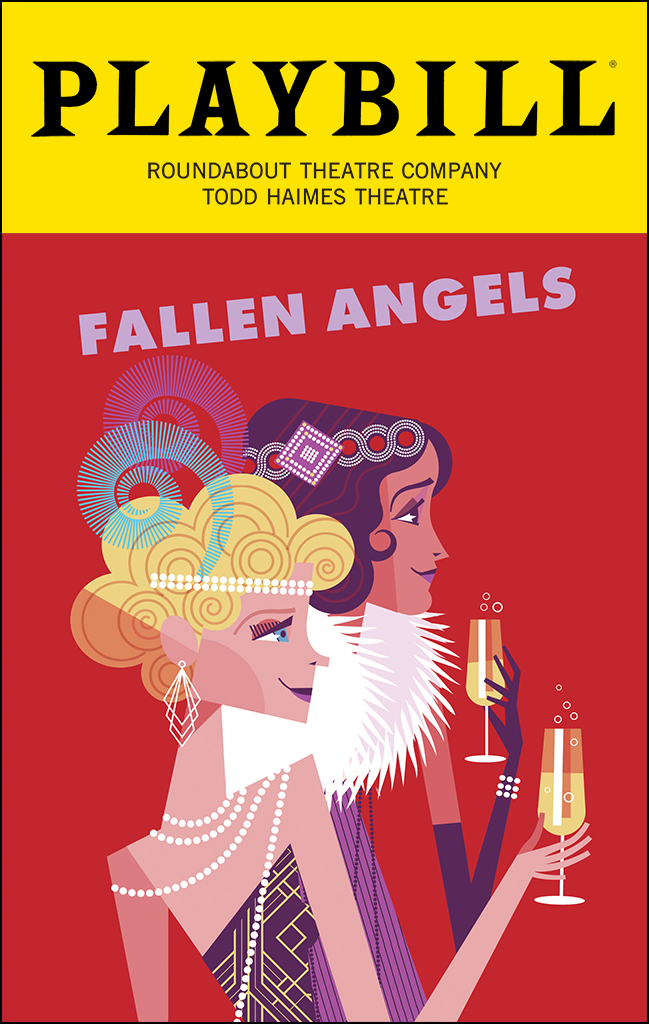
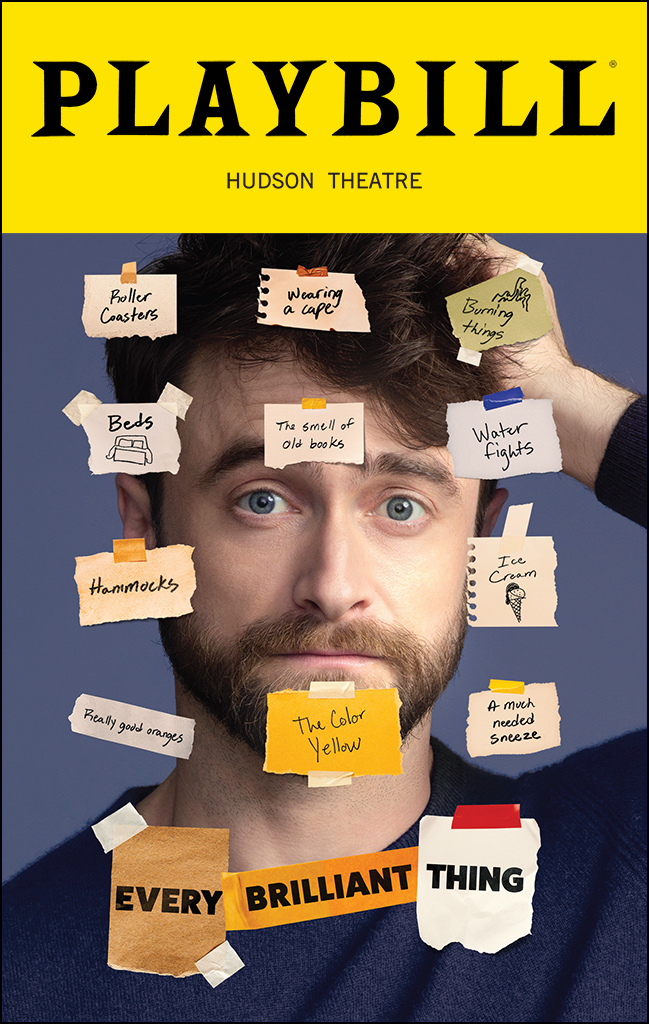
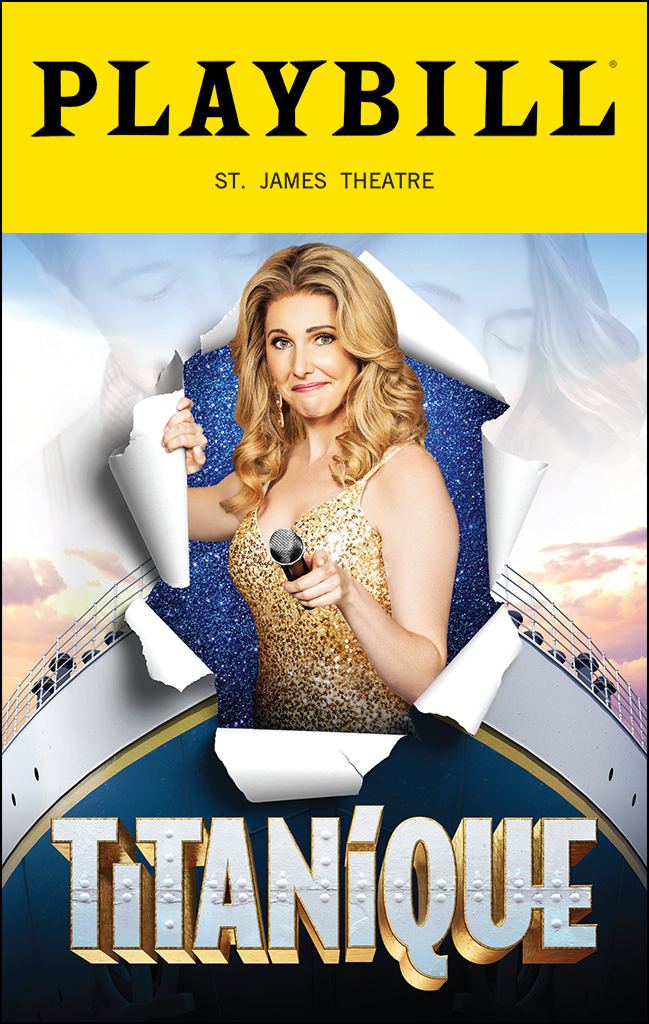
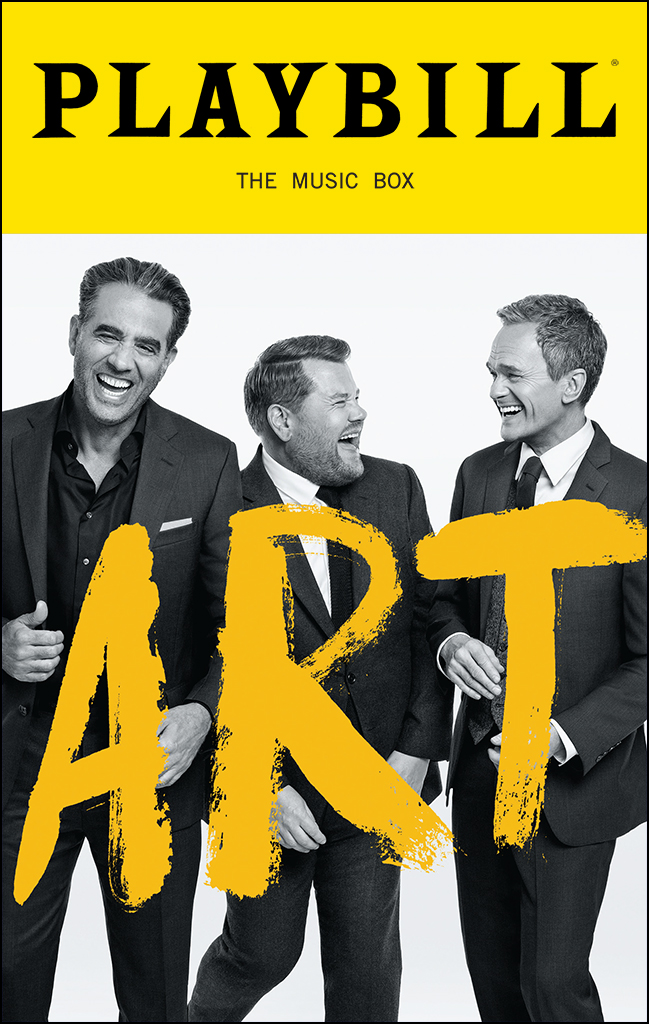
There is a distinct kind of magic that occurs when a century-old theatrical artifact is dusted off, popped and primed, then poured out for a contemporary audience, like a frosty bottle of expensive champagne. When Roundabout Theatre Company announced their major Broadway revival of Noël Coward’s initially-taboo 1925 comedy, Fallen Angels, at the beautifully renovated Todd Haimes Theatre, insiders and stage fans alike responded with immense curiosity. Could a drawing-room farce centered on upper-class British housewives pining over a shared pre-marital French lover still resonate, let alone provoke the raucous belly laughs required of a premium Broadway ticket today?
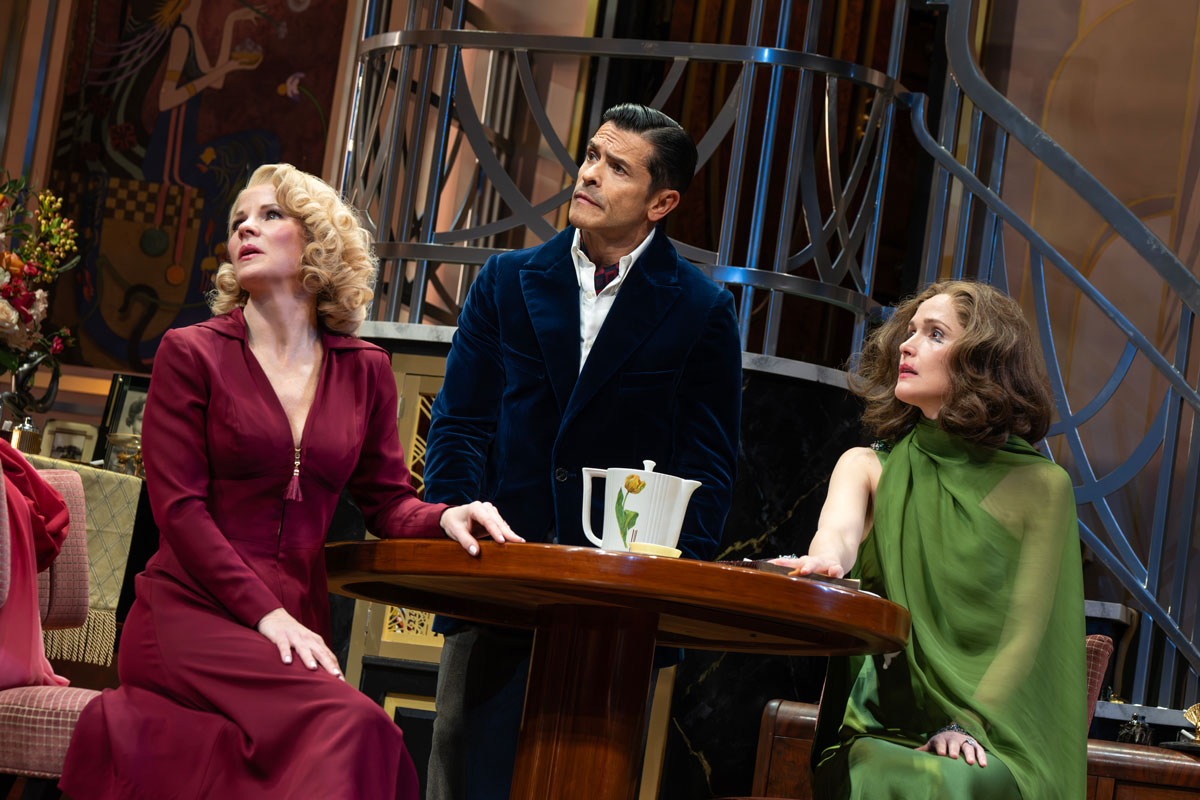
Rose Bryne and Kelli O’Hara in Fallen Angels on Broadway. Photo by Joan Marcus.
The overwhelming answer is yes. Under the witty direction of Tony Award nominee Scott Ellis, the intermission-free production is a flawless display of comedic timing, distinguished clowning, and shameless escapism. Museum-piece preciousness of the Art Deco era is replaced with a relentless, dizzying energy that channels the best of classic Hollywood screwball comedies, albeit while dripping in silk and feathers. Led by a dream-team of femme power, Tony winner Kelli O’Hara and Golden Globe winner Rose Byrne, Fallen Angels does more than simply entertain; it serves as a gorgeous and hilarious, hour-and-a-half reminder of how profoundly fresh pure theatrical fun can be.
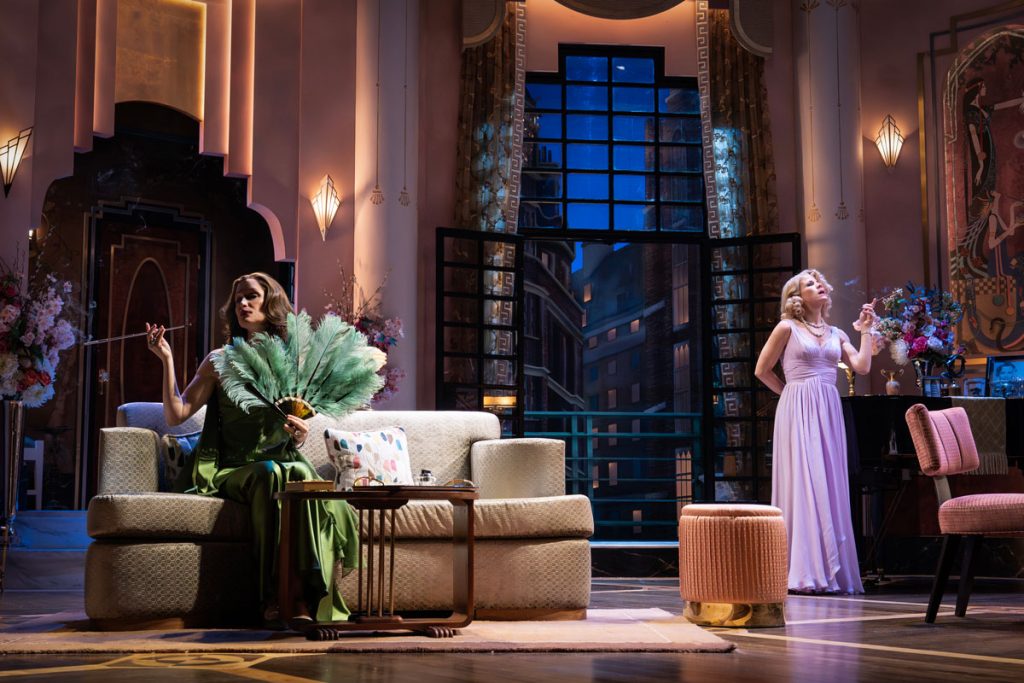
Walking into the new Todd Haimes Theatre feels less like entering a cavernous Broadway house and more like being invited into an exclusive, upscale mid-1920s salon. The perfect location to tell this story. But this is also a venue designed for shared amusement, providing the ideal acoustic chamber for the fits of laughter that will undoubtedly plague the audience.
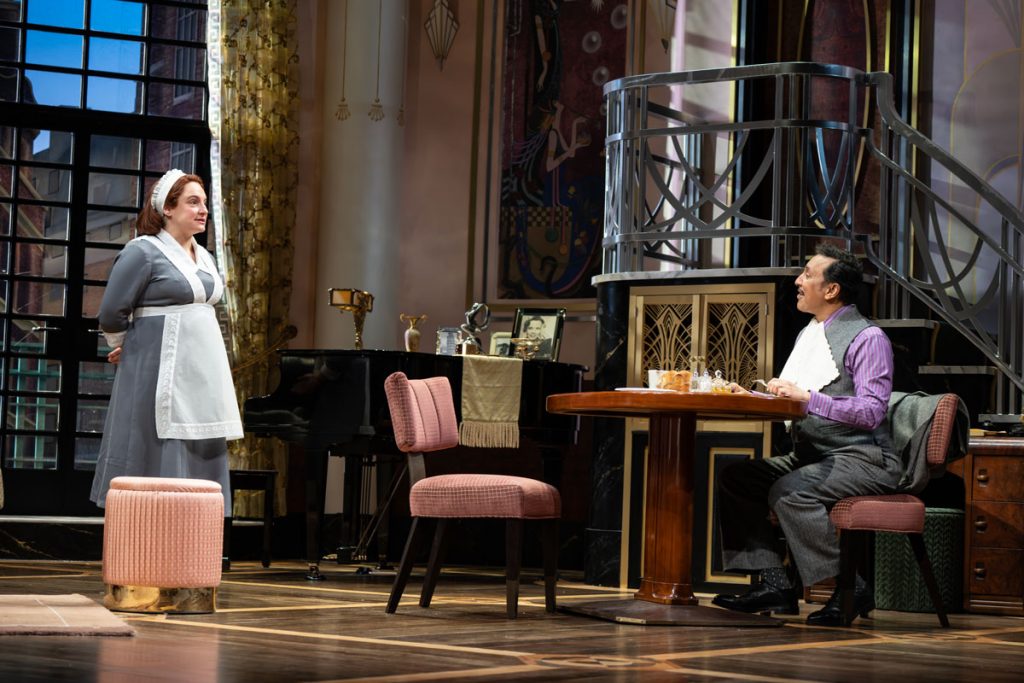
Tracee Chimo and Aasif Mandvi in Fallen Angels on Broadway. Photo by Joan Marcus.
Set and vibe designer, David Rockwell, has outdone himself with this one, constructing a luxurious and stately London drawing room that is a colorful feast for the eyes. Expect rich textures, deluxe furnishings, architectural flourishes, and an expansive layout that gives the actors ample room to slide, stumble, and stomp during their most unhinged physical sequences. The set feels grounded in its period historical accuracy, yet vibrant and cinematic enough to look entirely alive. Matching Rockwell’s memorable space is the work of costume designer Jeff Mahshie. The garments worn by Byrne and O’Hara are nothing short of frothy. From the draped, fluid lines of silk pajamas to more structured, glamorous evening wear, Mahshie’s dressings capture the reckless indulgence of the Roaring Twenties with gilded precision. The wardrobes act as a brilliant comedic foil, as the characters’ internal composure completely unravels, their external wardrobe remains stubbornly glamorous, heightening the delicious absurdity of the affair.
While Fallen Angels is largely driven by its two delightful leading ladies, the revival’s supporting cast also promises that the momentum never falters when the spotlight shifts away from the central sofa. Tracee Chimo plays the newly hired, brilliant and outspoken maid, and is a scene-stealing delight. Saunders prides herself on a life of endless past experiences in which she feels inclined to serve the ladies, as often as a fresh glass of bubbles. Whenever Chimo enters the scene, you can expect a haughty punchline to follow.
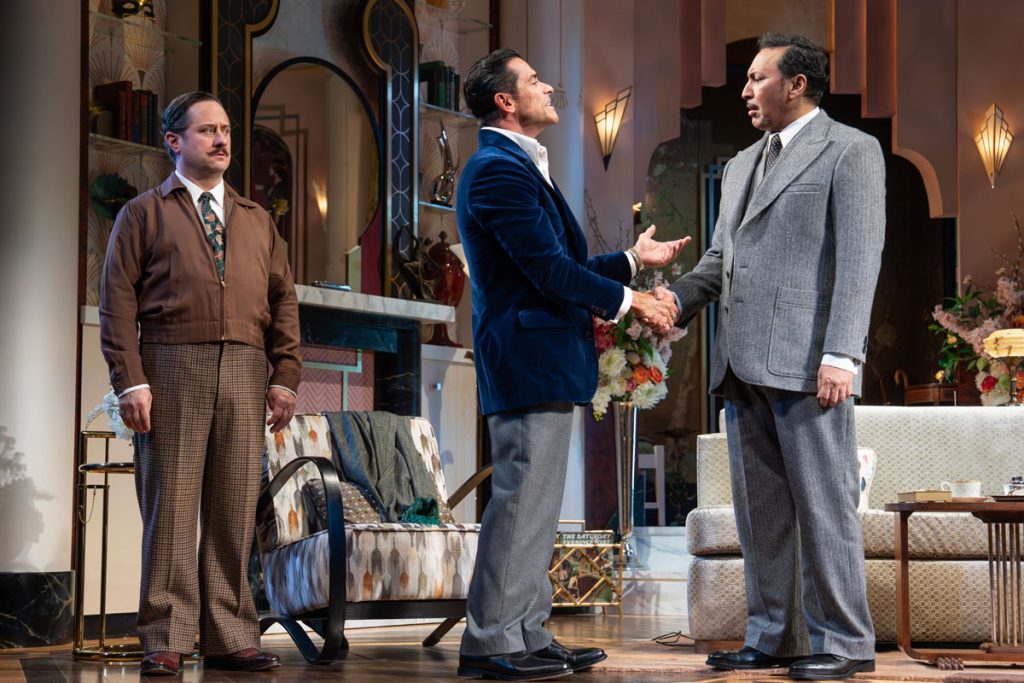
Christopher Fitzgerald, Mark Consuelos and Aasif Mandvi in Fallen Angels on Broadway. Photo by Joan Marcus.
In a Broadway landscape that often leans into moody dramas or massive, highly-engineered spectacles, Fallen Angels rises to the surface as a hilarious love letter to the art of the actor. It does not ask you to dig deep, nor does it seek to resemble the heavy anxieties of the modern world. Instead, Fallen Angels offers a glorious, unadulterated escape into a ninety-minute sanctuary of laughs, messy glitz and glamour, and memorable, standout performances. See it before it ends on June 7!
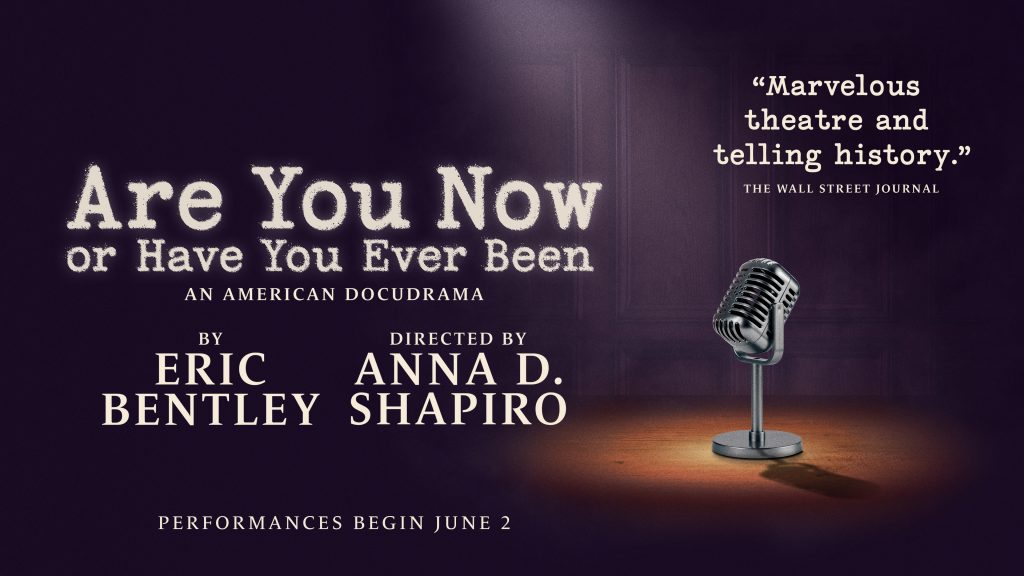
A chilling piece of American theatre history is heading back into the spotlight.
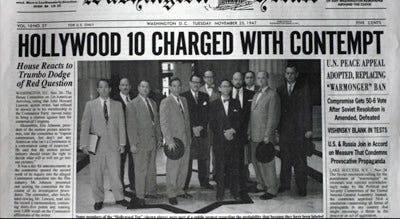
Are You Now or Have You Ever Been, Eric Bentley’s searing docudrama about the House Un-American Activities Committee’s investigation of show business, is coming to New York City Center Stage I directed by Tony Award winner Anna D. Shapiro. The play revisits one of the most infamous chapters in American cultural history, when artists, actors, writers, directors, and performers were asked to defend their loyalty, reveal their politics, and, in many cases, name names.
The title comes from the question that became synonymous with the era: “Are you now, or have you ever been, a member of the Communist Party?”
What is Are You Now or Have You Ever Been about?
The play examines the investigation of show business by the House Un-American Activities Committee from 1947 to 1956, a period when Hollywood and the American theatre world were pulled into a national panic over suspected Communist influence. It centers on seventeen witnesses, including Ring Lardner Jr., Larry Parks, Sterling Hayden, José Ferrer, Abe Burrows, Elia Kazan, Jerome Robbins, Lillian Hellman, Arthur Miller, and Paul Robeson.
Rather than fictionalize the events, Bentley assembled the drama directly from testimony and public record. In other words, the drama is not “inspired by” history, it is history, staged with a courtroom’s tension and a thriller’s moral pressure.
Why does it matter now?
It matters because the question at the center of the play has never really gone away.
Are You Now or Have You Ever Been is about censorship, fear, public shaming, political pressure, and the price of survival. It asks what people do when their careers, reputations, and livelihoods are placed on the line. Do they stay silent? Do they resist? Do they cooperate? Do they sacrifice someone else to save themselves?
The play’s most powerful moments come from artists trying to hold onto their conscience under pressure. Arthur Miller, asked to name people from meetings he had attended, says, “My conscience will not permit me to use the name of another person.” The House of Representatives later found him in contempt of Congress.
Lillian Hellman’s statement is another of the play’s defining moments. In her letter to the Committee, she writes that she cannot and will not “cut my conscience to fit this year’s fashions,” refusing to hurt others in order to save herself.
That is the play in one sentence: conscience under interrogation.
Who wrote it?
Are You Now or Have You Ever Been was written by Eric Bentley, the influential critic, scholar, translator, and playwright. Bentley was born in England in 1916, became an American citizen in 1948, was inducted into the American Theatre Hall of Fame in 1998, and received a gold medal from the American Academy of Arts and Letters in 2011.
Bentley was one of the great theatrical minds of the 20th century, and this play remains one of his most direct, devastating works.
Has the play been seen in New York before?
Yes. Are You Now or Have You Ever Been was previously seen Off Broadway in 1978 and on Broadway in 1979, directed by John Bettenbender.
Its return to New York City for the first time in nearly 50 years gives audiences a fresh chance to experience a piece that feels both historical and alarmingly immediate.
Where is it playing?
The production is coming to New York City Center Stage I. The venue has long been associated with intimate Off Broadway theatre. That intimacy matters because this play relies on proximity. The closer the room, the sharper the questions land.
What kind of play is it?
Think courtroom drama meets political thriller meets documentary theater.
There are no easy heroes. The play doesn’t simply divide people into brave resisters and cowardly informers, it shows how pressure works, how language can be twisted, and how reputations can be destroyed by implication.
One of the most haunting sections comes from Larry Parks, who pleads not to be forced into the choice of contempt or becoming an informer. He says he does not want to “crawl through the mud,” asking the Committee not to force him to name names. Eventually, (spoiler alert!) under closed-session pressure, he does.
That’s what makes the piece so powerful: it doesn’t let the audience sit comfortably above history. It asks: what would you do?
Who’s starring in it?
The cast includes New York theatre stalwarts: Brooks Ashmanskas, Frederick Weller, Steven Boyer, Jason Babinsky, Adam Kantor, and Michael McKean.
In a unique twist, the actors playing those testifying before Congress are a rotating list of stars of stage and screen, including David Krumholtz, Andrew McCarthy, Jay O. Sanders, Sally Murphy, Billy Eugene Jones, Steven Pasquale, Tom Sadoski, Happy Lennix, TR Knight, Bob Odenkirk, Molly Ringwald, Santino Fontana, and more to be announced.
Why should theatre fans pay attention?
This is theatre about theatre people. The witnesses are writers, actors, directors, choreographers, and performers who helped shape American culture.
The play also exposes how deeply politics and entertainment have always been intertwined. The blacklist was an artistic rupture: careers ended, friendships shattered, movies and plays altered. Silence was a survival strategy, and the activity (or lack thereof) still impacts the entertainment industry to this day.
What is the big takeaway?
Are You Now or Have You Ever Been is about the cost of fear in public life. It asks what happens when patriotism becomes a performance, when accusation becomes punishment, and when artists are forced to choose between their careers and their conscience.
At New York City Center Stage I, the play arrives as both a history lesson and a warning flare. It’s a reminder that democracy is not only tested in elections and courtrooms; sometimes, it’s tested in a chair, under lights, with one question:
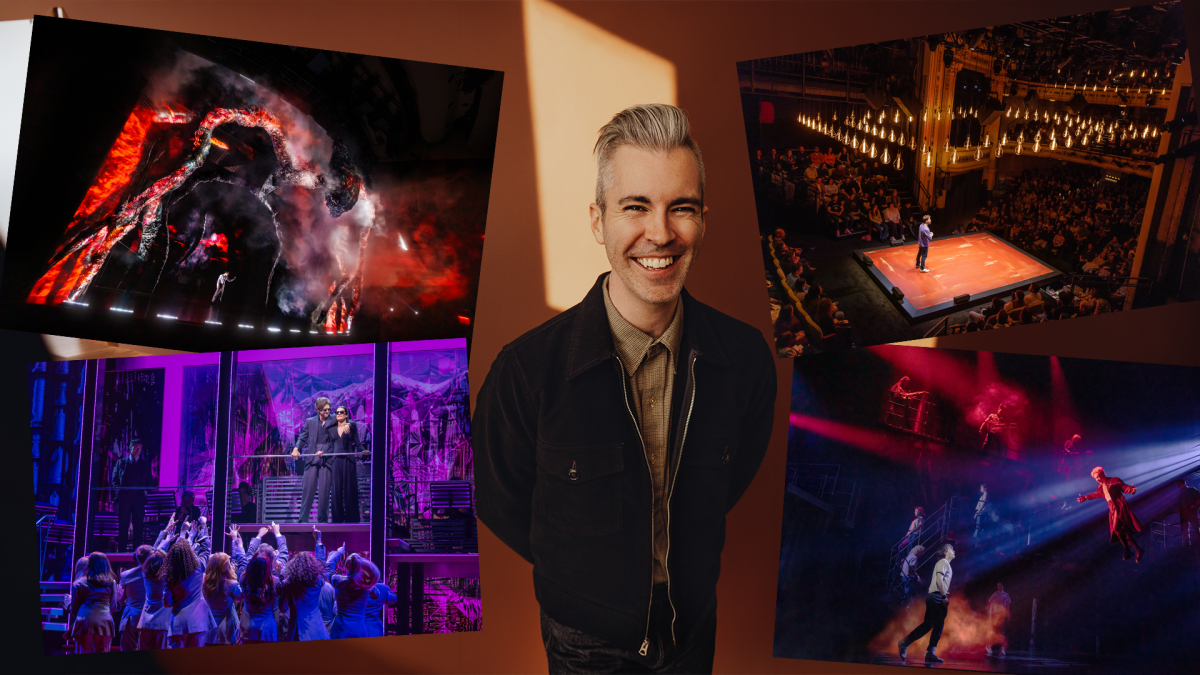
Broadway’s Best Shows sat down with Photographer Matthew Murphy to discuss his work with MurphyMade, the leading photography shop for theatrical photography.
Cover photo of Matthew by Ethan Carlson.
You started as a dancer… what was the moment you realized your path was actually behind the camera, not on stage?
I was fortunate enough to follow my first dream of becoming a professional dancer when I joined American Ballet Theatre in 2003. I spent a fabulous 5 years there, but when I was 22 I retired the tights and picked up a DSLR when I was recovering from Epstein Barr Virus. It was during that time that I really started to photograph a lot of dance—both during rehearsals at ABT and in downtown dance performances of friends’. While I always loved dancing, it quickly became apparent to me that photography allowed me a freedom and variety to my artistic experience that had been lacking in my ballet career. I was fortunate that a lot of opportunities fell into place quickly due to my dance world connections. But it was when I got hired as a freelancer for the Arts section of The NY Times that I really felt this could be a viable career path.
Was there a specific show or moment that felt like your “break” as a photographer?
Without a doubt my big break was when I was hired as the production photographer for “Kinky Boots” during their out-of-town tryout in Chicago. I’d met Jerry Mitchell while photographing “Broadway Bares” and then a few years later I reached out while I was in LA visiting my husband’s family to see if he wanted someone to photograph the Hollywood Bowl production of “Hairspray.” To my surprise, he said yes, and from there he mentioned wanting to try to get me on his next Broadway show. That turned out to be the future Tony-winning hit. I often think how different my life would be if Jerry hadn’t put my name in front of Daryl Roth, Hal Luftig, Aaron Lustbader and Rick Miramontez. They all took a chance on a completely unknown kid (I was 26 at the time and had no clue what the role of production photographer really entailed). It was a crash course and they really encouraged me and helped at every step of the way. Forever indebted is an understatement.
What did being a dancer teach you that most photographers don’t instinctively understand?
I could go on and on about how valuable my dance career has been to my photographic career. First and foremost I think dancers have a work ethic ingrained in them that I have taken with me throughout my life. On top of that, my technical expertise about proper dance technique allows me to really parse the difference between an image that protects the integrity of the dancers/choreographer and one that just has energy. I also think it gave me such insight into the different departments—stage management, company management, designers—that lets me communicate clearly with them.
When you’re shooting now, do you still feel like a performer in the room in some way?
I always say that when I photograph my goal is to kind of tether to the performers on the stage and essentially do a pas de deux with them. We should breath as one. Just like a good partner as a dancer, I should be able to anticipate and support the performances while analyzing space and all the design elements and making split second decisions.
Stranger Things
THE ART OF THE PERFECT SHOT
What makes a perfect theatre photograph… is it technical, emotional, or pure luck?
To me a perfect theater photograph should make the viewer feel what it’s like to be immersed in the show. The photograph should go beyond simply documenting the design elements and performances. It should feel completely alive even though it’s still. Some shots are more successful than others at accomplishing that but it’s always the goal. You should hear the photo, not just see it.
When you’re watching a run-through, what are you actually looking for?
When I’m watching a run through I’m usually antsy about wanting to be photographing it. I’d personally always rather learn the show by shooting (and have multiple times to shoot), but if I only get one chance to photograph it I will certainly stop by and see a run through whenever possible. I’m looking for a variety of things: getting a sense of lighting, pacing, and shape of the physical space. I’m also noting if there are any elements of surprise (things that happen so quickly I might miss them if shooting the show without a first look). More than anything though I would say I’m just getting myself acquainted with the creative teams. I check in about any direction/hopes/dreams they have for the shots and make sure all the goals are aligned and expectations are managed as to what is possible.
Is the best shot usually planned… or something you steal in a split second?
I find that the best, most exciting shots are 99% of the time something that happens in a perfect split second during a run through when all of the elements align to make magic. Often that will happen and then you’ll chase that image for years to come when replacement casts come in and you try to replicate the same energy that originally happened organically.
How do you capture energy, something that’s inherently live, in a still image?
You stay really, really tapped into what’s happening at every moment. The adrenaline that goes through your body while photographing a show is akin to waiting for the starting gun of a race to go off—for 2 hours straight.
Have you ever missed “the shot”… and had to live with it?
Oh 10000000%. I’d be lying if I said no. But…as you gain more experience you get better and better at ensuring you get the shots.
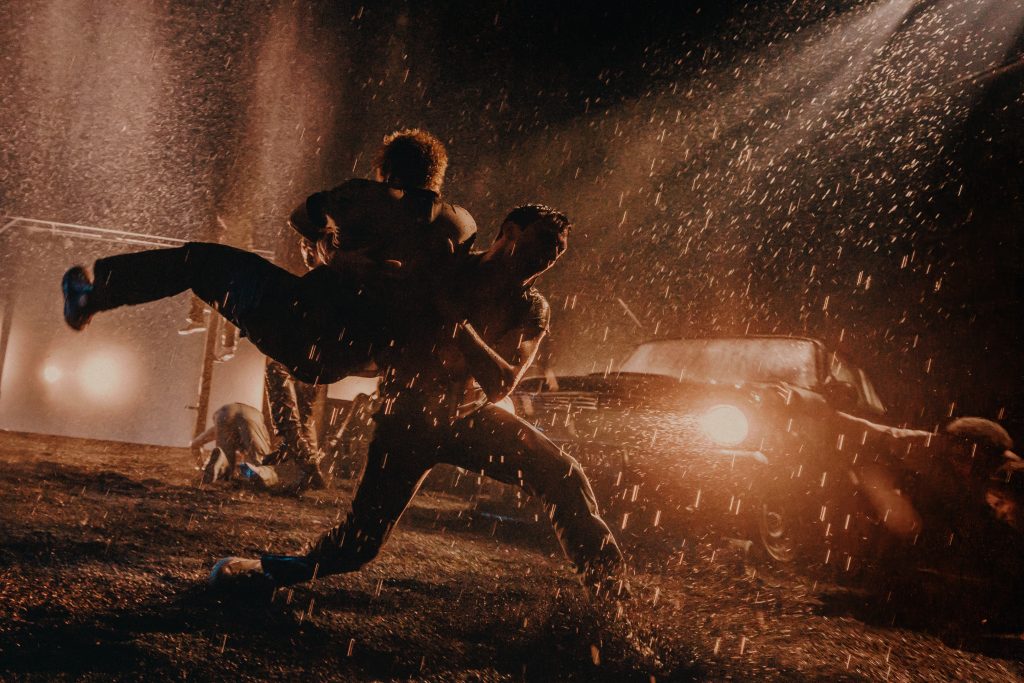
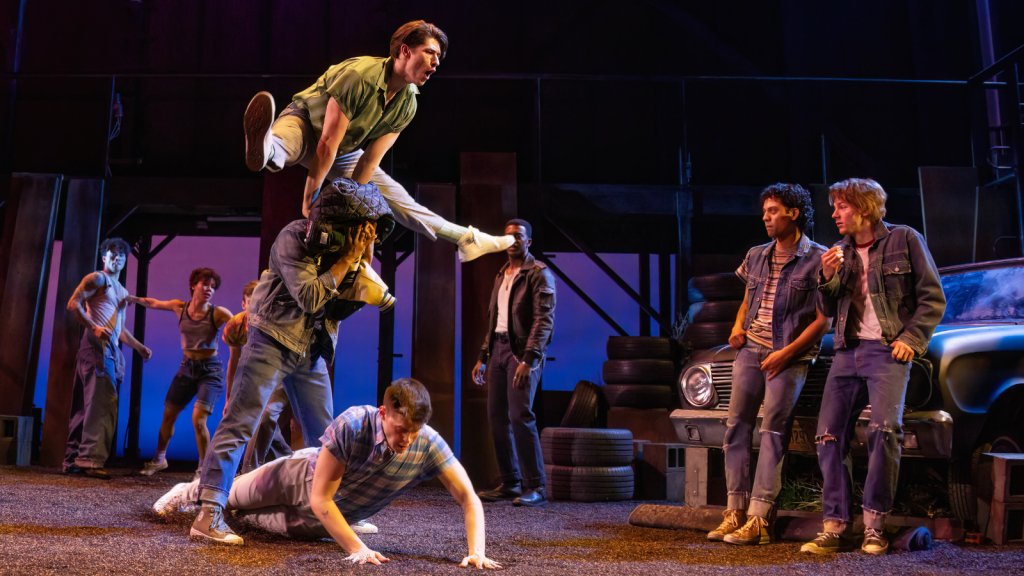
The Outsiders
What’s a photo you’ve taken where you knew immediately, “that’s the one”?
A recent shot that I went into the shoot aiming to get was this tackle moment during the rumble in “The Outsiders.” That entire section is impossibly difficult to shoot…the lighting has extreme changes every couple of seconds so you’re constantly adjusting your settings and reacting to how the performers are situated in the space. I’d really wanted to get this shot, but even once I got it I wasn’t sure it would ever see the light of day. I knew it was exciting, but that doesn’t always mean it gets selected as an official press shot. I was thrilled when it did.
COLLABORATION / POLITICS OF THE ROOM
Who are you really working for in the room… the producers, marketing, the director, or the show itself?
The role of a production photographer is one that wears many hats. Ultimately you’re working for the producers, but you are aiming to deliver photos that please producers, press/marketing teams, the creatives of the show, and the performers. When it really comes down to it, I think if I take the approach of trying to create images that excite me, I tend to hit the mark most fully for everyone. If I go into it trying too hard to shoot in a way that is safe/pleases everyone it usually ends up having diminishing returns. You “yes and” the needs. You make sure you get what the teams think they want, and then you show them something more exciting they may not have thought of by using your expertise behind the lens.
How early do you get involved in a production… and how does that relationship evolve?
It depends production to production and has varied as the industry has evolved. My preference would be to get in the room during rehearsals at the studios to not only get acquainted with the show, but to familiarize myself with the actors and creative teams. I think that ultimately creates the most trust between photographer and subject(s) which you get a sense of in the photos, especially when setups are involved.
Have you ever had creative tension with a team about what the show should look like visually?
I wouldn’t say I’ve had tension over how the show should look, as ultimately my opinion about the design choices is above my pay grade. I’ve had opinions but usually by the point we come in it’s too late for those opinions to have anything but a negative effect. However, I have definitely run into stressful situations where a show might look one way to the eye but looks differently on camera. Or something that when in motion you don’t clock (a design element like a costume, or makeup design for instance), suddenly becomes a glaring issue in a still image. This most often happens during the first photo review for new musicals when all of a sudden the stress of putting on a $20 million show is staring the teams in the face. And suddenly they have to decide…what are the 10 images that are going to differentiate ourselves in the market and sell the show.
How do you balance telling the truth of the show versus selling the show?
I think if I let feeling be my guide I tend to be most successful. By that I mean that when you’re watching a show as an audience member your heart connects a lot of dots and forgives a lot that your eye might not when faced with cold hard facts of a photo-journalistic image. So when I’m creating an image to sell a show—especially if we are doing a setup–, sometimes I do something that I call a hybrid moment which is when you are maybe taking an element or two from one moment and putting it together with something else to make it all coalesce on camera.
What’s the best collaboration you’ve had with a director or performer?
I have been so lucky to have so many. But one that really sticks out to me is my collaboration with Alex Timbers. I’ve worked on 10 of his shows and I always feel like I’m not only trusted but encouraged to explore and create. He is so clear about what he wants (both during the shoot and during the editing process where he’s wonderfully collaborative with notes). He took a chance on me really early on with “Rocky,” which to this day is one of my favorite shows I’ve ever photographed. A big one where I felt like I really came into my photographic voice most fully was “Moulin Rouge” which was a big turning point in terms of helping to create the brand of the show from the ground up. I just never could have imagined being so lucky. I also put it together recently that the first time I ever took a photo in a Broadway theater was during tech of “Bloody Bloody Andrew Jackson” when a friend brought me in and let me snap a couple of shots from the back of the house. And I’m always incredibly excited to see what Alex comes up with next.
TOOLS OF THE TRADE
What kind of equipment is actually essential for theatre photography… and what’s overrated?
For theater photography you absolutely have some requirements in terms of gear. You need what photographers call fast glass, which is a lens that has the ability to function quickly and precisely in low light. These days, you need the ability to shoot silently on a mirrorless camera. You need fast memory cards because you’re usually shooting a lot of images in quick succession. In terms of most overrated…that’s tougher because we tend to be pretty slim in terms of gear.
How do you deal with low light, movement, and the unpredictability of live performance?
In terms of the unpredictability you have to somehow find a way to direct an image without having any control. So that leaves the one thing you have control over to be yourself. Where are you positioned? How are you micro adjusting to split second shifts in staging? Even though I’d probably look relatively calm from the outside, internally it feels like you’re doing math equations constantly.
Are there shots you simply can’t get no matter how good you are?
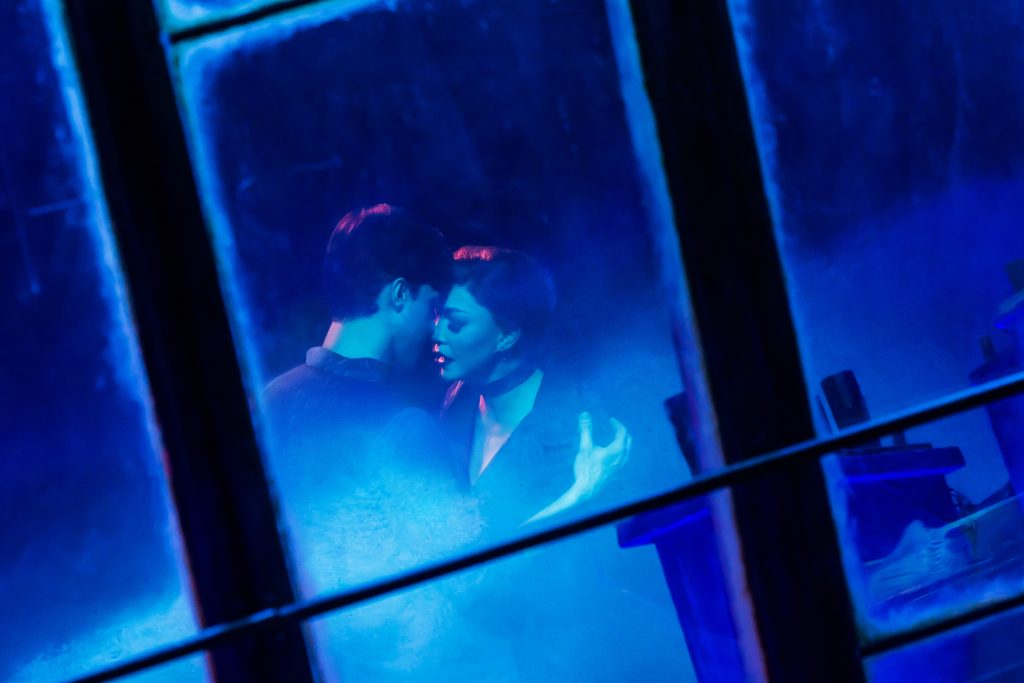
A mantra of mine internally while I’m shooting is that there’s always a shot to be found. The one you think you might need or want could prove impossible for whatever reason, but if you keep doing the math of what’s possible there’s always a shot to be found. One recent one that comes to mind is from “Moulin Rouge” where I was shooting a put-in for the new Satine. She was in costume…most other people were not, including her Christian for a large part of the second act. One of our signature shots is from “Come What May” and I was shooting at odd angles knowing that there was no way to get the expected shot, or even the secondary or third angle shots we’ve done over the years. But I kept saying…there’s a shot here and I figured out that if I could shoot into the reflection of the window and get the angle right I could get an exciting new shot (that needed a little photoshop love to finesse some of his outfit and remove an Apple watch…shout out to our retoucher Peter James Zielinski who does the lord’s work on the production photos that Evan Zimmerman and I take). But if I’d let my brain rest knowing we couldn’t’ get the normal shot I never would have found a new exciting one.
Has technology made your job easier… or just raised the bar?
Definitely both. Mirrorless cameras are mind boggling. It’s hard to remember that for the first half of my career I was shooting on standard DSLR cameras where you couldn’t see the exposure/changes in live time through the viewfinder. You were just looking through a little window to the stage and doing actual math for exposure adjustments in real time as lighting cues shifted and you could steal a second to check on the back of the camera.
THE JOB PEOPLE DON’T SEE
What’s the biggest misconception people have about your job?
That all the best shots of a show are the ones that are released. I would say a huge learning curve for me early on was accepting that for a million different reasons (costumes changing, actors not approving a shot, a certain element being maintained as a surprise) gorgeous shots never see the light of day. A painful reality of the profession.
People think it’s glamorous… what’s the part that’s actually grueling?
The turnaround time on launches is brutal. Often we are shooting a show until 11pm, then editing an initial gallery of photos until 2am or later, waking up at 8am to check in with teams and get the approval process going for a “first look” shot, then waiting on producers, press, actors, ad agencies to weigh in, then hustling through a retouch, sending that through the proper channels for notes, and trying to get an image out the door by 2pm the day of first preview. Exhilarating and exhausting.
I’ve heard theatre photography can be physically demanding… what does a long day actually feel like?
Theater photography is a huge adrenaline rush, so when the show finally ends you feel like you’ve fun a race. Then you’ve got the physical component of holding multiple cameras for hours. I have more back, shoulder, wrist issues than I ever did when I was a dancer.
What does an “easy” day look like… and what’s a day from hell?
An easy day is when I get to be in the room during tech of a new show and all the elements are running smoothly and I’m one of a handful of people seeing a new piece of theater before the first public performance. A day from hell is when someone forgets to call spotlight operators to a musical photo call.
Have you ever had to push through exhaustion or pain to get the shot?
Absolutely. There have been times where because of how tech schedules line up you’re shooting many days back to back (or even two shows in a day) and your brain is fried. In those moments I remind myself to stay curious. And I usually have some Chipotle and a Bloom Energy Drink and keep it peppy.
THE EYE / TASTE LEVEL
How do you develop an eye… can it be taught, or is it instinct?
I think it’s a little bit of both. I think a lot of the “eye” is instinct, but then a lot of it is learned from problem solving and building to your toolbox.
Do you think audiences today read images differently because of social media?
Absolutely. The reality is that these days most people are seeing our images on their phone and so much of the detail is lost. So things like color and movement become especially important to help the image become “thumb stopping” as you’re scrolling.
Are you ever thinking about how a shot will perform online while you’re taking it?
I would say that there are times during setup calls when I think through shooting more vertically so it fits the ratio of social media more easily. But it’s not my guiding principle.
CAREER PATH / BREAKING IN
How does someone actually break into theatre photography today?
I think starting small and slowly building connections and experience. I got my start in cabarets and off-off-off Broadway productions. And honestly learning on shows that didn’t necessarily have the production value of huge mega musicals allowed me to be creative and learn how to problem solve on my feet.
What should young photographers be doing right now if they want your career?
Build that portfolio shot by shot. Analyze why a certain image works and why others don’t.
What mistakes do you see early photographers make over and over?
Airing dirty laundry/complaints online. Group texts exist for a reason.
On top of that, too often I see people reaching out just saying “tell me what to do.” Reach out to people when you are ready to have a conversation, not just siphon info. And before you reach out to people make sure you’ve looked online to see if they’ve answered your questions somewhere already.
LEGACY / REFLECTION
You’ve captured so many shows… do you think about legacy at all?
I recently passed my hundredth Broadway show as production photographer and it was one of the first times I really stopped and reminisced about what the past decade has been like and what the future looks like. I don’t spend a lot of time thinking about legacy, I just keep working hard, leading with kindness and trying to get the next exciting shot.
Is there a moment you’ve photographed that you feel will outlive the production itself?
I think the beauty of production photography is that it is one of the few things that does outlive the production just by nature of a show’s life cycle. But in terms of broader picture, I think the HAMILTON logo is the first thing that comes to mind. I photographed all of the silhouettes and to see parody logos pop up in Disney movies and Legoland renderings…seeing bootleg merch is always a good reminder of how much that star logo infiltrated pop culture.
After all these years, what still excites you when you walk into a theatre with a camera?
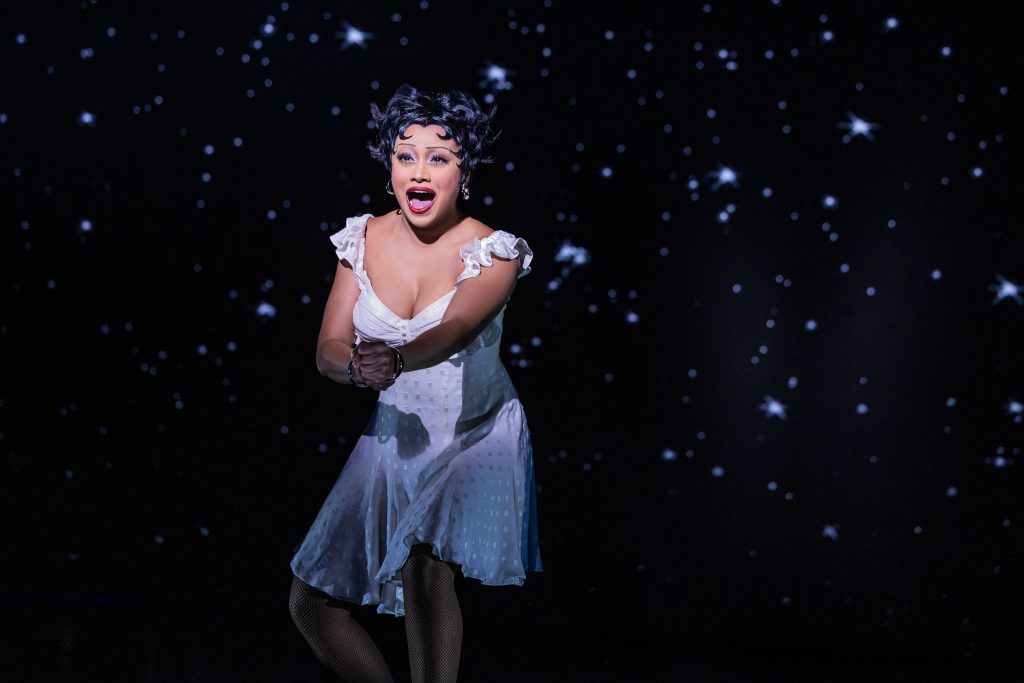
The possibility of capturing a real star-is-born performance. I remember when my incredible associate Evan and I were in Chicago photographing BOOP! It was this instant awareness that Jasmine Amy Rogers was a true force that we were witnessing right on take off. Getting to photograph those career milestone moments for people never gets old.
And what still scares you?
I think these days I wouldn’t necessarily say I get scared. I get excited (and a little anxious) before shoots sometimes but rarely actually scared. If anything I get scared a person won’t like a photo that goes out. I always want people to look at an image of their performance and think…wow, that really captures how that moment felt when I was performing.
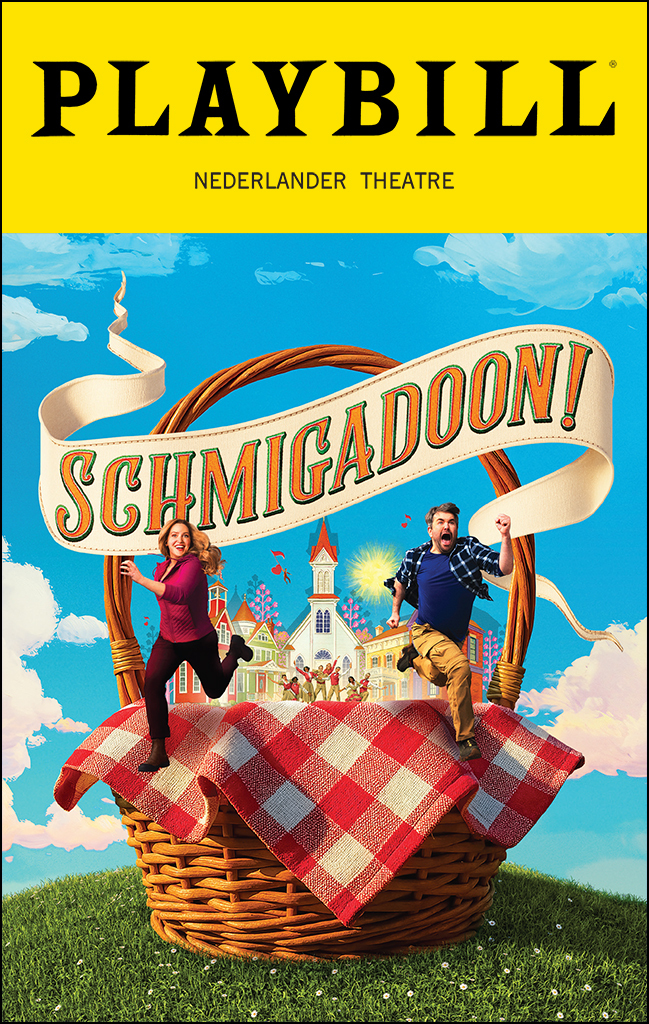
In deeply unsettling political times, art can provide essential commentary or essential escapism. Schmigadoon, the loving sendup of Golden Age Broadway musicals based on Cinco Paul’s Apple TV series, is wholly the latter. Like the Celine Dion jukebox musical parody Titanique, reviewed here, it’s silly, campy, and self-aware. Where Titanique is full of references catering to fans of Dion, LGBT culture, and Titanic, Schmigadoon is by and for lovers of traditional musical theatre and is somewhat less niche in its references — and it sticks the landing even better.
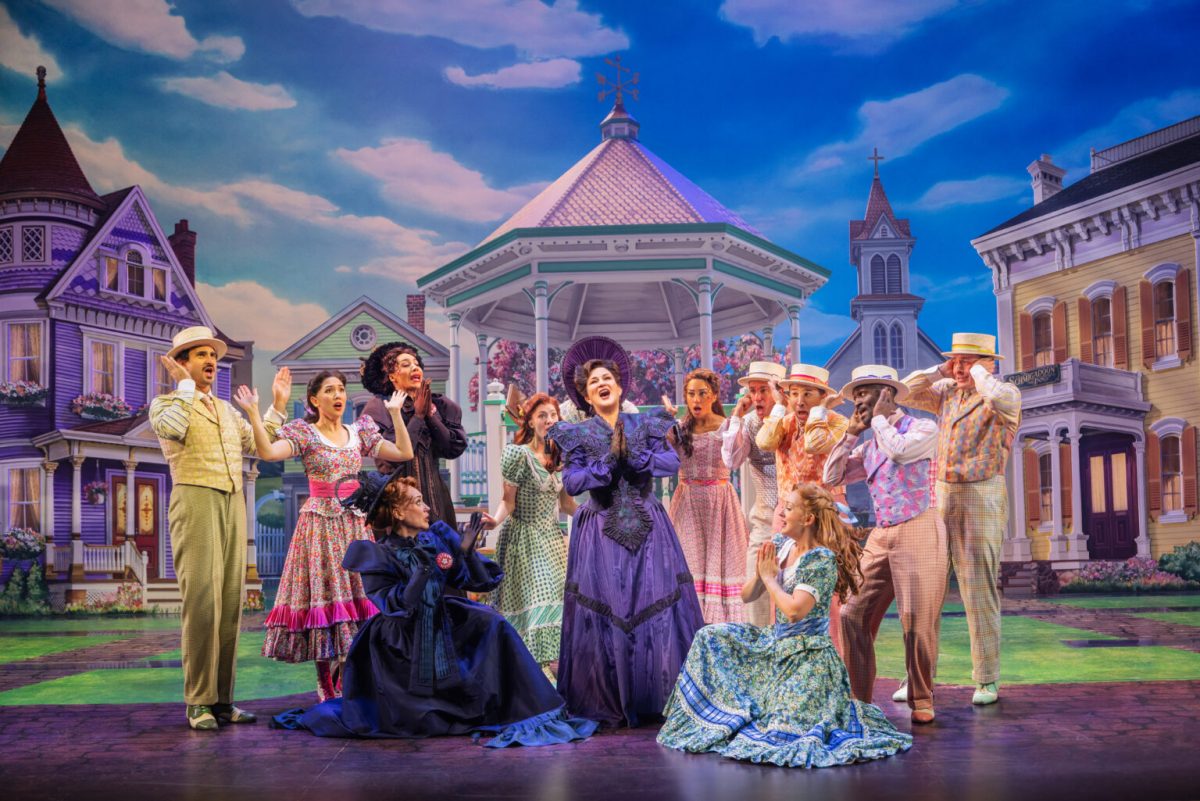
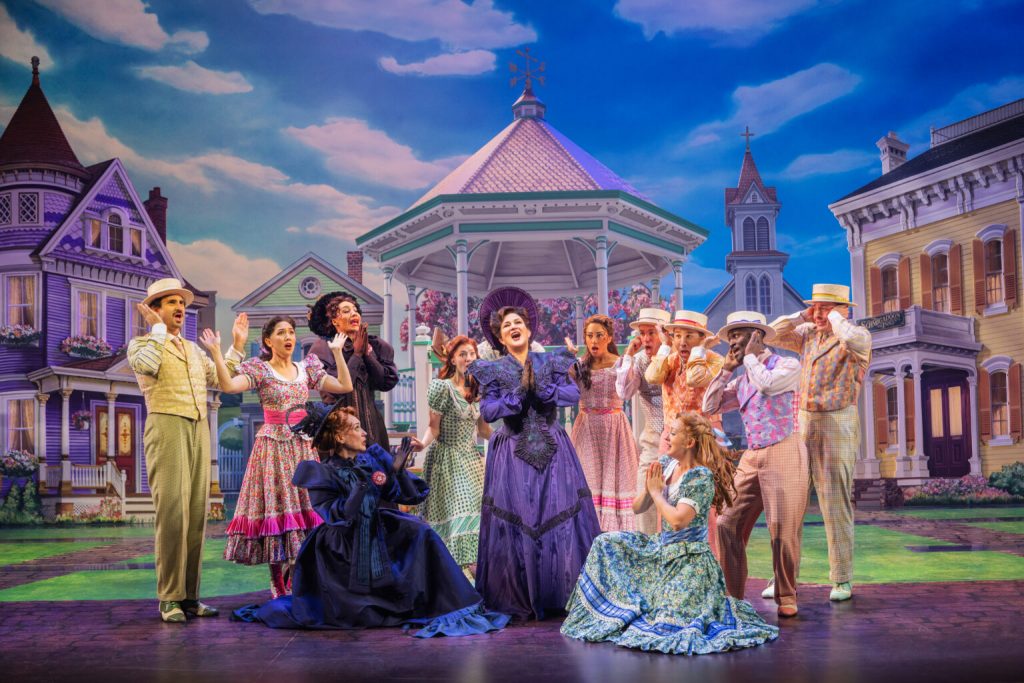
The cast of Schmigadoon!. Photo by Matthew Murphy and Evan Zimmerman.
Schmigadoon is pure escapism and a laugh riot directly adapted from but exceeding the impact of its television predecessor. The plot, much of the dialogue, and most of the songs (all by Cinco Paul) are largely unchanged from the series, but a loving parody of an art form in that art form — the traditional two-act structure with a live audience, rather than a six-episode TV show — hits different. In other words, the piece needs laughter to break the fourth wall and remove any seriousness from the narrative, and at the Nederlander Theatre, you are encouraged to laugh at absolutely everything. Parodies are meant to be enjoyed in a group setting!
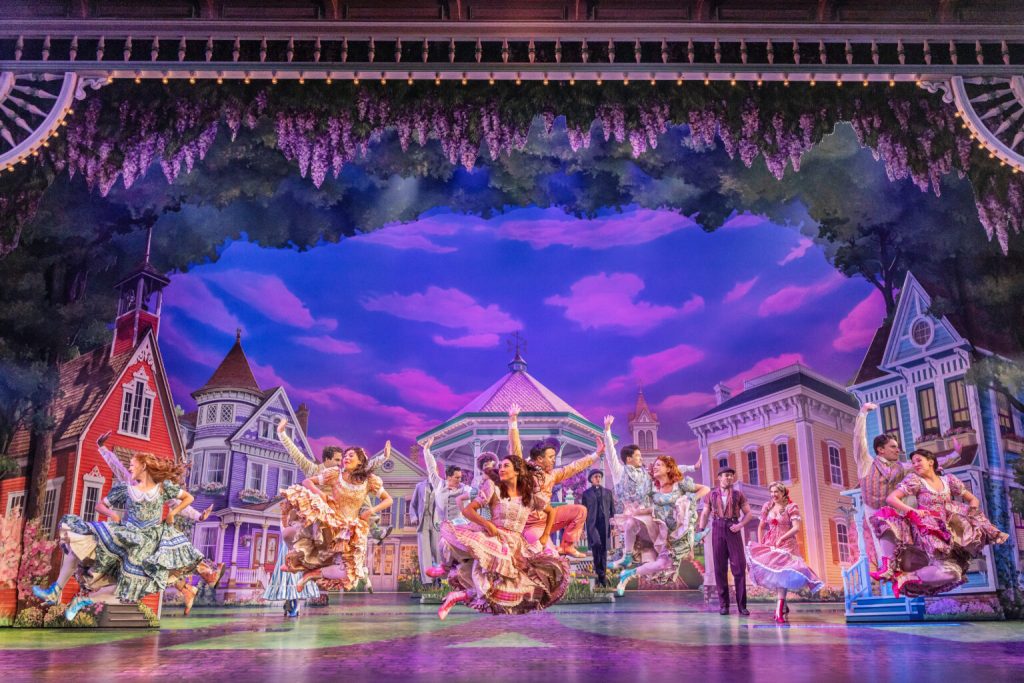
At Schmigadoon, you don’t need to know Brigadoon or to have watched the Apple series to love it start to finish. What you will need is some prior exposure to traditional Broadway musicals like Oklahoma!, The Music Man, and The Sound of Music, which most do. I’d wager you’d enjoy Schmigadoon without it (it’s less inside joke-based than Titanique) but it’s best if you can catch the clear references to the classic showtunes the musical lovingly parodies and interpolates. You’ll laugh regardless, but if you’re a theatre buff, you’ll catch all the jokes, which come constantly. And unlike Titanique’s (deliberately!) low-budget set and costumes, Schmigadoon makes fun while providing classic Broadway musical production value — multiple sets, an ensemble of top-tier dancers, and all the bells and whistles.
But the show’s heart is in its satire of classic musical motifs. Each number references classic songs while parodying their cliche nature. Our leads are Josh and Melissa (Alex Brightman and Sara Chase), a couple looking to reignite the spark on a hiking retreat, who get lost and stumble upon a peculiar town called Schmigadoon, where townspeople burst into song spontaneously (something Melissa lives for and Josh abhors). Soon, they learn this isn’t like Colonial Williamsburg, but that they’re living inside an actual classic musical set in the 1940s (ish…the inconsistent era in which it takes place is a running joke). And they seemingly can’t leave.
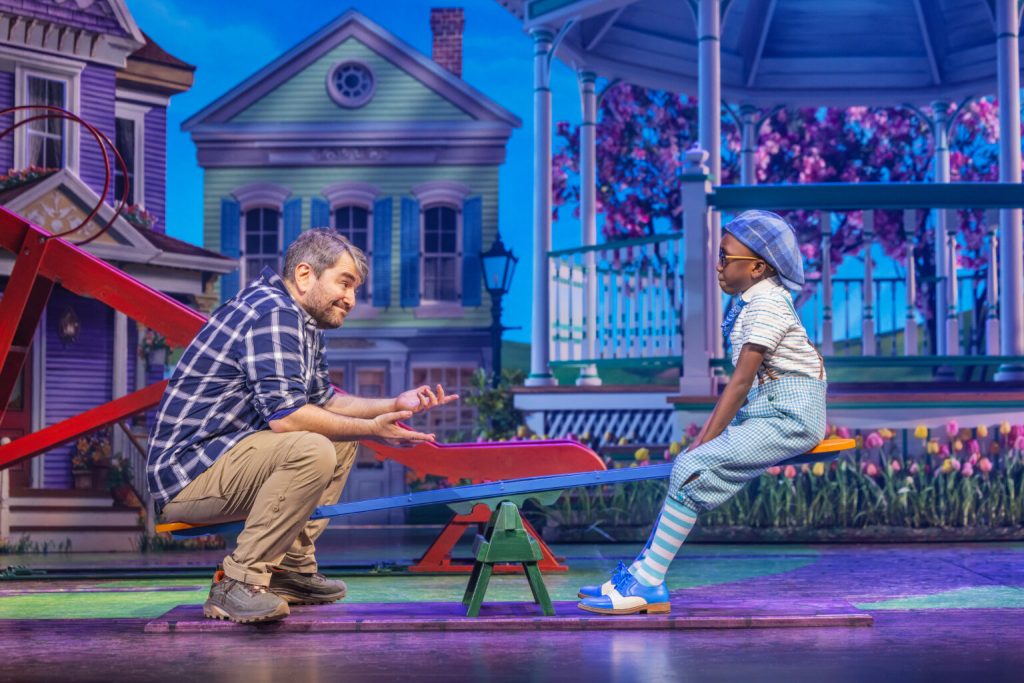
Alex Brightman and Ayaan Diop in Schmigadoon!. Photo by Matthew Murphy and Evan Zimmerman.
The rest of the cast is composed of the Schmigadoonians they meet, all directly pulled from the Apple series that starred an ensemble of bigger names than this adaptation. I dare say the cast improves upon each performance — there are no weak links to be found. Perhaps it’s not so shocking that a cast of Broadway triple threats best parody Broadway musicals, but the onstage structure and live audience surely help. The one exception is Ann Harada, reprising her role from the TV series as the mayor’s ditzy wife. Her husband, who is harboring a secret, of course, was Alan Cumming onscreen and is now Brad Oscar.
Two deserving performers in the cast received Tony-nominations among the show’s 12. One is the hilarious Sara Chase, recognizable to some from Unbreakable Kimmy Schmidt, who adapts Cecily Strong’s onscreen role as Melissa and blows the roof off the Nederlander vocally. The other is Ana Gasteyer as Mildred Layton (Kristin Chenoweth onscreen), the reverend’s conservative wife, who deliver’s Act 2’s biggest showstopper, “Tribulation,” a brilliant satire of “Ya Got Trouble” from The Music Man. As we expect from the SNL legend, Gasteyer chews the scenery with every line delivery and delivers her signature belting riffs (though the people want even more!).
Ana Gasteyer and the cast of Schmigadoon!. Photo by Matthew Murphy and Evan Zimmerman.
While Gasteyer slays Act 2, when she’s most featured, I do want to shout out one cast member who was not recognized by the Tonys but delivers a genius comic performance in Act 1. McKenzie Kurtz, as promiscuous waitress and Josh’s love interest Betsy, hams up Dove Cameron’s performance in the role onscreen tenfold. Everything Betsy says and does is hilarious, and, as a former Glinda in Wicked, she has the vocals to match. Other standouts include Max Clayton as Melissa’s love interest, bad boy Danny Bailey (Aaron Tveit onscreen), as well as Isabelle McCalla, a terrific vocalist, as schoolmarm Emma Tate (Ariana DeBose onscreen).
The Apple TV series’ choreographer, Christopher Gatelli, handily takes the reins directing the stage adaptation, so it’s no surprise the plot and dancing directly mirror the source material. There are some welcome updates, including original songs written for the stage, which made Paul eligible for the Best Score Tony nomination — unlike last season’s Smash, which took its entire score from the NBC series.
The strongest songs here still come from the TV show, and of course, almost all of them are direct interpolations of existing classic showtunes, so he likely won’t win in that category. The Kiss Me, Kate-inspired song “I Always, Always, Never Get My Man,” performed onscreen by Jane Krakowski as a character based on The Sound of Music’s Baroness Elsa von Schraeder, is notably cut onstage and the role reduced. Thankfully, we still get Paul’s hysterical and raunchy sex-ed parody of Maria’s repeat-after-me “Do-Re-Mi.”
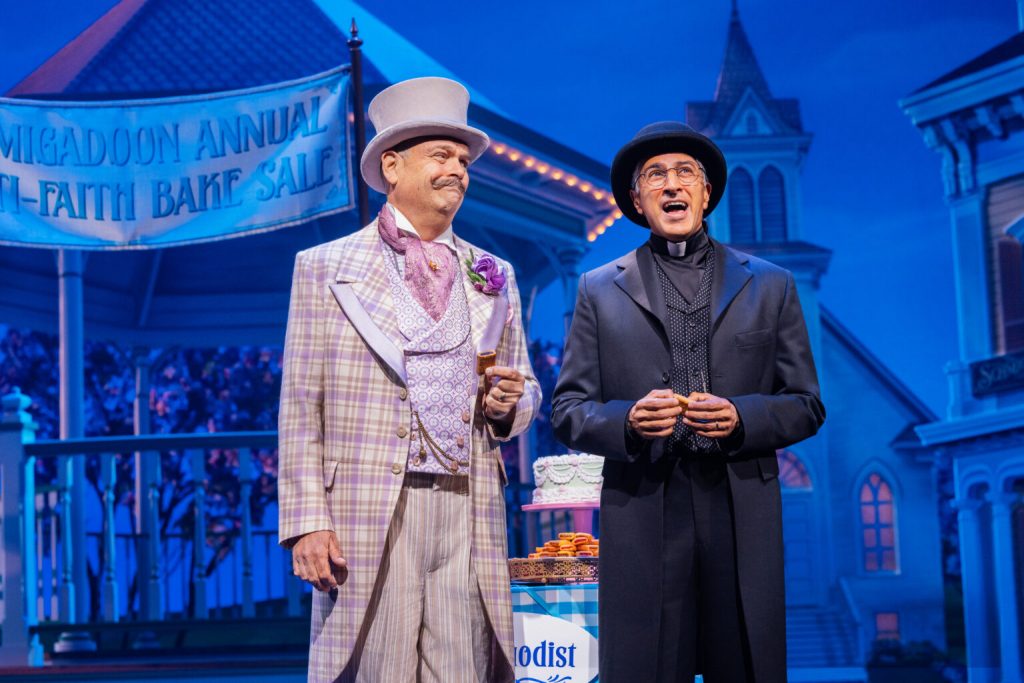
Brad Oscar and Maulik Pancholy in Schmigadoon!. Photo by Matthew Murphy and Evan Zimmerman.
There are several new one-liners in Paul’s updated book that are nearly perfect. And there’s one new key plot point — the traditional Act 2 tragic death trope a la Oklahoma! — which is folded in brilliantly and so ridiculously you won’t feel an iota of melancholy. Paul’s super smart addition of something dark in the lightest way possible really solidifies the show’s unapologetically campy and silly tone.
Many songs directly reference recognizable musical theatre cliches, like Clayton’s “You Can’t Tame Me,” Kurtz’s Ado Annie-coded “Not That Kinda Gal,” and Chase and Harada’s duet “What’s The Matter With Men?” — the last two of which are new to the stage adaptation. When Schmigadoon reaches its finale “How We Change,” aptly named for yet another end-of-a-musical motif, the audience has been taken on a joy ride that hilariously pokes fun of and pays tribute to the classic Broadway shows we know and love.
Visit Schmigadoon to escape the real world at the Nederlander Theatre. It’s one of the funniest and most joyful productions the season, and unlike Melissa and Josh, you’ll only be stuck there for a couple hours.
When most people say “I hate Broadway,” what they actually mean is: I hate the version of Broadway that lives in my head: jazz hands, three-hour runtimes, someone singing about their feelings in a cornfield.
But here’s the thing… the Broadway that exists right now? It barely resembles that. Some of these shows feel like concerts and some like prestige TV and indie films. Others feel like you accidentally walked into a life-changing experience.
We ranked them from pure crowd-pleaser to the ones that will quietly undo you.
Photo by Matthew Murphy
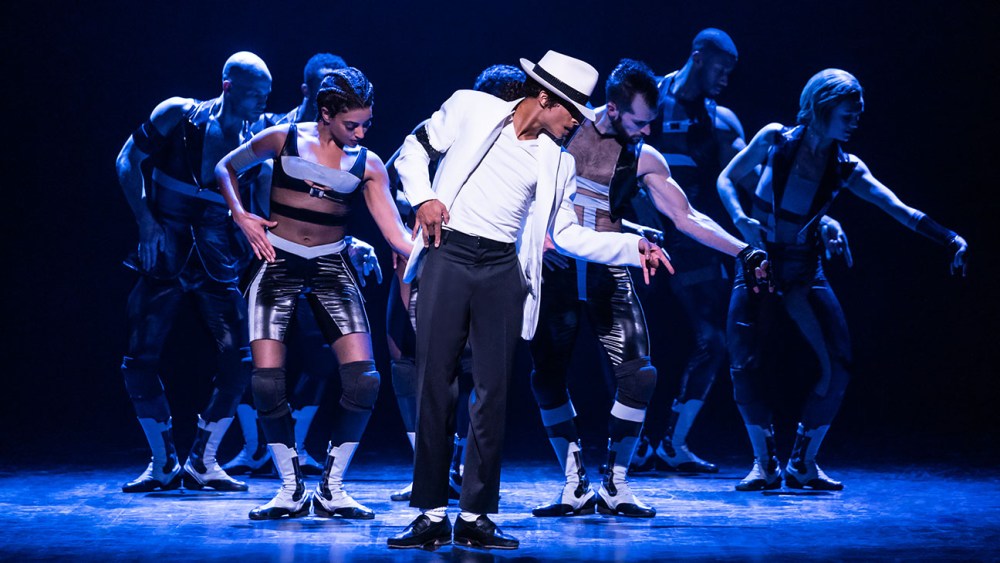
1. MJ The Musical
For people who like: concerts, nostalgia, absolutely no homework. You already know every song. You will not be doing any emotional labor. You are just… vibing.
Photo by Matthew Murphy
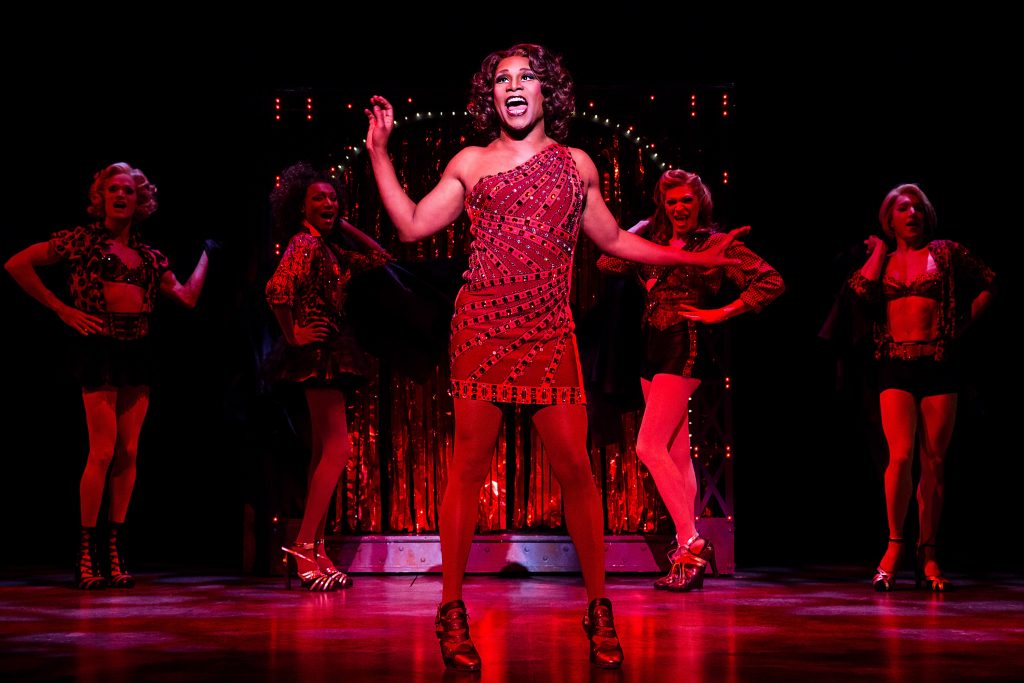
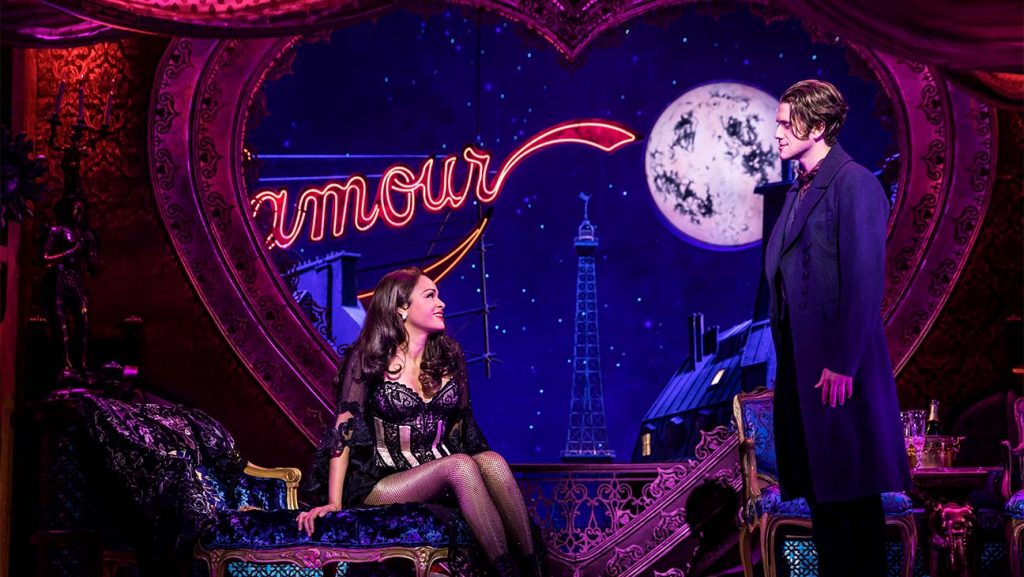
2. Moulin Rouge! The Musical
For people who like: chaos, nightclubs, sensory overload as a lifestyle. Big, loud, and sexy. If you get bored, you are actively resisting fun.
Photo by Matthew Murphy
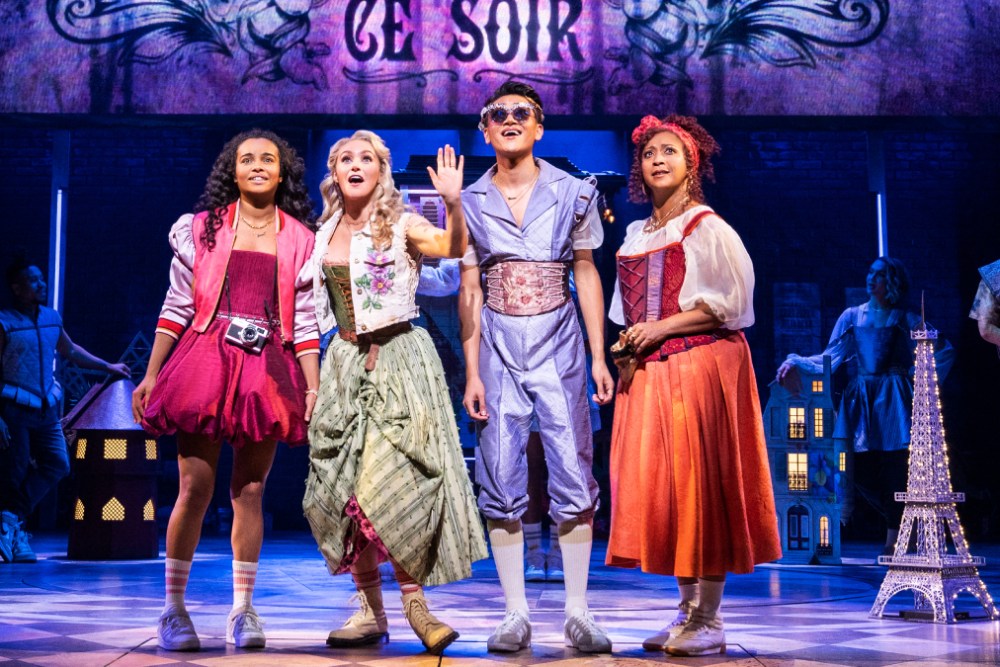
3. & Juliet
For people who like: Max Martin music, Shakespeare being humbled, surprisingly good cries. Pop bangers, self-awareness, and just enough heart to catch you off guard.
Photo by Matthew Murphy and Evan Zimmerman
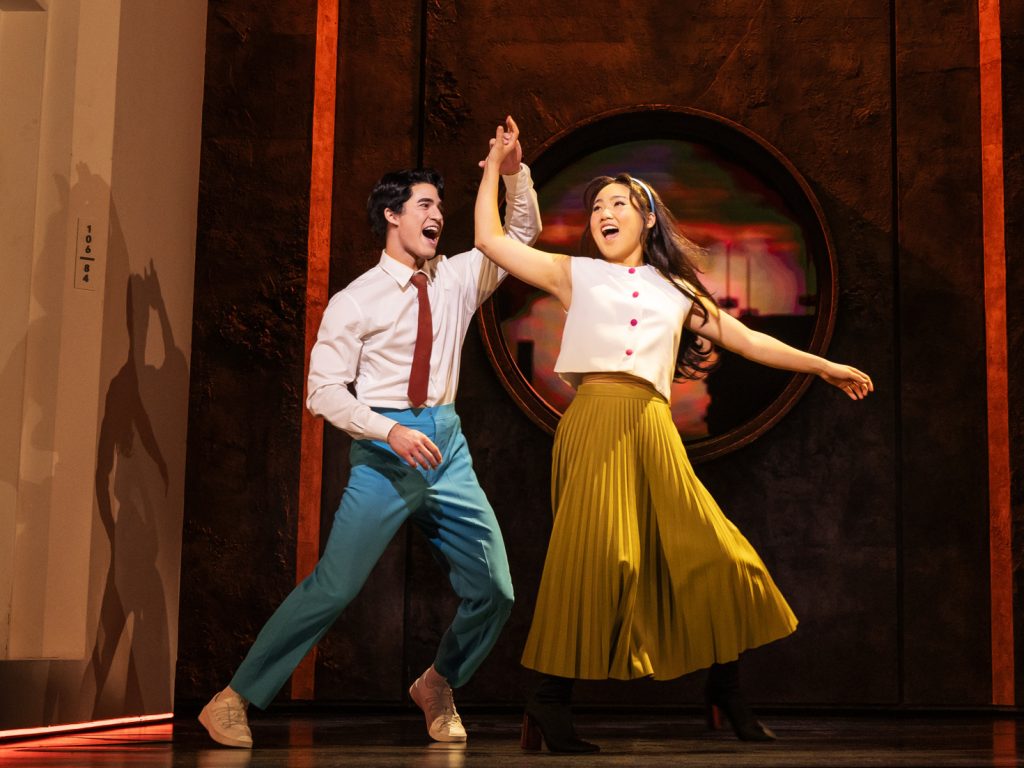
4. Maybe Happy Ending
For people who like: quiet devastation, love stories that linger. It’s two robots, but it’s one of the most human things you’ll ever see.
Photo by Joan Marcus
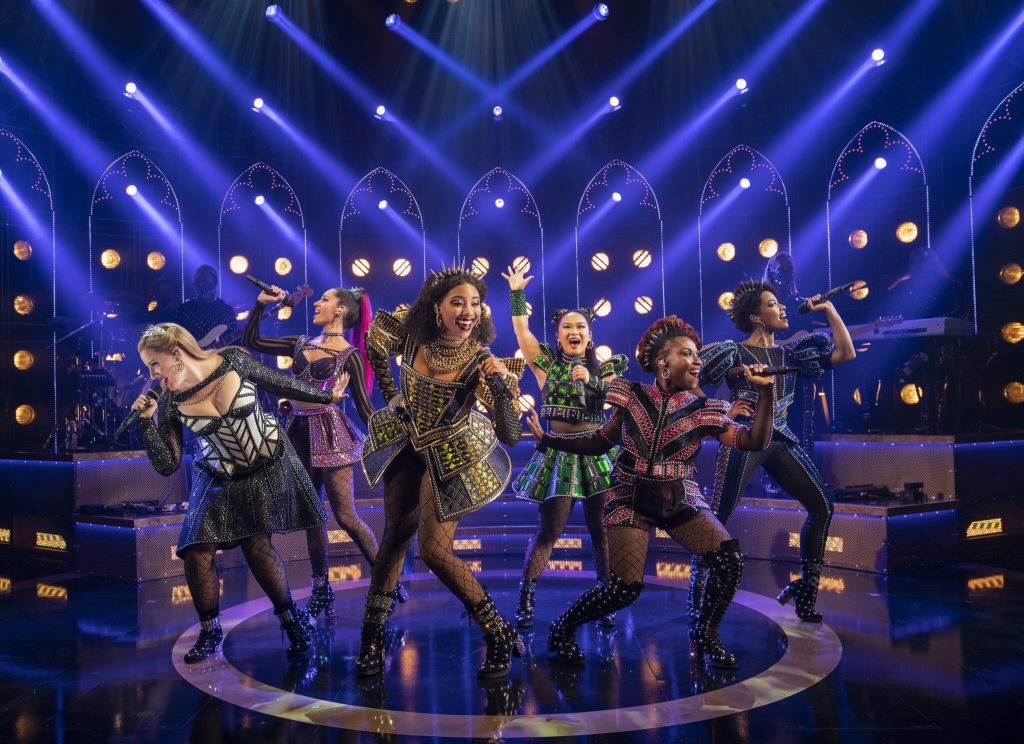
5. Six
For people who like: pop concerts, girl groups, history as a flex. Short, punchy, and refuses to waste your time.
Photo by Joan Marcus
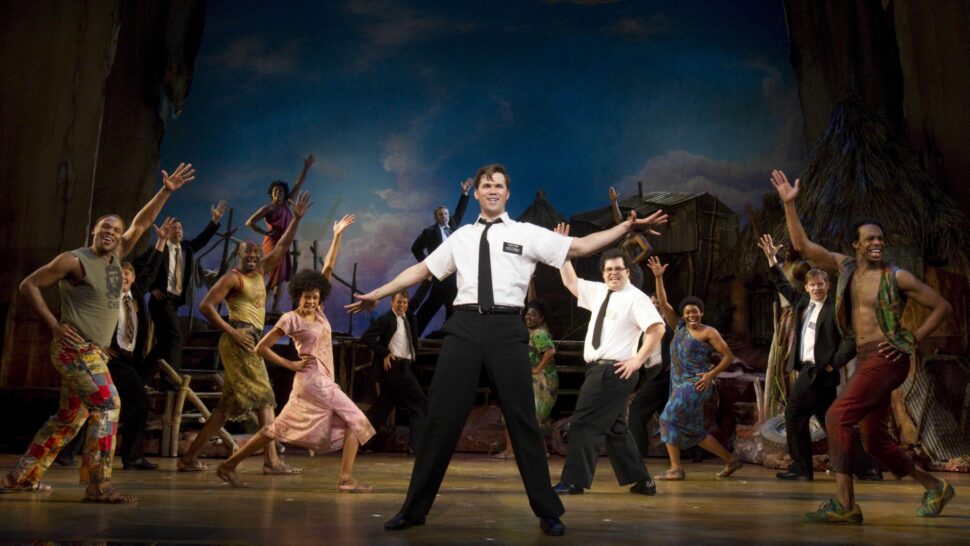
6. The Book of Mormon
For people who like: South Park, being slightly scandalized. You’ll laugh so hard you forget you’re at a musical.
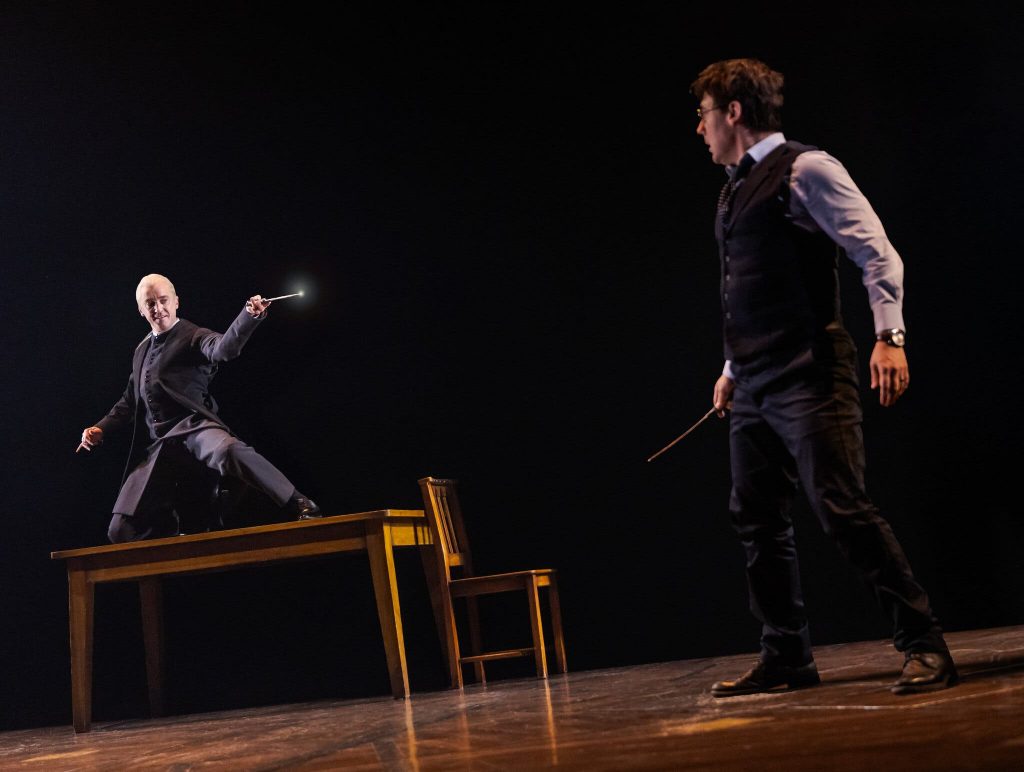
Photo by Matthew Murphy
7. Harry Potter and the Cursed Child
For people who like: blockbuster movies, “did that just happen?” magic effects. It’s spectacle-first and theatre second. (Also now starring Tom Felton as Draco Malfoy!)
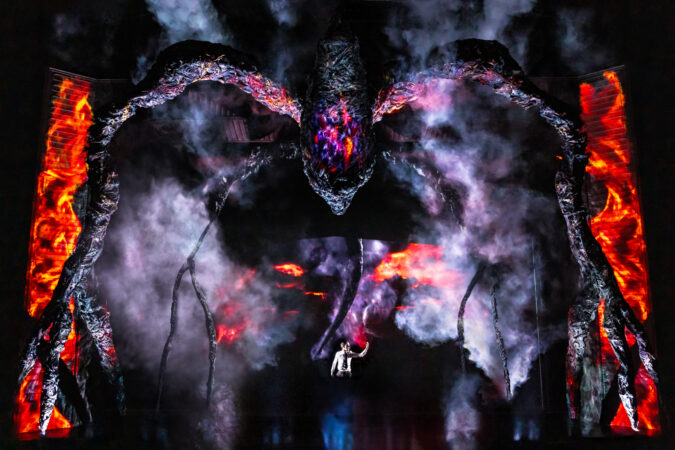
Photo by Matthew Murphy and Evan Zimmerman
8. Stranger Things: The First Shadow
For people who like: Stranger Things, origin stories. Feels like binge-worthy TV… but live. It’s huge spectacle and worth the dollars.
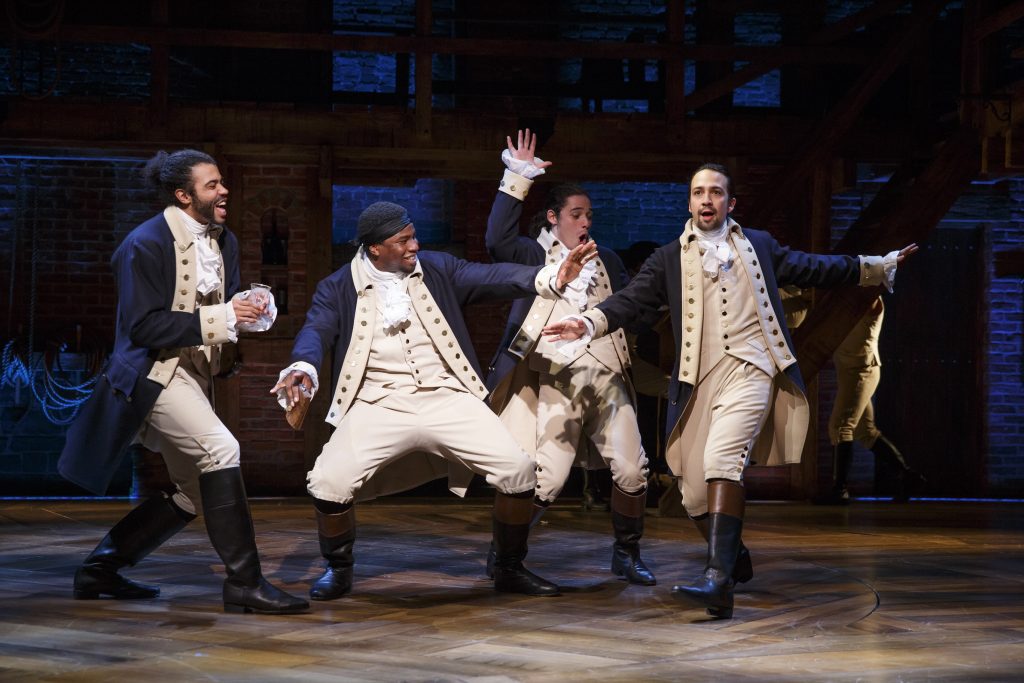
Photo by Joan Marcus
9. Hamilton
For people who like: hip-hop, history, crying later. Still doesn’t feel like Broadway. Still hits.
Photo by Matthew Murphy
10. The Outsiders
For people who like: grit, brotherhood, emotional damage You don’t watch this one… you feel it.
Photo by Matthew Murphy
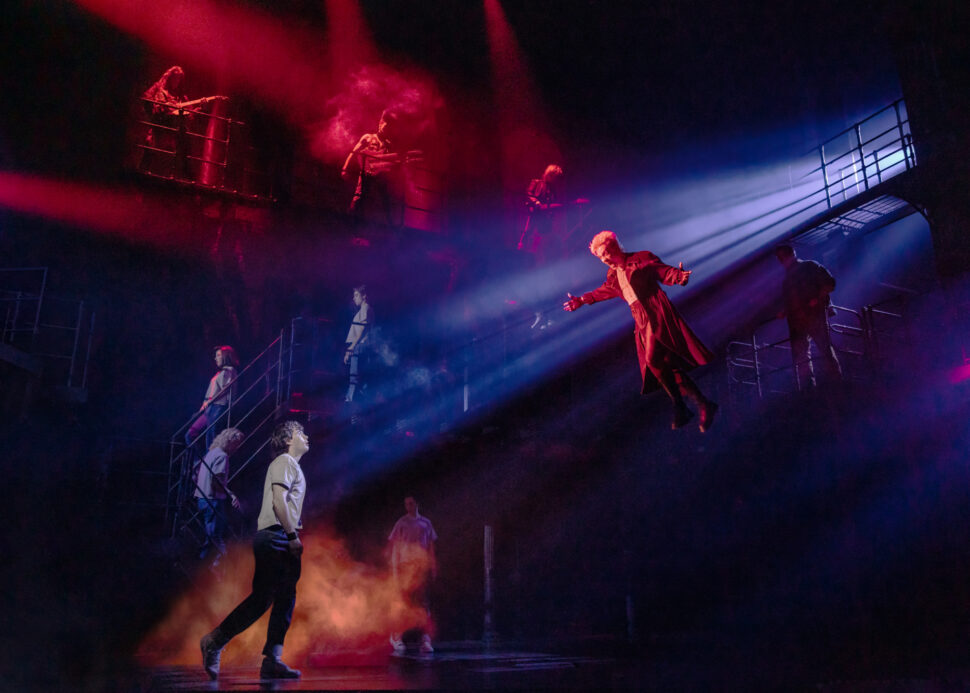
11. The Lost Boys
For people who like: vampires, 80s energy, getting in early. New, buzzy, and already building a cult following.
Photo by Matthew Murphy
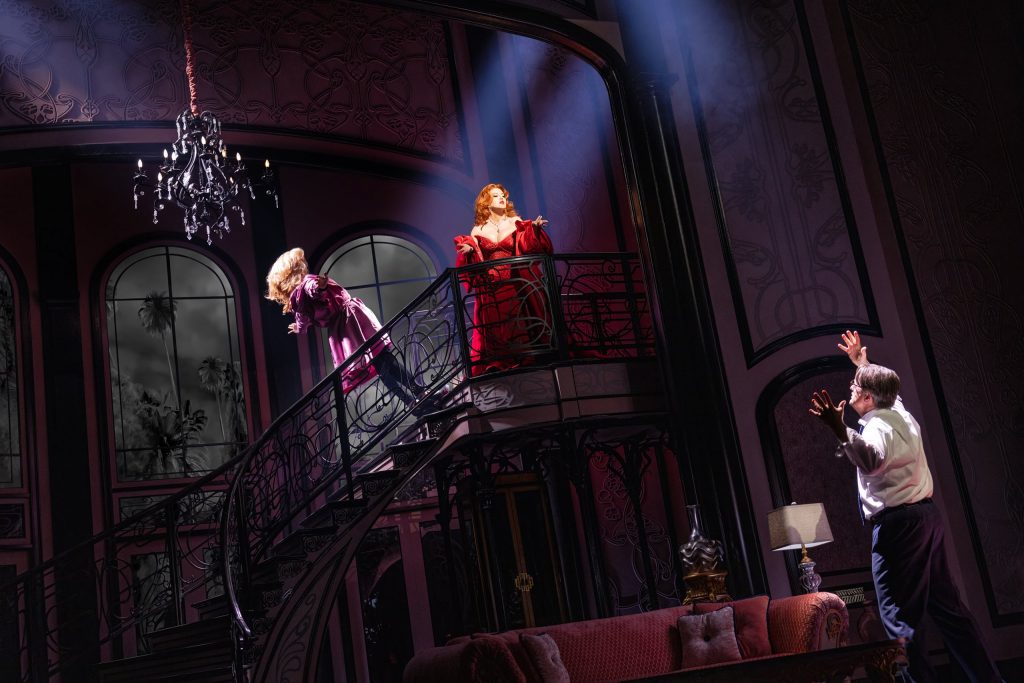
12. Death Becomes Her
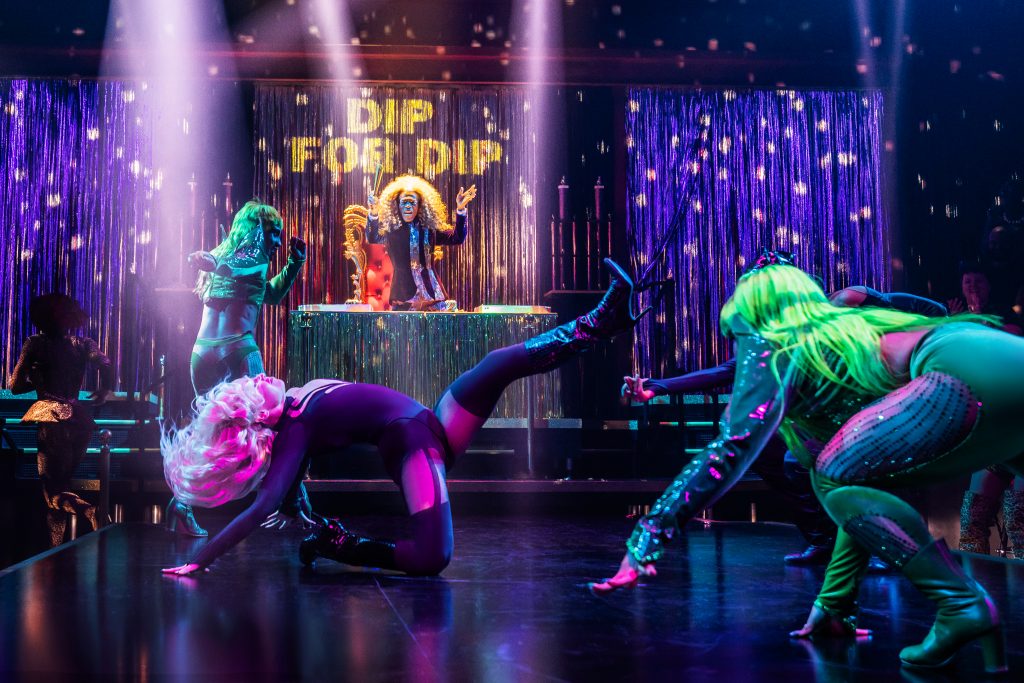
For people who like: camp, chaos, big performances. Knows exactly what it is… and commits.
Photo by Marc J. Franklin
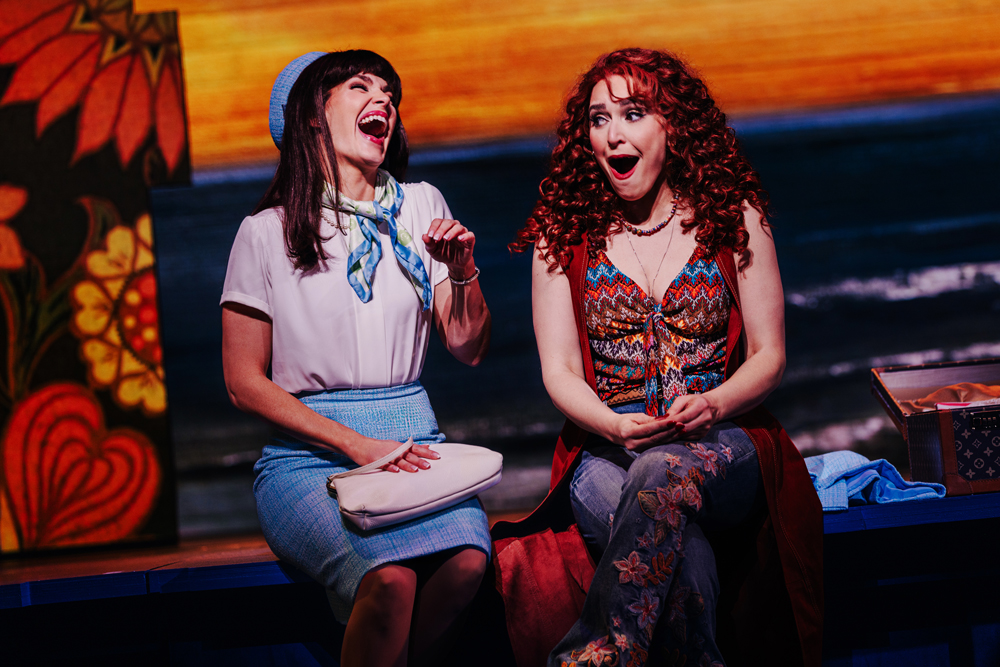
13. Beaches: A New Musical
For people who like: weepies, comedies, big performances. You bring your best friend to this and you leave holding them a little tighter.
Photo by Matthew Murphy
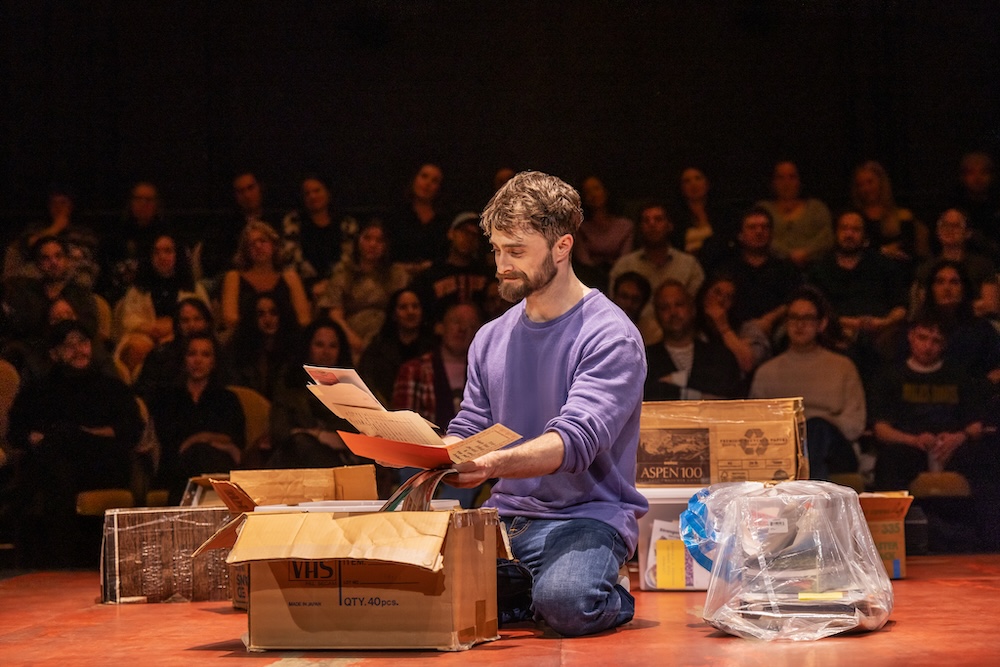
14. Every Brilliant Thing
For people who like: unexpected crying, human connection. It sneaks past your defenses… and suddenly you’re in it.
“Hating Broadway” is a vibe… not a fact. Shows vary from concerts to movies on a stage to emotional ambushes that you can’t get on your couch. All are exactly what you didn’t know you needed.
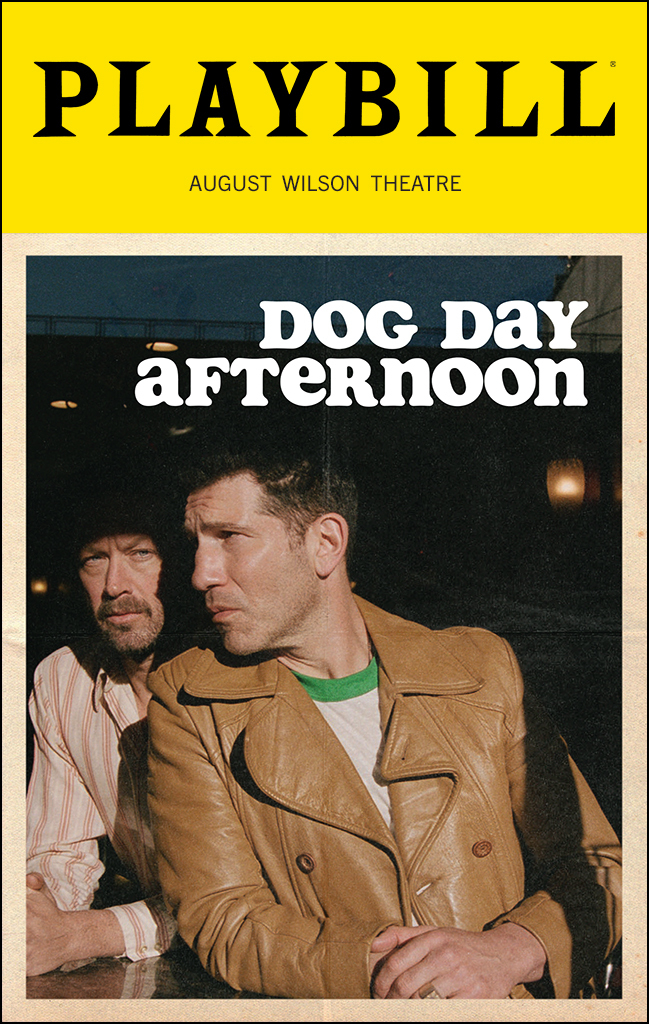
Broadway is no stranger to adaptations of films, though often they’re reimagined as musicals. Dog Day Afternoon, which opened March 30 at the August Wilson Theatre, is the somewhat rarer example of a nonmusical play adapted from a classic film. It tells the same story as the Oscar-winning 1975 movie, but with a new script and certain directorial choices that make it distinctly more comedic. While diehard fans of the film will struggle with these changes – as some critics did – those who can put their purism aside, or those going in blind, will greatly enjoy this fast-paced, funny, and deeply entertaining play as its own work of art.
Photo by Evan Zimmerman
Sidney Lumet’s Dog Day Afternoon starred Al Pacino and John Cazale and won Frank Pierson Best Original Screenplay at the Academy Awards. It was categorized as a crime drama based on a Life magazine article about a real 1972 bank robbery in Brooklyn. Here, Jon Bernthal and Ebon Moss-Bachrach (both known for The Bear, amongst other film and TV projects) star in Pacino and Cazale’s roles with a new, darkly comic script by Pulitzer Prize-winning playwright Stephen Adly Guirgis.
Bernthal gives his all as the play’s lead, Sonny, and commands the stage with ease in his Broadway debut. His friend and sidekick in the attempted robbery of a Chase branch in Gravesend is Sal, played as very intoxicated and sedated by Moss-Bachrach. While he’s billed second, his role is significantly smaller and less impactful. The robbery goes wrong, of course, and hilarious chaos ensues as the bank staff are held hostage by very incompetent captors.
If there is a cast member other than Bernthal who deserved recognition from the Tonys, it’s not Moss-Bachrach, but three-time nominee Jessica Hecht, who is hilarious as head teller Colleen. Like the script as a whole, she successfully goes for the laughs while still revealing inner turmoil as the play goes on and stakes are raised with the NYPD surrounding the bank. Colleen’s employees, Roxxana (Elizabeth Canavan), Lorna (Wilemina Olivia-Garcia), Alison (Andrea Syglowski), and Guadalupe (Paola Lazaro), and her boss, Butterman (Michael Kostroff), provide more comic relief.
While the play is over two hours long and its intermission is welcome, there’s a shift in content in the second act which comes abruptly. Fans of the film won’t be surprised by Sonny’s queer identity reveal, as it featured representation that was ahead of its time. Others may find it jarring, as without any references in the first act, it first seems like a joke. Luckily, Esteban Andres Cruz plays Sonny’s partner Leon, a trans woman, with a devastating humanity that is still funny, showing the audience that while Leon can tell jokes, she isn’t one herself.
There’s more than LGBTQ representation that feels politically progressive for a play set over 50 years ago. The humanization of and compassion between the robbers and bank workers is at the center of the narrative, where the villains, if there are any, are police officers. It’s simultaneously relatable — working class tellers and would-be thieves have more in common with each other than with the systems that oppress them — and it’s also very charming. There’s even an interactive anti-establishment chant with the audience.
Unlike The Bear, an intense drama series categorized as a comedy by the Emmys, Dog Day Afternoon reworks the dramatic cinematic masterpiece that inspired it to a crime comedy. Sometimes reimagined pieces of art are disastrous and deserve to be forgotten. But in the case of Dog Day Afternoon, comparison is the thief of joy. It’s interesting, suspenseful, and well-acted – and the comedy doesn’t take away from its impact. Those unfamiliar with this fascinating story will be hooked by the plot and will stay for the laughs. Those planning to see a remake of the film onstage should keep an open mind – and you might enjoy it just as much.
Dog Day Afternoon runs through July 12 at the August Wilson Theatre.
With yesterday’s Tony nominations announcement, the 2025-2026 Broadway season has come to a close. Full of ups and downs, hits and flops, and some big surprises, the season’s offerings spanned genre, budget, and tone, including some of the more intense productions in recent memory (Oedipus, Bug, and Ragtime, to name a few). Titanique, the newly opened Titanic parody/Celine Dion jukebox musical, which received four Tony nominations, is firmly in another camp – the campy camp, to be specific! And unlike the infamous doomed voyage that inspired it, this show delivers exactly what it sets out to.
A transfer from its hit Off-Broadway run at the Daryl Roth Theatre, Titanique has set sail at the St. James, a large, three-level, traditional Broadway theater that generally houses big-budget or classic musicals. There are a few added bits and a larger set, but the satirical, referential script and the dinky costumes/props to match the tone are unchanged. Those expecting flawless vocals, perfectly tight choreography, and expensive costuming that most Broadway musicals provide may be briefly taken aback by the kitsch factor in a huge venue that hosted Sunset Boulevard last season – but most will get used to the vibe as the lower-budget, lower-brow, high-camp parody it’s meant to be. Lovers of the Off-Broadway run would only be disappointed if they expected the transfer to reinvent the wheel and rework itself into a bigger show more traditionally suited for The Great White Way. Titanique is a parody a la Forbidden Broadway, so it does not and does not intend to do so.
For those who missed it and are wondering if it’s now worth the trip… ‘shall we go for it?’ First, ask yourself if you’re a fan of any of the following: 1) Titanic, the 1997 film; 2) Celine Dion’s personality and discography; 3) theatre-related inside jokes; and 4) near-constant references to gay/LGBTQ culture. If you feel nothing for these four topics, I’d look elsewhere. But if you enjoy multiple or all of them, like this reviewer, you’ll feel it’s a tailor-made extravaganza conceived from the corners of your own mind.
In fact, Titanique is conceived by original stars Marla Mindelle and Constantine Rousouli with director Tye Blue, whose laugh-a-minute book was just Tony-nominated, alongside the production for Best Musical. Mindelle stars as emcee/narrator Celine Dion, retelling her version of the Titanic story with her own catalogue of music, save for “It’s All Coming Back to Me Now” (rights issue). Rousouli plays Leonardo DiCaprio’s Jack Dawson appropriately and hilariously as an dancing, “aging twink” in tight pants earnestly wooing Rose. Mindelle is a genius impressionist and deservedly received one of the show’s two acting nominations, even if her and Rousouli’s vocals may not match the level of certain costars, or, of course, Celine herself.
Layton Williams, photo by Evan Zimmerman
The other Tony-nominated actor is vocal standout Layton Williams, who won an Olivier Award for originating this track on London’s West End – I won’t spoil which legendary songstress the Iceberg transforms into for a showstopping drag number. Vocally, the other standouts were John Riddle as Cal, Rose’s fiancé, also reprising his role from off-Broadway, and cast newcomer (but longtime music veteran) Deborah Cox as the “unsinkable” Molly Brown, whose “All By Myself” blows the roof off the St. James.
Along with Cox, the new additions to the Broadway transfer are Melissa Barrera as Rose, Frankie Grande as Victor Garber as the ship’s captain, and Jim Parsons as Rose’s bitter mother Ruth. While Williams, Riddle, and Cox’s vocals often outshine other cast members, the strongest comedy comes courtesy of Mindelle as Dion and, perhaps more unexpectedly, Jim Parsons (Our Town, The Big Bang Theory) as an iconically scene-stealing Ruth. His voice is the least strong, but it simply doesn’t matter due to the character’s deadpan one-liners and slapstick comedy, complete with slaps. In sum, what certain performers like Jim Parsons or Marla Mindelle may lack in vocal prowess they more than make up for in their comedy, while Deborah Cox and Layton Williams are there to provide the classic top-tier Broadway belting needed to balance it. It feels apt that one of the comic standouts (Mindelle) and one of the vocal showstoppers (Williams) were those singled out by the Tonys, along with Mindelle, Blue, and Rousouli’s hilarious script.
Photo by Evan Zimmerman
At times, Titanique is silly, campy, stupid, ridiculous, amateur, and farcical. It’s also laugh-out-loud funny and a delight from start to finish. No, it will not be everyone’s cup of tea or sense of humor, and many without prior connections to Dion, Titanic, Broadway shows, or queer culture may find a lot is lost in translation, leaving them underwhelmed by a low-budget parody on a Broadway stage, with prices to match. But those who get it will get it. If you’ve ever enjoyed a karaoke singalong to “My Heart Will Go On,” a RuPaul’s Drag Race “lipsync for your life” reenactment, a fully improvised fourth-wall-breaking section, or an SNL parody, book yourself a voyage on Titanique – it’s a gay old time.
ROUNDABOUT STUDIO 54
RICHARD O'BRIEN'S THE ROCKY HORROR SHOW
CREATIVE
Book, Music, & Lyrics
Richard O'Brien
Director
Sam Pinkleton
Choreography
Ani Taj
Music Supervisor
Kris Kukul
Scenic Design
dots
Costume Design
David I. Reynoso
Lighting Design
Jane Cox
Sound Design
Brian Ronan
Hair & Wig Designer
Alberto “Albee” Alvarado
Makeup Designer
Sterling Tull
Intimacy Coordinator
Ann James
CAST
Narrator
Rachel Dratch
Brad
Andrew Durand
Frank-N-Furter
Luke Evans
Riff Raff
Amber Gray
Eddie / Dr. Scott
Harvey Guillén
Janet
Stephanie Hsu
Magenta
Juliette Lewis
Rocky
Josh Rivera
Columbia
Michaela Jaé Rodriguez
Swing
Renée Albulario
Swing
Anania
Phantom/Ensemble
Boy Radio
Phantom/Ensemble
Caleb Quezon
Swing
Andres Quintero
Phantom/Ensemble
Larkin Reilly
Phantom/Ensemble
Paul Soilea
Swing
John Yi
The Tony nominations are here, which means Broadway has entered its annual season of joy, confusion, congratulations, and group chats simply reading: “Wait. WHAT?”
Every year, nomination morning tells us what Broadway loved, what it respected, what it rewarded, and what it somehow pretended not to see. This year, the story was especially strange: Hollywood names hit a wall, a divisive revival became a nomination magnet, a closed show refused to disappear, and several major productions were left standing outside the party.
Here are the biggest surprises and snubs of the season.
The Biggest Surprises
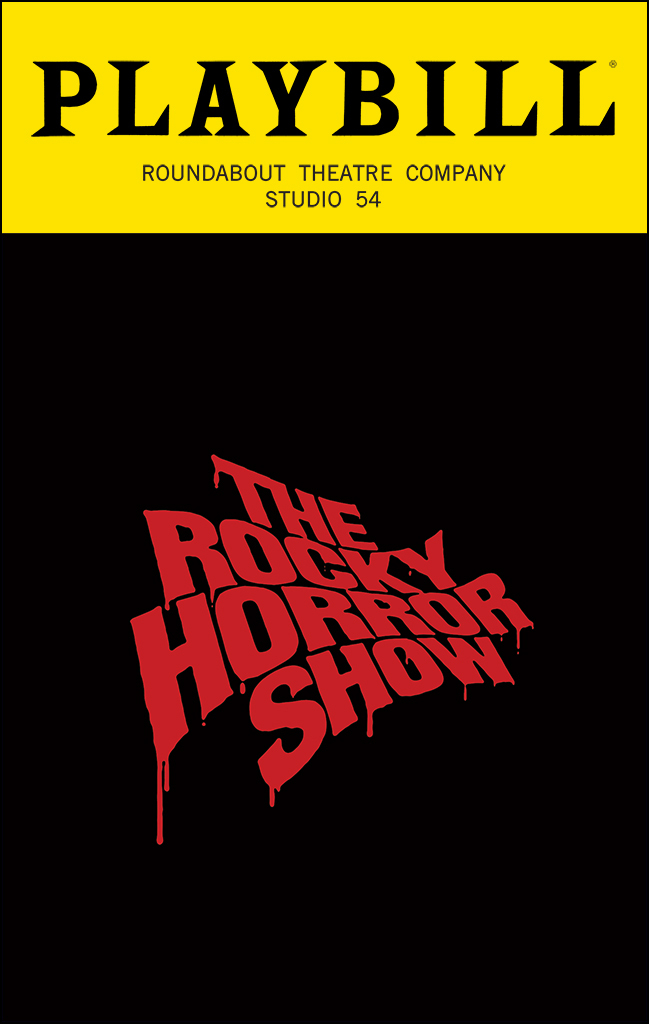
The Rocky Horror Show Crashes the Party
No one had The Rocky Horror Show down as one of the season’s Tony powerhouses.
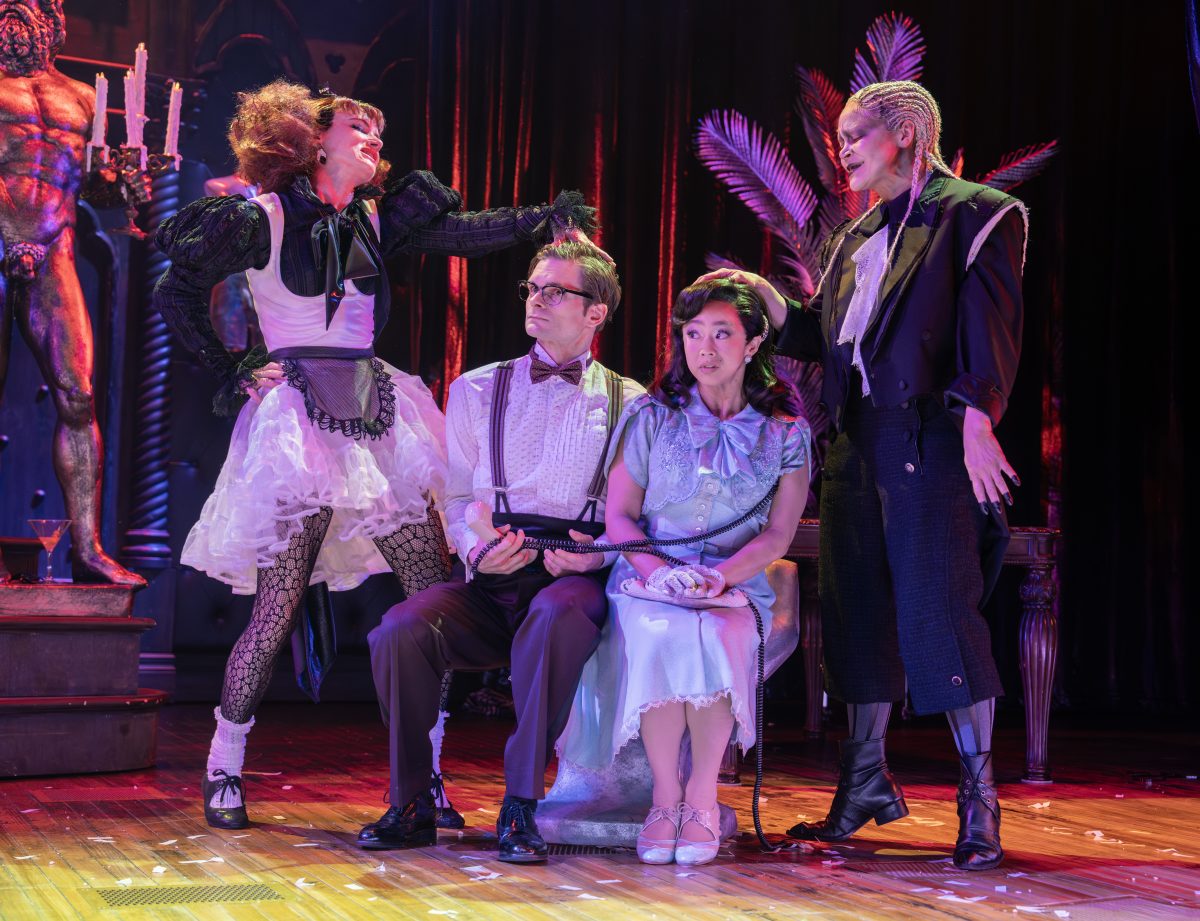
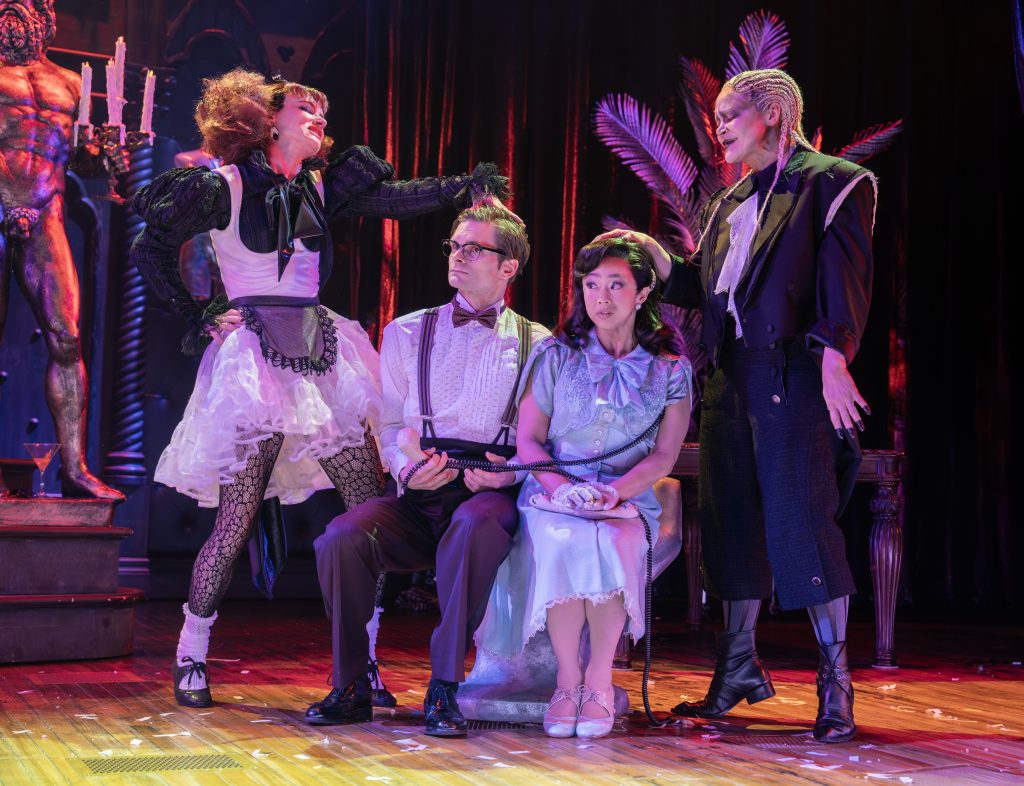
The production was divisive and the reviews were mixed. The vibe was less “awards juggernaut” and more “late-night costume party with better cheekbones.”
And yet, nine nominations: Luke Evans, Stephanie Hsu, and Rachel Dratch all landed acting nominations, helping turn Rocky Horror into one of the most recognized productions of the season. Whatever the nominators saw in that show, they saw it loudly.
Photo by Joan Marcus
Alden Ehrenreich Proves He Belongs
Hollywood actors arrive on Broadway every season. Some prove something, some remind us they went to drama school, but Alden Ehrenreich did the former.
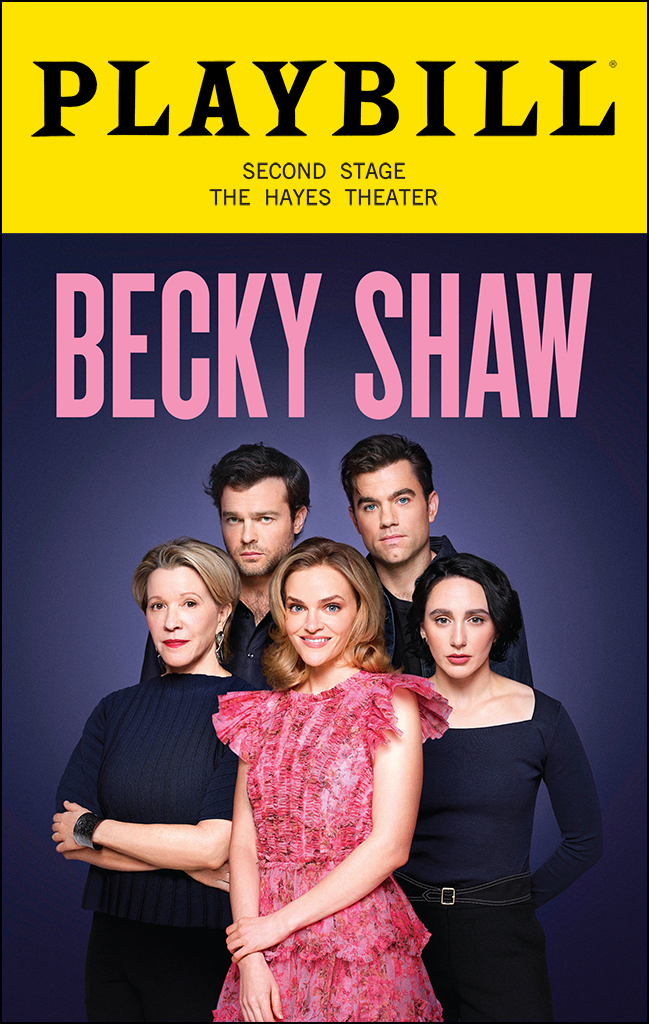
Ehrenreich’s Broadway debut in Becky Shaw earned him a nomination in a stacked acting field. It wasn’t a novelty pick, but proof of a fully alive stage performance. The nomination signals something important: this was not “movie star visits Broadway,” but an actor meeting the stage on its own terms.
Will Harrison Refuses to Be Forgotten
Nominations can be brutal to shows that close early in the season. Once the lights go out, the Tony machine usually moves on.
However, Will Harrison’s performance in Punch stayed with nominators, earning him a nomination months after the production closed and edging out splashier names like Adrien Brody and Jon Bernthal.
June Squibb Proves that Age is Just a Number
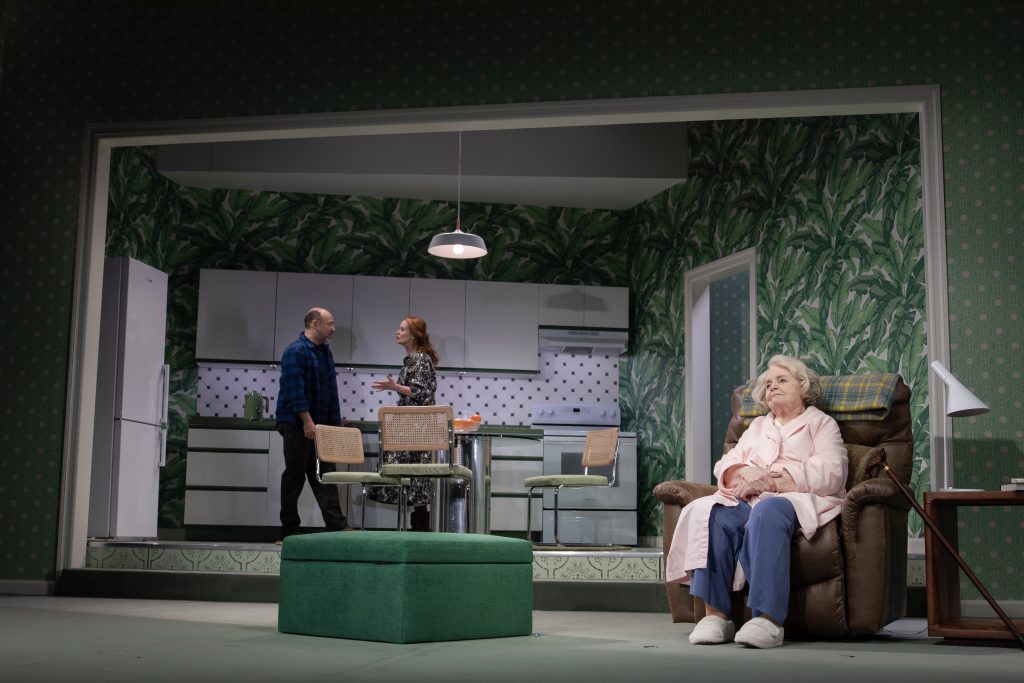
At age 96, June Squibb wouldn’t be blamed for relaxing in retirement, but instead, she took her incredible talents to the Helen Hayes Theatre, where she starred as the titular character in Marjorie Prime. With her breathtaking performance, June Squibb earned her first ever Tony Award nomination, and she’s broken the record for the oldest ever acting nominee.
Photo by Joan Marcus
Danny Burstein Etches His Name in the Record Books
The formidable Danny Burstein earned his ninth Tony nomination, also for Marjorie Prime, breaking the record for most male acting nominations. The record of eight was previously held by Jason Robards, Jr. and it stood for nearly fifty years. With one Tony win under his belt for his role in Moulin Rouge!, might Burstein join the esteemed list of two-time winners this year?
The Biggest Snubs
Proof, Beaches, Art, and The Queen of Versailles Disappear
The loudest snubs this year may not be individual omissions, but full-show disappearances.
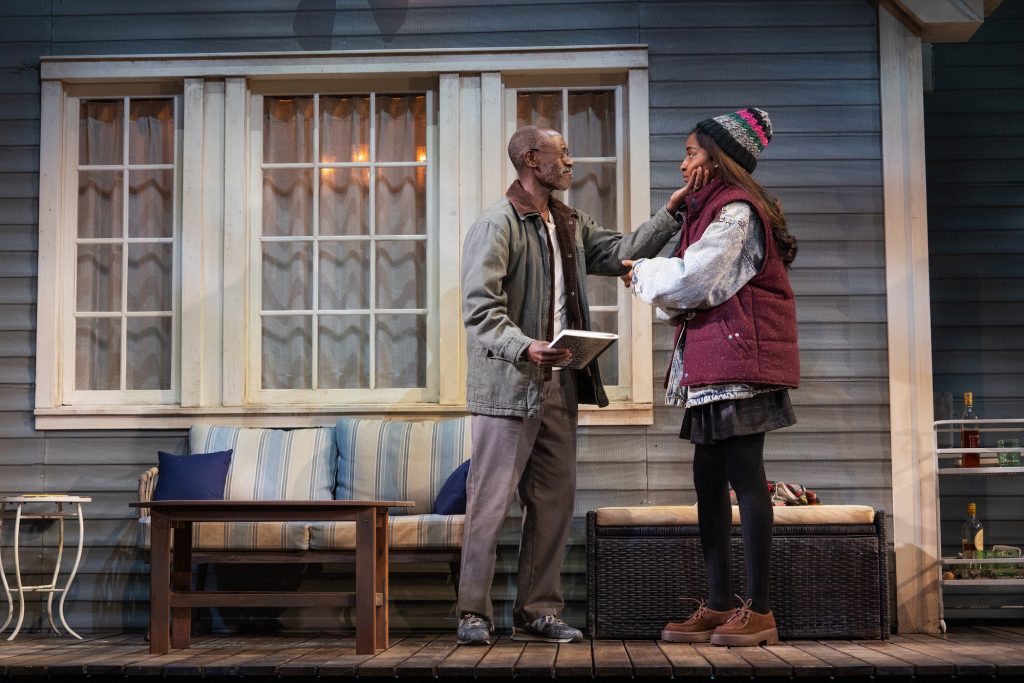
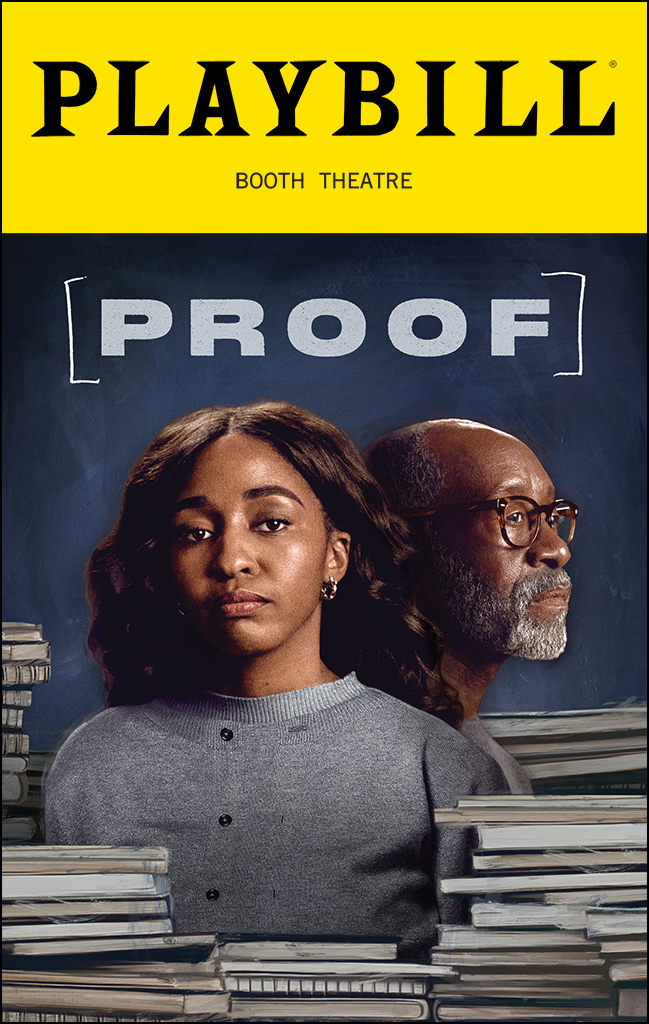
Proof, a revival of David Auburn’s Pulitzer Prize-winning play, arrived on Broadway boasting an Oscar nominee in Don Cheadle, an Emmy Award winner in Ayo Edebiri, and two-time Tony Award winner Kara Young. On paper, it should have registered somewhere. Instead, it garnered zero nominations.
Photo by Matthew Murphy
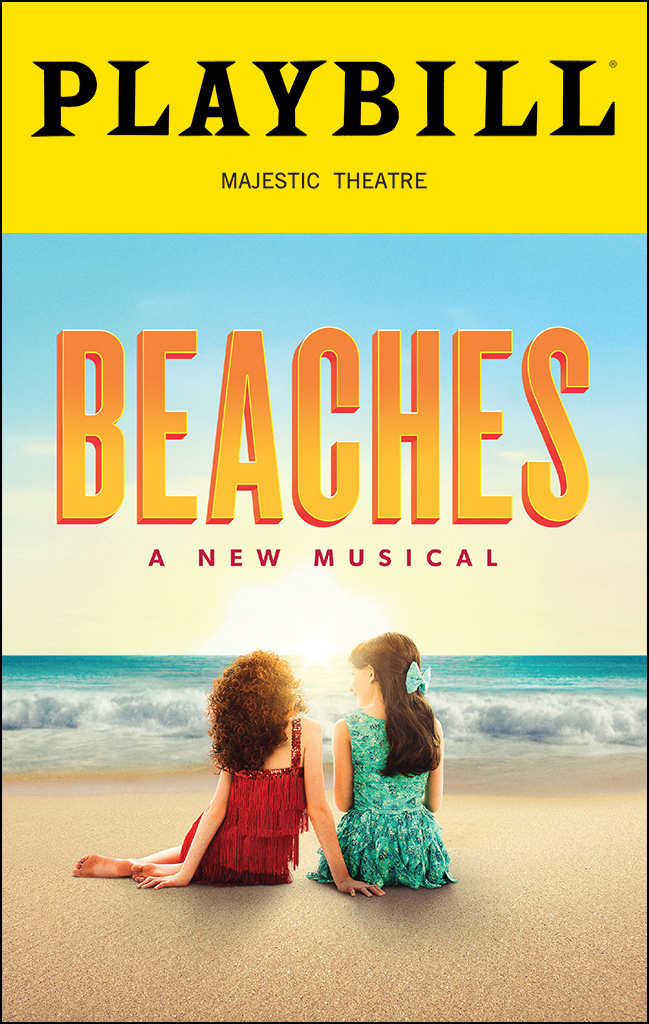
Beaches offered old-school musical emotion, a classic score, big voices, friendship, heartbreak, and a sincere Broadway sweep that the industry often claims to miss. Jessica Vosk seemed like a viable acting contender, carrying the voice, humor, heart, and impossible Bette Midler-sized expectations of Cee Cee Bloom. Still, the show was left off the board entirely.
Art, the Yasmina Reza penned play is a three-hander that boasted favorites from stage and screen: Bobby Cannavale, James Corden, and Neil Patrick Harris in a curious comedy that turns the art world in its ear. In a season heavy with play revivals, Art couldn’t seem to craft a narrative that fit it into the awards season conversation.
The Queen of Versailles arrived with ambition, scale, spectacle, and serious pedigree with music and lyrics by Stephen Schwartz and Broadway icon Kristin Chenoweth as leading lady. A big musical with a recognizable title simply vanishing from the nominations is its own kind of Broadway whiplash.
Photo by Julieta Cervantes
Lea Michele and Aaron Tveit Miss for Chess
Chess was one of the season’s hotter tickets, powered by Lea Michele and Aaron Tveit. But Tony nominators played a different game. Neither star received a nomination, even as co-stars Nicholas Christopher, Hannah Cruz, and Bryce Pinkham all made the cut. For Michele, the omission is especially striking. Despite her high-profile Broadway career and major comeback narrative, she remains without a Tony nomination.
Photo by Matthew Murphy
Hollywood’s Heavy Hitters Hit a Wall
Adrien Brody came to Broadway with a fresh Oscar glow from The Brutalist. Keanu Reeves and Taraji P. Henson arrived with serious screen credibility. Neither made the Tony list.
The reminder is familiar, but still fascinating: Broadway is not easily seduced by screen prestige. Film careers do matter, especially when considering the financial aspects of Broadway. But this year, nominators have their own standards and their own allergy to inevitability.
Laurie Metcalf Gets One Seat Instead of Two
Laurie Metcalf did receive a nomination for Death of a Salesman, because Laurie Metcalf being excellent on stage is one of the few civic institutions we can still count on. Yet, her acclaimed work in Little Bear Ridge Road was left out, ending the possibility of a rare double acting nomination in a single Tony season.
Nevertheless, Metcalf has 7 nominations to her name (including 4 in a row from 2016-2019) and 2 wins, so her status as one of the great stage actors of her generation is certainly cemented.
Photo by Emilio Madrid
What the Nominations Really Told Us
The Tony ceremony will sort out the winners soon enough, but nomination morning already told its own story: that Broadway is willing to reopen complicated doors. It told us movie stars still have to prove themselves under stage lights, and that a closed show can still haunt nominators in the best possible way.
The Tonys honor excellence, but every year, they also reveal Broadway’s mood, blind spots, grudges, crushes, and strange little instincts. Time will tell if the awardees follow these trends.
The Tony Award nominations arrive on Tuesday, May 5th at 8am-and with them comes the annual ritual of thrills, confusion, and being personally offended on behalf of someone you’ve never met.
But how does a Broadway show actually get nominated for a Tony Award?
The answer is more interesting than “people vote.” It is also more complicated.
First, a show has to be eligible. Not every great production in New York can compete for a Tony. Off-Broadway shows and touring productions are not eligible. The official Tony Awards FAQ states that only Broadway productions that open in one of the 41 designated Broadway theatres in Manhattan are eligible. So yes, your favorite downtown miracle may be brilliant, devastating, and performed under one perfect bare bulb, but unless it transfers to an eligible Broadway theatre, Tony voters are not circling it on a ballot.
Think of the Administration Committee as Broadway’s Supreme Court – except the cases involve whether an actress counts as “featured” and the oral arguments happen over lunch. Is a performer leading or supporting? Is something a revival if it’s never actually been on Broadway before? The committee decides, and then everyone else argues about it loudly until June.
That matters because Tony categories are not always as obvious as they look. Is a performer leading or featured? Is a production a revival even if it has never been on Broadway before? Is a role placement determined by billing, producer request, or committee judgment? The answer is often: let the Administration Committee decide, and then let everyone else debate it loudly until June. Many times, producers will petition a category (for example, an actress to be put into a featured role instead of lead) to help with their chances of winning, but at the end of the day, the committee is there to determine it.
Once eligibility is settled, the nominations themselves are chosen by the Tony Awards Nominating Committee. This is a rotating group of theatre professionals selected by the Administration Committee. They serve overlapping three-year terms, are asked to see every new Broadway production, and then meet shortly after the eligibility deadline to determine the nominations by secret ballot. The ballots are supervised by an accounting firm to check accuracy.
In other words, this is not the full Tony voting body deciding nominations. It is a smaller group of nominators whose job is to watch the season, consider the eligible candidates, and vote.
For the 2025-2026 Broadway season, the Tony Awards announced a Nominating Committee of 64 members. The group includes actors, directors, designers, producers, writers, administrators, educators, and other theatre professionals. That range matters. The idea is that the nominations should come from people who understand the many crafts that make Broadway Broadway, from the person belting downstage center to the person who crafted the sound.
After the nominations are announced, the process shifts. The winners are chosen by the larger Tony voting body. The Tony Awards says there are approximately 831 eligible voters, though that number can fluctuate year to year. Voters include members of The Broadway League, the American Theatre Wing, theatre unions and guilds, critics, casting professionals, press agents, managers, and the Nominating Committee.
Photo credit: Schmigadoon! on Broadway. (Photos by Matthew Murphy and Evan Zimmerman)
Of course, every season comes with its own share of “wait… what?” moments, and this year delivered. The Tony Awards Administration Committee made a notable ruling that Marjorie Prime would be eligible for Best Revival of a Play, despite never having appeared on Broadway before, a reminder that “revival” can mean returning to prominence, not just returning to Broadway. Then there’s Schmigadoon!, where composer Cinco Paul was deemed eligible for Best Original Score, even though the music technically originated on television, signaling a continued evolution in how the Tonys define “written for the theatre.” And in the ever-strategic world of performance categories, both Jessica Vosk and Kelli Barrett were ruled eligible as Leading Actress contenders for Beaches, despite initial hopes to position Barrett in Featured. When that happens, the category doesn’t shrink, it expands, meaning more nominees and a slightly more crowded race. In other words, even the rules have plot twists.
There’s one more catch worth savoring: voters are expected to actually attend the productions they vote on. Skip a show and fail to log it in the Tony Voter Portal, and you’re locked out of voting in its categories. In other words, you cannot phone in the Tonys – even if you very much want to.
So the Tony nomination process is really a three-act play – one that somehow requires four committees and an accounting firm just to reach intermission.
Act One: a Broadway production opens and qualifies. Act Two: the Administration Committee rules on categories and eligibility. Act Three: the Nominating Committee sees everything, convenes, and votes by secret ballot. Curtain.
The Tonys matter because Broadway people care. A nomination can extend a run, change a career, boost a box office, and introduce audiences to shows they might otherwise miss. It is industry procedure, yes, but it is also storytelling. Every nomination morning tells us what Broadway is choosing to celebrate, what it is still wrestling with, and which performances managed to cut through the noise.
The Tonys may end with a trophy, but they begin with rules, committees, eligibility meetings, and a room full of people who saw everything.
The curtain has come down. Every show has opened and the 2025–2026 Broadway season is now history. Before the Tonys hand out their envelopes and the discourse shifts to who won and who was snubbed, it’s worth pausing to ask a quieter question: what was Broadway actually saying this year?
Taken together, this season told us something, not in any single show, but in the accumulation of them: the recurring questions, the shared anxieties, the themes that kept surfacing across very different stages. Here’s what we found.
By Jim Glaub
This season asked: who are you, really?
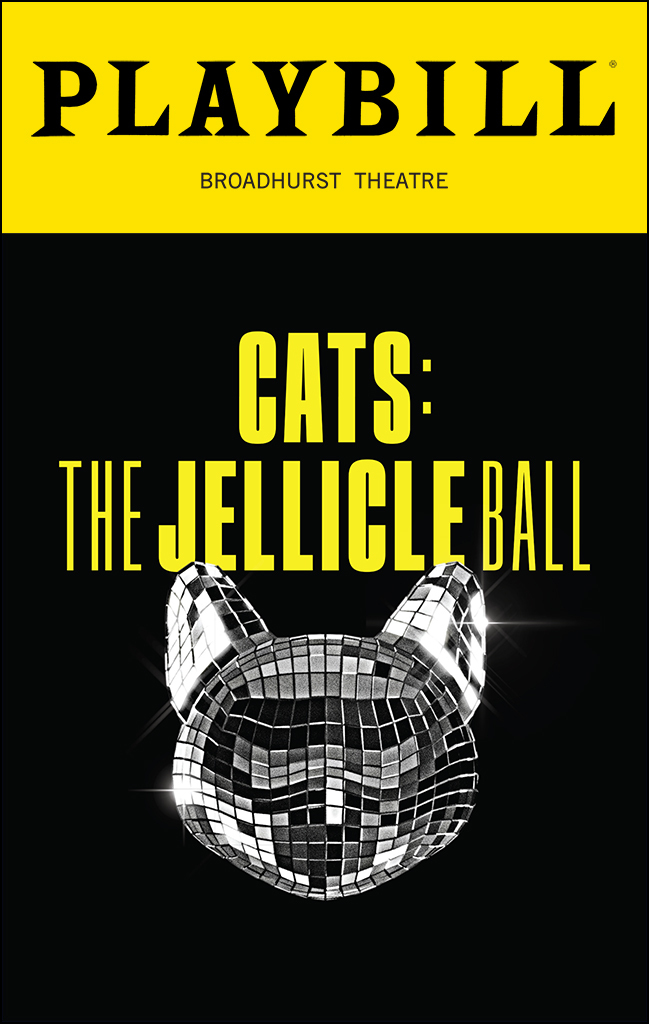
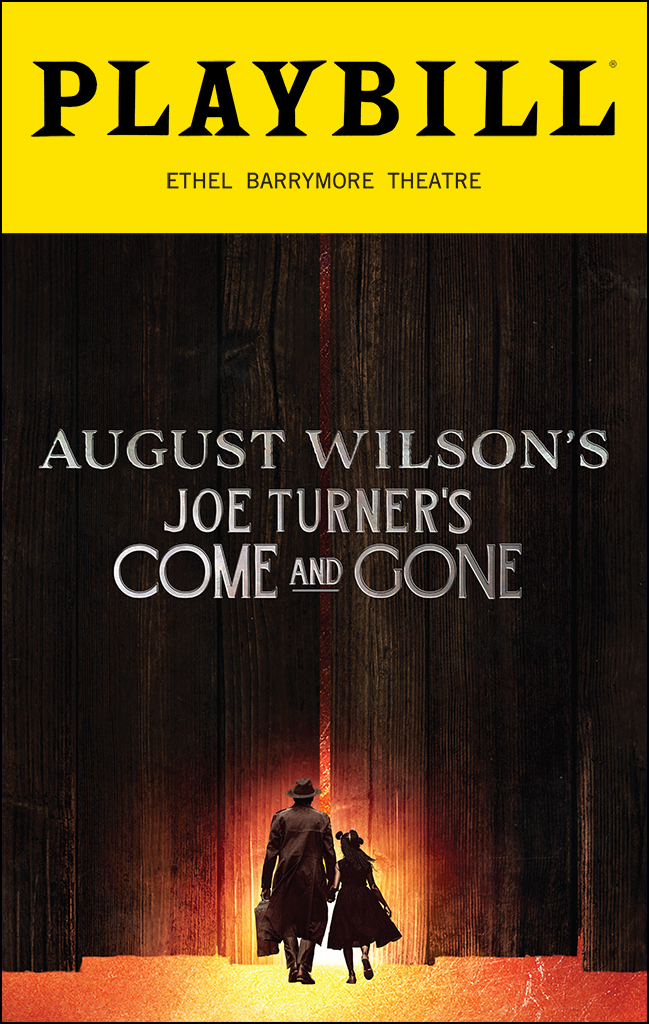
Identity was everywhere. The Lost Boys explored the fear of growing up and what we sacrifice when we refuse to. Cats: The Jellicle Ball turned selfhood into something performed, shaped by community and spectacle (and death drops). Call Me Izzy made the simple act of naming yourself feel like the most consequential thing a person can do. Joe Turner’s Come and Gone went deeper still, tracing what it takes to reclaim an identity that history tried to erase, and The Rocky Horror Picture Show reminded us, joyfully and defiantly, that self-expression needs no apology.
These are completely different shows circling the same question: who am I?
This season asked: can you trust what you know?
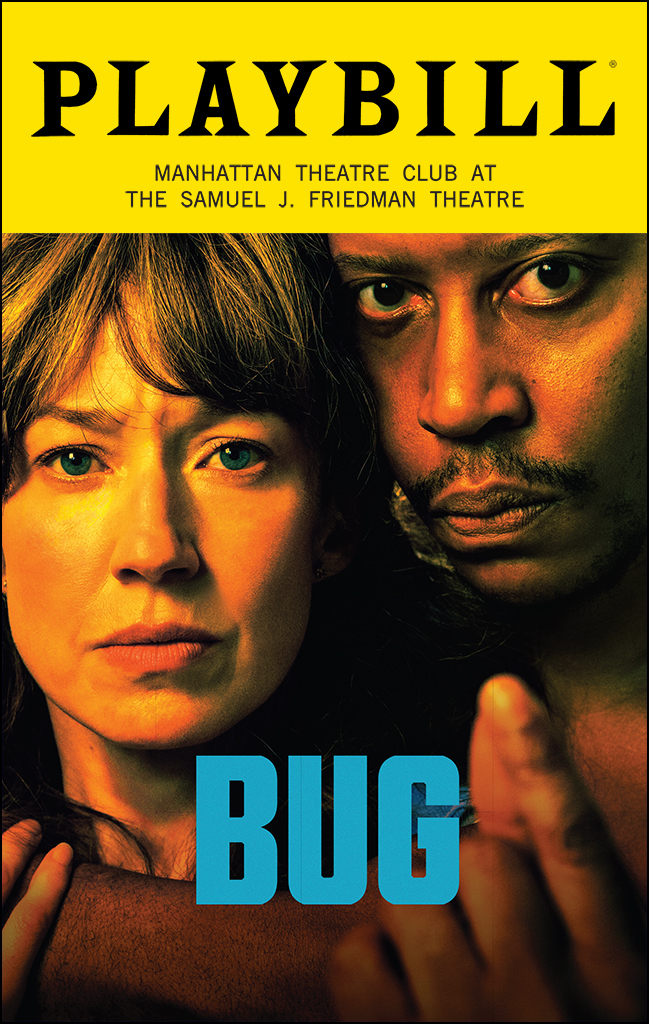
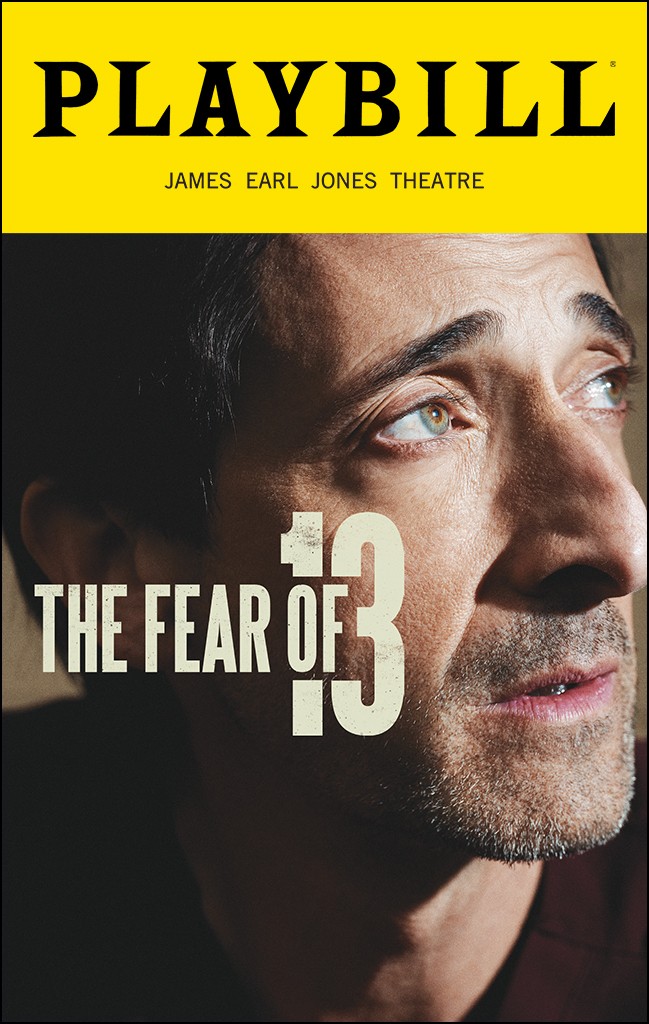
Several productions this year put perception itself on trial. Proof followed a woman wrestling with whether she can trust her own brilliant mind. Bug watched paranoia quietly dismantle reality. Oedipus delivered its ancient warning: that the truth, once uncovered, cannot be unfound. Marjorie Prime asked something gentler but no less unsettling, whether the past is something we remember, or something we build. And The Fear of 13 argued that truth doesn’t reveal itself. Someone has to fight for it.
In a year when fact and fiction feel increasingly negotiable, Broadway put truth itself on trial and didn’t offer a verdict.
This season asked: who built this, and who pays for it?
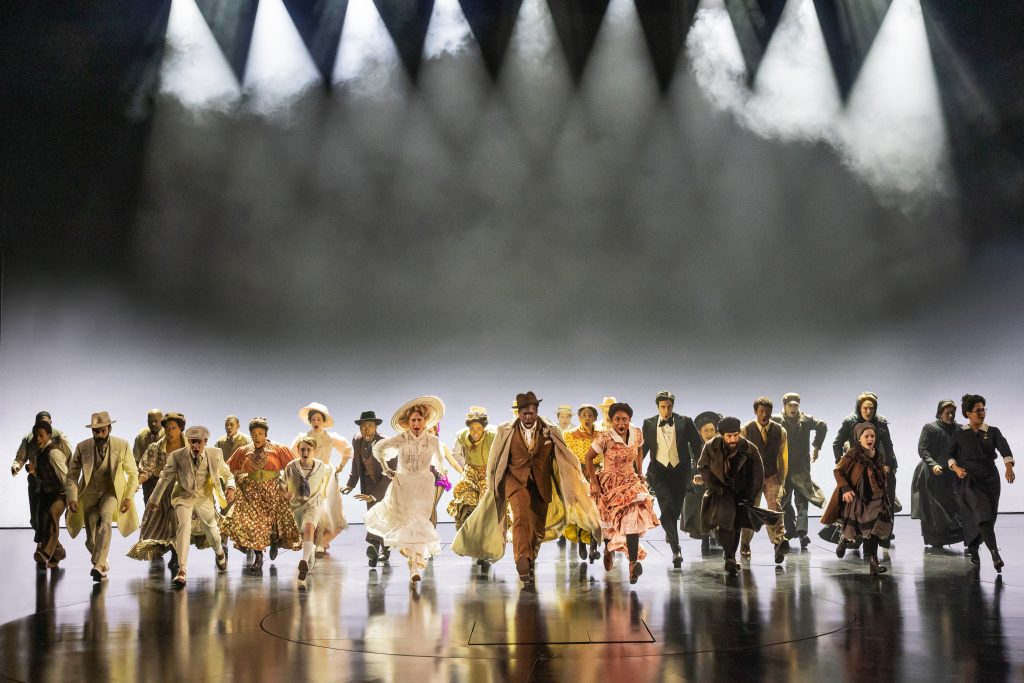
The season’s most politically charged work gathered around questions of power and legacy. Death of a Salesman, as devastating as ever, laid bare the gap between the American Dream and American reality. Ragtime brilliantly mapped the contradictions of national identity across race, class, and immigrant experience. The Queen of Versailles examined what excess looks like from the inside, and what it looks like when it falls apart. Giant traced how power shifts across generations, while Liberation and The Balusters both asked how long any system can hold before its foundations show.
These are not abstract questions, they are the questions on the front page every morning. This season, Broadway held up a mirror and the reflection was uncomfortably familiar.
This season asked: what happens after the moment you can’t take back?
Some of the season’s most gripping work lived in aftermath. Dog Day Afternoon put a desperate man under a public microscope and watched the pressure build. Punch followed the ripple effects of a single act of violence far beyond its origin. Becky Shaw looked at the quieter damage: what happens when well-meaning people make careless choices and the people around them absorb the cost. Waiting for Godot made the case, quietly, that choosing not to act is still a choice, and it carries weight. Little Bear Ridge Road asked what happens when emotional distance quietly becomes permanent.
This season asked: who do you hold onto?
There was love, not romance exactly, but connection in all its forms. Beaches: A New Musical made the case that a friendship can be the central love story of a life. Two Strangers Carry a Cake Across New York found something true and surprising in a chance encounter. Chess put love in direct tension with loyalty and ideology. Schmigadoon! argued that real connection requires putting down your defenses. Fallen Angels approached it from a different angle entirely, with Noël Coward’s razor wit asking what long-term love actually looks like when an old flame reappears and the carefully maintained surface begins to crack.
We live in a world with more ways to connect than ever before, and an epidemic of loneliness to show for it. This season asked the question underneath that contradiction: not how do we reach each other, but who are we actually willing to show up for?
This season made room for joy.
Not every show this season asked a hard question, some just insisted on joy, and in 2026, that might be the hardest position of all. We’re living in a moment that makes delight feel frivolous, that treats lightness as a failure of seriousness, and Broadway pushed back. Titanique reinvented myth purely for the pleasure of it, and dared you to feel guilty about laughing. Every Brilliant Thing catalogued small delights, a list built against despair, until they added up to something that felt, unexpectedly, like a reason to keep going. Art hid genuine feeling inside a comedy of manners, which is perhaps the only way to sneak tenderness past an audience that has learned to be defended against it. Mamma Mia! chose warmth, deliberately and without apology, in a season and a world that kept choosing difficulty
In this moment, choosing joy is a radical act. And yet, ask anyone in the industry and they’ll tell you: this was a weird one. No foolproof hits or single juggernaut that swept the conversation. Instead, a season of clear frontrunners in some categories and genuine uncertainty in others, a slate of shows that didn’t all want the same audience or offer the same experience.
And maybe that was exactly the point.
This wasn’t a season built for everyone. It was a season built to reflect everyone, which is a different thing entirely. Divided, emotional, searching, occasionally exhausting, and shot through with unexpected moments of beauty and laughter. Sound familiar? It should. Broadway in 2025-2026 looked a lot like the world it was made in.
So much of what this season offered was a slice of joy, a few hours of laughter, beauty, and feeling in a world that can feel relentlessly heavy. Not every show landed for every person and not every theme resonated, but somewhere in those thirty productions, there was something for the grieving, the hopeful, the furious, the romantic, the skeptical, and the ones who just needed to laugh.
That’s what this community has always done in difficult times: holds up a mirror, asks hard questions, and finds joy even when joy feels radical. Then, the curtain comes down, the house lights come up, and we all walk back out into the world we came from.
Broadway didn’t try to comfort us this season, it tried to reflect us, and in that, it did something uncommonly well.