Categories
Broadway's Best Cover Story

Adam Kantor on the Making of Diaspora

Broadway’s Best Shows sat down with Adam Kantor to talk about Diaspora, the immersive theatrical dining experience blending global Jewish stories, culinary artistry, and live performance, now playing in the heart of Chelsea. What unfolded was a conversation about heritage, home, and the surprising ways food can become theatre and theatre can become nourishment. 

New Yorkers are not easily surprised, but stepping into Diaspora feels like entering an entirely different world. Beneath a vast multicolored parachute illuminated by Tony Award-winning lighting designer Jeff Croiter, audiences are transported into a sensory environment where storytelling, scent, taste, and memory intertwine. This is not just dinner. And it is not just a show. It is an emotional excavation of family histories, of journeys across continents, of what it means to find home.

Kantor traces the origins of Diaspora back nearly a decade to early creative explorations with Benj Pasek and Brian Bordainick (founder of Dinner Lab). Their shared curiosity about how food can function as metaphor and how culinary traditions can become theatrical language evolved into a series of highly personal narrative-driven dining experiences. They began with a theatrical Passover Seder, then How Do You Hug a Tiger?, about chef Jae Jung’s migration from Seoul to New Orleans to New York, and later PrideTable, featuring five LGBTQ+ chefs, each course tied to a different lived experience. Audiences were not just entertained; they were moved. These stories, once tucked inside family memory or cultural context, suddenly became tangible, tasted, and shared.

Diaspora continues that evolution, focusing on four Jewish immigrant families from Iran, Ukraine, Mexico, and Ethiopia. Each narrative, performed by a gifted ensemble of actor-storytellers, is paired with a dish crafted alongside chefs whose heritage directly informs the meal. These are not generalized cultural gestures; they are deeply personal culinary memoirs. One of the most revelatory chapters centers on Ethiopian Jews, documenting desert crossings, refugee camps, and eventual resettlement in Israel and New York. As Kantor notes, many guests, Jewish and non-Jewish alike, are hearing these stories for the first time. “Part of what we are doing is expanding people’s perception of what Jewishness can look like, taste like, and feel like,” he says.

A key collaborator in bringing the experience to life is Midnight Theatricals, the company hosting the production in its Chelsea venue. Their space has been transformed into an intimate parachute-covered environment that feels both whimsical and sacred. Croiter’s lighting washes the room in shifting color, guiding audiences emotionally through each family’s journey. Kantor describes Midnight Theatricals as wonderful partners creatively, logistically, and collaboratively. With major renovations ahead and ambitious projects in development, this run of Diaspora marks an important moment in their emergence.

Performances run through December 20, 2025, and while the initial block of tickets is sold out, audiences can join the waitlist at https://www.storycoursenyc.com/waitlist for potential added performances or released seats. Enthusiasm has built quickly, drawing theatregoers, food lovers, and people eager to explore global Jewish stories in a form they have never encountered before.

Categories
Broadway's Best

Broadway’s Next Act: The Shows Waiting in the Wings

From edgy new musicals to daring play revivals, Broadway’s 2025-2026 season is shaping up to be a feast for theatre lovers. Audiences can expect everything from spine-tingling vampire tales and nostalgic show-tune parodies to intimate dramas that dig deep into love, identity, and the human psyche. With star-studded casts, bold reimaginings, and long-awaited returns of classics, there’s never been a better time to catch the magic of a Broadway performance. Here’s what’s coming soon.

NEW MUSICALS

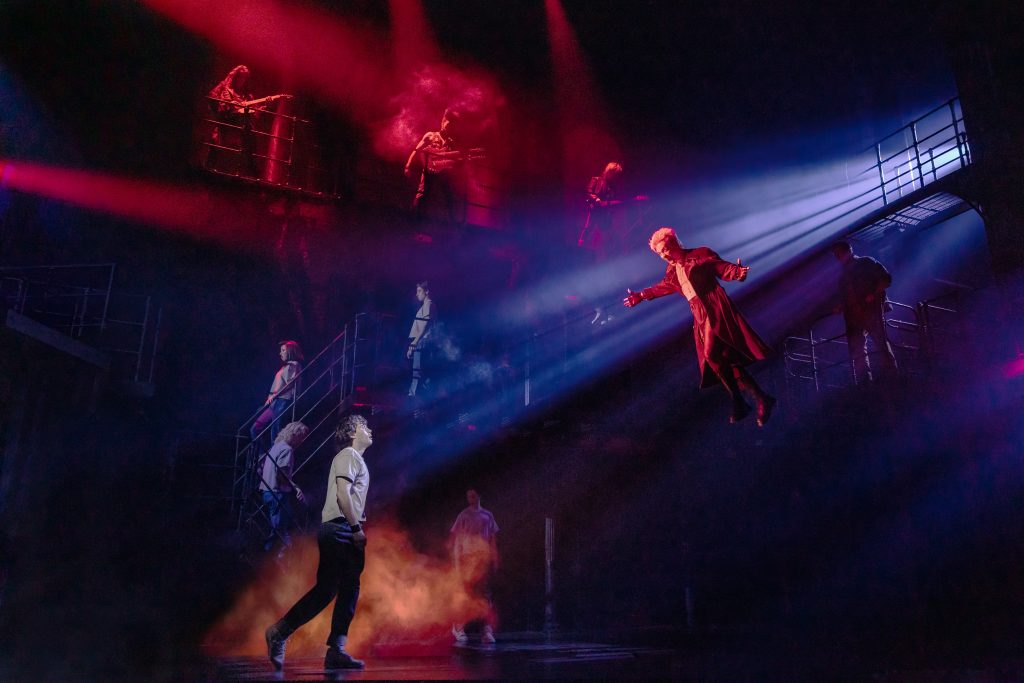
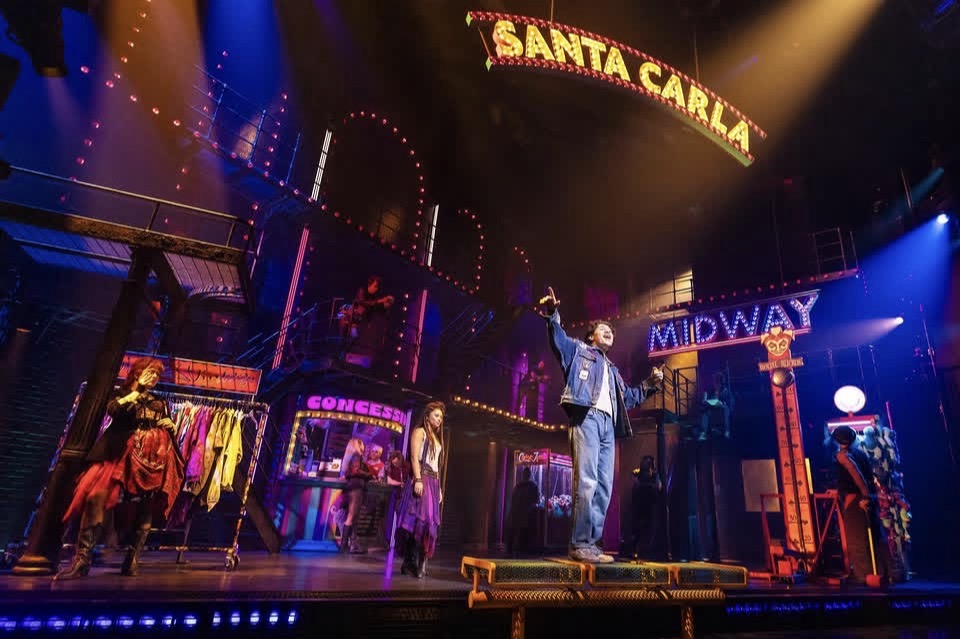
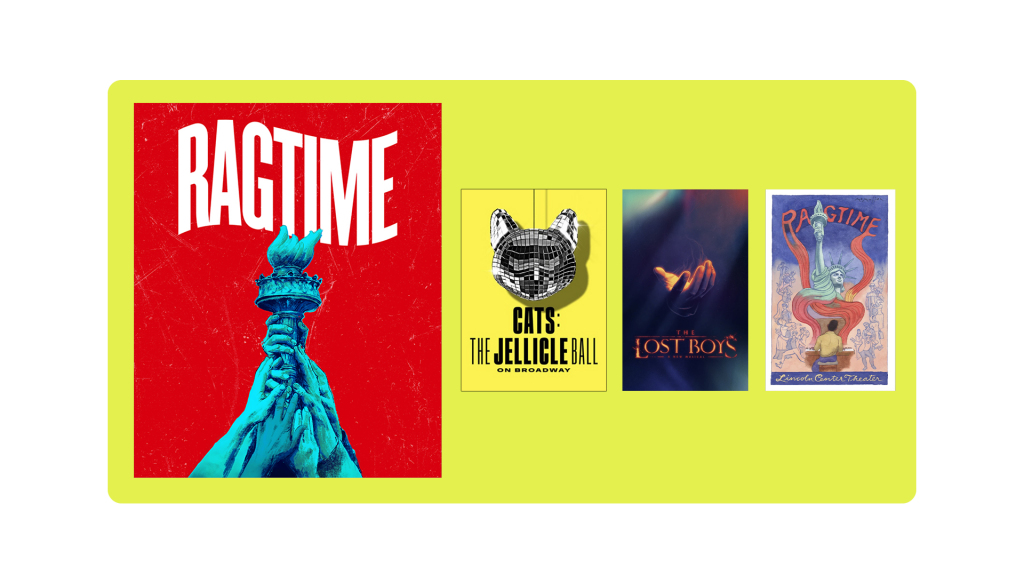
The Lost Boys
Performances begin March 27, 2026 at the Palace Theatre

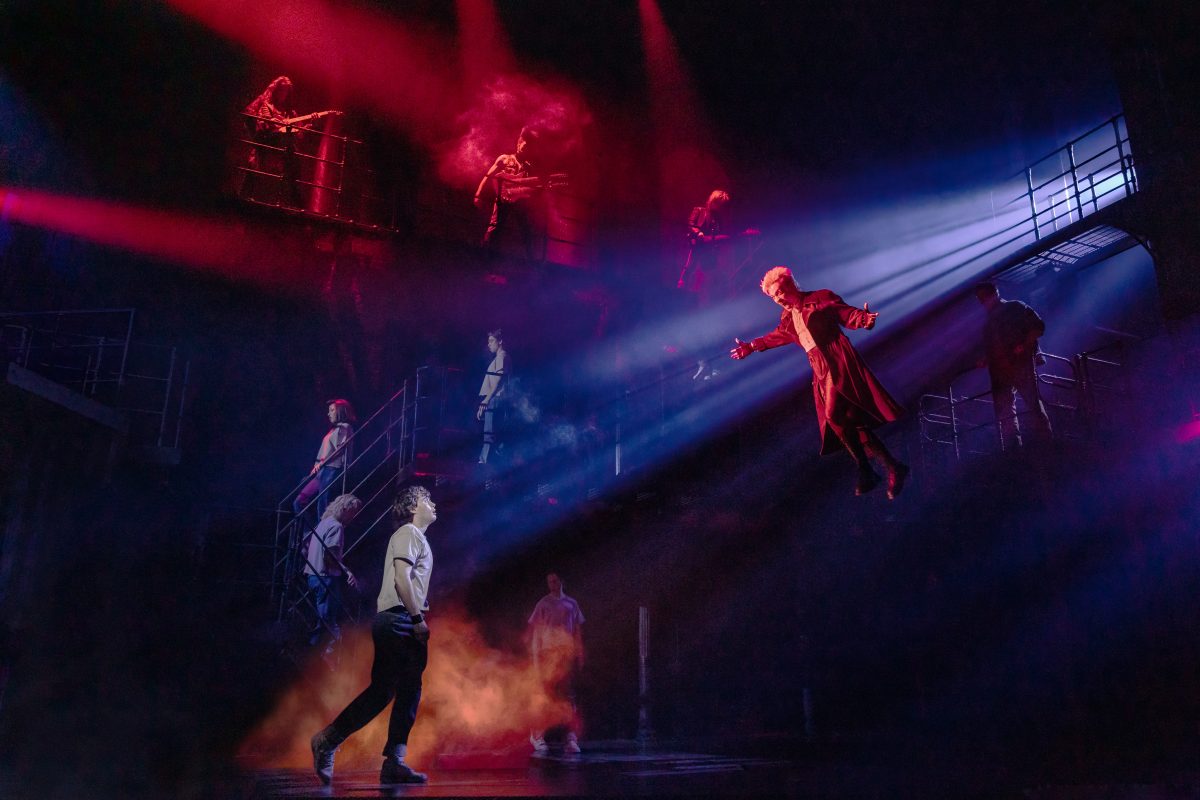
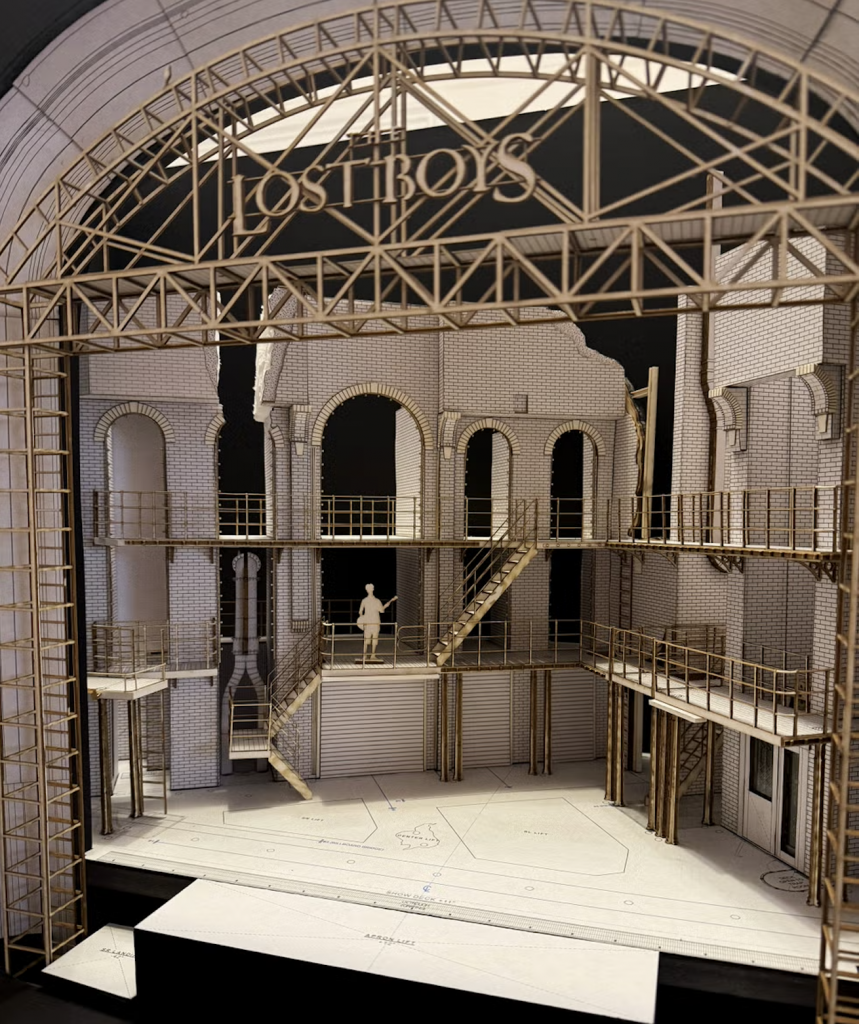
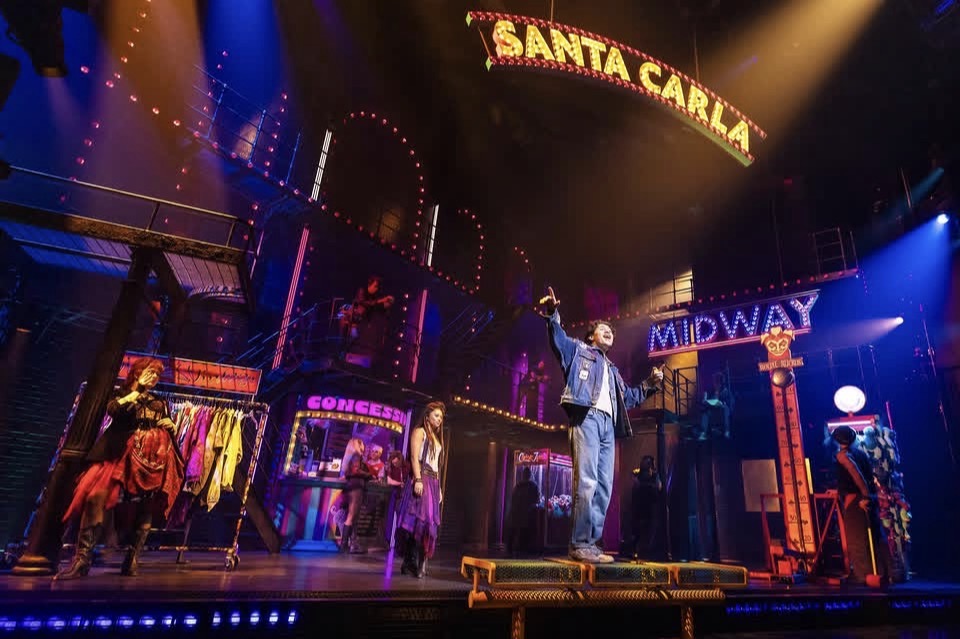
Based on the cult-classic 1987 vampire film, The Lost Boys follows a mother and her two teenage sons as they move to Santa Carla, CA, only to discover its sunny façade hides a deadly underworld. The show features original music and lyrics by indie pop-rock band The Rescues, a book by David Hornsby and Chris Hoch, and direction by Tony Award winner Michael Arden. Starring Benjamin Pajak and Broadway newcomer LJ Benet, the show is searching for its leading lady ahead of March’s first preview after Caissie Levy departed the production.

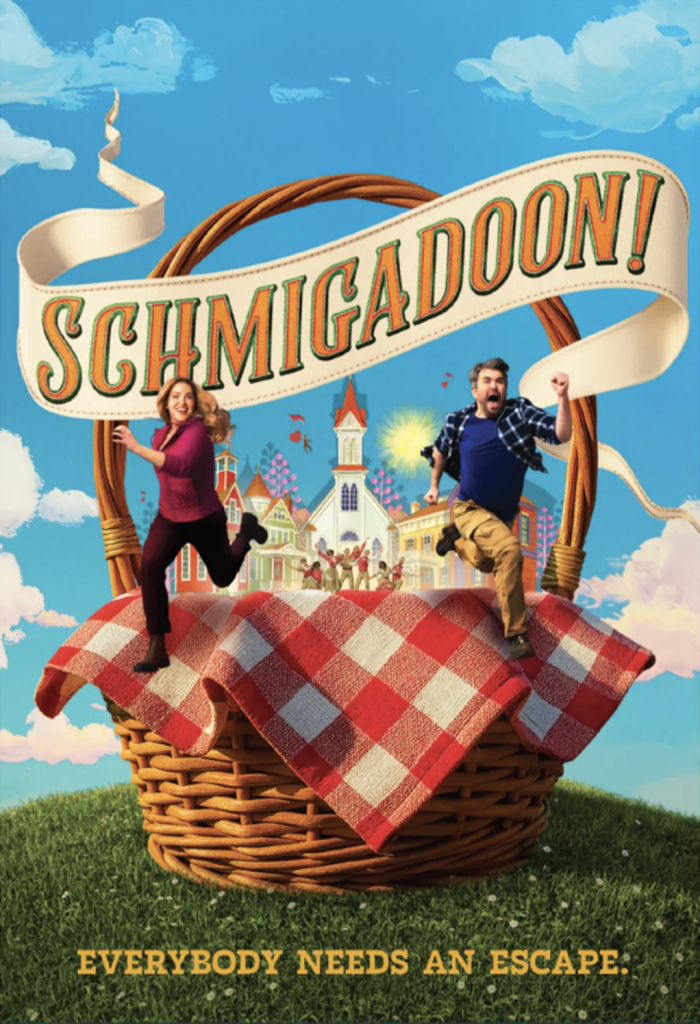
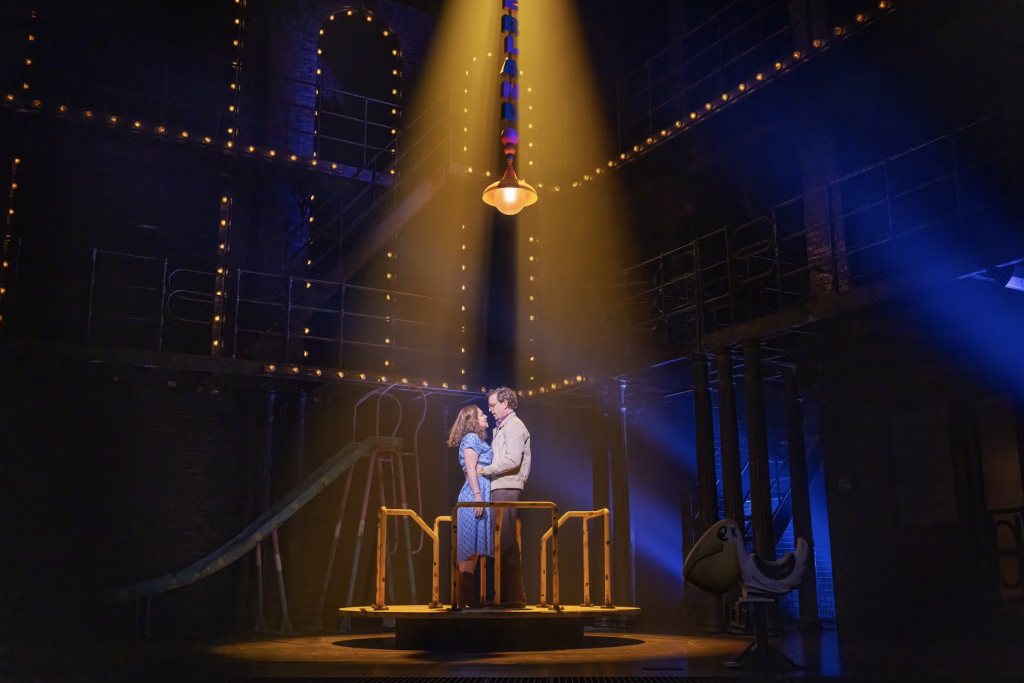
Schmigadoon!
Performances begin April 4, 2026 at the Nederlander Theatre

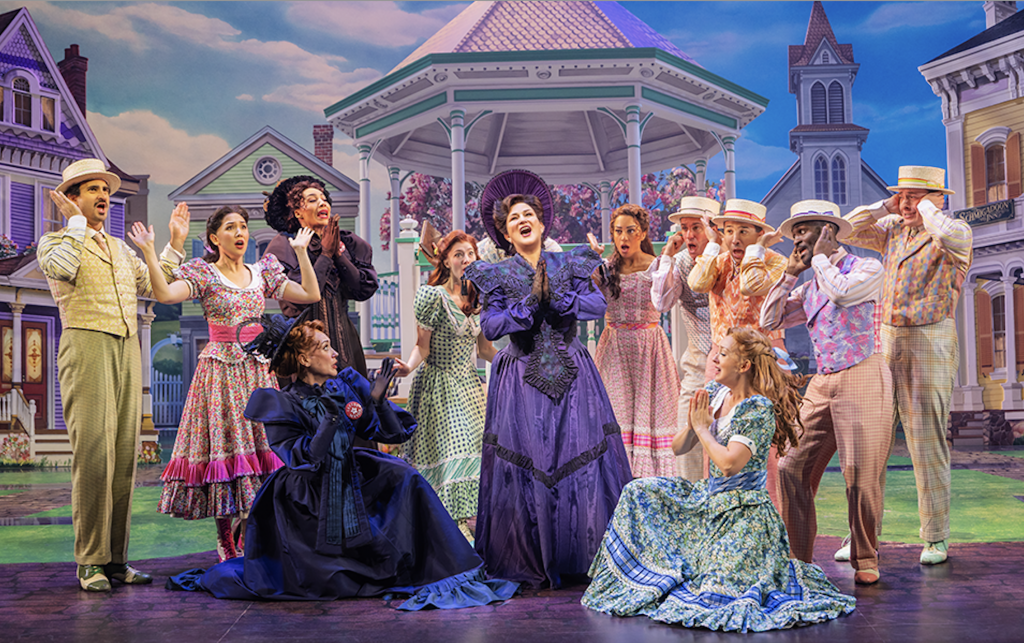
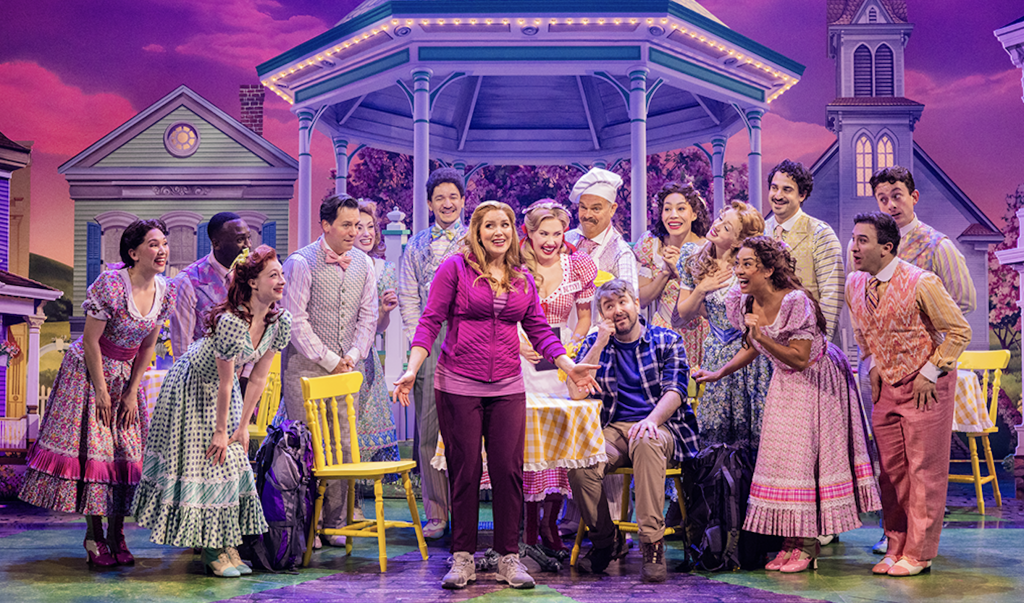
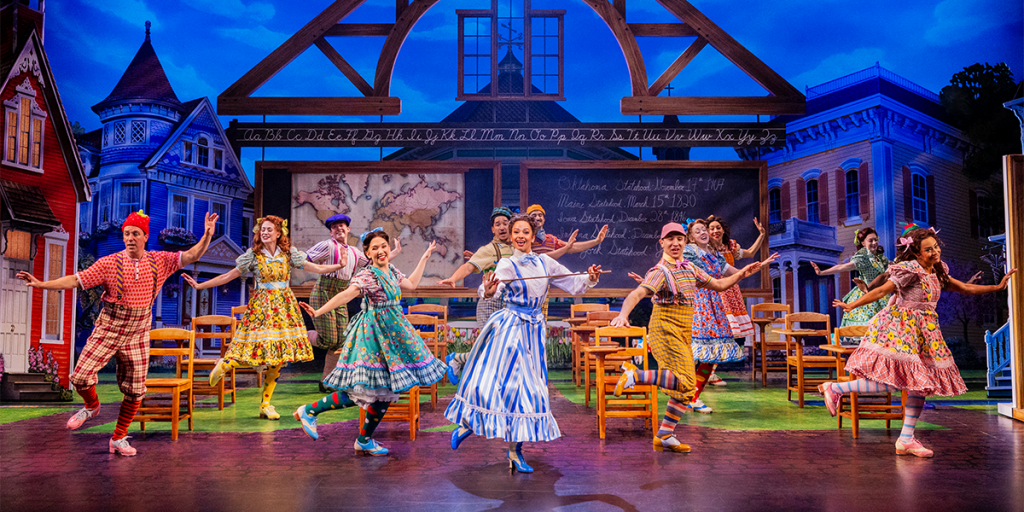
Direct from its sold-out run at the Kennedy Center, Schmigadoon! brings the hit musical-comedy Apple TV series to the stage with a loving parody of Golden Age musicals. The show follows a modern couple who find themselves trapped in a magical town where life—and love—unfolds through classic show-tune tropes. Christopher Gattelli directs and choreographs, the book, music and lyrics are by Cinco Paul, and Broadway stalwarts Alex Brightman and Sara Chase star.

NEW PLAYS

Bug
Performances begin December 16, 2025 at the Friedman Theatre

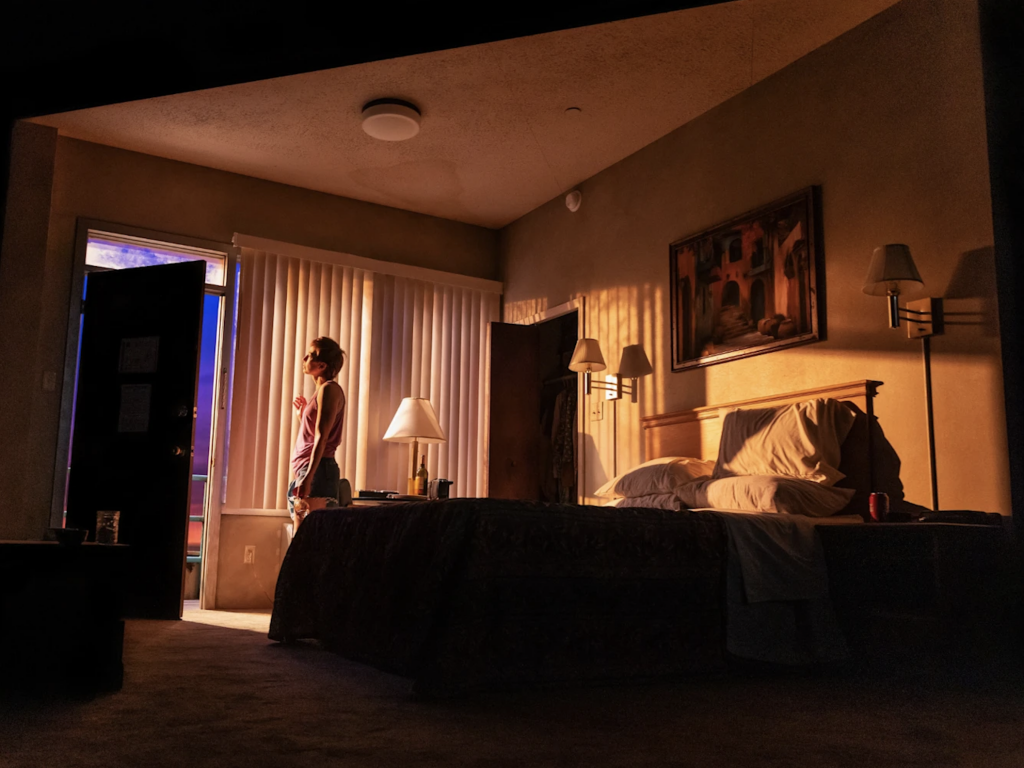
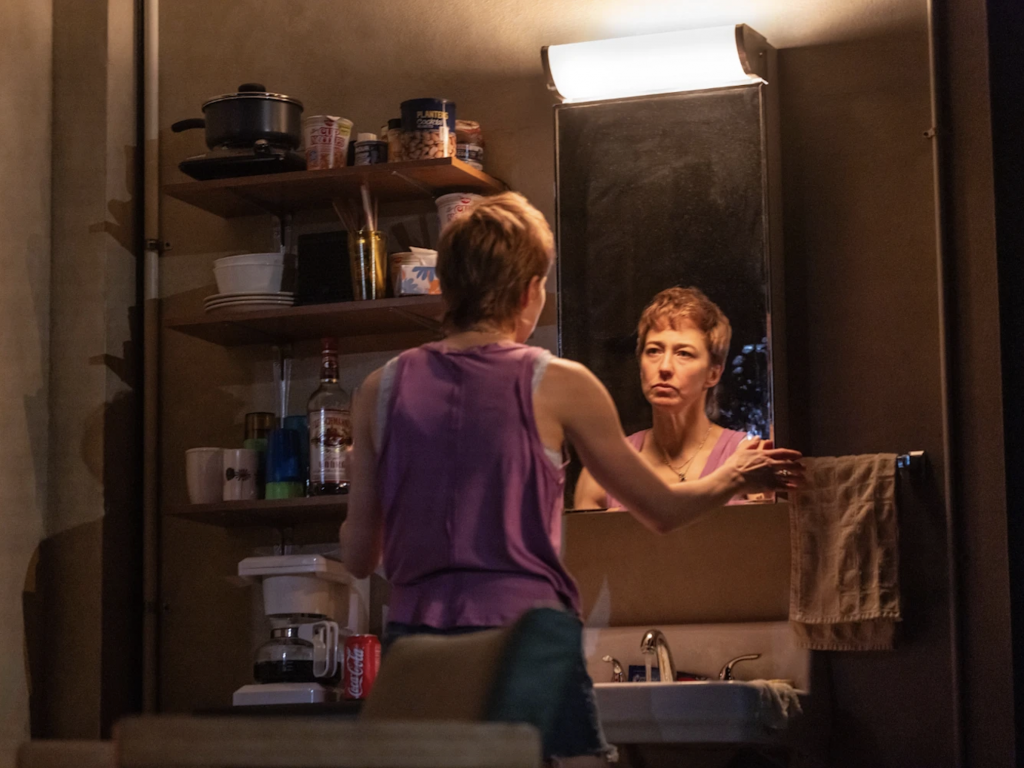
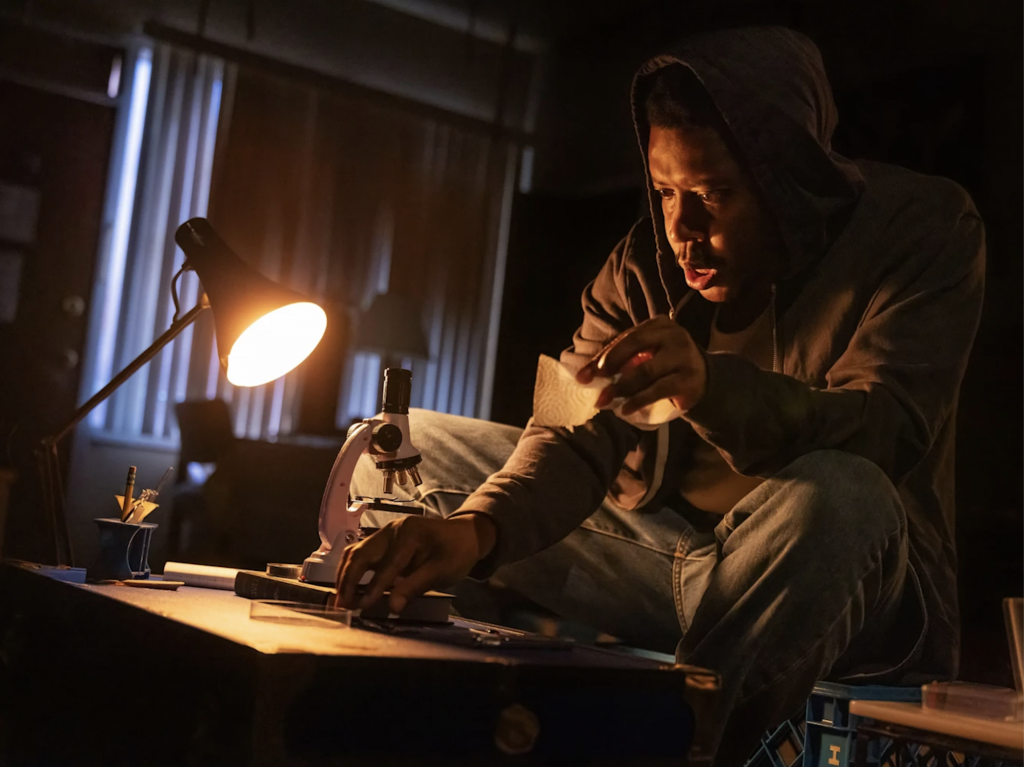
Written by Pulitzer Prize winner Tracy Letts and directed by David Cromer, this intense psychological thriller stars Emmy and Tony Award nominee Carrie Coon as a lonely waitress and Namir Smallwood as a drifter whose relationship spirals into paranoia and conspiracy. As the characters’ fears grow, the play digs deeply into themes of mental instability, isolation, and the fragile nature of reality.

Every Brilliant Thing
Performances begin February 21, 2026 at the Hudson Theatre

This beloved one‑person show stars Daniel Radcliffe, who takes the audience through a poignant list of life’s “brilliant things,” the small joys that make existence meaningful. Through audience interaction, the actor recounts his character’s journey, navigating grief, depression, and hope with warmth and humor. The play, written by Duncan Macmillan (with Jonny Donahoe), has resonated internationally and runs for a strictly limited 13-week engagement.

Dog Day Afternoon
Performances begin March 10, 2026 at the August Wilson Theatre

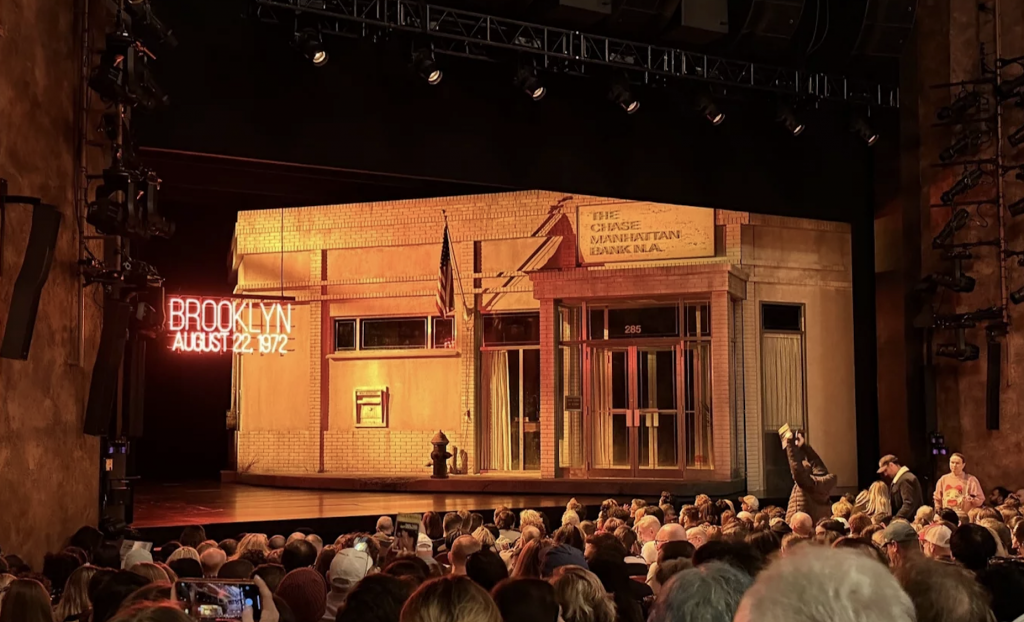
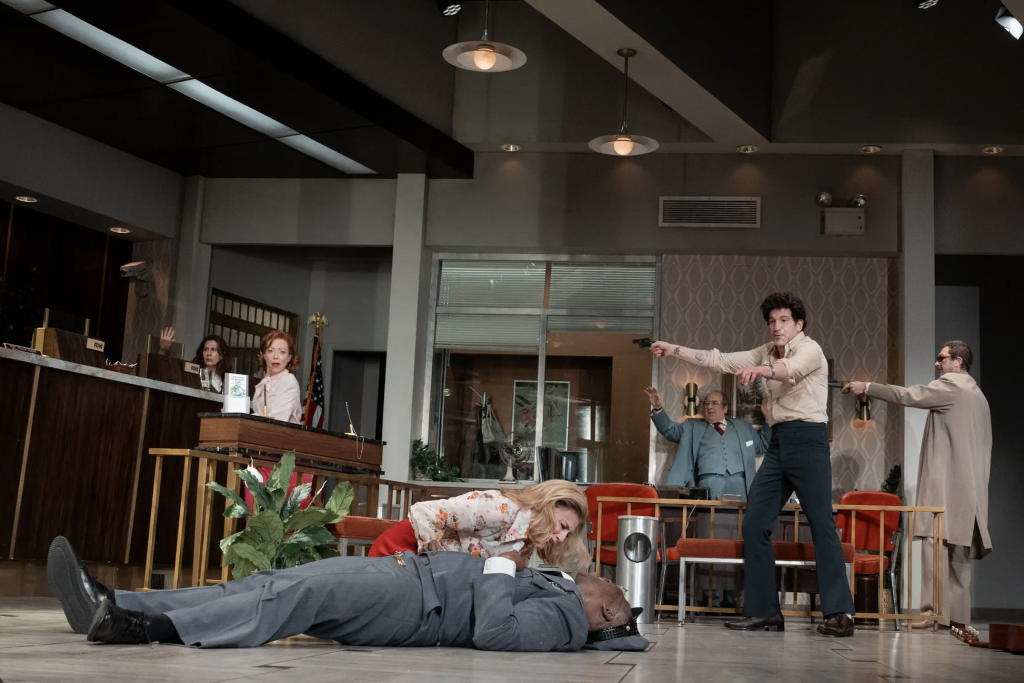
Adapted by Stephen Adly Guirgis from the famed 1975 film, this gritty drama follows a botched Brooklyn bank robbery that spirals into a media-fueled hostage crisis. Jon Bernthal and Ebon Moss-Bachrach, making their Broadway debuts, lead the cast under the direction of Rupert Goold. The production explores desperation, identity, and the public spectacle of crime in a raw, emotionally charged way.

Becky Shaw
Performances begin March 18, 2026 at the Hayes Theatre

Written by Gina Gionfriddo, this dark comedy centers on a blind date that escalates into a tangled mess of love, manipulation, and moral ambiguity. Under the direction of Trip Cullman, Becky Shaw mixes razor-sharp humor with provocative questions about emotional boundaries and ethical compromise. The New York Times previously praised it for being “ferociously funny” and its Broadway debut promises to highlight both its wit and emotional bite. 

Giant
Performances begin March 11, 2026 at the Music Box Theatre

This Olivier Award winning play by Mark Rosenblatt stars John Lithgow as Roald Dahl, in a pointed exploration of the author’s legacy amid a real-life scandal over antisemitic remarks. Directed by Nicholas Hytner with set design by Bob Crowley, Giant takes place over a single afternoon and depicts a high-stakes confrontation between Dahl and his Jewish publishers. It’s a searing, morally complex drama about creativity, accountability, and the cost of genius.

MUSICAL REVIVALS

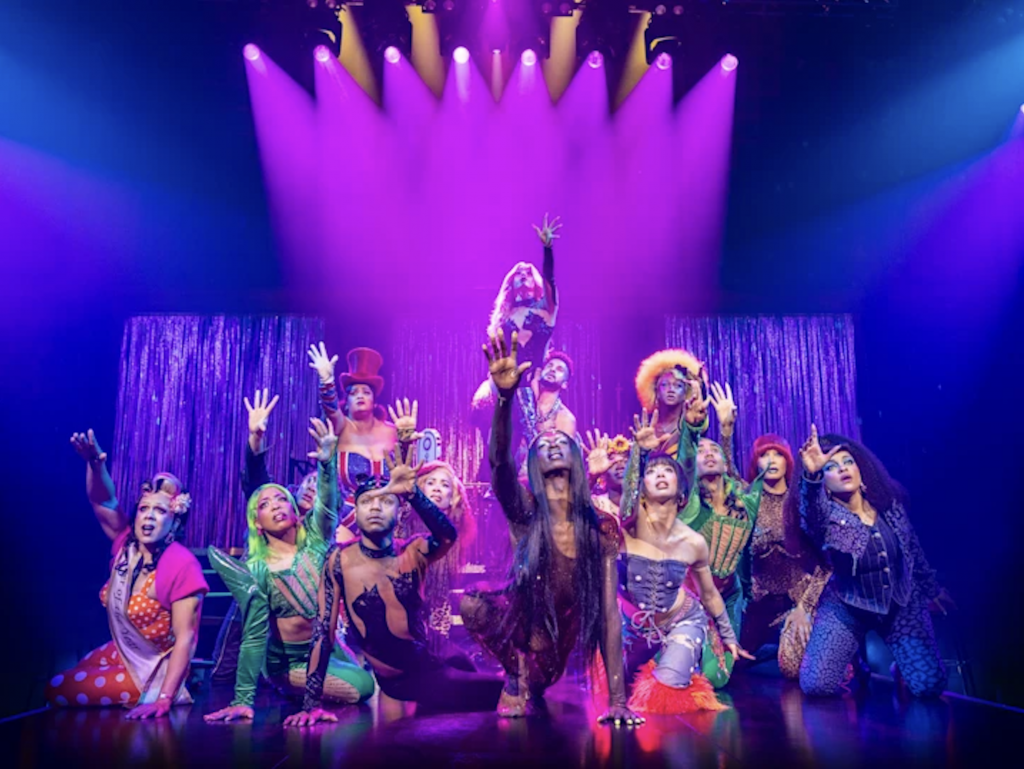
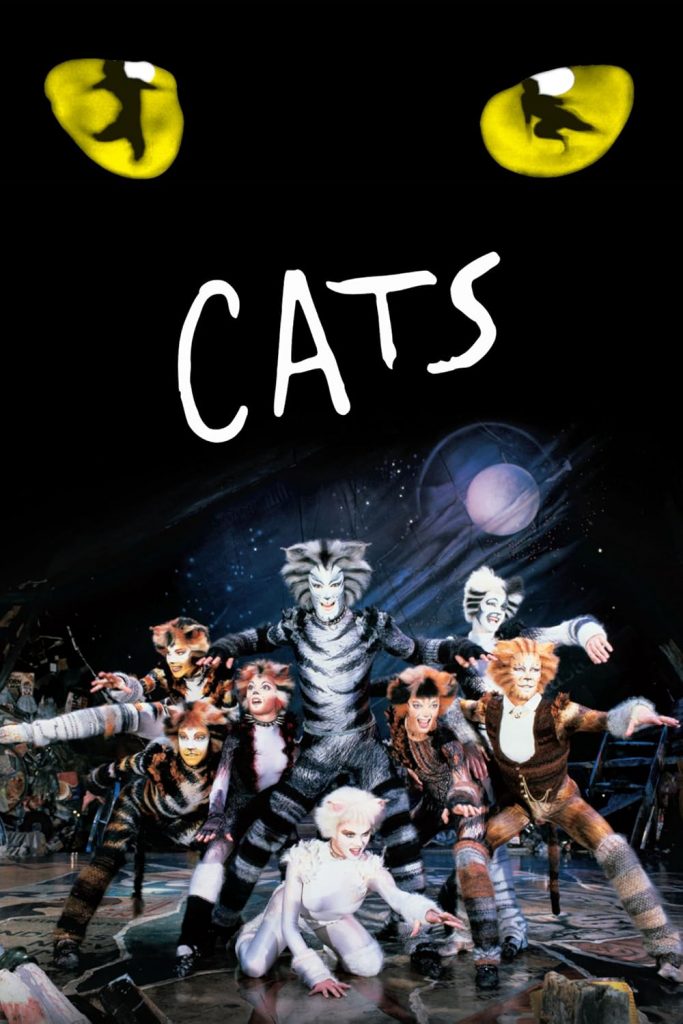
Cats: The Jellicle Ball
Performances begin March 18, 2026 at the Broadhurst Theatre

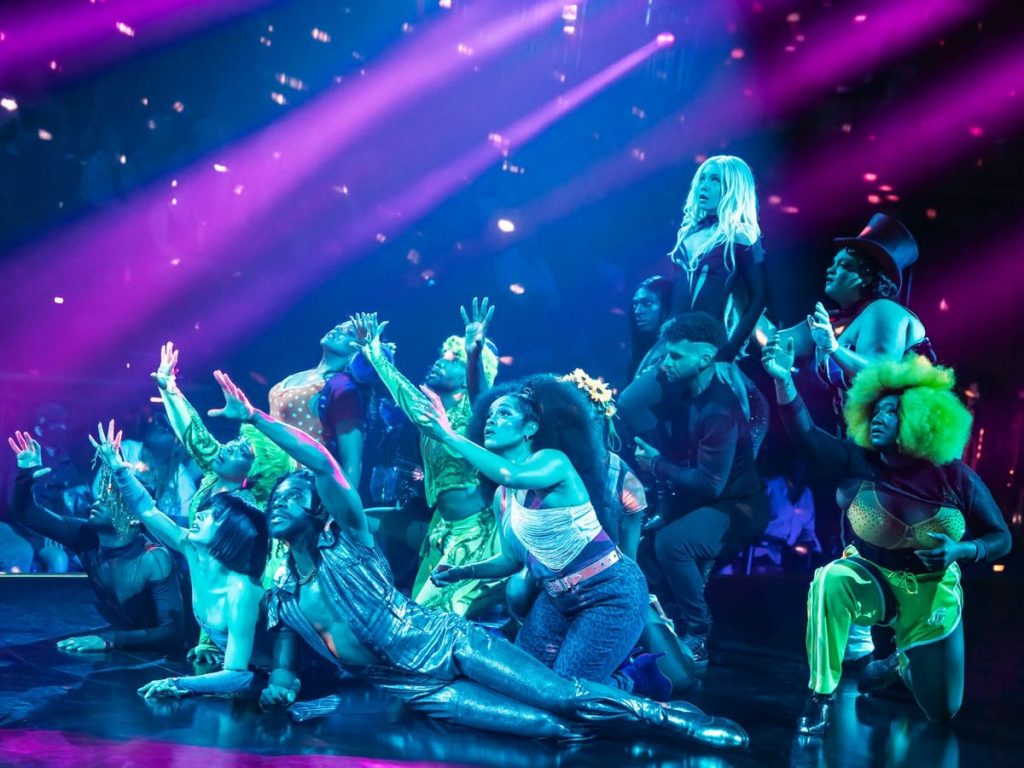
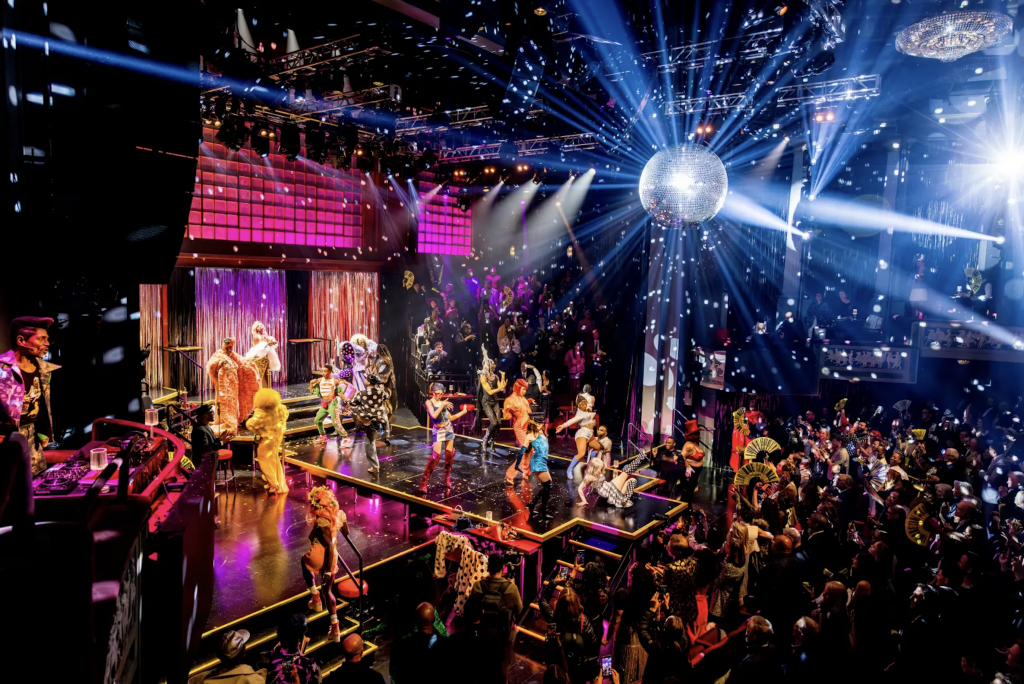
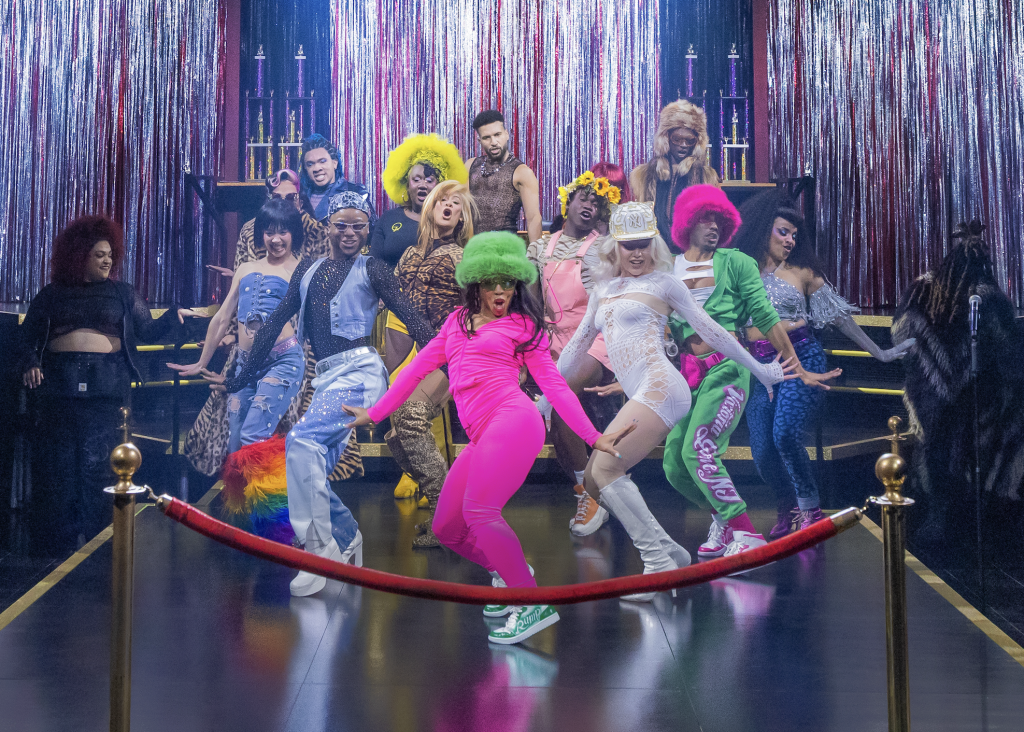
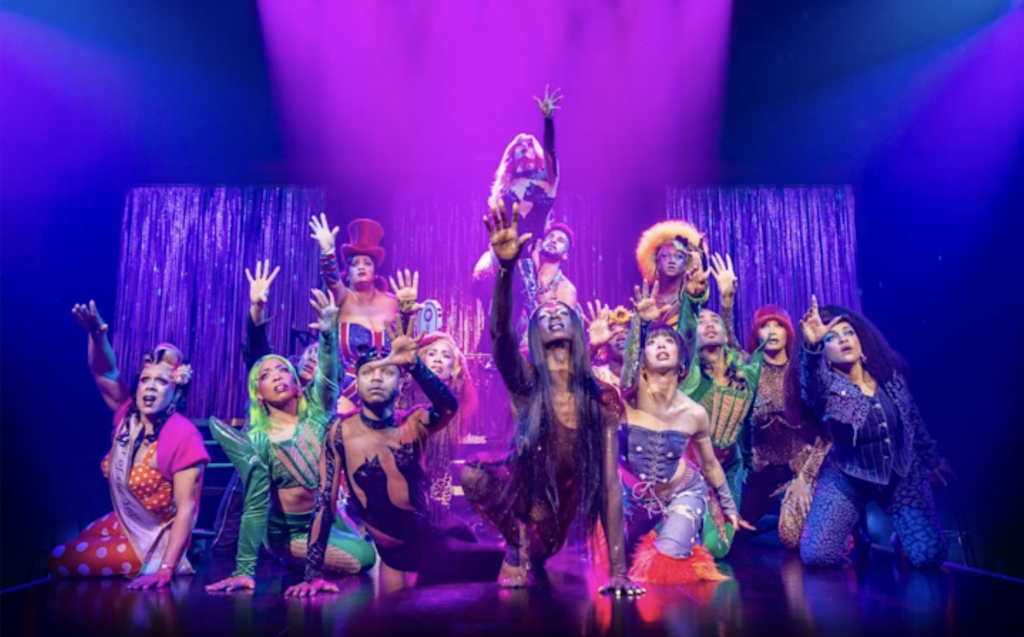
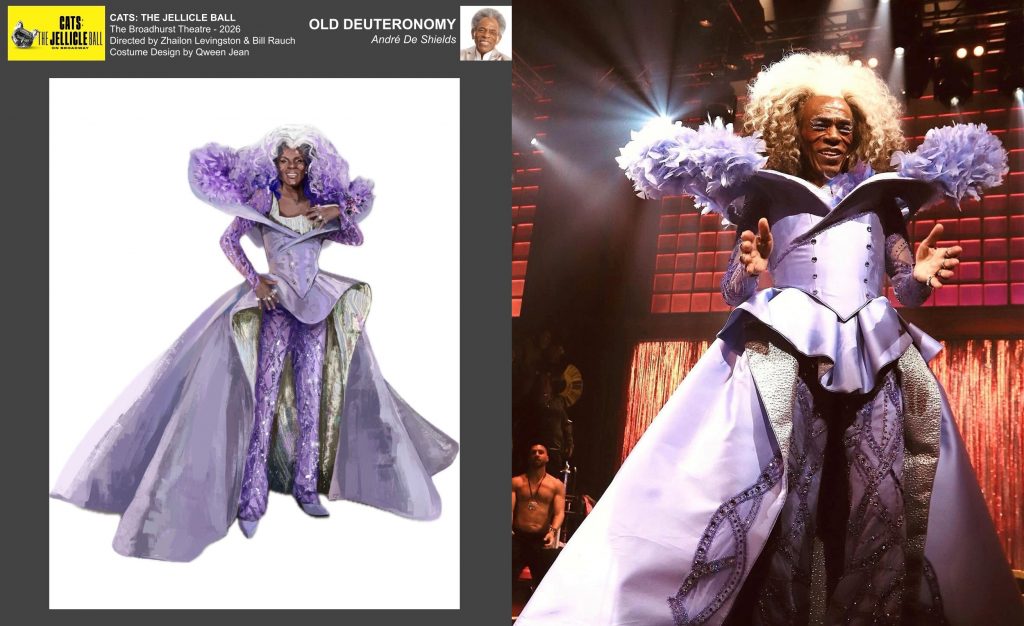
This bold reimagining of Cats that began its theatrical life at PAC brings Andrew Lloyd Webber’s beloved classic into the world of 1980s ballroom and drag culture, celebrating LGBTQ+ community, self-expression, and resilience. Directed by Zhailon Levingston and Bill Rauch with costume design by Qween Jean and choreography by ballroom legends Omari Wiles and Arturo Lyons, the production features dynamic staging and a cast led by André De Shields as Old Deuteronomy. Known for its glittering spectacle, iconic music, and fierce energy, The Jellicle Ball is described as a “sexy celebration of love and joy.”

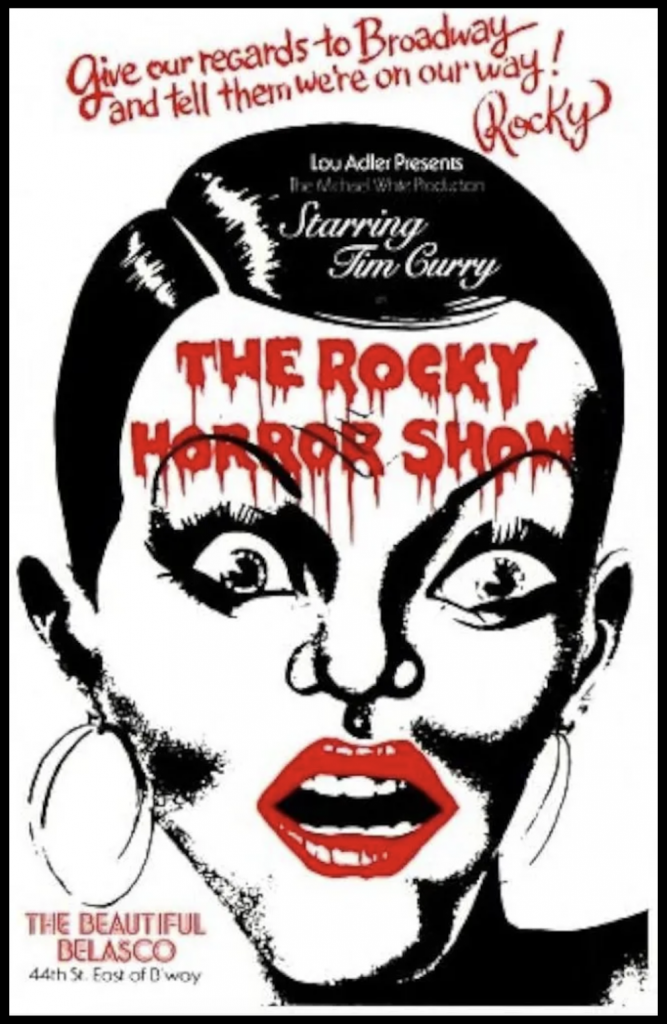
The Rocky Horror Show
Performances begin March 26, 2026 at Studio 54

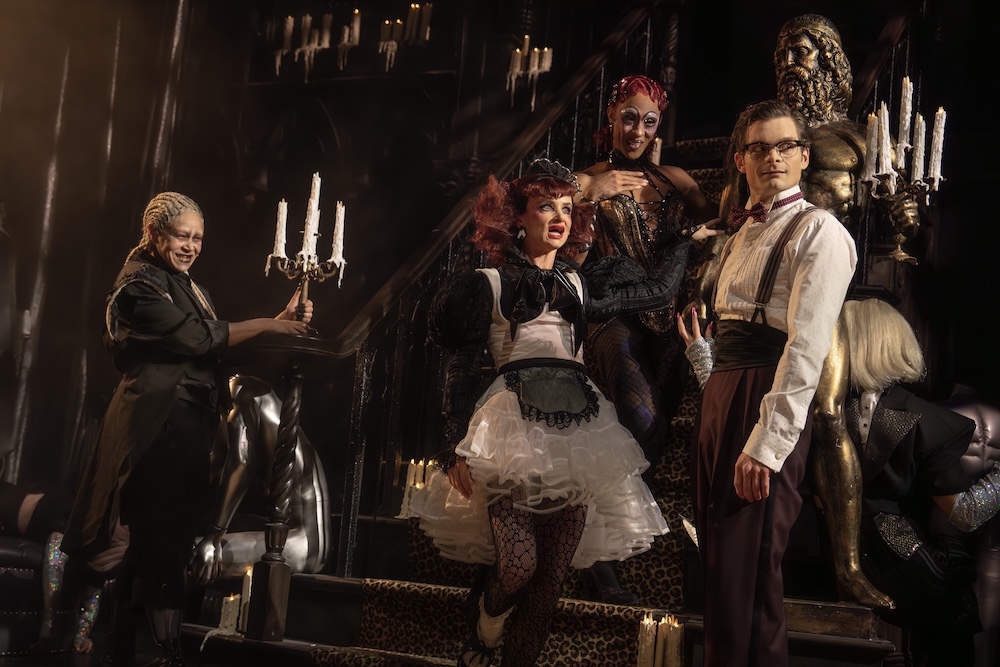
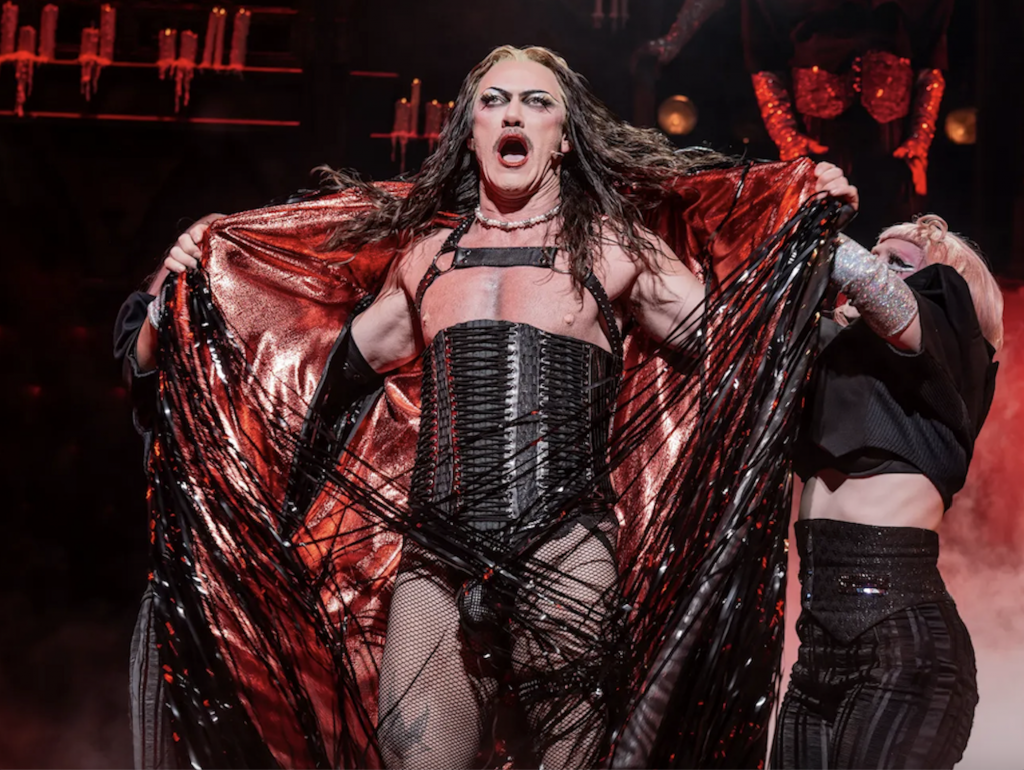
This revival of the cult classic rock musical welcomes back the bizarre and outrageous world of Dr. Frank‑N‑Furter (Luke Evans in his Broadway debut), his mansion of misfits, and the iconic arrival of Brad and Janet. Directed by Sam Pinkleton (Oh, Mary!), the show promises all the glitter, camp, and shock value that made the original a phenomenon. With its beloved songs like “Time Warp” and “Sweet Transvestite,” this production promises to honor the show’s legacy while bringing fresh theatrical energy. 

Dreamgirls
Details TBA

A highly anticipated revival of the classic Motown-inspired musical is set to return to Broadway in 2026, marking its first-ever Broadway revival. Directed and choreographed by Camille A. Brown, this production will feature a global casting search to reimagine the iconic girl-group “The Dreams.”

PLAY REVIVALS

Fallen Angels
Performances begin March 27, 2026 at the Haimes Theatre

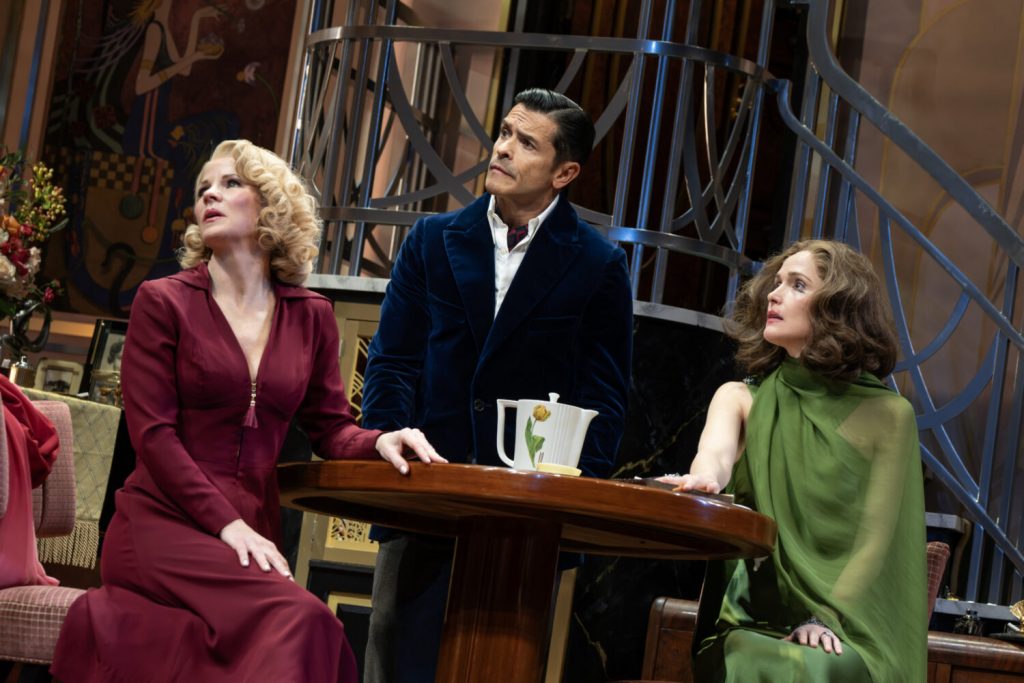
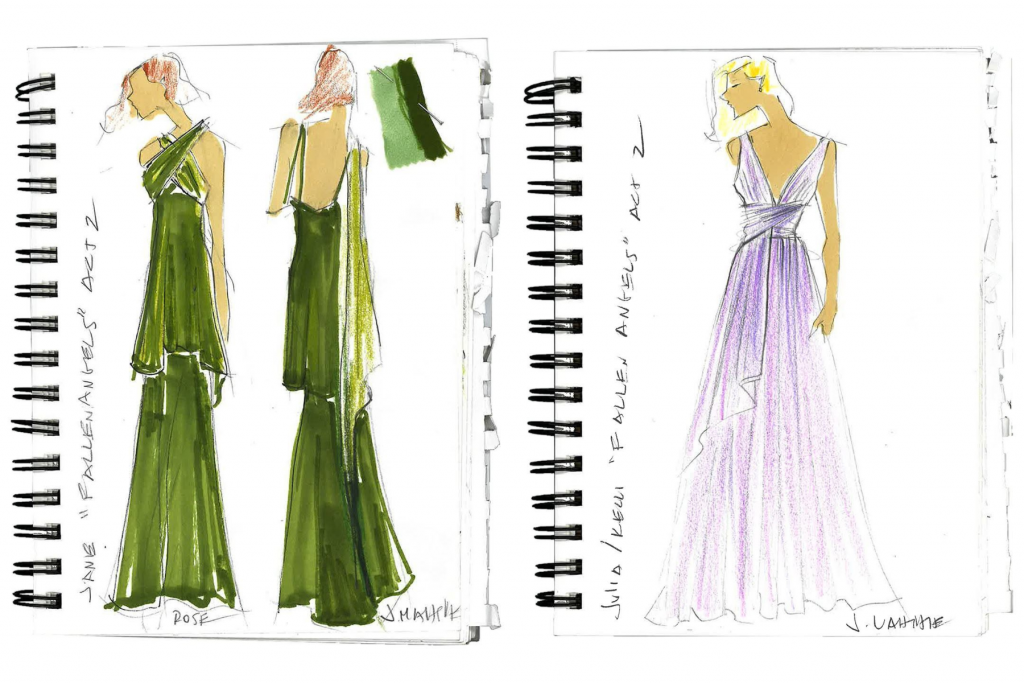
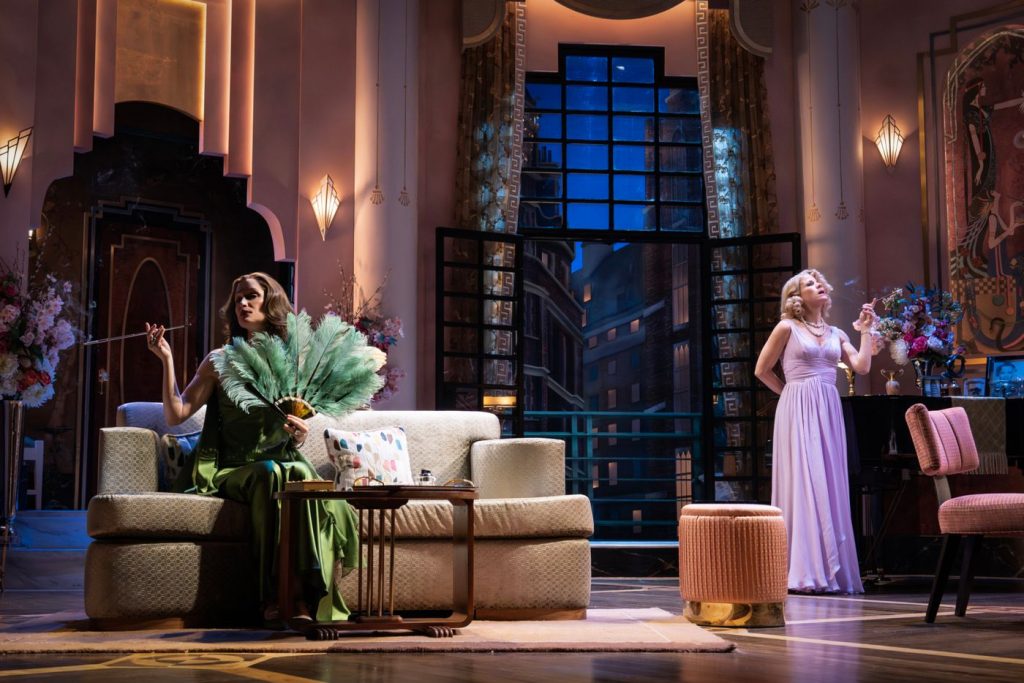
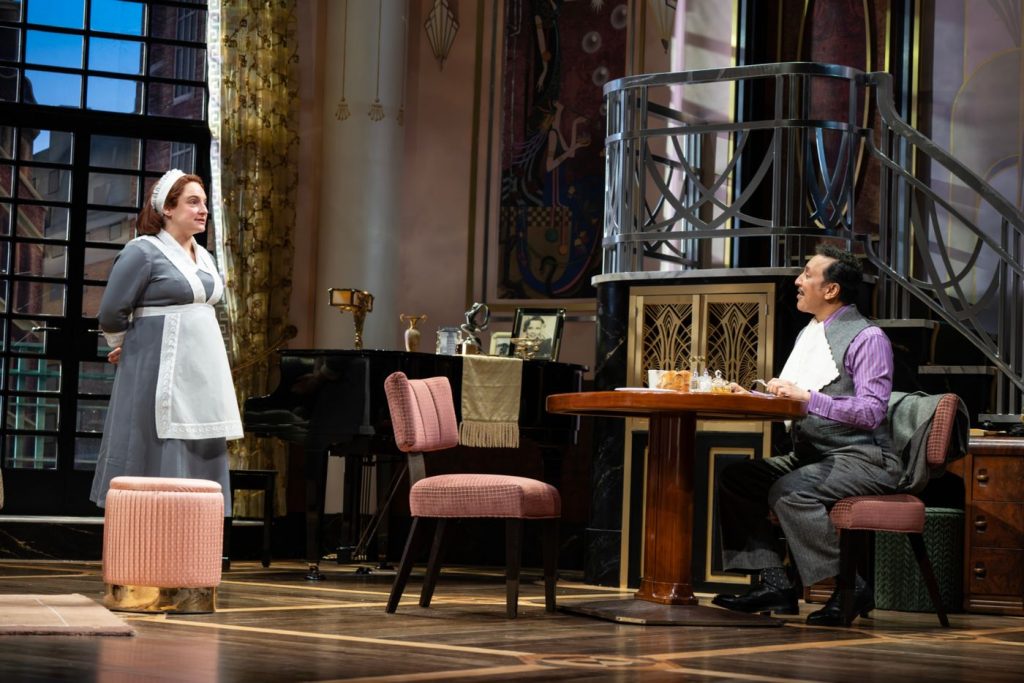
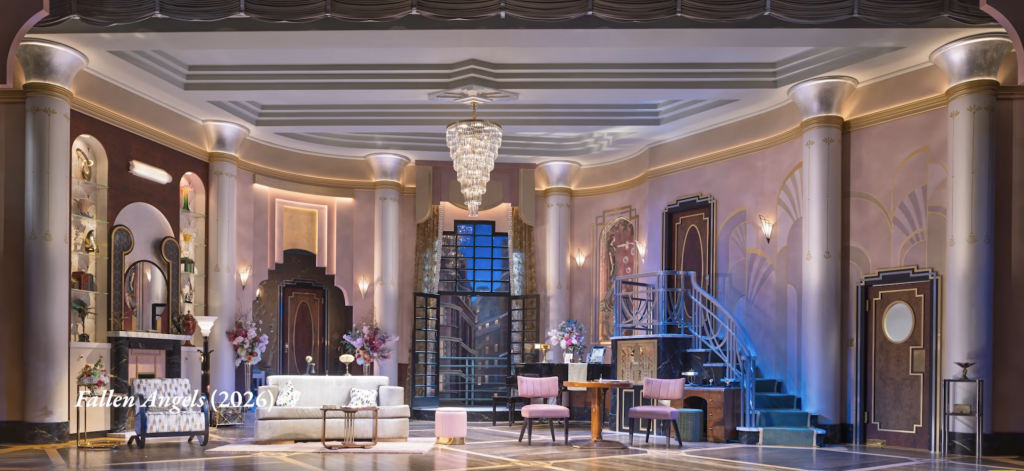
This witty Noël Coward comedy that hasn’t been seen on Broadway since 1956 stars Kelli O’Hara and Rose Byrne as two upper-class wives whose playful toasts and indiscretions unravel when their shared past—and a certain traveling gentleman—resurfaces. Directed by Scott Ellis, the show blends sparkling humor with elegant tension as secrets bubble to the surface. It’s a sophisticated romp about manners, desire, and the delicious messiness of love.

Joe Turner’s Come and Gone
Performances begin March 30, 2026 at the Barrymore Theatre

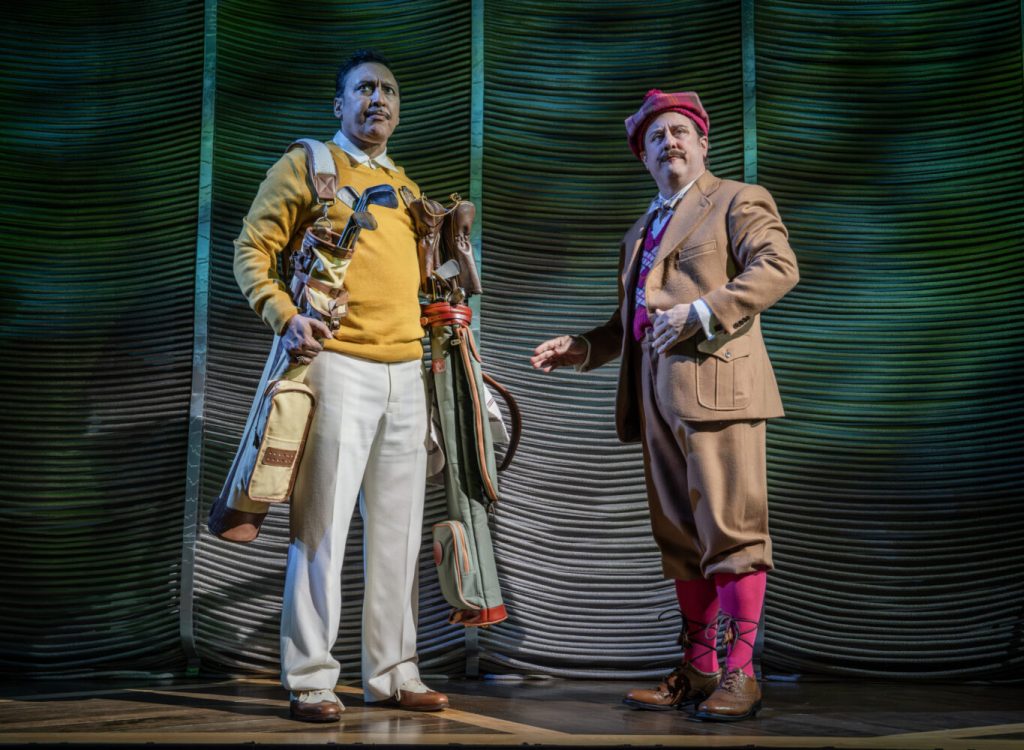
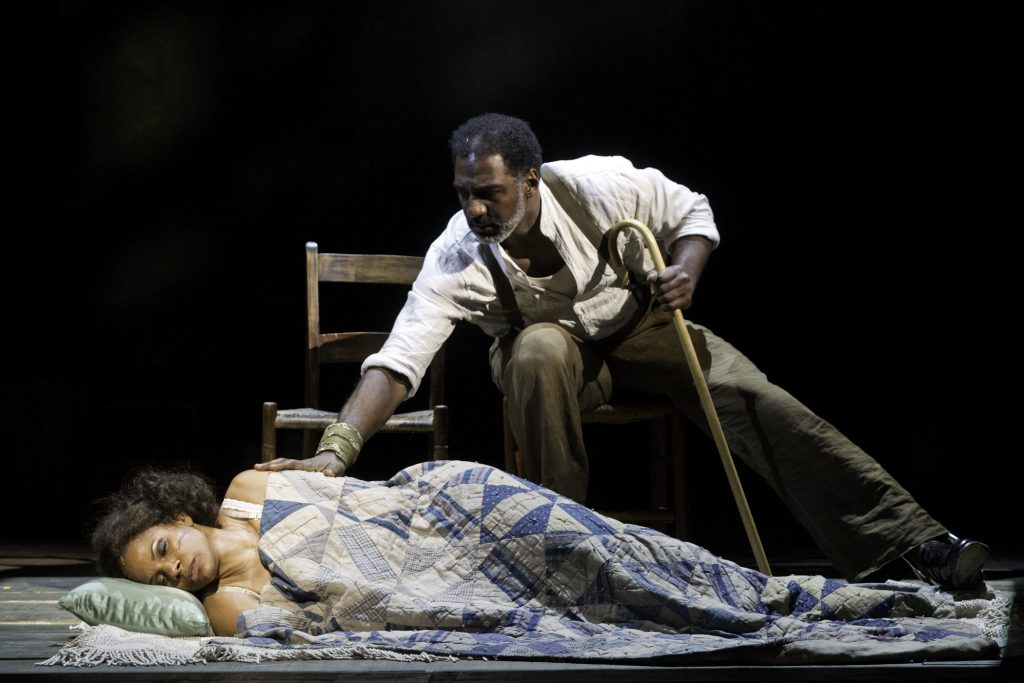
August Wilson’s deeply emotional drama starring Golden Globe winner Taraji P. Henson making her Broadway debut and Cedric the Entertainer returns to Broadway. Joe Turner’s Come and Gone takes place in 1911 in a Pittsburgh boarding house, where a community of Black migrants grapples with the legacy of forced labor and the search for identity. When Herald Loomis (Tony Award nominee Joshua Boone) arrives, haunted by his missing wife and past trauma, he sparks a journey of spiritual and personal awakening among his fellow boarders. Directed by Emmy and Golden Globe Award winner Debbie Allen, this revival promises a powerful meditation on memory, freedom, and human connection.

Proof
Performances begin March 31, 2026 at the Booth Theatre

This Broadway revival of David Auburn’s Pulitzer and Tony winning play stars Ayo Edebiri and Don Cheadle, both making their Broadway debuts. Under the direction of Thomas Kail (Hamilton), Proof tells the story of Catherine, a brilliant but emotionally fragile young woman wrestling with her late father’s mathematical legacy and the notebook that may prove—or disprove—her own genius. It’s an intimate, haunting exploration of inheritance, mental illness, and the price of proof.

Death of a Salesman
Performances TBA

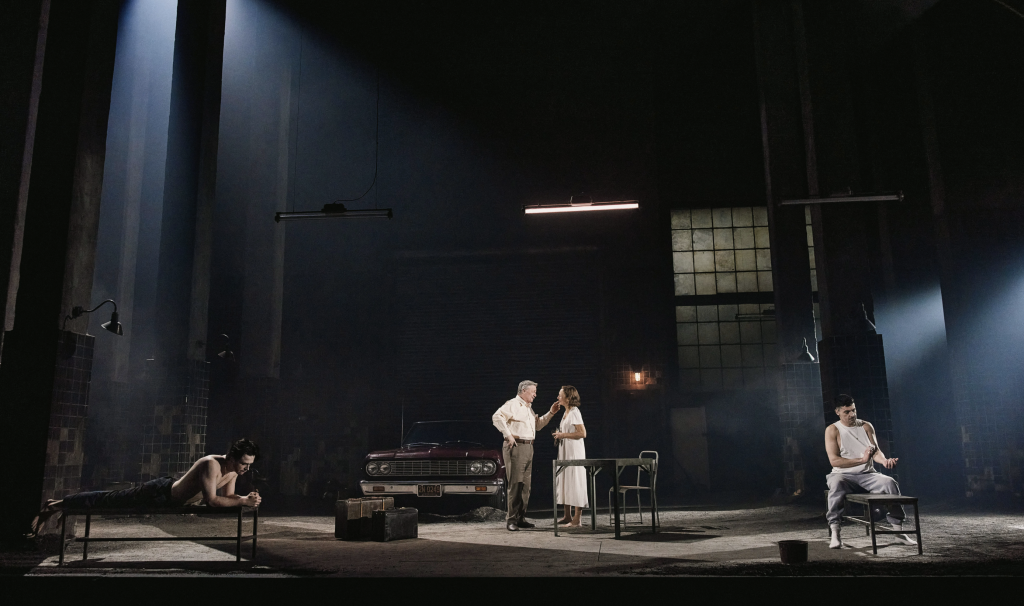
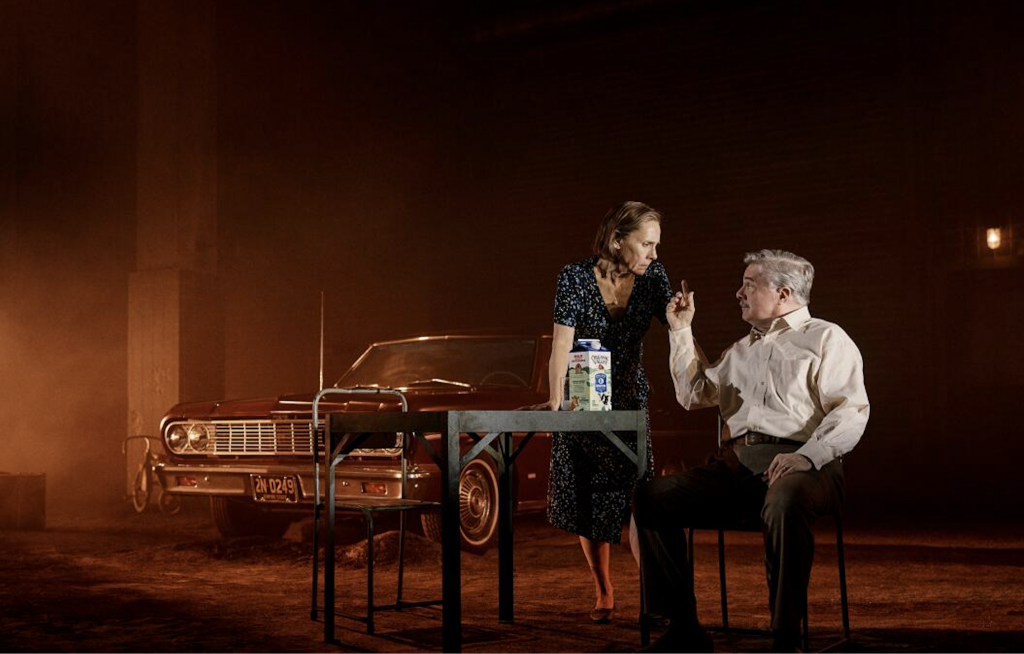
Two-time Tony Award winner Joe Mantello directs three-time Tony winner Nathan Lane and two-time Tony winner Laurie Metcalf in this upcoming production of Arthur Miller’s seminal work, with further details still to be announced.

Categories
Broadway's Best

Winners of the 2000 Tony Awards: Where Are They Now?

The 54th Annual Tony Awards marked a vibrant moment in Broadway history, celebrating a slate of performers and creatives whose work helped define a new era of theatrical storytelling. As these winners celebrate two and a half decades since their big night, we look back at what earned them Broadway’s top honor and where their careers have taken them since.

Brian Stokes Mitchell – Best Actor in a Musical (Kiss Me, Kate)

One of Broadway’s most iconic leading men, Brian Stokes Mitchell earned his Tony for his performance as Fred Graham / Petruchio in the 1999 revival of Kiss Me, Kate.Today, he remains a cornerstone of the Broadway community. In the years since his win, he has starred in King Hedley II (earning another Tony nomination), Man of La Mancha, Women on the Verge of a Nervous Breakdown, and Shuffle Along. During the pandemic, Mitchell became a symbol of hope with his nightly balcony serenades on West 98th Street, which raised awareness for the Entertainment Community Fund (then called The Actors Fund), where he also served as Chairman of the Board. He continues performing in concerts nationwide and remains one of Broadway’s most beloved ambassadors, even acting as the voice of God during the 2025 Tony Awards.

Heather Headley – Best Actress in a Musical (Aida)

Heather Headley’s electrifying performance in Disney’s Aida made her a Broadway legend overnight. After her Tony win, she shifted into a successful recording career and earned a Grammy Award.Headley later returned to the stage with acclaimed performances as Shug Avery in The Color Purple, the Witch in Into the Woods and Rachel Marron in The Bodyguard. She has also built a robust television résumé with roles in Chicago Med, Sweet Magnolias, and She’s Gotta Have It. Today, Headley remains a multi-hyphenate force who moves between stage, screen, and studio.

Boyd Gaines – Best Featured Actor in a Musical (Contact)

Boyd Gaines won his third Tony Award in 2000 for Susan Stroman’s groundbreaking dance musical Contact. Already a respected stage veteran, Gaines has continued to show his versatility across genres.

He went on to appear in Gypsy (earning another Tony), Journey’s End, Twelve Angry Men, Pygmalion, Driving Miss Daisy, and An Enemy of the People. His screen credits include The Good Wife, Law and Order, and The Goldfinch. Though he has taken a step back from stage acting, with his last role being in 2012, Gaines remains one of the most decorated performers in Tony history.
Karen Ziemba – Best Featured Actress in a Musical (Contact)

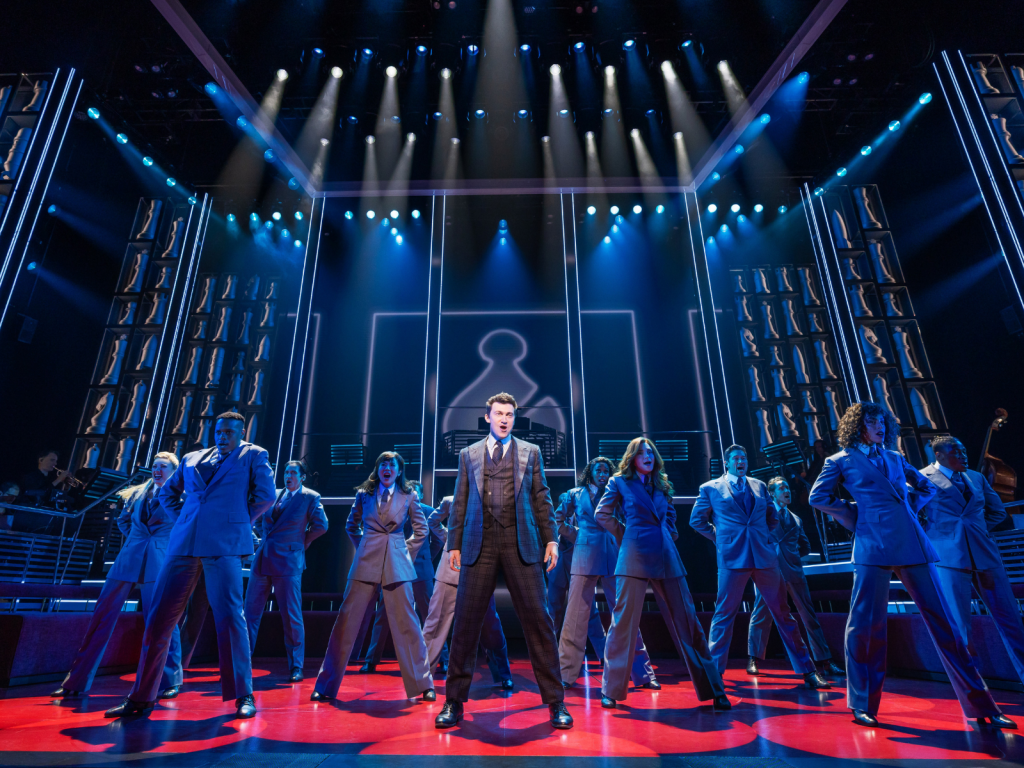
Karen Ziemba’s luminous performance in Contact earned her a well-deserved Tony, solidifying her status as one of Broadway’s most dynamic triple threats.In the years since, she has appeared in Curtains, Bullets Over Broadway, Prince of Broadway, The Visit, and Hot Mikado. Ziemba continues to work steadily in regional theatre, Off Broadway, and concert settings, bringing her blend of warmth, dance expertise, and comic timing to every project. She remains a beloved figure in the musical theatre landscape.

Stephen Dillane – Best Leading Actor in a Play (The Real Thing)

Stephen Dillane’s quietly smoldering performance as Henry in The Real Thing earned him a Tony Award cemented his status as one of the most compelling actors of his generation. A British actor known for his intellectual intensity and emotional precision, Dillane has moved fluidly between stage and screen throughout his career. Interestingly, though, this was his only foray to Broadway, with all of his other stage roles coming on the West End

After The Real Thing, he continued to deliver acclaimed theatrical work, most notably in Macbeth and The Tempest, while also branching into film and television with roles in The Hours, John Adams, and Game of Thrones. With a degree in history and politics from Exeter, Dillane remains a master of thoughtful, layered character work, celebrated for bringing a scholar’s mind and a poet’s sensitivity to every role.

Jennifer Ehle – Best Leading Actress in a Play (The Real Thing)

Jennifer Ehle’s luminous performance as Annie in The Real Thing showcased her natural warmth, keen intelligence, and effortless charisma, earning her a Tony Award and introducing Broadway to one of its most versatile talents.
She went on to build a distinguished career across mediums, appearing in productions such as The Coast of Utopia (winning another Tony), Oslo, and Design for Living. On screen, Ehle is known for her work in The King’s Speech, Zero Dark Thirty, Contagion, and Fifty Shades of Grey. Whether on Broadway or in film, Ehle continues to impress with performances marked by grace, emotional depth, and impeccable craft.
Blair Brown – Best Featured Actress in a Play (Copenhagen)

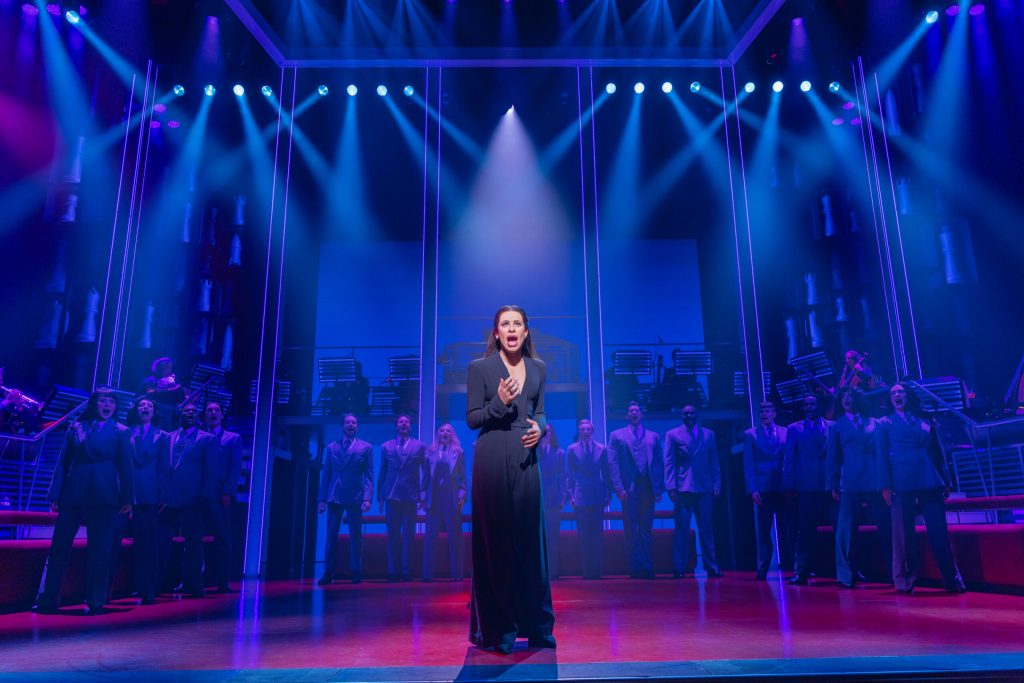
Blair Brown won her Tony for her nuanced work in Michael Frayn’s Copenhagen, a play that dominated the 2000 season, with wins for Best Play and Best Direction of a Play.After her win, she continued a prolific career on stage and screen, appearing in The Minutes, The Parisian Woman and Mary Page Marlowe. On television, she is widely known for memorable roles in Orange is the New Black, Fringe, and Limitless. Brown remains a respected actor whose work spans drama, science fiction, comedy, and high profile streaming hits.

Roy Dotrice – Best Featured Actor in a Play (A Moon for the Misbegotten)

Roy Dotrice’s commanding turn as the rough-edged yet fiercely devoted Phil Hogan in A Moon for the Misbegotten earned him a Tony Award and reaffirmed his reputation as one of the great character actors of his era. A master storyteller with a booming presence and meticulous craft, Dotrice brought Eugene O’Neill’s world to life with humor, heart, and unmistakable grit.
Following his Tony win, he continued a wide-ranging career on stage and screen. Dotrice holds the Guinness World Record for most character voices by an individual for an audiobook for A Song of Ice and Fire. Though he passed in 2017, Dotrice’s wide breadth of work cemented him as a singular talent whose voice and versatility left an indelible mark on audiences worldwide.

Susan Stroman – Best Choreography (Contact)

Susan Stroman’s elegant, movement-driven storytelling transformed the Broadway musical when she won her third Tony Award for Best Choreography for Contact.Since then, Susan Stroman has become one of the most influential directors and choreographers working today. Her credits include the blockbuster The Producers (which earned her two more Tonys in 2001), Bullets Over Broadway, The Scottsboro Boys, Young Frankenstein, New York, New York, and Crazy for You. She remains an essential artistic voice in contemporary musical theatre, championing new works and nurturing rising creators.

Categories
Broadway's Best

Broadway 2000 Turns 25: Aida, Proof & More Celebrate Their Silver Anniversaries

As Broadway looks ahead to its next big season of revivals and fresh voices, it’s worth pausing for a look back to the year 2000, when a bold new generation of shows helped shape what modern Broadway would become. Now, a quarter-century later, those musicals and plays are celebrating their silver anniversaries, and many remain as relevant, resonant, and revolutionary as ever. From Aida and Contact to Proof and The Full Monty, the class of 2000 marked a turning point in how Broadway told its stories with pop scores, dance-driven storytelling, and emotionally intimate plays that expanded the definition of what a hit could be.

Aida

When Aida opened at the Palace Theatre in March 2000, it redefined the “pop Broadway musical.” With music by Elton John and lyrics by Tim Rice, the show fused pop, rock, and classical influences into a sweeping retelling of the classic story of forbidden love between an enslaved Nubian princess and an Egyptian soldier. Starring Heather Headley in the titular role in a breakout, Tony-winning performance, Aida ran for more than 1,800 performances and left a cultural imprint far beyond its Broadway run, inspiring international productions and even a rumored revival. Its influence still shows up today in the era of pop-driven musicals like & Juliet and Six.

Contact

Few shows captured Broadway’s imagination quite like Contact. Conceived by Susan Stroman and John Weidman, this dance musical blurred the line between theatre and ballet, using existing music instead of an original score. The production, which moved to Broadway after a successful Off-Broadway debut at Lincoln Center, went on to win the 2000 Tony Award for Best Musical. It was a groundbreaking moment for a show told almost entirely through movement. Stroman’s kinetic storytelling paved the way for other dance-forward works like Movin’ Out and The Times They Are A-Changin’, and her influence continues today in revivals like Crazy for You and new choreography-driven projects across Broadway like 2024 Tony Award nominee Illinoise.

Proof

David Auburn’s Proof, which premiered at the Manhattan Theatre Club before transferring to Broadway later that year, became one of the defining plays of the early 2000s. Its mix of intellectual intrigue, family tension, and emotional vulnerability won both the Tony Award for Best Play and the Pulitzer Prize for Drama. Twenty-five years later, Proof is returning to Broadway this season starring Ayo Edebiri, Don Cheadle, Jin Ha, and Samira Wiley — a timely revival for a play that still feels urgent in its exploration of genius, grief, and trust. Its original run also made stars of Mary-Louise Parker and Ben Shenkman, solidifying MTC’s reputation as a launching pad for smart, emotionally rich new writing.

The Full Monty

Before Kinky Boots and Billy Elliot, there was The Full Monty — the blue-collar musical that brought heart, humor, and a little striptease to Broadway. With a score by David Yazbek and a book by Terrence McNally, the show told the story of out-of-work steelworkers in Buffalo who decide to form an unlikely strip act. Opening at the Eugene O’Neill Theatre in October 2000, The Full Monty was an instant crowd-pleaser and earned ten Tony nominations. Its blend of laughter, working-class realism, and sincerity set a tone for the decades of “feel-good” musicals that followed.

Seussical

A fantastical mash-up of Dr. Seuss stories, Seussical was a bright, family-friendly entry into the 2000 season. Written by Lynn Ahrens and Stephen Flaherty (Ragtime), it brought together Horton the Elephant, the Cat in the Hat, and a colorful ensemble of Whoville characters in a whirlwind of rhymes and rhythm. While its initial Broadway run was short-lived, Seussical found massive success in schools and community theaters, becoming one of the most-performed shows in the U.S. Its enduring popularity speaks to the show’s charm — and to the timelessness of Seuss’s message about imagination and inclusion.

Dirty Blonde

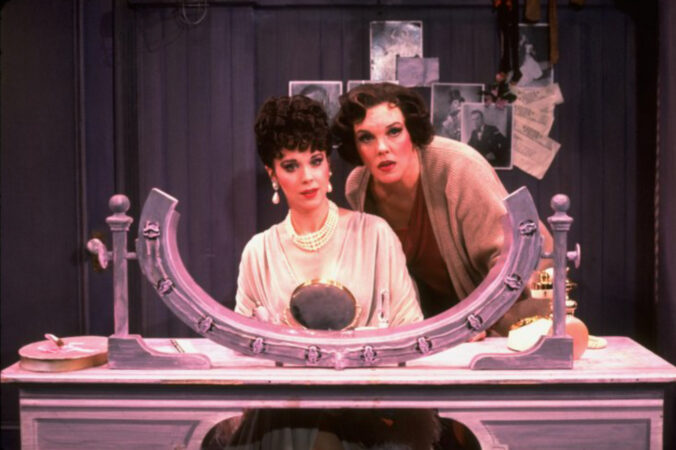
Claudia Shear’s Dirty Blonde, directed by James Lapine, explored the life and legend of Mae West and the way her image continued to resonate decades later. With Shear herself in the leading role, the 3-hander offered a fresh, feminist take on celebrity and identity. Dirty Blonde earned five Tony nominations (and is one of the few plays in Broadway history to have its entire cast receive a Tony nom) and remains a benchmark for actor-driven, biographical storytelling on Broadway. Its influence can be felt in later pieces like I Am My Own Wife and Tina: The Tina Turner Musical — shows that blur biography and performance to reveal something deeper about fame and self-invention.

Copenhagen

Michael Frayn’s Copenhagen brought physics, philosophy, and moral ambiguity to Broadway — and made it thrilling. The play dramatized a 1941 meeting between physicists Niels Bohr and Werner Heisenberg, turning a scientific mystery into a riveting human drama. The Broadway production won the 2000 Tony Award for Best Play and showcased the power of intellectual theater at a time when musicals often dominated the conversation. Its success paved the way for other smart, idea-driven plays — from The History Boys to Oslo — that prove audiences will lean in when the writing sparks curiosity.

Categories
Broadway's Best

Inside Broadway Crew’s Theatre-Loving Army

Broadway’s Best Shows sat down with Justin Adams and Emely Rachela of Broadway Crew, a company that provides event staffing and street team services for Broadway shows and beyond. 

Founded in 2018 by Sam Clark, Broadway Crew began as a simple idea: give theatre artists a flexible and connected parallel career. Today, that idea has blossomed into a nationwide promotional staffing agency whose crews don’t just hand out flyers, they represent shows, engage audiences, and collect real-time feedback for producers and marketing teams.

From Street Team to Ad Agency

“We started with that classic image of the Times Square street team,” Justin explains. “Now we’re a full-fledged staffing agency. We help assemble opening night gifts, survey audiences, and even do mascot work.”

That mascot work has ranged from Romeo the Raccoon for The Public Theater to Elf activations at the Marriott Marquis, complete with Santa appearances and holiday brunches. “It’s a little bit camp, a little bit chaos,” Justin laughs, “but always fun.”

The Crew at Work

Emely, one of Broadway Crew’s Team Leads, spends her days at the TKTS booth, leading and mentoring the team that greets thousands of tourists. “We’re the people chatting with folks in line, helping them pick a show, finding out what they love, and sending them to see something that fits,” she says.

Some visitors arrive with no plan. “They just stand in line because it’s there,” Emely jokes. “We help them find their match so they’ll come back for more.”

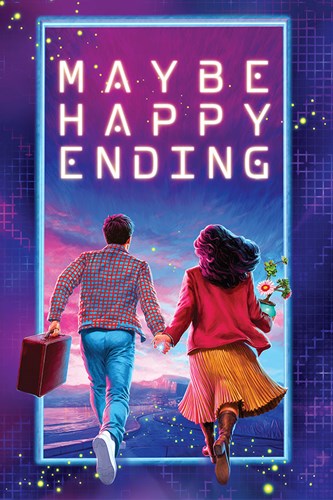
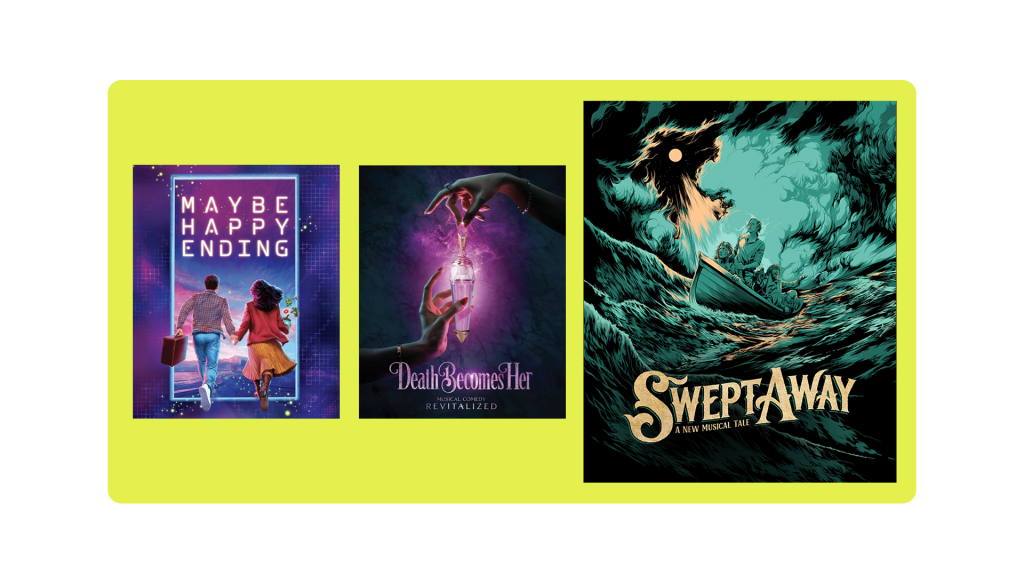
Her favorite part? Watching shows grow from word-of-mouth to sell-outs. “Maybe Happy Ending was one we started promoting when the show was relatively unknown,” she recalls. “Now people literally grab flyers from our hands.”

Actors, Artists, and True Fans

Roughly 90 percent of Broadway Crew’s staff are working actors. The rest are dancers, playwrights, or devoted fans who want to stay close to the energy of the stage. “Some even have nine-to-five jobs but work weekends with us because they love the community,” Justin says.

Recruitment happens mostly through word of mouth and social media, though listings on Playbill, Backstage, and college networks also help. “It’s a word-of-mouth company powered by good vibes,” he adds.

Why Every Show Needs a Street Team

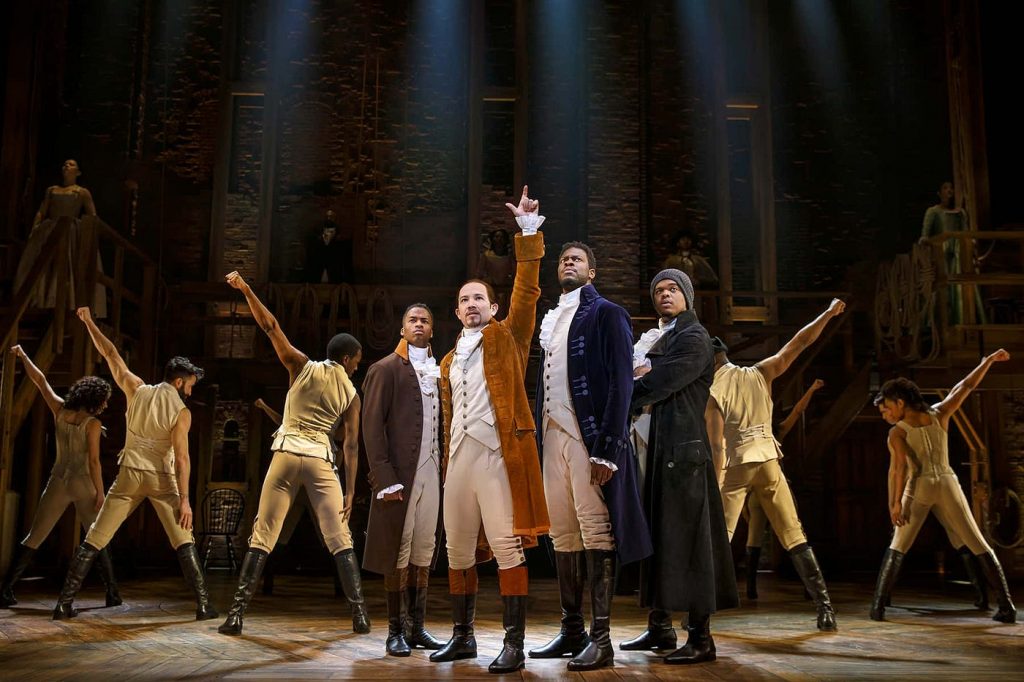
So why should a producer hire one? Justin doesn’t hesitate. “Every show — hit or not — needs people on the ground. We’ve worked with Hamilton to help fill its last few seats and with new shows trying to get noticed. We’re not just handing out flyers; we’re giving producers real-time insights into what audiences are saying.”

He also urges producers to start earlier. “A month before previews is perfect,” he says. “Don’t wait until you’re panicking about sales. We can be out at fall festivals, Halloween events, even commuters’ spots — meeting audiences where they are.”

Emely agrees. “When a show first appears on the TKTS board, people hesitate because it’s often the first time they’ve heard of it. If they’d seen our team talking about it weeks earlier, that recognition would already be there.”

The People Behind the Paper

Street teams aren’t anonymous promo machines, they’re theatre lovers. “Talk to our crew,” Emely says. “They’re not pressuring anyone. They’re just passionate about the art form.”

Justin nods. “We’re all part of the same club — the theatre nerds keeping the spark alive.”

Broadway Crew proves that the heart of Broadway beats not only onstage but also on the sidewalks, one conversation, one flyer, and one fan at a time.

Categories
Broadway's Best

Where’s That Cast Now? Phantom of the Opera Edition

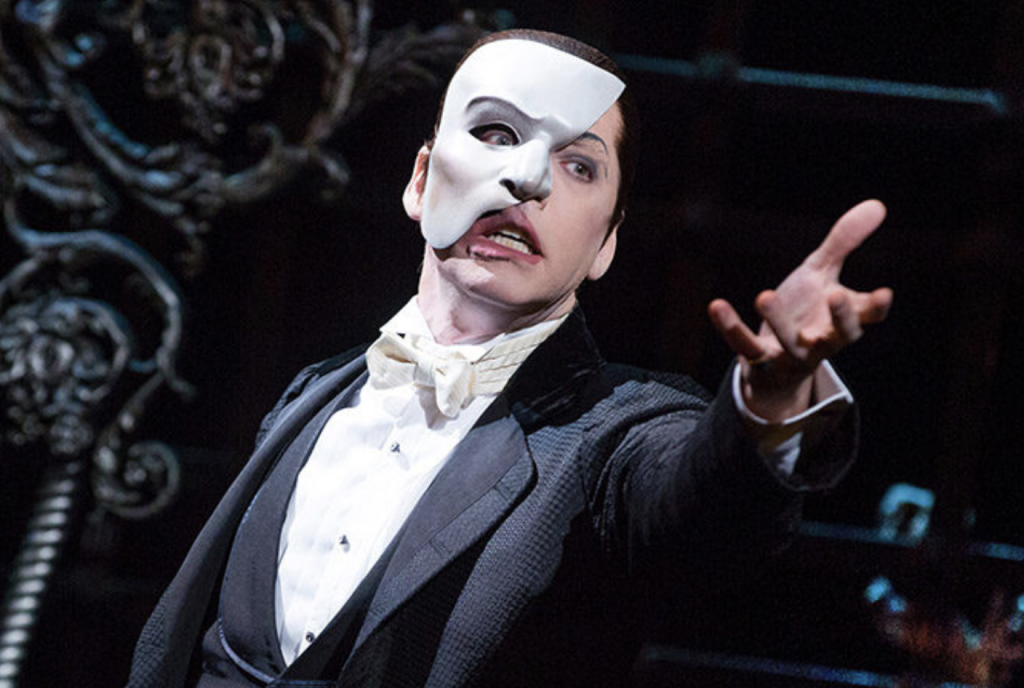
When The Phantom of the Opera arrived at the Majestic Theatre in 1988, no one knew it would become Broadway’s longest-running show. The chandelier, the romance, the mystery — unforgettable. But it was the original cast who brought this gothic love story to life and set the tone for decades of performers to come.

Here is where those iconic stars are now.

Michael Crawford (The Phantom)

There is only one first Phantom, and Michael Crawford set the bar at a level that performers still chase. His intensity, vulnerability, and soaring vocals created a Phantom who was both terrifying and heartbreakingly human.

After more than 1,300 performances, Crawford has returned to Broadway only once more, in Dance of the Vampires in 2002. He also performed on the West End in The Woman in White, The Wizard of Oz, and other major productions. Health challenges led to quieter periods, but his occasional public appearances remain moments of celebration in the theatre world.

A true Broadway legend whose shadow looms as majestically as the Phantom’s cape.

Sarah Brightman (Christine Daaé)

Sarah Brightman’s shimmering soprano and dreamlike presence defined Christine for a generation. She was ethereal, curious, and the perfect muse for Phantom’s dark devotion.

After departing the show, she launched a global classical-crossover career, recording chart-topping albums and touring the world. Brightman has the honor of performing the theme song for the Olympic Games twice, in Barcelona with “Amigos Para Siempre” and in Beijing with “You and Me.” Her duet “Time to Say Goodbye” with Andrea Bocelli is one of the best-selling singles of all time.

From opera houses to arenas, she turned Christine’s innocence into full-scale international stardom and is still performing today.

Steve Barton (Raoul)

Steve Barton brought a warmth and sincerity to Raoul that balanced Phantom’s gothic drama. His voice, charm, and grounded presence made Christine’s love story feel real and heartfelt.

He continued to perform widely across Europe and the United States, often working in Germany and Austria in shows such as Cats, West Side Story, Evita, Guys and Dolls, Dance of the Vampires, Beauty and the Beast, Jekyll & Hyde, and more. He was a respected leading man in musical theatre until his passing in 2001. His legacy remains deeply cherished by fans and colleagues alike.

Judy Kaye (Carlotta)

Judy Kaye entered Phantom with comedic firepower and vocal brilliance, turning Carlotta into far more than a prima donna punchline. Regal, ridiculous, commanding — she played it all with style.

She went on to become one of Broadway’s most versatile stars, winning two Tony Awards and dazzling audiences in everything from opera to musical comedy. Her career continues to shine bright.

Her Broadway résumé is packed, including On the Twentieth Century (Tony Award), Mamma Mia! (Tony Award nomination), Wicked, Ragtime, Sweeney Todd, Nice Work If You Can Get It (Tony Award), Anastasia, and Diana: The Musical.

Nicholas Wyman (Monsieur Firmin)

Nicholas Wyman played Firmin, one half of the overwhelmed opera managers caught between diva tantrums and paranormal chaos. His dry humor and authority made him a beloved part of Phantom’s world.

Wyman continued his career in theatre (Sly Fox, Dirty Rotten Scoundrels, A Tale of Two Cities, Catch Me If You Can, Network) film, and television, and also took on leadership roles in the arts. His varied work reflects the same poise and polish he brought to the stage.

Cris Groenendaal (Monsieur André)

As André, Cris Groenendaal delivered impeccable timing, warmth, and just the right amount of controlled panic. He helped shape Phantom’s blend of grandeur and humor — and did it with charm to spare. After Phantom, he continued performing in opera and musical theatre, including Passion, A Funny Thing Happened on the Way to the Forum, Ragtime, and Sunday in the Park with George, and became a respected vocal coach and educator. His artistry and work in many Sondheim musicals influenced a new generation of performers.

Categories
Broadway's Best

How to Dress Broadway for Halloween

Why be a ghost when you can be glamorous, undead, painted, bewitched, bewigged, robotic, romantic, and delightfully theatrical? This year, skip the generic costumes and pull your Halloween inspiration straight from Broadway, where clothing becomes character and drama is the dress code.

From camp horror to high-gloss glamour, here is how to dress Broadway for Halloween using inspiration from this season and last.

Beetlejuice: The Demon’s in the Details

For the Halloween personality who thrives on chaos and eyeliner.
Think black and white stripes, gravity-defying hair, corpse bride lace, and the unhinged smirk of someone who absolutely should not be trusted with ancient magic.

Carry a sandworm-striped bag for candy. Required line: “It’s showtime.”

The Queen of Versailles: Haunted Luxury

Sequins. Sky-high hair. Diamonds for days. A look that says “I built my empire” with undertones of “and now I haunt the foyer.”

Serve billionaire glam with a ghostly twist. Think undead Palm Beach royalty meets Broadway spotlight.

ART: A Walking Canvas

Minimalist but dramatic. Wear white from head to toe and add bold paint streaks as if you left a gallery fight or started one.

Carry a miniature blank canvas. Gaze at strangers like their taste in art disappoints you deeply.

The Rocky Horror Show: Time Warp Energy

Corsets, pearls, fishnets, platform heels, smoky eyeliner. This costume is about power, sensuality, camp confidence, and zero shame.

If you break into the Time Warp in the kitchen, you are doing it right.

Maybe Happy Ending: Romantic Retro Robots

A softer sci-fi look. Pastel tones, gentle wiring accents, subtle metallic glow, vintage headphones, and a record tucked gently under your arm.

You are a robot discovering love and vinyl. The most important accessory is sincerity.

Death Becomes Her: Immortal Glamour

Old Hollywood elegance with a supernatural glitch. Sleek satin, refined pearls, immaculate hair and makeup plus one tasteful sign of stylish demise.

Suggest eternal beauty with slightly cursed undertones. Just try not to lose an arm at the party.

Two Strangers (Carry a Cake Across New York): Sweet Meet-Cute Style

For those who prefer charm over fear. Effortlessly cool New York wardrobe, a bakery box, and rom-com energy.

A love story costume for people who arrive fashionably late but with dessert.

More Broadway Inspirations to Steal

Water for Elephants: vintage circus glamour and sawdust sparkle
The Wiz: technicolor emerald chic with gold-power energy
Back to the Future: 1980s denim, lab coat, messy genius hair, hoverboard prop
Hadestown: industrial romance, deep colors, flower crown with edge
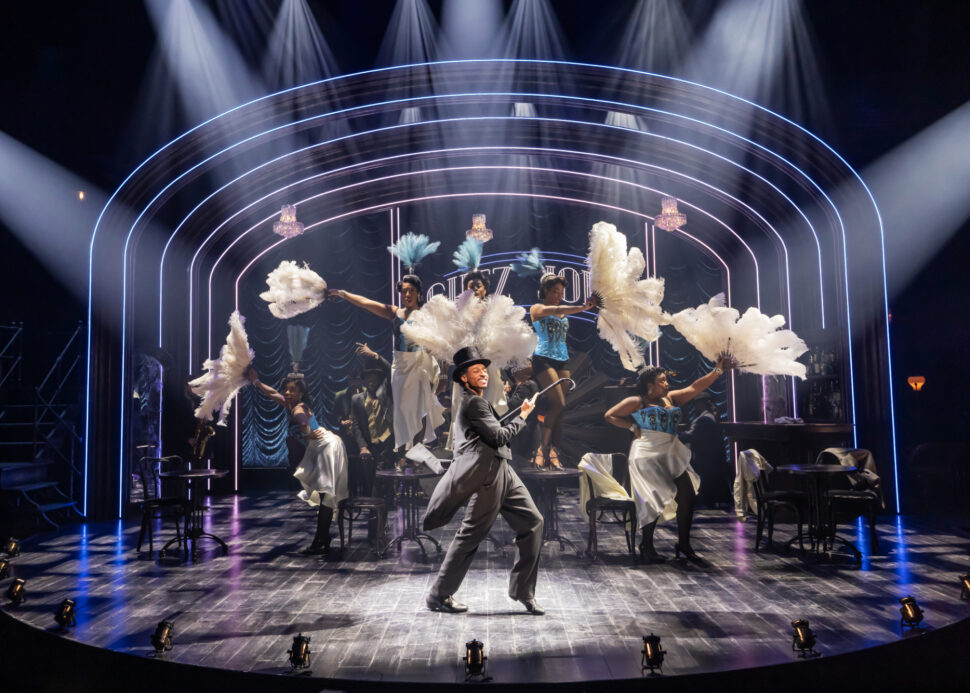
Cabaret: Berlin club decadence, smoky eyes, suspenders, satin shorts
Suffs: historical sashes, structured jackets, hats, determined purpose

Categories
Broadway's Best

Broadway’s Best Choreography Moments of All Time

Broadway has always danced its way into history—one step, kick, and pirouette at a time. From Balanchine’s groundbreaking ballet in On Your Toes to Justin Peck’s haunting modern storytelling in Illinoise, choreography has been the heartbeat of the American musical. These are the numbers that stopped shows, broke rules, and redefined what movement could mean on stage.

1936 – “Slaughter on Tenth Avenue,” On Your Toes
Choreography: George Balanchine
This was the moment ballet crashed Broadway’s party. Balanchine’s “Slaughter on Tenth Avenue” combined classical technique with the grit of gangsters and showgirls, turning a tongue-in-cheek story ballet into a thrilling, dramatic centerpiece. It was the first time a full-length ballet sequence was integrated into a musical’s plot. The number marked the arrival of serious dance on Broadway and opened the door for choreographers to become storytellers, not just decorators.

1943 – “Dream Ballet,” Oklahoma!
Choreography: Agnes de Mille
Broadway changed forever the moment Laurey fell asleep. Agnes de Mille’s “Dream Ballet” wasn’t just a dance, it was the first time choreography told a character’s subconscious story. Fifteen minutes of swirling tulle, heartbreak, and innovation that announced that dance could think instead of a shout, and Broadway never stopped listening.
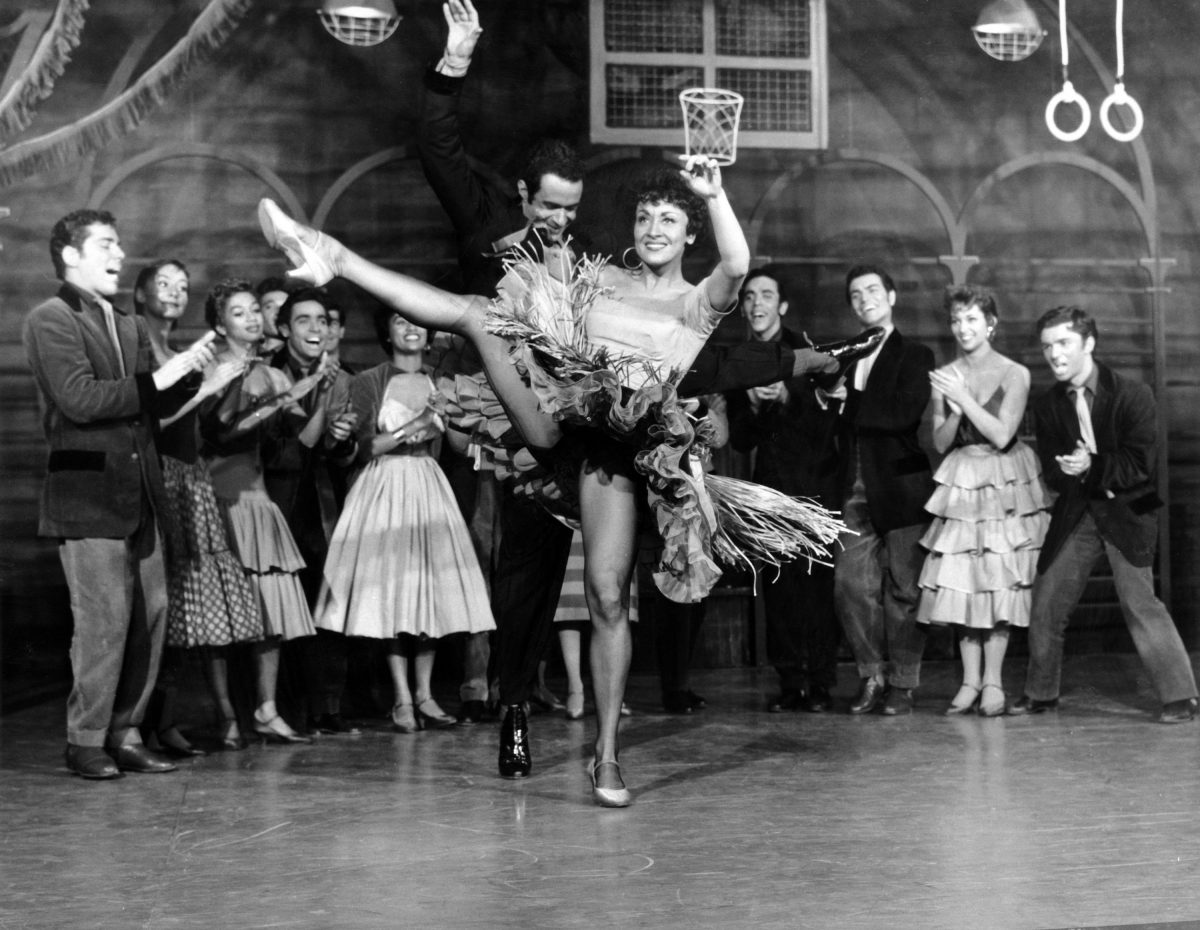
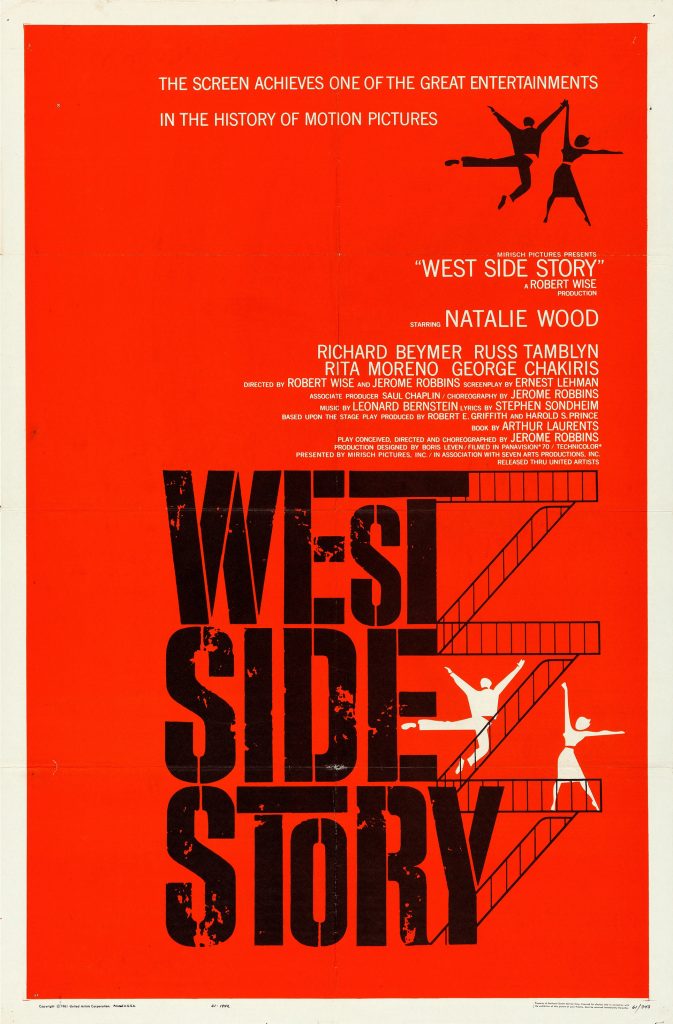
1957 – “Cool,” West Side Story
Choreography: Jerome Robbins
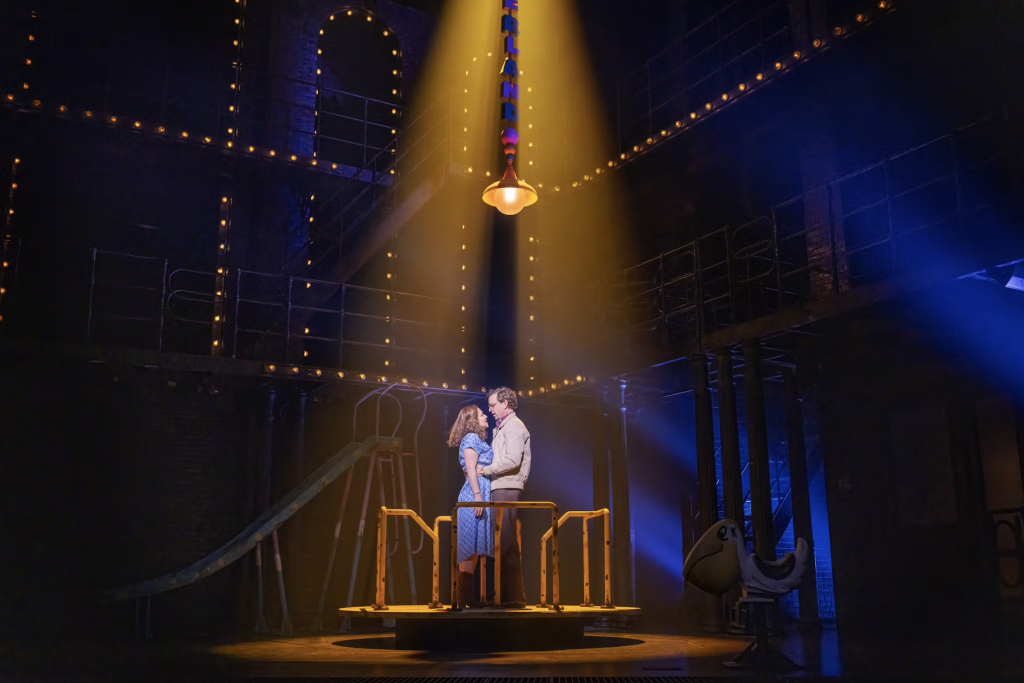
Snaps, slides, and explosions barely contained. Robbins gave the American musical a new vocabulary: ballet laced with street tension. “Cool” is still studied as the moment dance became emotion’s twin.

1975 – “One,” A Chorus Line
Choreography: Michael Bennett
Gold hats, high kicks, heartbreak. “One” immortalized the chorus: uniform, dazzling, and unseen. The finale that turned dancers into myth and mirrors.

1975 – “All That Jazz,” Chicago
Choreography: Bob Fosse
Smoky, syncopated, and sinister. The opening of Chicago reintroduced Fosse’s aesthetic as cultural gospel: hips low, fingers alive, everything precise and dangerous. It’s Broadway stripped to attitude and anatomy.
1980 – “We’re in the Money,” 42nd Street
Choreography: Gower Champion 
A tap extravaganza gleaming with Depression-era optimism. Champion’s staging turned tap into a glittering survival dance, resilience in rhythm.
1992 – “Slap That Bass,” Crazy for You
Choreography: Susan Stroman
A jazz fantasia where bodies become instruments. Stroman’s dancers pluck invisible strings and bounce like basslines, proving that dance is music made visible.

2002 – “Movin’ Out,” Movin’ Out
Choreography: Twyla Tharp
Billy Joel’s music meets Tharp’s muscular modern dance in a show that tells its story entirely through motion. Jazz, ballet, and rock collide in a piece that made Broadway feel brand new.

2005 – “Electricity,” Billy Elliot
Choreography: Peter Darling
A working-class boy discovers his power through motion. The number builds from confusion to catharsis, part tap, part rebellion. A child discovering freedom mid-air.

2014 – “An American in Paris Ballet,” An American in Paris
Choreography: Christopher Wheeldon
Wheeldon’s luminous dream ballet brought Gershwin’s score to life with balletic sweep and cinematic grace. The sequence blurs realism and reverie, transforming post-war Paris into living art. It reignited Broadway’s love affair with classical form.

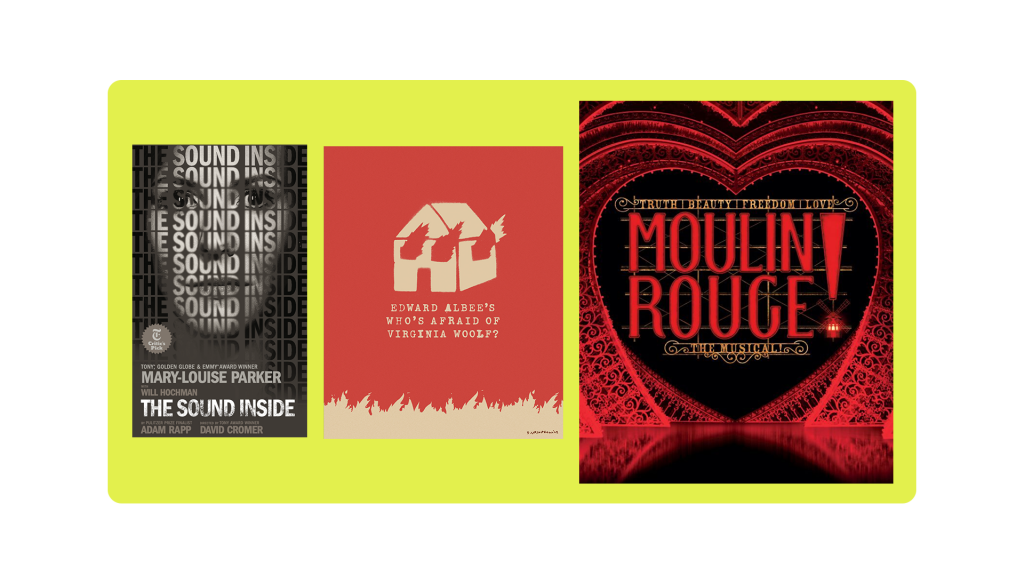
2019 – “El Tango de Roxanne,” Moulin Rouge! The Musical
Choreography: Sonya Tayeh
Raw, sensual, and explosive. Tayeh’s fusion of contemporary and ballroom forms turns desire into violence and heartbreak into art. It’s a masterclass in emotional choreography.

2024 – “Illinoise Ballet,” Illinoise
Choreography: Justin Peck
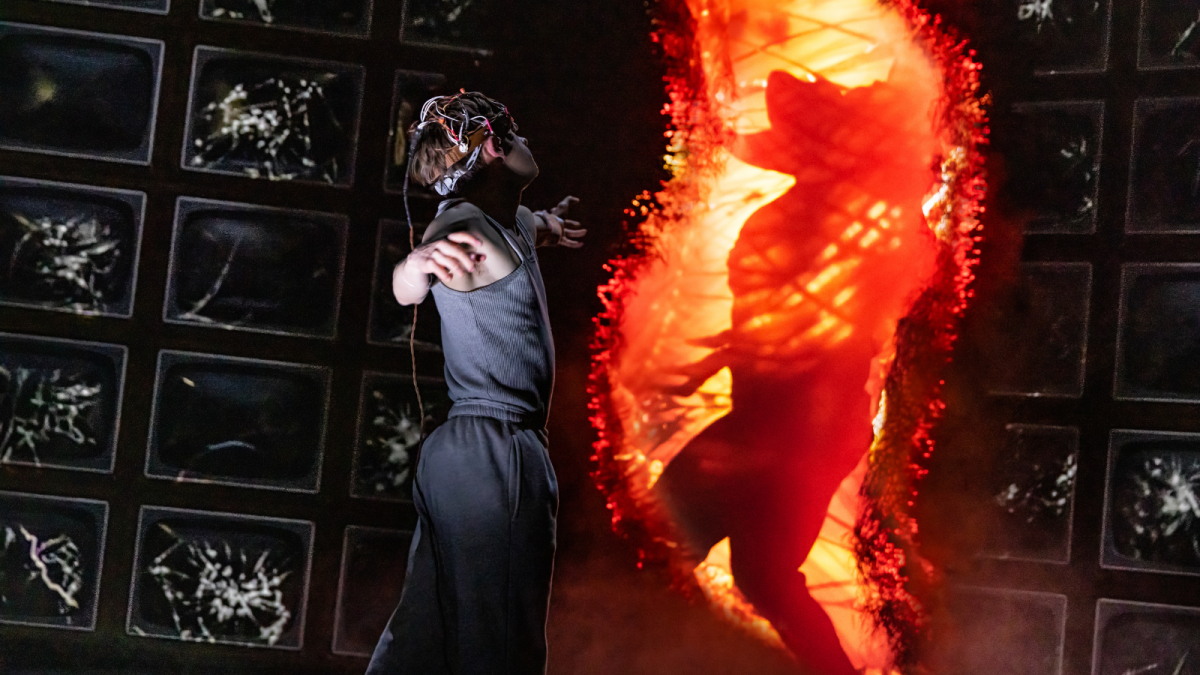
No words, no dialogue, just bodies and Sufjan Stevens’ music translating memory and loss into dance. Illinoise is the latest reminder that Broadway choreography can still astonish without uttering a line. If Agnes de Mille invented narrative dance, Justin Peck made it human again.

Categories
Broadway's Best

Broadway’s Most Powerful Protest Moments

Across decades, Broadway has proven that the stage can be a powerful place for protest. From groundbreaking musicals to provocative plays, these productions turned resistance into art, reminding audiences that theatre has always had the power to challenge, inspire, and spark change.

Hair: Flower Power, Anti-War, and Social Revolution
From its opening, Hair broke the mold. Against the backdrop of the Vietnam War and a rapidly changing America, Hair brought anti-war sentiment, sexual freedom, and racial integration into Broadway’s spotlight. Songs like “Aquarius” and “Let the Sunshine In” became anthems for a generation disenchanted with traditional norms. It wasn’t just a show, it was a movement, embodied night after night in public protest, civil disobedience, and counterculture style.

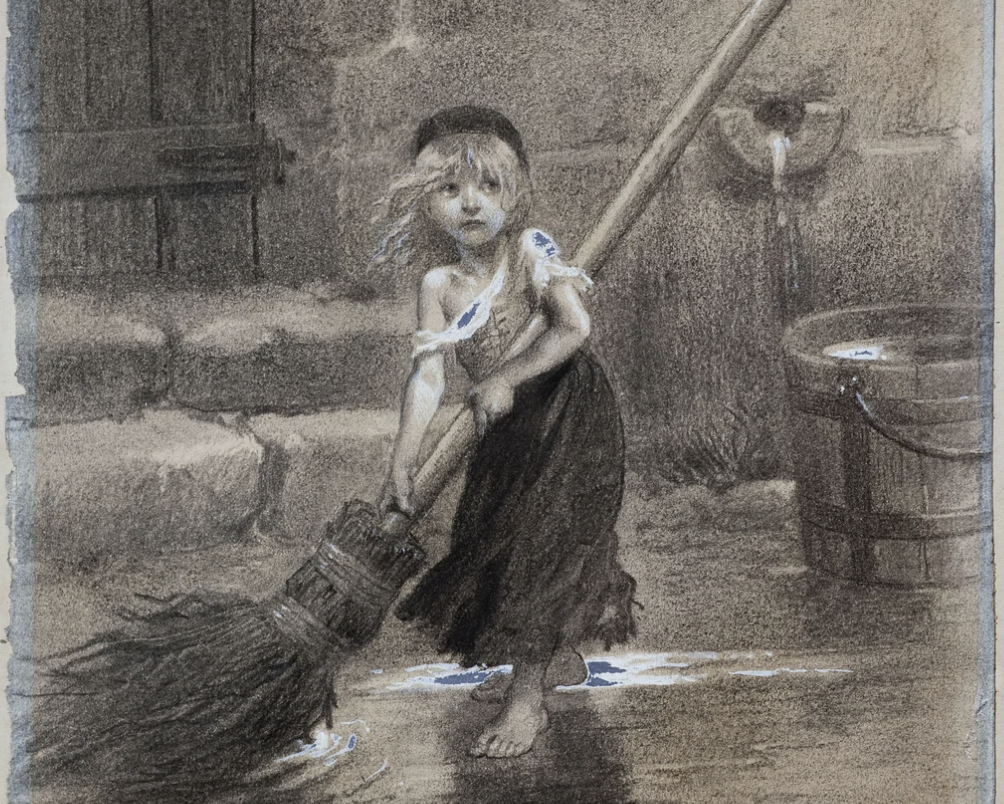
Les Misérables: Barricades That Resonate Across Time
Set in 19th-century France but speaking to so many modern struggles, Les Misérables became a perennial symbol of revolution and unity. The iconic moments, including the barricade scenes into “Do You Hear the People Sing?”, transforms political despair into collective hope. It deepened with every revival, every global protest, carrying forward the message that when the few oppress the many, resistance is inevitable.

Parade: Unearthing Injustice, Out in the Open
Parade tells the true story of Leo Frank, a Jewish industrialist in the early 1900s who was wrongly accused, tried, and lynched in Georgia. The musical forces audiences to confront racism, antisemitism, and miscarriage of justice, not through allegory, but through character, testimony, and heartbreak. The 2023 Broadway revival brought even more urgency, with protesters outside the theater echoing the very biases Parade indicts, proving that the past is never as far behind us as we might like to think.

John Proctor Is the Villain: Rewriting the Myth for Today’s Reckonings 
Kimberly Belflower’s John Proctor Is the Villain reframes The Crucible’s Salem mythos in a rural Georgia high school, between teenage girls and their complicity, accusations, and silences. The play becomes protest theatre. It interrogates gender, power, and the legacy of witch hunts, literal and metaphorical. It’s a sharp reminder that the stories we’ve inherited aren’t neutral; they shape what we accept or fight against.

Liberation: Reclaiming Feminist Voices
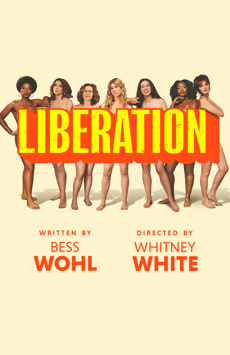
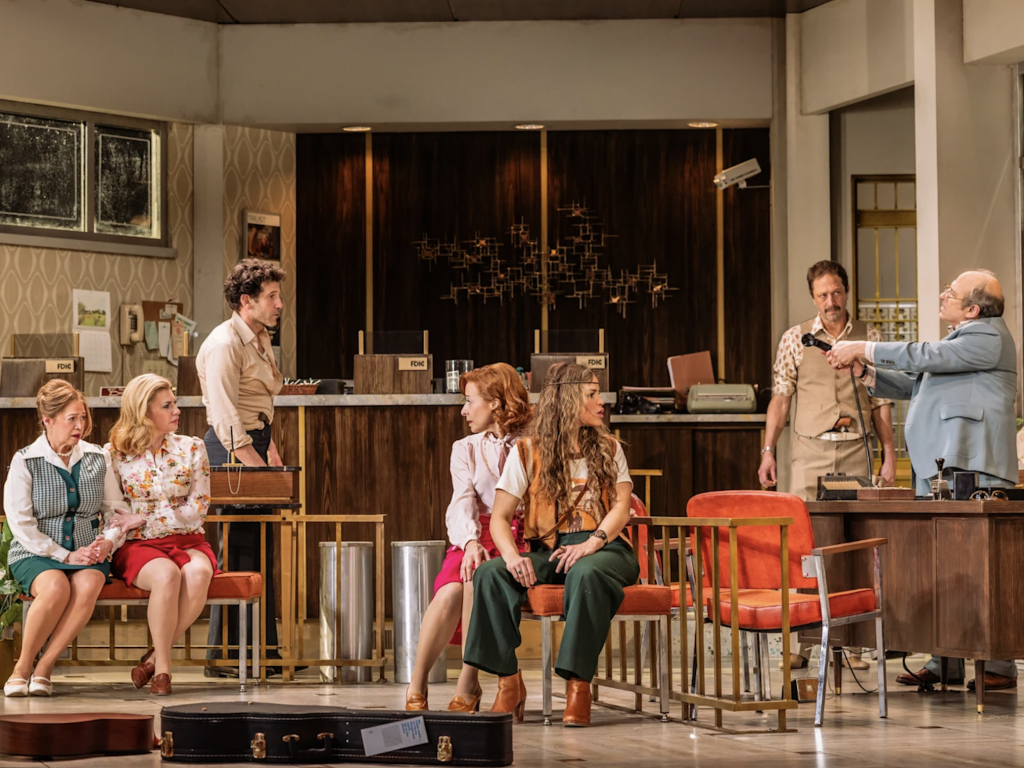
In Bess Wohl’s Liberation, six women convene in a 1970s Ohio rec center to form a consciousness-raising group. Through candid conversations about their lives, the play delves into the complexities of second-wave feminism, memory, and generational change. Praised as “the best play I’ve seen this season” by Vulture, Liberation intertwines personal narratives with broader social movements, highlighting the enduring relevance of feminist activism. Liberation is in performances at the James Earl Jones Theatre through January 11, 2026: https://liberationbway.com/ 

These Broadway moments remind us that protest takes many forms, and that art, at its most fearless, can move hearts and minds. 

Categories
Broadway's Best

The Art of the Discount: How to Experience Broadway Without Breaking the Bank

There’s nothing quite like the lights, music, and energy of Broadway, but those ticket prices can dim the excitement fast. The good news is that scoring affordable seats isn’t a secret art. It’s a mix of timing, flexibility, and knowing where to look. Whether you’re a local theatre fan or visiting the city for the first time, here are the best ways to land a great deal and still get swept up in the magic of Broadway.

Top Ways to Get Discount Broadway Tickets

TKTS Booths (by TDF)
Classic same-day deals, often up to 50% off. Visit the red-steps booth in Times Square or Lincoln Center. Check the TKTS app first to preview what’s available.

Digital Lotteries
Many shows offer $10–$40 tickets through daily online lotteries. Enter early, and act fast if you win since claims close quickly.

Rush and Student Rush Tickets
Day-of bargains, usually $30–$60, sold when the box office opens. Some are open to everyone, others require a student ID.

Standing Room Only
When shows sell out, a few standing spots open for cheap. Ask at the box office; these go fast for popular productions.

Promo Codes and Discount Sites
Websites like BroadwayBox, TheaterMania, and Playbill Deals regularly post limited-time codes for 20–50% off.

Membership Discounts
Join programs like TDF or industry groups for exclusive early access to discounted tickets.

Special Promotions
Keep an eye on seasonal events like Broadway Week or Kids’ Night on Broadway, which offer two-for-one or free youth tickets.

Group Sales
If you’re seeing a show with ten or more friends or coworkers, call the theater’s group sales office. Bulk bookings often mean built-in discounts.

Papering Lists
Some organizations quietly “paper the house” with free or ultra-cheap tickets for members. Try Club Free Time or local arts newsletters.

Affordable Broadway seats do exist; you just have to know where and when to look. With a bit of planning, patience, and the right mix of apps, booths, and insider programs, you can see world-class theatre without emptying your wallet.