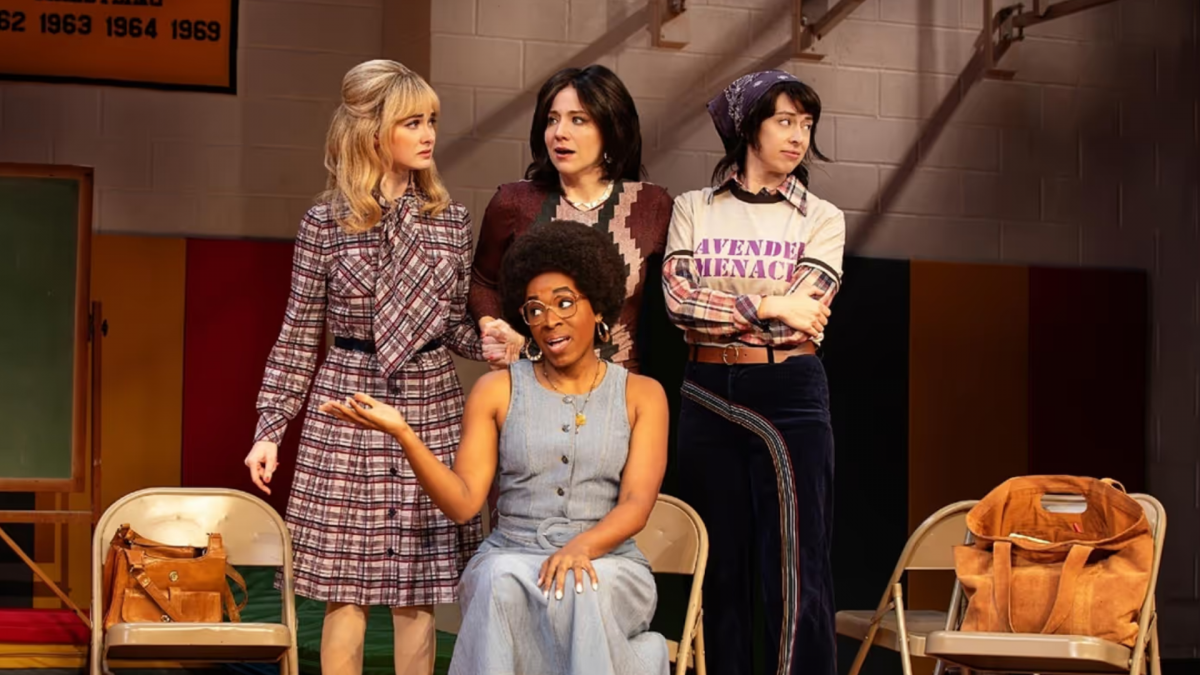
The James Earl Jones Theatre in New York currently hosts Liberation, a compelling two-timeline story penned by the talented playwright, Bess Wohl, and brought vividly to life under the meticulous direction of Whitney White. This fresh production offers a thoughtful exploration of complex, intergenerational themes, enriched by captivating performances from lead actors Betsy Aidem, Audrey Corsa, Kayla Davion, Susannah Flood, and more fierce femmes with a few gents. With its blend of emotional depth and sharp dialogue, Liberation on Broadway invites us to reconsider notions of freedom, legacy, and connection in a modern world.
At its heart, Liberation unfolds as an intimate dialogue between women whose lives intersect in unexpected ways, beginning in 1970s Ohio. The story centers on a young, ambitious journalist named Lizzie, who starts a small “consciousness-raising” group, bringing local women together to discuss evolving their lives and the world for the better, by exploring themes of sisterhood, ambition, and societal constraints. Betsy Aidem is Margie, a woman grappling with the shadows of her past and the memories of societal upheaval she once witnessed. Enter Kayla Davion’s character, a younger woman searching for her own identity and a sense of liberation amid contemporary struggles. Their encounter sparks difficult conversations about history, trauma, and the fleeting nature of freedom. In the present day timeline, Lizzie’s daughter revisits her mother’s past, piecing together the history of the group and the choices her mother made, questioning the legacy and the true meaning of liberation.
Wohl’s writing deftly balances the personal and political, weaving moments of tenderness with biting honesty. The narrative does not rely on grand spectacle but thrives on the nuanced exchange of ideas and emotions between the characters, making the theatre space a crucible for reflection and empathy.
Director Whitney White’s vision shines throughout the production, creating a staging that feels both minimalistic and deeply resonant. The intimate setting of the James Earl Jones Theatre complements this approach, fostering a sense of immediacy and engagement that draws the audience directly into the emotional landscape of the story unfolding before you.
Betsy Aidem’s portrayal of Margie is a masterclass in subtlety, her performance conveying the weight of lived experience with a quiet strength that commands attention without overwhelming insistence. Kayla Davion as Joanne complements her character beautifully, infusing youthful urgency and vulnerability into the dynamic between the characters. The cast’s chemistry anchors the play’s themes and invites viewers to linger on the complexities of liberation itself—not just as a concept but as a lived reality.
For a contemporary audience, Liberation resonates on multiple levels. It challenges us to consider how personal histories are intertwined with broader social narratives and how the quest for freedom can take many forms, from political activism to the intimate act of personal truth-telling. Bess Wohl’s script, supported by excellent direction and acting, does not provide easy answers but opens a space for meaningful dialogue, which oftentimes lends more to the cause than a firm resolution ever could.
Moreover, the inclusion of powerful female leads emphasizes the voices that are even still, too often marginalized in mainstream theatre, adding crucial perspectives to ongoing cultural conversations.
Liberation is a testament to the power of theater to confront difficult themes with grace and emotional honesty, leaving audiences both moved and contemplative as they exit onto the ever colorful and always righteous New York City streets. Don’t miss Liberation on Broadway before it ends on February 1st. For tickets: https://liberationbway.com/
New York politics has long provided fertile ground for the stage, where ambition, ego, idealism, and controversy naturally lend themselves to drama. This collection examines how Broadway and Off Broadway artists have transformed real New York leaders into compelling theatrical characters, using song, satire, and serious drama to explore the intersection of governance and performance in the city that thrives on both.
Mayor
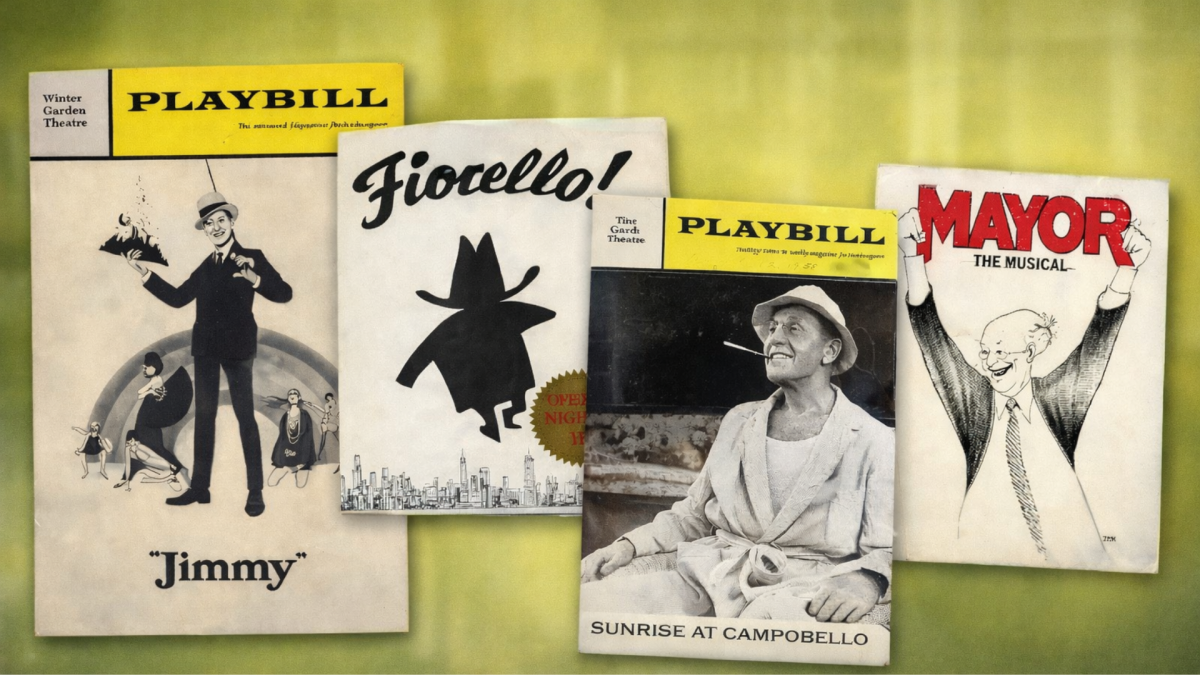
Based on the memoirs of New York City Mayor Ed Koch, this musical with a book by Warren Leight and music and lyrics by Charles Strouse presents a brisk, satirical portrait of a single day in office. Blending humor with civic commentary, the show captures Koch’s unmistakable voice, outsized personality, and the constant push-and-pull between public service and political survival in 1980s New York. It began its live Off Broadway in 1985 and transferred to Broadway’s Latin Quarter later that year. There’s even a cast recording!
Fritz in Tammany Hall
This turn-of-the-century musical spoof takes aim at New York’s infamous Tammany Hall political machine, using romance and farce to expose the absurdities of corruption and patronage politics. While fictional in its characters, the show reflects very real anxieties and frustrations about city government in the early 1900s when political power often trumped public trust.
Fiorello!
A landmark of political musical theater, Fiorello! chronicles the rise of reform mayor Fiorello La Guardia, charting his battles against the corruption of Tammany Hall, his commitment to immigrant communities, and his relentless energy as a public servant. Winner of the Pulitzer Prize and 3 Tony Awards, including Best Musical, it celebrates civic idealism while acknowledging the compromises of political life. Though not seen on Broadway since its original production in 1959, its last major New York production was at New York City Center’s Encores! in 2013.
Jimmy
This musical explores the rise and fall of New York City’s 97th mayor (1926-1932) Jimmy Walker, whose charm, wit, and Jazz Age glamour masked a tenure riddled with corruption and excess. Portrayed as both charismatic and deeply flawed, Walker’s story becomes a cautionary tale about power, celebrity, and the cost of governing by style instead of substance. The show enjoyed a brief run on Broadway in 1969 at the Winter Garden Theatre.
Bella Bella
A dynamic one-woman show set in 1976, Bella Bella brings to life the fierce voice and fearless presence of congresswoman Bella Abzug, who was the first woman to run for US Senate from the state of New York. Through humor, memory, and political reflection, the play celebrates Abzug’s activism, feminism, and unapologetic leadership, highlighting her lasting impact on both New York politics and the national stage. Written by and starring Harvey Fierstein, the show ran Off Broadway at the Manhattan Theatre Club in 2019.
Just Say No
Yes, there’s a second major theatrical piece about Ed Koch. Larry Kramer’s uncompromising political drama directly confronts Mayor Ed Koch and the Reagan administration for their response to the AIDS epidemic in the 1980s. Urgent and confrontational, the play uses real figures and real anger to challenge governmental indifference, marking one of the most pointed examples of New York political leadership being put on trial by the theater. Just Say No ran Off Broadway in 1988 and there have been other productions across the country: Chicago in 1999 and LA in 2007.
N/A
Set within the halls of Congress, N/A dramatizes a tense power struggle between two congresswomen, widely viewed as inspired by Alexandria Ocasio-Cortez and Nancy Pelosi. The play examines generational divides, political branding, and the shifting balance of power in modern politics, using the New York-born congresswoman as a symbol of change within a long-established system. The two-hander premiered Off Broadway at Lincoln Center in 2024 starring Holland Taylor and Ana Villafañe.
Sunrise at Campobello
Dore Schary’s Pulitzer Prize-winning play offers an intimate portrait of New York governor Franklin D. Roosevelt at a pivotal moment in his life, as he confronts the onset of polio while vacationing at Campobello Island. Set years before his presidency, the drama focuses on resilience, family, and political destiny, revealing how personal crisis shaped the leadership style of one of New York’s most influential political figures before he rose to national prominence. The play ran on Broadway at the Cort Theatre in 1958 and was made into a film in 1960.
New York politics have repeatedly proven to be irresistible theatrical material. Whether presented as musical satire, historical biography, or urgent political drama, each piece transforms public office into performance, inviting audiences to see leaders not just as officials, but as characters shaped by ambition, conviction, failure, and change. From reformers and firebrands to scandal-plagued mayors and modern disruptors, Broadway and Off Broadway continue to mine New York’s political history for stories that reflect the city itself: loud, contentious, idealistic, and endlessly dramatic.
What happens to our memories, the wonderful and the terrible, after they fade? Will others we shared them with remember the glorious or painful details well enough for us, or must our memories simply die with us, never to be recalled or told again? Marjorie Prime on Broadway wastes no time, ahem, asking these very questions not only of the Oscar-worthy cast, but of the audience, too.
Written by Jordan Harrison and directed by Anne Kauffman, Marjorie Prime is a ninety-minute drama with the kind of slow-burn grief that only comes with that of dementia. The phenomenal June Squibb is Marjorie, the lead character at the center of the story. Sharp as a tack herself at a ripe young age of 96, Squibb’s “Marjorie” portrayal is a mighty one, as a grandmother with Alzheimer’s who playfully but purposefully pokes fun at the seriousness of losing one’s mind. Marjorie’s daughter, Tess, played by the righteous Cynthia Nixon with the kind of sincere conviction you can expect from her today, unsurprisingly finds nothing funny about her mother’s memory loss, which can only mean she’s in for a larger loss to follow.
Tess’s husband, Jon, played by stage and television star, Danny Burstein, is the loving and loyal glue that helps bind the sticky bonds of his wife and mother-in-law as they collectively brace for the next life chapter to come. And then there’s the gracious and most charming Christopher Lowell, who plays Walter, Marjorie’s sci-fi companion who is a hologram of her late husband. This is where the “Prime” comes in. We meet Walter as a young adult man sweetly rehashing fond memories of yore with a woman old enough to be his grandmother. But it’s not long before you realize that Walter is perhaps an AI companion whose only use is to keep the living entertained with past tales that are either tall or taut, depending entirely on who you ask. In Walter’s case, all his memories have been trained by Tess and therefore told with edited outcomes for her mother.
The story of Marjorie Prime on Broadway will be a familiar tale for so many who have slowly lost a loved one twice. Once when their memory of you fades but they are still physically here, and then a final time when they physically fade away entirely. But this isn’t solely another story of slow grief followed by inevitable loss. Marjorie Prime dares us all to ask ourselves how we remember our own stories and how we choose to tell them. Do we sterilize the bad stories with better outcomes? Because hey, if we don’t remember how it went anyway, why not simply retell it with a better narrative? And is it better for those who can’t recall their own memories to go ahead and bend their truth for them, to make a recollection worth reliving?
See Marjorie Prime at New York’s lovely Hayes Theater before it closes on February 15. And don’t forget to ask yourself how you’d prefer your best, and worst, memories told when you’re no longer around to tell them. Tickets at 2st.com/shows/marjorie-prime
New York does the holidays bigger, brighter, and louder than just about anywhere else, and nowhere is that energy more dazzling than on stage. From champagne-soaked Broadway extravaganzas to time-honored seasonal traditions, this year’s holiday theatre lineup offers something for every festive mood. Whether you’re craving roaring-’20s excess, emerald-hued wonder, cozy romance, or classic yuletide grandeur, these shows deliver unforgettable ways to celebrate the season as the city sparkles its way toward the new year.
The Great Gatsby: A 24-Karat Seasonal Sparkle
If your holiday mood board is 50% sequins and 50% jazz, the Broadway Theatre is your North Star. This production is a maximalist’s dream; it’s a tidal wave of 1920s decadence that makes a standard New Year’s Eve party look like a quiet night in. Expect gold-leaf sets, high-octane choreography, and enough fringe to power the entire grid of Midtown. It’s the ultimate party of the century to ring in the end of the year with undeniable style.
For those who find the typical family gathering a bit too permanent, the Lunt-Fontanne is hosting the ultimate undead cocktail hour. This show is a masterclass in high-gloss satire and Old Hollywood silhouettes. It’s the perfect choice for anyone who wants their holiday to feel like a fabulous, slightly cursed gala where the champagne never runs out and the leading ladies literally defy the laws of physics.
The Gershwin Theatre remains the green-and-pink standard for a New York holiday tradition. It’s the theatrical equivalent of a warm coat and a hot chocolate—familiar, grand, and emotionally soaring. The spectacle of Oz feels particularly magical during the holidays, making it the ideal show for multi-generational families looking to experience that “Unlimited” Broadway wonder while navigating the winter crowds of Times Square.
If you’re looking for something that feels like a soft-glow candle in a snowy window, this musical at the Belasco is a gentle, futuristic romance. Telling the story of two robots discovering love in a retro-tech version of Seoul, it’s a quiet, intimate counter-program to the loud bustle of the city. It’s the perfect date-night show for the person who prefers a record player and a vintage scarf to a loud parade, offering a rare moment of technological sincerity.
For a holiday experience that feels as vast and breathtaking as the city itself, the Minskoff Theatre offers a masterclass in stagecraft. This show remains one of Broadway’s most visually stunning achievements, using puppetry and soaring vocals to create a world that feels both ancient and immediate. It is a celebratory, epic experience that reminds us of the larger cycles of life just as one year ends and another begins.
Radio City Christmas Spectacular: The Precision of the Season
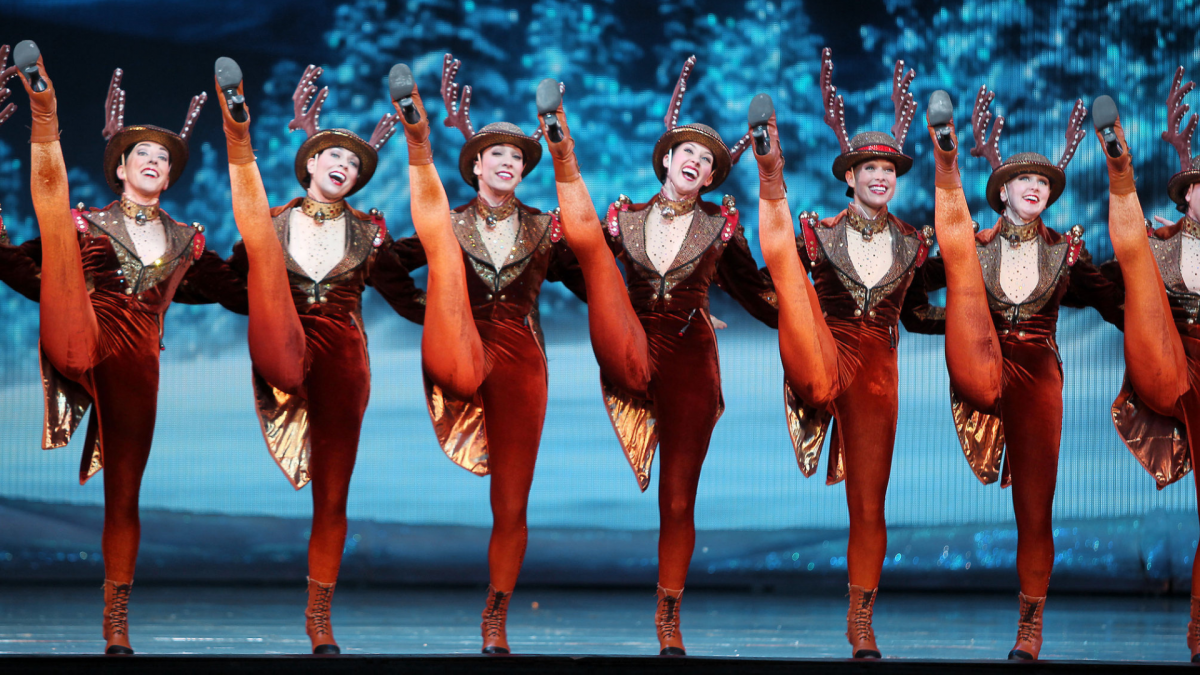
No list of New York holiday opulence is complete without the world-famous Radio City Rockettes. This isn’t just a show; it’s a meticulously polished machine of glamour. From the legendary Parade of the Wooden Soldiers to the high-tech Dance of the Frost Fairies, the Christmas Spectacular at Radio City Music Hall remains the pinnacle of holiday precision. It offers that rare, massive scale of performance that only Midtown can provide, turning a 90-minute show into a lifelong tradition.
For those whose holiday spirit is less sugar-cookie-sweet and more dark, rich, single-barrel bourbon, Company XIV’s Nutcracker Rouge is the subversive antidote to tradition. This Off-Broadway classic in Bushwick explodes the familiar tale into an opulent mix of burlesque, opera, and breathtaking aerial acts. Ditch the polite theater seats and descend into a world of baroque excess, where the Sugar Plum Fairy is redefined with a wink and a corset. It is a hedonistic, high-art celebration designed strictly for the 21-and-over crowd.
Cirque du Soleil: ‘Twas the Night Before…: A Kinetic Classic
For those who prefer their holiday spirit with a side of gravity-defying wonder, Cirque du Soleil’s festive residency at The Theater at Madison Square Garden is essential. This production takes the classic Clement Clarke Moore poem and explodes it into a flurry of acrobatic storytelling and reimagined holiday hits. It is a high-energy, visual feast that replaces traditional carols with breathtaking stunts, making it the perfect choice for those looking for a modern, high-octane twist on the spirit of the season.
A Christmas Carol: The Essential Spirit of the Season
For the ultimate theatrical grounding of the holiday season, this production offers a timeless reminder of generosity and change. Staged at the new Perelman Performing Arts Center (PAC NYC) in downtown Manhattan, this is the essential classic that contrasts the glitz of Broadway with a poignant, powerful, and often strikingly dramatic story of redemption.
Musical theatre is full of shows that faded into obscurity while one unforgettable number managed to break free and take on a life of its own. These songs, lifted from short-lived runs, cult favorites, and rarely produced gems, have become staples in audition rooms, cabarets, and recordings despite the modest reputations of the musicals that introduced them. Each one is a reminder that even the most fleeting or overlooked productions can contain moments of brilliance that resonate long after the curtain falls.
“I Remember” from Evening Primrose
Sondheim’s Evening Primrose is almost never seen today, but “I Remember” endures as one of his most delicate, haunting ballads. It’s sung by a woman who has lived hidden away for years and longs for the beauty of the outside world. Sondheim’s lyrics paint vivid, nostalgic images, making the piece a favorite for its emotional depth and quiet ache. The song stands out from the obscure 1966 television musical that birthed it.
“Never Will I Marry” from Greenwillow
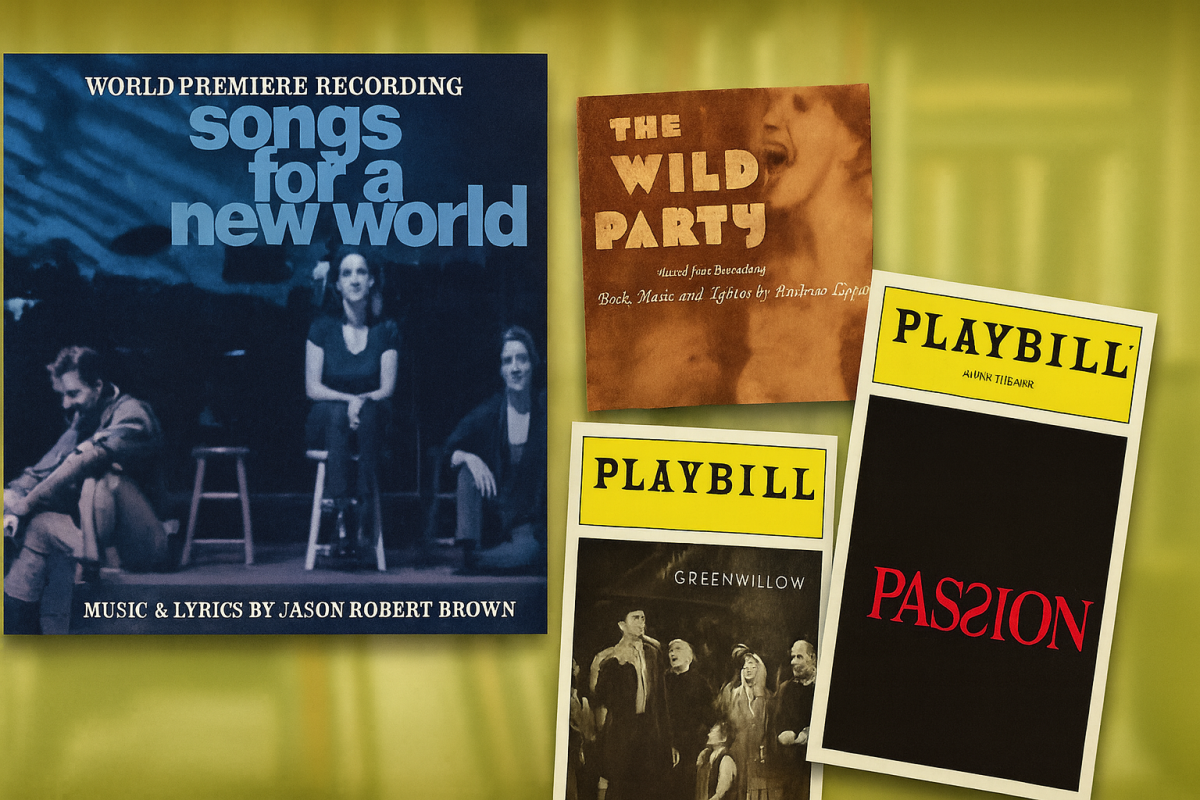
“Never Will I Marry,” is one of Broadway’s great gems to emerge from a true flop. Though the show closed after just 95 performances and has rarely been revived, this soaring ballad took on a life of its own, becoming a jazz and cabaret standard recorded by everyone from Nancy Wilson to Barbra Streisand and Linda Ronstadt. Greenwillow may have faded quickly, but “Never Will I Marry” endures as the show’s lasting legacy—proof that even Broadway’s briefest failures can produce unforgettable music.
“Meadowlark”from The Baker’s Wife
This soaring ballad has become a musical theatre staple, even though The Baker’s Wife famously never made it to Broadway. “Meadowlark” is a sweeping storytelling song in which Geneviève debates whether to stay in a stagnant marriage or chase a passionate new life. The song uses a fable-like metaphor to explore courage, desire, and the cost of change, making it one of Stephen Schwartz’s most performed stand-alone pieces.
“Stars and the Moon” from Songs for a New World
Though Jason Robert Brown’s song cycle has a devoted niche following, this piece became a breakout hit all its own. “Stars and the Moon” is a reflective solo in which a woman recounts turning down love in pursuit of wealth and status, only to realize too late that she sacrificed true happiness. Its wry, confessional storytelling helped “Stars and the Moon” become a cabaret standard, eclipsing the obscurity of the show that introduced it. Jason Robert Brown pairs conversational storytelling with deep emotional resonance, making it a modern musical theatre classic.
“Loving You” from Passion
Though Passion was one of Stephen Sondheim’s more polarizing and lesser-attended works, “Loving You” emerged as the breakout gem—an unexpected standard from an otherwise challenging show. Sung by Fosca, the ballad distills the musical’s intense themes into something starkly beautiful and universally resonant. Its simplicity, emotional clarity, and haunting melody helped the song live far beyond the production itself, becoming a favorite in concerts, cabarets, and recordings. “Loving You” proves that even from Broadway’s most uncompromising shows, a classic can rise.
“Life of the Party” from The Wild Party (Lippa)
Andrew Lippa’s The Wild Party enjoys cult status more than commercial fame, yet “Life of the Party” has become a go-to showcase for dynamic belters. Its electric energy has helped it escape the shadow of the rarely produced show it hails from. A bold, brassy showcase sung by Kate as she revels in attention, charisma, and the intoxicating thrill of being irresistible. It’s a high-energy, vocally demanding number that captures the show’s decadent, dangerous atmosphere.
“The Spark of Creation” from Children of Eden
Children of Eden is rarely produced at a large scale, but this song is universally beloved. Eve’s driving declaration of curiosity and courage has made “The Spark of Creation” one of Stephen Schwartz’s most enduring numbers, far outliving its little-known show. It’s an anthem of curiosity and self-discovery, often embraced for its inspirational message and soaring melody.
“Astonishing” from Little Women
While Little Women didn’t leave a major mark on Broadway, “Astonishing” soared beyond it. Jo March’s fierce declaration of ambition and refusal to settle for an ordinary life turned into a modern empowerment anthem, becoming far more famous than the short-lived musical that introduced it. The song builds from introspection to a belt-driven climax, becoming a signature anthem for strong, determined heroines.
“Goodbye” from Catch Me If You Can
Catch Me If You Can came and went quickly, but “Goodbye” gained a second life as a stunning pop-theatre standard. A breakout ballad in which Frank Jr. confronts his lies, regrets, and the consequences of his runaway lifestyle. It’s a powerful, bittersweet farewell that combines pop-rock sensibilities with genuine vulnerability. Its emotional punch and contemporary style have made it a favorite among performers.
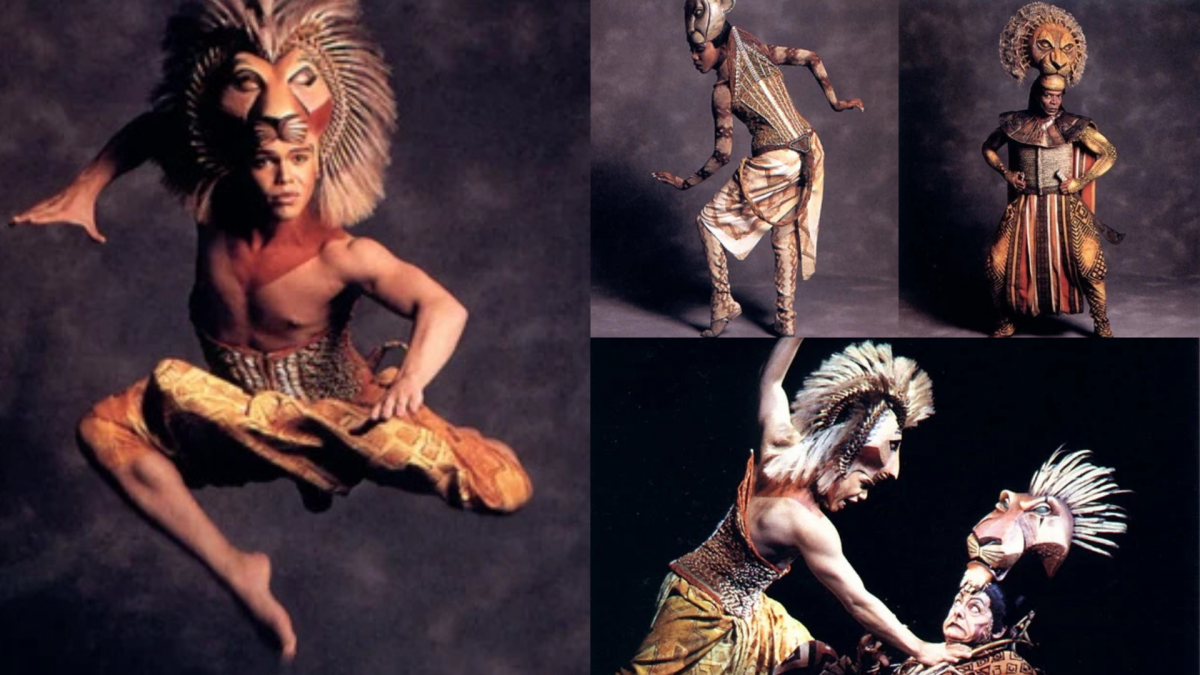
When The Lion King roared onto Broadway in 1997, Julie Taymor’s visionary production redefined what musical theatre could be. Its original company helped build one of Broadway’s most iconic productions. Nearly three decades later, here’s where those groundbreaking performers are now.
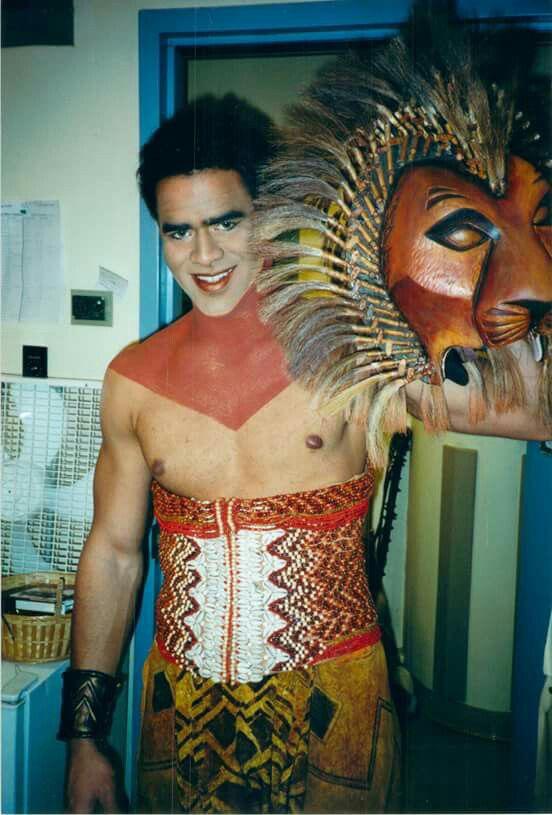
Jason Raize (Simba)
Jason Raize became an overnight Broadway star as the original Simba, earning acclaim for his powerful voice and presence. After leaving the show, he pursued recording projects, voiceover work, including Denahi in another Disney project Brother Bear, and environmental advocacy with the United Nations Environment Programme. His life ended tragically in 2004, but his legacy as Simba remains a cherished part of Broadway history.
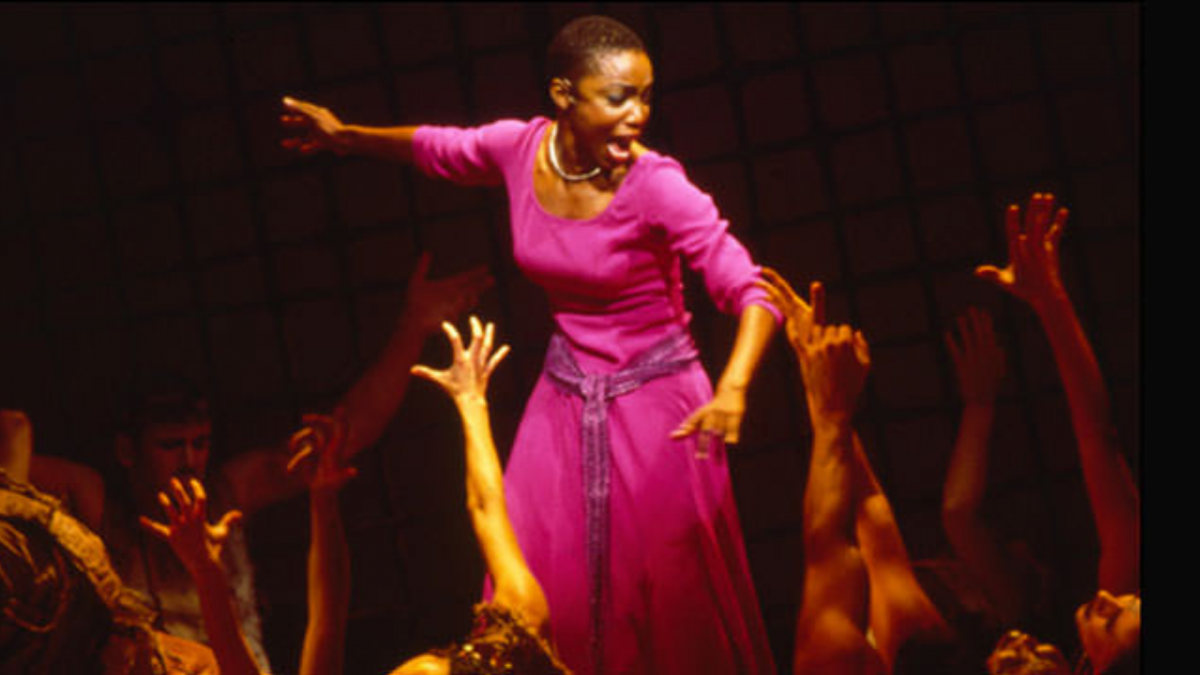
Heather Headley (Nala)
Heather Headley’s Broadway debut as Nala launched a remarkable career. She went on to win a Tony Award for Aida, release several studio albums (winning one Grammy), star on the small screen in Chicago Med and She’s Gotta Have It, and lead the West End production of The Bodyguard. Most recently she made her long awaited return to Broadway in the 2016 revival of The Color Purple and 2022 revival of Into the Woods. Today she continues to balance concert tours, acting roles, and family life while remaining one of theatre’s most celebrated vocalists.
Tsidii Le Loka (Rafiki)
Tsidii Le Loka originated Rafiki and played the role for nearly two years, earning a Tony nomination for her electrifying performance and contributing original musical material that helped shape the show’s sound. After The Lion King, she continued performing in the US and internationally, composing new works, and championing African arts education and cultural heritage. In 2018, NYC Mayor de Blasio named September 26th as Tsidii Le Loka day in honor of her work as an artist an humanitarian. Her groundbreaking portrayal remains one of the most celebrated elements of the original production.
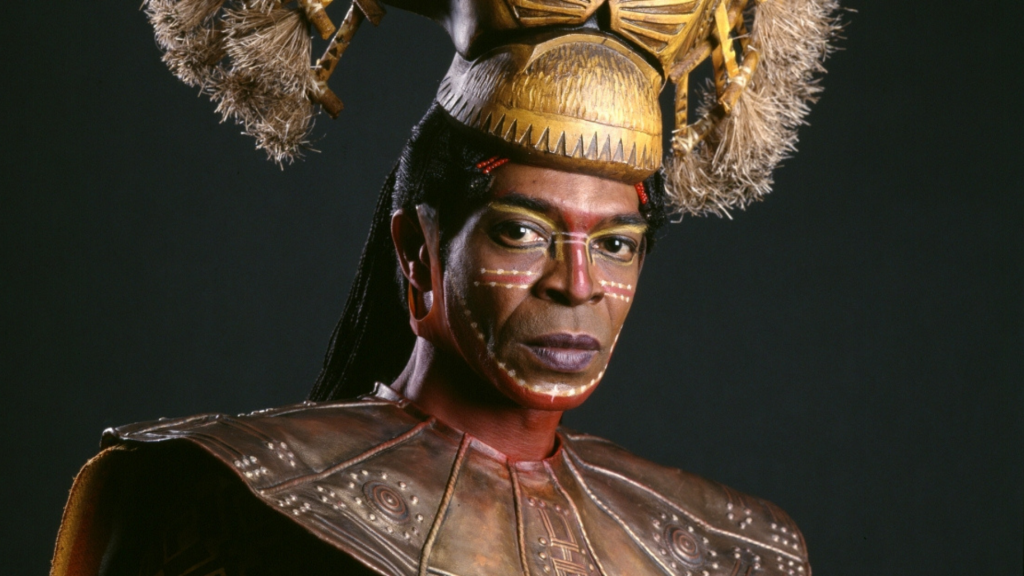
Samuel E. Wright (Mufasa)
Already beloved as the voice of Sebastian in The Little Mermaid film, voicing “Under the Sea” and “Kiss the Girl,” Samuel E. Wright brought warmth and gravitas to Mufasa. After his Broadway run, he founded an arts academy in upstate New York. Wright passed away in 2021, leaving behind a lasting impact on generations of young performers.
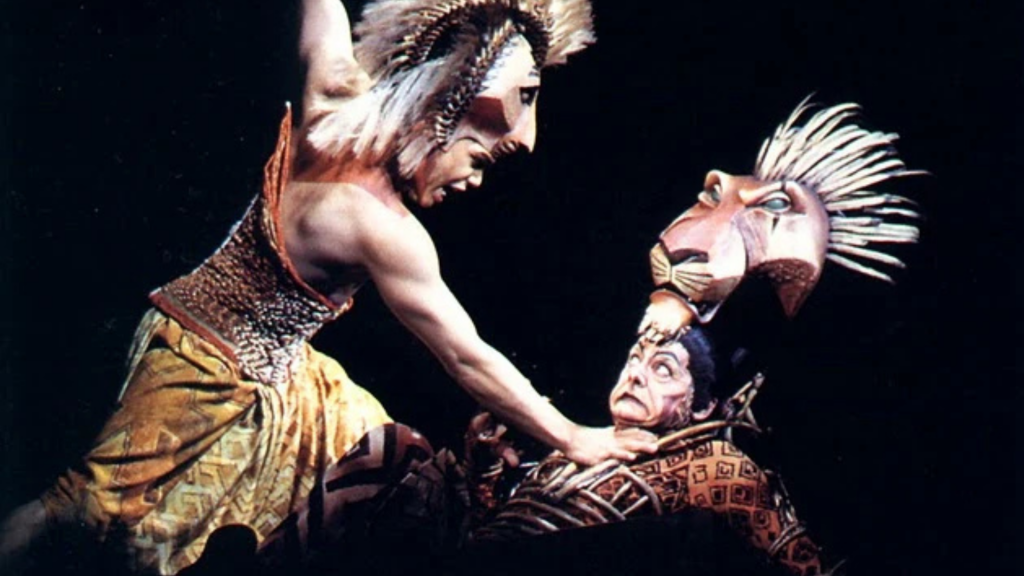
John Vickery (Scar)
John Vickery originated Scar with a sophisticated, razor-sharp performance. In the years that followed, he appeared in Wicked, multiple regional productions, and television series including several Star Trek installments. He remains active in stage work and voice acting.
Christopher Jackson (Ensemble / Simba Understudy → Simba)
Christopher Jackson began in the original company as an ensemble member and Simba understudy, eventually taking over the role full-time. He went on to originate Benny in In the Heights and George Washington in Hamilton, earning a Tony nomination. Today he is a celebrated stage and screen actor and an Emmy-winning composer for television.
Broadway’s Best Shows sat down with Adam Kantor to talk about Diaspora, the immersive theatrical dining experience blending global Jewish stories, culinary artistry, and live performance, now playing in the heart of Chelsea. What unfolded was a conversation about heritage, home, and the surprising ways food can become theatre and theatre can become nourishment.
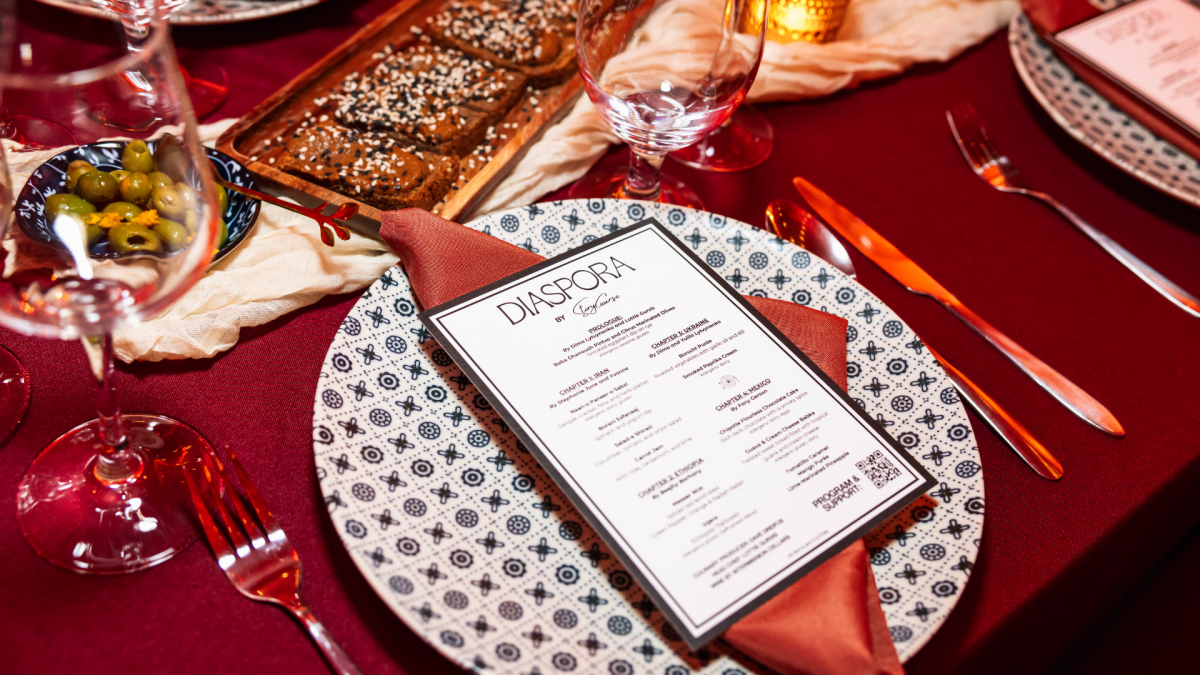
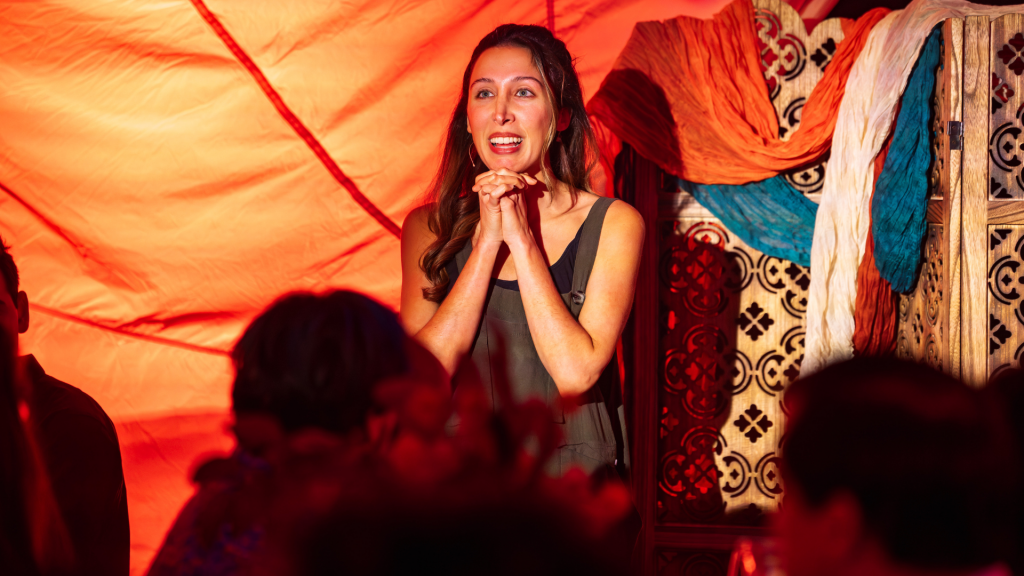
New Yorkers are not easily surprised, but stepping into Diaspora feels like entering an entirely different world. Beneath a vast multicolored parachute illuminated by Tony Award-winning lighting designer Jeff Croiter, audiences are transported into a sensory environment where storytelling, scent, taste, and memory intertwine. This is not just dinner. And it is not just a show. It is an emotional excavation of family histories, of journeys across continents, of what it means to find home.
Kantor traces the origins of Diaspora back nearly a decade to early creative explorations with Benj Pasek and Brian Bordainick (founder of Dinner Lab). Their shared curiosity about how food can function as metaphor and how culinary traditions can become theatrical language evolved into a series of highly personal narrative-driven dining experiences. They began with a theatrical Passover Seder, then How Do You Hug a Tiger?, about chef Jae Jung’s migration from Seoul to New Orleans to New York, and later PrideTable, featuring five LGBTQ+ chefs, each course tied to a different lived experience. Audiences were not just entertained; they were moved. These stories, once tucked inside family memory or cultural context, suddenly became tangible, tasted, and shared.
Diaspora continues that evolution, focusing on four Jewish immigrant families from Iran, Ukraine, Mexico, and Ethiopia. Each narrative, performed by a gifted ensemble of actor-storytellers, is paired with a dish crafted alongside chefs whose heritage directly informs the meal. These are not generalized cultural gestures; they are deeply personal culinary memoirs. One of the most revelatory chapters centers on Ethiopian Jews, documenting desert crossings, refugee camps, and eventual resettlement in Israel and New York. As Kantor notes, many guests, Jewish and non-Jewish alike, are hearing these stories for the first time. “Part of what we are doing is expanding people’s perception of what Jewishness can look like, taste like, and feel like,” he says.
A key collaborator in bringing the experience to life is Midnight Theatricals, the company hosting the production in its Chelsea venue. Their space has been transformed into an intimate parachute-covered environment that feels both whimsical and sacred. Croiter’s lighting washes the room in shifting color, guiding audiences emotionally through each family’s journey. Kantor describes Midnight Theatricals as wonderful partners creatively, logistically, and collaboratively. With major renovations ahead and ambitious projects in development, this run of Diaspora marks an important moment in their emergence.
Performances run through December 20, 2025, and while the initial block of tickets is sold out, audiences can join the waitlist at https://www.storycoursenyc.com/waitlist for potential added performances or released seats. Enthusiasm has built quickly, drawing theatregoers, food lovers, and people eager to explore global Jewish stories in a form they have never encountered before.
From edgy new musicals to daring play revivals, Broadway’s 2025-2026 season is shaping up to be a feast for theatre lovers. Audiences can expect everything from spine-tingling vampire tales and nostalgic show-tune parodies to intimate dramas that dig deep into love, identity, and the human psyche. With star-studded casts, bold reimaginings, and long-awaited returns of classics, there’s never been a better time to catch the magic of a Broadway performance. Here’s what’s coming soon.
NEW MUSICALS
The Lost Boys Performances begin March 27, 2026 at the Palace Theatre
Based on the cult-classic 1987 vampire film, The Lost Boys follows a mother and her two teenage sons as they move to Santa Carla, CA, only to discover its sunny façade hides a deadly underworld. The show features original music and lyrics by indie pop-rock band The Rescues, a book by David Hornsby and Chris Hoch, and direction by Tony Award winner Michael Arden. Starring Benjamin Pajak and Broadway newcomer LJ Benet, the show is searching for its leading lady ahead of March’s first preview after Caissie Levy departed the production.
Schmigadoon! Performances begin April 4, 2026 at the Nederlander Theatre
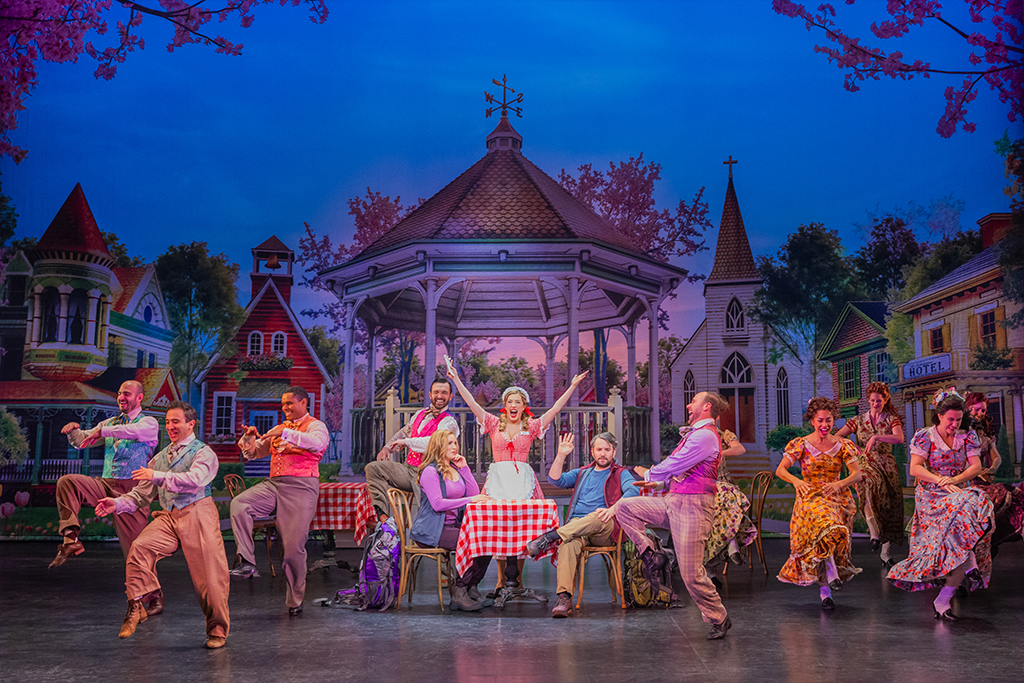
Direct from its sold-out run at the Kennedy Center, Schmigadoon! brings the hit musical-comedy Apple TV series to the stage with a loving parody of Golden Age musicals. The show follows a modern couple who find themselves trapped in a magical town where life—and love—unfolds through classic show-tune tropes. Christopher Gattelli directs and choreographs, the book, music and lyrics are by Cinco Paul, and Broadway stalwarts Alex Brightman and Sara Chase star.
NEW PLAYS
Bug Performances begin December 16, 2025 at the Friedman Theatre
Written by Pulitzer Prize winner Tracy Letts and directed by David Cromer, this intense psychological thriller stars Emmy and Tony Award nominee Carrie Coon as a lonely waitress and Namir Smallwood as a drifter whose relationship spirals into paranoia and conspiracy. As the characters’ fears grow, the play digs deeply into themes of mental instability, isolation, and the fragile nature of reality.
Every Brilliant Thing Performances begin February 21, 2026 at the Hudson Theatre
This beloved one‑person show stars Daniel Radcliffe, who takes the audience through a poignant list of life’s “brilliant things,” the small joys that make existence meaningful. Through audience interaction, the actor recounts his character’s journey, navigating grief, depression, and hope with warmth and humor. The play, written by Duncan Macmillan (with Jonny Donahoe), has resonated internationally and runs for a strictly limited 13-week engagement.
Dog Day Afternoon Performances begin March 10, 2026 at the August Wilson Theatre
Adapted by Stephen Adly Guirgis from the famed 1975 film, this gritty drama follows a botched Brooklyn bank robbery that spirals into a media-fueled hostage crisis. Jon Bernthal and Ebon Moss-Bachrach, making their Broadway debuts, lead the cast under the direction of Rupert Goold. The production explores desperation, identity, and the public spectacle of crime in a raw, emotionally charged way.
Becky Shaw Performances begin March 18, 2026 at the Hayes Theatre
Written by Gina Gionfriddo, this dark comedy centers on a blind date that escalates into a tangled mess of love, manipulation, and moral ambiguity. Under the direction of Trip Cullman, Becky Shaw mixes razor-sharp humor with provocative questions about emotional boundaries and ethical compromise. The New York Times previously praised it for being “ferociously funny” and its Broadway debut promises to highlight both its wit and emotional bite.
Giant Performances begin March 11, 2026 at the Music Box Theatre
This Olivier Award winning play by Mark Rosenblatt stars John Lithgow as Roald Dahl, in a pointed exploration of the author’s legacy amid a real-life scandal over antisemitic remarks. Directed by Nicholas Hytner with set design by Bob Crowley, Giant takes place over a single afternoon and depicts a high-stakes confrontation between Dahl and his Jewish publishers. It’s a searing, morally complex drama about creativity, accountability, and the cost of genius.
MUSICAL REVIVALS
Cats: The Jellicle Ball Performances begin March 18, 2026 at the Broadhurst Theatre
This bold reimagining of Cats that began its theatrical life at PAC brings Andrew Lloyd Webber’s beloved classic into the world of 1980s ballroom and drag culture, celebrating LGBTQ+ community, self-expression, and resilience. Directed by Zhailon Levingston and Bill Rauch with costume design by Qween Jean and choreography by ballroom legends Omari Wiles and Arturo Lyons, the production features dynamic staging and a cast led by André De Shields as Old Deuteronomy. Known for its glittering spectacle, iconic music, and fierce energy, The Jellicle Ball is described as a “sexy celebration of love and joy.”
The Rocky Horror Show Performances begin March 26, 2026 at Studio 54
This revival of the cult classic rock musical welcomes back the bizarre and outrageous world of Dr. Frank‑N‑Furter (Luke Evans in his Broadway debut), his mansion of misfits, and the iconic arrival of Brad and Janet. Directed by Sam Pinkleton (Oh, Mary!), the show promises all the glitter, camp, and shock value that made the original a phenomenon. With its beloved songs like “Time Warp” and “Sweet Transvestite,” this production promises to honor the show’s legacy while bringing fresh theatrical energy.
Dreamgirls Details TBA
A highly anticipated revival of the classic Motown-inspired musical is set to return to Broadway in 2026, marking its first-ever Broadway revival. Directed and choreographed by Camille A. Brown, this production will feature a global casting search to reimagine the iconic girl-group “The Dreams.”
PLAY REVIVALS
Fallen Angels Performances begin March 27, 2026 at the Haimes Theatre
This witty Noël Coward comedy that hasn’t been seen on Broadway since 1956 stars Kelli O’Hara and Rose Byrne as two upper-class wives whose playful toasts and indiscretions unravel when their shared past—and a certain traveling gentleman—resurfaces. Directed by Scott Ellis, the show blends sparkling humor with elegant tension as secrets bubble to the surface. It’s a sophisticated romp about manners, desire, and the delicious messiness of love.
Joe Turner’s Come and Gone Performances begin March 30, 2026 at the Barrymore Theatre
August Wilson’s deeply emotional drama starring Golden Globe winner Taraji P. Henson making her Broadway debut and Cedric the Entertainer returns to Broadway. Joe Turner’s Come and Gone takes place in 1911 in a Pittsburgh boarding house, where a community of Black migrants grapples with the legacy of forced labor and the search for identity. When Herald Loomis (Tony Award nominee Joshua Boone) arrives, haunted by his missing wife and past trauma, he sparks a journey of spiritual and personal awakening among his fellow boarders. Directed by Emmy and Golden Globe Award winner Debbie Allen, this revival promises a powerful meditation on memory, freedom, and human connection.
Proof Performances begin March 31, 2026 at the Booth Theatre
This Broadway revival of David Auburn’s Pulitzer and Tony winning play stars Ayo Edebiri and Don Cheadle, both making their Broadway debuts. Under the direction of Thomas Kail (Hamilton), Proof tells the story of Catherine, a brilliant but emotionally fragile young woman wrestling with her late father’s mathematical legacy and the notebook that may prove—or disprove—her own genius. It’s an intimate, haunting exploration of inheritance, mental illness, and the price of proof.
Death of a Salesman Performances TBA
Two-time Tony Award winner Joe Mantello directs three-time Tony winner Nathan Lane and two-time Tony winner Laurie Metcalf in this upcoming production of Arthur Miller’s seminal work, with further details still to be announced.
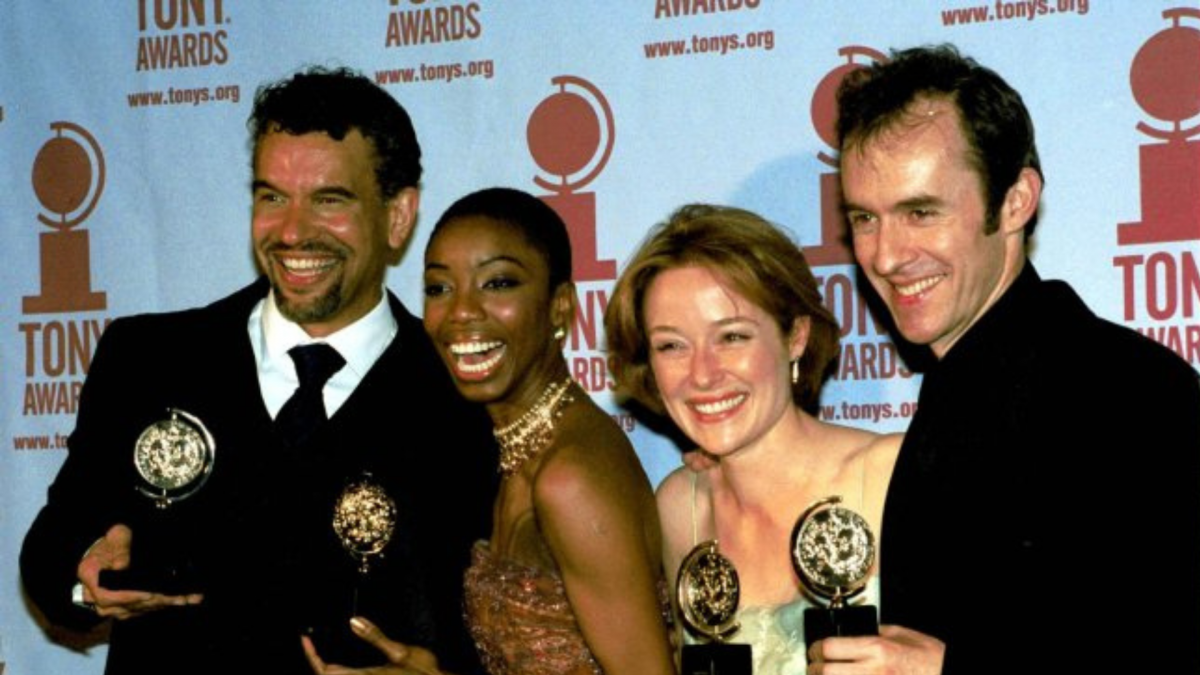
The 54th Annual Tony Awards marked a vibrant moment in Broadway history, celebrating a slate of performers and creatives whose work helped define a new era of theatrical storytelling. As these winners celebrate two and a half decades since their big night, we look back at what earned them Broadway’s top honor and where their careers have taken them since.
Brian Stokes Mitchell – Best Actor in a Musical (Kiss Me, Kate)
One of Broadway’s most iconic leading men, Brian Stokes Mitchell earned his Tony for his performance as Fred Graham / Petruchio in the 1999 revival of Kiss Me, Kate.Today, he remains a cornerstone of the Broadway community. In the years since his win, he has starred in King Hedley II (earning another Tony nomination), Man of La Mancha, Women on the Verge of a Nervous Breakdown, and Shuffle Along. During the pandemic, Mitchell became a symbol of hope with his nightly balcony serenades on West 98th Street, which raised awareness for the Entertainment Community Fund (then called The Actors Fund), where he also served as Chairman of the Board. He continues performing in concerts nationwide and remains one of Broadway’s most beloved ambassadors, even acting as the voice of God during the 2025 Tony Awards.
Heather Headley – Best Actress in a Musical (Aida)
Heather Headley’s electrifying performance in Disney’s Aida made her a Broadway legend overnight. After her Tony win, she shifted into a successful recording career and earned a Grammy Award.Headley later returned to the stage with acclaimed performances as Shug Avery in The Color Purple, the Witch in Into the Woods and Rachel Marron in The Bodyguard. She has also built a robust television résumé with roles in Chicago Med, Sweet Magnolias, and She’s Gotta Have It. Today, Headley remains a multi-hyphenate force who moves between stage, screen, and studio.
Boyd Gaines – Best Featured Actor in a Musical (Contact)
Boyd Gaines won his third Tony Award in 2000 for Susan Stroman’s groundbreaking dance musical Contact. Already a respected stage veteran, Gaines has continued to show his versatility across genres.
He went on to appear in Gypsy (earning another Tony), Journey’s End, Twelve Angry Men, Pygmalion, Driving Miss Daisy, and An Enemy of the People. His screen credits include The Good Wife, Law and Order, and The Goldfinch. Though he has taken a step back from stage acting, with his last role being in 2012, Gaines remains one of the most decorated performers in Tony history.
Karen Ziemba – Best Featured Actress in a Musical (Contact)
Karen Ziemba’s luminous performance in Contact earned her a well-deserved Tony, solidifying her status as one of Broadway’s most dynamic triple threats.In the years since, she has appeared in Curtains, Bullets Over Broadway, Prince of Broadway, The Visit, and Hot Mikado. Ziemba continues to work steadily in regional theatre, Off Broadway, and concert settings, bringing her blend of warmth, dance expertise, and comic timing to every project. She remains a beloved figure in the musical theatre landscape.
Stephen Dillane – Best Leading Actor in a Play (The Real Thing)
Stephen Dillane’s quietly smoldering performance as Henry in The Real Thing earned him a Tony Award cemented his status as one of the most compelling actors of his generation. A British actor known for his intellectual intensity and emotional precision, Dillane has moved fluidly between stage and screen throughout his career. Interestingly, though, this was his only foray to Broadway, with all of his other stage roles coming on the West End
After The Real Thing, he continued to deliver acclaimed theatrical work, most notably in Macbeth and The Tempest, while also branching into film and television with roles in The Hours, John Adams, and Game of Thrones. With a degree in history and politics from Exeter, Dillane remains a master of thoughtful, layered character work, celebrated for bringing a scholar’s mind and a poet’s sensitivity to every role.
Jennifer Ehle – Best Leading Actress in a Play (The Real Thing)
Jennifer Ehle’s luminous performance as Annie in The Real Thing showcased her natural warmth, keen intelligence, and effortless charisma, earning her a Tony Award and introducing Broadway to one of its most versatile talents. She went on to build a distinguished career across mediums, appearing in productions such as The Coast of Utopia (winning another Tony), Oslo, and Design for Living. On screen, Ehle is known for her work in The King’s Speech, Zero Dark Thirty, Contagion, and Fifty Shades of Grey. Whether on Broadway or in film, Ehle continues to impress with performances marked by grace, emotional depth, and impeccable craft.
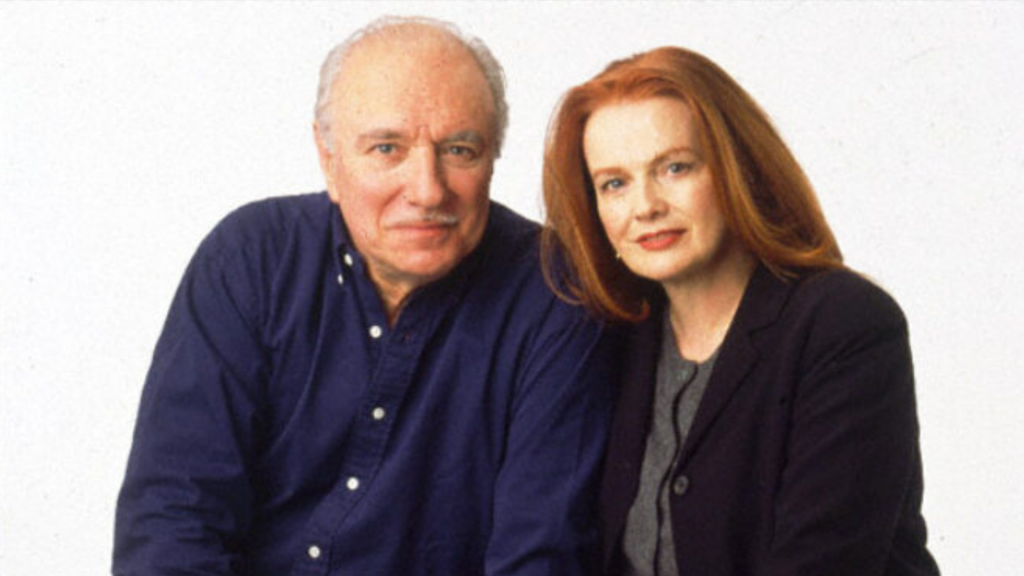
Blair Brown – Best Featured Actress in a Play (Copenhagen)
Blair Brown won her Tony for her nuanced work in Michael Frayn’s Copenhagen, a play that dominated the 2000 season, with wins for Best Play and Best Direction of a Play.After her win, she continued a prolific career on stage and screen, appearing in The Minutes, The Parisian Woman and Mary Page Marlowe. On television, she is widely known for memorable roles in Orange is the New Black, Fringe, and Limitless. Brown remains a respected actor whose work spans drama, science fiction, comedy, and high profile streaming hits.
Roy Dotrice – Best Featured Actor in a Play (A Moon for the Misbegotten)
Roy Dotrice’s commanding turn as the rough-edged yet fiercely devoted Phil Hogan in A Moon for the Misbegotten earned him a Tony Award and reaffirmed his reputation as one of the great character actors of his era. A master storyteller with a booming presence and meticulous craft, Dotrice brought Eugene O’Neill’s world to life with humor, heart, and unmistakable grit. Following his Tony win, he continued a wide-ranging career on stage and screen. Dotrice holds the Guinness World Record for most character voices by an individual for an audiobook for A Song of Ice and Fire. Though he passed in 2017, Dotrice’s wide breadth of work cemented him as a singular talent whose voice and versatility left an indelible mark on audiences worldwide.
Susan Stroman – Best Choreography (Contact)
Susan Stroman’s elegant, movement-driven storytelling transformed the Broadway musical when she won her third Tony Award for Best Choreography for Contact.Since then, Susan Stroman has become one of the most influential directors and choreographers working today. Her credits include the blockbuster The Producers (which earned her two more Tonys in 2001), Bullets Over Broadway, The Scottsboro Boys, Young Frankenstein, New York, New York, and Crazy for You. She remains an essential artistic voice in contemporary musical theatre, championing new works and nurturing rising creators.
As Broadway looks ahead to its next big season of revivals and fresh voices, it’s worth pausing for a look back to the year 2000, when a bold new generation of shows helped shape what modern Broadway would become. Now, a quarter-century later, those musicals and plays are celebrating their silver anniversaries, and many remain as relevant, resonant, and revolutionary as ever. From Aida and Contact to Proof and The Full Monty, the class of 2000 marked a turning point in how Broadway told its stories with pop scores, dance-driven storytelling, and emotionally intimate plays that expanded the definition of what a hit could be.
Aida
When Aida opened at the Palace Theatre in March 2000, it redefined the “pop Broadway musical.” With music by Elton John and lyrics by Tim Rice, the show fused pop, rock, and classical influences into a sweeping retelling of the classic story of forbidden love between an enslaved Nubian princess and an Egyptian soldier. Starring Heather Headley in the titular role in a breakout, Tony-winning performance, Aida ran for more than 1,800 performances and left a cultural imprint far beyond its Broadway run, inspiring international productions and even a rumored revival. Its influence still shows up today in the era of pop-driven musicals like & Juliet and Six.
Contact
Few shows captured Broadway’s imagination quite like Contact. Conceived by Susan Stroman and John Weidman, this dance musical blurred the line between theatre and ballet, using existing music instead of an original score. The production, which moved to Broadway after a successful Off-Broadway debut at Lincoln Center, went on to win the 2000 Tony Award for Best Musical. It was a groundbreaking moment for a show told almost entirely through movement. Stroman’s kinetic storytelling paved the way for other dance-forward works like Movin’ Out and The Times They Are A-Changin’, and her influence continues today in revivals like Crazy for You and new choreography-driven projects across Broadway like 2024 Tony Award nominee Illinoise.
Proof
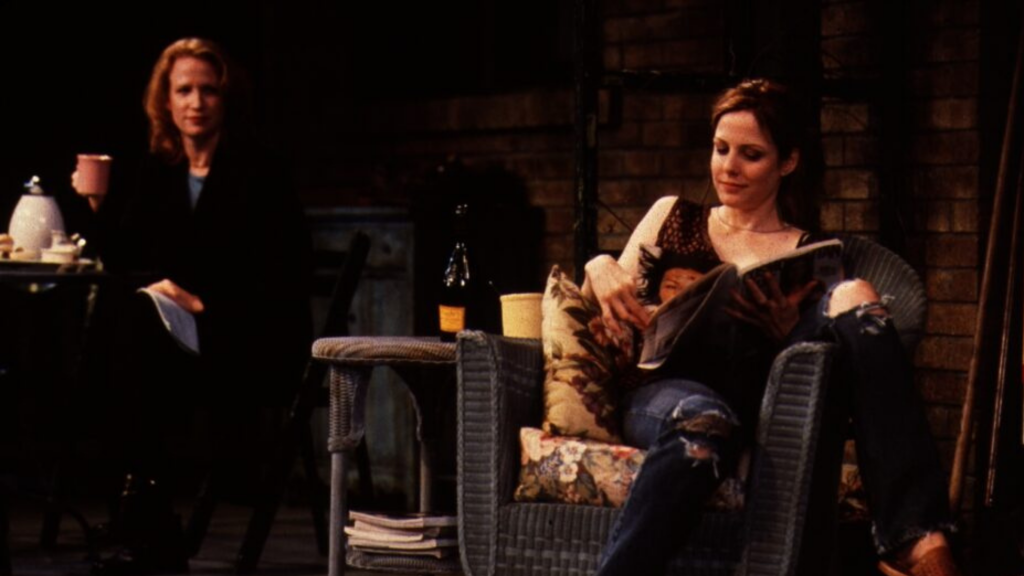
David Auburn’s Proof, which premiered at the Manhattan Theatre Club before transferring to Broadway later that year, became one of the defining plays of the early 2000s. Its mix of intellectual intrigue, family tension, and emotional vulnerability won both the Tony Award for Best Play and the Pulitzer Prize for Drama. Twenty-five years later, Proof is returning to Broadway this season starring Ayo Edebiri, Don Cheadle, Jin Ha, and Samira Wiley — a timely revival for a play that still feels urgent in its exploration of genius, grief, and trust. Its original run also made stars of Mary-Louise Parker and Ben Shenkman, solidifying MTC’s reputation as a launching pad for smart, emotionally rich new writing.
The Full Monty
Before Kinky Boots and Billy Elliot, there was The Full Monty — the blue-collar musical that brought heart, humor, and a little striptease to Broadway. With a score by David Yazbek and a book by Terrence McNally, the show told the story of out-of-work steelworkers in Buffalo who decide to form an unlikely strip act. Opening at the Eugene O’Neill Theatre in October 2000, The Full Monty was an instant crowd-pleaser and earned ten Tony nominations. Its blend of laughter, working-class realism, and sincerity set a tone for the decades of “feel-good” musicals that followed.
Seussical
A fantastical mash-up of Dr. Seuss stories, Seussical was a bright, family-friendly entry into the 2000 season. Written by Lynn Ahrens and Stephen Flaherty (Ragtime), it brought together Horton the Elephant, the Cat in the Hat, and a colorful ensemble of Whoville characters in a whirlwind of rhymes and rhythm. While its initial Broadway run was short-lived, Seussical found massive success in schools and community theaters, becoming one of the most-performed shows in the U.S. Its enduring popularity speaks to the show’s charm — and to the timelessness of Seuss’s message about imagination and inclusion.
Dirty Blonde
Claudia Shear’s Dirty Blonde, directed by James Lapine, explored the life and legend of Mae West and the way her image continued to resonate decades later. With Shear herself in the leading role, the 3-hander offered a fresh, feminist take on celebrity and identity. Dirty Blonde earned five Tony nominations (and is one of the few plays in Broadway history to have its entire cast receive a Tony nom) and remains a benchmark for actor-driven, biographical storytelling on Broadway. Its influence can be felt in later pieces like I Am My Own Wife and Tina: The Tina Turner Musical — shows that blur biography and performance to reveal something deeper about fame and self-invention.
Copenhagen
Michael Frayn’s Copenhagen brought physics, philosophy, and moral ambiguity to Broadway — and made it thrilling. The play dramatized a 1941 meeting between physicists Niels Bohr and Werner Heisenberg, turning a scientific mystery into a riveting human drama. The Broadway production won the 2000 Tony Award for Best Play and showcased the power of intellectual theater at a time when musicals often dominated the conversation. Its success paved the way for other smart, idea-driven plays — from The History Boys to Oslo — that prove audiences will lean in when the writing sparks curiosity.