A Look at the Best Posters from the 2005–2015 Broadway Seasons
Before the curtain rises, a Broadway production’s first and most important challenge is attracting an audience. While reviews and word of mouth can build interest, a show’s most immediate marketing tool is often their key art. A successful design captures the essence, artistic identity, and story of a production in a single image that can command attention on a billboard, magazine, or social media feed.
From 2005 to 2015, Broadway key art reflected an increasingly diverse range of design approaches, blending traditional illustration and expressive typography with photography, minimalism, and increasingly conceptual imagery. Here are the best posters from the 2005–2015 Broadway seasons.
2014–2015: Something Rotten!
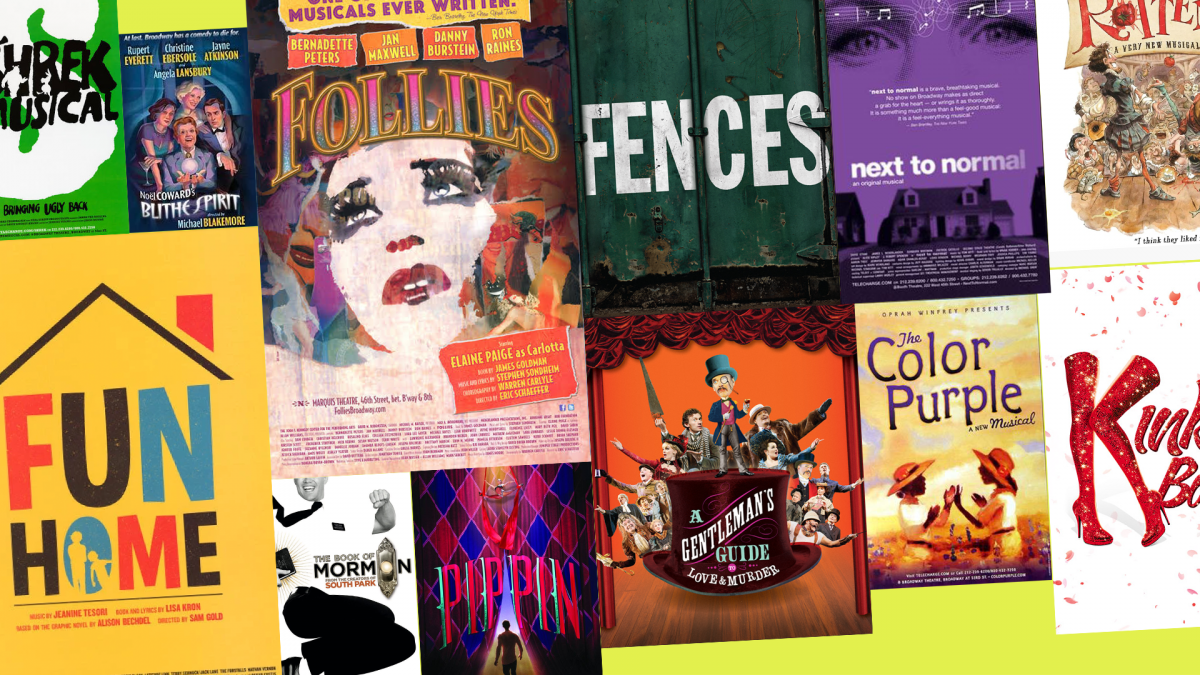
This poster communicates its Renaissance setting and theatrical style almost immediately. The exaggerated Shakespearean imagery and whimsical typography convey the grandeur of the Elizabethan stage while playfully signaling the musical’s irreverent take on the Bard and his work. The detailed composition and tongue-in-cheek visual style instantly capture the musical’s rich theatricality, comedic absurdity, and satirical examination of the Renaissance and show business.
What We Love: It sets the tone perfectly
Honorable Mentions: Fun Home & The King and I
2013–2014: A Gentleman’s Guide to Love and Murder
The old-fashioned-looking composition, ornate typography, and repeated imagery of the various D’Ysquith heirs create a visual sense of farce, inheritance, and impending death without needing a complicated explanation. The boldly bright orange backdrop beams off the design and stands out anywhere. The design also fits the production’s overall aesthetic of stylized period design.
What We Love: It guarantees a fun time
Honorable Mentions: After Midnight & Violet
2012–2013: Pippin
This poster completely reinvents and separates itself from the original production’s design. This key art trades the iconic typography and simplicity for oversized red and teal typography and rich red and blue harlequin curtains which immediately evoke the spectacle and tradition of the circus. The dramatic stage imagery with the title character in the spotlight and the performer emerging from the top of the frame reflects the revival’s fusion of circus acrobatics, theatrical illusion, and Fosse-inspired performance, capturing Pippin’s search for something extraordinary.
What We Love: This new logo is extraordinary
Honorable Mentions: Kinky Boots & Cinderella
2011–2012: Follies
The layered collage of faded photographs, glamorous showgirls, and torn paper feels nostalgic, fragmented, and distorted, perfectly capturing a world consumed by memories of its past. The iconic youthful face remains at the forefront, yet updated with a thematically fitting design including faces that overlap and disappear into one another, visually representing the musical’s central tension between who the characters once were and who they have become.
What We Love: It reinvents a classic
Honorable Mentions: Newsies & Spider-Man: Turn Off the Dark
2010–2011: The Book of Mormon
The minimalist black-and-white design, missionary figure, and enormous doorbell typography create an immediately recognizable visual. The design cleverly plays with the visual language of religious literature while simultaneously making the show’s irreverent comedy apparent. Its visual concept is so immediately clever that you can explain the entire marketing strategy almost entirely through the poster’s composition.
What We Love: It joyously subverts expectations
Honorable Mentions: Anything Goes & Catch Me If You Can
2009–2010: Fences
The poster’s weathered, earthy visual style and image of a green fence are extremely simple but effective. The fence functions literally as the title while also symbolizing the emotional barriers, racial divisions, and boundaries that shape Troy Maxson’s life. The green color scheme reflects the green garbageman jumpsuit Troy wears on stage, with the bold, painted typography in all-caps at the center of the image, reflecting the themes of the fence and the designs of the past.
What We Love: Its bold simplicity
Honorable Mentions: Superior Donuts & Finian’s Rainbow
2008–2009: Next to Normal
The monochromatic purple palette and halftone portrait of Diana’s eyes create an intimate yet unsettling image, while the suburban houses beneath her suggest the seemingly ordinary world hiding beneath her psychological struggles. The color purple is often associated with themes of the subconscious and hidden emotions, while the fading title alludes to Diana’s fading sense of self, making the poster’s visual hierarchy a representation of the show’s themes of family, grief, and mental illness.
What We Love: The hidden messaging
Honorable Mentions: Shrek the Musical & Blithe Spirit
2007–2008: In the Heights
The colorful, densely layered image captures the energy, diversity, and sense of community that define Washington Heights and the story of the show. Each individual figure feels distinct and meaningful, celebrating the neighborhood’s rich culture and the people who call it home. Combined with bold typography and warm colors, the imagery resembles a nostalgic mural or street collage, reflecting the show’s celebration of culture, family, and belonging.
What We Love: The sense of community
Honorable Mentions: South Pacific & Cyrano de Bergerac
2006–2007: Spring Awakening
The vintage photography, bold red stamped title treatment, and youthful figures create a raw, rebellious aesthetic that immediately challenges the polished look of traditional musical theater. The imagery of young people reaching toward one another captures the show’s themes of adolescence, desire, repression, and the struggle to break free from the expectations of society. The key art has a very distinctive visual language that immediately communicates the collision between a restrictive historical world and modern rock music.
What We Love: It redefined Broadway art
Honorable Mentions: Company & The Coast of Utopia
2005–2006: The Color Purple
The deep purple typography and floral imagery connect directly to the title while evoking the themes of nature, resilience, growth, and transformation that define Celie’s journey. The contrasting purple and yellow palette creates a visual tension through their complementary relationship, mirroring Celie’s internal struggles and the discrimination and abuse she endures. The hand-painted aesthetic and organic composition add warmth and spirituality, reflecting the show’s exploration of identity, family, love, and strength through adversity.
What We Love: The rich painterly colors
Honorable Mentions: The Drowsy Chaperone & Absurd Person Singular
With the 2026 Tony Awards concluded, another production has earned the Tony Award for Best Revival of a Play, joining a long tradition of bringing celebrated works back to or finally debuting on the Broadway stage. The category recognizes productions that offer fresh interpretations of established plays, whether through innovative direction, contemporary perspectives, or extraordinary performances. Over the past decade, these revivals have revisited some of Broadway’s most defining works while demonstrating how their stories can continue to resonate with modern audiences. Here is a look back at the Best Revival of a Play winners from the 2016–2026 Tony Awards.
2026: Death of a Salesman
Death of a Salesman is the most recent winner of the Tony Award for Best Revival of a Play and is one of the most reinventive and Tony Award-winning productions of the season. Written by Arthur Miller, the classic play follows Willy Loman, an aging 63-year-old traveling salesman as he faces mental decline, professional failure, and fractured family relationships in his efforts to achieve the American Dream. The sixth revival since its 1949 premiere, this production strips away every façade and convention for a dark and gritty abstraction of the material, setting the play within an expansive warehouse garage space to focus on the emotionally powerful performances from Nathan Lane and Laurie Metcalff.
2025: Eureka Day
Eureka Day opened in the 2024–2025 season alongside six other play revivals, standing out for its brilliant and timely exploration of community, public health, and the difficulty of agreement. Written by Jonathan Spector, the play follows the board of a progressive California private school as a mumps outbreak forces its members to confront opposing views on vaccines and individual freedom. Originating Off-Broadway in 2019, the Broadway production brought Spector’s acclaimed comedy to a wider audience with an ensemble-driven performance that balanced humor and tension while highlighting the complexities of navigating deeply divided communities.
2024: Appropriate
Appropriate opened in the 2023–2024 season alongside four other play revivals, bringing the darkly comedic family drama to Broadway that confronts buried histories and generational prejudice. Written by Branden Jacobs-Jenkins, the play follows three siblings who return to their late father’s Arkansas home to settle his estate, only to uncover disturbing objects that force them to confront their family’s past. Originally produced Off-Broadway in 2014, the Broadway production was deemed eligible for the revival category, with Sarah Paulson earning the Tony Award for Best Actress for her performance as Toni Lafayette.
2023: Topdog/Underdog
Topdog/Underdog opened in the 2022–2023 season alongside five other play revivals, bringing the Pulitzer Prize-winning drama back to Broadway for its 20th anniversary. Written by Suzan-Lori Parks, the tragicomedy follows two estranged brothers, Lincoln and Booth, whose troubled relationship and obsession with the street con game three-card monte force them to confront their complicated family history and identities. The second Broadway production since its 2002 premiere, the revival was praised for its intimate staging and the intense chemistry between Yahya Abdul-Mateen II and Corey Hawkins, whose performances captured the brothers’ volatile relationship, competing ambitions, and deep-rooted resentment.
2022: Take Me Out
Take Me Out opened in the 2021–2022 season alongside eight other play revivals, distinguished by the return of Scott Ellis’s stripped-down staging and landing in an era where the core themes of identity, race, and homophobia in sports remained profoundly relevant. Written by Richard Greenberg, the play follows Darren Lemming, a biracial star center fielder who comes out as gay, forcing his teammates to confront their own assumptions about race, masculinity, and sexuality as their championship season begins to unravel. The first Broadway revival since its 2003 premiere, the production was celebrated for its ensemble performances and intimate locker-room setting, with Jesse Tyler Ferguson winning the Tony Award for Featured Actor for his portrayal of Mason Marzac.
2020/2021: A Soldier’s Play
A Soldier’s Play opened in the 2019–2020 season alongside four other play revivals, bringing the Pulitzer Prize-winning play to Broadway for the first time since its star-studded Off-Broadway premiere in 1981. Written by Charles Fuller, the play follows Captain Richard Davenport as he investigates the murder of Sergeant Vernon Waters on a segregated Louisiana Army base in 1944, gradually uncovering tensions surrounding race, identity, and military service. The production featured a stark barracks-inspired set, a commanding ensemble, and standout performances from David Alan Grier and Blair Underwood, with Grier winning the Tony Award for Featured Actor.
2019: The Boys in the Band
The Boys in the Band opened in the 2018–2019 season alongside six other play revivals, marking the play’s 50th anniversary with an all-openly gay cast. Written by Mart Crowley, the play follows a group of gay men who gather for a birthday party in a Manhattan apartment, where old tensions and insecurities gradually surface over the course of one night. The first Broadway production since its 1968 Off-Broadway premiere, the revival recontextualized the play as a historical period piece, honoring the struggles of mid-century queer men while making the story accessible to modern audiences.
2018: Angels in America
Angels in America opened in the 2017–2018 season alongside nine other play revivals, introducing the revolutionary work to a new generation, brought together by Marianne Elliott’s ambitious staging, bold neon designs, and visceral physical theater to handle the epic seven-and-a-half-hour two-part structure. Written by Tony Kushner, the epic follows several New Yorkers during the AIDS crisis of the 1980s as their lives intersect through love, politics, religion, and questions of identity. The first Broadway revival since its 1993 premiere, the production starred Andrew Garfield and Nathan Lane, who both won Tony Awards for their performances as Prior Walter and Roy Cohn.
2017: Jitney
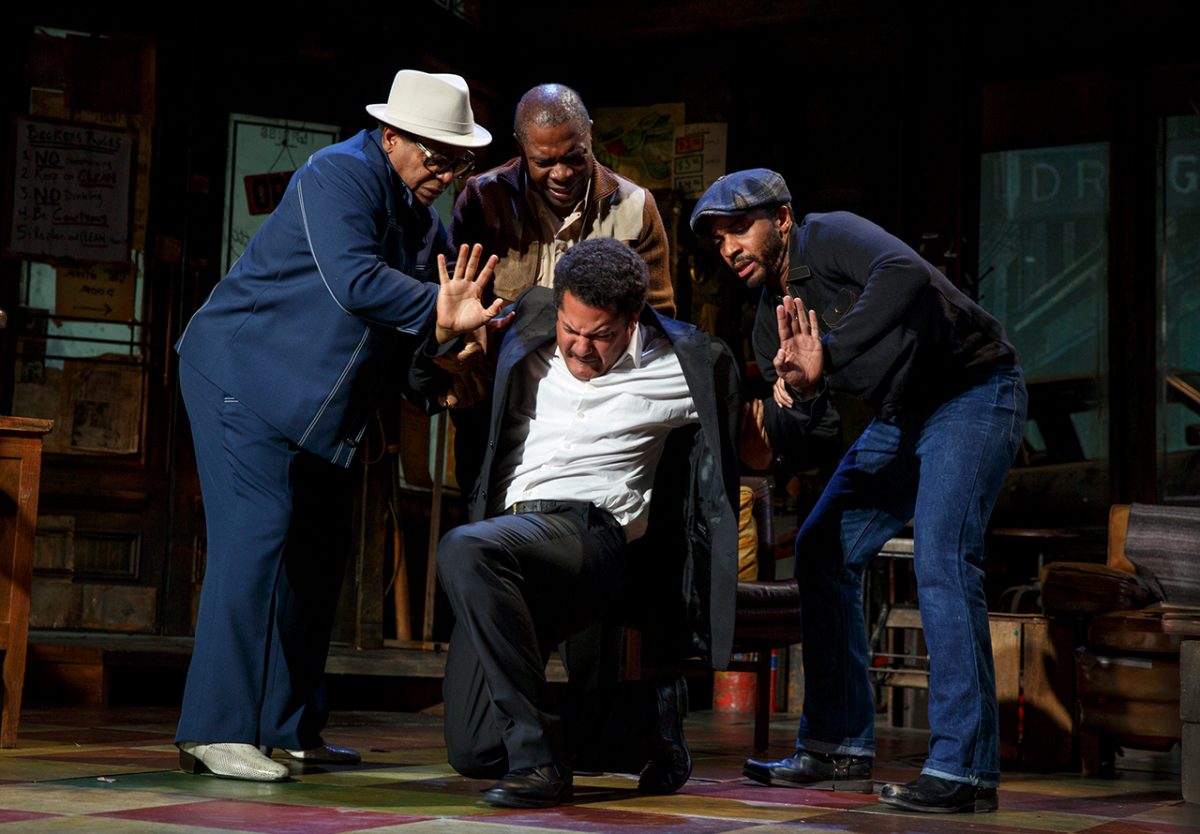
Jitney opened in the 2016–2017 season alongside eight other play revivals, finally completing the Broadway presentation of August Wilson’s ten-play American Century Cycle. Set in a Pittsburgh jitney station in 1977, the play centers on a group of Black cab drivers whose conversations about work, family, race, and generational conflict reveal the changing world around them. The play’s Broadway debut after its 2000 Off-Broadway run and almost 40 years after being written, the historic production was defined by its detailed period setting, tightly connected ensemble, and original music by Bill Sims Jr which helped create a vivid portrait of the community.
2016: A View from the Bridge
A View from the Bridge opened in the 2015–2016 season alongside ten other play revivals, delivering a stripped-down, highly abstract interpretation of the classic to highlight the raw, destructive nature of obsession. Written by Arthur Miller, the play follows Eddie Carbone, a Sicilian-American longshoreman whose growing obsession with his niece Catherine and her relationship with an immigrant creates a devastating conflict within his family and community. The fourth Broadway revival since its 1955 premiere, this production was led by Mark Strong as Eddie Carbone, with a minimalist boxing ring or cage-like set that physicalized how Eddie was trapped by his own repressed desires.
With the end of the 2025–2026 Broadway season, Broadway’s Best Shows looked ahead to see what new productions of plays and musicals were slated to come to Broadway in the very eventful 2026–2027 theatrical season.
Many new play revivals have recently been announced for the next season, with even more to be announced in the coming weeks and months. Let’s revisit the play revivals Broadway’s Best Shows has already discussed were coming, and take a look at what else to expect from the play revivals arriving both on and off-Broadway this Fall through Spring 2027 and beyond.
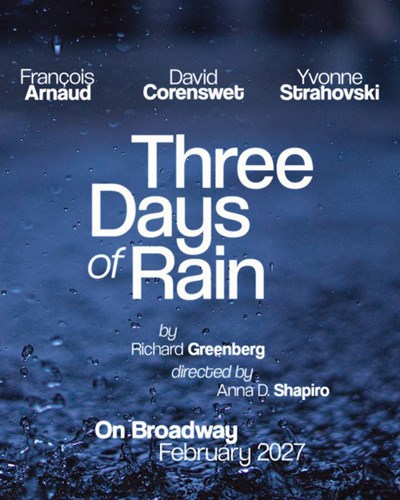
Three Days of Rain: François Arnaud (Heated Rivalry) and David Corenswet (Superman) will make their Broadway debuts alongside Yvonne Strahovski in Richard Greenberg’s play directed by Anna D. Shapiro. The play features three actors who play two roles each, the children in Act I and their parents 35 years earlier in Act II. Performances begin in February 2027 at a Shubert Organization-owned theatre to be announced.
All My Sons: Heavily rumored and most recently seen in the West End starring Bryan Cranston, Arthur Miller’s classic may return to Broadway. The play centers on Joe Keller, a successful businessman who secretly shipped defective airplane cylinder heads during World War II. The play exposes his guilt as his fault caused 21 pilot deaths, leading to a devastating family reckoning over greed and moral responsibility.
Downstate: Reportedly in the pipeline, Bruce Norris’s provocative tragicomedy which originally premiered at the Steppenwolf Theater in Chicago before transferring Off-Broadway in 2022 may be coming to Broadway. The play follows four men convicted of sex crimes against minors living together in a group home in downstate Illinois, and an explosive confrontation with a former victim.
Small Mouth Sounds: Heard through the grapevine, newly Tony and Pulitzer Prize-winning playwright Bess Wohl’s play which ran Off-Broadway in 2016 could be coming to Broadway. Following six city dwellers at a five-day silent retreat guided by an unseen guru, using almost no dialogue to explore human pain, humor, and the need for connection.
School Girls; Or, The African Mean Girls Play: First produced off-Broadway in 2017, School Girls will premiere on Broadway this September at the Samuel J. Friedman Theatre. A comedy about a beauty contest amongst Ghanaian schoolgirls, it will star Tony winner Patina Miller and Tony nominees Denee Benton and Jasmine Amy Rogers.
Other Desert Cities: Julia Louis-Dreyfus will make her Broadway debut in an all-star revival of this play about exposed family secrets, directed by John Benjamin Hickey and opening at the Hudson Theatre in October. It costars Tony nominees Allison Janney, Lily Rabe, and Ed Harris, alongside Stranger Things’ Joe Keery.
A Few Good Men: Lincoln Center will produce the first revival of Aaron Sorkin’s play, opening in October at the Vivian Beaumont Theatre and directed by Michael Arden. The military courtroom drama was first staged in 1989 and was later adapted into an award-winning film starring Tom Cruise, Jack Nicholson, and Demi Moore. The LCT revival will star Bradley Whitford and Tom Blyth.
Much Ado About Nothing: Jamie Lloyd will also direct a revival of Shakespeare’s classic at the Winter Garden Theatre – opening this fall, before his adaptation of Evita rolls into the same venue. It’s also a transfer from London, starring Tom Hiddleston and Hayley Atwell.
The Imaginary Invalid: A new adaptation of Moliere’s classic comedy about a hypochondriac, The Imaginary Invalid was adapted by and will star Bill Irwin. It’s scheduled to play the Todd Haimes Theatre this fall, with performances beginning September 25th.
Awake and Sing!: A revival of the classic 1935 play about a Brooklyn family during the Great Depression will start previews in December at the Samuel J. Friedman Theatre. It will star Tony winner Danny Burstein and Tony nominee Jessica Hecht, recently seen on Broadway in Marjorie Prime and Dog Day Afternoon, respectively.
Gloria: Pulitzer-winning playwright Branden Jacobs-Jenkins’ comedy about magazine assistants will make its Broadway premiere next spring at the Helen Hayes Theatre. It will likely be considered original, although it was previously staged at the Vineyard Theatre Off-Broadway. His play Appropriate was considered a revival, but his 2025 Pulitzer-winning Purpose won the Tony for Best Play.
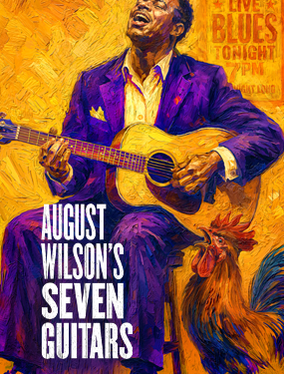
Seven Guitars:Premiering Off-Broadway, Lincoln Center will produce a revival of August Wilson’s play at the Mitzi E. Newhouse Theater directed by Ruben Santiago-Hudson. The American Century Cycle play will star Jason Dirden, Russell Hornsby and Kristolyn Lloyd, among others, and is set to open in November with a limited run through January.
Each Broadway season culminates with one new play joining an exclusive group of works recognized with the Tony Award for Best Play, the highest honor bestowed upon an original dramatic production. More than recognizing the year’s finest new play, it serves as a snapshot of the stories that resonated most with audiences and voters, reflecting the artistic priorities, social conversations, and theatrical innovations of their time. Some Best Play winners have gone on to become modern classics with enduring productions around the world, while others remain closely tied to the specific moment in which they premiered. Looking back at the Best Play winners from the 2016 through 2026 Tony Awards reveals a decade of Broadway defined by bold new voices, timely themes, and an ever-evolving vision of what great theatre can be.
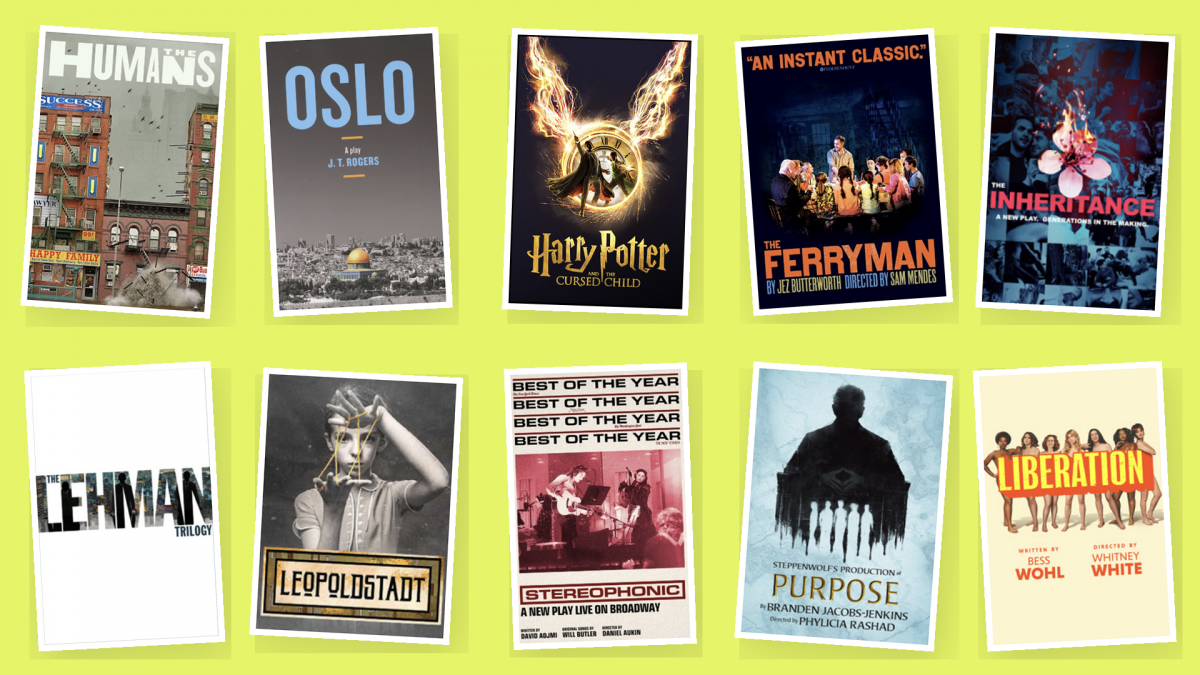
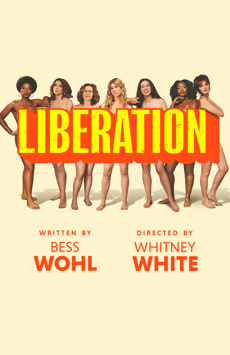
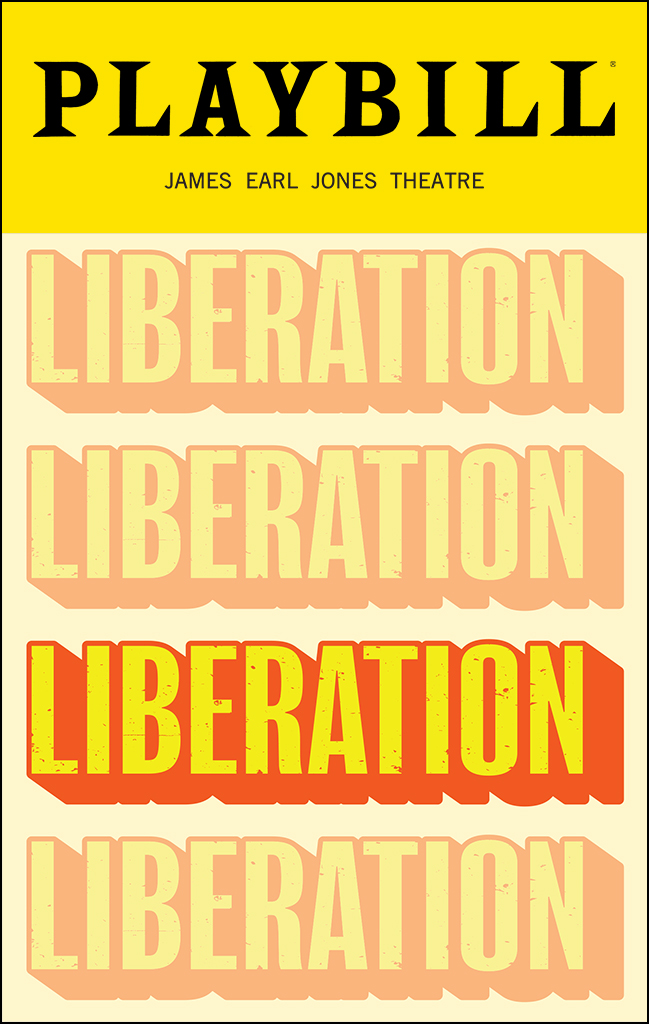
2026: Liberation
Liberation is the most recent winner of the Tony Award for Best Play and one of the defining new dramas of the 2025–2026 Broadway season. Written by Bess Wohl, the memory play intertwines humor with emotional insight as it follows a present-day woman revisiting the unfinished feminist ideals of a 1970s women’s liberation group, exploring how each generation inherits, challenges, and reshapes the dreams of those who came before. In a season with seven other new plays and many esteemed revivals, Liberation distinguished itself through its timely themes, inventive structure, and poignant storytelling, emerging as the 2026 Pulitzer Prize for Drama winner that speaks as powerfully to contemporary audiences as it does to the past.
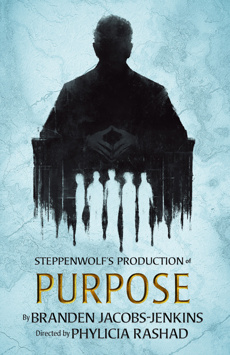
2025: Purpose
Purpose opened during the 2024–2025 season alongside thirteen other original plays and was the 2025 winner for the Pulitzer Prize for Drama. Written by Branden Jacobs-Jenkins, the play follows a prominent Black political family whose carefully cultivated legacy begins to unravel during a tense family gathering, using humor and emotional honesty to examine power, generational expectations, and the burdens of inheritance. In a season filled with accomplished and beloved new plays, Purpose delivered a gripping theatrical experience, acting as a thematic cousin to Jacobs-Jenkins Tony Award-winning play revival Appropriate from the previous season.
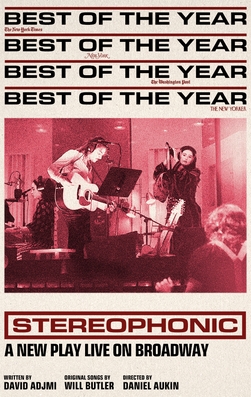
2024: Stereophonic
Stereophonic opened during the 2023–2024 season alongside ten other original plays, quickly becoming a critical and commercial sensation through its immersive realism and extraordinary ensemble performances. Written by David Adjmi, with original music by Will Butler, the play transports audiences into a 1970s recording studio, where a rising rock band struggles to complete a career-defining album as artistic ambition, creative tension, and personal relationships threaten to tear the group apart. Exploring the cost of collaboration, the pursuit of perfection, and the fragile nature of success, Stereophonic captivated audiences with its intimate, fly-on-the-wall storytelling and authentic 1970s-inspired rock score, becoming the most Tony-nominated play of all time.
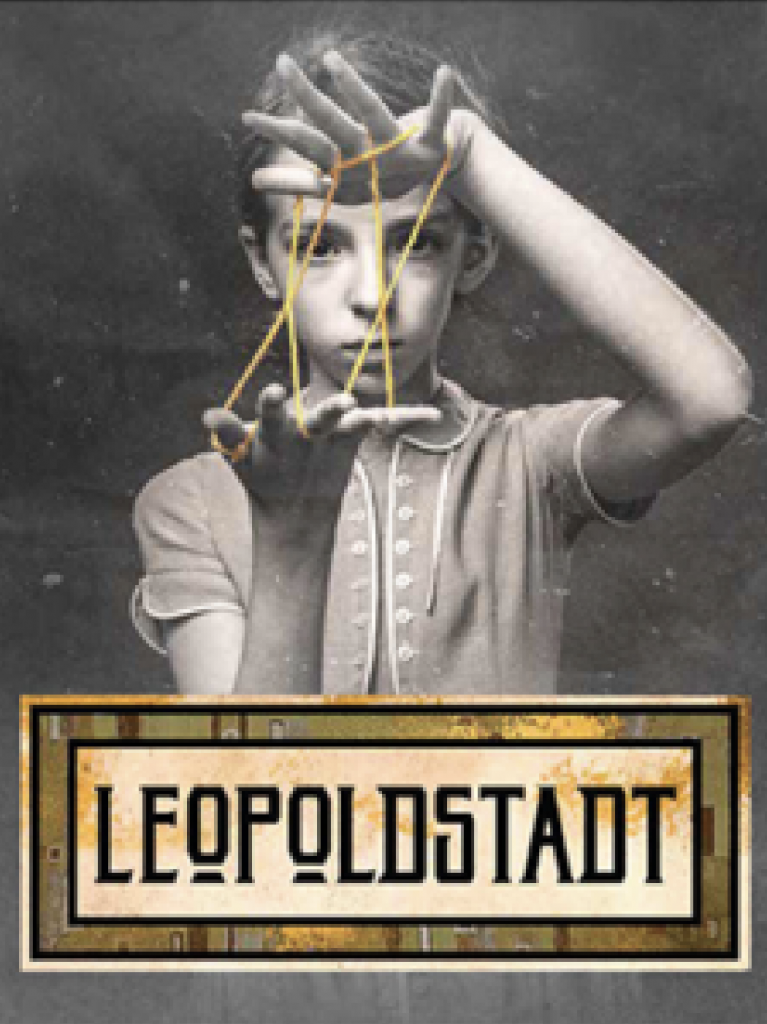
2023: Leopoldstadt
Leopoldstadt opened during the 2022–2023 season alongside a whopping sixteen other original plays, quickly emerging as one of the season’s most acclaimed dramas through its semi-autobiographical historical context and emotional depth. Written by Tom Stoppard, the play spans more than fifty years as it follows a prosperous Jewish family in Vienna through assimilation, rising antisemitism, and the Holocaust, exploring identity, memory, and heritage across multiple generations. Deeply personal for Stoppard, Leopoldstadt offered a moving examination of one family’s history against the backdrop of one of humanity’s darkest chapters.
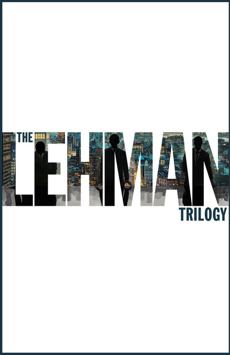
2022: The Lehman Trilogy
The Lehman Trilogy opened during the 2021–2022 season alongside eleven other original plays, captivating audiences with its epic 2 and remarkably inventive theatrical storytelling. Written by Stefano Massini and adapted into English by Ben Power, the play traces the rise and fall of the Lehman family across more than 160 years, charting their journey from immigrant shopkeepers to the founders of a financial empire whose collapse helped trigger the 2008 global financial crisis. Told by just three actors portraying dozens of characters, The Lehman Trilogy transforms the rise and fall of a financial dynasty into an intimate saga about ambition, legacy, and the pursuit of the American Dream.
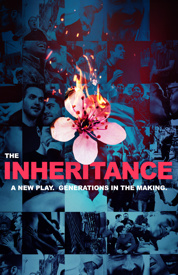
2020/2021: The Inheritance
The Inheritance opened during the 2019–2020 season alongside ten other original plays, earning widespread acclaim for its ambitious and emotional examination of contemporary queer life. Written by Matthew López, the two-part epic follows a group of young gay men in New York as they grapple with love, loss, identity, and the legacy of the AIDS crisis, drawing inspiration from E. M. Forster’s Howards End. Balancing intimate personal stories with larger questions of history, community, and belonging, The Inheritance offers a powerful reflection on what one generation owes the next and the importance of preserving collective memory.
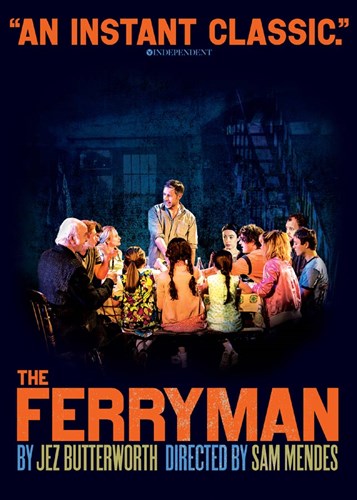
2019: The Ferryman
The Ferryman opened during the 2018–2019 season alongside twelve other original plays, bringing a critical chapter of Northern Ireland’s history to the Broadway stage. Written by Jez Butterworth, the play unfolds over a single harvest day in rural Northern Ireland in 1981, where a close-knit family’s gathering is disrupted by the lingering violence and political tensions of the Troubles. Weaving together family drama and political tension, The Ferryman examines the lasting consequences of conflict, revealing how history continues to shape families long after the fighting appears to have ended.
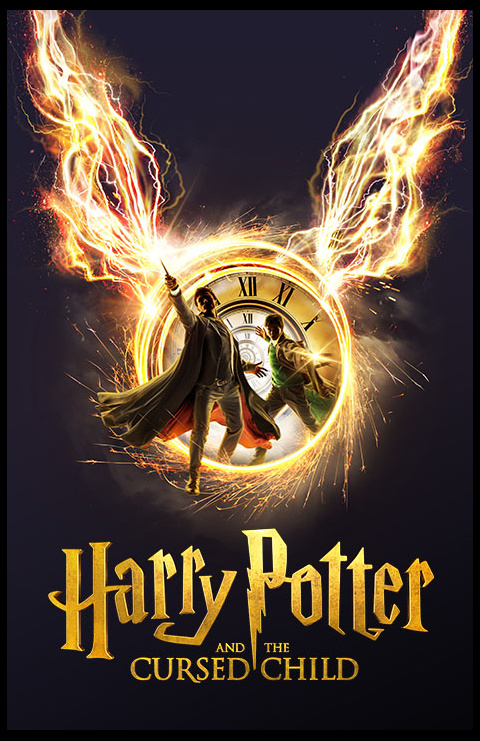
2018: Harry Potter and the Cursed Child
Harry Potter and the Cursed Child opened during the 2017–2018 season alongside seven other original plays, expanding one of the world’s most beloved fictional universes onto the stage through an entirely new theatrical experience. Written by Jack Thorne from an original story by J. K. Rowling, John Tiffany, and Thorne, the play takes place nineteen years after the conclusion of the original Harry Potter series, following Harry’s son Albus and Draco Malfoy’s son Scorpius as they navigate friendship, family expectations, and the consequences of their parents’ pasts. Combining elaborate stagecraft, illusion, and a richly imagined continuation of the wizarding world, Harry Potter and the Cursed Child redefined what the Broadway play can do, becoming the highest-grossing and third longest-running straight play in Broadway history.
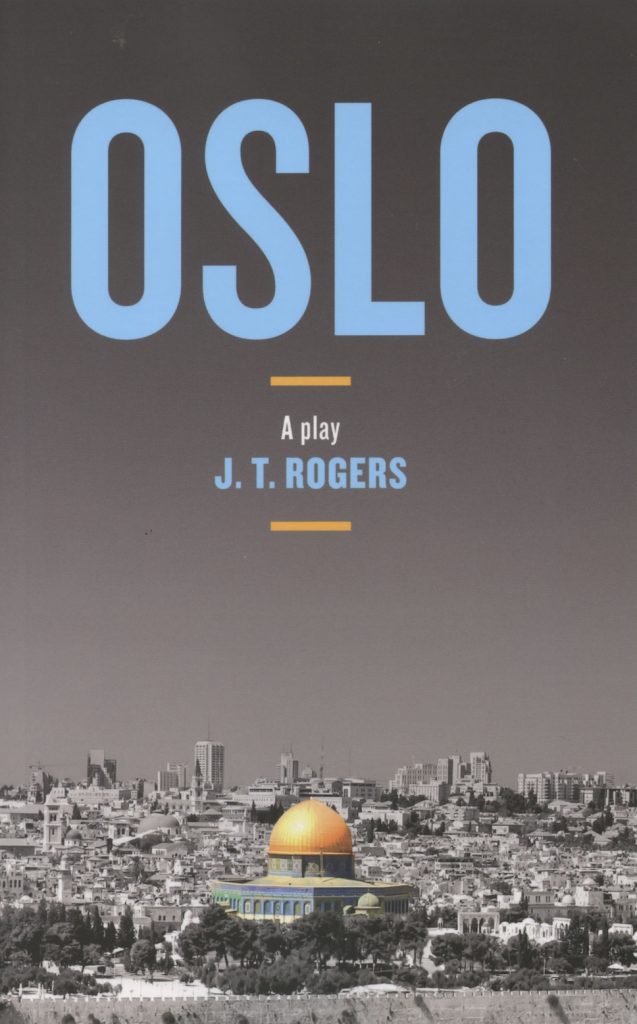
2017: Oslo
Oslo opened during the 2016–2017 season alongside ten other original plays, transforming one of the late twentieth century’s most consequential diplomatic negotiations into a riveting work of political theatre. Written by J. T. Rogers, the play dramatizes the secret backchannel talks that led to the 1993 Oslo Peace Accords, following the Norwegian intermediaries in pursuit of peace between Israel and the Palestine Liberation Organization. Adapted into a Critics’ Choice Award-winning HBO television film in 2021, Oslo reveals the human complexities behind international diplomacy and the extraordinary risks required to bridge seemingly impossible divides.
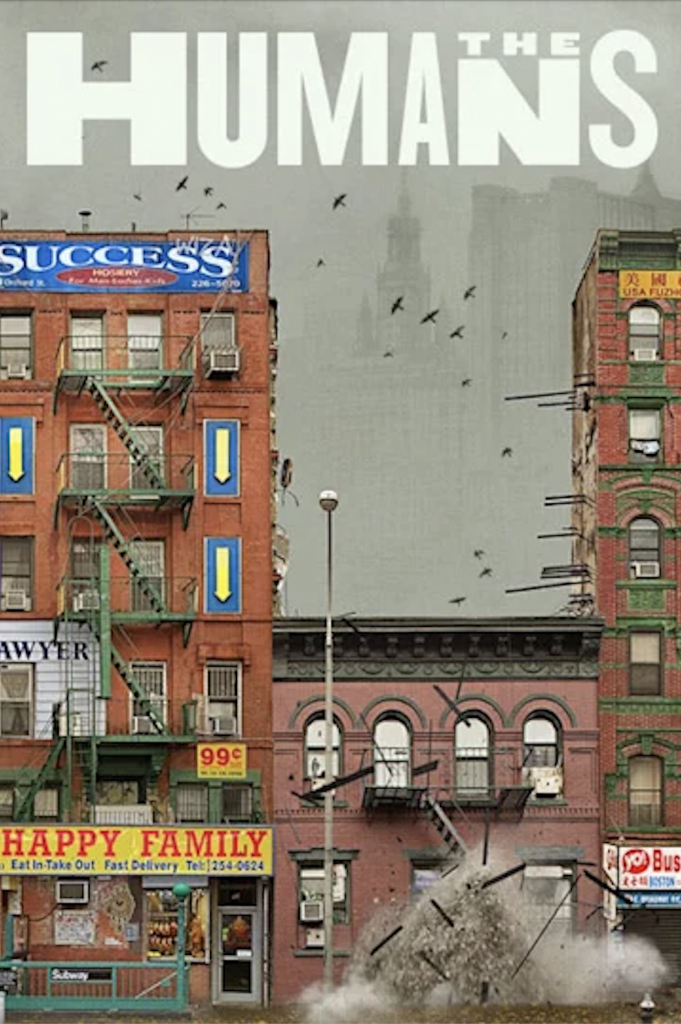
2016: The Humans
The Humans opened during the 2015–2016 season alongside twelve other original plays, turning an ordinary Thanksgiving dinner into one of Broadway’s most unsettling and evocative family dramas. Written by Stephen Karam, the play follows three generations of the Irish-American Blake family as they gather in a cramped Manhattan apartment, where long-buried anxieties, financial struggles, and personal disappointments gradually surface over the course of a single evening. A finalist for the 2016 Pulitzer Prize for Drama, The Humans uses grounded dialogue and psychological suspense to capture the quiet fears and fragile relationships that define contemporary American family life.
With the conclusion of the 2026 Tony Awards, another production has earned the coveted title of Best Musical, the honor every original Broadway musical strives to achieve and one that winners proudly carry throughout their run and long after the curtain falls. More than simply recognizing artistic excellence, the Tony Award for Best Musical often reflects the evolving tastes of Broadway, speaks to the cultural moment in which it is awarded in, and shapes the future of musical theatre for years to come. Yet the award’s history is marked by both transformative, universally celebrated victories and more obscure, controversial choices that continue to spark debate. Here is a look back at the last ten Best Musical winners from the 2016–2026 Tony Awards.
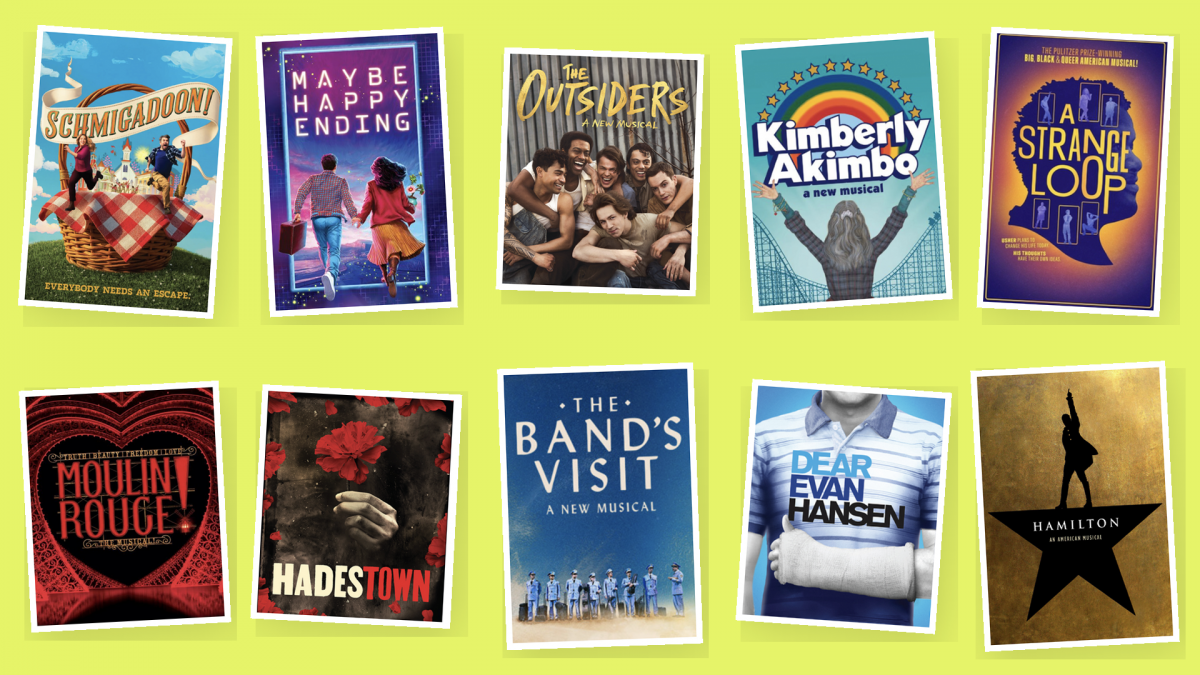
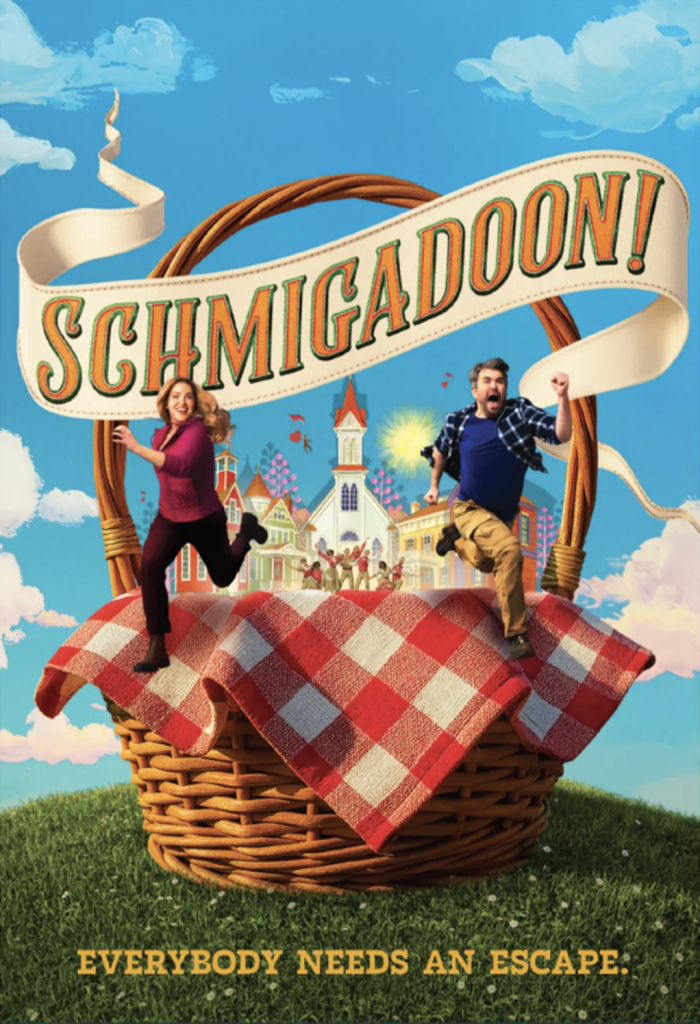
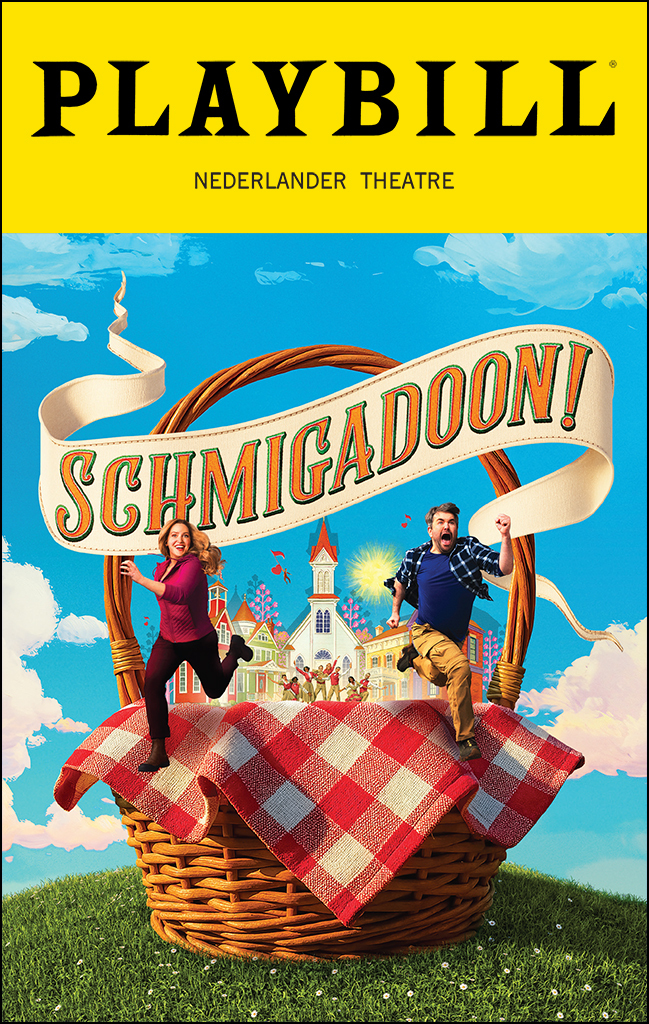
2026: Schmigadoon!
Schmigadoon! is the most recent winner of the Tony Award for Best Musical and the 2025–2026 season’s most accessible crowd-pleaser. Adapted from the Apple TV+ musical series, with music, lyrics, and a book by Cinco Paul, the show serves as the ultimate love-letter to Broadway’s Golden Age, parodying beloved classics like Brigadoon, Oklahoma!, The Music Man, and The Sound of Music in a laugh-out-loud satirical fashion. In a relatively underwhelming season that produced only six original musicals and four Tony nominees for Best Musical, Schmigadoon! emerged as the safest and most universally appealing choice, offering an entertaining, family-friendly spectacle that all audiences can enjoy.
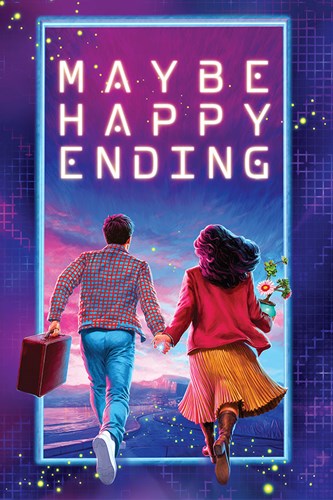
Maybe Happy Ending opened in the 2024–2025 season alongside thirteen other original musicals, yet quickly emerged as one of Broadway’s newest fan-favorites. Featuring lyrics and a book by Will Aronson and Hue Park, with music by Will Aronson, the show beautifully follows the lives and developing relationship of two retired helper-robots, Oliver and Claire, in a futuristic Seoul as they discover what it means to be human. Exploring themes of love, mortality, and memory, Maybe Happing Ending brings a small cast with a big heart to the Broadway stage like nothing before and is still currently running, recently becoming the longest-running production to play at the Belasco Theatre.
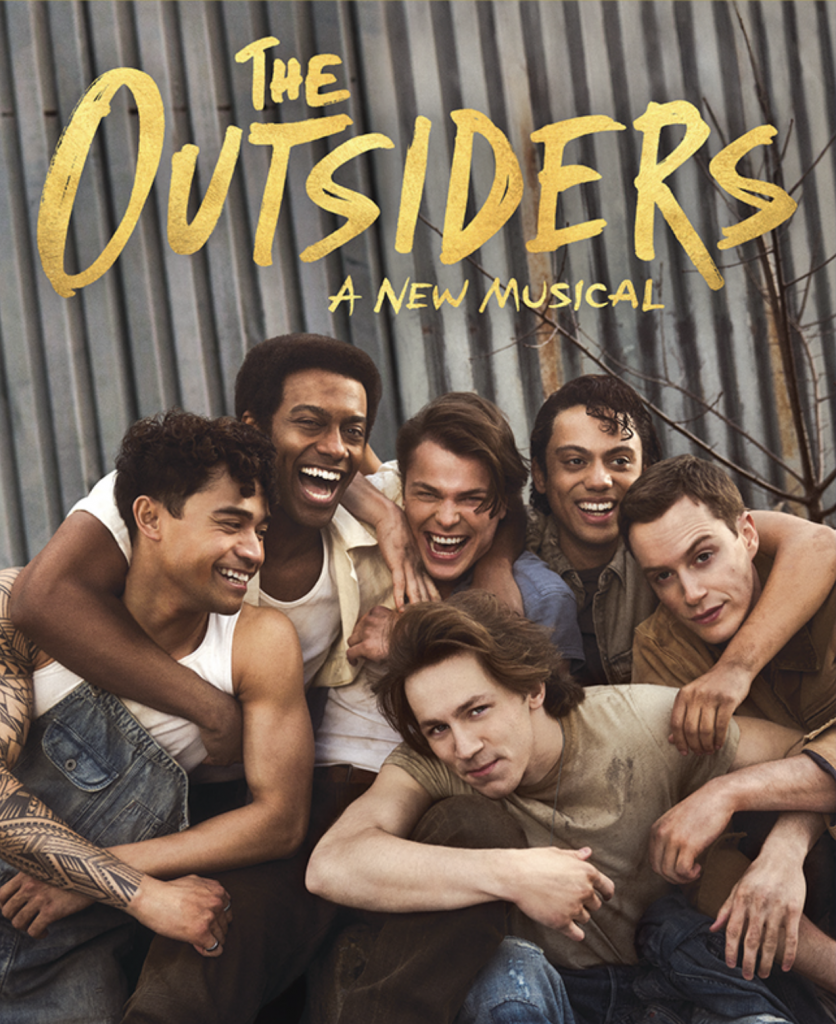
The Outsiders opened in the 2023–2024 season alongside fourteen other original musicals, immediately gaining popularity due to its immersive staging, thrilling choreography, and name recognition. Adapted from S. E. Hinton’s 1967 classic, with a book by Adam Rapp and Justin Levine, and music and lyrics by Jonathan Clay, Zach Chance, and Levine, the show reinvigorates the story of The Outsiders in a powerful way, staying true to the heart of the story while taking liberties to strengthen the material. Currently still running, TheOutsiders has become one of the biggest new musicals on Broadway with a legacy that is still continuing to be built.
Kimberly Akimbo opened in the 2022–2023 season alongside eight other original musicals, delivering a heartfelt and comedic coming-of-age story about mortality, family dysfunction, and adolescent self-discovery. With lyrics and a book by David Lindsay-Abaire and music by Jeanine Tesori, the musical follows Kimberly, a teenager living with a rare genetic condition that causes her body to age at four times the normal rate, creating the unusual opportunity for an older actress to portray both the struggles of adolescence and the weight of a shortened life. With a total run of 644 performances over seventeen months, Kimberly Akimbo made a relatively short but powerful impact on Broadway with its original storytelling, winning over now long-running commercial hits like & Juliet.
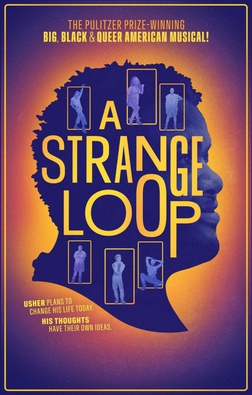
2022: A Strange Loop
A Strange Loop opened in the 2021–2022 season alongside eight other original musicals and is the Pulitzer Prize-winning musical exploration of Black and queer identity that was unfortunately hindered by a post-pandemic season of rebuilding. Featuring music, lyrics, and a book by Michael R. Jackson, the show explores themes of identity, self-perception, and faith through Usher, a young, queer, Black Broadway usher attempting to write a musical about a young, queer, Black Broadway usher writing a musical. While A Strange Loop received widespread artistic and critical acclaim, it struggled to compete with blockbuster newcomers such as SIX and MJ, closing after just 314 regular performances over nine months.
2020/2021: Moulin Rouge!
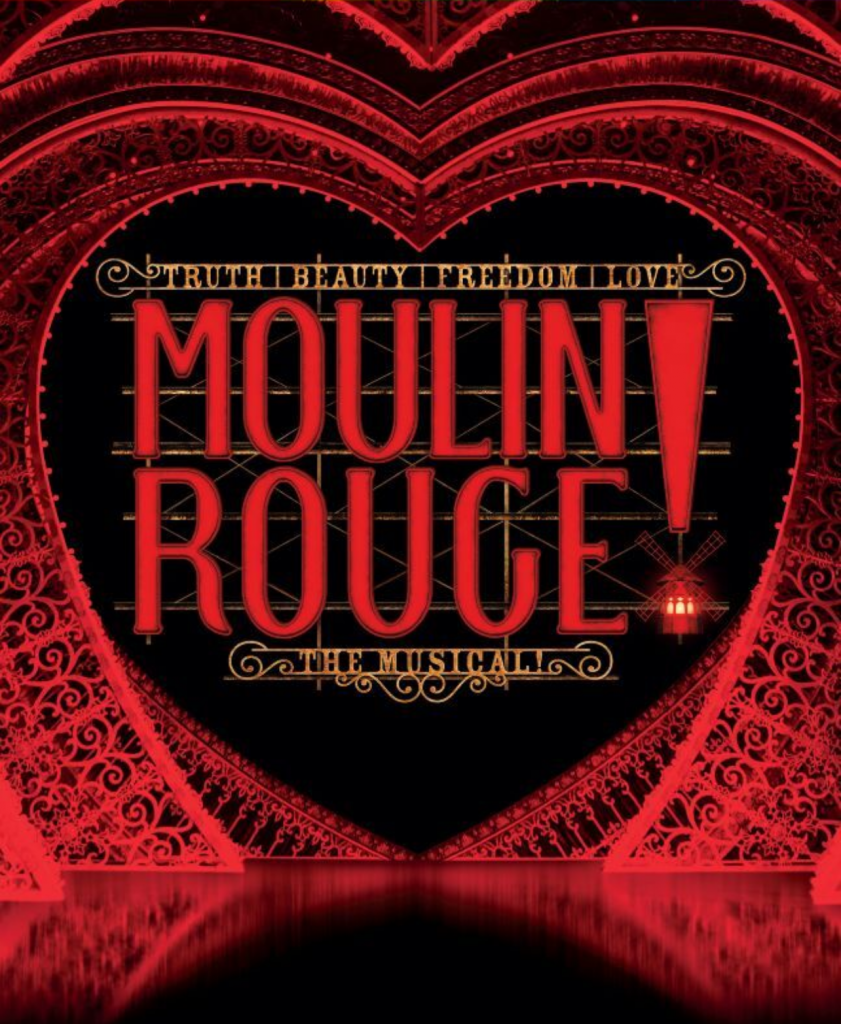
Moulin Rouge! The Musical opened in the 2019–2020 season alongside just three other original musicals, temporarily closing less than a year after its premiere with every other Broadway production due to the COVID-19 pandemic. Based on Baz Luhrmann’s acclaimed 2001 film of the same name, with a book by John Logan and music and lyrics by various artists, the musical has become one of modern Broadway’s defining smash hits, captivating audiences with its iconic jukebox soundtrack, lavish spectacle, and electrifying performances. While the material may have been strengthened by a stunted season, Moulin Rouge! became the only musical from its season to recoup its $28 million investment, and after seven years on Broadway, it has announced a closing date for August 30, 2026.
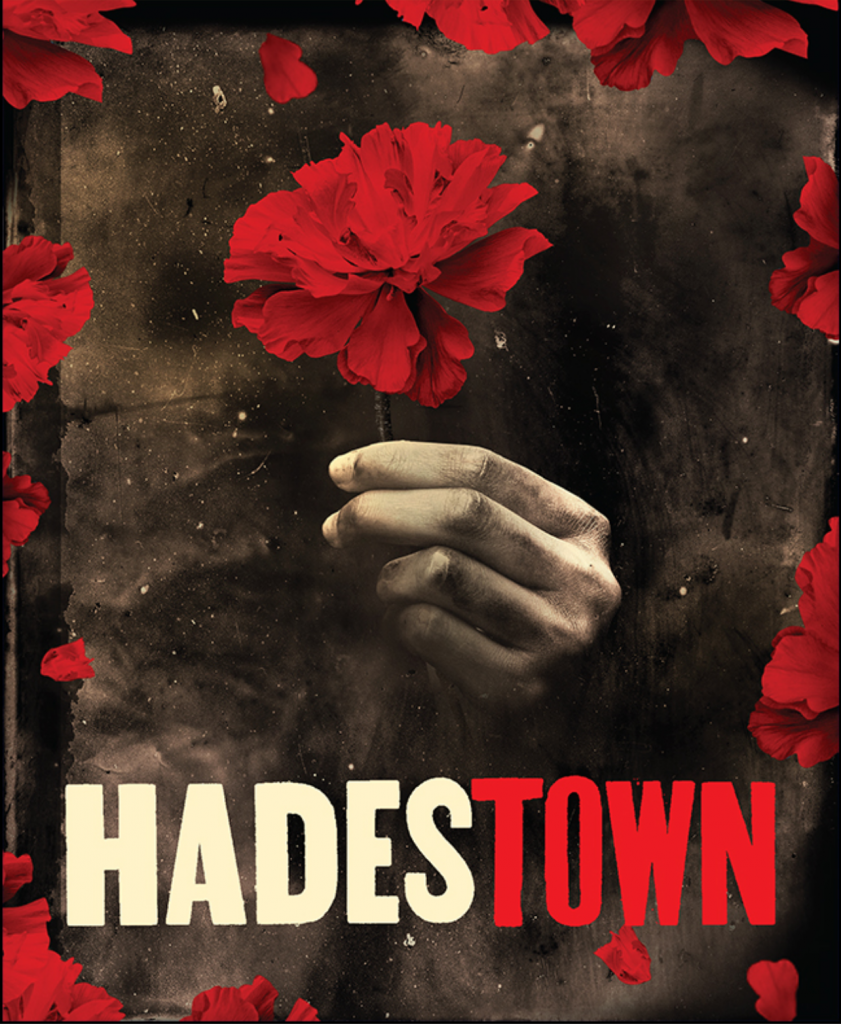
Hadestown opened in the 2018–2019 season alongside ten other original musicals and has since become a defining work of the Broadway canon, celebrated for its haunting folk and jazz-inspired score and its raw, modern retelling of ancient Greek myths. Featuring music, lyrics, and a book by singer-songwriter Anaïs Mitchell, the musical reimagines these timeless stories through poetic storytelling, a striking atmosphere, and powerhouse performances that allow an array of unique ranges and styles to be on display. With its recent record-breaking live stage-capture film debut, Hadestown has continued to reach new audiences, cementing its place as one of the most influential and enduring musicals of its generation.
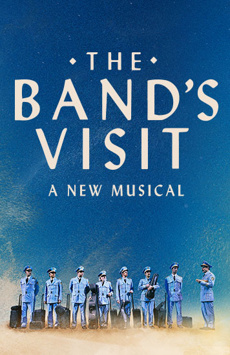
The Band’s Visit opened in the 2017–2018 season alongside six other original musicals, distinguishing itself from its flashier, IP-driven competitors with an intimate, understated, and deeply human story. Adapted from the 2007 film, with a book by Itamar Moses and music and lyrics by David Yazbek, the show follows an Egyptian police orchestra stranded in a remote Israeli desert town, using its atmospheric score and quiet storytelling to explore themes of loneliness, cultural understanding, and human connection. Though it never became a mainstream commercial phenomenon, The Band’s Visit proved that subtle, character-driven storytelling could resonate just as powerfully, sweeping the Tony Awards’ “Big Six” categories and running for 589 regular performances over eighteen months.
2017: Dear Evan Hansen
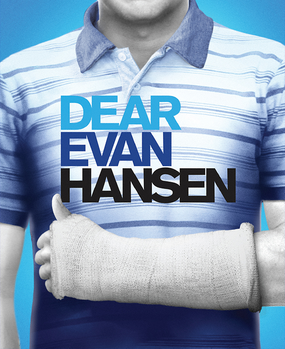
Dear Evan Hansen opened in the 2016–2017 season alongside twelve other original musicals, distinguishing itself in a remarkably strong season with its emotionally resonant exploration of mental health, loneliness, and the complexities of human connection in the digital age. Featuring a book by Steven Levenson and music and lyrics by Benj Pasek and Justin Paul, the musical helped redefine contemporary Broadway by following a deeply flawed protagonist and pairing its timely themes with a soaring pop-rock score that produced modern standards such as “Waving Through a Window.” Dear Evan Hansen has since become one of the most influential musicals of the past decade, inspiring countless recent regional productions, spawning a feature film adaptation, and running for 1,672 regular performances over nearly six years.
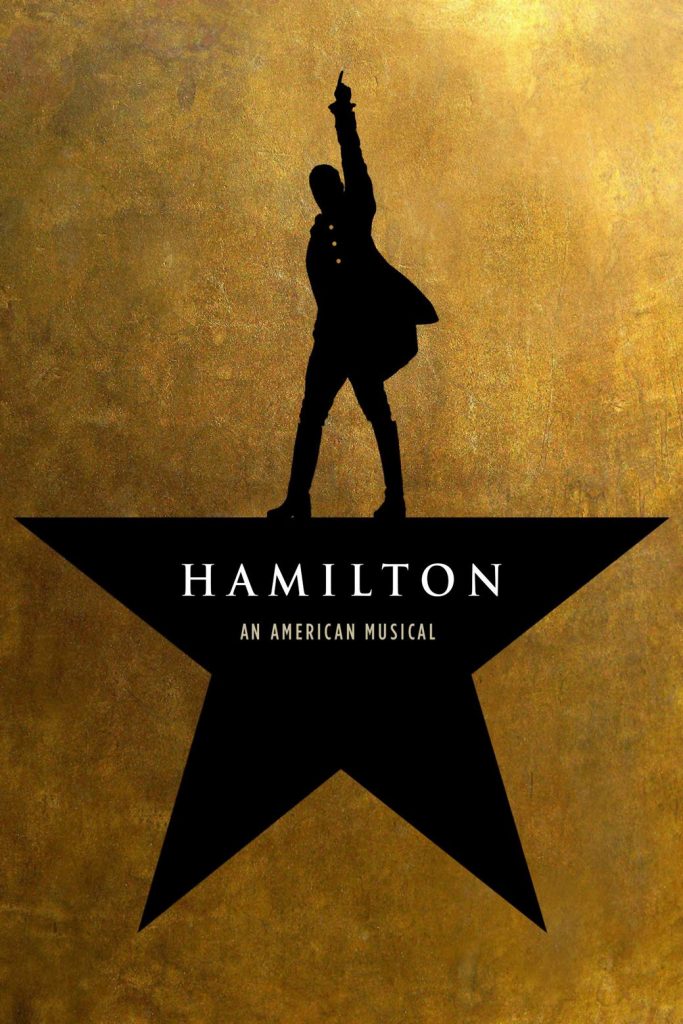
2016: Hamilton
Hamilton: An American Musical opened in the 2015–2016 season alongside eleven other original musicals after becoming an immediate sensation during its Off-Broadway run, transferring to Broadway with an unprecedented $27.6 million in advance ticket sales. With music, lyrics, and a book by Lin-Manuel Miranda, the musical revolutionized Broadway through its groundbreaking fusion of hip-hop, rap, R&B, and traditional musical theatre; its color-conscious casting of historical figures; and its extraordinary cultural impact far beyond the stage. Widely regarded as one of the most defining works of 21st-century musical theatre, Hamilton continues to shape the art form more than a decade after its Broadway premiere, reaching millions through its live productions, its acclaimed live stage-capture, and its best-selling cast recording.
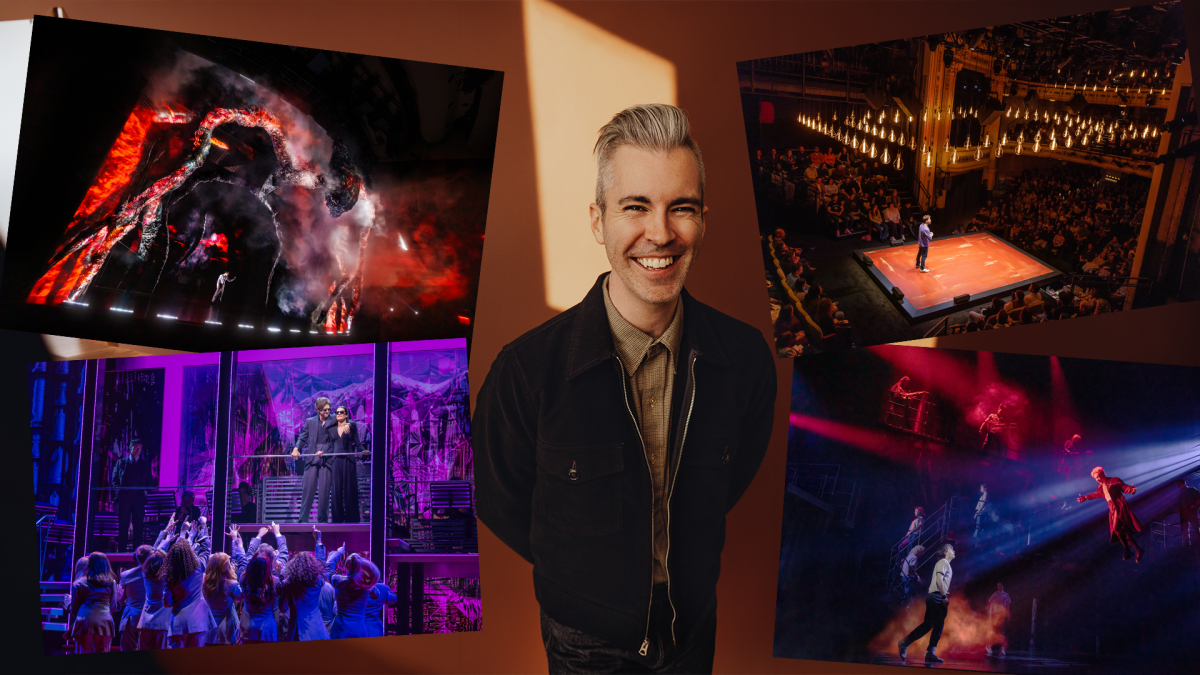
Broadway’s Best Shows sat down with Photographer Matthew Murphy to discuss his work with MurphyMade, the leading photography shop for theatrical photography.
Cover photo of Matthew by Ethan Carlson.
You started as a dancer… what was the moment you realized your path was actually behind the camera, not on stage?
I was fortunate enough to follow my first dream of becoming a professional dancer when I joined American Ballet Theatre in 2003. I spent a fabulous 5 years there, but when I was 22 I retired the tights and picked up a DSLR when I was recovering from Epstein Barr Virus. It was during that time that I really started to photograph a lot of dance—both during rehearsals at ABT and in downtown dance performances of friends’. While I always loved dancing, it quickly became apparent to me that photography allowed me a freedom and variety to my artistic experience that had been lacking in my ballet career. I was fortunate that a lot of opportunities fell into place quickly due to my dance world connections. But it was when I got hired as a freelancer for the Arts section of The NY Times that I really felt this could be a viable career path.
Was there a specific show or moment that felt like your “break” as a photographer?
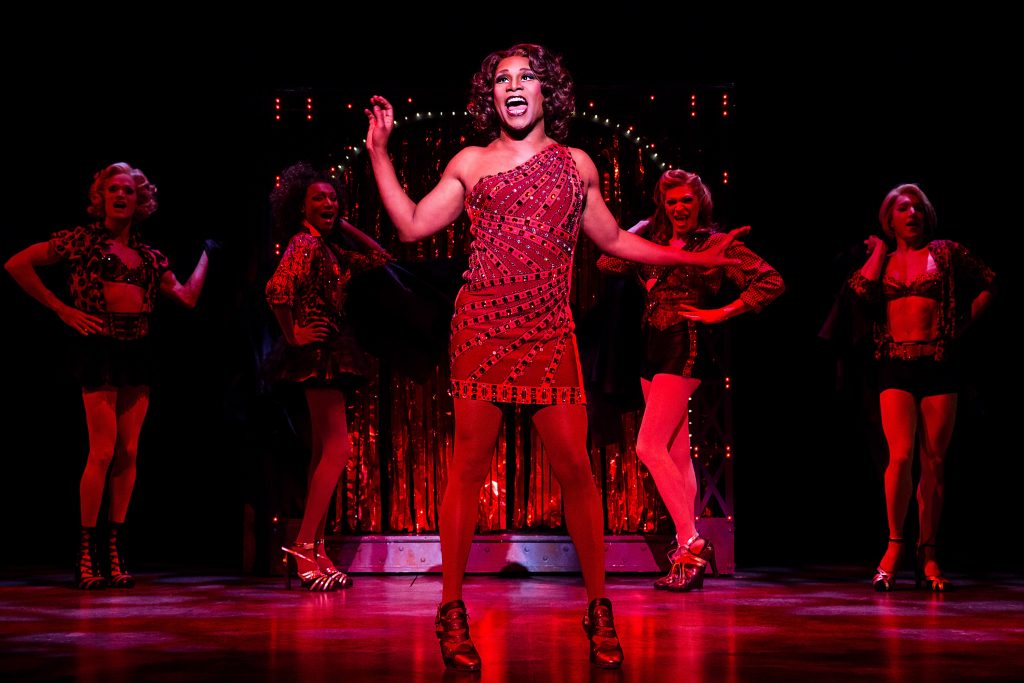
Without a doubt my big break was when I was hired as the production photographer for “Kinky Boots” during their out-of-town tryout in Chicago. I’d met Jerry Mitchell while photographing “Broadway Bares” and then a few years later I reached out while I was in LA visiting my husband’s family to see if he wanted someone to photograph the Hollywood Bowl production of “Hairspray.” To my surprise, he said yes, and from there he mentioned wanting to try to get me on his next Broadway show. That turned out to be the future Tony-winning hit. I often think how different my life would be if Jerry hadn’t put my name in front of Daryl Roth, Hal Luftig, Aaron Lustbader and Rick Miramontez. They all took a chance on a completely unknown kid (I was 26 at the time and had no clue what the role of production photographer really entailed). It was a crash course and they really encouraged me and helped at every step of the way. Forever indebted is an understatement.
What did being a dancer teach you that most photographers don’t instinctively understand?
I could go on and on about how valuable my dance career has been to my photographic career. First and foremost I think dancers have a work ethic ingrained in them that I have taken with me throughout my life. On top of that, my technical expertise about proper dance technique allows me to really parse the difference between an image that protects the integrity of the dancers/choreographer and one that just has energy. I also think it gave me such insight into the different departments—stage management, company management, designers—that lets me communicate clearly with them.
When you’re shooting now, do you still feel like a performer in the room in some way?
I always say that when I photograph my goal is to kind of tether to the performers on the stage and essentially do a pas de deux with them. We should breath as one. Just like a good partner as a dancer, I should be able to anticipate and support the performances while analyzing space and all the design elements and making split second decisions.
Stranger Things
THE ART OF THE PERFECT SHOT
What makes a perfect theatre photograph… is it technical, emotional, or pure luck?
To me a perfect theater photograph should make the viewer feel what it’s like to be immersed in the show. The photograph should go beyond simply documenting the design elements and performances. It should feel completely alive even though it’s still. Some shots are more successful than others at accomplishing that but it’s always the goal. You should hear the photo, not just see it.
When you’re watching a run-through, what are you actually looking for?
When I’m watching a run through I’m usually antsy about wanting to be photographing it. I’d personally always rather learn the show by shooting (and have multiple times to shoot), but if I only get one chance to photograph it I will certainly stop by and see a run through whenever possible. I’m looking for a variety of things: getting a sense of lighting, pacing, and shape of the physical space. I’m also noting if there are any elements of surprise (things that happen so quickly I might miss them if shooting the show without a first look). More than anything though I would say I’m just getting myself acquainted with the creative teams. I check in about any direction/hopes/dreams they have for the shots and make sure all the goals are aligned and expectations are managed as to what is possible.
Is the best shot usually planned… or something you steal in a split second?
I find that the best, most exciting shots are 99% of the time something that happens in a perfect split second during a run through when all of the elements align to make magic. Often that will happen and then you’ll chase that image for years to come when replacement casts come in and you try to replicate the same energy that originally happened organically.
How do you capture energy, something that’s inherently live, in a still image?
You stay really, really tapped into what’s happening at every moment. The adrenaline that goes through your body while photographing a show is akin to waiting for the starting gun of a race to go off—for 2 hours straight.
Have you ever missed “the shot”… and had to live with it?
Oh 10000000%. I’d be lying if I said no. But…as you gain more experience you get better and better at ensuring you get the shots.
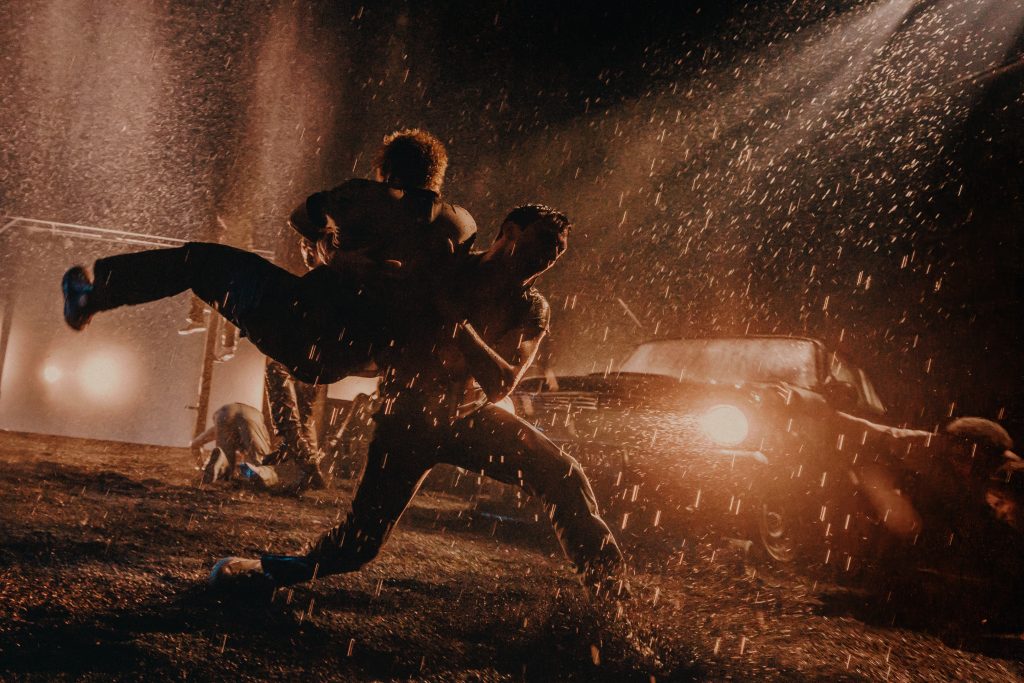
The Outsiders
What’s a photo you’ve taken where you knew immediately, “that’s the one”?
A recent shot that I went into the shoot aiming to get was this tackle moment during the rumble in “The Outsiders.” That entire section is impossibly difficult to shoot…the lighting has extreme changes every couple of seconds so you’re constantly adjusting your settings and reacting to how the performers are situated in the space. I’d really wanted to get this shot, but even once I got it I wasn’t sure it would ever see the light of day. I knew it was exciting, but that doesn’t always mean it gets selected as an official press shot. I was thrilled when it did.
COLLABORATION / POLITICS OF THE ROOM
Who are you really working for in the room… the producers, marketing, the director, or the show itself?
The role of a production photographer is one that wears many hats. Ultimately you’re working for the producers, but you are aiming to deliver photos that please producers, press/marketing teams, the creatives of the show, and the performers. When it really comes down to it, I think if I take the approach of trying to create images that excite me, I tend to hit the mark most fully for everyone. If I go into it trying too hard to shoot in a way that is safe/pleases everyone it usually ends up having diminishing returns. You “yes and” the needs. You make sure you get what the teams think they want, and then you show them something more exciting they may not have thought of by using your expertise behind the lens.
How early do you get involved in a production… and how does that relationship evolve?
It depends production to production and has varied as the industry has evolved. My preference would be to get in the room during rehearsals at the studios to not only get acquainted with the show, but to familiarize myself with the actors and creative teams. I think that ultimately creates the most trust between photographer and subject(s) which you get a sense of in the photos, especially when setups are involved.
Have you ever had creative tension with a team about what the show should look like visually?
I wouldn’t say I’ve had tension over how the show should look, as ultimately my opinion about the design choices is above my pay grade. I’ve had opinions but usually by the point we come in it’s too late for those opinions to have anything but a negative effect. However, I have definitely run into stressful situations where a show might look one way to the eye but looks differently on camera. Or something that when in motion you don’t clock (a design element like a costume, or makeup design for instance), suddenly becomes a glaring issue in a still image. This most often happens during the first photo review for new musicals when all of a sudden the stress of putting on a $20 million show is staring the teams in the face. And suddenly they have to decide…what are the 10 images that are going to differentiate ourselves in the market and sell the show.
How do you balance telling the truth of the show versus selling the show?
I think if I let feeling be my guide I tend to be most successful. By that I mean that when you’re watching a show as an audience member your heart connects a lot of dots and forgives a lot that your eye might not when faced with cold hard facts of a photo-journalistic image. So when I’m creating an image to sell a show—especially if we are doing a setup–, sometimes I do something that I call a hybrid moment which is when you are maybe taking an element or two from one moment and putting it together with something else to make it all coalesce on camera.
What’s the best collaboration you’ve had with a director or performer?
I have been so lucky to have so many. But one that really sticks out to me is my collaboration with Alex Timbers. I’ve worked on 10 of his shows and I always feel like I’m not only trusted but encouraged to explore and create. He is so clear about what he wants (both during the shoot and during the editing process where he’s wonderfully collaborative with notes). He took a chance on me really early on with “Rocky,” which to this day is one of my favorite shows I’ve ever photographed. A big one where I felt like I really came into my photographic voice most fully was “Moulin Rouge” which was a big turning point in terms of helping to create the brand of the show from the ground up. I just never could have imagined being so lucky. I also put it together recently that the first time I ever took a photo in a Broadway theater was during tech of “Bloody Bloody Andrew Jackson” when a friend brought me in and let me snap a couple of shots from the back of the house. And I’m always incredibly excited to see what Alex comes up with next.
TOOLS OF THE TRADE
What kind of equipment is actually essential for theatre photography… and what’s overrated?
For theater photography you absolutely have some requirements in terms of gear. You need what photographers call fast glass, which is a lens that has the ability to function quickly and precisely in low light. These days, you need the ability to shoot silently on a mirrorless camera. You need fast memory cards because you’re usually shooting a lot of images in quick succession. In terms of most overrated…that’s tougher because we tend to be pretty slim in terms of gear.
How do you deal with low light, movement, and the unpredictability of live performance?
In terms of the unpredictability you have to somehow find a way to direct an image without having any control. So that leaves the one thing you have control over to be yourself. Where are you positioned? How are you micro adjusting to split second shifts in staging? Even though I’d probably look relatively calm from the outside, internally it feels like you’re doing math equations constantly.
Are there shots you simply can’t get no matter how good you are?
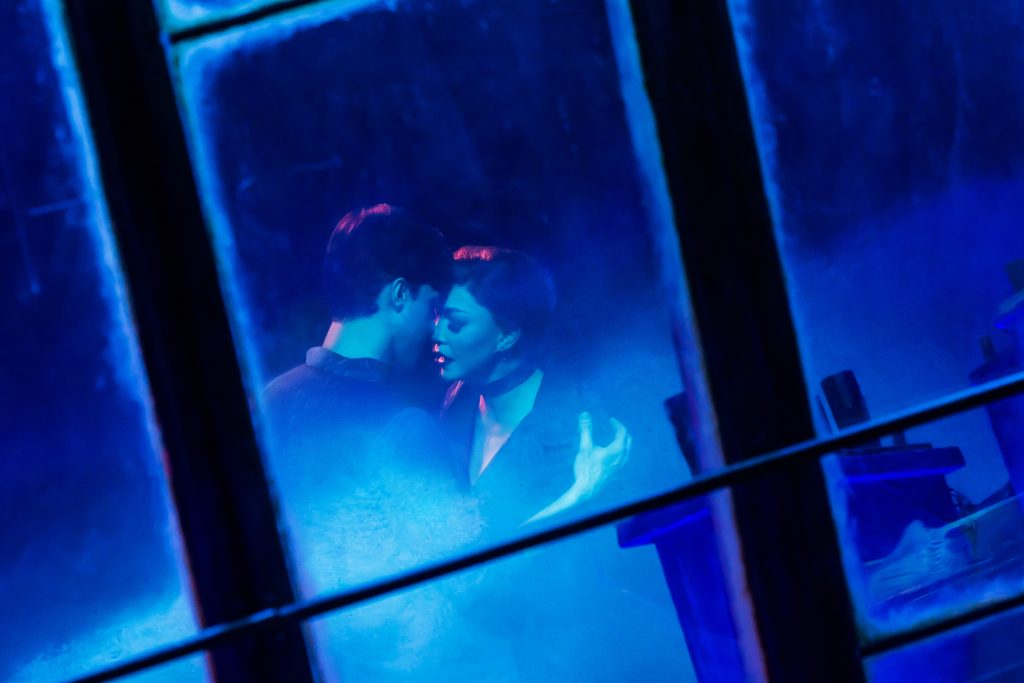
A mantra of mine internally while I’m shooting is that there’s always a shot to be found. The one you think you might need or want could prove impossible for whatever reason, but if you keep doing the math of what’s possible there’s always a shot to be found. One recent one that comes to mind is from “Moulin Rouge” where I was shooting a put-in for the new Satine. She was in costume…most other people were not, including her Christian for a large part of the second act. One of our signature shots is from “Come What May” and I was shooting at odd angles knowing that there was no way to get the expected shot, or even the secondary or third angle shots we’ve done over the years. But I kept saying…there’s a shot here and I figured out that if I could shoot into the reflection of the window and get the angle right I could get an exciting new shot (that needed a little photoshop love to finesse some of his outfit and remove an Apple watch…shout out to our retoucher Peter James Zielinski who does the lord’s work on the production photos that Evan Zimmerman and I take). But if I’d let my brain rest knowing we couldn’t’ get the normal shot I never would have found a new exciting one.
Has technology made your job easier… or just raised the bar?
Definitely both. Mirrorless cameras are mind boggling. It’s hard to remember that for the first half of my career I was shooting on standard DSLR cameras where you couldn’t see the exposure/changes in live time through the viewfinder. You were just looking through a little window to the stage and doing actual math for exposure adjustments in real time as lighting cues shifted and you could steal a second to check on the back of the camera.
THE JOB PEOPLE DON’T SEE
What’s the biggest misconception people have about your job?
That all the best shots of a show are the ones that are released. I would say a huge learning curve for me early on was accepting that for a million different reasons (costumes changing, actors not approving a shot, a certain element being maintained as a surprise) gorgeous shots never see the light of day. A painful reality of the profession.
People think it’s glamorous… what’s the part that’s actually grueling?
The turnaround time on launches is brutal. Often we are shooting a show until 11pm, then editing an initial gallery of photos until 2am or later, waking up at 8am to check in with teams and get the approval process going for a “first look” shot, then waiting on producers, press, actors, ad agencies to weigh in, then hustling through a retouch, sending that through the proper channels for notes, and trying to get an image out the door by 2pm the day of first preview. Exhilarating and exhausting.
I’ve heard theatre photography can be physically demanding… what does a long day actually feel like?
Theater photography is a huge adrenaline rush, so when the show finally ends you feel like you’ve fun a race. Then you’ve got the physical component of holding multiple cameras for hours. I have more back, shoulder, wrist issues than I ever did when I was a dancer.
What does an “easy” day look like… and what’s a day from hell?
An easy day is when I get to be in the room during tech of a new show and all the elements are running smoothly and I’m one of a handful of people seeing a new piece of theater before the first public performance. A day from hell is when someone forgets to call spotlight operators to a musical photo call.
Have you ever had to push through exhaustion or pain to get the shot?
Absolutely. There have been times where because of how tech schedules line up you’re shooting many days back to back (or even two shows in a day) and your brain is fried. In those moments I remind myself to stay curious. And I usually have some Chipotle and a Bloom Energy Drink and keep it peppy.
THE EYE / TASTE LEVEL
How do you develop an eye… can it be taught, or is it instinct?
I think it’s a little bit of both. I think a lot of the “eye” is instinct, but then a lot of it is learned from problem solving and building to your toolbox.
Do you think audiences today read images differently because of social media?
Absolutely. The reality is that these days most people are seeing our images on their phone and so much of the detail is lost. So things like color and movement become especially important to help the image become “thumb stopping” as you’re scrolling.
Are you ever thinking about how a shot will perform online while you’re taking it?
I would say that there are times during setup calls when I think through shooting more vertically so it fits the ratio of social media more easily. But it’s not my guiding principle.
CAREER PATH / BREAKING IN
How does someone actually break into theatre photography today?
I think starting small and slowly building connections and experience. I got my start in cabarets and off-off-off Broadway productions. And honestly learning on shows that didn’t necessarily have the production value of huge mega musicals allowed me to be creative and learn how to problem solve on my feet.
What should young photographers be doing right now if they want your career?
Build that portfolio shot by shot. Analyze why a certain image works and why others don’t.
What mistakes do you see early photographers make over and over?
Airing dirty laundry/complaints online. Group texts exist for a reason.
On top of that, too often I see people reaching out just saying “tell me what to do.” Reach out to people when you are ready to have a conversation, not just siphon info. And before you reach out to people make sure you’ve looked online to see if they’ve answered your questions somewhere already.
LEGACY / REFLECTION
You’ve captured so many shows… do you think about legacy at all?
I recently passed my hundredth Broadway show as production photographer and it was one of the first times I really stopped and reminisced about what the past decade has been like and what the future looks like. I don’t spend a lot of time thinking about legacy, I just keep working hard, leading with kindness and trying to get the next exciting shot.
Is there a moment you’ve photographed that you feel will outlive the production itself?
I think the beauty of production photography is that it is one of the few things that does outlive the production just by nature of a show’s life cycle. But in terms of broader picture, I think the HAMILTON logo is the first thing that comes to mind. I photographed all of the silhouettes and to see parody logos pop up in Disney movies and Legoland renderings…seeing bootleg merch is always a good reminder of how much that star logo infiltrated pop culture.
After all these years, what still excites you when you walk into a theatre with a camera?
The possibility of capturing a real star-is-born performance. I remember when my incredible associate Evan and I were in Chicago photographing BOOP! It was this instant awareness that Jasmine Amy Rogers was a true force that we were witnessing right on take off. Getting to photograph those career milestone moments for people never gets old.
And what still scares you?
I think these days I wouldn’t necessarily say I get scared. I get excited (and a little anxious) before shoots sometimes but rarely actually scared. If anything I get scared a person won’t like a photo that goes out. I always want people to look at an image of their performance and think…wow, that really captures how that moment felt when I was performing.
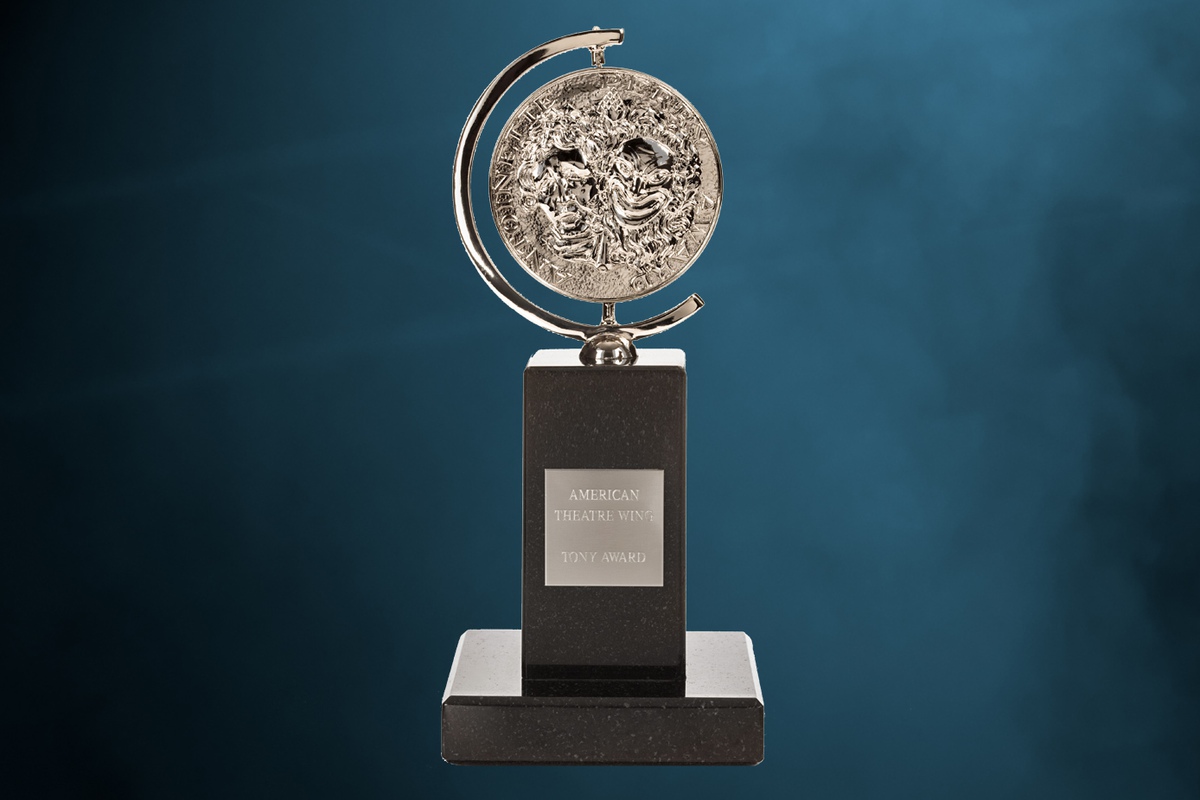
The Tony Award nominations arrive on Tuesday, May 5th at 8am-and with them comes the annual ritual of thrills, confusion, and being personally offended on behalf of someone you’ve never met.
But how does a Broadway show actually get nominated for a Tony Award?
The answer is more interesting than “people vote.” It is also more complicated.
First, a show has to be eligible. Not every great production in New York can compete for a Tony. Off-Broadway shows and touring productions are not eligible. The official Tony Awards FAQ states that only Broadway productions that open in one of the 41 designated Broadway theatres in Manhattan are eligible. So yes, your favorite downtown miracle may be brilliant, devastating, and performed under one perfect bare bulb, but unless it transfers to an eligible Broadway theatre, Tony voters are not circling it on a ballot.
Think of the Administration Committee as Broadway’s Supreme Court – except the cases involve whether an actress counts as “featured” and the oral arguments happen over lunch. Is a performer leading or supporting? Is something a revival if it’s never actually been on Broadway before? The committee decides, and then everyone else argues about it loudly until June.
That matters because Tony categories are not always as obvious as they look. Is a performer leading or featured? Is a production a revival even if it has never been on Broadway before? Is a role placement determined by billing, producer request, or committee judgment? The answer is often: let the Administration Committee decide, and then let everyone else debate it loudly until June. Many times, producers will petition a category (for example, an actress to be put into a featured role instead of lead) to help with their chances of winning, but at the end of the day, the committee is there to determine it.
Once eligibility is settled, the nominations themselves are chosen by the Tony Awards Nominating Committee. This is a rotating group of theatre professionals selected by the Administration Committee. They serve overlapping three-year terms, are asked to see every new Broadway production, and then meet shortly after the eligibility deadline to determine the nominations by secret ballot. The ballots are supervised by an accounting firm to check accuracy.
In other words, this is not the full Tony voting body deciding nominations. It is a smaller group of nominators whose job is to watch the season, consider the eligible candidates, and vote.
For the 2025-2026 Broadway season, the Tony Awards announced a Nominating Committee of 64 members. The group includes actors, directors, designers, producers, writers, administrators, educators, and other theatre professionals. That range matters. The idea is that the nominations should come from people who understand the many crafts that make Broadway Broadway, from the person belting downstage center to the person who crafted the sound.
After the nominations are announced, the process shifts. The winners are chosen by the larger Tony voting body. The Tony Awards says there are approximately 831 eligible voters, though that number can fluctuate year to year. Voters include members of The Broadway League, the American Theatre Wing, theatre unions and guilds, critics, casting professionals, press agents, managers, and the Nominating Committee.
Photo credit: Schmigadoon! on Broadway. (Photos by Matthew Murphy and Evan Zimmerman)
Of course, every season comes with its own share of “wait… what?” moments, and this year delivered. The Tony Awards Administration Committee made a notable ruling that Marjorie Prime would be eligible for Best Revival of a Play, despite never having appeared on Broadway before, a reminder that “revival” can mean returning to prominence, not just returning to Broadway. Then there’s Schmigadoon!, where composer Cinco Paul was deemed eligible for Best Original Score, even though the music technically originated on television, signaling a continued evolution in how the Tonys define “written for the theatre.” And in the ever-strategic world of performance categories, both Jessica Vosk and Kelli Barrett were ruled eligible as Leading Actress contenders for Beaches, despite initial hopes to position Barrett in Featured. When that happens, the category doesn’t shrink, it expands, meaning more nominees and a slightly more crowded race. In other words, even the rules have plot twists.
There’s one more catch worth savoring: voters are expected to actually attend the productions they vote on. Skip a show and fail to log it in the Tony Voter Portal, and you’re locked out of voting in its categories. In other words, you cannot phone in the Tonys – even if you very much want to.
So the Tony nomination process is really a three-act play – one that somehow requires four committees and an accounting firm just to reach intermission.
Act One: a Broadway production opens and qualifies. Act Two: the Administration Committee rules on categories and eligibility. Act Three: the Nominating Committee sees everything, convenes, and votes by secret ballot. Curtain.
The Tonys matter because Broadway people care. A nomination can extend a run, change a career, boost a box office, and introduce audiences to shows they might otherwise miss. It is industry procedure, yes, but it is also storytelling. Every nomination morning tells us what Broadway is choosing to celebrate, what it is still wrestling with, and which performances managed to cut through the noise.
The Tonys may end with a trophy, but they begin with rules, committees, eligibility meetings, and a room full of people who saw everything.
The curtain has come down. Every show has opened and the 2025–2026 Broadway season is now history. Before the Tonys hand out their envelopes and the discourse shifts to who won and who was snubbed, it’s worth pausing to ask a quieter question: what was Broadway actually saying this year?
Taken together, this season told us something, not in any single show, but in the accumulation of them: the recurring questions, the shared anxieties, the themes that kept surfacing across very different stages. Here’s what we found.
By Jim Glaub
This season asked: who are you, really?
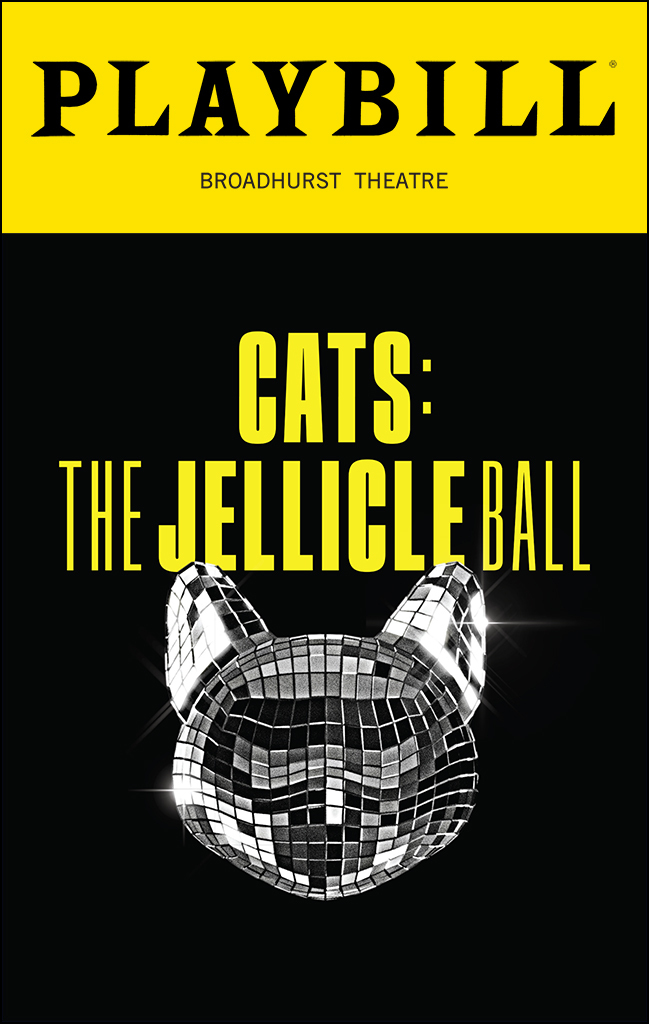
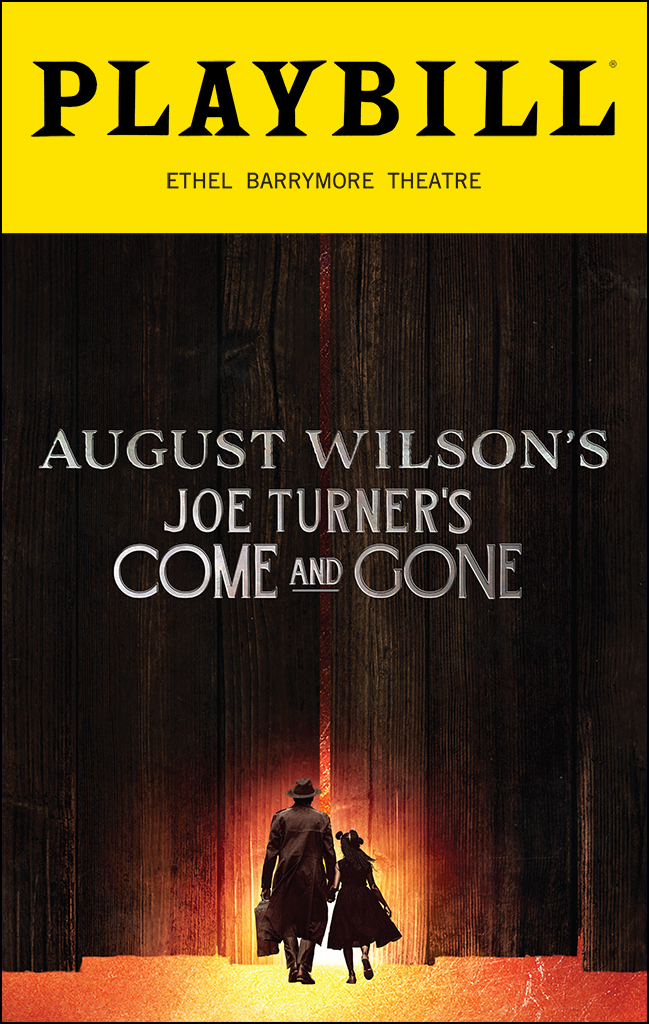
Identity was everywhere. The Lost Boys explored the fear of growing up and what we sacrifice when we refuse to. Cats: The Jellicle Ball turned selfhood into something performed, shaped by community and spectacle (and death drops). Call Me Izzy made the simple act of naming yourself feel like the most consequential thing a person can do. Joe Turner’s Come and Gone went deeper still, tracing what it takes to reclaim an identity that history tried to erase, and The Rocky Horror Picture Show reminded us, joyfully and defiantly, that self-expression needs no apology.
These are completely different shows circling the same question: who am I?
This season asked: can you trust what you know?
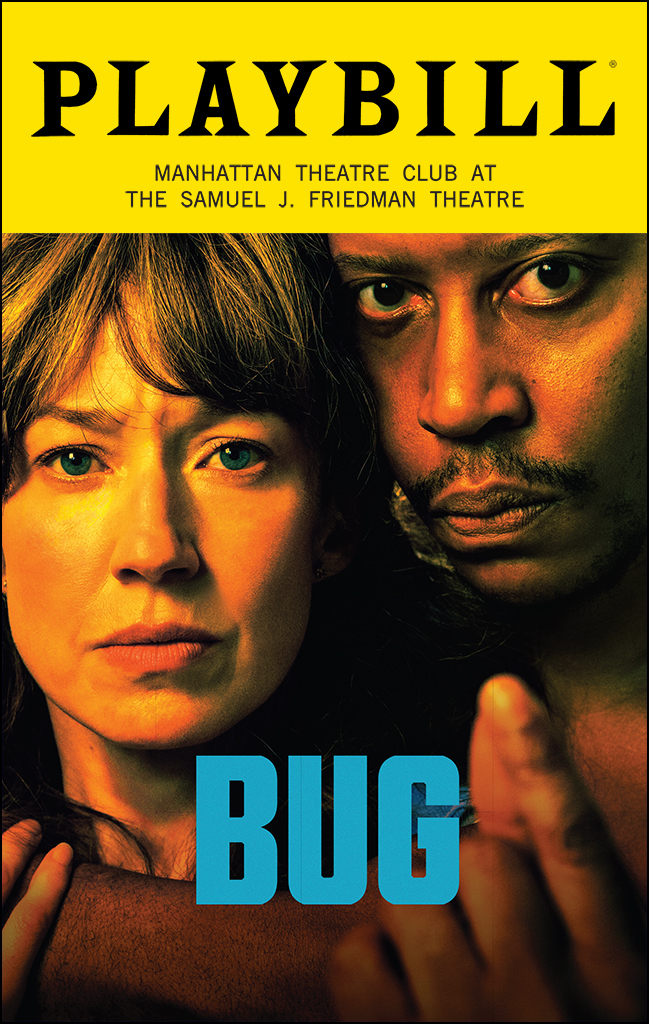
Several productions this year put perception itself on trial. Proof followed a woman wrestling with whether she can trust her own brilliant mind. Bug watched paranoia quietly dismantle reality. Oedipus delivered its ancient warning: that the truth, once uncovered, cannot be unfound. Marjorie Prime asked something gentler but no less unsettling, whether the past is something we remember, or something we build. And The Fear of 13 argued that truth doesn’t reveal itself. Someone has to fight for it.
In a year when fact and fiction feel increasingly negotiable, Broadway put truth itself on trial and didn’t offer a verdict.
This season asked: who built this, and who pays for it?
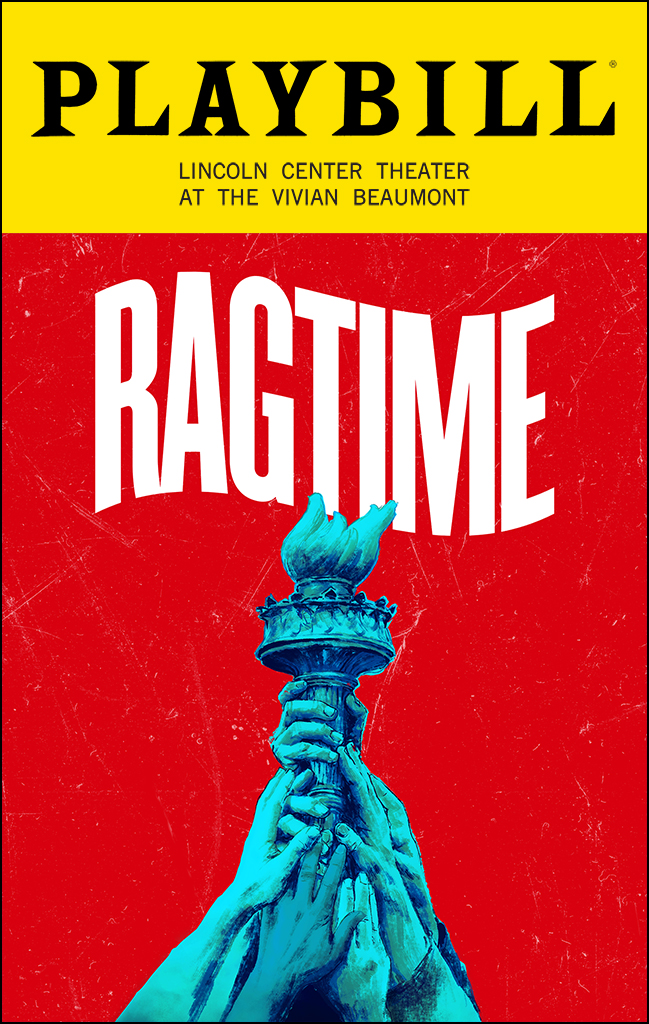
The season’s most politically charged work gathered around questions of power and legacy. Death of a Salesman, as devastating as ever, laid bare the gap between the American Dream and American reality. Ragtime brilliantly mapped the contradictions of national identity across race, class, and immigrant experience. The Queen of Versailles examined what excess looks like from the inside, and what it looks like when it falls apart. Giant traced how power shifts across generations, while Liberation and The Balusters both asked how long any system can hold before its foundations show.
These are not abstract questions, they are the questions on the front page every morning. This season, Broadway held up a mirror and the reflection was uncomfortably familiar.
This season asked: what happens after the moment you can’t take back?
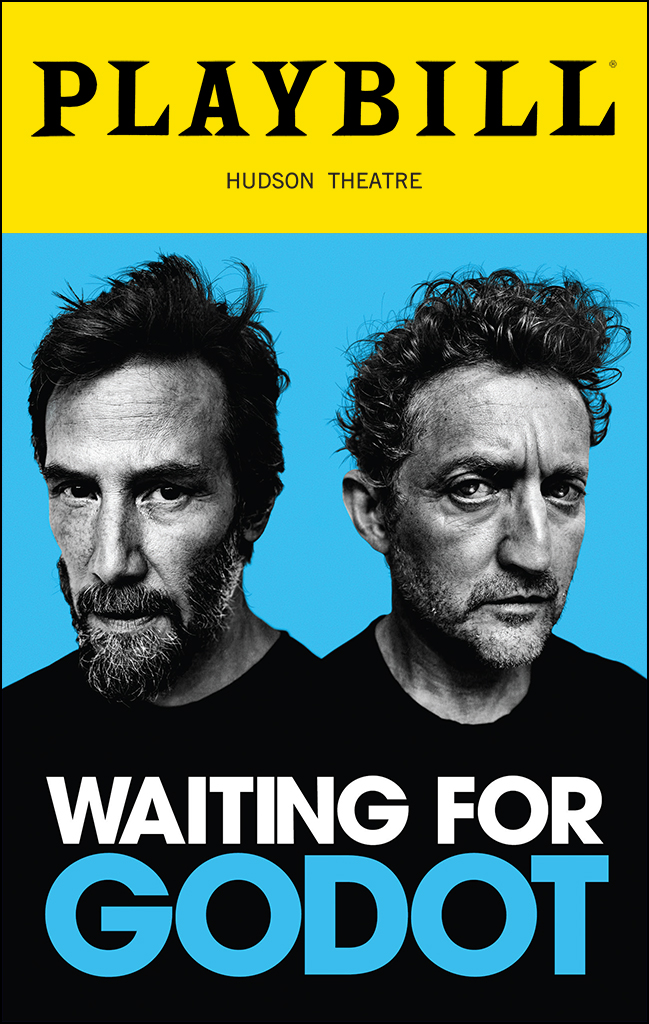
Some of the season’s most gripping work lived in aftermath. Dog Day Afternoon put a desperate man under a public microscope and watched the pressure build. Punch followed the ripple effects of a single act of violence far beyond its origin. Becky Shaw looked at the quieter damage: what happens when well-meaning people make careless choices and the people around them absorb the cost. Waiting for Godot made the case, quietly, that choosing not to act is still a choice, and it carries weight. Little Bear Ridge Road asked what happens when emotional distance quietly becomes permanent.
This season asked: who do you hold onto?
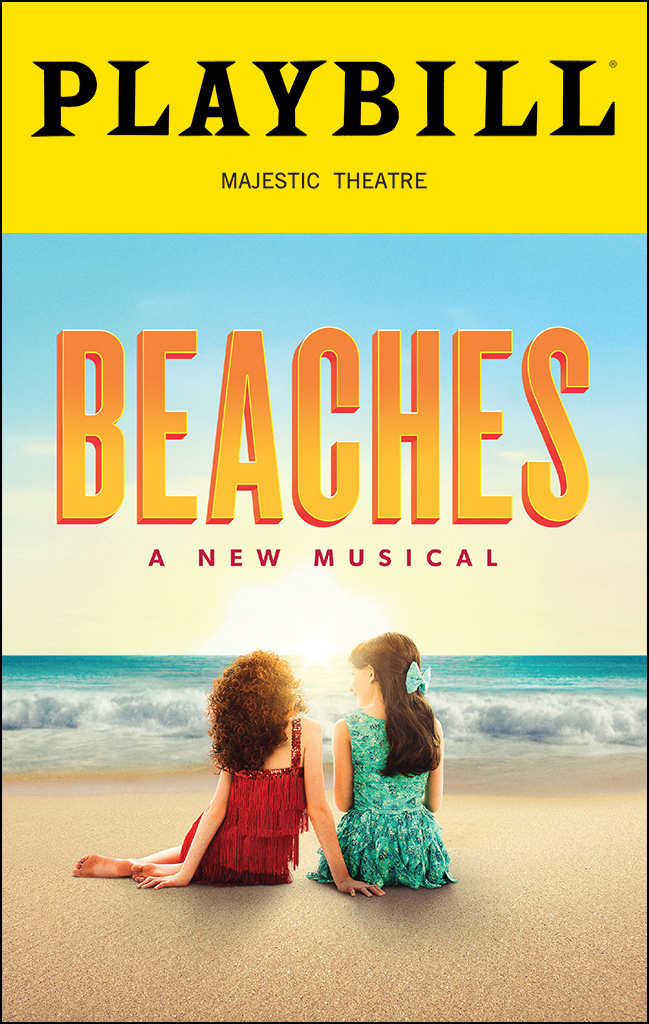
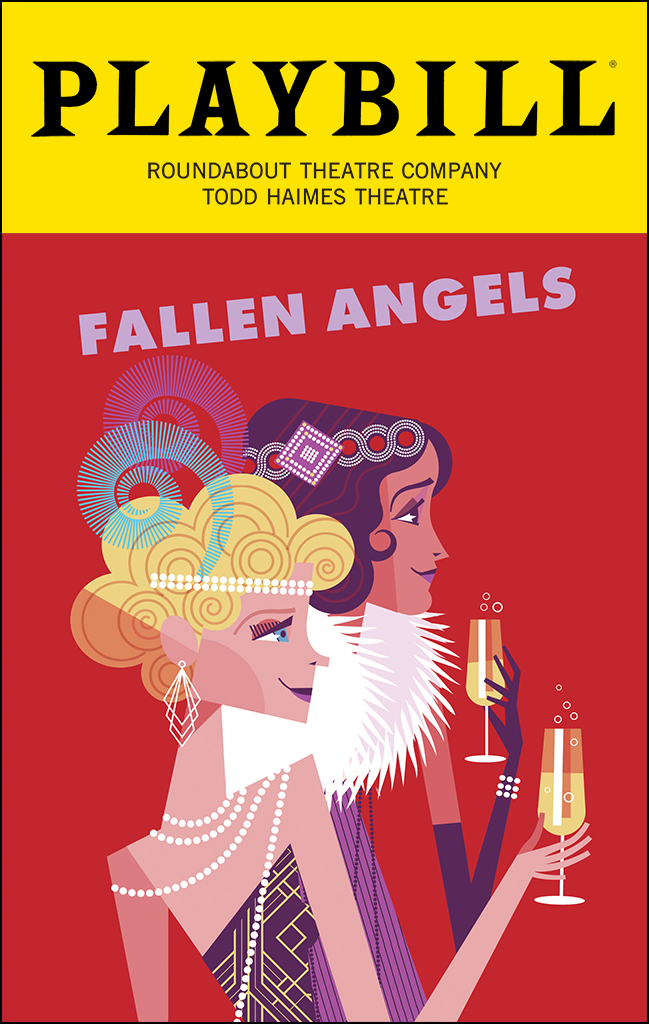
There was love, not romance exactly, but connection in all its forms. Beaches: A New Musical made the case that a friendship can be the central love story of a life. Two Strangers Carry a Cake Across New York found something true and surprising in a chance encounter. Chess put love in direct tension with loyalty and ideology. Schmigadoon! argued that real connection requires putting down your defenses. Fallen Angels approached it from a different angle entirely, with Noël Coward’s razor wit asking what long-term love actually looks like when an old flame reappears and the carefully maintained surface begins to crack.
We live in a world with more ways to connect than ever before, and an epidemic of loneliness to show for it. This season asked the question underneath that contradiction: not how do we reach each other, but who are we actually willing to show up for?
This season made room for joy.
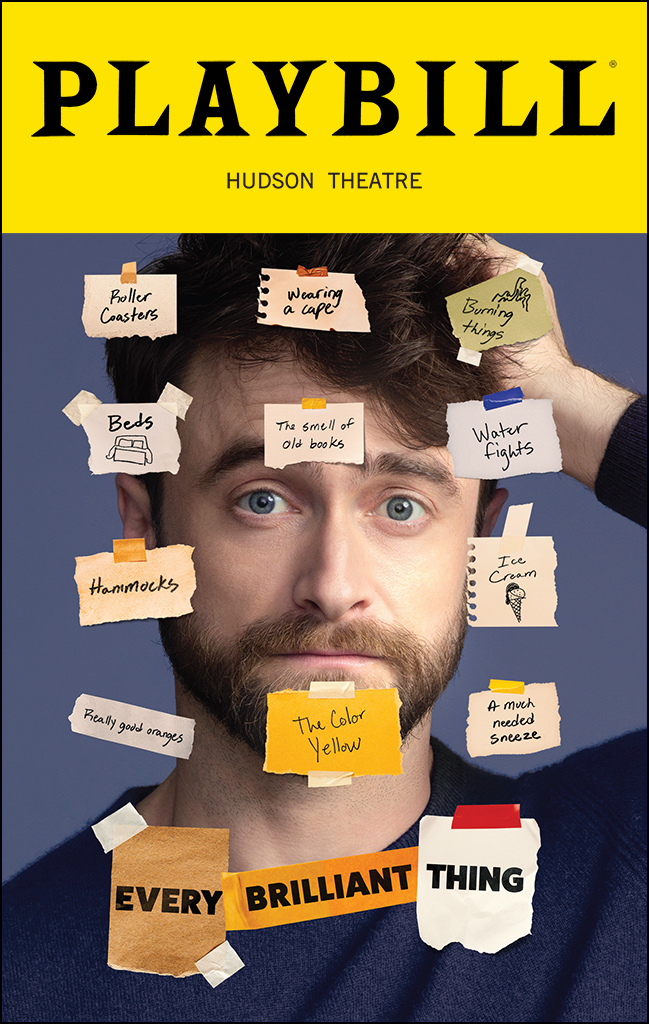
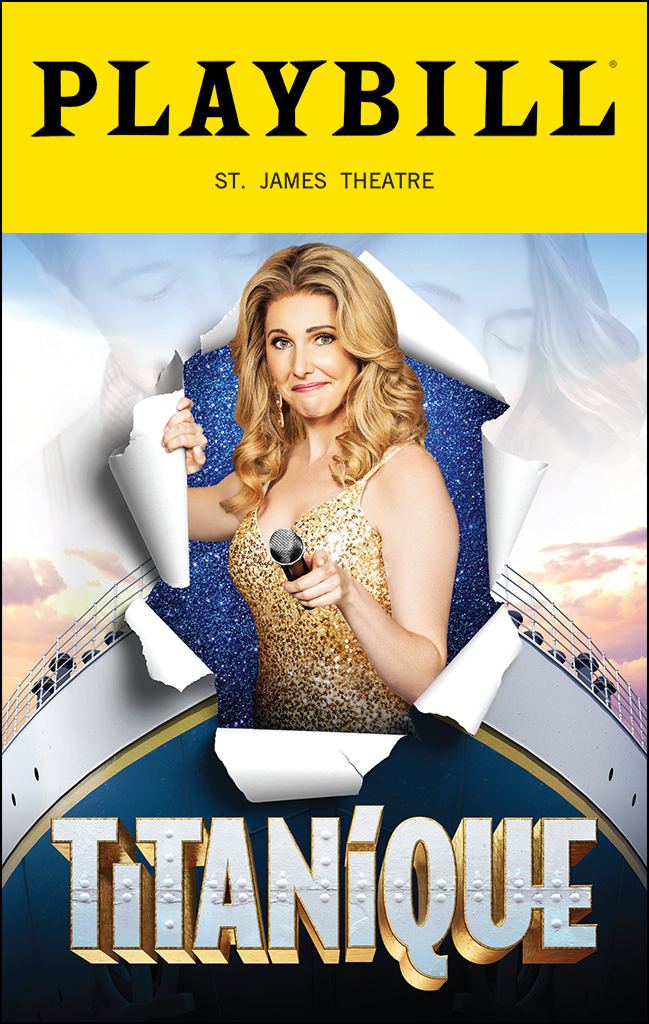
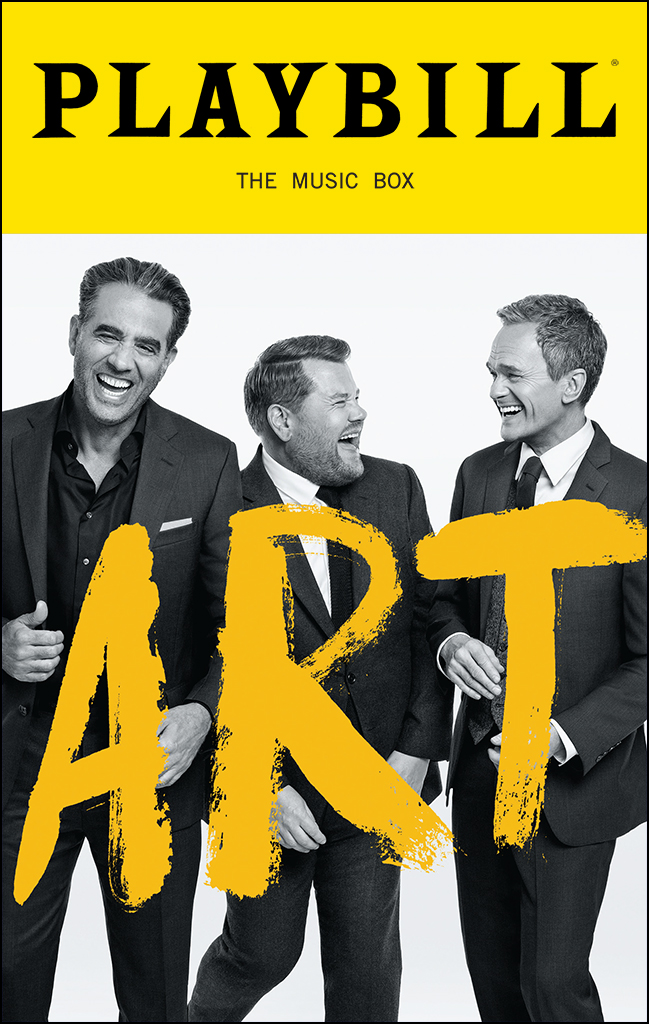
Not every show this season asked a hard question, some just insisted on joy, and in 2026, that might be the hardest position of all. We’re living in a moment that makes delight feel frivolous, that treats lightness as a failure of seriousness, and Broadway pushed back. Titanique reinvented myth purely for the pleasure of it, and dared you to feel guilty about laughing. Every Brilliant Thing catalogued small delights, a list built against despair, until they added up to something that felt, unexpectedly, like a reason to keep going. Art hid genuine feeling inside a comedy of manners, which is perhaps the only way to sneak tenderness past an audience that has learned to be defended against it. Mamma Mia! chose warmth, deliberately and without apology, in a season and a world that kept choosing difficulty
In this moment, choosing joy is a radical act. And yet, ask anyone in the industry and they’ll tell you: this was a weird one. No foolproof hits or single juggernaut that swept the conversation. Instead, a season of clear frontrunners in some categories and genuine uncertainty in others, a slate of shows that didn’t all want the same audience or offer the same experience.
And maybe that was exactly the point.
This wasn’t a season built for everyone. It was a season built to reflect everyone, which is a different thing entirely. Divided, emotional, searching, occasionally exhausting, and shot through with unexpected moments of beauty and laughter. Sound familiar? It should. Broadway in 2025-2026 looked a lot like the world it was made in.
So much of what this season offered was a slice of joy, a few hours of laughter, beauty, and feeling in a world that can feel relentlessly heavy. Not every show landed for every person and not every theme resonated, but somewhere in those thirty productions, there was something for the grieving, the hopeful, the furious, the romantic, the skeptical, and the ones who just needed to laugh.
That’s what this community has always done in difficult times: holds up a mirror, asks hard questions, and finds joy even when joy feels radical. Then, the curtain comes down, the house lights come up, and we all walk back out into the world we came from.
Broadway didn’t try to comfort us this season, it tried to reflect us, and in that, it did something uncommonly well.
The chaos queen of the season, and still the play everyone points to when they say, “Yes, comedy can sell on Broadway.” Cole Escola’s deranged Mary Todd Lincoln fantasia has become a genuine Broadway phenomenon, now extended through January 3, 2027. It is short, sharp, filthy-smart, and proof that a very specific comic voice can become commercial when it is truly undeniable.
Harry Potter and the Cursed Child
The long-running spectacle play that keeps reminding Broadway there is more than one way to make a “play” feel like an event. It is still the big magic-machine of the category, built for tourists, families, fans, and anyone who wants theatrical wizardry without needing a song cue every seven minutes. The current one-show version follows Harry, Ron, Hermione, and the next generation 19 years later.
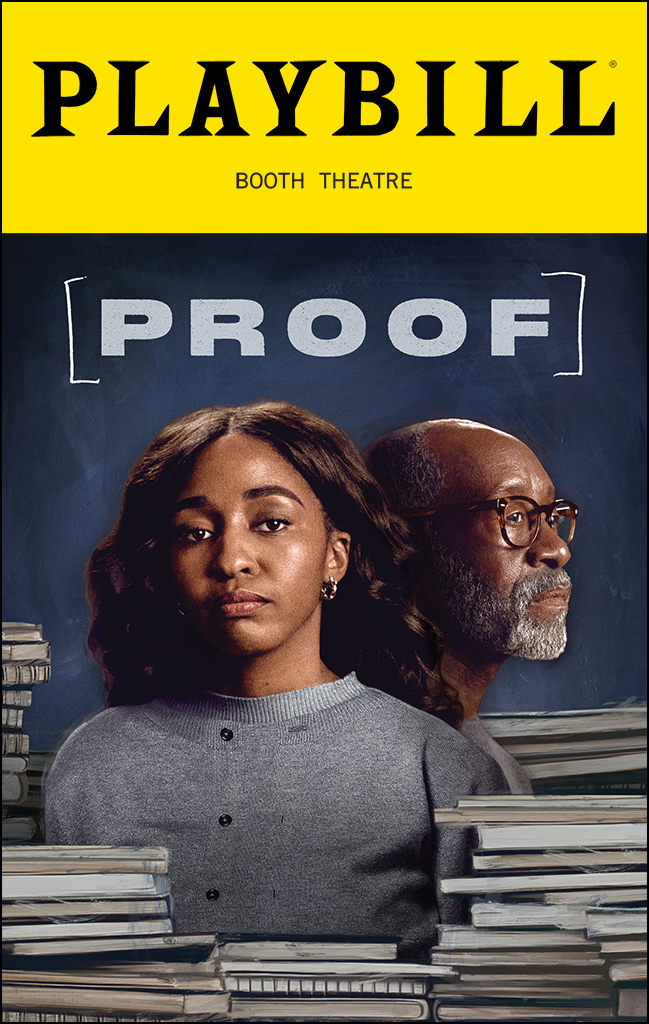
Proof
A prestige revival with a killer package: Ayo Edebiri, Don Cheadle, Jin Ha, Kara Young, David Auburn’s Pulitzer and Tony-winning play, and Thomas Kail directing. The play’s central question, whether Catherine has inherited her father’s genius, madness, or both, still lands because it is really about belief, family, grief, and the terrifying possibility of your own brilliance.
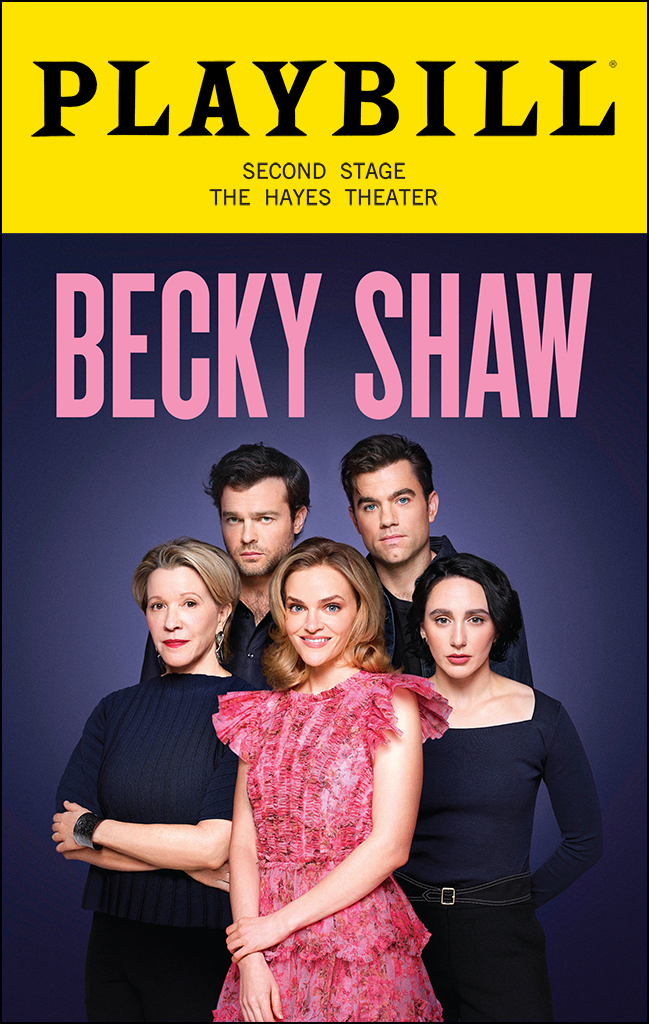
Becky Shaw
A dark comedy with teeth. Gina Gionfriddo’s play turns a blind date into a social grenade, with marriage, obligation, class, kindness, cruelty, and emotional neediness all getting dragged into the room. It feels like one of those plays where everyone thinks they are the sane one, which is usually when theatre gets fun.
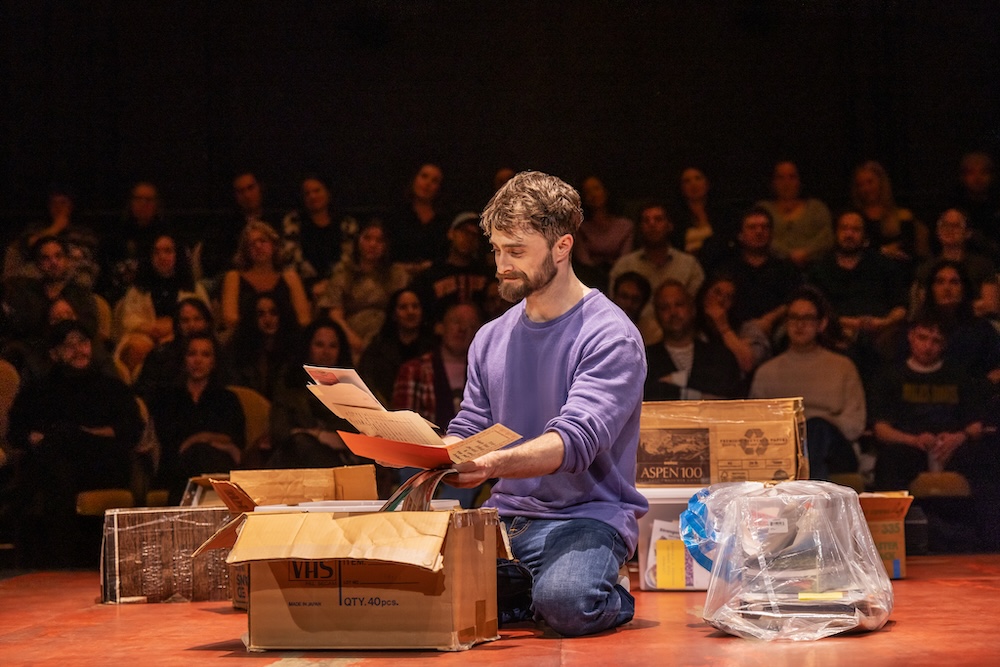
Every Brilliant Thing
The heart-warmer, but not in a soft-focus way. This solo play uses a list of life’s small joys to talk about depression, survival, memory, and hope. Daniel Radcliffe leads the Broadway run through May 24, with Mariska Hargitay stepping in for 40 performances beginning May 26. It is intimate, interactive, and emotionally direct without feeling like homework.
Joe Turner’s Come and Gone
A major August Wilson revival, and one of the season’s weightier American classics. Set in Pittsburgh in 1911, it centers on a boardinghouse during a moment of migration, identity, and spiritual searching. With Taraji P. Henson, Cedric the Entertainer, Joshua Boone, and Ruben Santiago-Hudson, this has the potential to be both literary and star-powered.
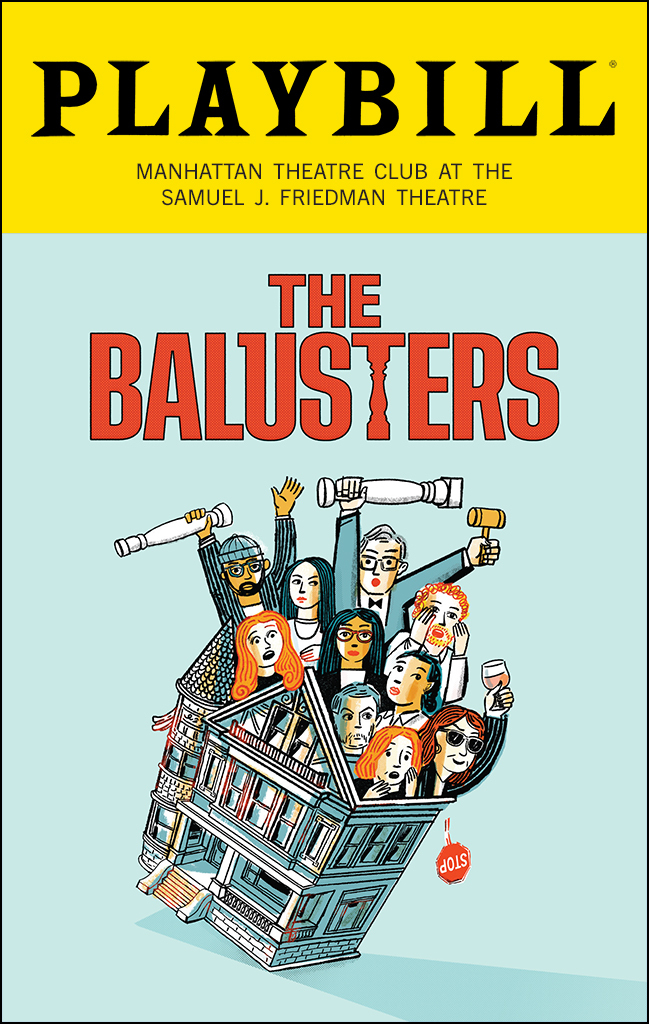
The Balusters
David Lindsay-Abaire doing neighborhood warfare, which is exactly the kind of petty American comedy that can become weirdly profound if handled right. The setup is almost beautifully ridiculous: a neighborhood association spirals over porch railings, trash protocol, and a proposed stop sign. Translation: it is about control, taste, community, and people absolutely losing their minds over small things because the big things are harder to say out loud.
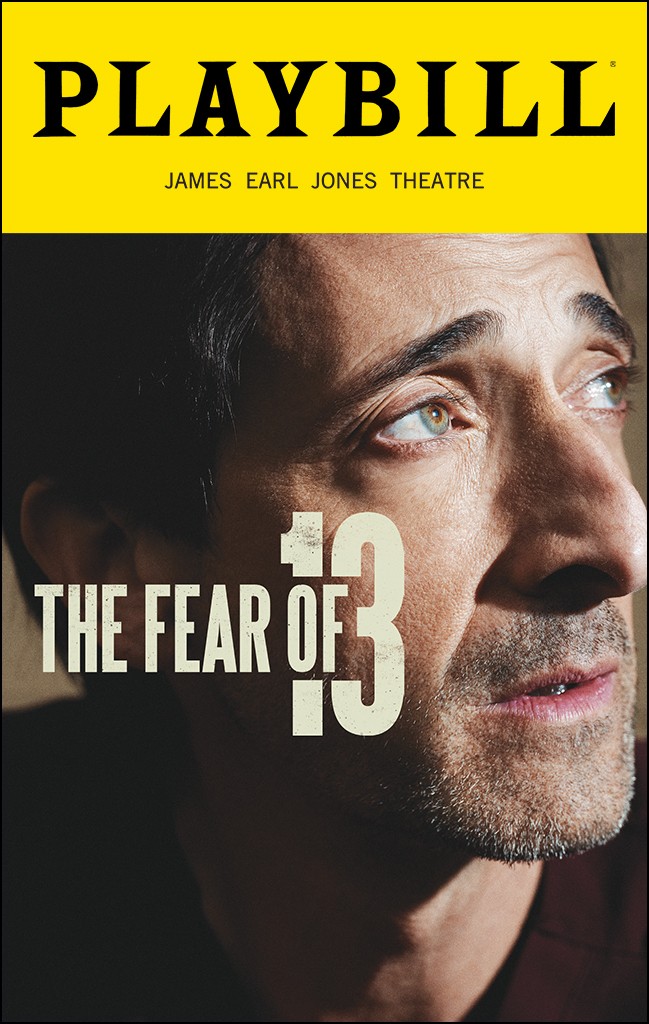
The Fear of 13
True crime, justice, wrongful conviction, death row, Adrien Brody, Tessa Thompson, David Cromer, Lindsey Ferrentino. That’s the sell. Based on the story of Nick Yarris, the play follows how a traffic stop became a murder conviction, 22 years on Death Row, and a shocking request for an execution date. It is built like a moral thriller, but the real hook is truth versus the system that claims to protect it.
Fallen Angels
Noël Coward, Rose Byrne, Kelli O’Hara, champagne, husbands out of town, and a shared former lover possibly arriving from France. It is elegant bad behavior, which is the best kind because everyone is dressed well while making terrible decisions. At 90 minutes with no intermission, this feels like a sleek comedy revival built for people who want wit, glamour, and a little marital panic.
Death of a Salesman
The heavy hitter. Nathan Lane and Laurie Metcalf in Arthur Miller’s American tragedy, directed by Joe Mantello. This is one of those productions where the casting alone becomes the event, because Willy and Linda need actors who can carry national disappointment in their bones. Miller’s story of a family crushed by the American Dream remains brutally current, because, well, have you looked around?
Stranger Things: The First Shadow
A play, yes, but also basically Broadway’s blockbuster franchise experiment. Set in Hawkins in 1959, it serves as a prequel to the Netflix series and leans hard into special effects, lore, and theatrical scale. For non-theatre audiences, this may be one of the easiest bridges into Broadway because it sells itself less like “a play” and more like stepping inside the mythology.
Giant
A serious, awards-shaped drama about Roald Dahl, legacy, apology, and public reckoning. John Lithgow reprises his Olivier-winning performance as Dahl following the play’s West End run. Set across a single afternoon in 1983, the play confronts Dahl after the backlash to his antisemitic article, asking whether a public apology can repair private conviction or public damage.
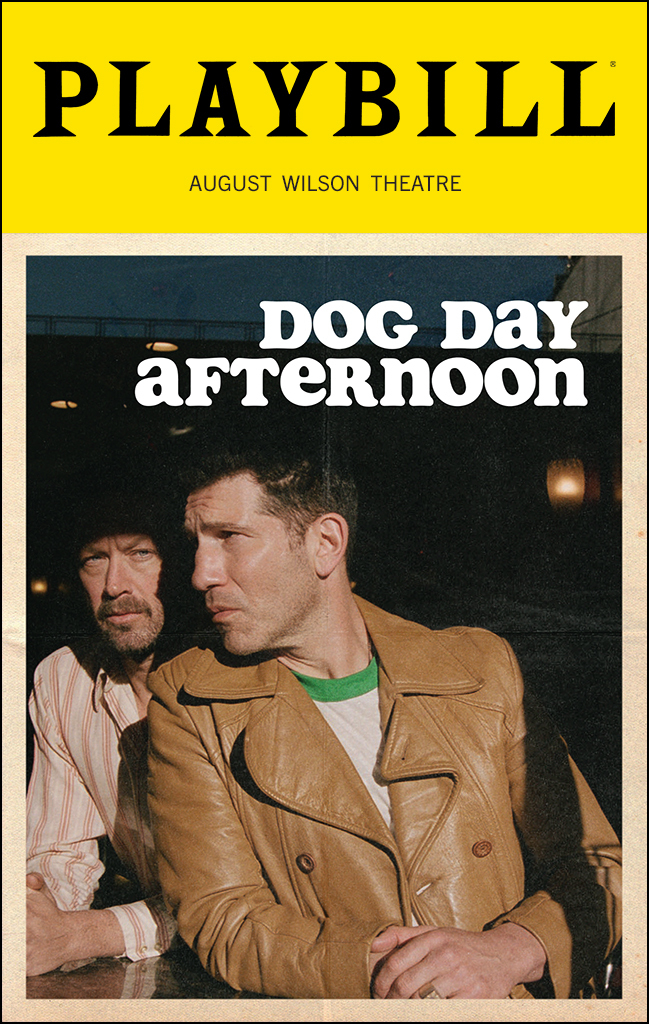
Dog Day Afternoon
A true-crime pressure cooker with major actor heat. Jon Bernthal and Ebon Moss-Bachrach lead Stephen Adly Guirgis’ stage adaptation of the famous 1972 bank robbery story, directed by Rupert Goold. This one has commercial muscle: recognizable title, New York grit, prestige playwright, hot TV actors, and a story that already knows how to hold an audience hostage, pun unfortunately earned.
There’s nothing quite like the first dance at a wedding. That magical moment when all eyes are on the couple, swaying together in a song that feels like it was written just for them. And what better place to draw inspiration than Broadway, where love stories have been told for decades. From golden age classics to contemporary favorites, Broadway has given us a soundtrack of romance that’s perfect for the dance floor.
Classic Golden Age Romance
For couples who love tradition and timeless melodies.
1. “Some Enchanted Evening” (South Pacific) Rodgers & Hammerstein at their most sweeping – a grand, cinematic ballad about love at first sight.
2. “’Til There Was You” (The Music Man) Sweet and understated, with just enough charm to melt hearts.
3. “If I Loved You” (Carousel) A lush duet, brimming with longing and romance.
4. “Sentimental Person” (Maybe Happy Ending) Elegant, dramatic, and perfect for a graceful waltz.
Dramatic Showstoppers
Big voices, big orchestrations, and first dances that feel like opening night.
5. “All I Ask of You” (The Phantom of the Opera) A Broadway power duet that soars with passion.
6. “Somewhere” (West Side Story) Yearning and hopeful, with a grandeur that fills the room.
7. “What I Did for Love” (A Chorus Line) Heartfelt and emotional, a declaration of commitment beyond the spotlight.
Modern Favorites
For couples who want Broadway’s newer ballads to define their love story.
8. “Falling Slowly” (Once) Intimate and contemporary, with quiet emotion that builds beautifully.
9. “You Matter to Me” (Waitress) Sara Bareilles’ tender duet – modern, personal, and full of warmth.
10. “I Choose You” (The Bridges of Madison County) Jason Robert Brown’s soaring ballad of devotion feels tailor-made for weddings.
Sweet & Quirky Picks
11. “They Can’t Take That Away from Me” (Crazy for You) A Gershwin gem that’s equal parts classy and charming – perfect for couples who want timeless elegance with a wink.
12. “Do You Love Me?” (Fiddler on the Roof) Gentle, sweet, and slightly playful – a duet that captures the humor and tenderness of lasting love.
13. “You’re the Top” (Anything Goes)
Cole Porter’s witty wordplay brings sophistication with a dash of humor – an upbeat and charming choice.