Categories
Capsule Reviews Cover Story

ARE YOU NOW OR HAVE YOU EVER BEEN – Capsule Review

By Ben Lerner

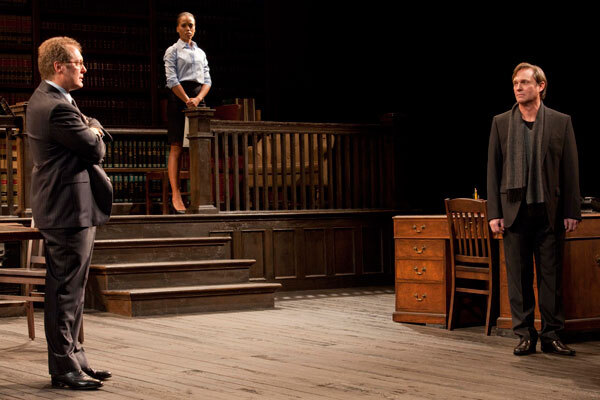
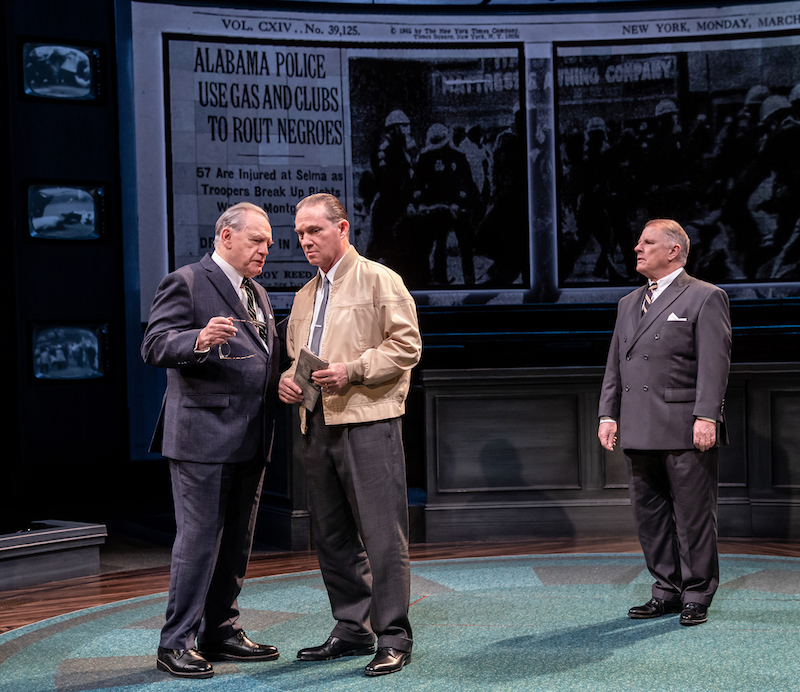
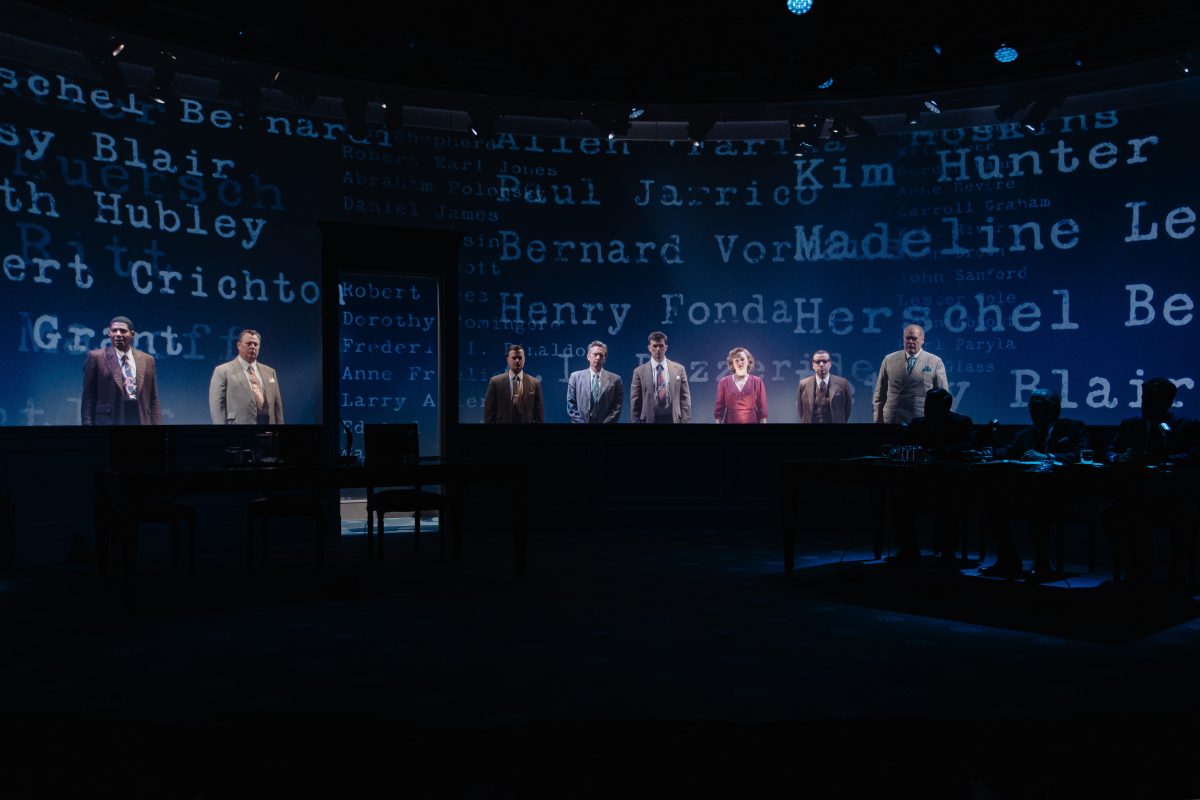
Did you hear about the congressional hearings infringing on the right to free speech currently occurring on West 55th Street? The artists under interrogation are all dead, however. No, this isn’t supernatural. It’s very, very real. These hearings took place long ago, in the 1940s and 50s, but they are being performed this summer, verbatim, in New York City Center’s off-Broadway revival of Are You Now or Have You Ever Been.

Eric Bentley’s play, which is aptly and most accurately described as an American docudrama, takes transcripts directly from the House Committee on Un-American Activities hearings that interrogated well-known entertainers, actors, writers, and directors about their potential past associations with the Communist Party. The Red Scare led to blacklisting of many artists – mostly those who refused to “name names.” There were several notable figures who chose to comply with the committee’s witch hunt, selling out former friends and colleagues in the name of patriotism, regardless of its attack on first amendment rights. Some named these names gleefully. Others felt sick doing so. History has shown that some, but not all, of their legacies have been sullied by their betrayal.
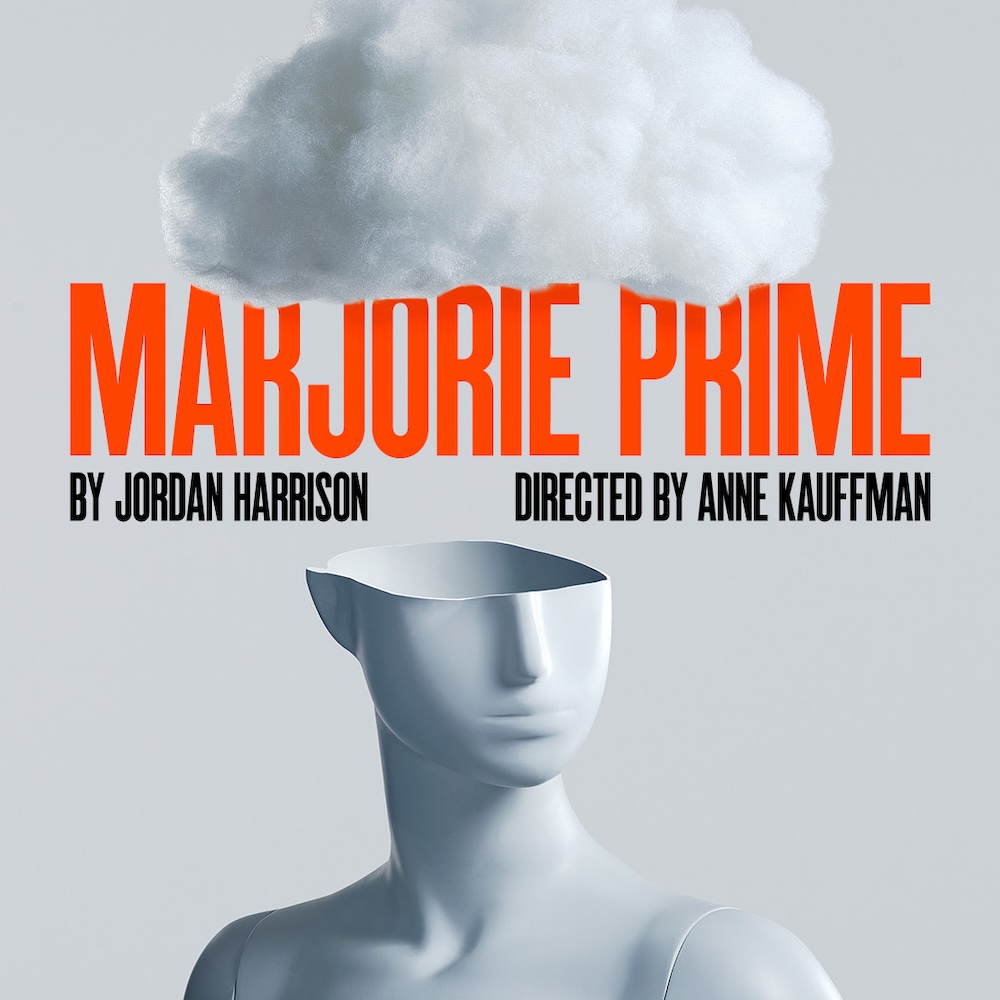
Photo by Marc J. Franklin

Don’t expect a traditional dramatic narrative structure in Are You Now. The testimonies vary in length and intensity, and they can be dense. Some audience members may be disengaged by the relentless, repetitive questioning – although this redundancy was certainly included by Bentley to illustrate the committee’s deliberate strategy to break down the witness’s moral compass.

But if you’re open to going back to school for a one-act, 100-minute history lesson – with obvious parallels to today’s turbulent political landscape – hop in the time machine to witness these infamous hearings as they occurred, performed expertly by a strong ensemble. Bentley’s docudrama was first staged in 1979, while the Cold War was still ongoing but blacklisting had ended. Hearing these testimonies live and acted emotionally highlights their cruelty – and plenty of the words spoken then ring deeply true today.
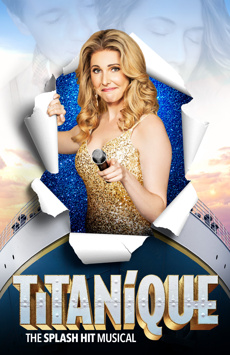
Photo by Marc J. Franklin
In a unique casting move, Are You Now is performed by a core six performers who have by far the most stage time and dialogue, along with a rotating cast of guest actors who mostly have a single scene as a noteworthy subject of a hearing. The core six, who will star in the play’s full run, include Michael McKean, Jason Babinsky, and Adam Kantor as the Republican congressmen and staffers leading the long interrogations. They co-star with Steven Boyer, Frederick Weller, and Brooks Ashmanskas, who play multiple witnesses each – such as playwright Arthur Miller, director Elia Kazan, and choreographer Jerome Robbins, the latter two of whom named other names to the committee.

Interestingly, the standouts in the cast came from some of the guest performers I saw – likely because those testimonies were most entertaining and theatrical, whether comically or dramatically. The clear scene-stealer for laughs was David Krumholtz, chewing the scenery effectively and accurately as Guys & Dolls co-writer Abe Burrows. Some of his jokes, direct from the transcript, are so clever, you’ll find it hard to believe the committee stayed stoic. As actor Lionel Stander, Jay O. Sanders ups the ante, delivering a dramatic testimony with a force that both amuses and devastates. On the other end of the spectrum, Billy Eugene Jones is powerful and passionate as singer Paul Robeson (the only nonwhite character), who bravely confronts the committee’s hypocrisy and racism in a stirring testimony that closes the docudrama. 

Photo by Marc J. Franklin

While the testimonies are mostly presented chronologically, the most entertaining ones are in the latter half of the one-act, so the pacing doesn’t always feel even. Some are very long and tough to listen to (again, deliberately), while others seem oddly brief. (Sally Murphy’s guest role as the only female character, author Lillian Hellman, is barely more than a cameo. Molly Ringwald will take over the role later in the summer.)

The best testimonies come from aforementioned guest stars Krumholtz, Sanders, and Jones, though they all leave the production June 21. A slate of new performers, including Bob Odenkirk, are scheduled to replace them. But it’s the core six cast members who have the hardest jobs, performing endless dialogue that is less exciting but most clearly illustrates the insidious, relentless nature of the hearings. In a feat of memorization, McKean, Babinsky, and Kantor are onstage interrogating witnesses for the entire play, and in a feat of versatility, Weller, Ashmanskas, and Boyer juggle multiple roles that are less juicy and full of more text than the guest star spots.

Photo by Marc J. Franklin

Ultimately, Are You Now teaches us how history repeats itself by bringing the notorious House Committee on Un-American Activities to life in a very educational docudrama format. The testimony transcripts selected by Bentley back in the 1970s are not always the most captivating, but neither were the real-life hearings. They’re balanced by the standout guest performances that are so entertaining you’ll forget they were delivered to Congress, not written for the stage. You can expect to be educated about our country’s checkered past and may find yourself taken aback by how relevant the witnesses’ direct words feel today. Directed by Anna D. Shapiro, Are You Now or Have You Ever Been runs at New York City Center Stage I through September 11.

Categories
Broadway's Best Cover Story Tony Awards

Tony Awards 2026: The Winners, the Surprises, and the Moments Broadway Will Never Forget

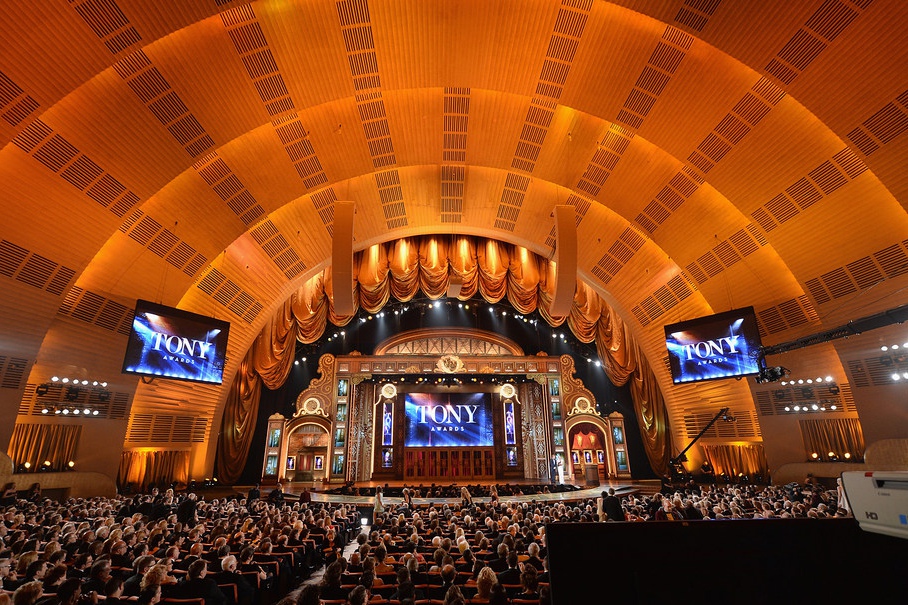
The 79th Annual Tony Awards arrived at Radio City Music Hall on Sunday night and delivered exactly what Broadway fans want from theatre’s biggest celebration: major wins, historic milestones, emotional speeches, and a few surprises along the way. By the end of the evening, one thing was clear: Broadway is thriving.

Hosted by P!nk, the ceremony aired live on PlutoTV and CBS and celebrated a season that saw Broadway showcase an impressive mix of new musicals, beloved revivals, and daring plays. The result was one of the most entertaining and memorable Tony broadcasts in years.

The Opening Number

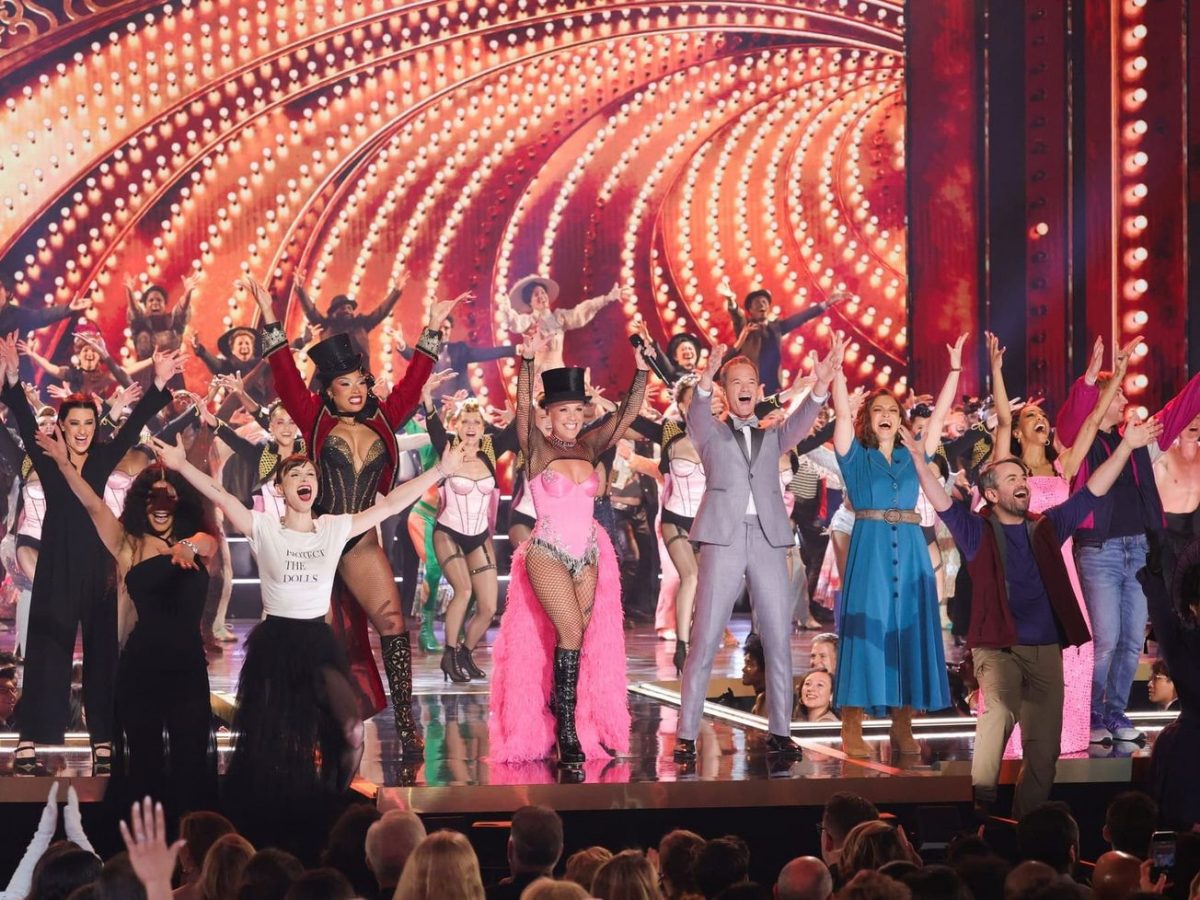
P!nk kicked off the ceremony acknowledging the elephant in the room: why was someone who has never been on Broadway hosting the Tony Awards? She then launched into a star-packed rendition of “Leading Lady Marmalade,” joined by Megan Thee Stallion, Neil Patrick Harris, Marla Mindelle, Shoshana Bean, Sara Chase, and 170 cast members from all of the nominated musicals that demonstrated she might not have a Broadway credit (yet!) but has the talent to perform with the best of them. The twist on the original song, with lyrics by Benj Pasek, Justin Paul, and Mark Sonnenblick, shouted out each leading lady nominated for acting awards. The opener has been praised by fans and critics alike, and no one will be forgetting “Gitchie, gitchie Carrie Coon” anytime soon!

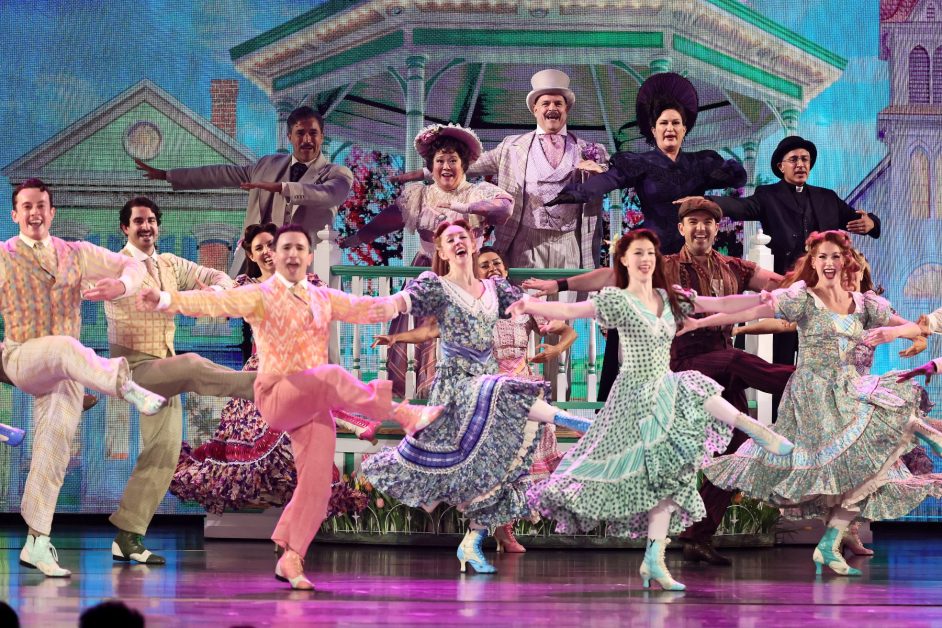
The cast of Schmigadoon! performs onstage during The 79th Annual Tony Awards at Radio City Music Hall on June 07, 2026 in New York City. (Theo Wargo / Getty Images for Tony Awards Productions)

A Three-Way Tie at the Top

While no single musical completely dominated the evening, three productions emerged as the night’s biggest musical winners. Schmigadoon!, The Lost Boys, and Ragtime tied for the lead among musicals with four awards each.

For Schmigadoon!, the evening culminated with the coveted Best Musical prize. The Broadway adaptation of the 2021 musical TV series also won Best Book and Best Original Score, with creator Cinco Paul winning three Tonys for his solo authorship of the show’s book, music, and lyrics, along with Best Orchestrations. Might Schmigadoon!’s success lead to season 3 of the beloved TV show on which the musical is based?

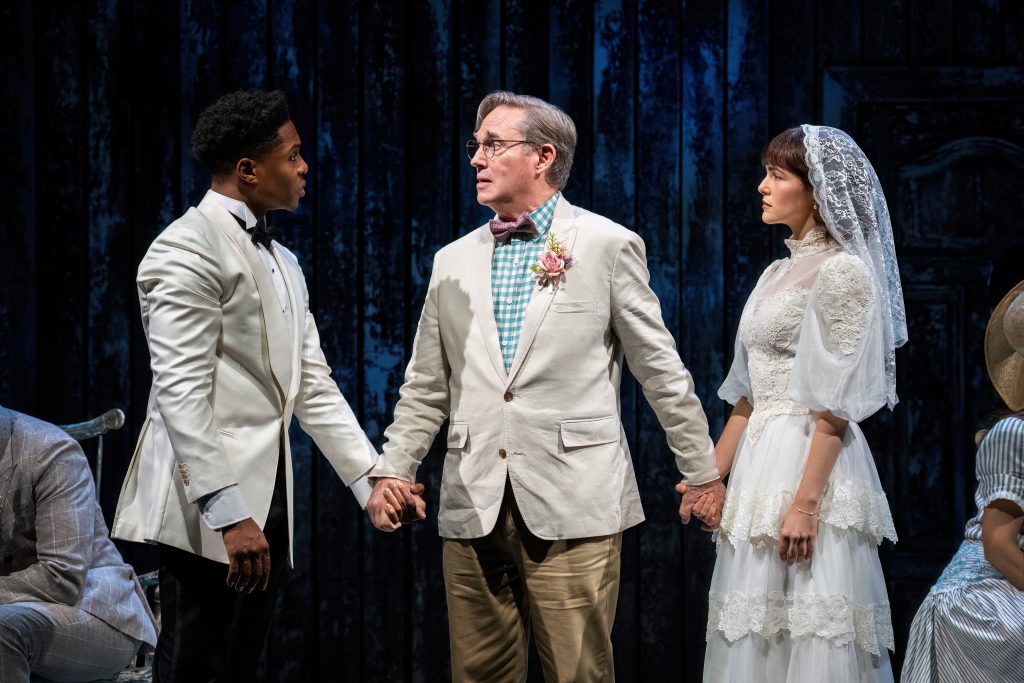
Ragtime continued its remarkable run, winning Best Revival of a Musical and reminding audiences why the epic American story remains one of the most powerful works ever written for the stage. In a funny moment, sound designer Kai Harada also won Best Sound Design of a Musical, but he only heard his name and had to ask presenter Laura Benanti which show he’d won for (he was also nominated for Cats: The Jellicle Ball.)

The Lost Boys took home design awards, including Best Scenic Design and Best Lighting Design of a Musical, as well as supporting acting awards for both Actress and Actor.

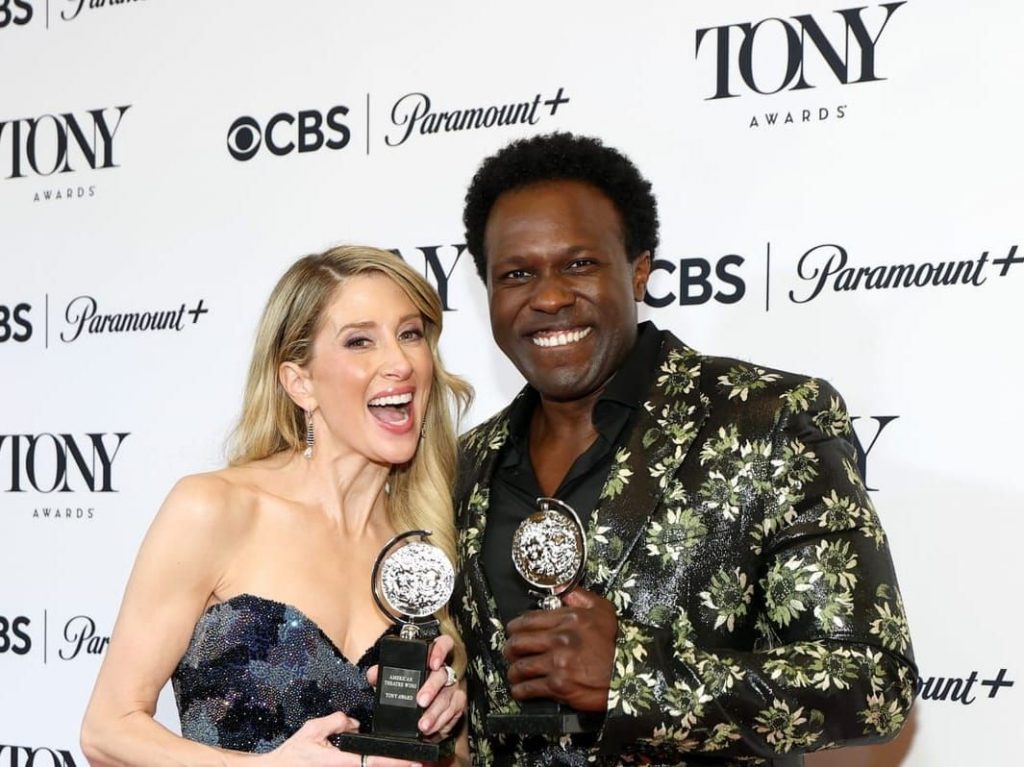
Caissie Levy, winner of the Best Performance by an Actress in a Leading Role in a Musical award for “Ragtime,” and Joshua Henry, winner of the Best Performance by an Actor in a Leading Role in a Musical for “Ragtime,” pose in the 79th Annual Tony Awards press room at Radio City Music Hall on June 7, 2026, in New York City (Credit: Dia Dipasupil/WireImage)

Joshua Henry and Caissie Levy Deliver the Night’s Most Celebrated Wins

Joshua Henry won his first Tony for Best Actor in a Musical, having been previously nominated for The Scottsboro Boys, Violet, and Carousel. His commanding performance as Coalhouse Walker Jr. anchored the revival. In his speech, Henry shouted out the “Black-don’t-crack legacy” of original Ragtime stars Audra McDonald and Brian Stokes Mitchell.

Caissie Levy won Best Actress in a Musical for her role as Mother — also her first Tony, and remarkably, her first nomination. In her acceptance speech, Levy proclaimed, “Playing Mother has been one of the greatest gifts of my artistic life,” and she also honored the community surrounding her who enables her to work in the theatre: “I’m twenty years in, and the most important thing I’ve learned is that no one does it alone. Thank you to every babysitter who’s made it possible for me to be both a Broadway actor and a mother.”

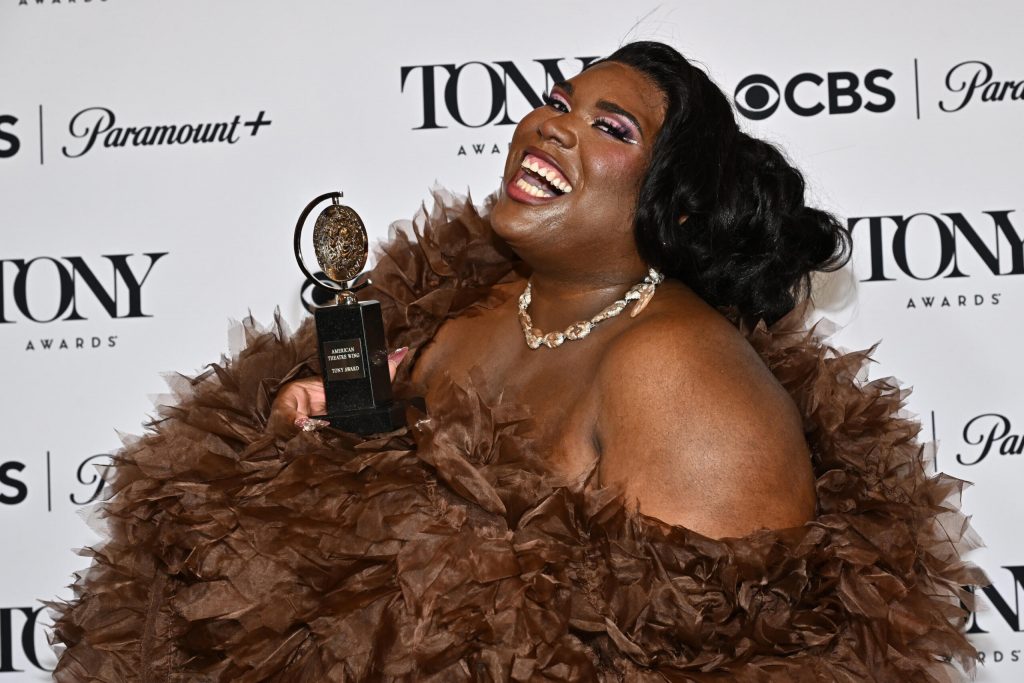
Qween Jean poses in the press room with the award for best costume design of a musical for “Cats: The Jellicle Ball” during the 79th Tony Awards on Sunday, June 7, 2026, at Radio City Music Hall in New York. (Photo by Evan Agostini/Invision/AP)

Qween Jean Makes Tony History

One of the evening’s most important moments came when Qween Jean won Best Costume Design of a Musical for Cats: The Jellicle Ball, making her the first openly trans person to win a Tony Award.

Her work on the ballroom-inspired reimagining of Andrew Lloyd Webber’s classic musical involved creating around 500 costumes, including tributes to trans revolutionaries like Marsha P. Johnson and Sylvia Rivera. But beyond the artistry, the moment represented a milestone for Broadway and the Tony Awards.

In her acceptance speech, Jean said, “We are here for the legacy of queer people, trans people. We are taking up space in ways we have to take up space. We have to shift the paradigm.” It was instantly one of the defining moments of the night, fans clacking in agreement.

Rachel Sussman, from left, Daryl Roth, and Bess Wohl accept the best play award for “Liberation” at the 2026 Tony Awards. (Theo Wargo / Getty Images for Tony Awards Productions)

The Plays Shared the Love

Death of a Salesman emerged as the night’s overall leader with six Tony wins, including Best Revival of a Play. Laurie Metcalf took home Best Featured Actress in a Play for her third career Tony, and Joe Mantello was honored for his direction. The production also won for lighting, scenic, and sound design.

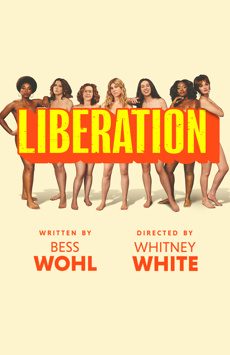
Playwright Bess Wohl was honored for Liberation with Best Play, making her only the fourth woman in Tony history to receive the award and the first American woman playwright to win since Wendy Wasserstein in 1989, which she passionately called out during her speech.

Both Best Actress and Actor in a Play awards went to British vets who also won the Olivier for the same role. John Lithgow won Best Actor for Giant, breaking the record for the longest gap between Tony wins — 53 years after his first — and simultaneously becoming the oldest man to win a competitive acting Tony at age 80. Primarily a West End actress, Lesley Manville took home the Best Actress award for Oedipus in her Broadway debut and completed her sweep of all the major awards this season.

A Night That Celebrated Broadway’s Future

Broadway can honor its past through revivals like Ragtime and Death of a Salesman; it can reinvent classics through bold productions like Cats: The Jellicle Ball; it can push the boundaries with The Lost Boys, while remembering its roots with Schmigadoon! With hints at next season’s shows (marmalade sandwich, anyone?) and a beautiful performance by Rachel Zegler, starring in Evita next season, there’s much to look forward to.

With historic wins, recognition for beloved performers, and some incredible performances that didn’t pander to audiences but showed Broadway in all its bright, gay, fun, sometimes inappropriate self, the 2026 Tony Awards was a success.

Categories
Broadway's Best Tony Awards

How to Watch the 2026 Tony Awards: Date, Time, Streaming, Performances, and Everything You Need to Know

Broadway’s biggest night is almost here! The 79th Annual Tony Awards will return to the legendary Radio City Music Hall in New York City on Sunday, June 7, 2026, celebrating the very best of the 2025-2026 Broadway season. Whether you’re a lifelong theatre fan or tuning in to see your favorite stars, here’s everything you need to know about how to watch the 2026 Tony Awards in the United States.

When are the Tony Awards?

The 2026 Tony Awards will take place on Sunday, June 7, 2026. 

Act One, the live pre-show begins at 6:35PM ET and is broadcast live coast-to-coast.

The official ceremony will also be broadcast live coast-to-coast:

8:00 PM ET
7:00 PM CT
6:00 PM MT
5:00 PM PT

The telecast will run until 11:00 PM ET.

What channel are the Tony Awards on?

The 2026 Act One Pre-Show will air for free on Pluto TV. Watch it by heading to pluto.tv and clicking on the “Live Music” channel.

The 2026 Tony Awards will air live on CBS, making it easy for viewers across the country to tune in through their local CBS affiliate. If you have traditional cable, satellite, or a live TV streaming service that includes CBS, you’ll be able to watch the ceremony live.

Can I stream the Tony Awards?

The Tony Awards will also stream on Paramount+. Here’s how streaming access works:

Paramount+ Premium Subscribers
Premium subscribers can watch the ceremony live through their local CBS affiliate feed and also access the broadcast on demand after it airs.

Paramount+ Essential Subscribers
Essential subscribers will not have access to the live broadcast, but will be able to watch the ceremony on demand beginning on Monday

How else can I follow along?

See exclusive content from the red carpet, backstage, and beyond on the Tony Awards social channels @thetonyawards on Instagram, Tiktok, Facebook, Twitter/X, and Youtube.

Who is hosting the Tony Awards?

Broadway favorites Laura Benanti and Tituss Burgess will host Act One, the live pre-show.

Pop superstar P!NK will host the 79th Annual Tony Awards, bringing her signature energy and live-performance expertise to Broadway’s biggest celebration.

What shows will perform at the 2026 Tony Awards?

One of the most exciting parts of every Tony Awards ceremony is the chance to see Broadway’s newest productions perform live. This year’s telecast will feature performances from many of the season’s biggest nominated musicals and musical revivals, including:

– The Lost Boys
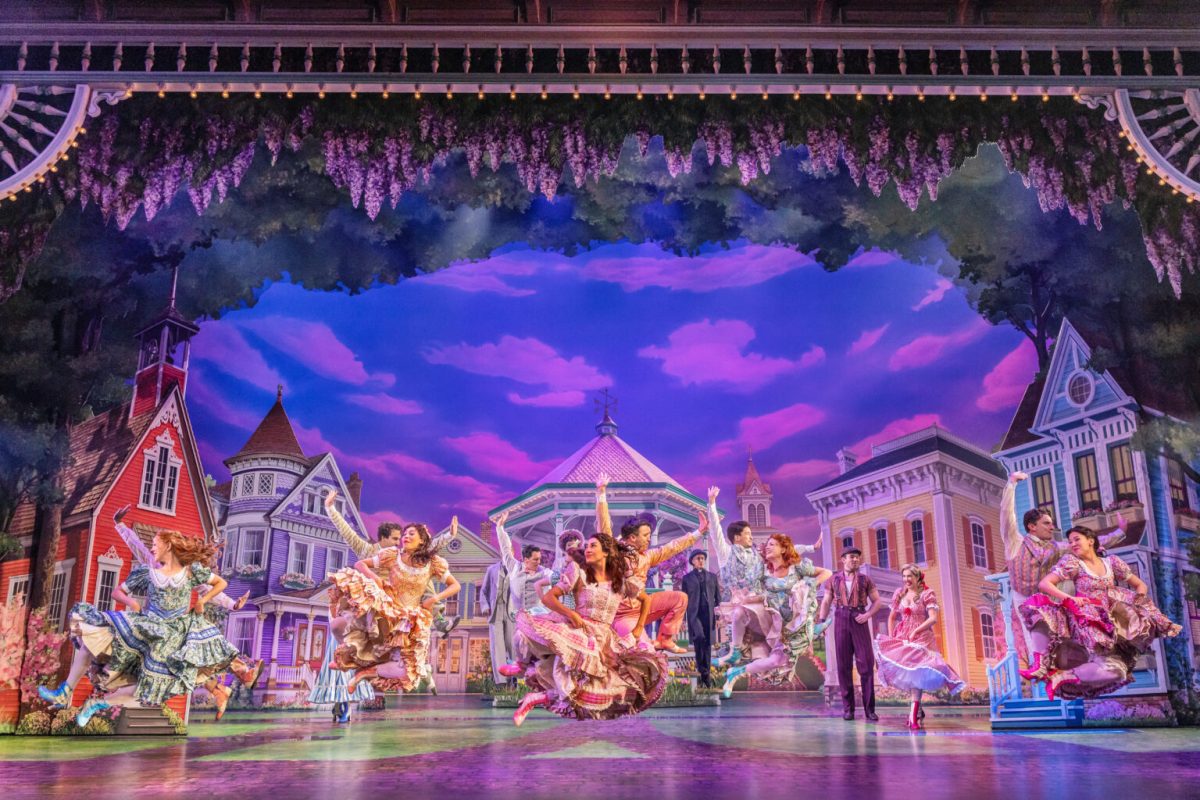
– Schmigadoon!

– Titaníque
– Two Strangers (Carry a Cake Across New York)
– Cats: The Jellicle Ball
– Ragtime
– The Rocky Horror Show

In addition to the nominated shows, the 2026 Tony Awards will feature two major Broadway celebrations.

The long-running Broadway revival of Chicago will celebrate its 30th anniversary with a special all-star performance featuring:

– Queen Latifah
– P!NK
– Jesse Tyler Ferguson
– Alex Newell
– Julianne Hough
– Whitney Leavitt
– Dylan Mulvaney

and additional special guests.

The Tony Awards will also celebrate The Book of Mormon‘s 15th anniversary with a reunion performance featuring members of the original Broadway cast, including:

– Nikki M. James
– Josh Gad
– Andrew Rannells
– Rory O’Malley

Which shows lead the 2026 Tony nominations?

When nominations were announced on May 5, two productions emerged as the season’s frontrunners:

The Lost Boys: 12 nominations

Schmigadoon!: 12 nominations

Close behind is Lincoln Center Theater’s acclaimed revival of Ragtime with 11 nominations.

As far as plays, Arthur Miller’s Death of a Salesman revival leads the field with 9 nominations, tying musical revivals Cats: The Jellicle Ball and The Rocky Horror Show.

Where are the Tony Awards held?

The Tony Awards return to the iconic Radio City Music Hall in New York City, one of the world’s most famous entertainment venues and the longtime home of Broadway’s biggest night.

Why are the Tony Awards important?

Presented by the American Theatre Wing and The Broadway League, the Tony Awards recognize excellence in Broadway theatre and often play a major role in determining which shows become the must-see hits of the year and beyond, including touring licensing, and future revivals.

For audiences across the country, the ceremony offers a rare opportunity to see Broadway’s top performers, discover new musicals, and celebrate the artists who bring live theater to life.

Whether you’re rooting for The Lost Boys, Schmigadoon!, Ragtime, or simply tuning in for the anniversary performances of Chicago and The Book of Mormon, the 2026 Tony Awards promise to be one of the most exciting nights of the Broadway season.

The 79th Annual Tony Awards air live Sunday, June 7, 2026, at 8:00 PM ET on CBS and Paramount+.

Categories
Broadway's Best Creative

The Art That Sold the Show

A Look at the Posters Behind the 2026 Tony Nominees

Before audiences fell in love with these productions, they fell in love with an image. A Broadway poster has one job: stop someone in Times Square, on Instagram, or flipping through a Playbill and convince them to lean in. The best key art truly becomes part of the show’s identity.

This year’s Tony nominees offer a fascinating mix of approaches, from bold typography and conceptual design to celebrity photography and illustration. Here are the posters that helped define Broadway’s season.

Ragtime

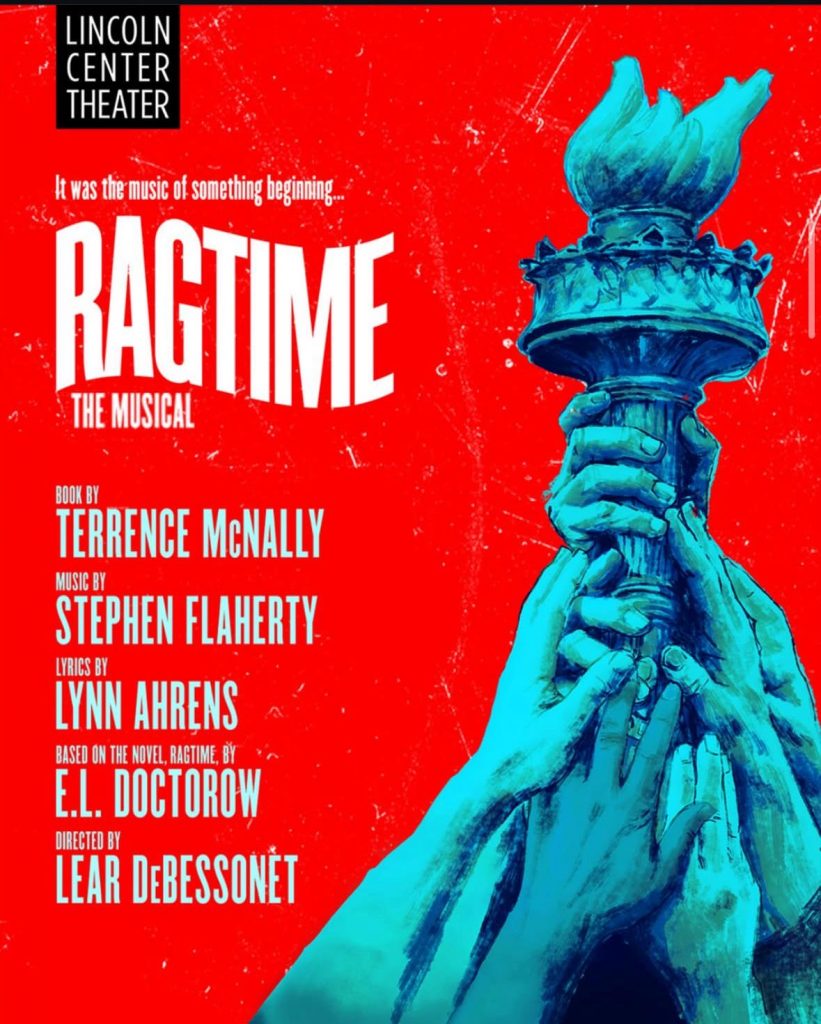
Perhaps the boldest piece of graphic design among this year’s nominees. The blazing red background and towering white typography feel urgent, revolutionary, and impossible to ignore. The Statue of Liberty torch instantly evokes immigration, America, and social change, all central themes of the musical.

What We Love: This timeless design would have worked in 1998 or 2026.

Cats: The Jellicle Ball

This is arguably the most successful reimagining of existing Broadway branding in years.

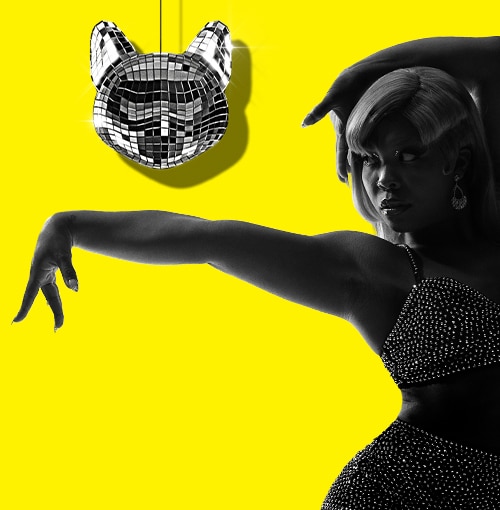
The original Cats logo with its piercing yellow eyes is iconic, but this campaign boldly reinvents it through ballroom culture. The electric yellow, striking pose, and disco-ball cat head instantly communicate that this isn’t a revival interested in nostalgia.

What We Love: It reinvents a brand without losing its identity. Purrrfect.

The Lost Boys

The rich darkness and flash of color instantly set a mood. The glowing hand feels supernatural, seductive, and dangerous. It doesn’t explain itself, which is exactly why it works. The campaign understands something many horror-inspired productions miss: mystery is often more powerful than information.

What We Love: It feels like a prestige film poster.

Little Bear Ridge Road

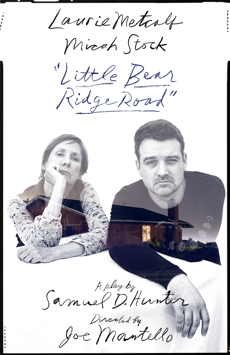
This subtle poster is one of the season’s most human. The handwritten typography, monochrome portraits, and glowing house suggest intimacy, family, and emotional complexity. Nothing here is flashy, and that’s precisely the point.

What We Love: It feels deeply personal.

Arthur Miller’s Death of a Salesman

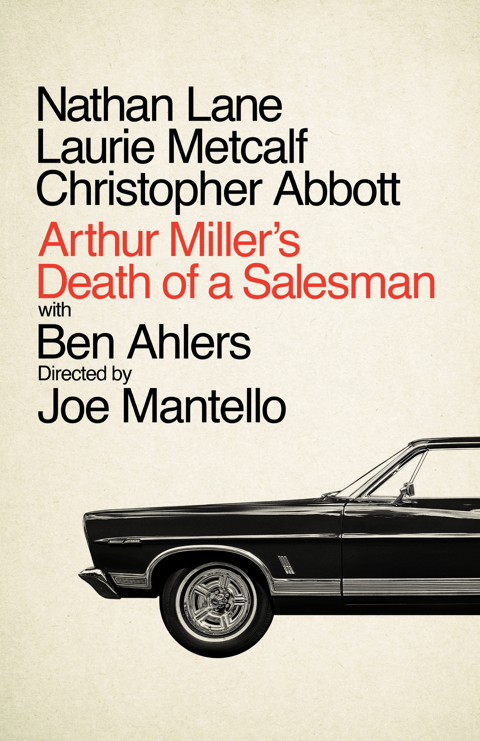
This poster demonstrates extraordinary restraint, especially by not showing the faces of its stars. Typography and a classic automobile are all it needs because the design understands that Arthur Miller’s title already carries enormous cultural weight.

What We Love: Confidence through simplicity.

The Rocky Horror Show

Some logos are simply too powerful to abandon. The dripping blood-red mark remains one of theatre’s most recognizable visual identities. This production wisely leans into that legacy while modernizing the surrounding design.

What We Love: It understands the value of an icon.

Becky Shaw

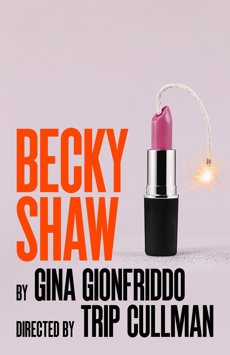
At first glance, it’s simply a tube of lipstick. Then you notice the wick. Then the spark. Suddenly the lipstick has become a stick of dynamite.

What’s especially impressive is how economical the design is: no cast photo, no scenic image, no explanatory tagline; just one single object. That’s often the mark of truly great key art.

What We Love: The entire play is hidden inside a single visual metaphor.

Schmigadoon!

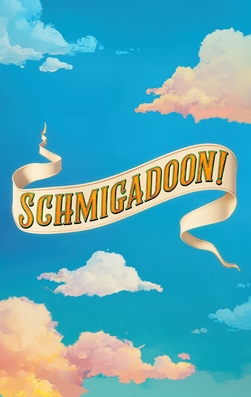
This poster is charming. The embroidered ribbon floating through a bright blue sky immediately evokes classic musical theatre while still feeling fresh and contemporary. Rather than parodying Golden Age musicals, the design lovingly celebrates them.

What We Love: It captures optimism without becoming cheesy.

The Balusters

The quirky illustration of a collapsing townhouse packed with eccentric characters immediately communicates comedy, chaos, and social satire. The visual gag lands before the audience even knows what the play is about.

What We Love: The illustration explains it all.

Oedipus

The flashing cameras surrounding Mark Strong and Lesley Manville transform an ancient tragedy into a modern story about public scrutiny, celebrity, and downfall. The design cleverly uses contemporary imagery to illuminate timeless themes.

What We Love: It modernizes Greek tragedy without losing its weight.

Giant

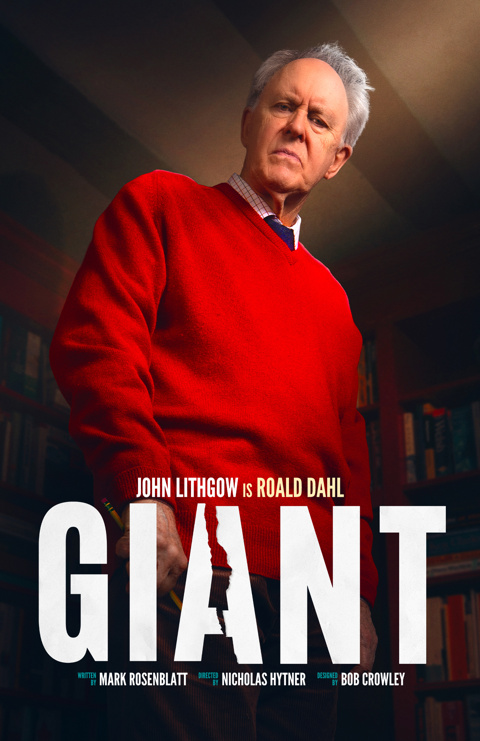
This artwork is a masterclass in celebrity storytelling. John Lithgow’s “giant” imposing presence dominates the image, but the real brilliance lies in the details. The torn silhouette embedded within the title hints at the complicated legacy of Roald Dahl, creating tension beneath the straightforward star portrait.

What We Love: It turns a famous face into a thematic statement.

Liberation

The oversized yellow typography dominates the composition with the confidence of a protest sign. The design feels rooted in feminist activism while remaining contemporary and clean. It’s simple, direct, and impossible to miss.

What We Love: The poster itself feels political.

Chess

This is star-driven marketing executed with precision. Aaron Tveit, Lea Michele, and Nicholas Christopher are photographed like fashion icons, creating a sleek and glamorous image that mirrors the high-stakes world of the musical itself. The hot pink title treatment slices through the monochromatic photography.

What We Love: Broadway glamour at its most unapologetic.

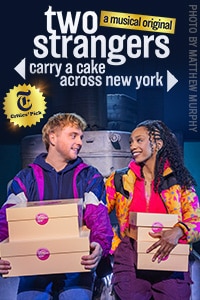
Two Strangers (Carry a Cake Across New York)

This poster tells the audience exactly what kind of night they’re about to have. Bright colors, immediate chemistry, and a giant title that practically becomes part of the New York skyline. The cake boxes are part of the plot. Also, a rare occurrence that we see a show poster that uses production photography.

What We Love: It sells character before concept.

Marjorie Prime

Another great example of minimalism and restraint. The faceless figure beneath a cloud communicates memory and identity. The image is elegant, unsettling, and intellectually engaging all at once. It also fits in well as part of Second Stage Theatre’s season with Becky Shaw’s artwork.

What We Love: It trusts the audience to do some of the work.

Titanique

A masterpiece of pure camp. A grinning Céline Dion literally bursts through the iconic 1997 movie poster, hijacking Jack and Rose’s doomed romance to instantly let you know this is an unhinged, Vegas-style musical comedy, not a historical tragedy. The fabulous 3D gold typography complete with industrial ship rivets screams pop diva parody.

What We Love: It promises a completely wild, laugh-out-loud night out.

Categories
Broadway's Best Cover Story Tony Awards

10 New Categories the Tony Awards Need to Add ASAP

It takes a lot of invisible labor to make Broadway’s theatrical magic look effortless, and many of the hardest-working folks in the industry are still left out of the Tony Awards. Here are ten of the many blind spots that the Tony Awards could address with new categories.

1. Best Ensemble

Why it should be added: If the leads are the face of a musical, the ensemble is its beating heart. A competitive award would honor the collective heavy lifting, immense stamina, and seamless collaboration – from complex, synchronized choreography to lush harmonies – required to make a Broadway show truly soar.

Photo by Matthew Murphy

2. Best Hair and Wig Design

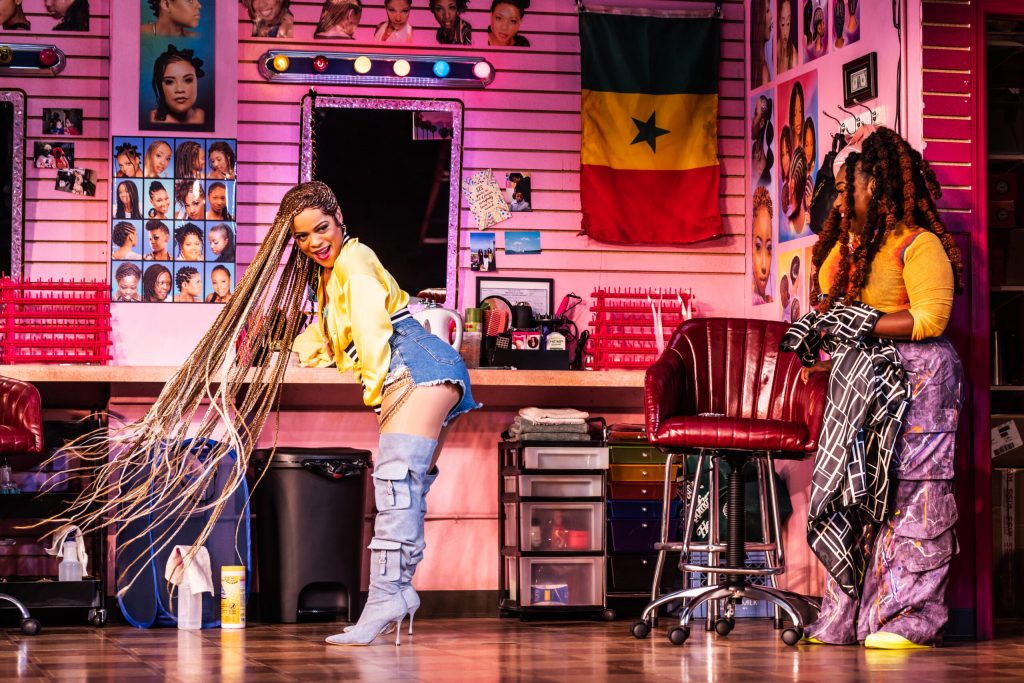
Why it should be added: Hair and wigs are crucial to establishing a character’s age, era, and social status long before they speak. While the Tonys recently honored visionary wig designer Nikiya Mathis with a Special Tony Award in 2024 for her incredible work on Jaja’s African Hair Braiding, this shouldn’t be relegated to a one-off special recognition. From gravity-defying historical updos to rapid quick-changes, these designers are true architects of character identity and deserve a permanent competitive category alongside costume design.

3. Best Makeup Design

Why it should be added: Makeup is a highly technical, transformative art form that faces unique live-theatre challenges, like executing flawless, sweat-proof glamour eight times a week. With the Oscars and Emmys already recognizing this artistry, it’s time the Tonys formally honored these meticulous designers.

Photo by Matthew Murphy

4. Best Replacement Performer

Why it should be added: Stepping into a starring role in a massive hit without a full, original rehearsal process is a unique and daunting challenge. Honoring the fresh energy and sheer resilience of replacement performers would celebrate masterclass performances while giving long-running shows a well-deserved moment back in the Tony spotlight.

Photo by Matthew Murphy

5. Best Projection Design

Why it should be added: Projections have evolved from simple background enhancements into foundational elements of scenic storytelling. These incredibly detailed digital designs can shift locations instantly, doing groundbreaking, immersive work that warrants its own spotlight distinct from traditional scenic or lighting design.

6. Best Casting Director

Why it should be added: Casting is the invisible alchemy that makes or breaks a show. With the Academy Awards finally introducing a competitive Oscar for casting directors starting in 2026, it’s highly overdue for the Tonys to celebrate the theatrical visionaries discovering stars and curating the talent on stage.

7. Best Understudy, Standby, or Swing

Why it should be added: Covers are Broadway’s ultimate lifesavers. Honoring the superhuman agility and dedication required to learn up to a dozen complex tracks and step into them at a moment’s notice would be a massive, well-deserved victory for these essential theatrical athletes.

Photo by Matthew Murphy

8. Best Fight Direction and Intimacy Coordination

Why it should be added: Keeping actors safe during intense combat or physically vulnerable romantic scenes is a deeply technical skill. These artists ensure physical storytelling is dynamic, repeatable, and secure. As the industry rightfully prioritizes actor boundaries, their vital choreography deserves recognition.

9. Best Stage Management Team

Why it should be added: Stage managers are the air traffic controllers of Broadway. Giving an award to the team that calls every cue, oversees massive transitions, and ensures chaotic, multi-million-dollar productions run safely would be the ultimate nod to the people holding the entire show together.

10. Best Artwork (Key Art & Creative Direction)

Why it should be added: A show’s key art is its first impression and lasting legacy… think of the iconic Les Misérables Cosette illustration or the Wicked silhouettes. Creative directors and designers do the vital commercial work of distilling a production’s entire emotional soul into a single, captivating image.

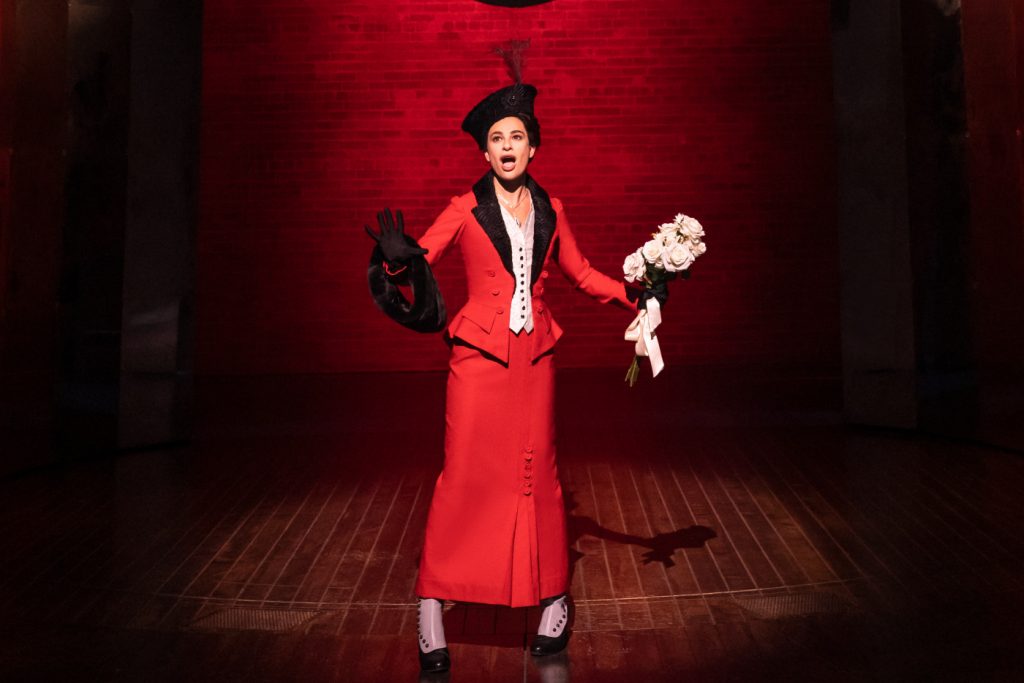
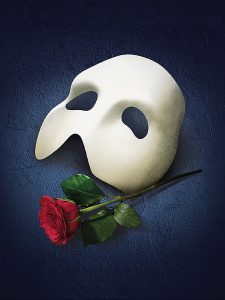
You can probably name this show even without a title, right?