By Ben Schachne
A Look at the Best Set Designs Behind the 2026 Tony Nominees
Every Broadway production, whether an original or a revival, begins with an empty stage that must be transformed into a place audiences never forget. Whether through dazzling realism, bold abstraction, or ingenious stage mechanics, scenic design establishes the physical world of a musical or play, shaping the way every moment is experienced from the opening scene to the final bow.
Throughout the 2025–2026 Broadway season, designers continued to push the boundaries of what live theatre can look and feel like, crafting environments that were as imaginative as the stories unfolding within them. Here are some of the season’s most impressive and imaginative examples of set design that demonstrate how scenery can be just as unforgettable as the performances it frames.
The Lost Boys
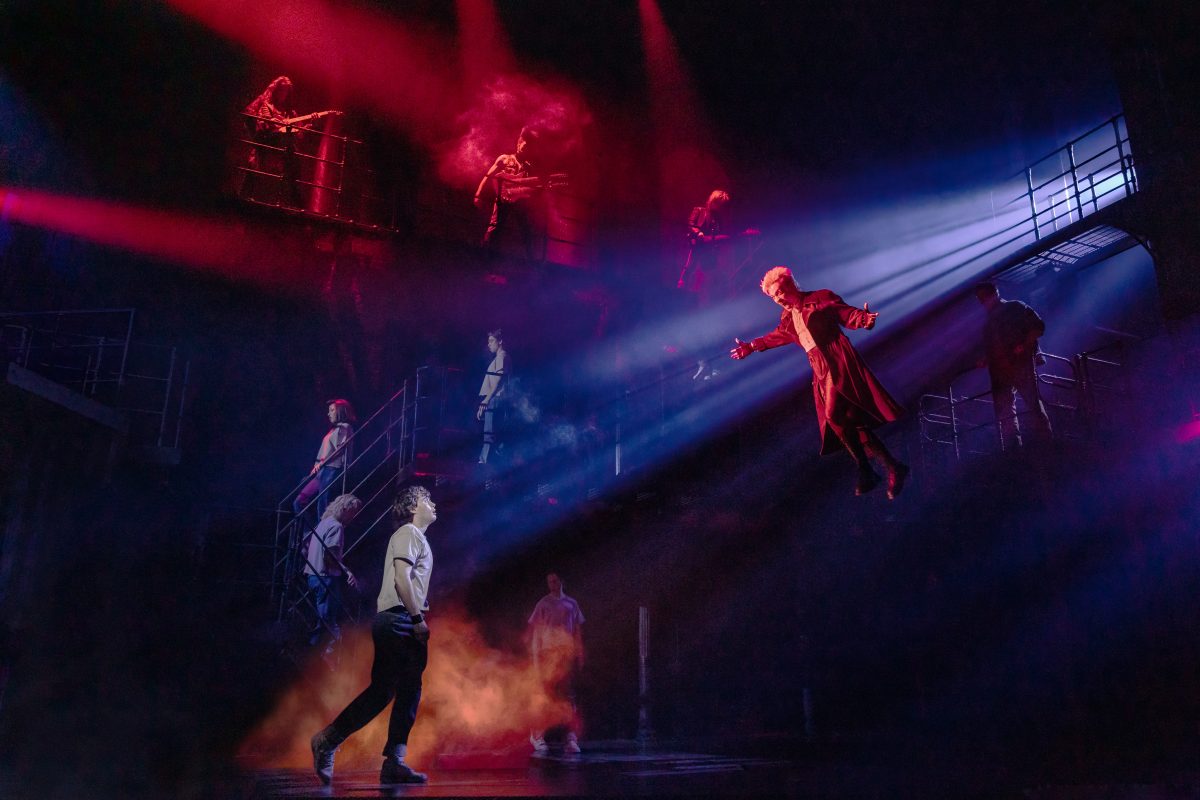
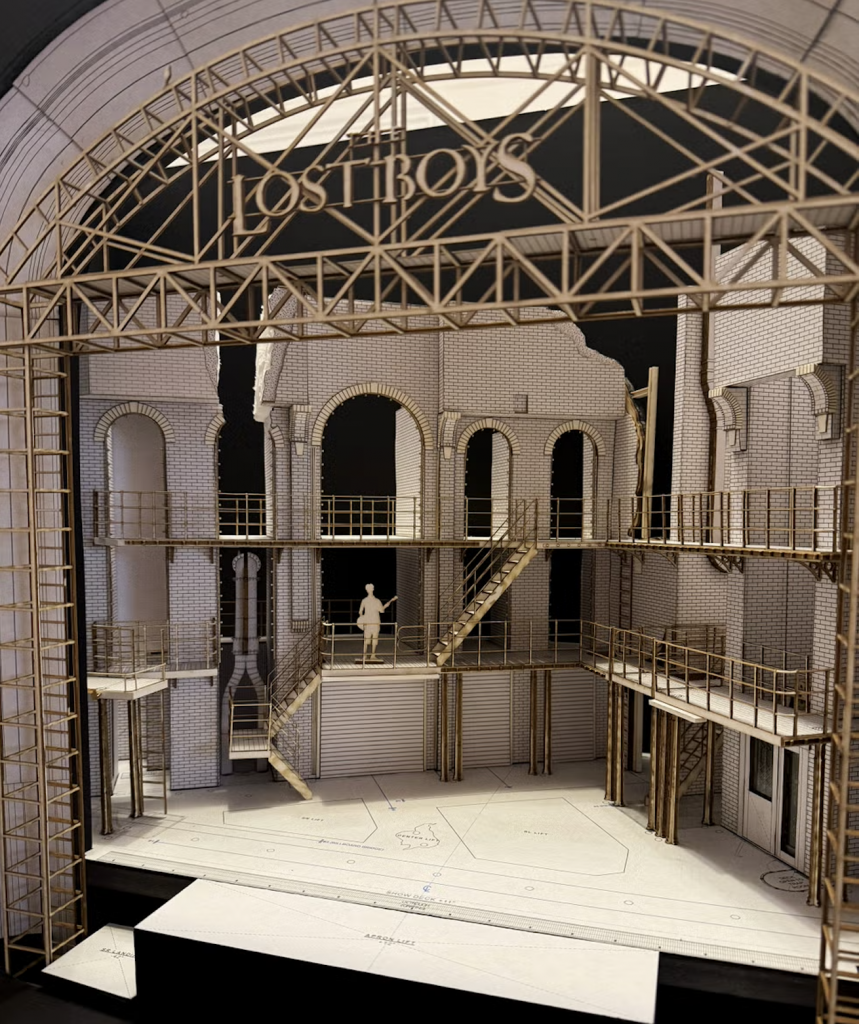
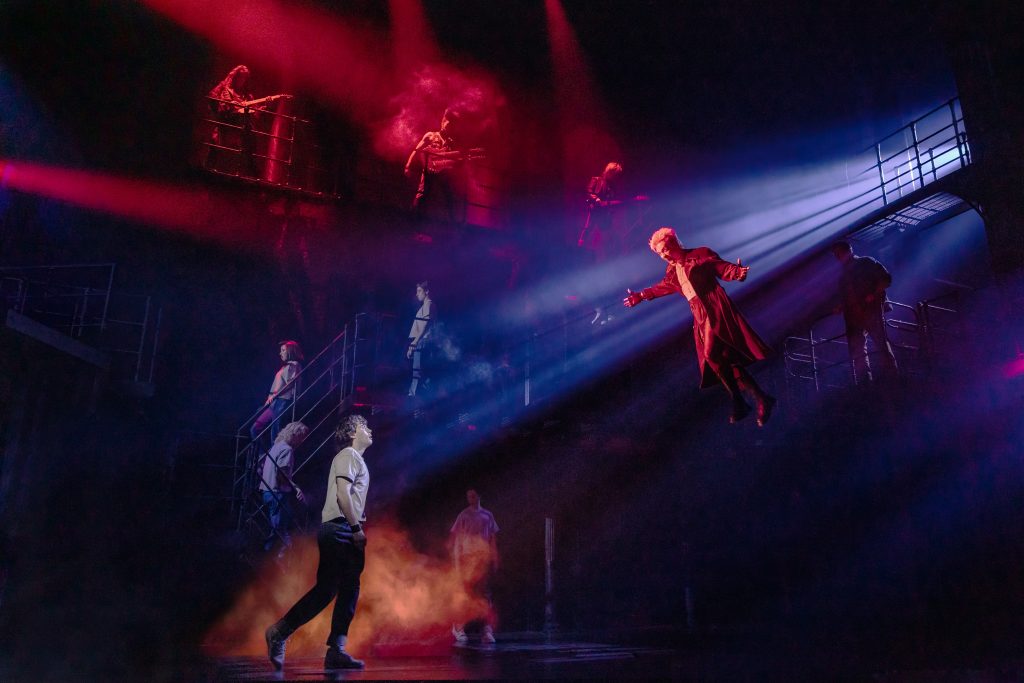
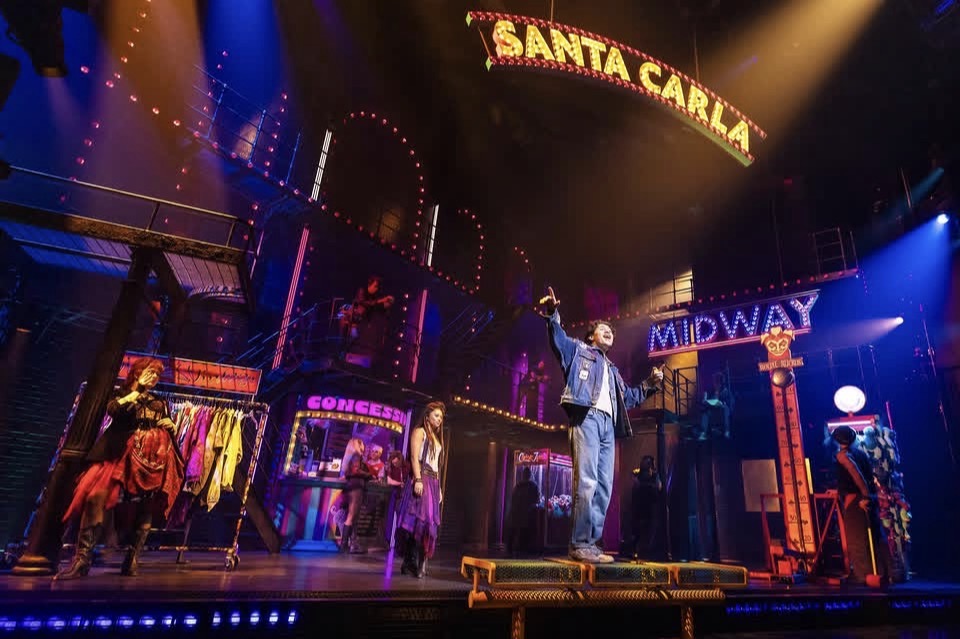
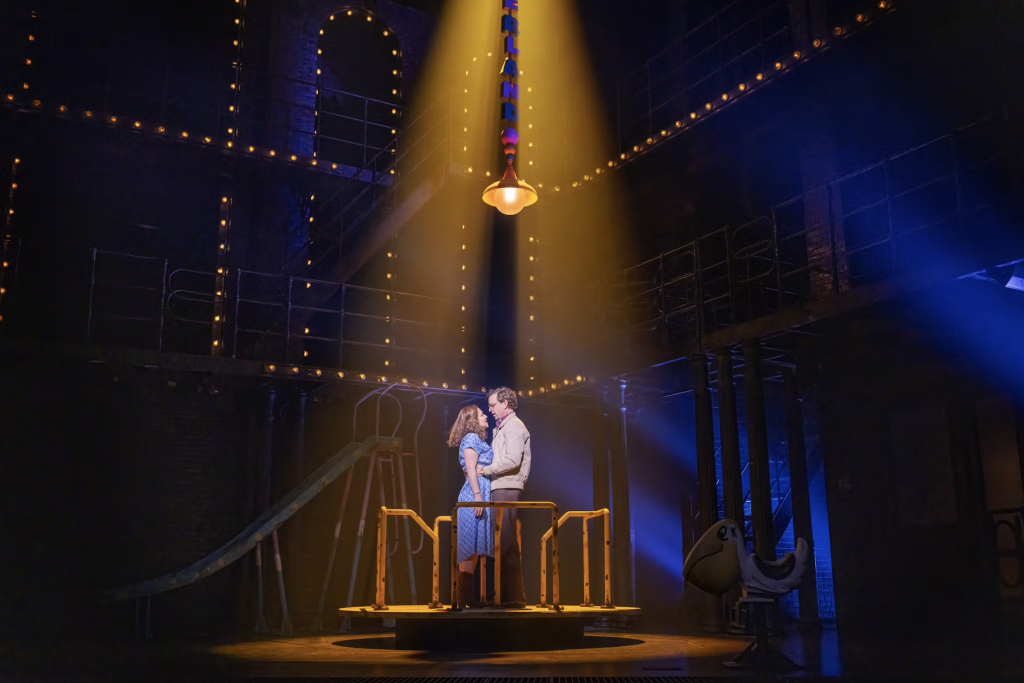
Winner of the 2026 Tony Award for Best Scenic Design of a Musical, The Lost Boys embraces a cinematic, large-scale approach that suits its screen-to-stage adaptation. Framed by towering brick walls and multi-level balconies, the stage comes to life through an ever-changing array of moving set pieces and fly-ins that transport the audience to the vampiric 1980s world of Santa Clara. Complemented by Jen Schriever and Michael Arden’s Tony Award-winning lighting design, Dane Laffrey’s set design strikes a compelling balance between realism and abstraction, capturing the mystifying energy and epic scale of the musical.
Death of a Salesman
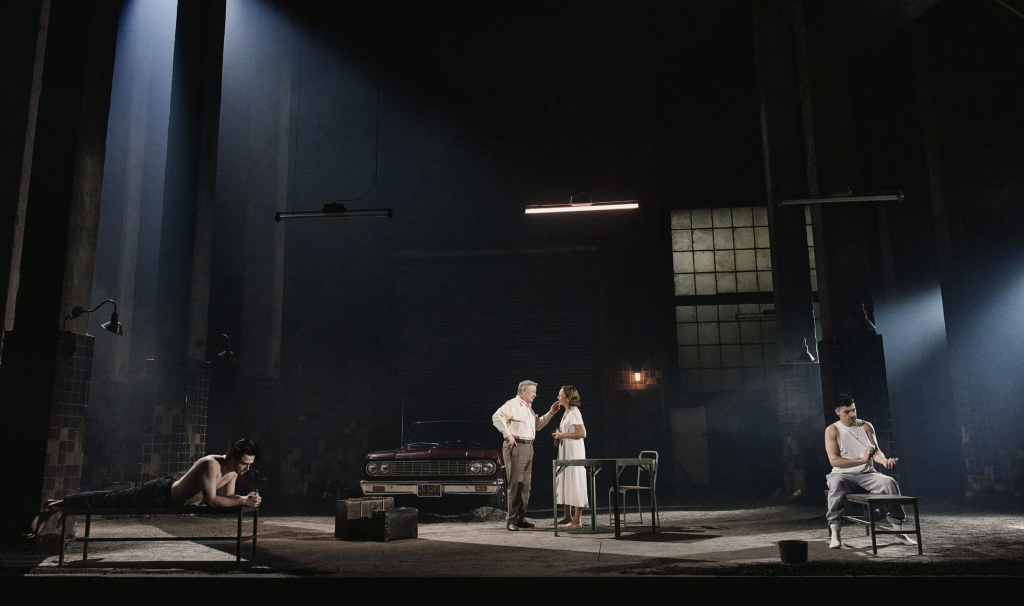
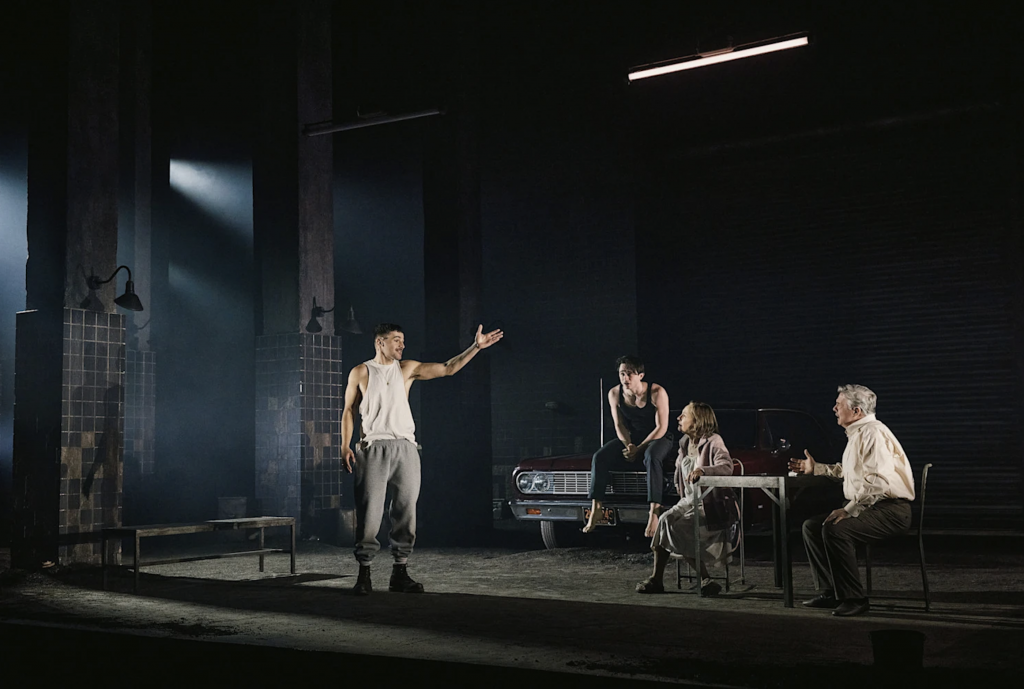
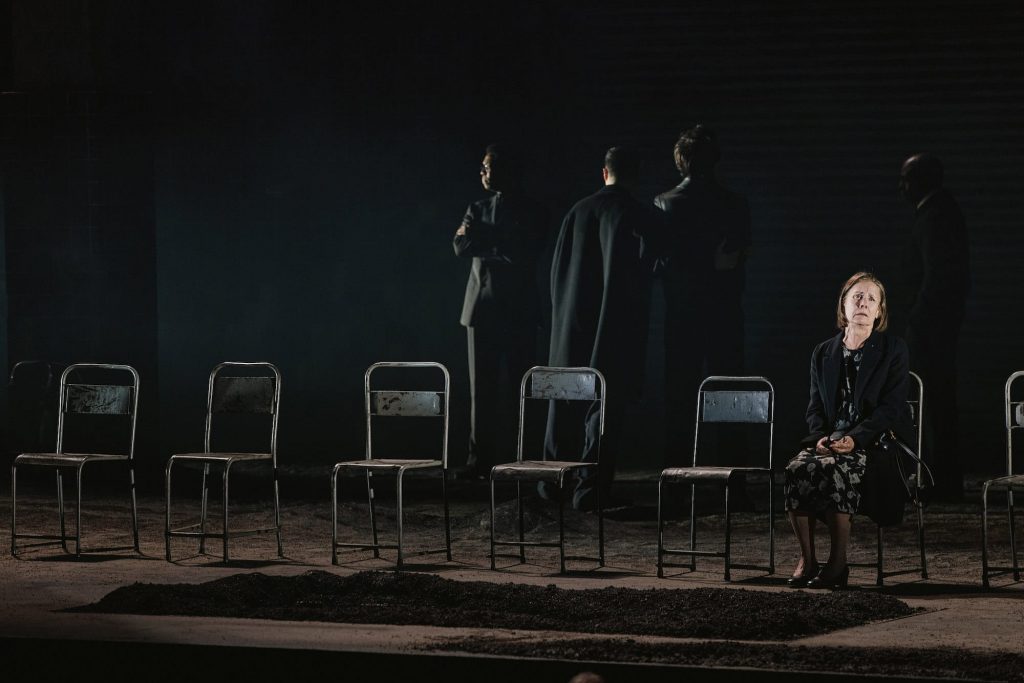
Winner of the 2026 Tony Award for Best Scenic Design of a Play, the latest Broadway revival of Arthur Miller’s Death of a Salesman reimagines the classic with a strikingly original visual concept. Rather than recreating the Loman home through realism or conventional abstraction, Chloe Lamford places the drama within an expansive warehouse or garage-like space that serves as a physical manifestation of Willy’s fractured mind. Scattered with dirt and anchored by Willy’s car upstage, the set is filled with fragments of his past, turning the stage into a haunting landscape of memories that foreshadow the tragic fate awaiting him.
Dog Day Afternoon
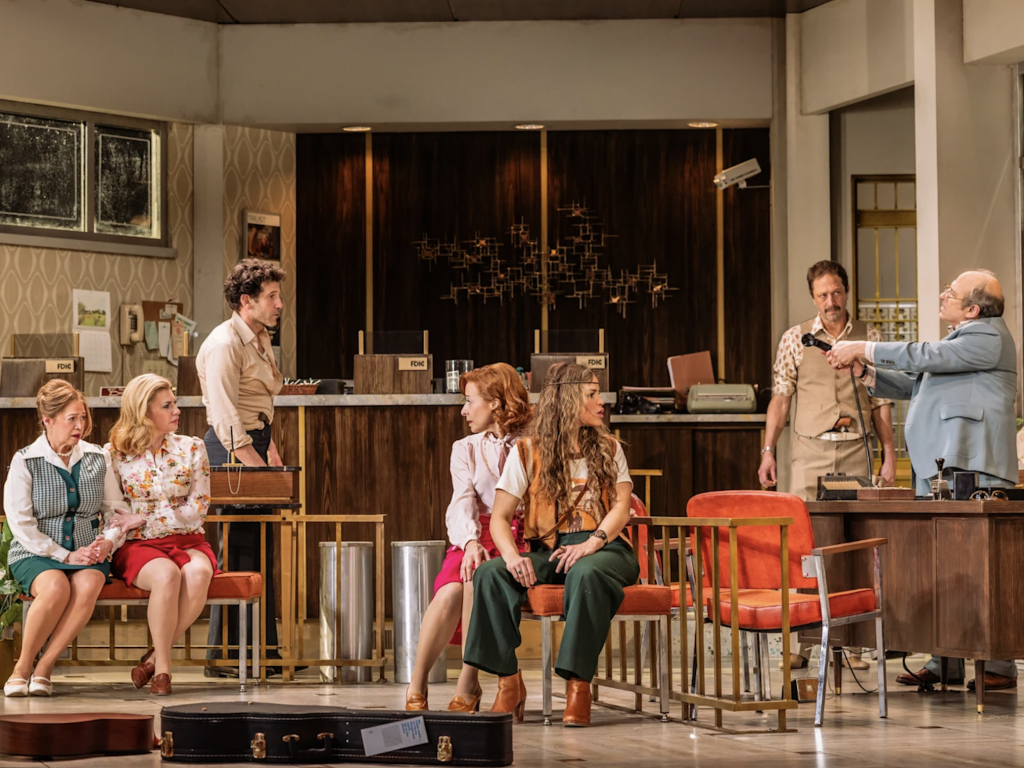
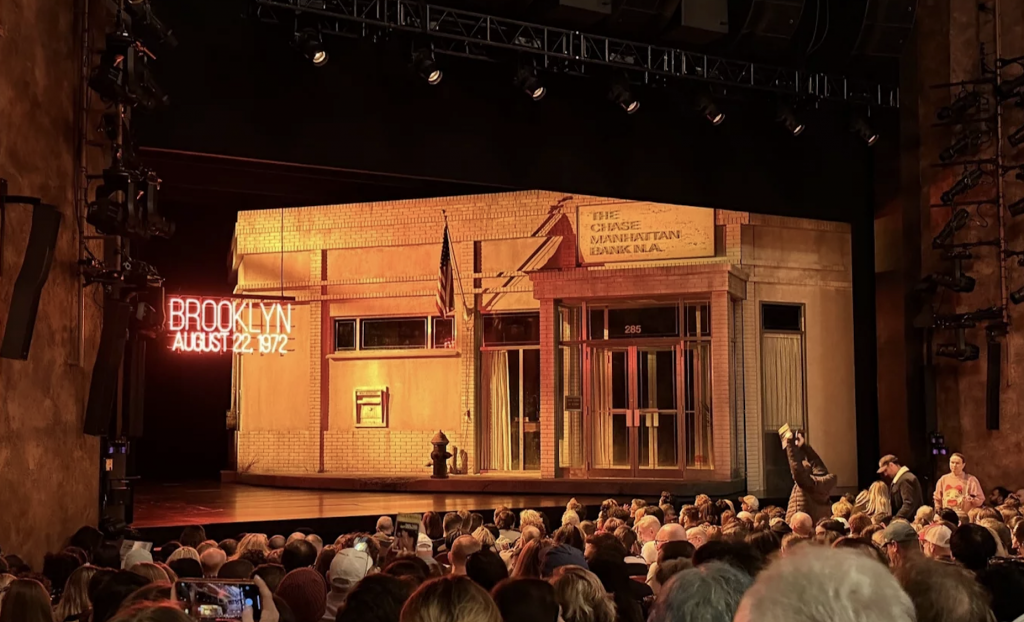
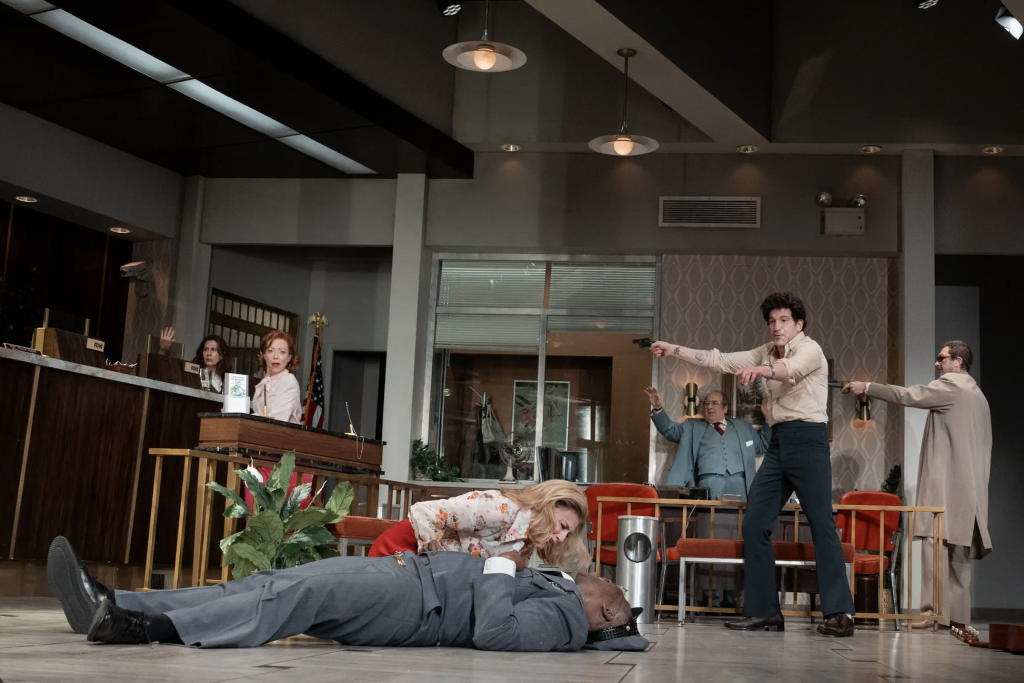
Nominated for the 2026 Tony Award for Best Scenic Design of a Play, Dog Day Afternoon is a masterclass in making a compact Broadway stage feel expansive and immersive. David Korins’ meticulously detailed design faithfully recreates both the exterior and interior of a 1970s Brooklyn bank, packed with period-specific touches that extend even to details most audience members would never notice. Brought to life by a technically sophisticated rotating set, the production seamlessly shifts perspectives while capturing the tension and authenticity of both the iconic film and the true story that inspired it.
Two Strangers (Carry a Cake Across New York)
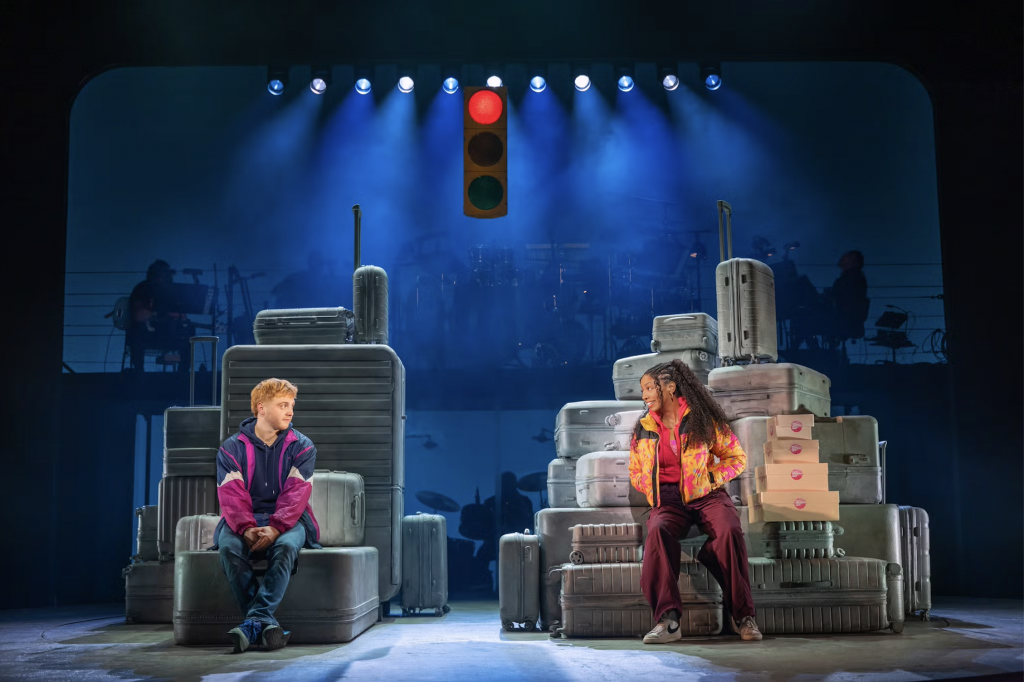
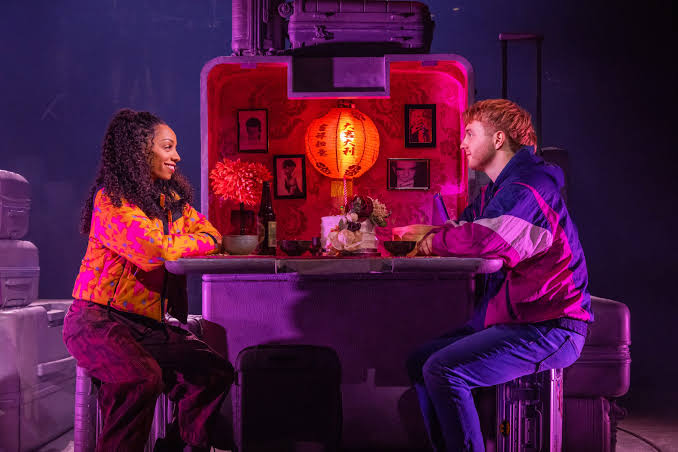
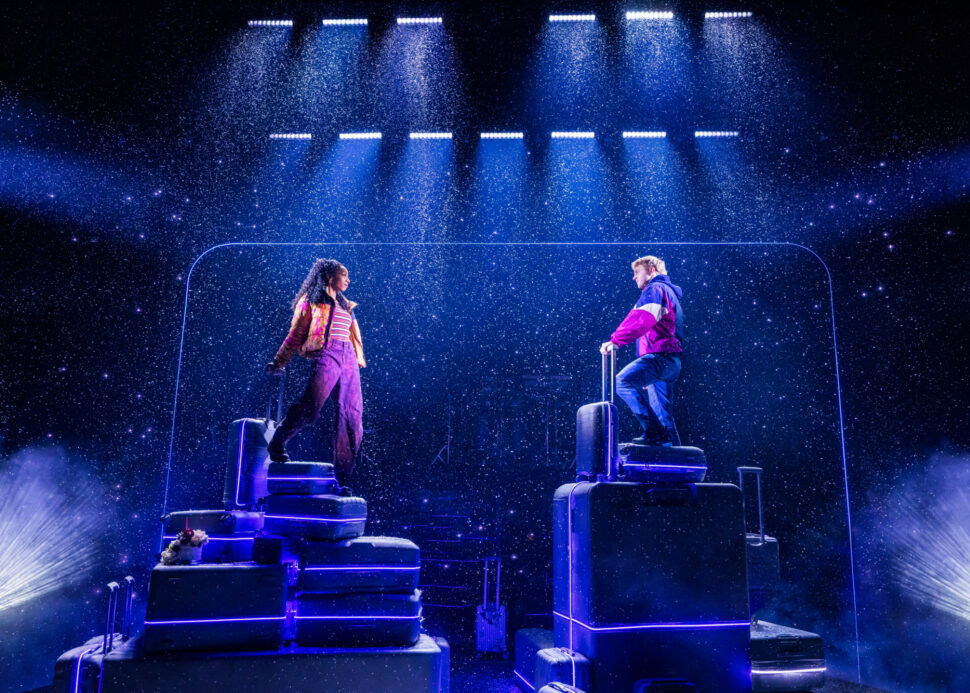
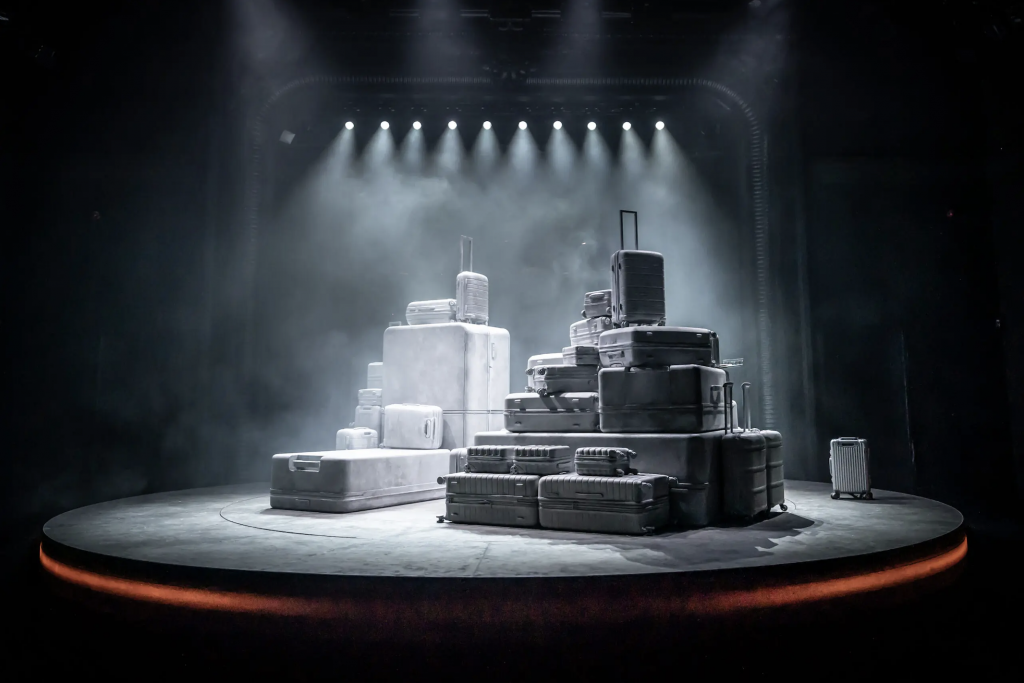
Nominated for the 2026 Tony Award for Best Scenic Design of a Musical, Two Strangers (Carry a Cake Across New York) features one of the season’s most inventive scenic concepts by Soutra Gilmour. Centered on a revolving stage with the orchestra integrated into the backdrop, the intimate design is built from towering stacks of white suitcases that symbolize both Dougal’s journey to America and the pair’s whirlwind adventure through New York City. Though boldly abstract, the set is filled with cleverly concealed doors, compartments, and transforming elements that continuously reshape the setting, allowing the luggage itself to become everything from city streets to intimate interiors.
Fallen Angels
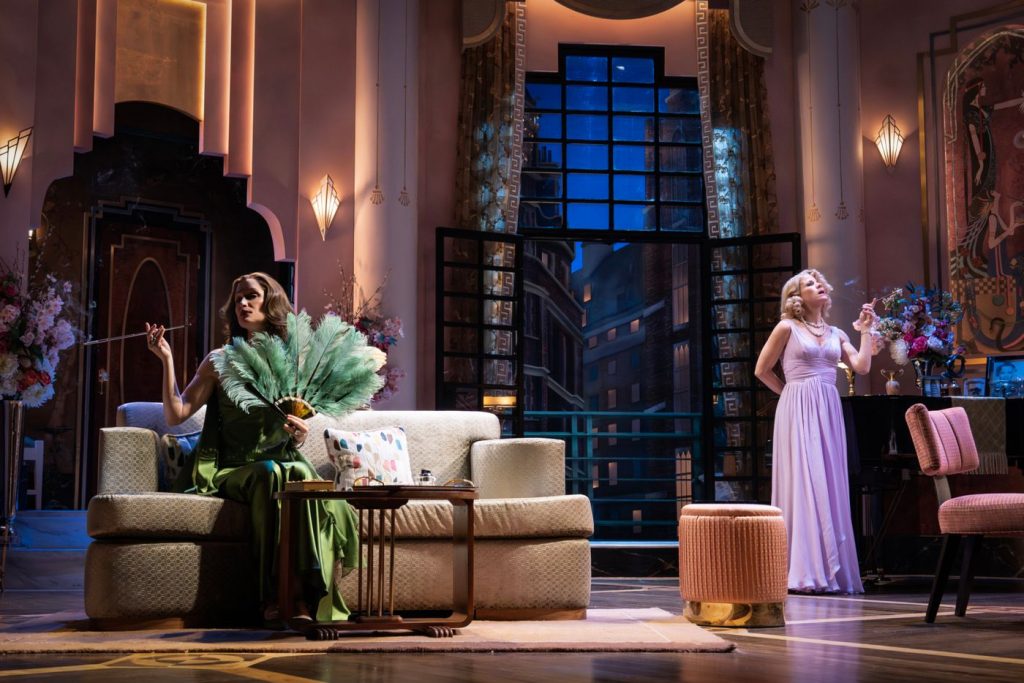
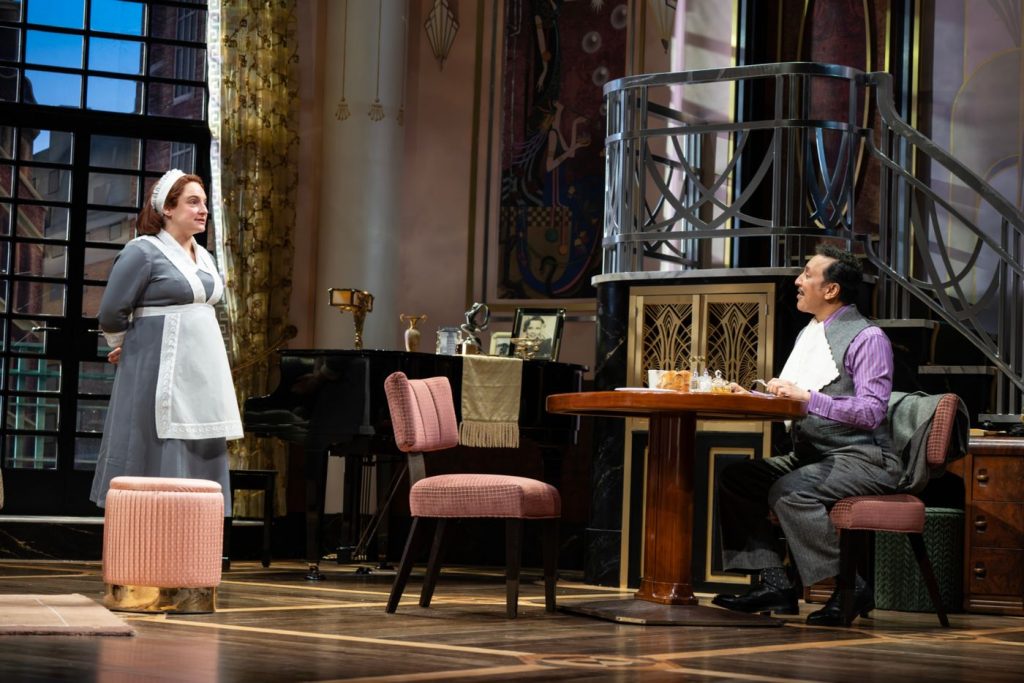
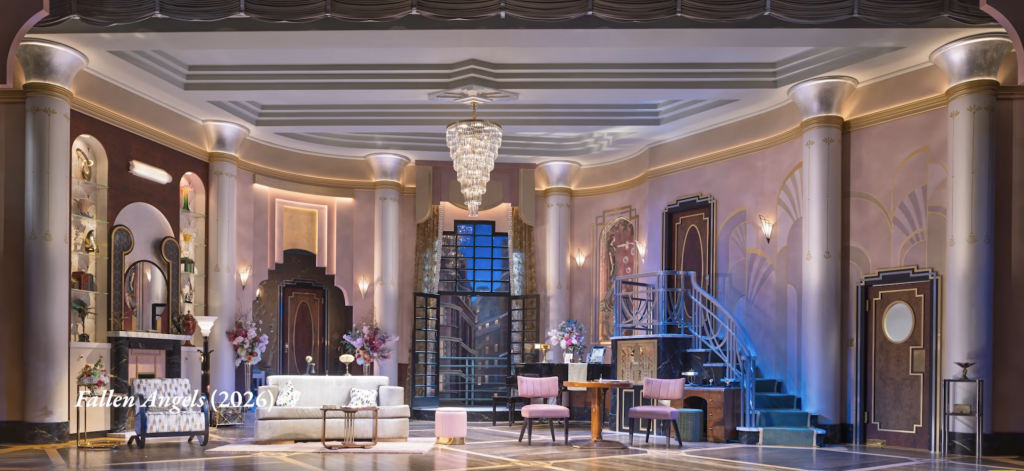
Nominated for the 2026 Tony Award for Best Scenic Design of a Play, the revival of Noël Coward’s comedy Fallen Angels showcases Broadway’s remarkable ability to maximize every inch of the stage and transport audiences into another era. As the first major Broadway revival in 70 years, the production honors its history while reimagining it through David Rockwell’s lavishly detailed 1930s-inspired design, enhanced by modern theatrical technology. Drawing from the elegance of the Art Deco and Art Moderne movements, the meticulously crafted London flat perfectly complements Coward’s sharp wit and sophisticated world, creating a space so inviting audiences may wish they could step inside themselves.