By Ben Schachne
A Look at Broadway’s Best Visual and Textual Language
Some Broadway shows are remembered long after their final curtain or throughout their current run not just for the performances onstage, but for the visual and textual language that came to define them. A single emblem, a distinctive typeface, or a carefully crafted logo can become as recognizable as a show’s score, instantly evoking a production decades later or for decades to come.
In an industry built on storytelling, Broadway’s most iconic iconography and typography prove that great design can leave just as lasting an impression as the stories themselves. Here are some of the quintessential examples of Broadway iconography and typography that continue to shape the industry’s visual legacy.
Iconography
The Phantom of the Opera
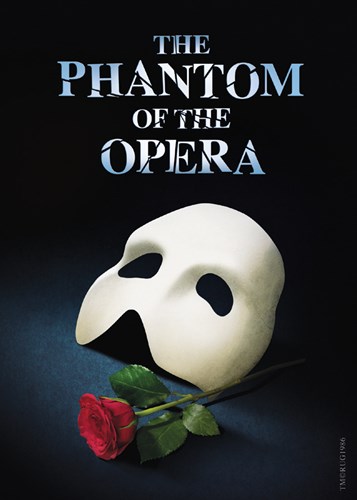
Icon: The Mask
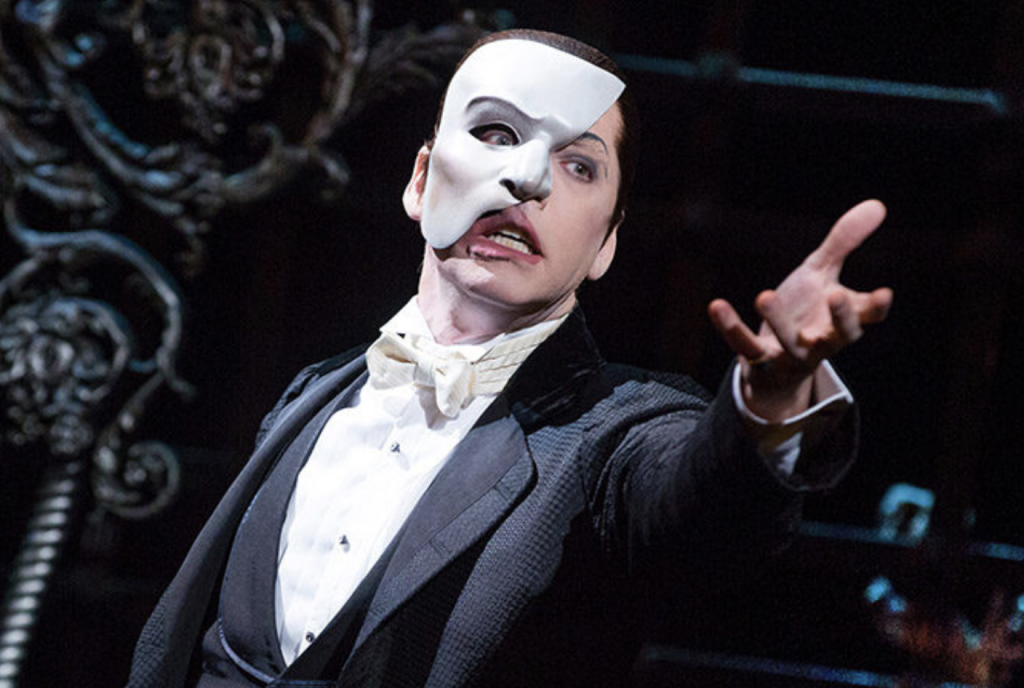
Perhaps the most recognizable image in Broadway history, the mask from Andrew Lloyd Webber’s Phantom of the Opera encapsulates the mystery, romance, and tragedy at the heart of the musical. While the key art features a full-face mask rather than the half-mask worn by the Phantom onstage, both evoke the same haunting elegance and have become enduring symbols of the show’s story and its enigmatic title character. Even though the Phantom’s mask existed long before the musical, The Phantom of the Opera redefined it, forever linking the image with Broadway itself.
Les Misérables
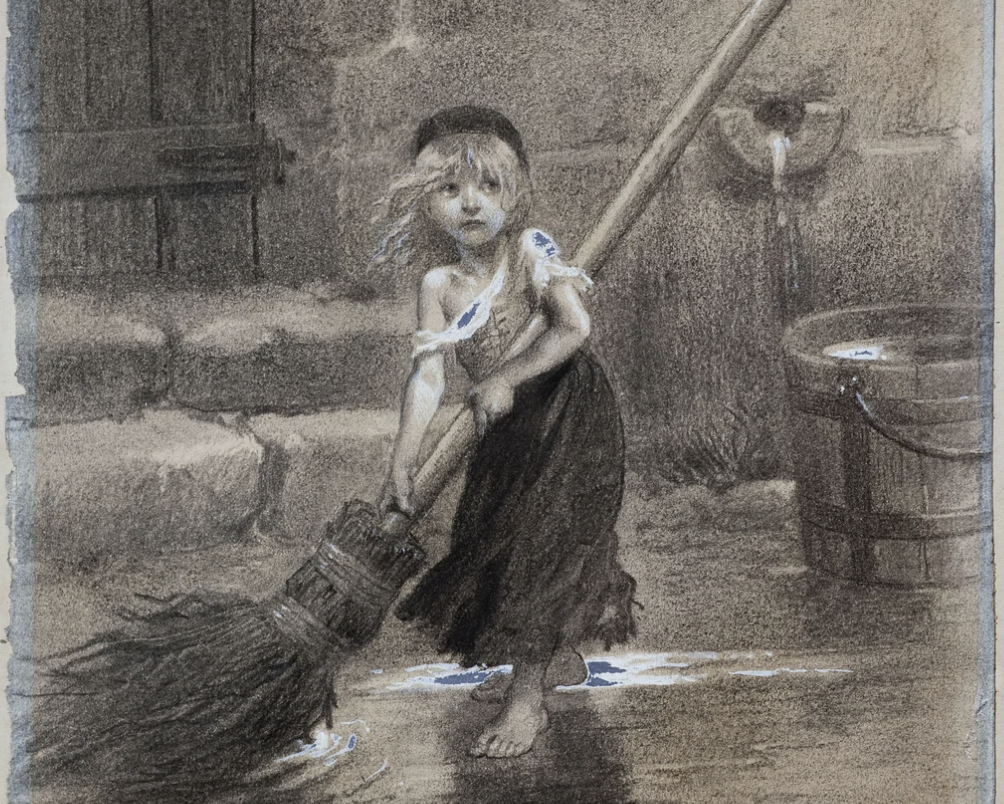
Icon: Cosette
Originally created in the 19th century, Émile Bayard’s illustration of young Cosette has become synonymous with the musical adaptation of Les Misérables. Since the show’s original production, the image has appeared on Playbills, posters, and cast album covers for almost every production around the world, from Broadway and the West End to regional and school stages. Though rooted in Victor Hugo’s novel, the image has become inseparable from the stage production as it captures the sweeping emotion and revolutionary themes of the story.

Little Shop of Horrors
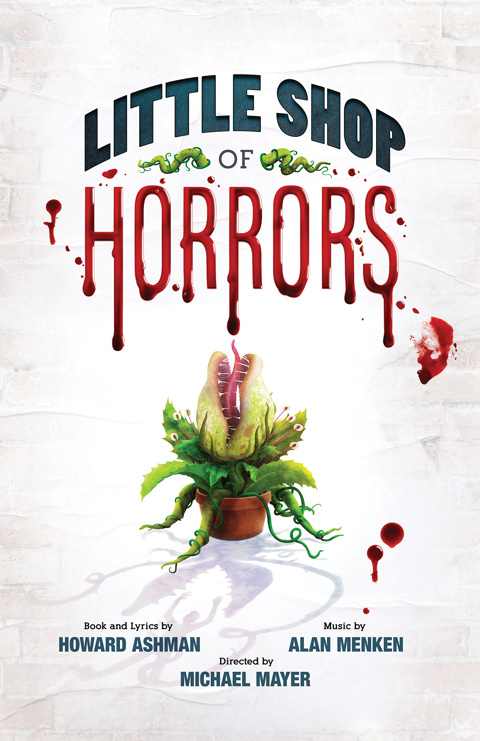
Icon: Audrey II
Across both stage and screen adaptations of Little Shop of Horrors, Audrey II has terrorized characters while charming audiences around the world, stealing hearts both literally and figuratively. Evolving from a cute hand puppet into a towering, stage-filling monster, the carnivorous plant perfectly embodies the show’s blend of camp, horror, and dark comedy. Brought to life through extraordinary puppetry and an irresistibly devious personality, Audrey II has become one of Broadway’s defining visual icons.
Hamilton
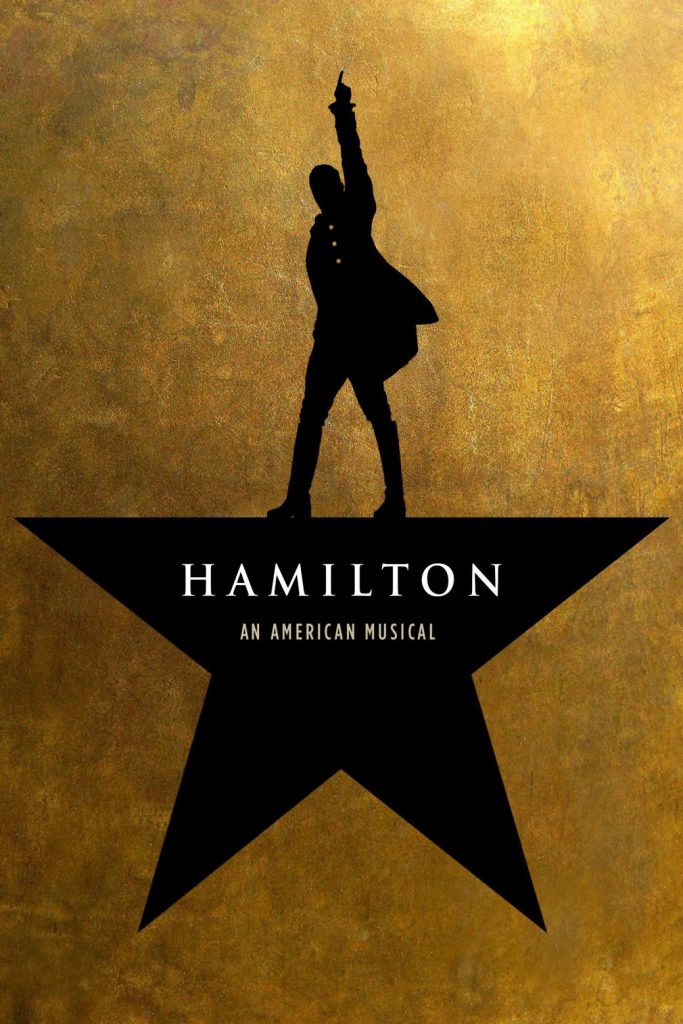
Icon: The Star & The Silhouette
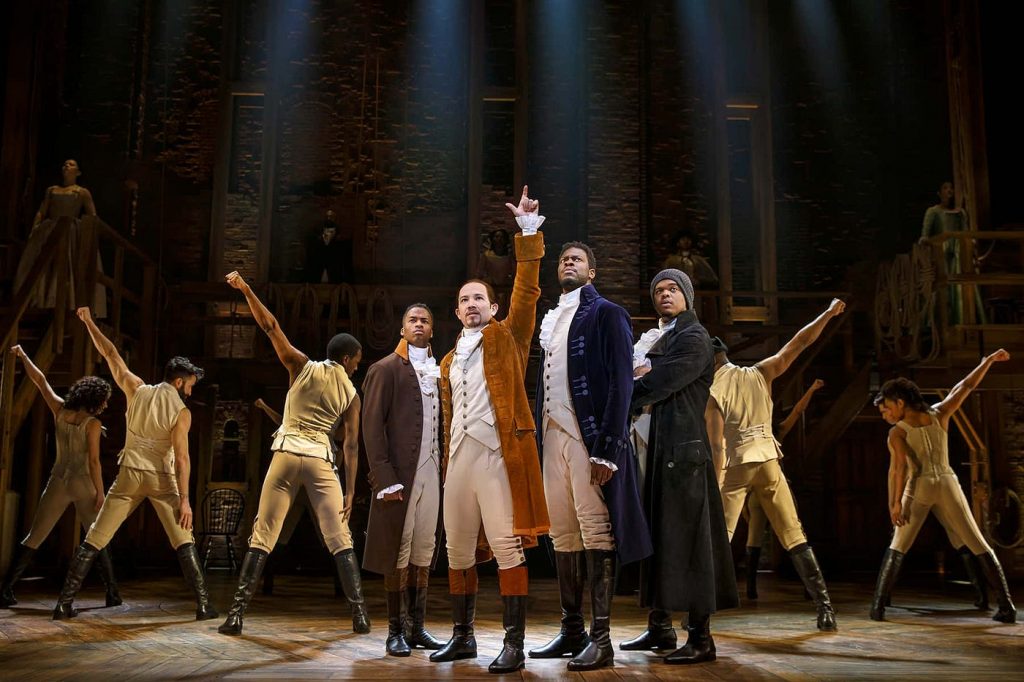
Few Broadway logos have achieved the instant recognition of the star-and-silhouette emblem from Hamilton. Its bold simplicity mirrors the show’s forward-driving energy and revolutionary spirit, with Hamilton’s silhouette in his “My Shot” pose evoking both the character’s relentless ambition and the perpetual cultural impact of the song. The logo’s pose also serves as a poetic foreshadowing of Hamilton’s fate in his duel with Aaron Burr, producing a striking image that has fostered its instant recognition and countless parodies across popular media.

Wicked
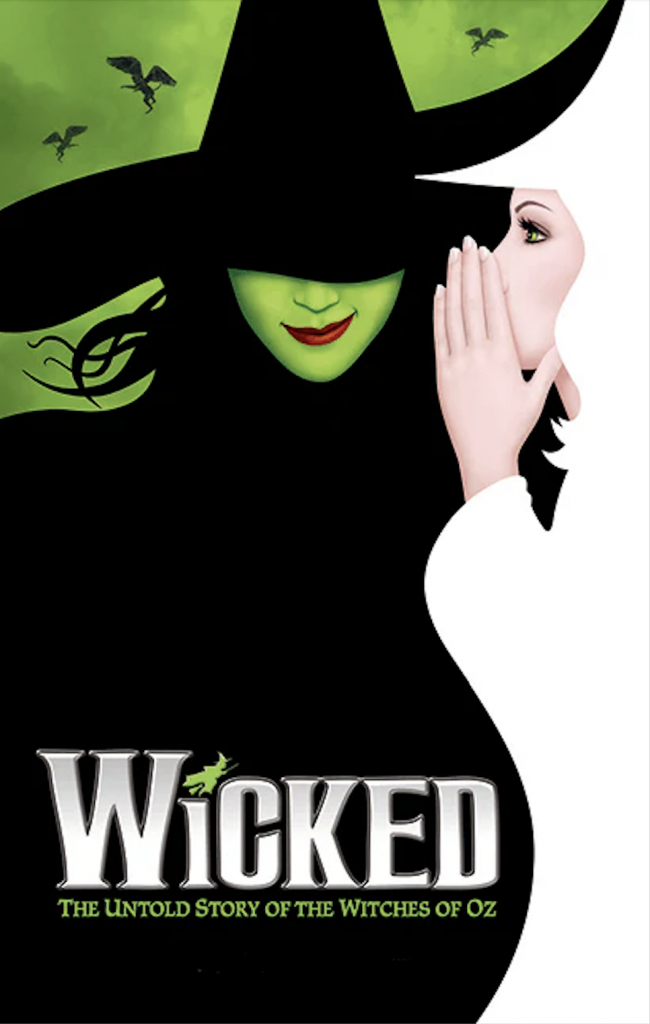
Icon: The Hat
Elphaba’s pointed black hat has been a defining visual of Broadway—and now Hollywood—culture since the debut of Wicked in 2003. While rooted in the iconic headpiece from The Wizard of Oz, Wicked reimagines its meaning, transforming it into a symbol of defiance and self-acceptance as Elphaba embraces her identity by wearing it. Instantly recognizable even outside the context of the story, the hat captures the essence of one of Broadway’s most popular musicals in a single, timeless image.
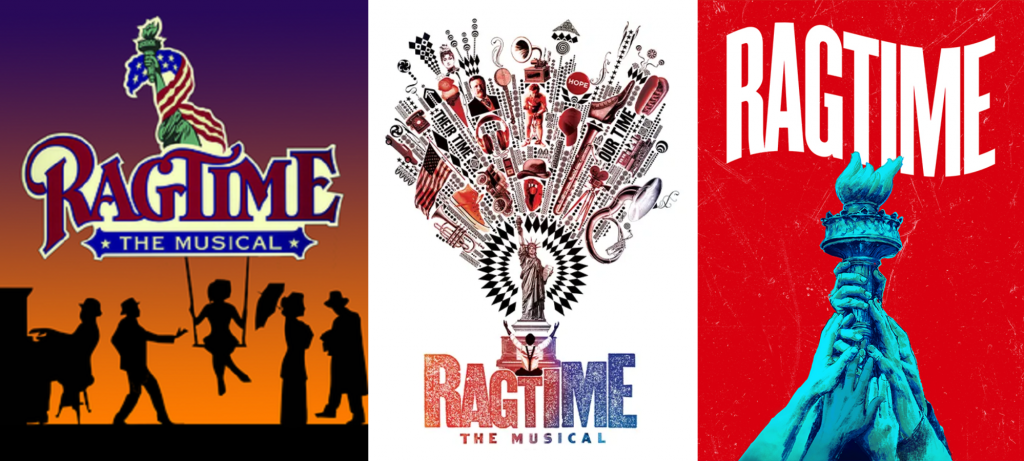
Ragtime
Icon: The Statue of Liberty
The Statue of Liberty stands as one of America’s most iconic symbols, representing immigration, freedom, and the promise of the American Dream. Ragtime draws on this powerful image of hope, using it as a central visual motif that reflects the show’s themes on a monumental scale. Through its repeated visual presence across productions and promotional material, it has become inseparable from the musical, embodying its message of hope amid a changing America.
Maybe Happy Ending
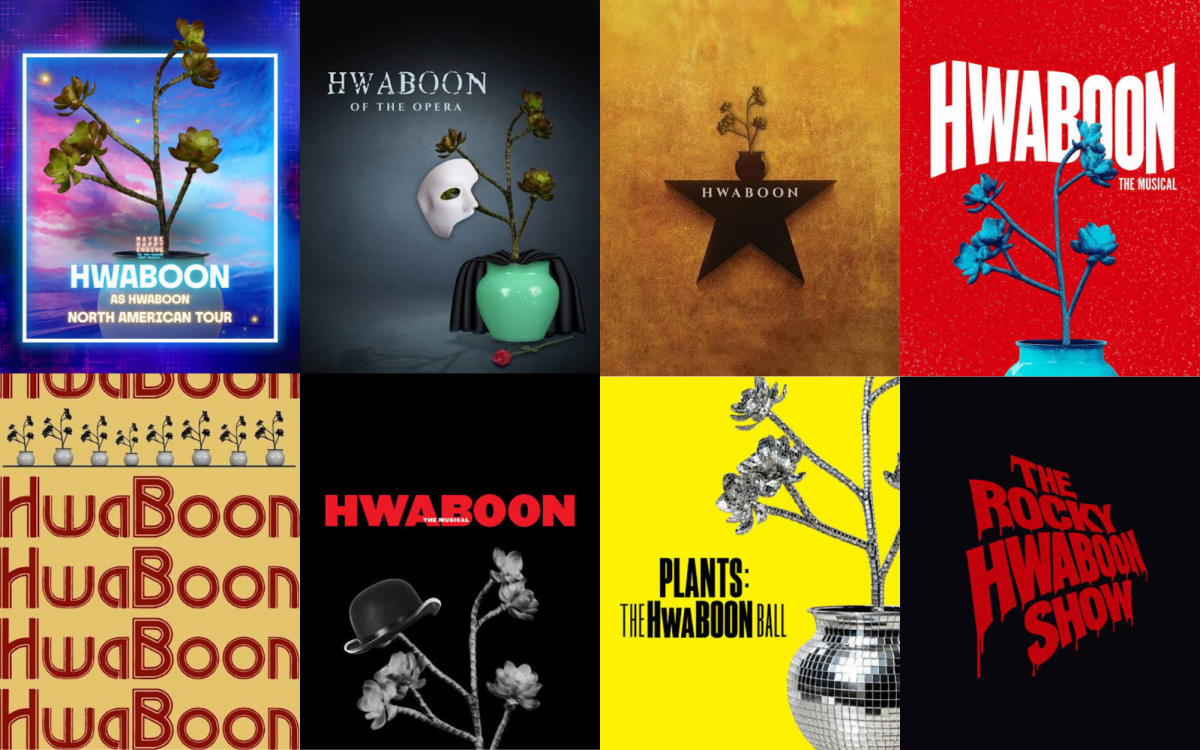
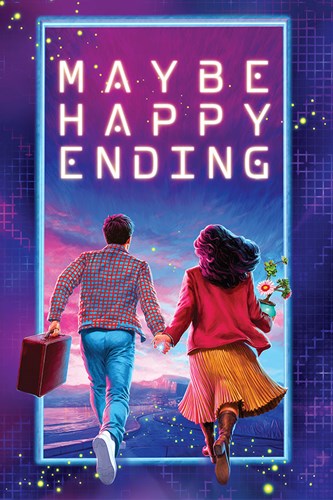
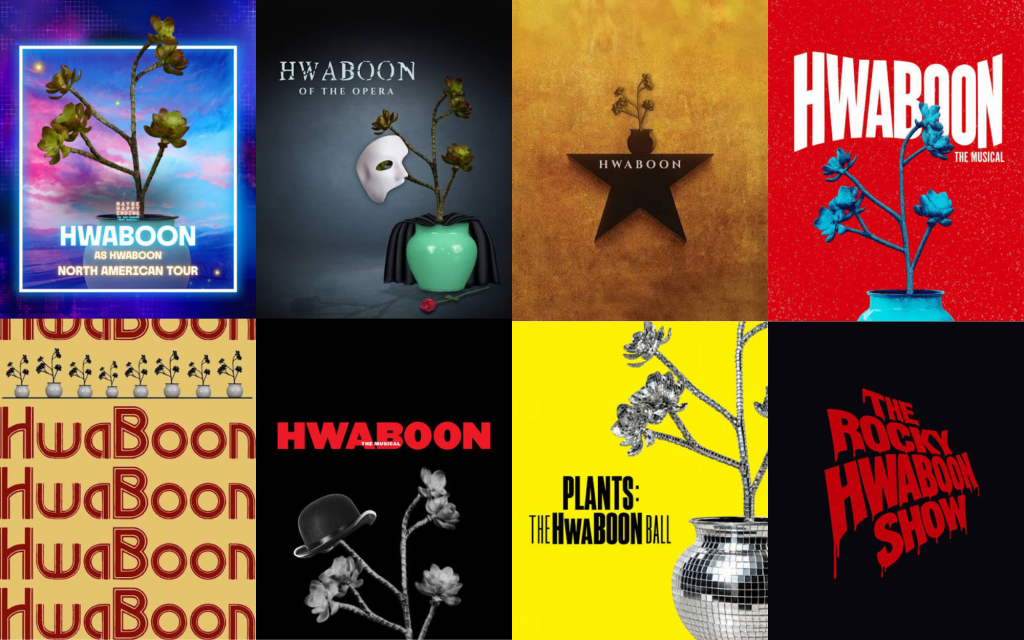
Icon: HwaBoon
The small potted plant at the heart of Maybe Happy Ending may seem simple at first glance, but it has become one of the production’s most defining visual motifs. As the shared companion of its central characters, HwaBoon serves as a touching symbol of the musical’s themes of connection, memory, and what it means to be alive. Though a relatively new piece of Broadway iconography, HwaBoon has already left a lasting impression on audiences, with its legacy only beginning to grow.
Typography
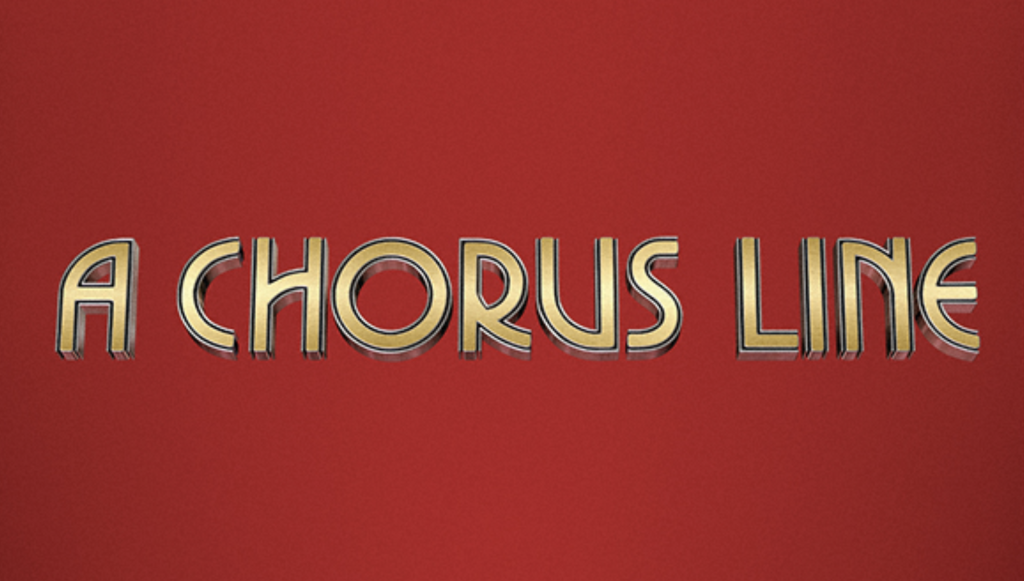

A Chorus Line
The typography of A Chorus Line is as recognizable as its signature gold imagery. Set in elegant, Art-Deco lettering, the title conveys the glitz and glamour of Broadway while allowing the silhouettes of the dancers to remain the visual focus. Its understated and repeated design reflects the show’s celebration of the ensemble, proving that strong typography can be memorable without overpowering the artwork.
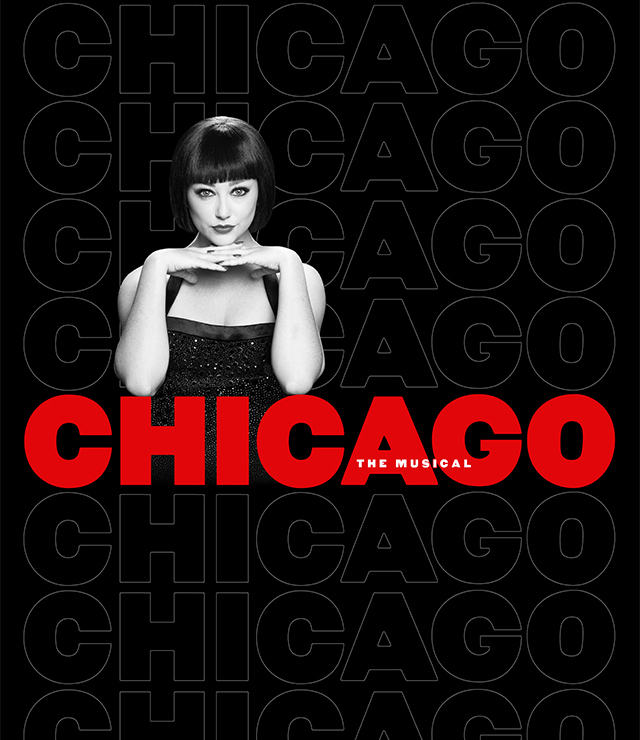
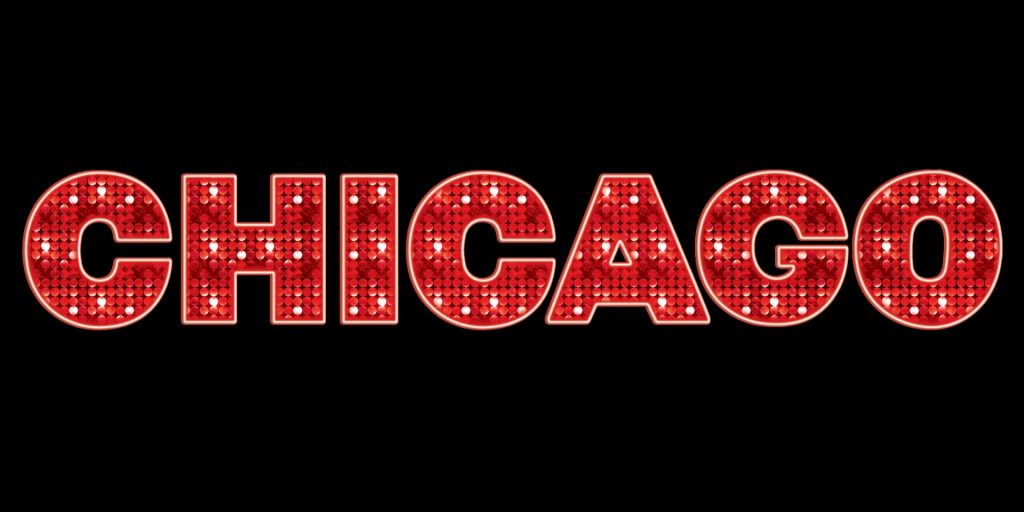
Chicago
The Chicago logo is bold, minimalist, and instantly recognizable, perfectly capturing the show’s sleek, jazz-era aesthetic. Its thick, geometric letterforms project confidence, while the striking red-and-black color palette reinforces the production’s themes of passion, danger, and spectacle. The clean, commanding title has become synonymous with the musical itself, making it one of Broadway’s most successful typographic identities.
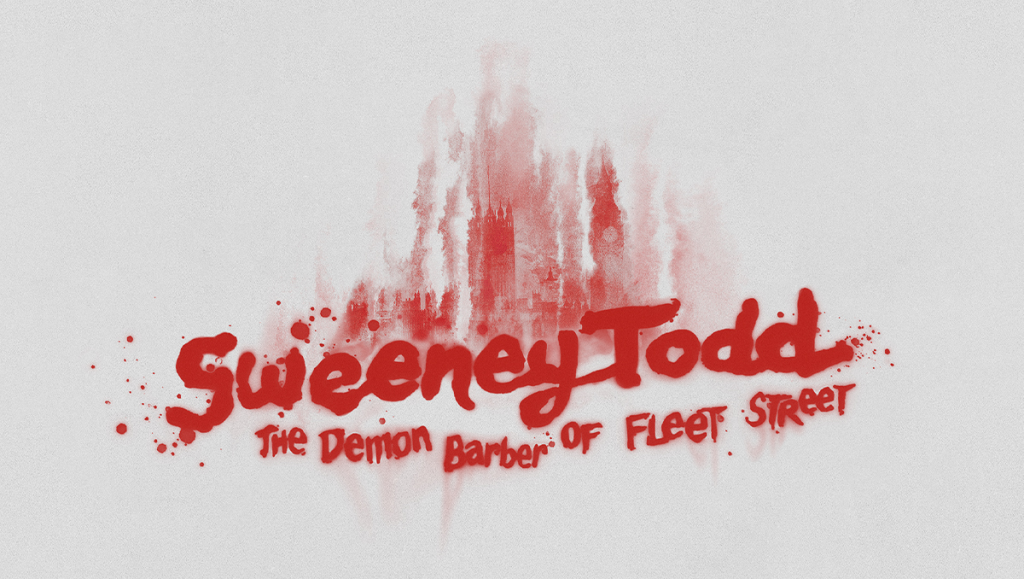
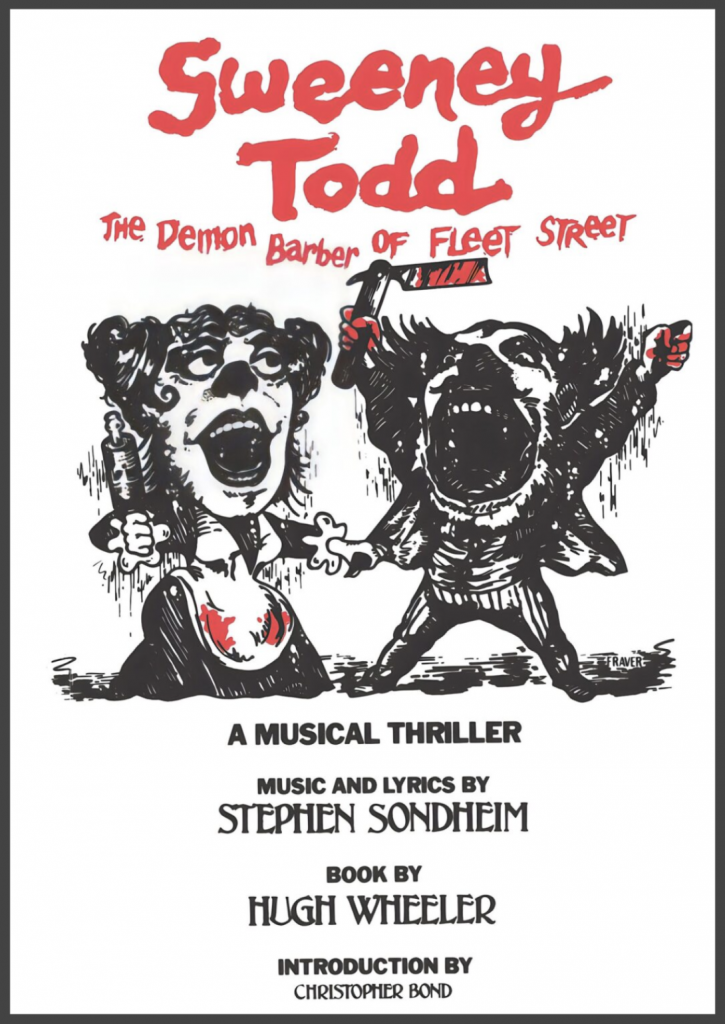
Sweeney Todd
The typography of Sweeney Todd is hand-drawn and deliberately unrefined, immediately conveying the musical’s dark and ominous tone. The jagged brushstroke lettering feels almost hastily scrawled in blood, reinforcing the show’s themes of madness, violence, and revenge. Recently reused in the 2023 Broadway revival, the distressed style creates a sense of unease, making the typography as psychologically unsettling as the story itself.
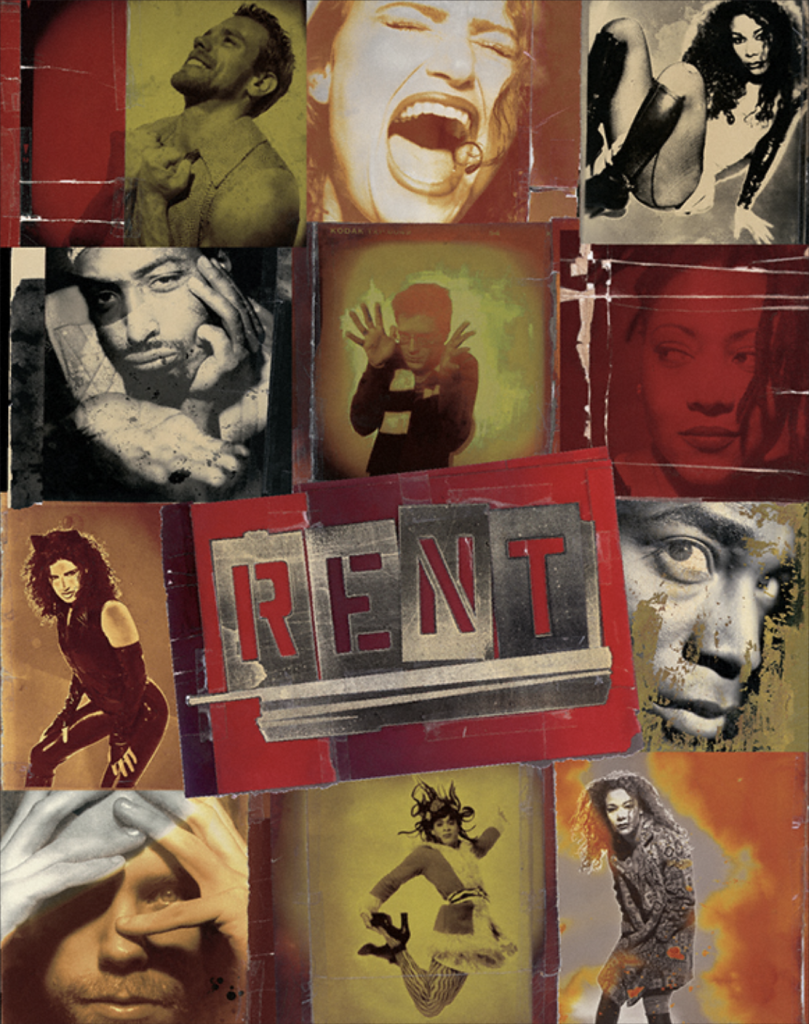
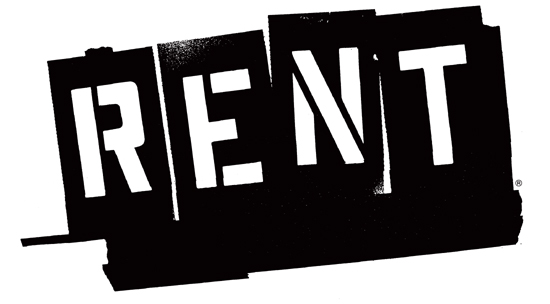
Rent
The Rent logo itself feels gritty and unpolished, giving the title a handmade quality that mirrors the raw, emotional texture of the show. Its uneven spacing and graffiti-like letterforms evoke the instability of life in downtown New York, reinforcing the musical’s grounded, documentary-like feel. Like an artifact pulled directly from the world the characters inhabit, the logo has become iconic and is now used across nearly every production of the show.
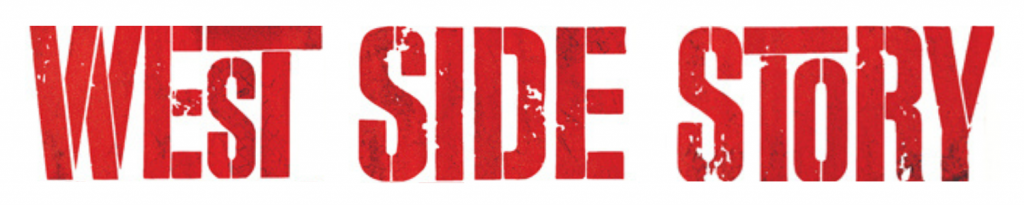
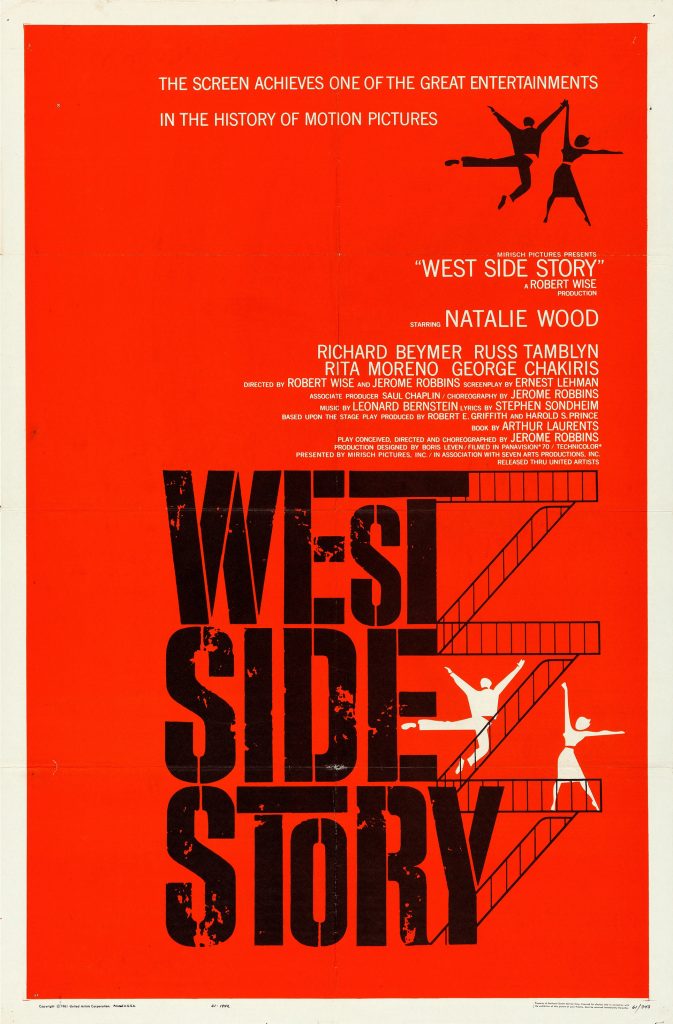
West Side Story
The typography of West Side Story is bold, textured, and tightly stacked, reflecting the heightened drama and underlying tension of its 1950s setting. The sharp alignment and heavy weight of the type echo the show’s choreography and urban environment, reinforcing a sense of spatial conflict between the two sides. While originally introduced with the 1961 film, this distinctive design became inseparable from the show’s identity, going on to influence countless Broadway and regional productions that followed.
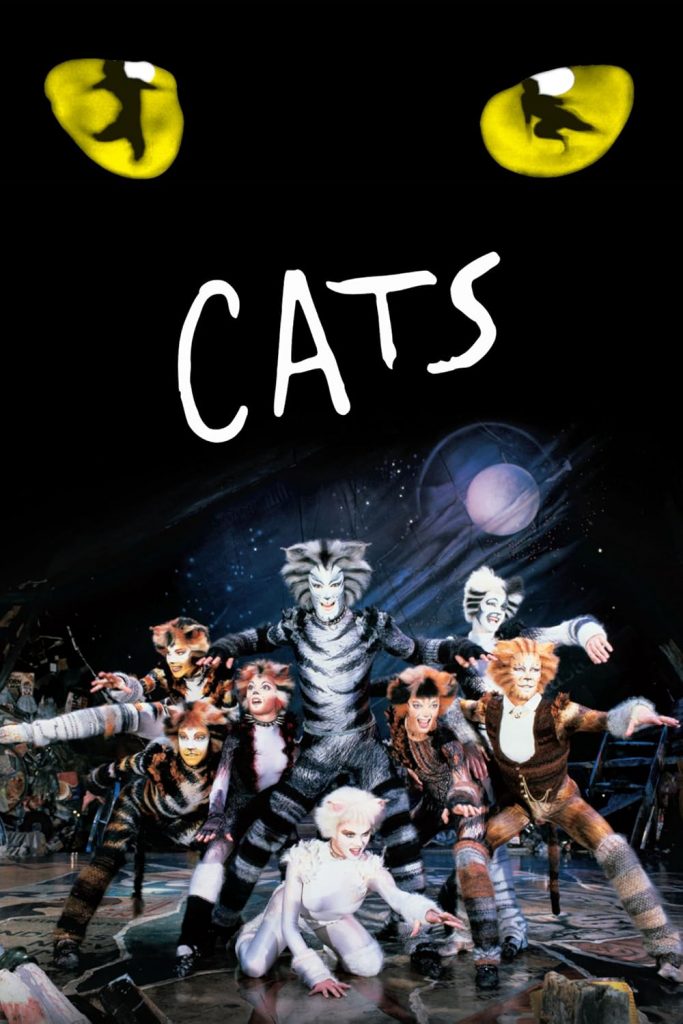
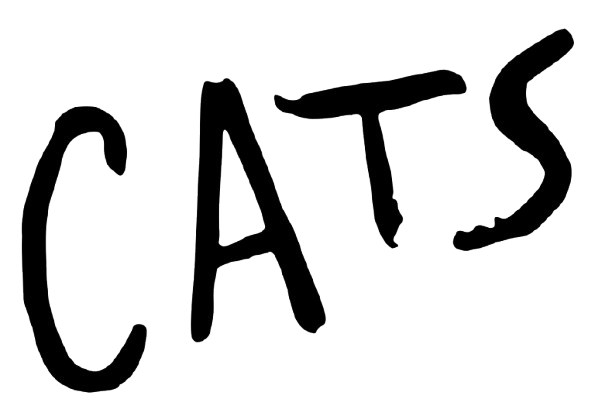
Cats
The Cats logo is elegant and mysterious, immediately establishing the musical’s dreamlike, otherworldly atmosphere. Its flowing hand-drawn letterforms and elongated curves evoke grace and movement, reflecting the feline physicality that defines the original production. Simple yet instantly recognizable, the logo has remained virtually unchanged for decades, with even contemporary reinterpretations like Cats: The Jellicle Ball incorporating the classic design into their updated marketing.
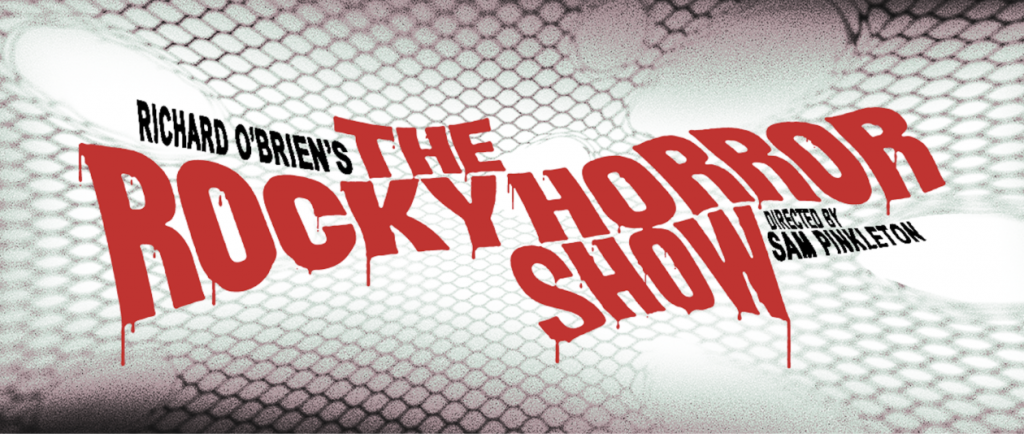
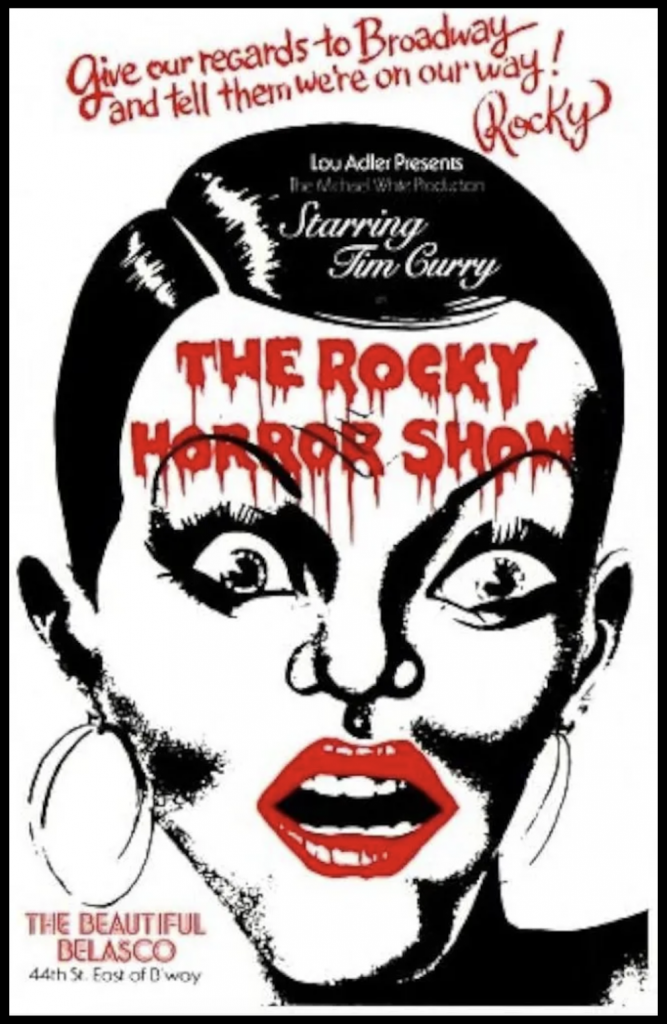
The Rocky Horror Show
The typography of The Rocky Horror Show is bold, playful, and unmistakably camp, perfectly reflecting the musical’s rebellious spirit and cult appeal. Its exaggerated, bloody letterforms evoke the aesthetics of vintage horror comics and B-movie posters, blending humor with theatrical excess. Although the typography has evolved across stage productions since the original Broadway run and the 1975 film, its bloody, theatrical aesthetic has remained remarkably consistent, preserving the unmistakable identity of The Rocky Horror Show.