Categories
Broadway's Best Cover Story Creative

The Revival Cycle: Broadway’s Most Returned-To Musicals

By Ben Lerner

If you read the Broadway’s Best Shows feature about the most-revived plays in Broadway history, you know Shakespeare is the clear leader, although he had a multi-century headstart over runners-up like Henrik Ibsen, George Bernard Shaw, and Anton Chekhov. And that when focusing on twentieth-century American playwrights, Tennessee Williams’ The Glass Menagerie and Cat on a Hot Tin Roof and Arthur Miller’s Death of a Salesman (on Broadway until August 9!) take the cake.

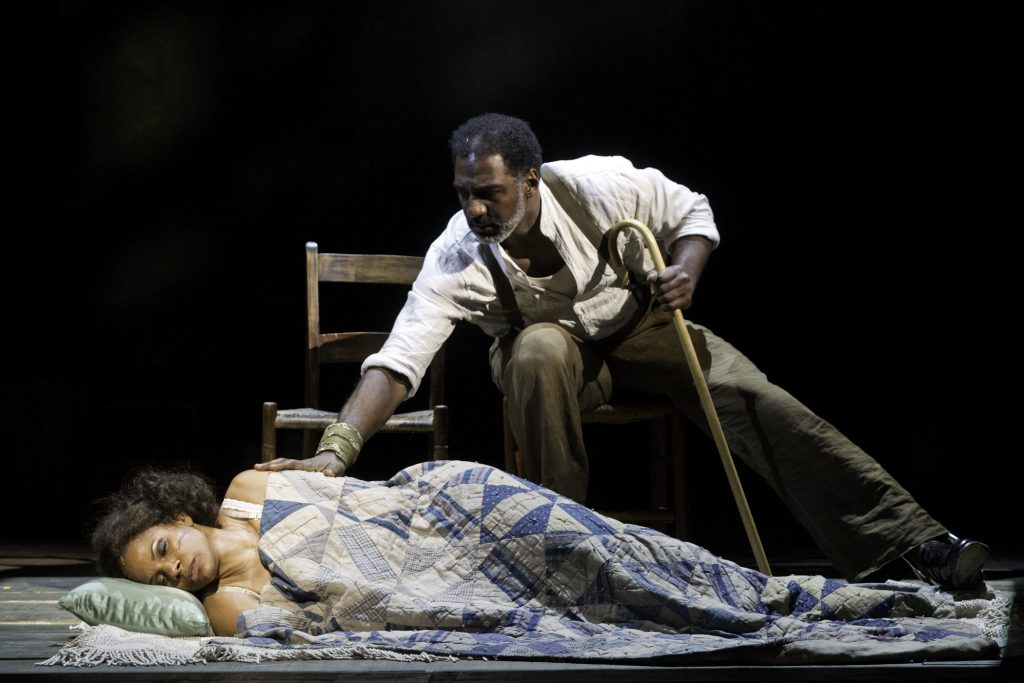
But if we focus solely on musical theatre, which shows do you think we’ve seen on Broadway the most so far? Close readers of the last feature will note Gilbert & Sullivan’s operettas have been performed dozens of times, dating back to the 1870s. But when we zoom in on American Broadway musicals of the twentieth century, our winner is George & Ira Gershwin’s Porgy and Bess, which premiered in 1935 and has been revived a whopping seven times since – most recently in 2012 with Audra McDonald and Norm Lewis. Sticklers may question its position, as it is an opera, but its eight Broadway productions solidify its status as a musical (and there are plenty of sung-through musicals in its company!)

Audra McDonald and Norm Lewis in Porgy and Bess. Photo by Michael J. Lutch.

That said, a more classic American musical ranks just behind with six revivals: Jerome Kern & Oscar Hammerstein II’s Show Boat, which debuted in 1927 and was last revived in 1994, directed by Hal Prince. Tied with Show Boat is The Threepenny Opera by Berthold Brecht & Kurt Weill, but that show is classified more as a “play with music” and premiered in Germany.

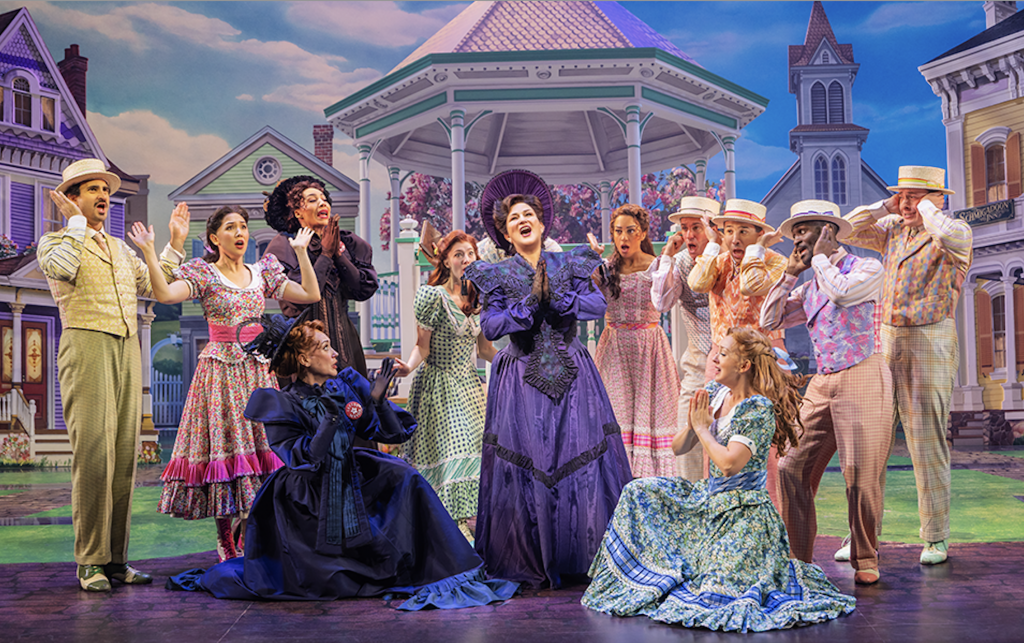
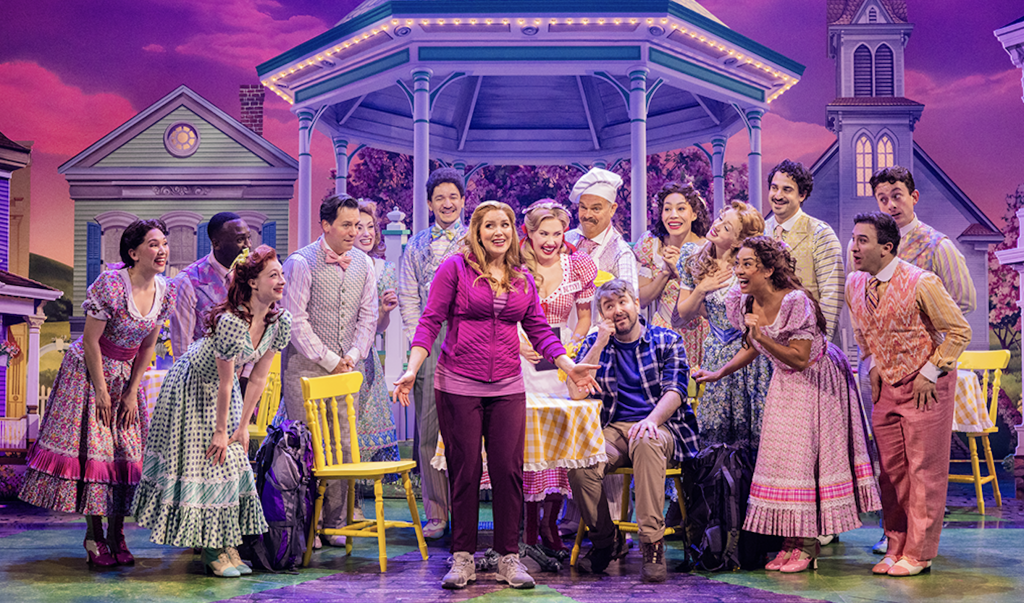
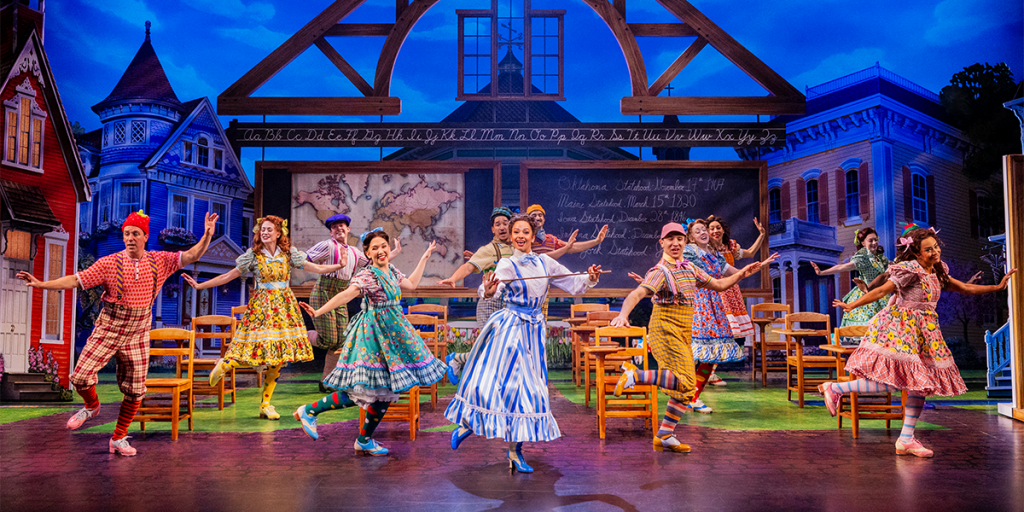
When we look at the five-revival club behind Porgy and Bess and Show Boat, we’ll find some of the most well-known and beloved musicals from the Golden Age of Broadway – including some that are lovingly lampooned in this year’s Tony-winning best musical, Schmigadoon!. These include two Rodgers & Hammerstein classics: Oklahoma!, which debuted in 1943 and was most recently seen in 2019 as a stripped-down, immersive reimagining that won the Tony for Best Musical Revival, and Carousel (1945), last revived in 2018 starring Jessie Mueller and recent Tony winner Joshua Henry.

The original 1943 Broadway cast of Oklahoma! and the St. James Theatre marquee.

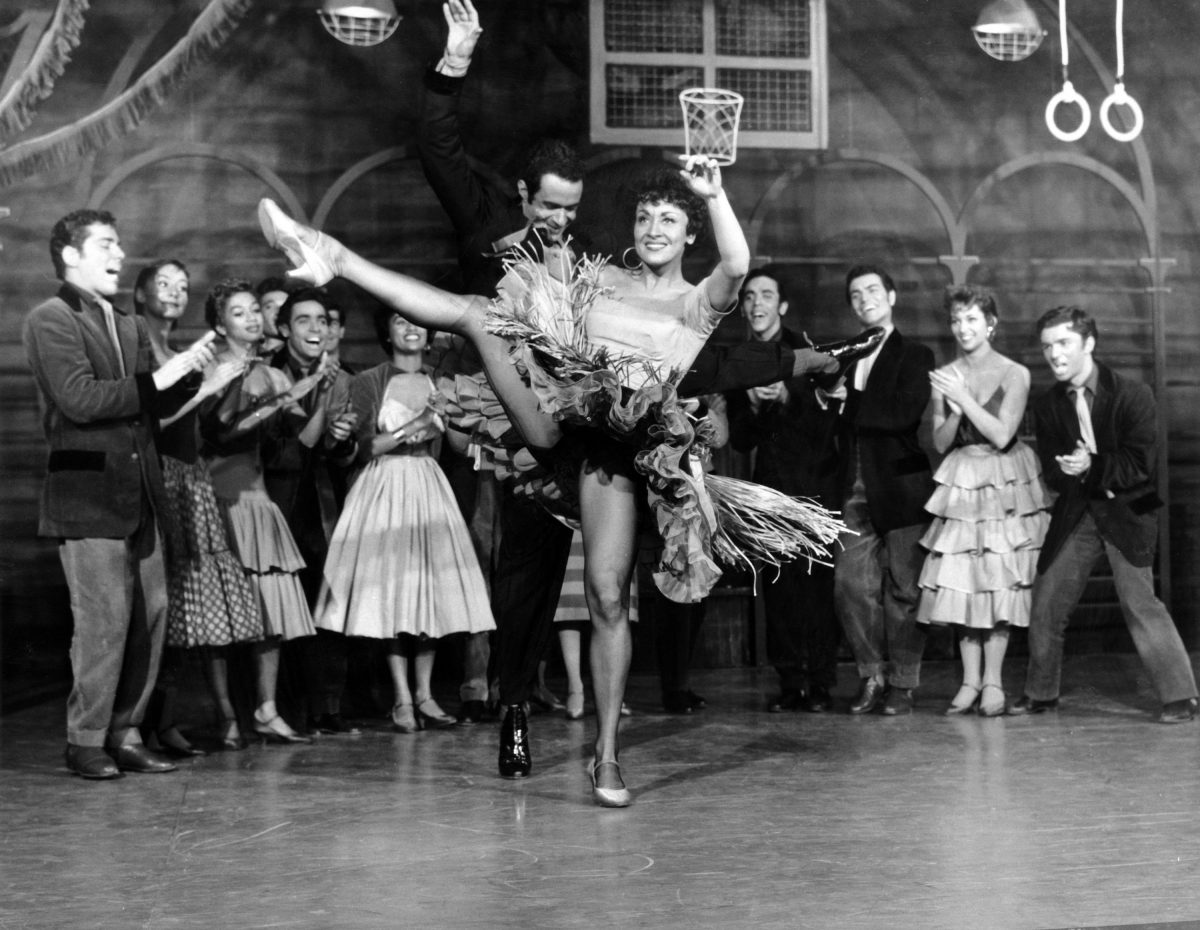
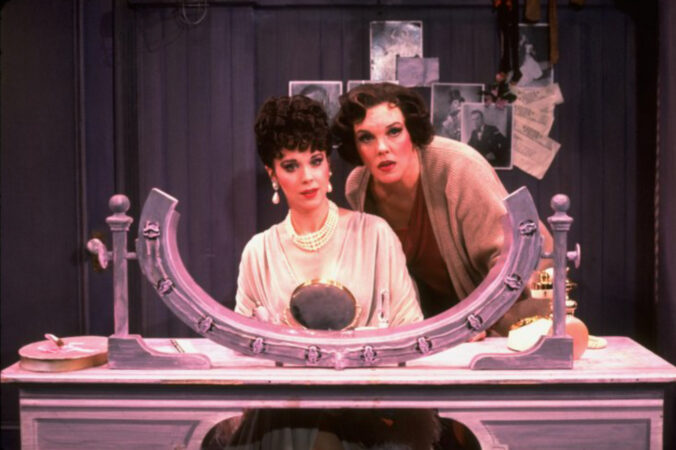
Outside of Rodgers & Hammerstein, there are four more classic musicals that have been revived five distinct times. Guys & Dolls was first performed in 1950 and last seen on Broadway in 2009, while Fiddler on the Roof premiered in 1964 and was last revived in 2015. Leonard Bernstein and Arthur Laurents’ West Side Story debuted in 1957 and was revived most recently in a controversial production that closed for the COVID-19 pandemic and never returned. (Of course, the iconic 1961 film version was “revived” in Steven Spielberg’s 2021 remake starring Rachel Zegler!) Lastly, Jule Styne and Arthur Laurents’ Gypsy was first staged in 1959 starring Ethel Merman as Rose and has been revived five times: starring Angela Lansbury (1974), Tyne Daly (1989), Bernadette Peters (2003), Patti LuPone (2008), and, most recently, Audra McDonald (2024).

Crista Moore and Tyne Daly in the 1989 revival of Gypsy.

These four musicals are considered to be among the greatest of all time, especially West Side Story and Gypsy – both of which feature lyrics by a young Stephen Sondheim! (Sondheim musicals with both his music and lyrics are more modern, but Sweeney Todd and Company are in the lead with three revivals each.)

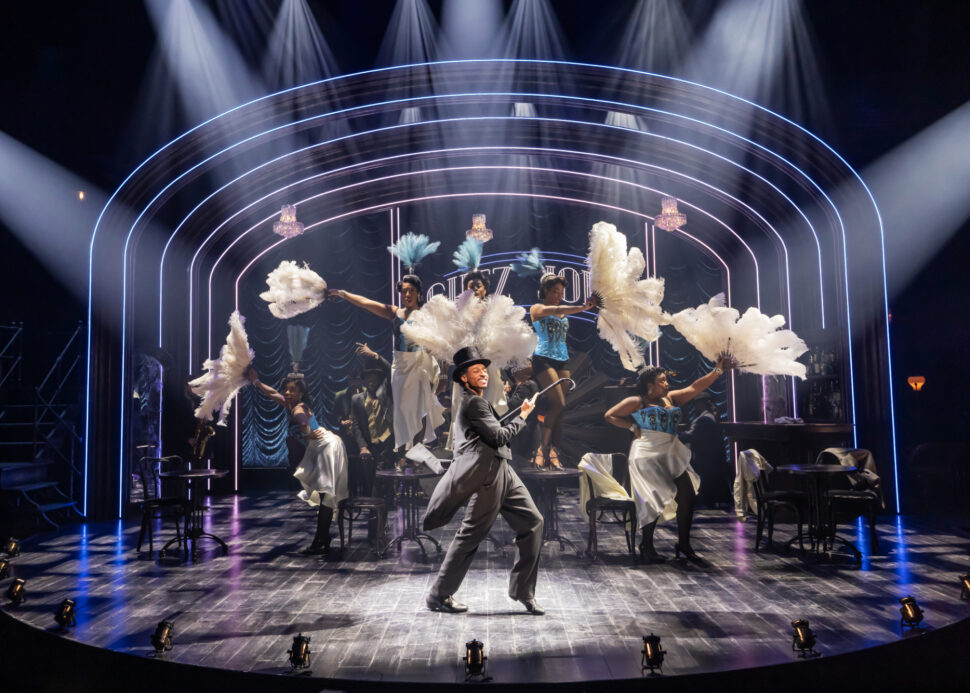
Also technically at five revivals is 1954’s Peter Pan, although four of those five revivals occurred in the 1990s starring Cathy Rigby: the 1990 revival returned for the 1991 holiday season, and the 1998 production returned in April 1999, only three months after closing its first engagement. In addition, if we see a Broadway transfer of Chez Joey – the recent reimagining of Rodgers and Hart’s Pal Joey that played a pre-Broadway engagement at Washington DC’s Arena Stage this spring – that show would hit five revivals, too. (It debuted back in 1940 and has been revived four times so far, most recently in 2008.)

Myles Frost and the company of Chez Joey at Arena Stage. Photo by Matthew Murphy.

Many of these most-revived shows originated before 1960, so the more modern musical classics may need some time to catch up. But of those waiting in the wings at four revivals each – The King And I, Brigadoon, Cabaret, Hello, Dolly!, My Fair Lady, and Man of La Mancha – which do you think is most due for #5? Of these, Cabaret was seen on Broadway most recently, with Eddie Redmayne in 2024, although the third revival in 2014 was technically a revival of the 1998 revival, both of which starred Alan Cumming. My Fair Lady, The King And I, and Hello, Dolly! all received large-scale fourth revivals in the 2010s – the former two at Lincoln Center and the latter at the Shubert. (Those productions of The King And I and Hello, Dolly! both won the Tonys for Best Musical Revival and Best Actress for their respective stars, Kelli O’Hara and Bette Midler).

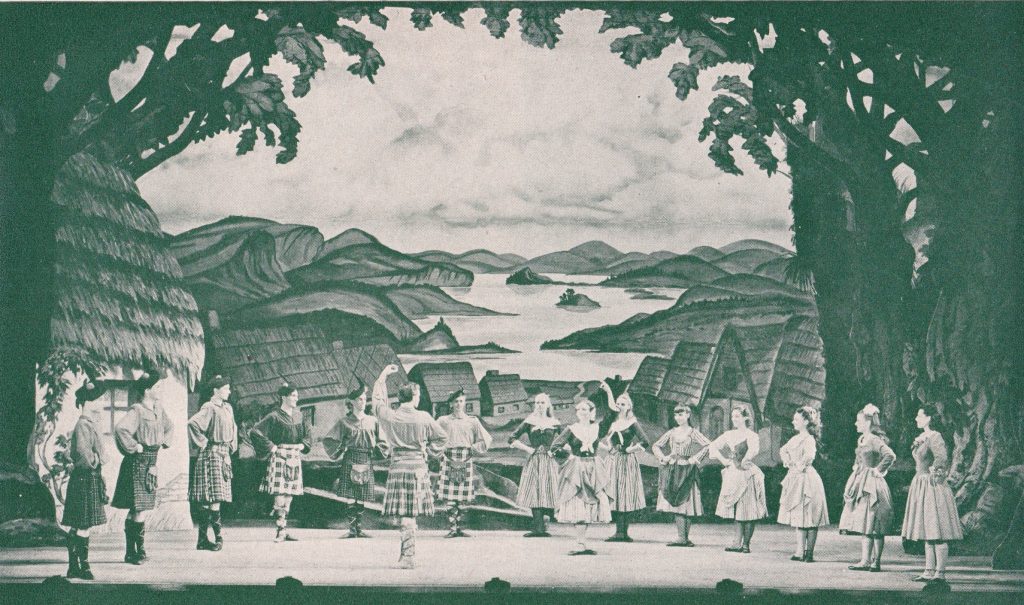
The original 1947 production of Brigadoon.

That leaves Schmigadoon’s actual namesake, Lerner & Loewe’s Brigadoon, and Man of La Mancha as the most “overdue” to return. These two were last revived in 1980 and 2002, respectively, although Kelli O’Hara starred in Brigadoon for seven performances at New York City Center in 2017. (Unlike with City Center’s recent stagings of Once Upon A Mattress, Parade, and Ragtime, it did not transfer to Broadway.)

Now that you know the stats, which of these musicals would you like to see back on Broadway next? Or perhaps none of the above? I personally would love to see some 21st century gems like Avenue Q and The Drowsy Chaperone get their first-ever revivals!

Categories
Broadway's Best Creative

The Most Iconic Broadway Iconography & Typography

By Ben Schachne

A Look at Broadway’s Best Visual and Textual Language

Some Broadway shows are remembered long after their final curtain or throughout their current run not just for the performances onstage, but for the visual and textual language that came to define them. A single emblem, a distinctive typeface, or a carefully crafted logo can become as recognizable as a show’s score, instantly evoking a production decades later or for decades to come. 

In an industry built on storytelling, Broadway’s most iconic iconography and typography prove that great design can leave just as lasting an impression as the stories themselves. Here are some of the quintessential examples of Broadway iconography and typography that continue to shape the industry’s visual legacy.

Iconography

The Phantom of the Opera

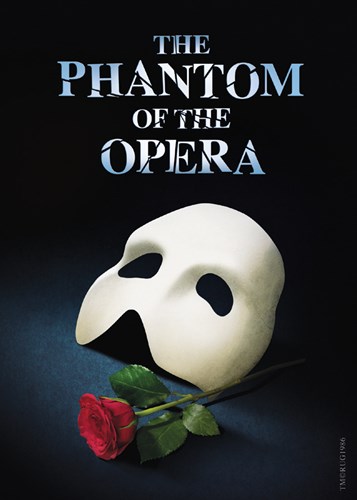
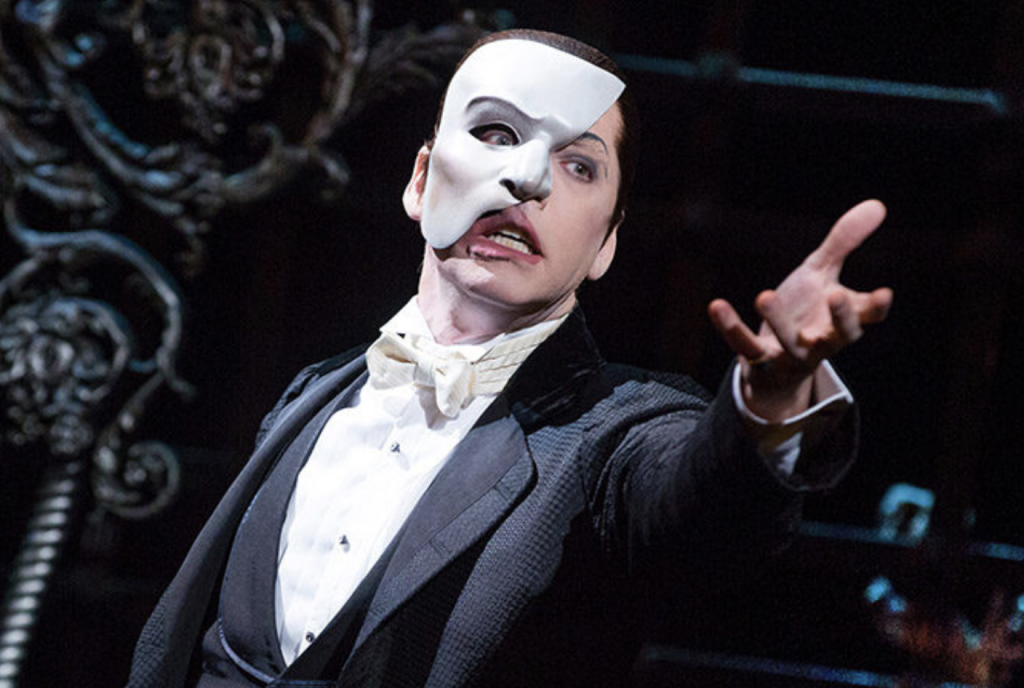
Icon: The Mask

Perhaps the most recognizable image in Broadway history, the mask from Andrew Lloyd Webber’s Phantom of the Opera encapsulates the mystery, romance, and tragedy at the heart of the musical. While the key art features a full-face mask rather than the half-mask worn by the Phantom onstage, both evoke the same haunting elegance and have become enduring symbols of the show’s story and its enigmatic title character. Even though the Phantom’s mask existed long before the musical, The Phantom of the Opera redefined it, forever linking the image with Broadway itself.

Les Misérables

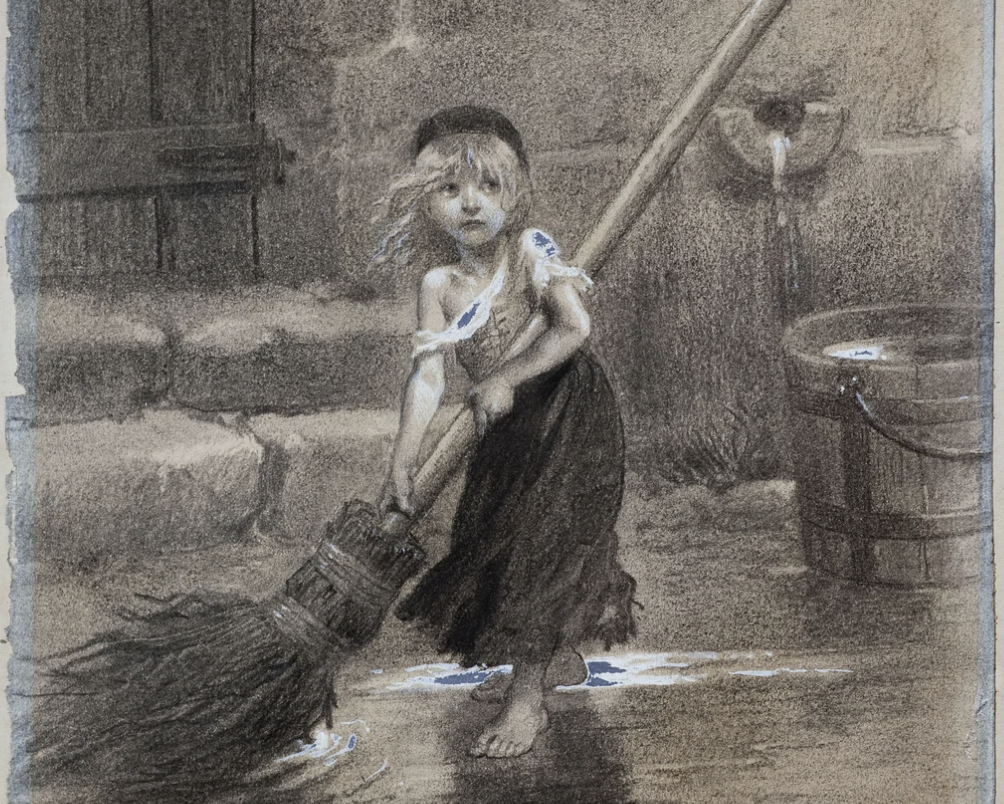
Icon: Cosette

Originally created in the 19th century, Émile Bayard’s illustration of young Cosette has become synonymous with the musical adaptation of Les Misérables. Since the show’s original production, the image has appeared on Playbills, posters, and cast album covers for almost every production around the world, from Broadway and the West End to regional and school stages. Though rooted in Victor Hugo’s novel, the image has become inseparable from the stage production as it captures the sweeping emotion and revolutionary themes of the story.

Little Shop of Horrors

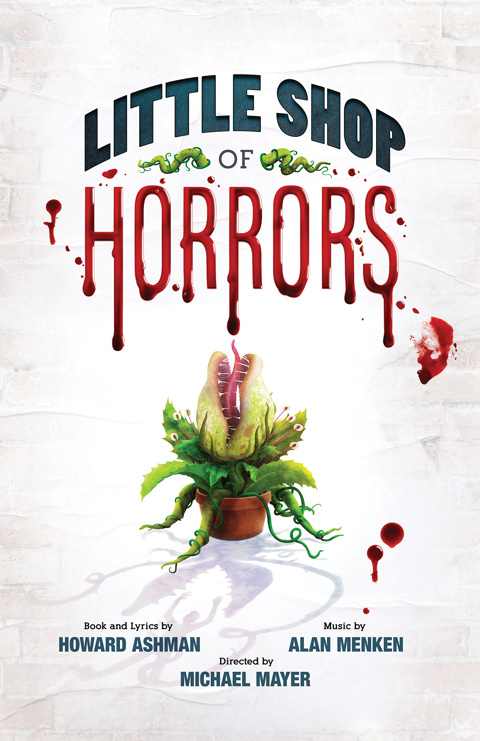
Icon: Audrey II

Across both stage and screen adaptations of Little Shop of Horrors, Audrey II has terrorized characters while charming audiences around the world, stealing hearts both literally and figuratively. Evolving from a cute hand puppet into a towering, stage-filling monster, the carnivorous plant perfectly embodies the show’s blend of camp, horror, and dark comedy. Brought to life through extraordinary puppetry and an irresistibly devious personality, Audrey II has become one of Broadway’s defining visual icons.

Hamilton

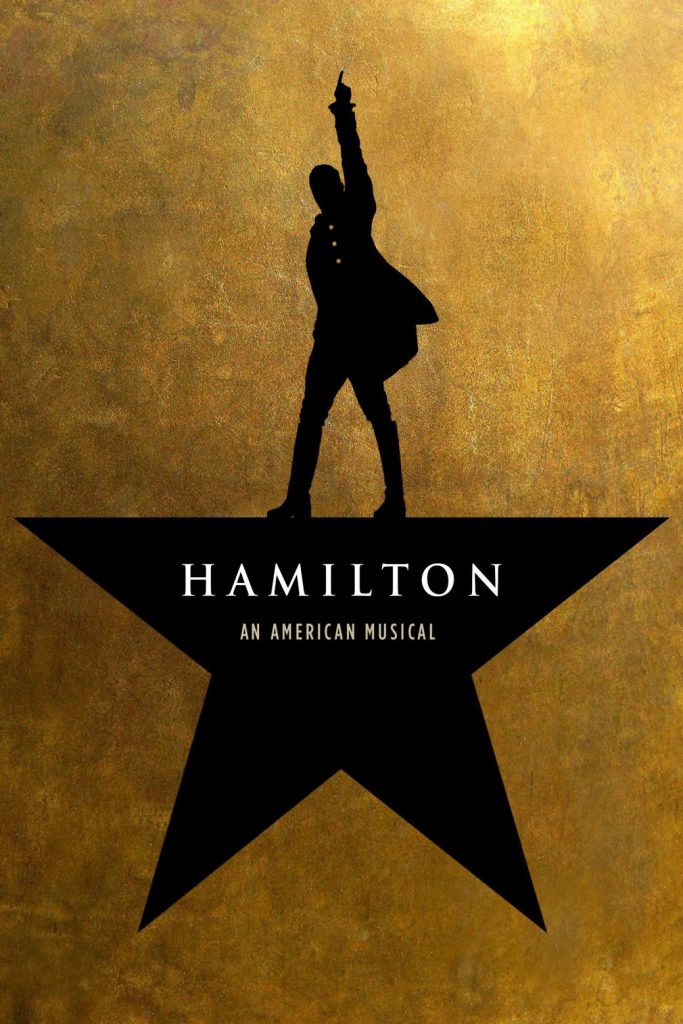
Icon: The Star & The Silhouette

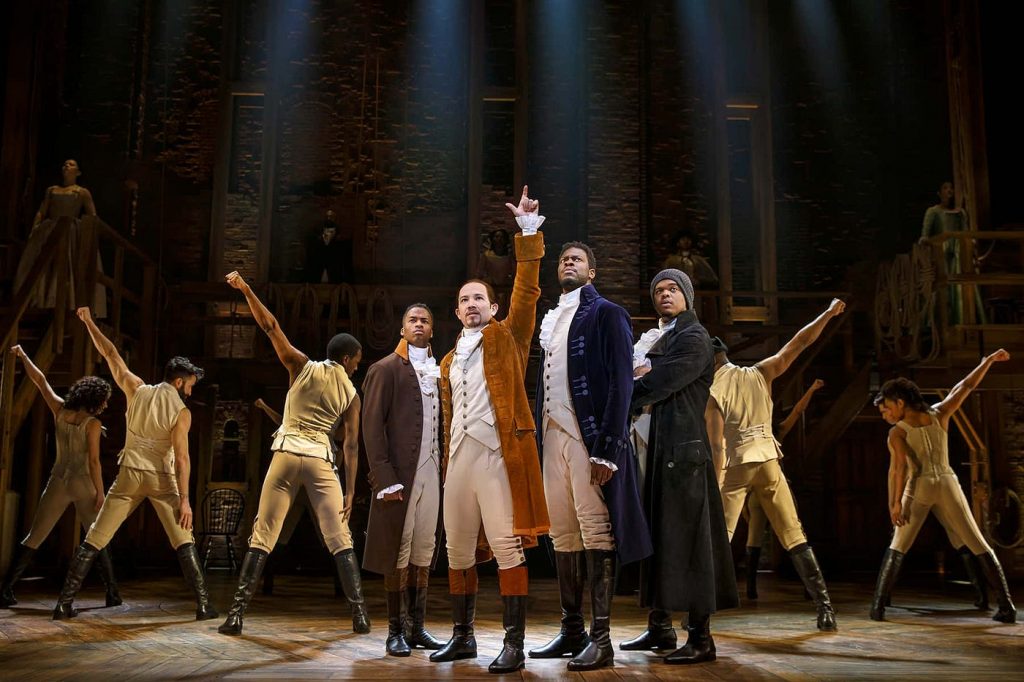
Few Broadway logos have achieved the instant recognition of the star-and-silhouette emblem from Hamilton. Its bold simplicity mirrors the show’s forward-driving energy and revolutionary spirit, with Hamilton’s silhouette in his “My Shot” pose evoking both the character’s relentless ambition and the perpetual cultural impact of the song. The logo’s pose also serves as a poetic foreshadowing of Hamilton’s fate in his duel with Aaron Burr, producing a striking image that has fostered its instant recognition and countless parodies across popular media.

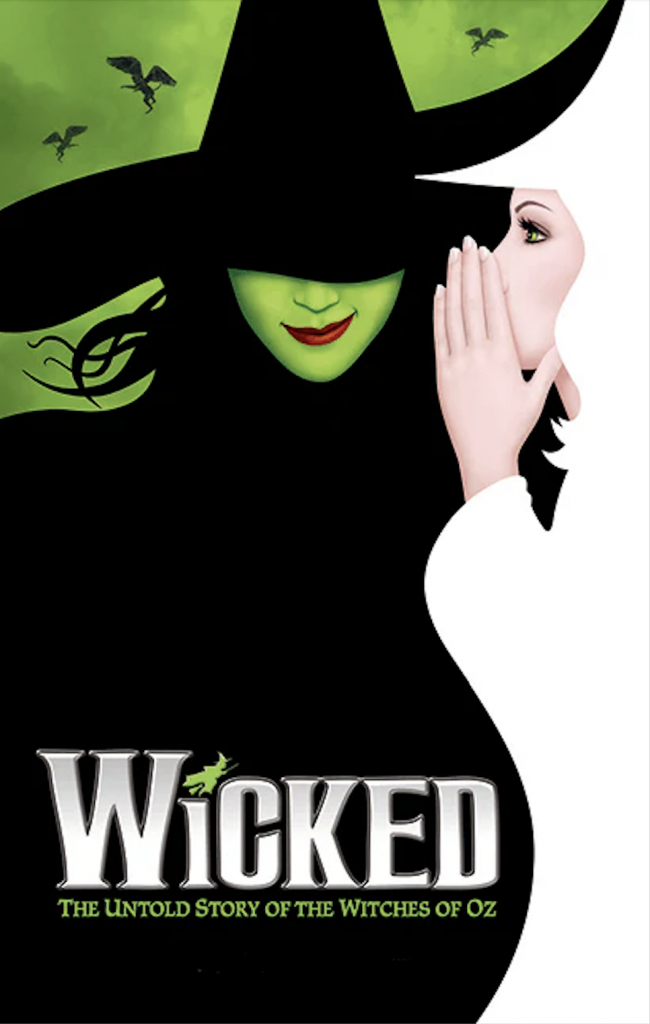
Wicked

Icon: The Hat

Elphaba’s pointed black hat has been a defining visual of Broadway—and now Hollywood—culture since the debut of Wicked in 2003. While rooted in the iconic headpiece from The Wizard of Oz, Wicked reimagines its meaning, transforming it into a symbol of defiance and self-acceptance as Elphaba embraces her identity by wearing it. Instantly recognizable even outside the context of the story, the hat captures the essence of one of Broadway’s most popular musicals in a single, timeless image.

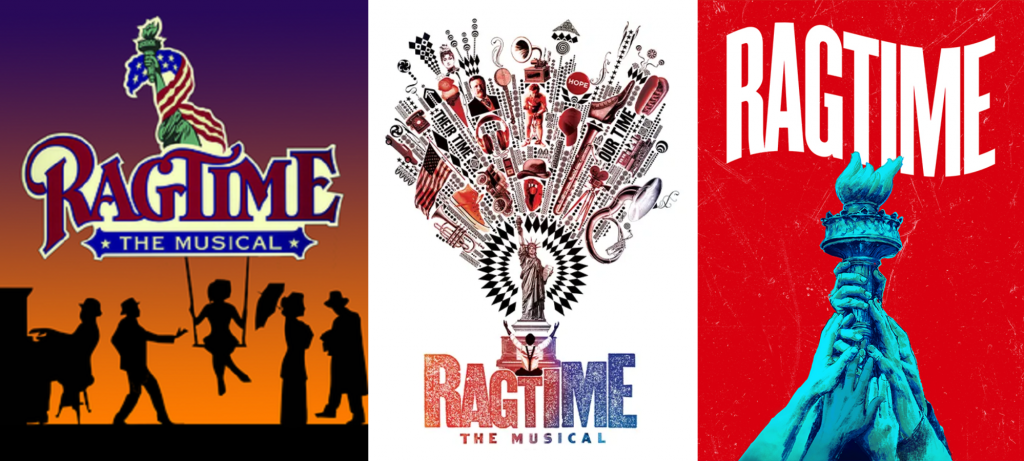
Ragtime

Icon: The Statue of Liberty

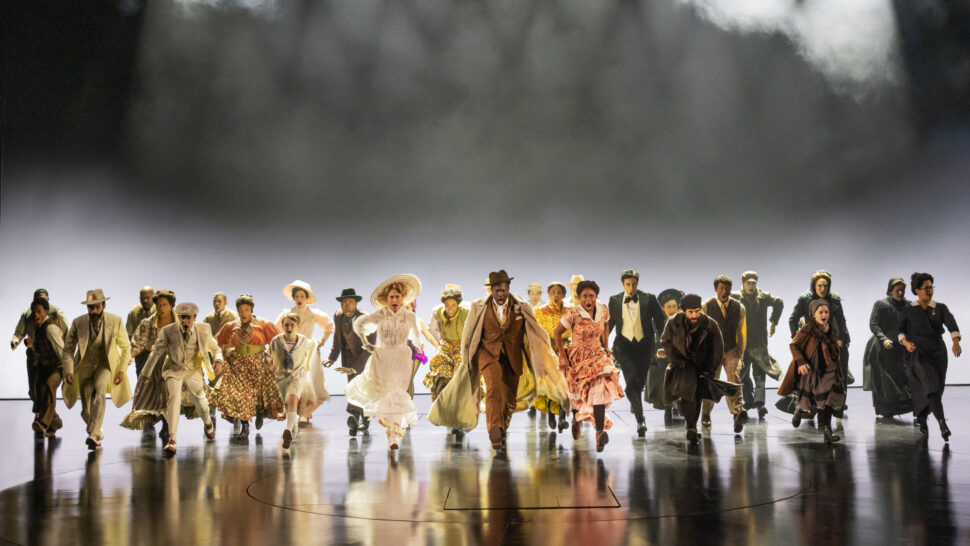
The Statue of Liberty stands as one of America’s most iconic symbols, representing immigration, freedom, and the promise of the American Dream. Ragtime draws on this powerful image of hope, using it as a central visual motif that reflects the show’s themes on a monumental scale. Through its repeated visual presence across productions and promotional material, it has become inseparable from the musical, embodying its message of hope amid a changing America.

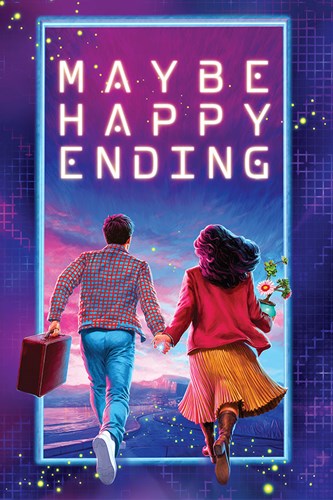
Maybe Happy Ending

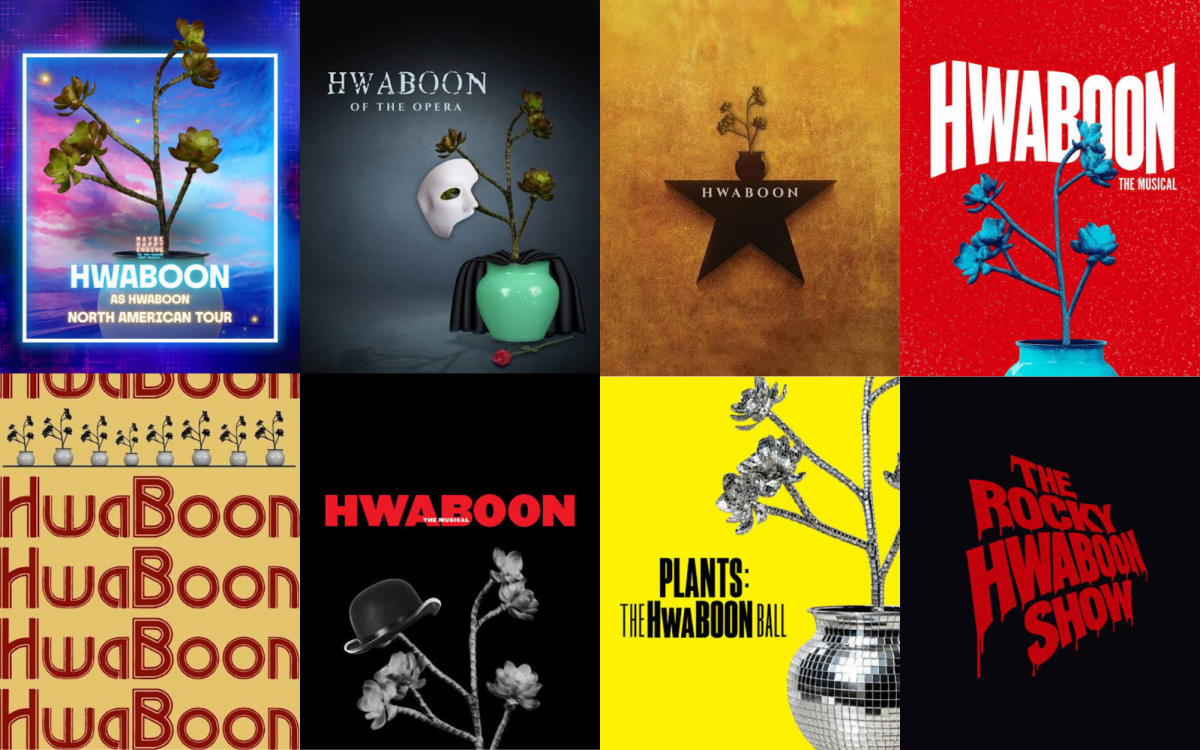
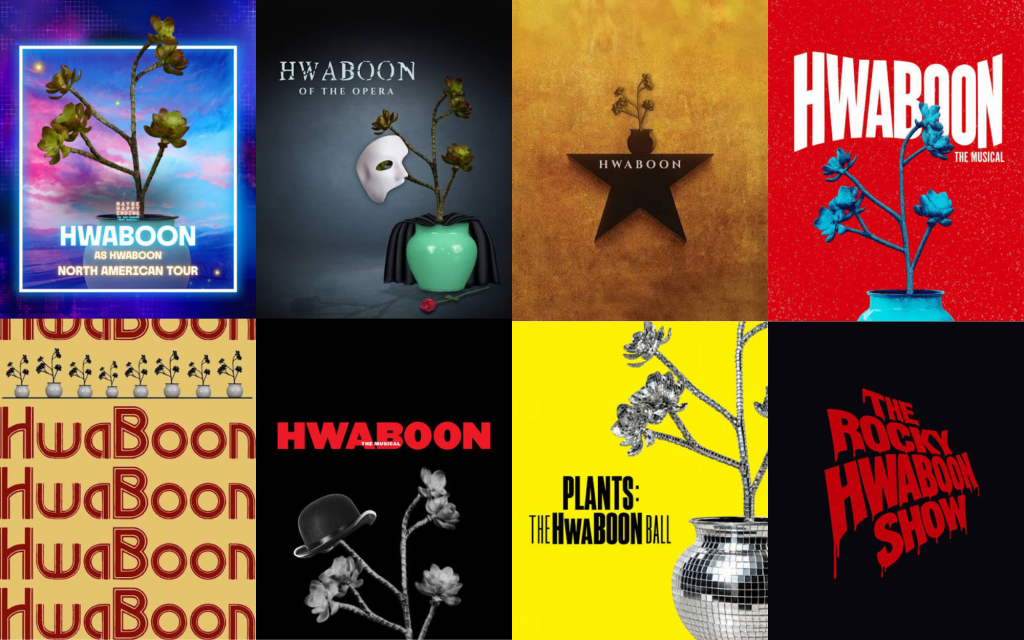
Icon: HwaBoon

The small potted plant at the heart of Maybe Happy Ending may seem simple at first glance, but it has become one of the production’s most defining visual motifs. As the shared companion of its central characters, HwaBoon serves as a touching symbol of the musical’s themes of connection, memory, and what it means to be alive. Though a relatively new piece of Broadway iconography, HwaBoon has already left a lasting impression on audiences, with its legacy only beginning to grow.

Typography

A Chorus Line

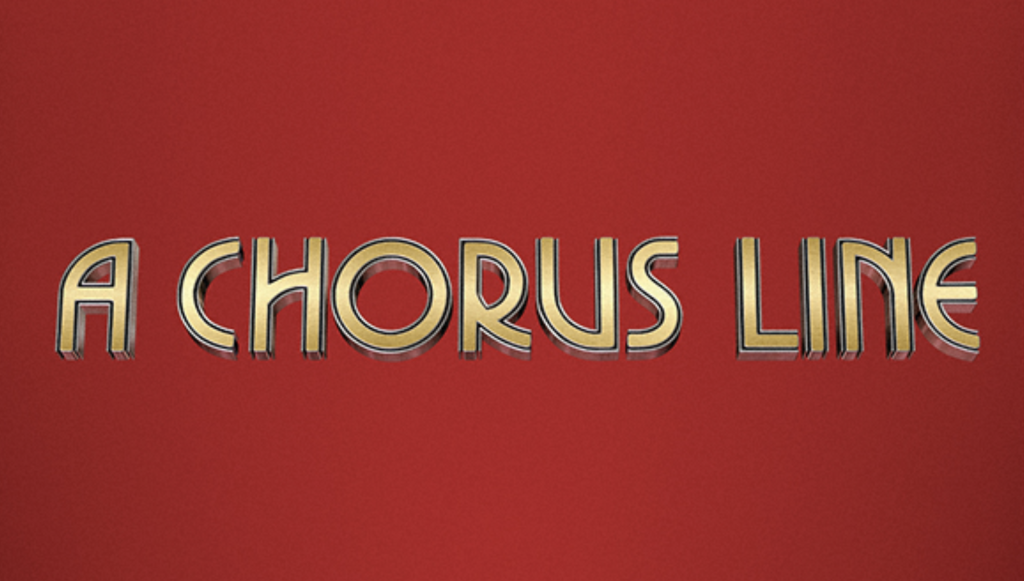
The typography of A Chorus Line is as recognizable as its signature gold imagery. Set in elegant, Art-Deco lettering, the title conveys the glitz and glamour of Broadway while allowing the silhouettes of the dancers to remain the visual focus. Its understated and repeated design reflects the show’s celebration of the ensemble, proving that strong typography can be memorable without overpowering the artwork.

Chicago

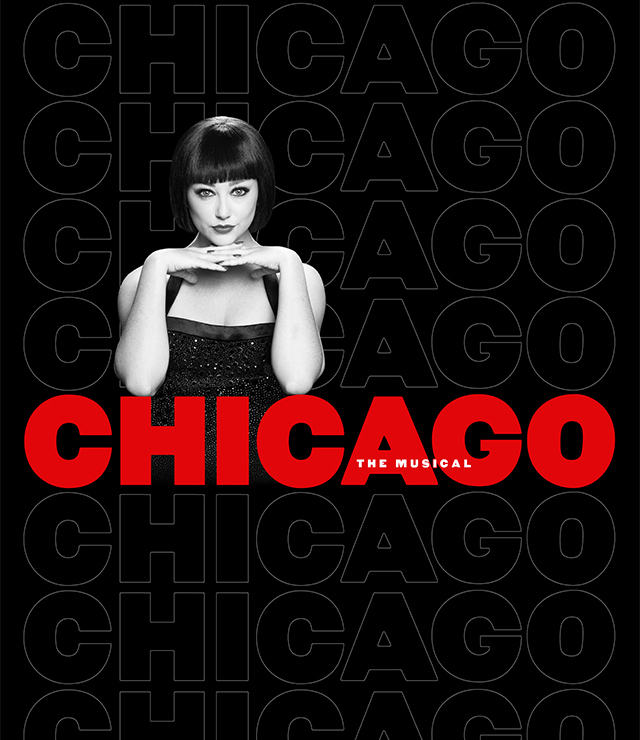
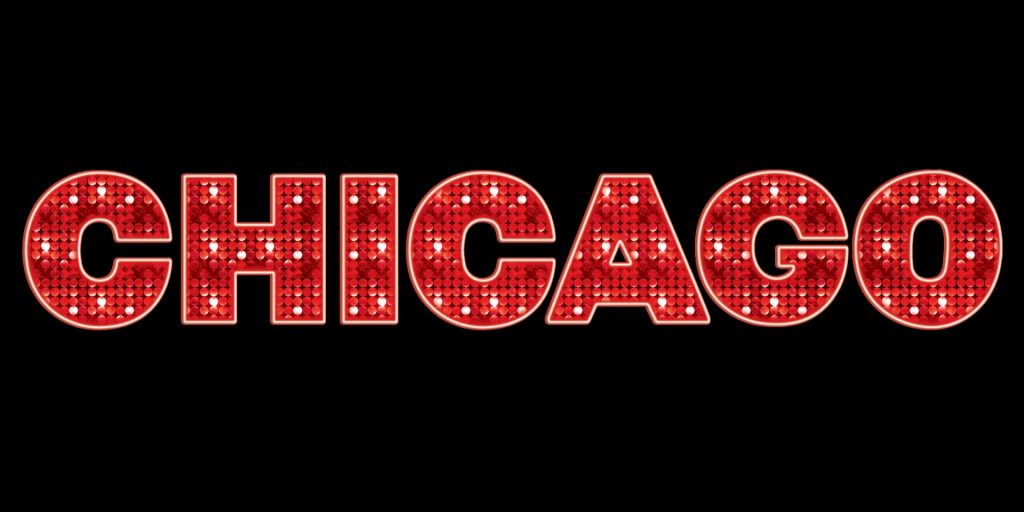
The Chicago logo is bold, minimalist, and instantly recognizable, perfectly capturing the show’s sleek, jazz-era aesthetic. Its thick, geometric letterforms project confidence, while the striking red-and-black color palette reinforces the production’s themes of passion, danger, and spectacle. The clean, commanding title has become synonymous with the musical itself, making it one of Broadway’s most successful typographic identities.

Sweeney Todd

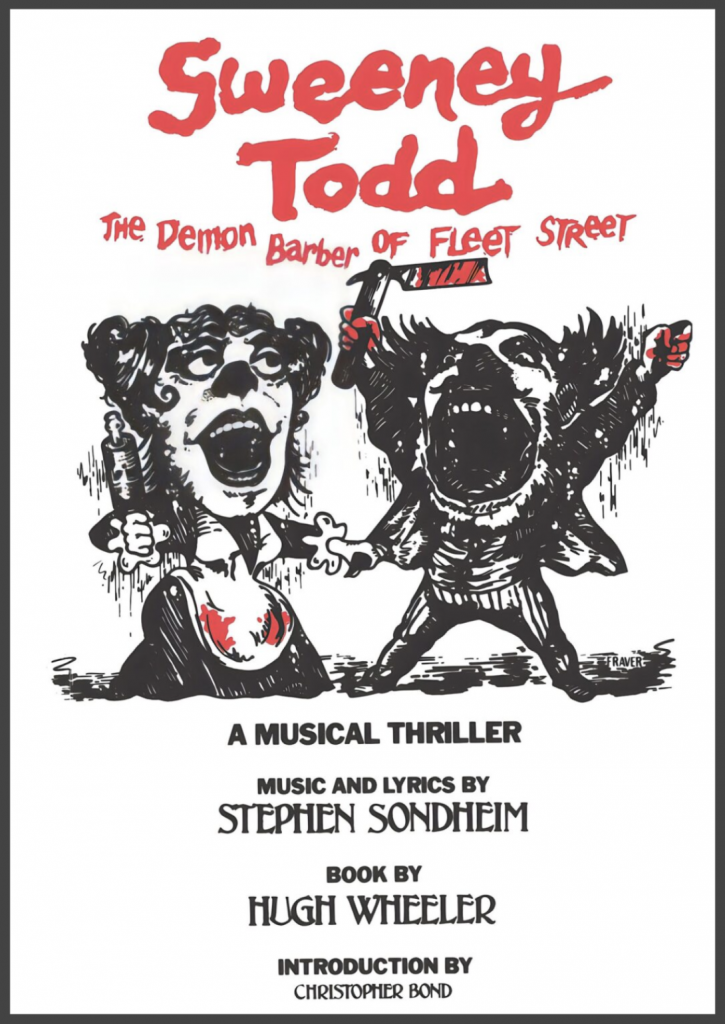
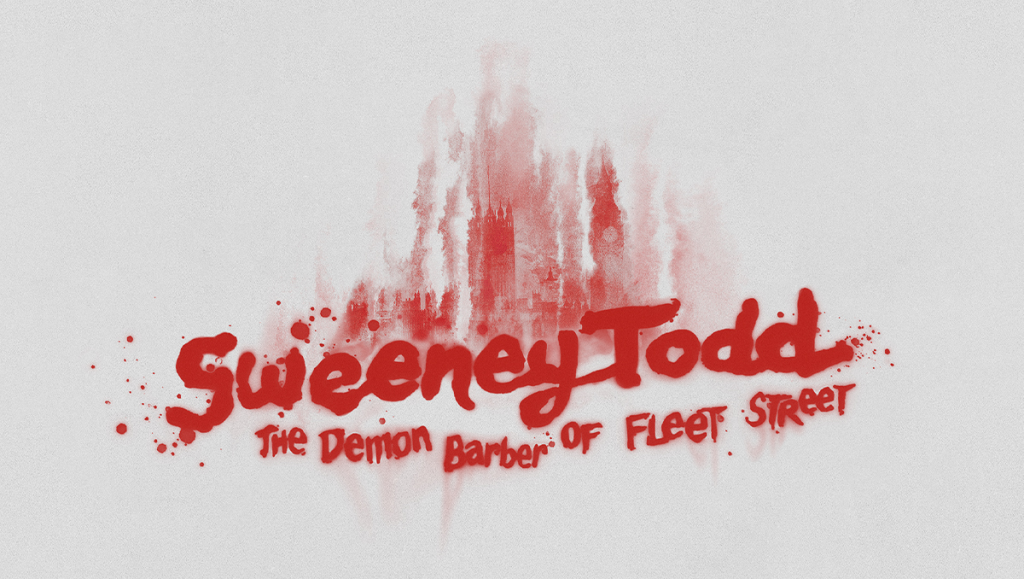
The typography of Sweeney Todd is hand-drawn and deliberately unrefined, immediately conveying the musical’s dark and ominous tone. The jagged brushstroke lettering feels almost hastily scrawled in blood, reinforcing the show’s themes of madness, violence, and revenge. Recently reused in the 2023 Broadway revival, the distressed style creates a sense of unease, making the typography as psychologically unsettling as the story itself.

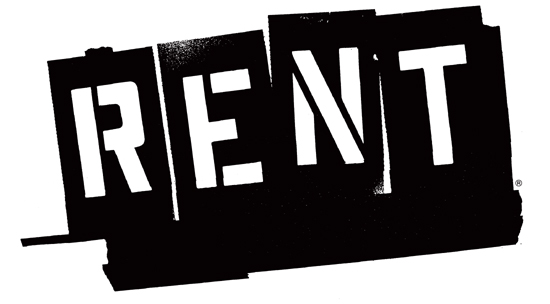
Rent

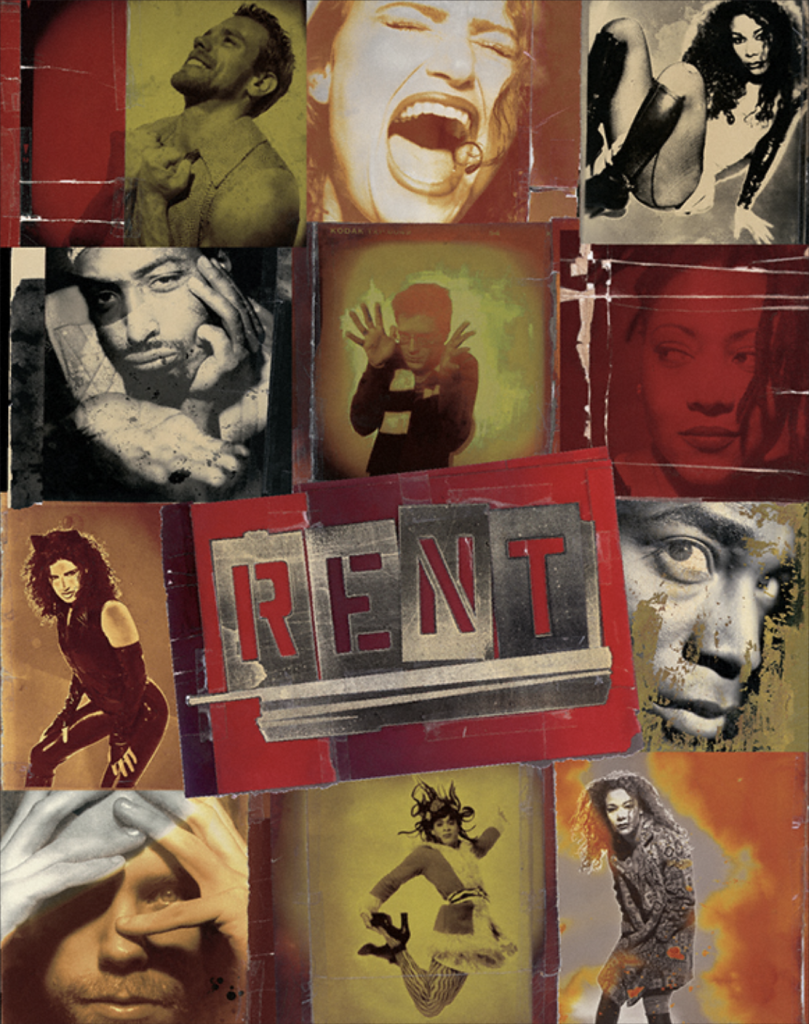
The Rent logo itself feels gritty and unpolished, giving the title a handmade quality that mirrors the raw, emotional texture of the show. Its uneven spacing and graffiti-like letterforms evoke the instability of life in downtown New York, reinforcing the musical’s grounded, documentary-like feel. Like an artifact pulled directly from the world the characters inhabit, the logo has become iconic and is now used across nearly every production of the show.

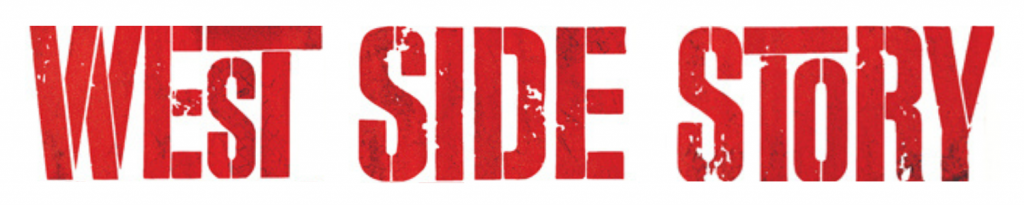
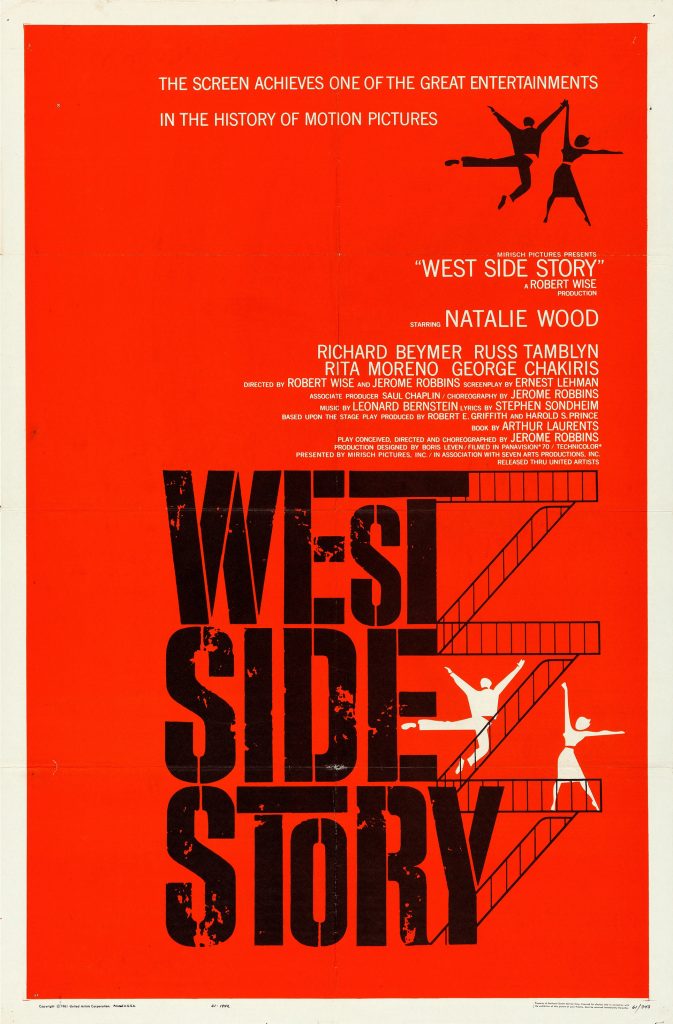
West Side Story

The typography of West Side Story is bold, textured, and tightly stacked, reflecting the heightened drama and underlying tension of its 1950s setting. The sharp alignment and heavy weight of the type echo the show’s choreography and urban environment, reinforcing a sense of spatial conflict between the two sides. While originally introduced with the 1961 film, this distinctive design became inseparable from the show’s identity, going on to influence countless Broadway and regional productions that followed.

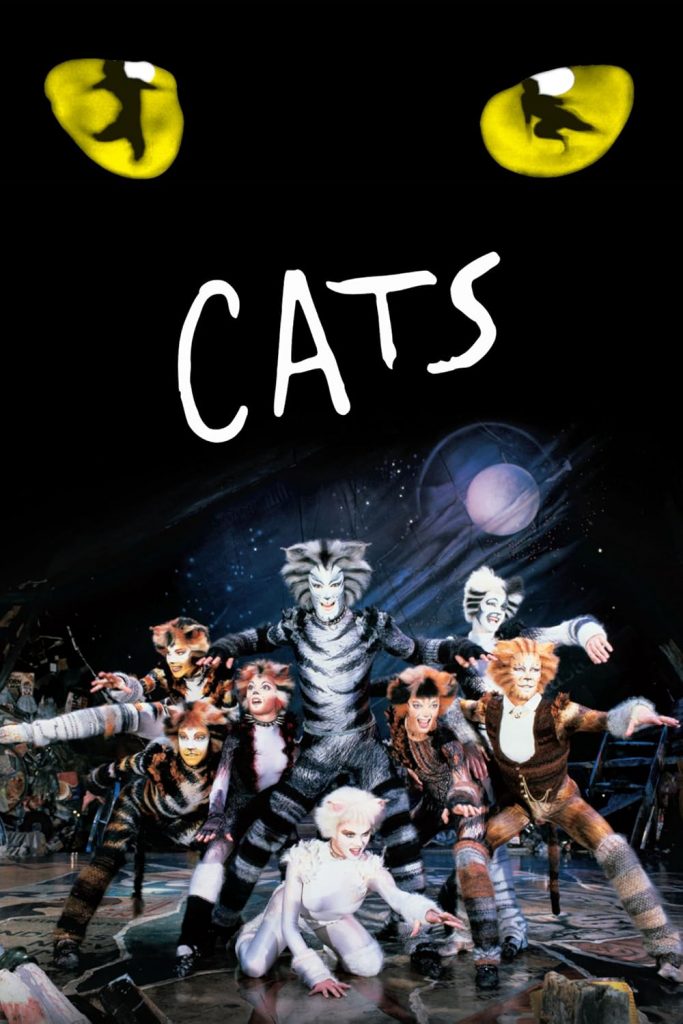
Cats

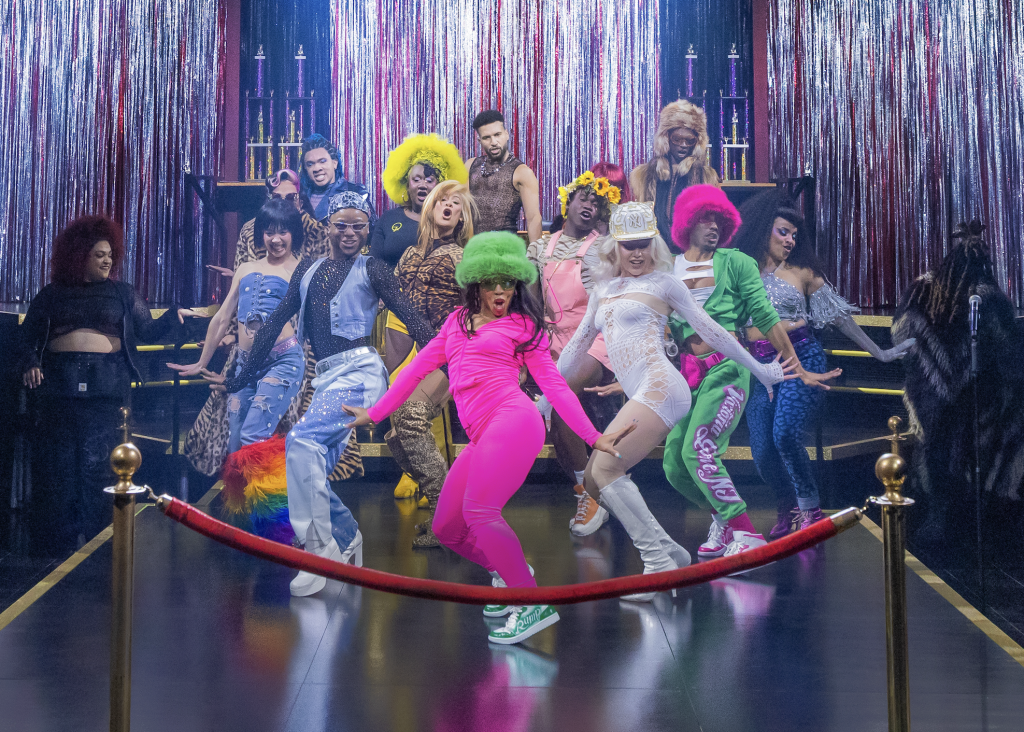
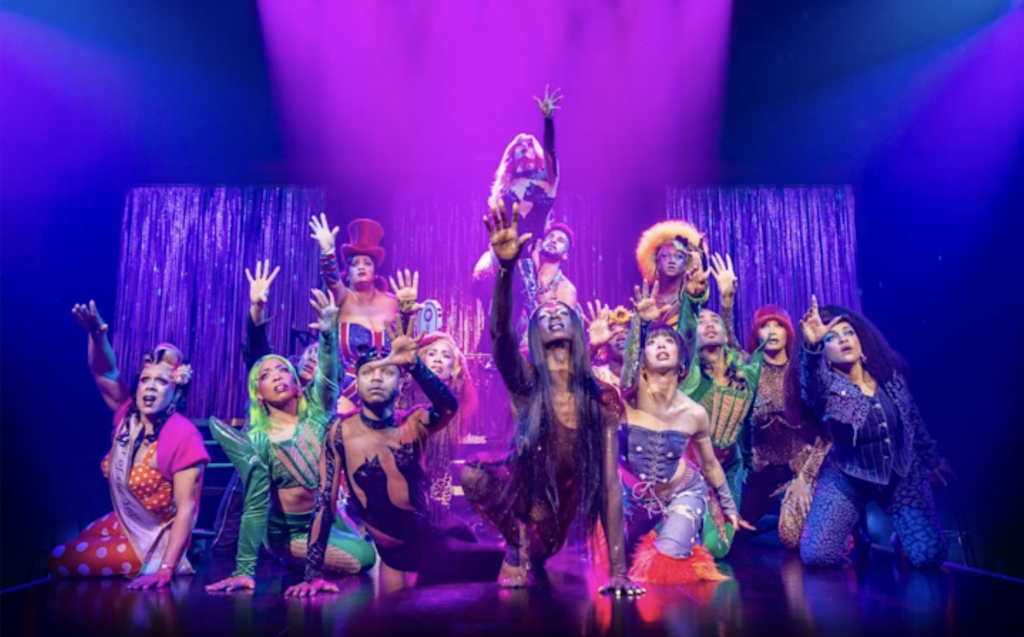
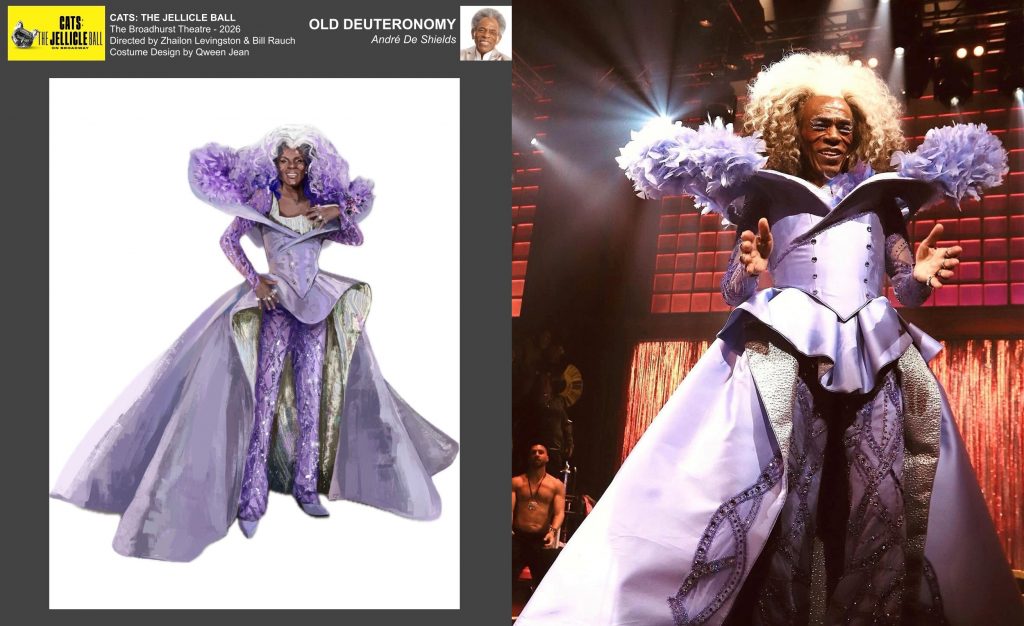
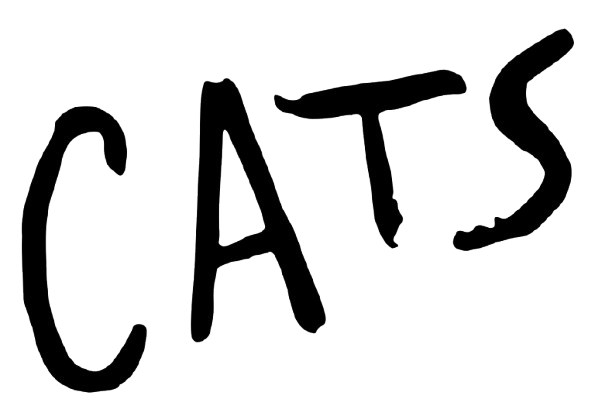
The Cats logo is elegant and mysterious, immediately establishing the musical’s dreamlike, otherworldly atmosphere. Its flowing hand-drawn letterforms and elongated curves evoke grace and movement, reflecting the feline physicality that defines the original production. Simple yet instantly recognizable, the logo has remained virtually unchanged for decades, with even contemporary reinterpretations like Cats: The Jellicle Ball incorporating the classic design into their updated marketing.

The Rocky Horror Show

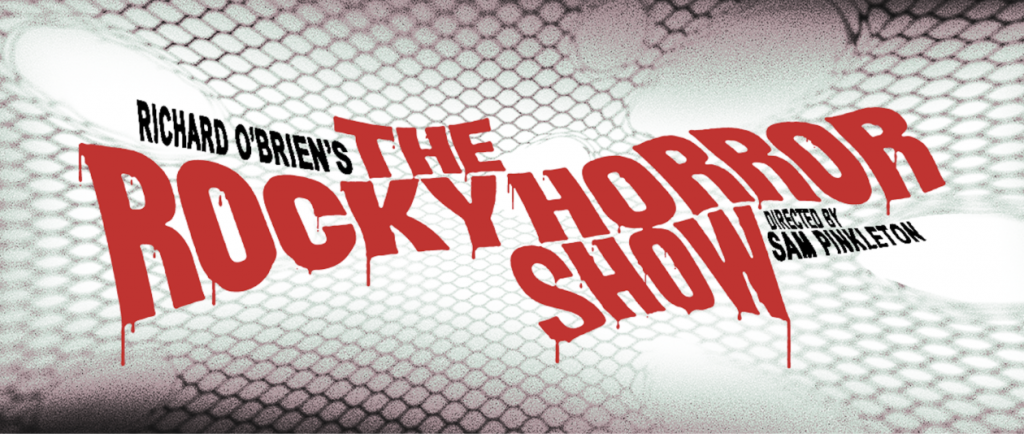
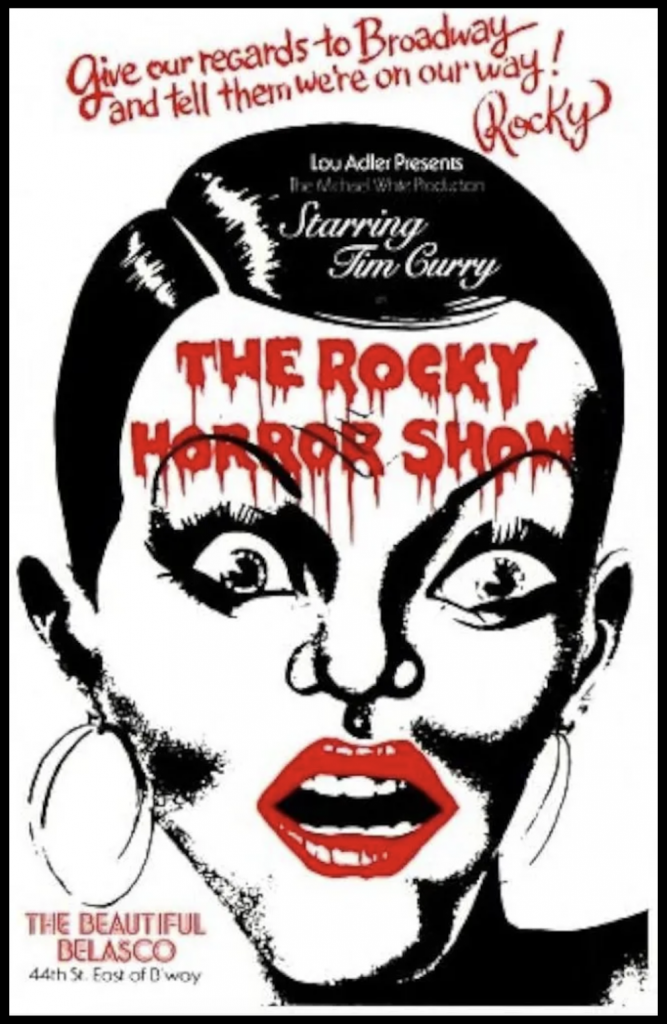
The typography of The Rocky Horror Show is bold, playful, and unmistakably camp, perfectly reflecting the musical’s rebellious spirit and cult appeal. Its exaggerated, bloody letterforms evoke the aesthetics of vintage horror comics and B-movie posters, blending humor with theatrical excess. Although the typography has evolved across stage productions since the original Broadway run and the 1975 film, its bloody, theatrical aesthetic has remained remarkably consistent, preserving the unmistakable identity of The Rocky Horror Show.

Categories
Broadway's Best Cover Story Creative Tony Awards

The Sets That Made The Show: Best Scenic Design 2025–2026

By Ben Schachne

A Look at the Best Set Designs Behind the 2026 Tony Nominees

Every Broadway production, whether an original or a revival, begins with an empty stage that must be transformed into a place audiences never forget. Whether through dazzling realism, bold abstraction, or ingenious stage mechanics, scenic design establishes the physical world of a musical or play, shaping the way every moment is experienced from the opening scene to the final bow.

Throughout the 2025–2026 Broadway season, designers continued to push the boundaries of what live theatre can look and feel like, crafting environments that were as imaginative as the stories unfolding within them. Here are some of the season’s most impressive and imaginative examples of set design that demonstrate how scenery can be just as unforgettable as the performances it frames.

The Lost Boys

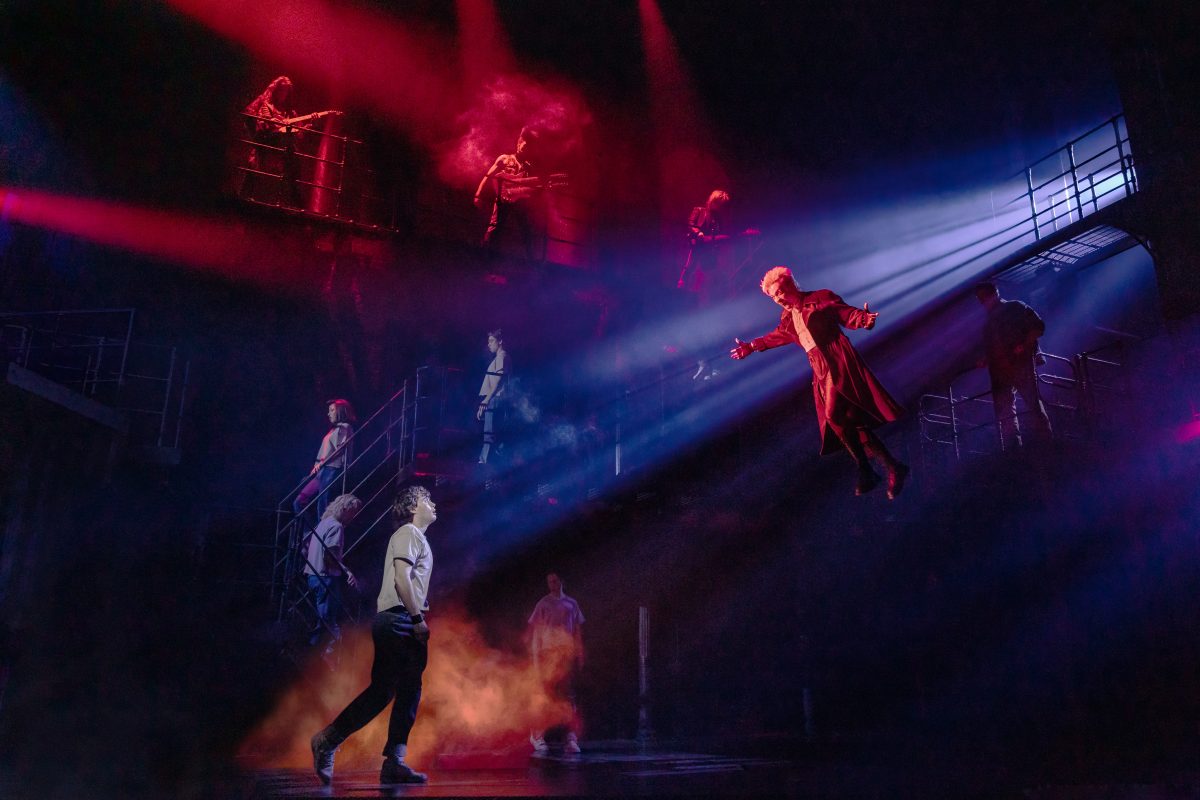
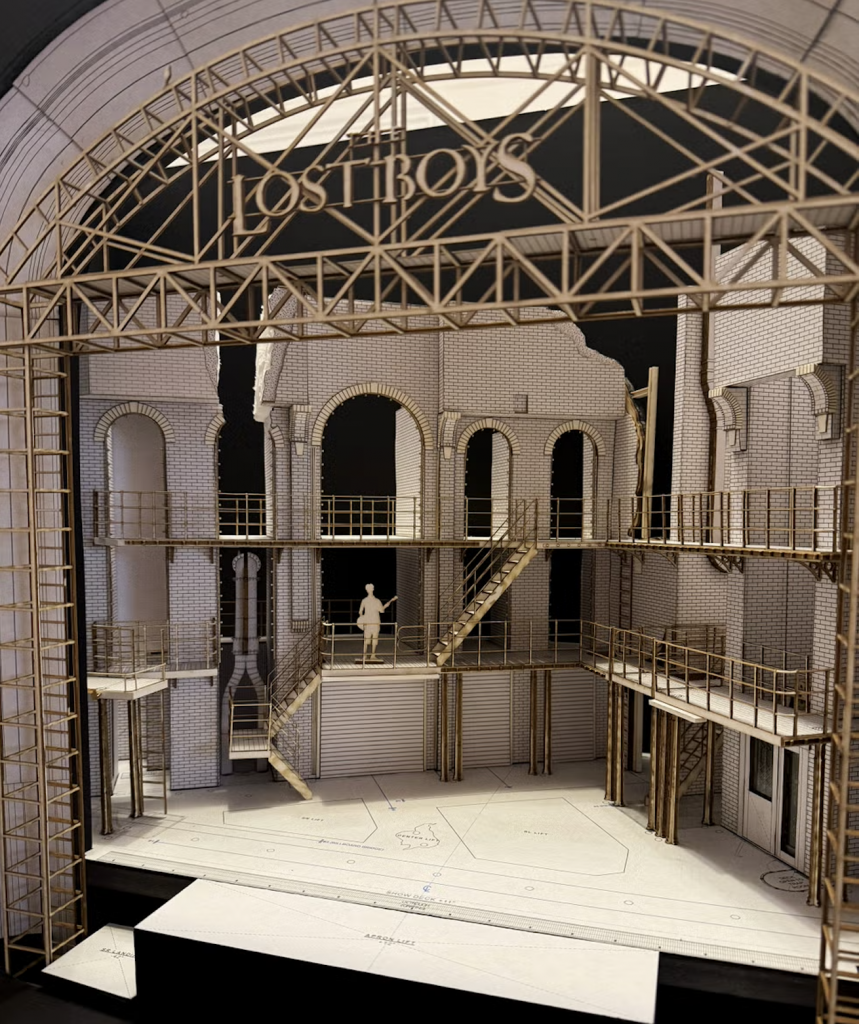
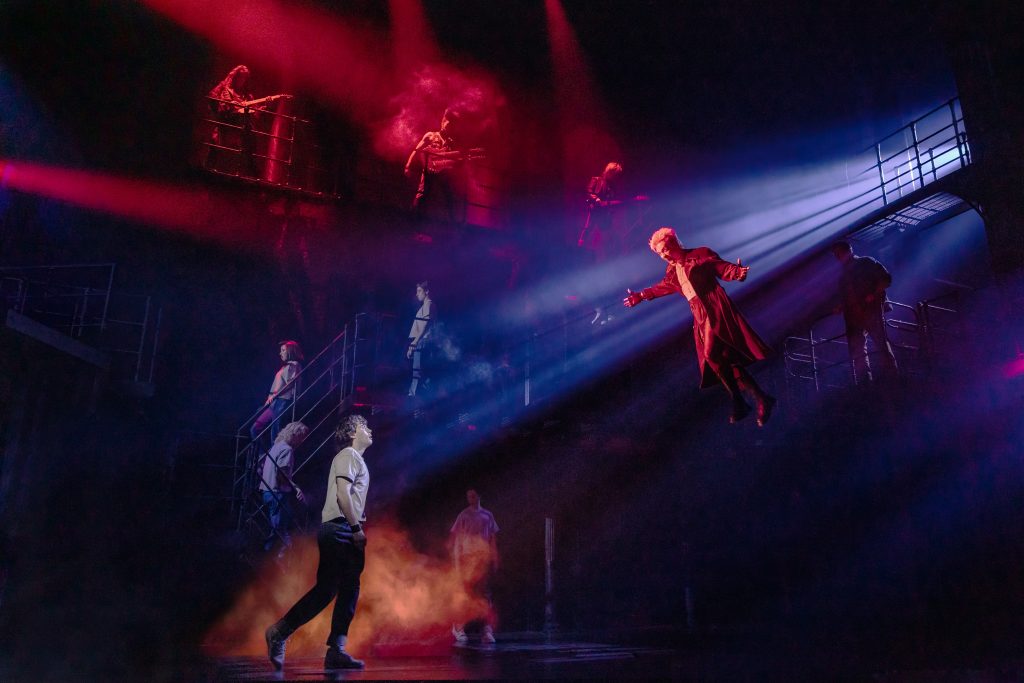
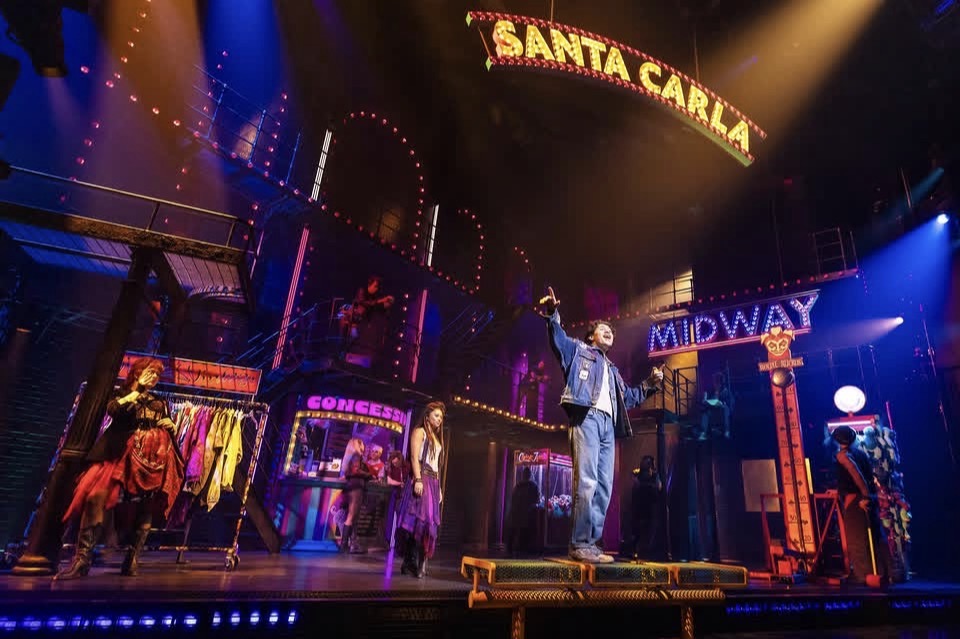
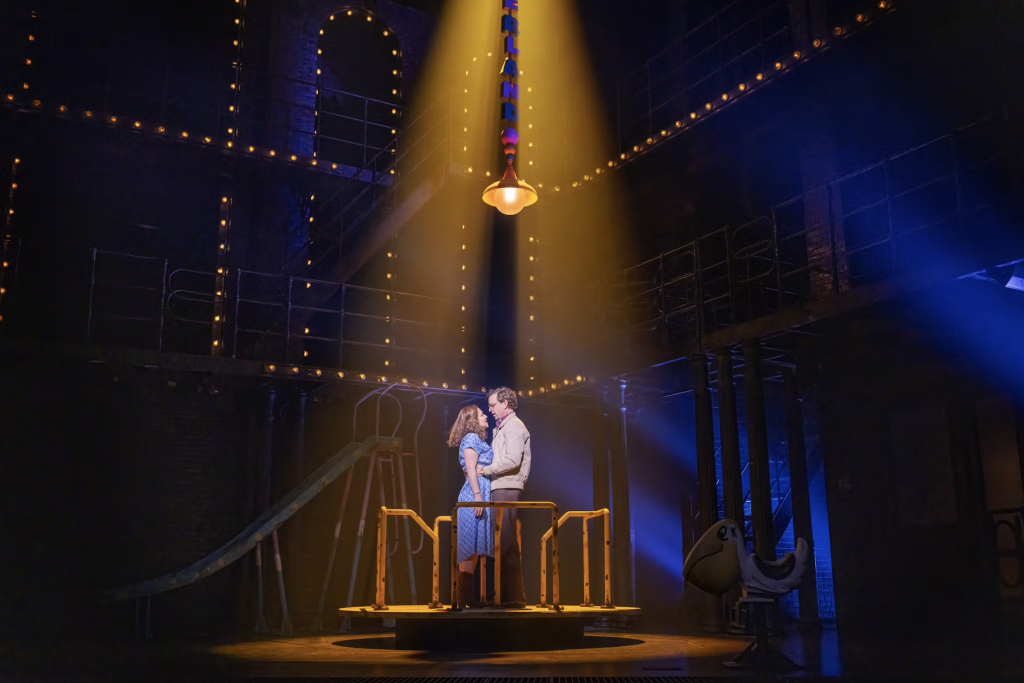
Winner of the 2026 Tony Award for Best Scenic Design of a Musical, The Lost Boys embraces a cinematic, large-scale approach that suits its screen-to-stage adaptation. Framed by towering brick walls and multi-level balconies, the stage comes to life through an ever-changing array of moving set pieces and fly-ins that transport the audience to the vampiric 1980s world of Santa Clara. Complemented by Jen Schriever and Michael Arden’s Tony Award-winning lighting design, Dane Laffrey’s set design strikes a compelling balance between realism and abstraction, capturing the mystifying energy and epic scale of the musical.

Death of a Salesman

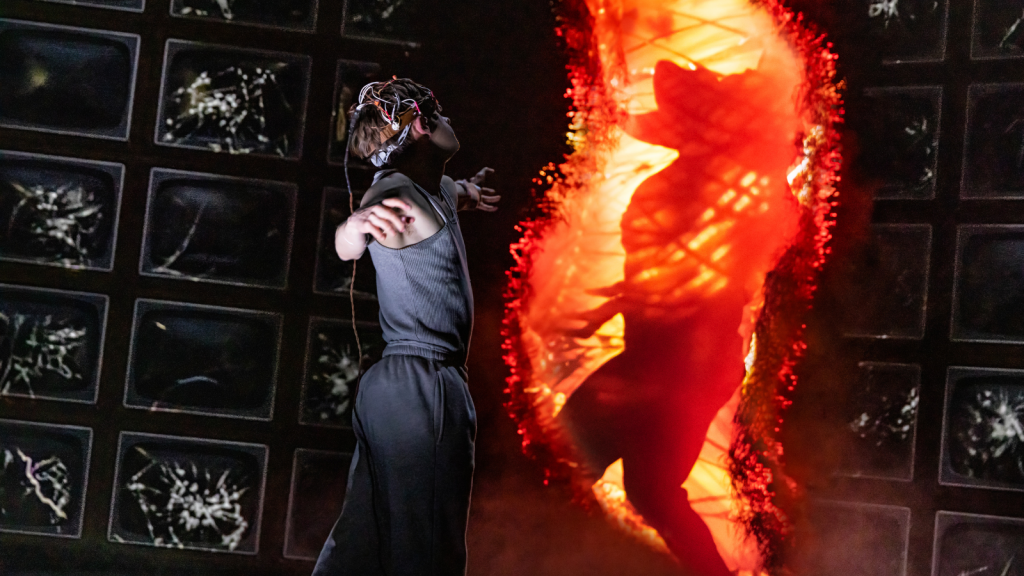
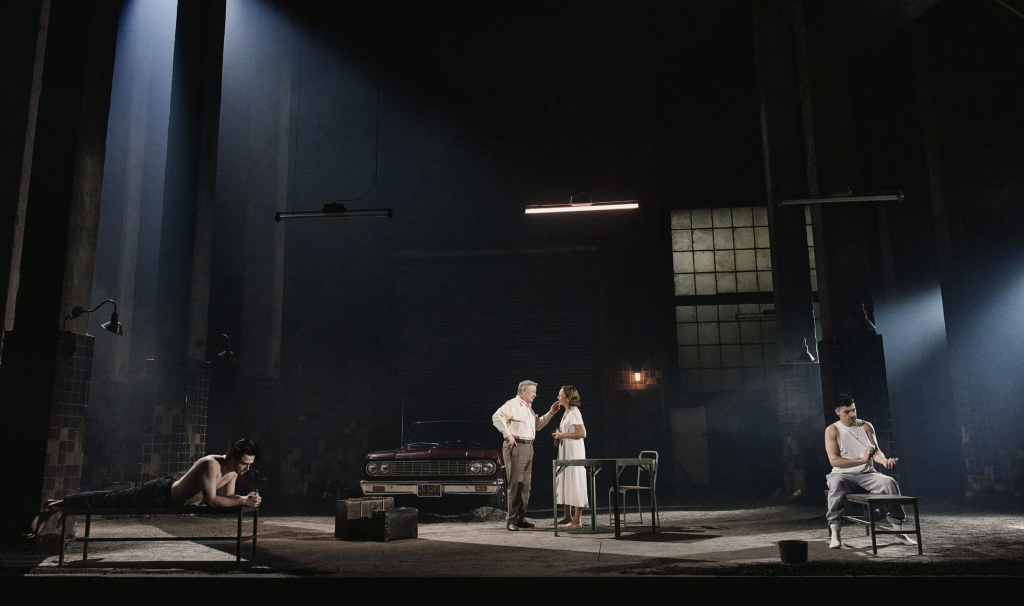
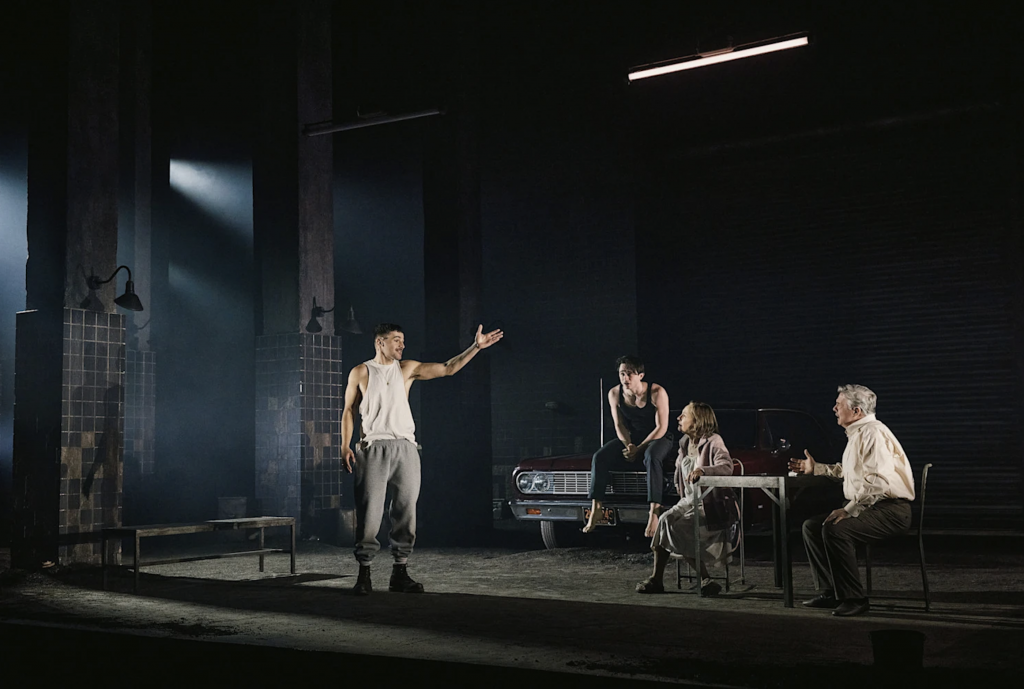
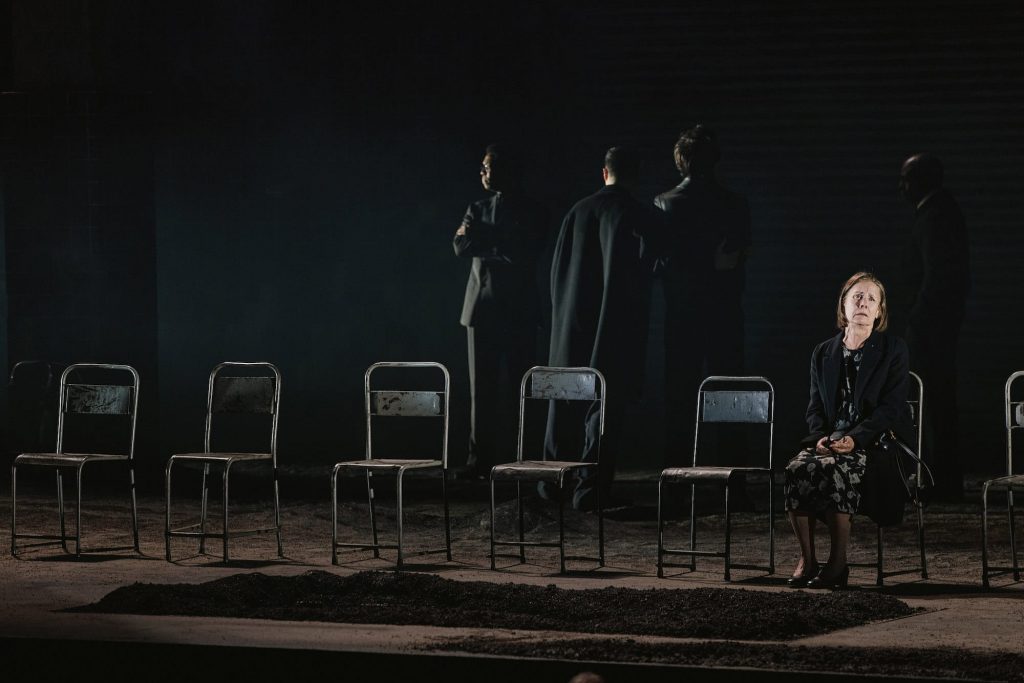
Winner of the 2026 Tony Award for Best Scenic Design of a Play, the latest Broadway revival of Arthur Miller’s Death of a Salesman reimagines the classic with a strikingly original visual concept. Rather than recreating the Loman home through realism or conventional abstraction, Chloe Lamford places the drama within an expansive warehouse or garage-like space that serves as a physical manifestation of Willy’s fractured mind. Scattered with dirt and anchored by Willy’s car upstage, the set is filled with fragments of his past, turning the stage into a haunting landscape of memories that foreshadow the tragic fate awaiting him.

Dog Day Afternoon

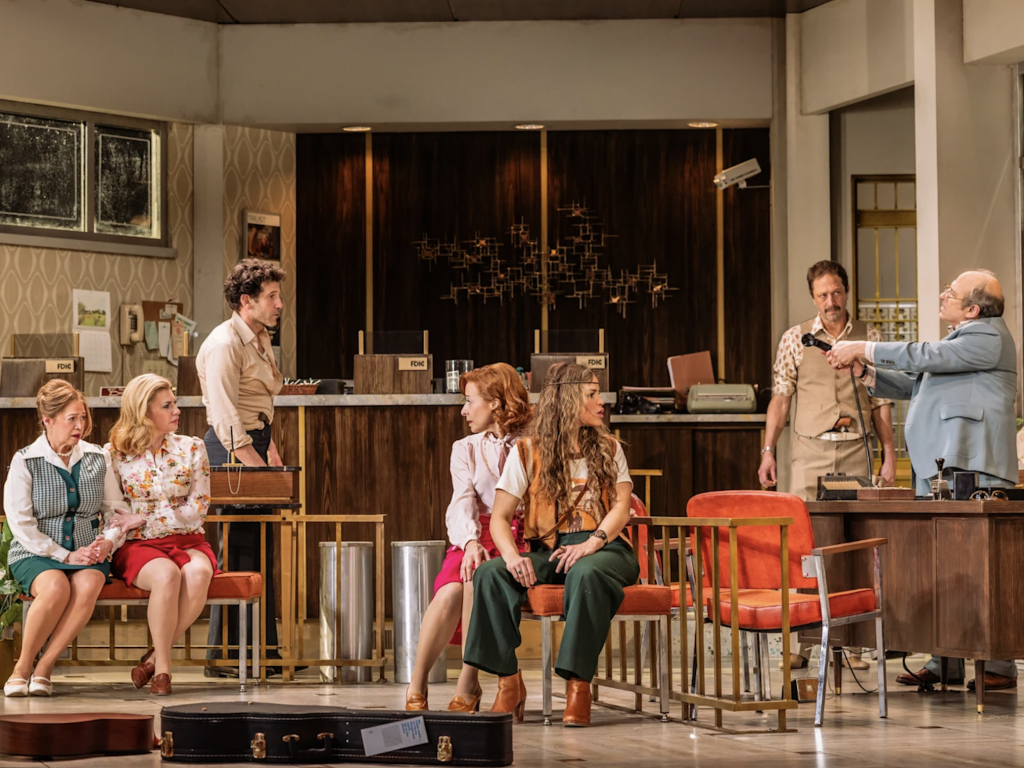
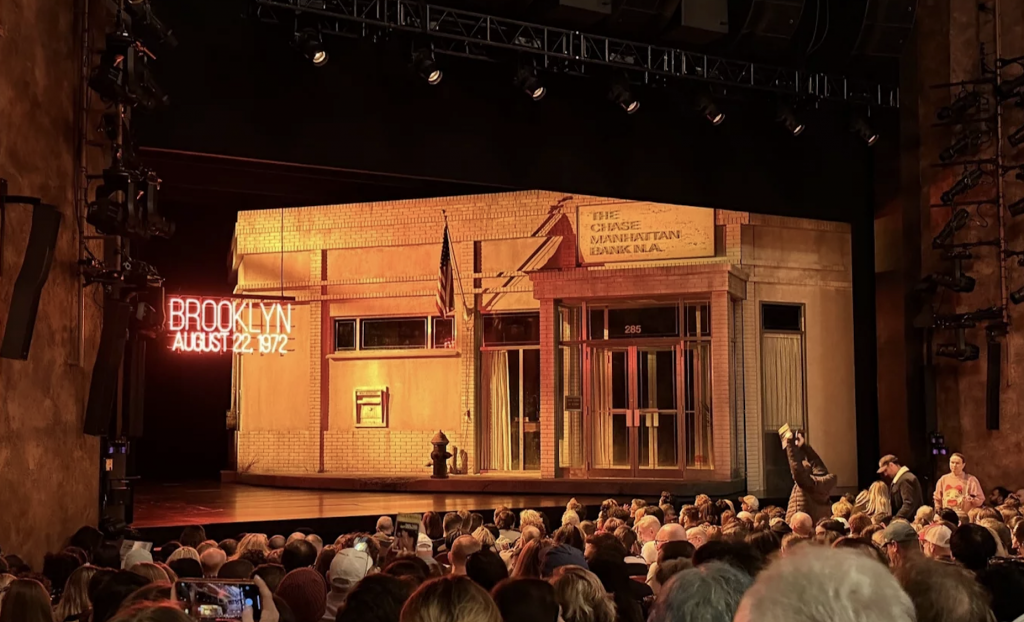
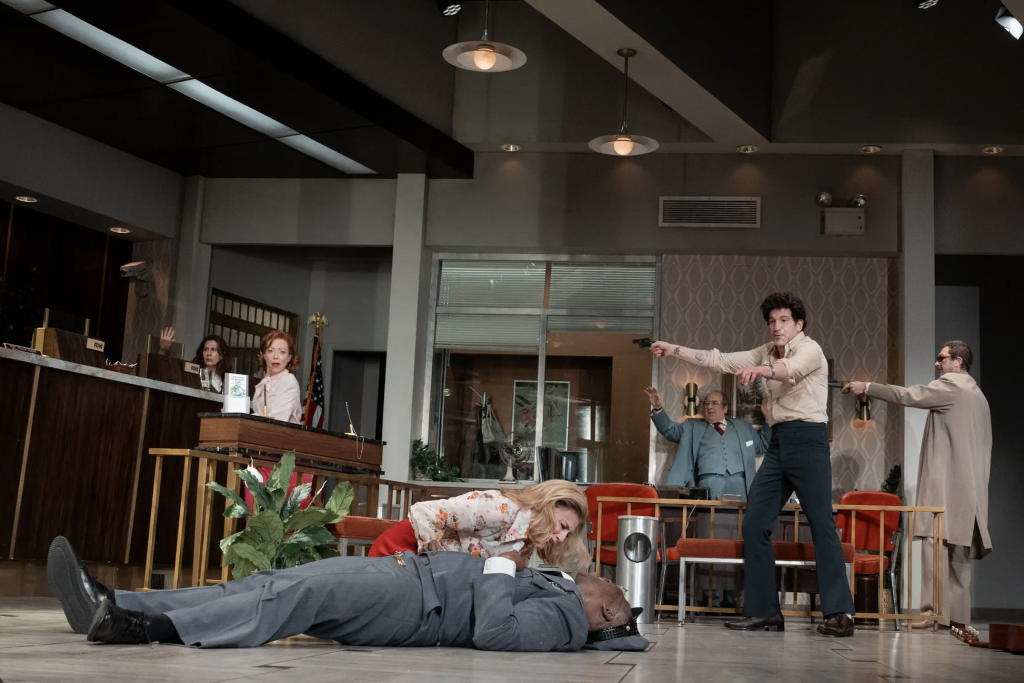
Nominated for the 2026 Tony Award for Best Scenic Design of a Play, Dog Day Afternoon is a masterclass in making a compact Broadway stage feel expansive and immersive. David Korins’ meticulously detailed design faithfully recreates both the exterior and interior of a 1970s Brooklyn bank, packed with period-specific touches that extend even to details most audience members would never notice. Brought to life by a technically sophisticated rotating set, the production seamlessly shifts perspectives while capturing the tension and authenticity of both the iconic film and the true story that inspired it.

Two Strangers (Carry a Cake Across New York)

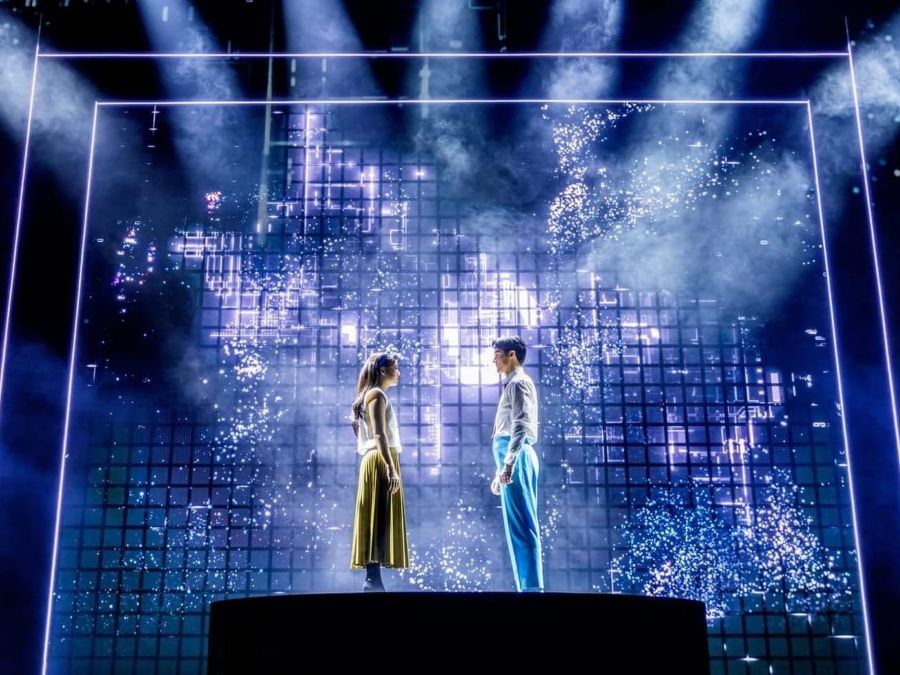
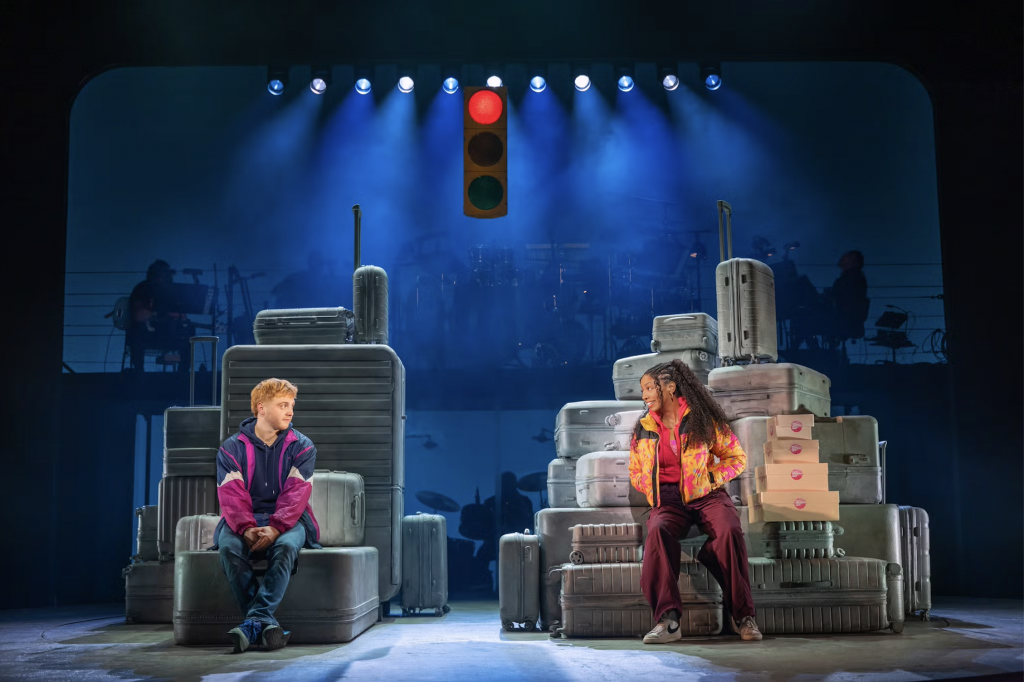
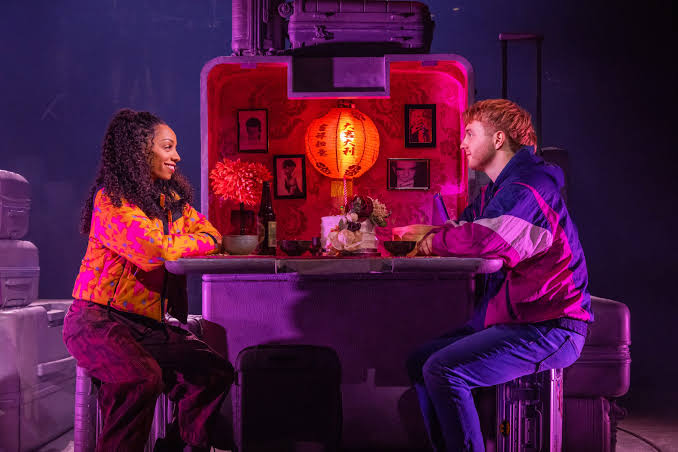
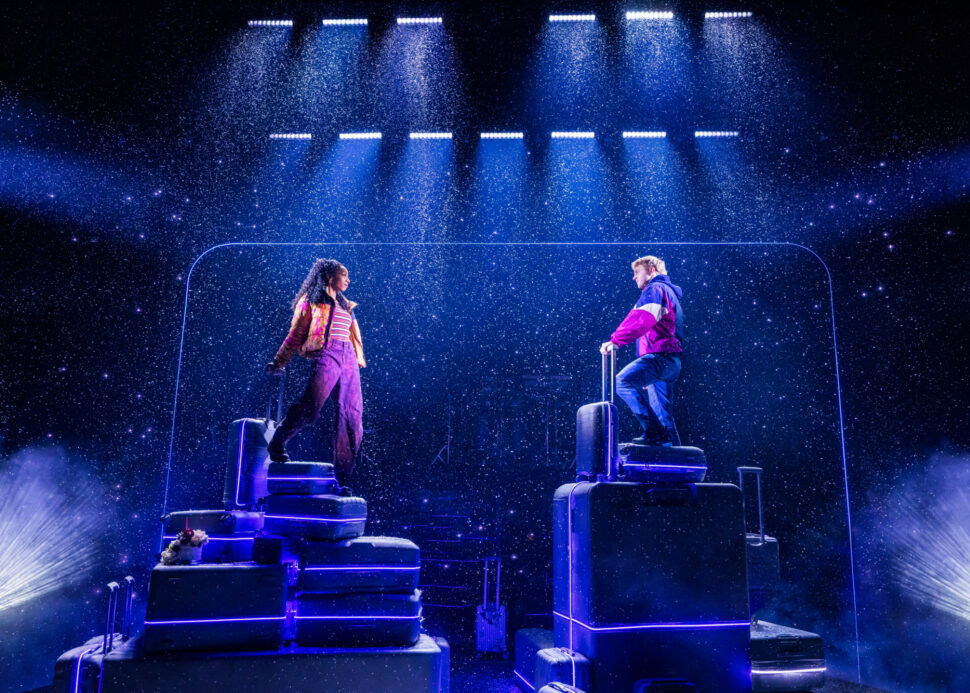
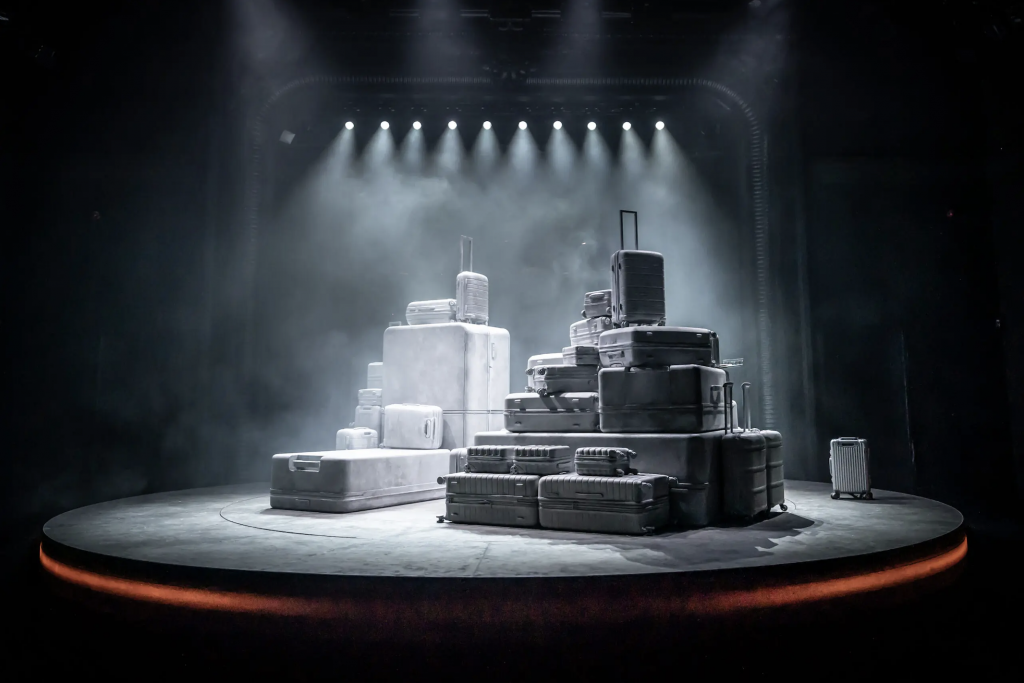
Nominated for the 2026 Tony Award for Best Scenic Design of a Musical, Two Strangers (Carry a Cake Across New York) features one of the season’s most inventive scenic concepts by Soutra Gilmour. Centered on a revolving stage with the orchestra integrated into the backdrop, the intimate design is built from towering stacks of white suitcases that symbolize both Dougal’s journey to America and the pair’s whirlwind adventure through New York City. Though boldly abstract, the set is filled with cleverly concealed doors, compartments, and transforming elements that continuously reshape the setting, allowing the luggage itself to become everything from city streets to intimate interiors.

Fallen Angels

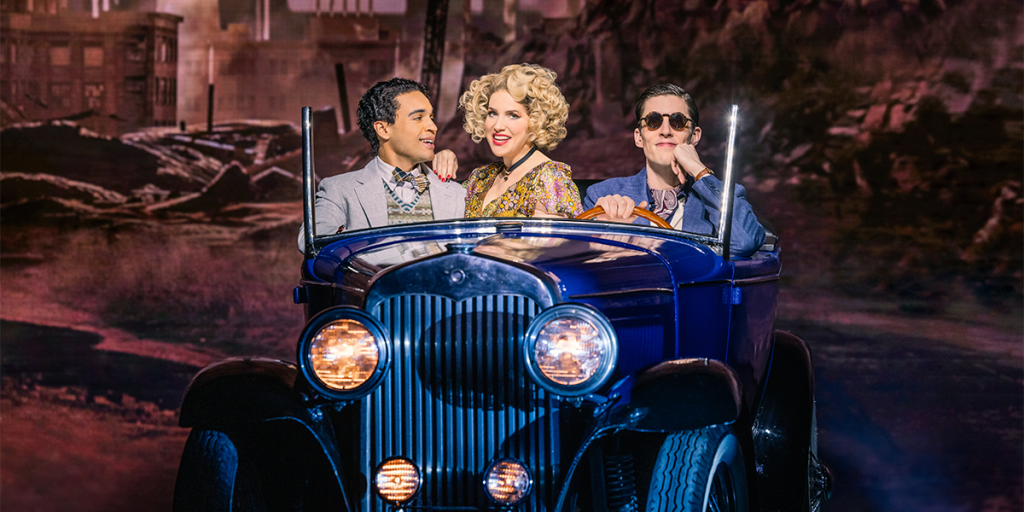
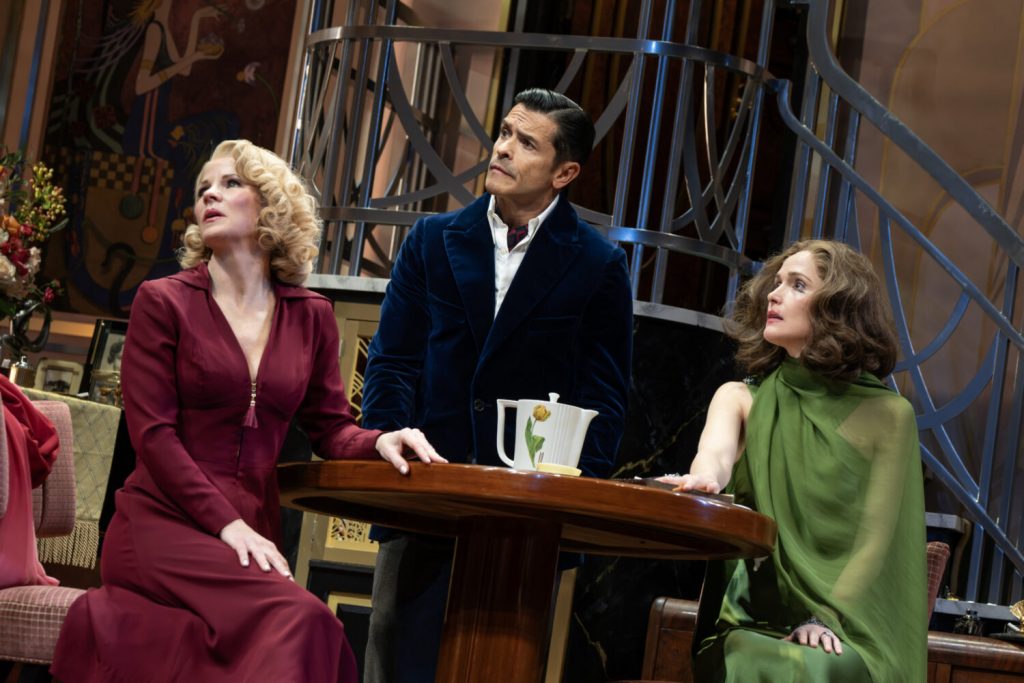
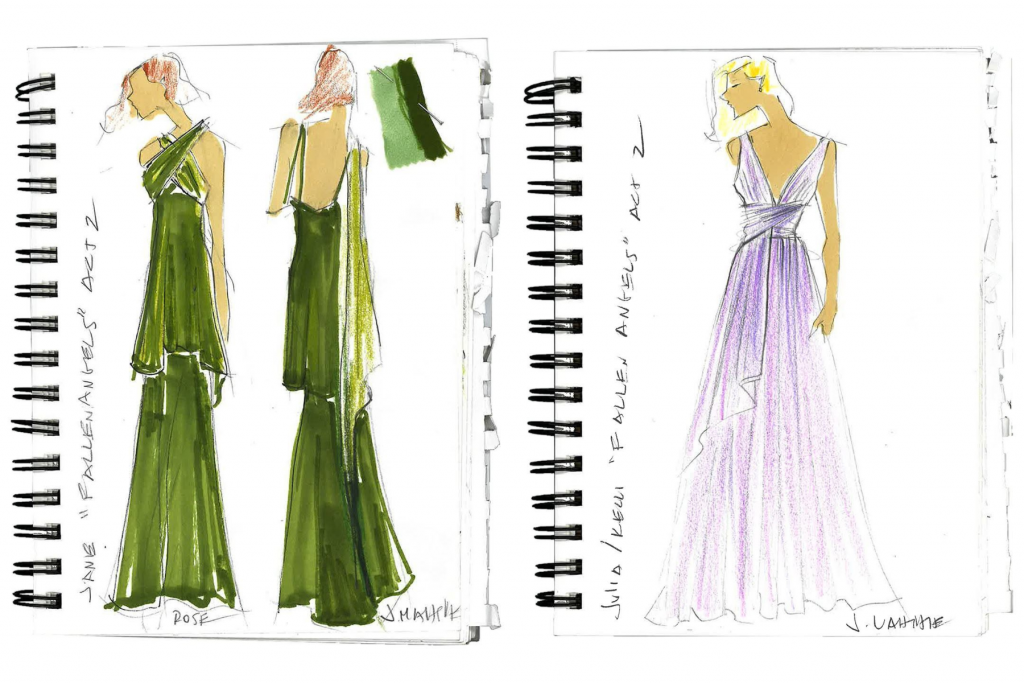
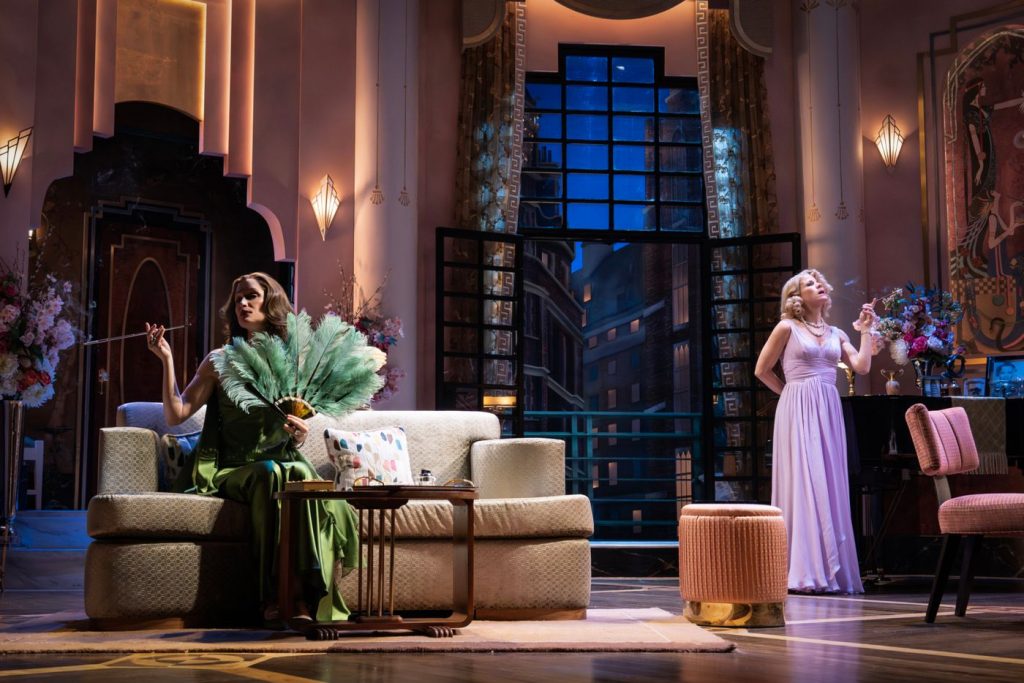
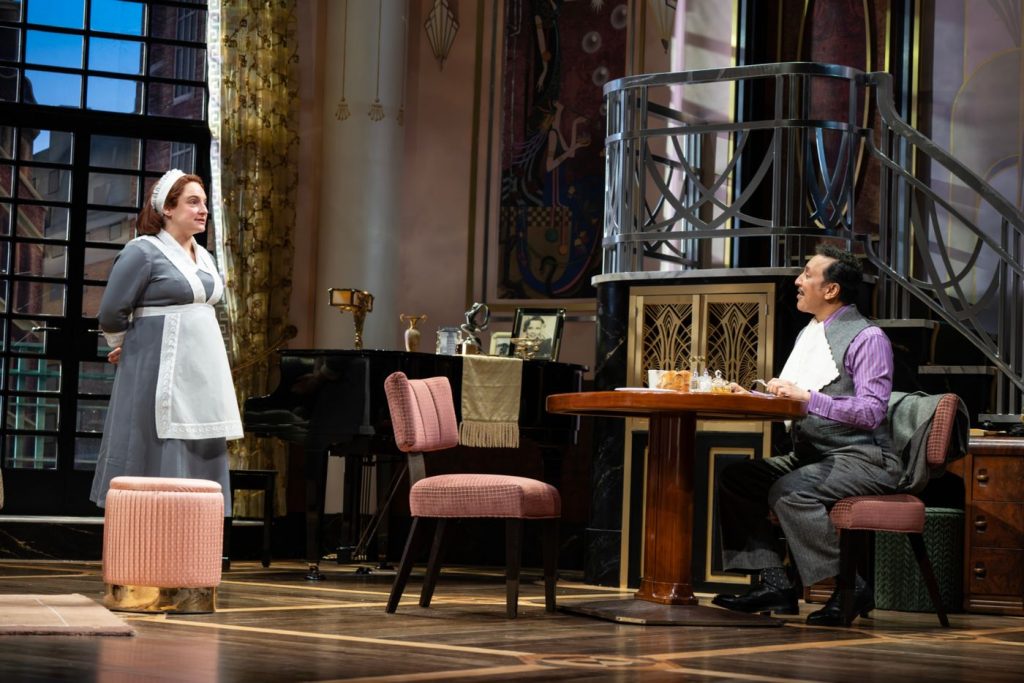
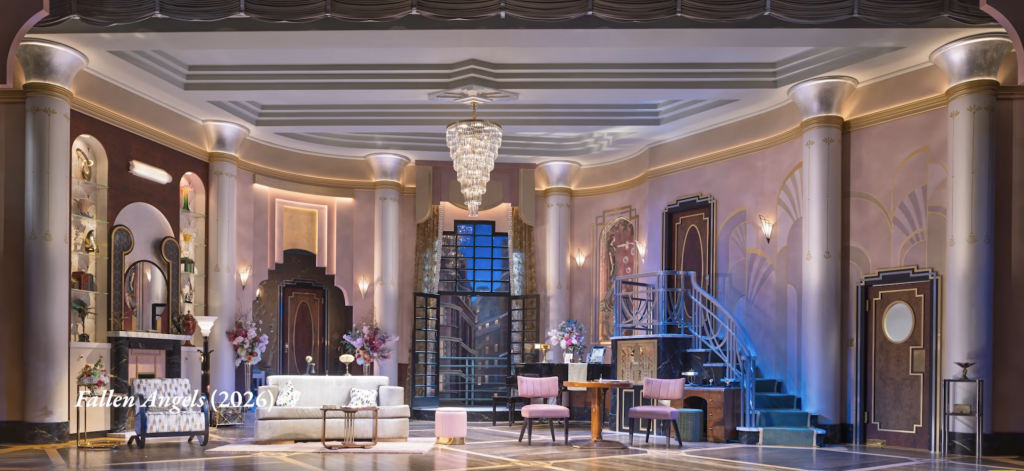
Nominated for the 2026 Tony Award for Best Scenic Design of a Play, the revival of Noël Coward’s comedy Fallen Angels showcases Broadway’s remarkable ability to maximize every inch of the stage and transport audiences into another era. As the first major Broadway revival in 70 years, the production honors its history while reimagining it through David Rockwell’s lavishly detailed 1930s-inspired design, enhanced by modern theatrical technology. Drawing from the elegance of the Art Deco and Art Moderne movements, the meticulously crafted London flat perfectly complements Coward’s sharp wit and sophisticated world, creating a space so inviting audiences may wish they could step inside themselves.

Categories
Broadway's Best Creative

The Art That Sold the Show: 2015-2026 Edition

By Ben Schachne

A Broadway poster is often the audience’s first impression of a show. Before the curtain rises, before reviews are published, and before word-of-mouth spreads, a single image must capture attention and communicate the essence of a production. The best key art transcends marketing and becomes a stand-alone piece itself.

The past ten years of Broadway have offered a new playing ground for artistic approaches, from more traditional typography and illustrations to celebrity photography and abstract reimaginings. Here are the windowcards that helped define the 2015-2026 Broadway seasons. 

2025-2026 Season: Ragtime

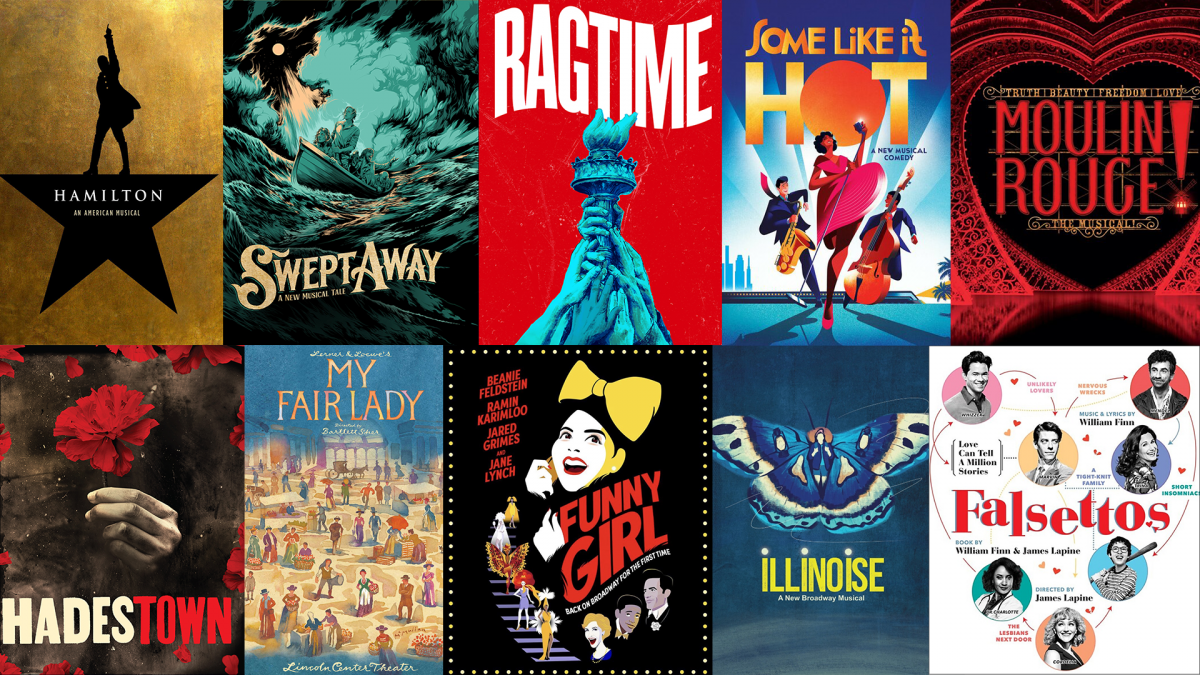
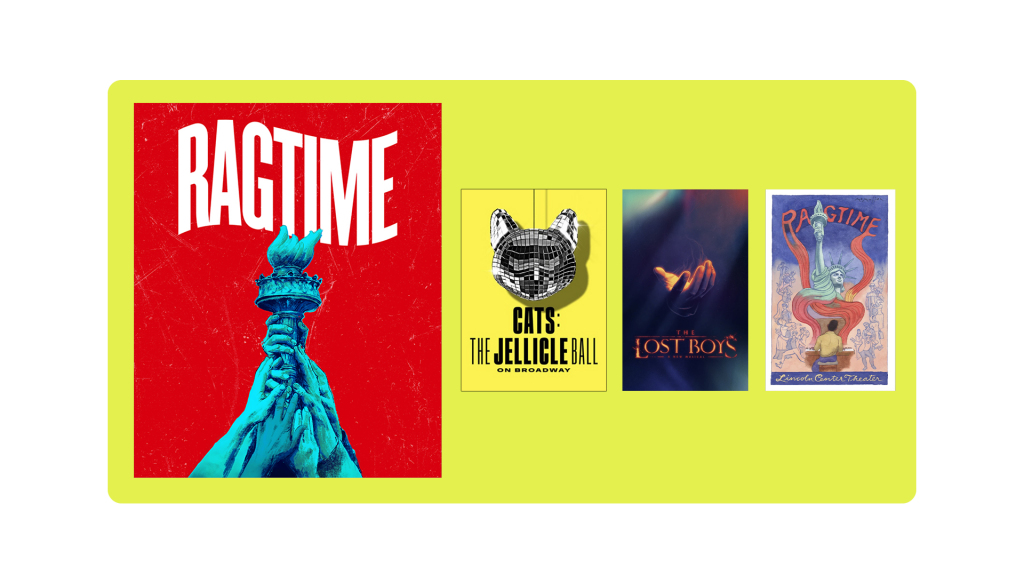
The bold red backdrop with the flag-like typography is immediately striking, bringing a sense of urgency and liveliness to the composition. The Statue of Liberty torch and red, white, and blue color scheme instantly elicit the central themes of America, immigration, and social change. The contrast between the blue and red creates a sense of conflict, reflecting the tensions that characterized the early twentieth century.

What We Love: It’s a timeless design.

Honorable Mentions: Cats: The Jellicle Ball, The Lost Boys, Ragtime alternate cover

2024-2025 Season: Swept Away

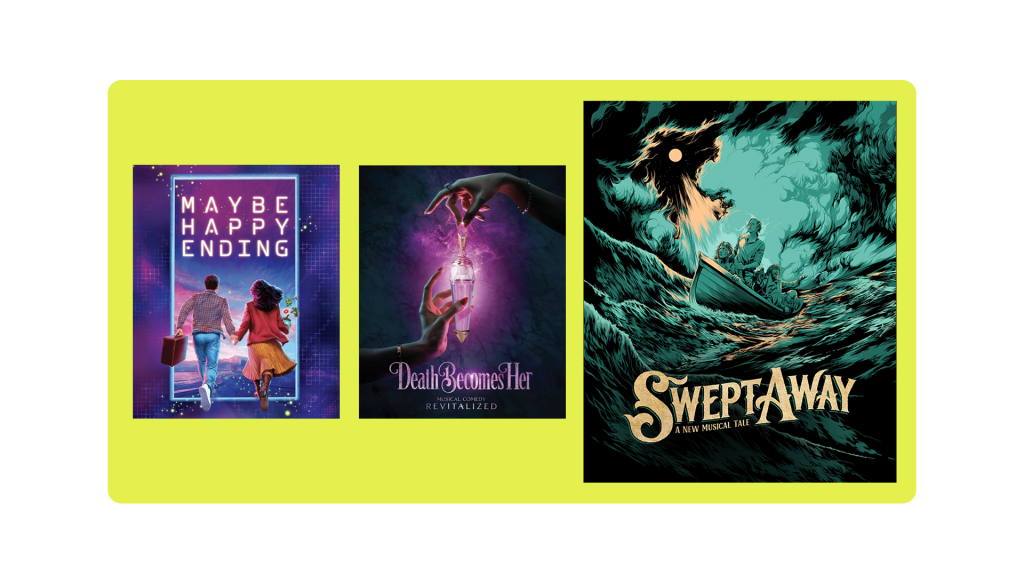
The stormy sea and atmospheric composition immediately create a sense of danger, isolation, and grandeur. The image of the small boat dwarfed and consumed by the vast ocean captures both the musical’s maritime setting and its themes of survival and human resilience. The teals of the water and clouds paired with the dark shadows engulf the page and contrast brilliantly against the warm tones of the moon above and the typography below.

What We Love: The tangibility of the ocean.

Honorable Mentions: Maybe Happy Ending & Death Becomes Her

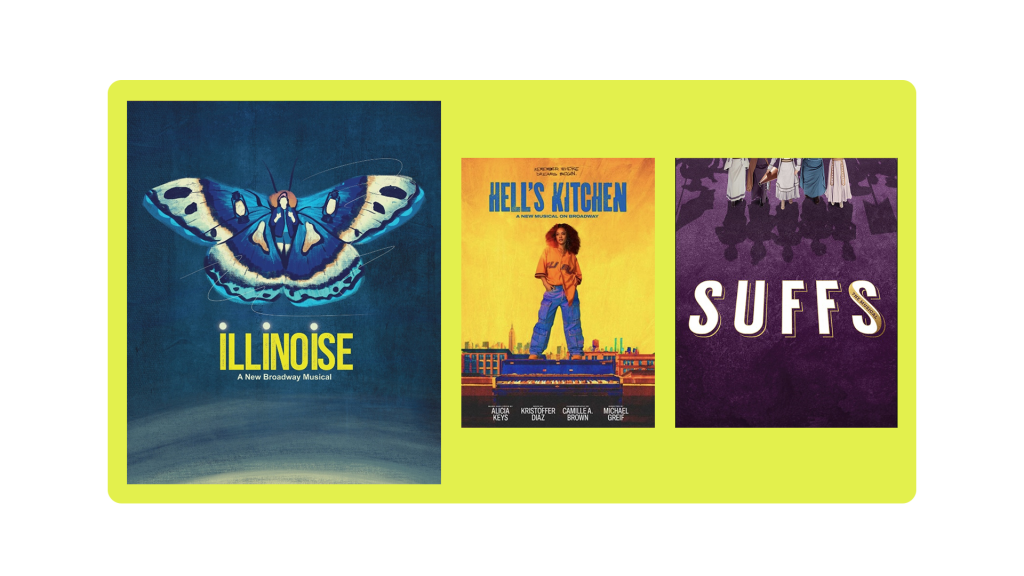
2023-2024 Season: Illinoise

This poster is soft, atmospheric, and layered with emotion. The faded blues evoke the passage of time, old memories, and the emotional landscape of the American Midwest. The central image of the butterfly serves as a visual metaphor for the show’s core themes of coming-of-age, metamorphosis, and memory, physicalizing them through the figure and lanterns hidden within its imagery.

What We Love: Its painterly texture and hidden messaging.

Honorable Mentions: Hell’s Kitchen & Suffs

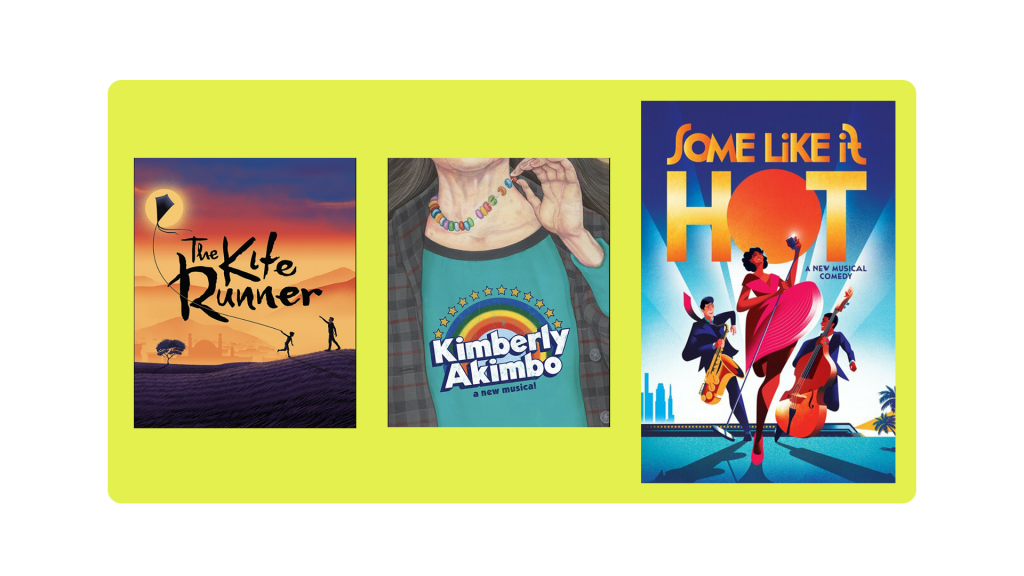
2022-2023 Season: Some Like It Hot

The bright, high-contrast composition and bold, symmetrically styled typography feel playful, fast-paced, and irresistibly theatrical, immediately capturing the glitz and glamour of the 1930s jazz-age. The Art Deco-inspired styling and vintage graininess elicit a retro Hollywood flair with a modern theatrical polish, reflecting the musical’s blend of farce, identity disguise, and high-stakes escape.

What We Love: It feels like an old Hollywood film poster.
Honorable Mentions: Kimberly Akimbo & The Kite Runner

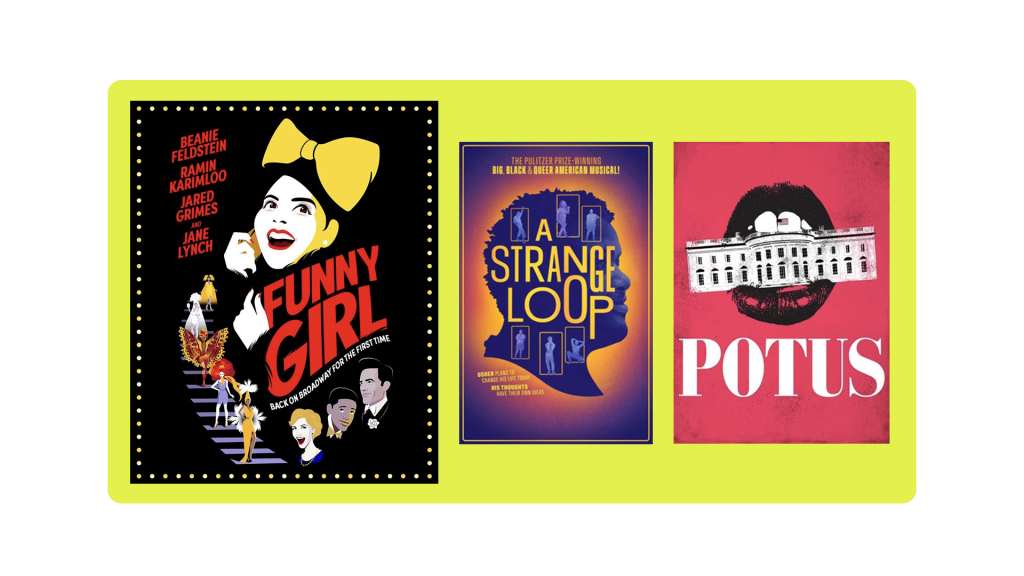
2021-2022 Season: Funny Girl

This poster goes back to the basics of Broadway in a flashy and refined way, using vintage-inspired styling to recall the golden age of entertainment. The blazing red typography against the stark black background accompanied by the old Hollywood-style caricatures feels timeless, glamorous, and unmistakably theatrical. Framed with the classic marquee light bulbs, the bold elements of the artwork use negative space brilliantly to show a lot with a little.
What We Love: It reinvents a classic.

Honorable Mentions: A Strange Loop & POTUS

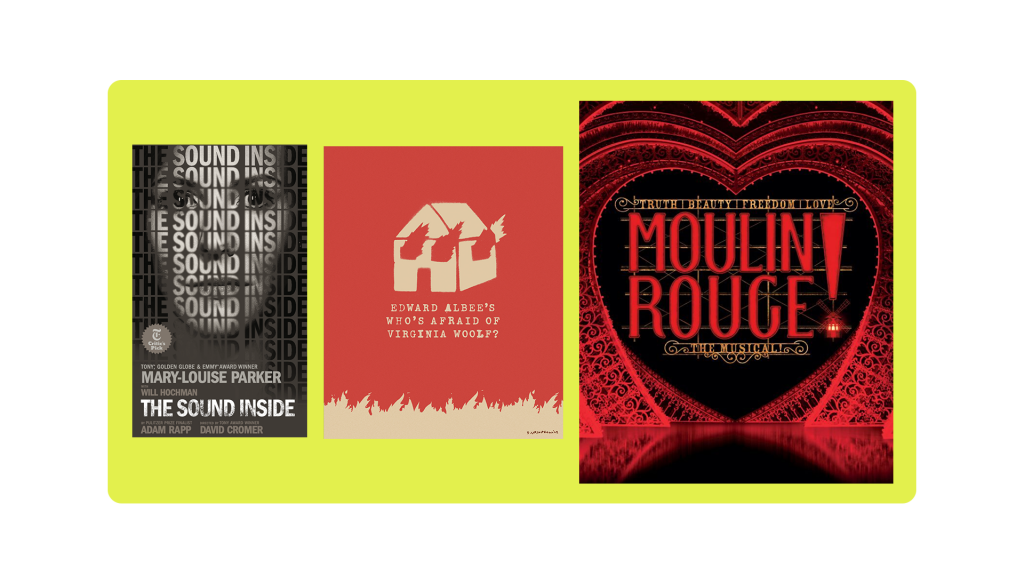
2019-2020 Season: Moulin Rouge!

The crimson red palette and Art Nouveau-inspired designs create an extravagant, passionate, and seductive landscape that perfectly sets the scene for the show. Invoking the show’s own set design, the belle époque ornamentation of the radiant heart reinforces the musical’s driving themes of love, desire, and sacrifice. Incorporating iconic elements like the windmill, this poster acknowledges its roots and embraces its future.

What We Love: It shows the audience exactly what they’re going to get.

Honorable Mentions: Who’s Afraid of Virginia Woolf? & The Sound Inside

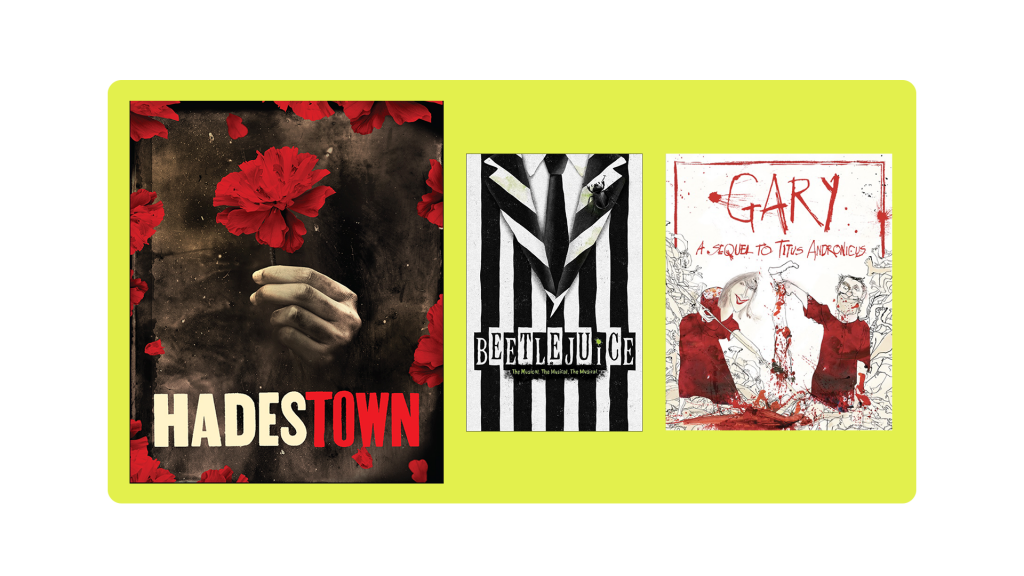
2018-2019 Season: Hadestown

The deep black background and the hand emerging from it feel mysterious, mythic, and timeless. The radiant flower at the center immediately draws the eye, serving as both a beacon of hope and a symbol of the mortal love at the heart of the story. The circular composition of the flowers suggests a cycle, reflecting the musical’s recurring themes of fate and the stories we tell again and again.

What We Love: It looks like an old photograph that has frozen the story in time.

Honorable Mentions: Beetlejuice & Gary: A Sequel to Titus Andronicus

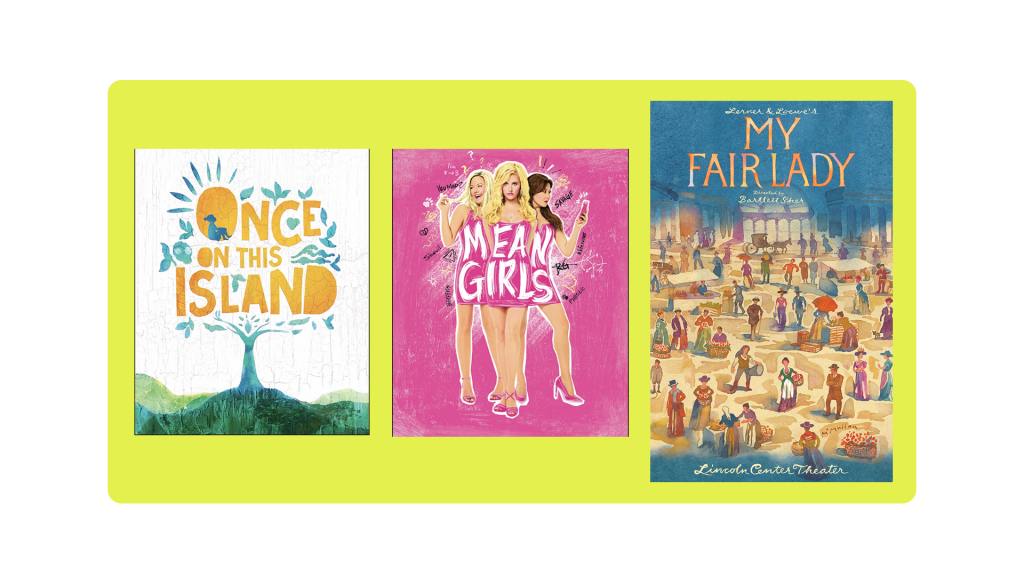
2017-2018 Season: My Fair Lady

This poster is in the truest sense of the word, an artwork. The elegant watercolor painting takes a more classic approach for a classic musical, utilizing lush floral motifs and a refined pastel palette to elicit romantic, sophisticated, and distinctly Edwardian feelings. It embraces a hand-painted aesthetic that immediately evokes the world of high society and carefully constructed appearances.

What We Love: It is a truly beautiful work of art.

Honorable Mentions: Mean Girls & Once On This Island

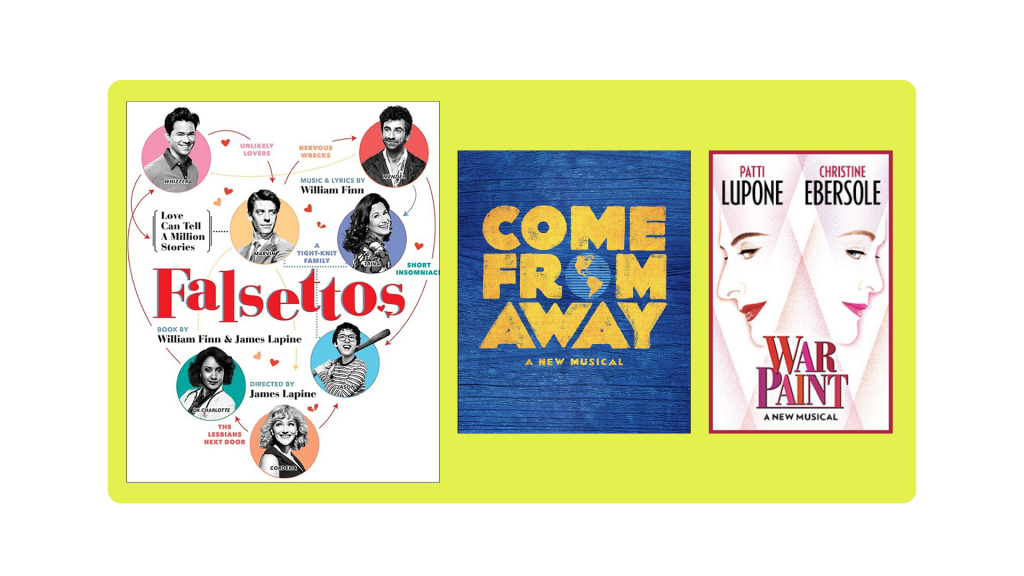
2016-2017 Season: Falsettos

The vibrant patchwork of shapes and character icons feels playful and intimate, but the fragmented composition hints at the complexities and tensions that lie beneath the surface of the story. The subtle arrows weave between the characters, simultaneously forming a heart and visually mapping the connections that unite them. By presenting its characters as interconnected pieces of a larger whole, the poster beautifully captures the musical’s themes of love, identity, and community.

What We Love: It’s both fun and deeply layered.

Honorable Mentions: War Paint & Come From Away

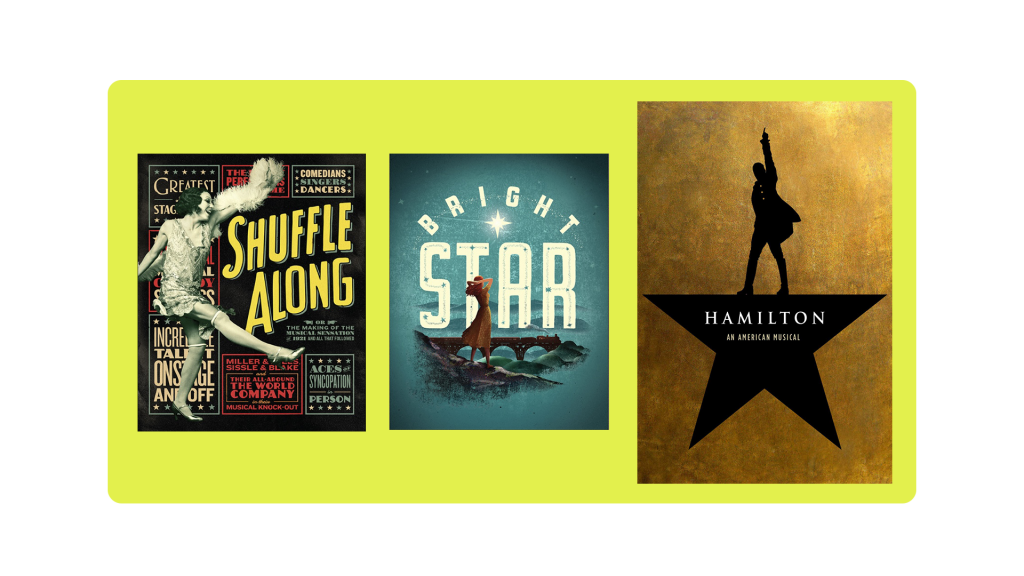
2015-2016 Season: Hamilton

The gold background and black silhouette feel bold, revolutionary, and instantly recognizable, transforming a historical figure into a modern cultural symbol. The star evokes both the American flag and the idea of celebrity, while the figure’s outstretched pose suggests triumph, defiance, and the desire to leave a lasting mark on history.

What We Love: The design’s simplicity is its greatest strength.

Honorable Mentions: Bright Star & Shuffle Along

Categories
Broadway's Best Creative

The Revival Cycle: Broadway’s Most Returned-To Plays

By Ben Lerner

If you thought the last Death of a Salesman revival before the current Tony-winning production with Nathan Lane and Laurie Metcalf felt recent, you’re not alone and you’re not wrong. The previous production, with an all-Black cast led by Wendell Pierce and Sharon D. Clarke, played on Broadway less than four years ago, in late 2022. Classics are classics for a reason, and some plays lead the pack in their repeated popularity over the decades. If you’ve ever wondered which are brought back the most, look no further!

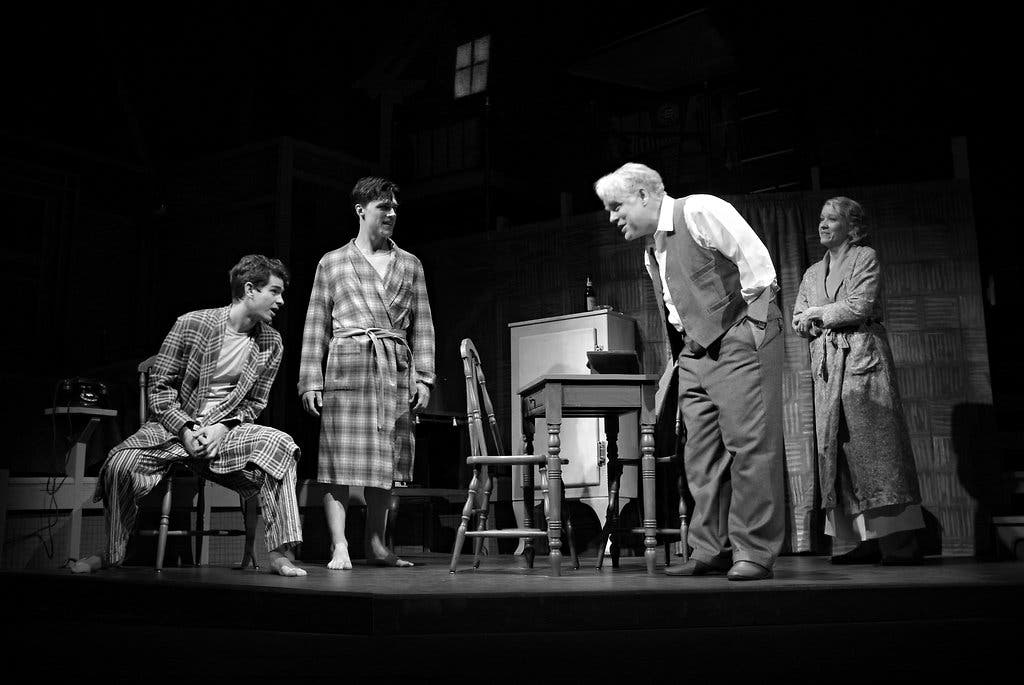
Arthur Miller’s drama Death of Salesman is not the record holder here, but it has played Broadway six times following its original 1949 production: in 1975 with George C. Scott, in 1984 with Dustin Hoffman, in 1999 with Brian Dennehy, in 2012 with Philip Seymour Hoffman, and the aforementioned two recent productions. There are other more modern classics that are revived with impressive frequency relative to their original premiere dates, such as David Mamet’s Glengarry Glen Ross. (That play debuted in 1984, but it was revived this century three times over 20 years – in 2005, 2012, and 2025.)

Death of a Salesman

Which play does hold the record for the highest number of revivals? Perhaps quite obviously, the answer is Hamlet – revived 65 times since 1864 and last seen in 2009 starring Jude Law – as Shakespeare’s classics have a multi-century headstart. Following Hamlet, his most-revived plays are The Merchant of Venice (49 revivals), Macbeth (47), Romeo & Juliet (37), and Twelfth Night (30). If we eliminate Shakespeare from consideration, as well as Gilbert & Sullivan’s operettas, our winning playwright is Henrik Ibsen. His Hedda Gabler isn’t quite as old, having premiered in 1898 – and it’s been revived 18 times since, most recently in 2009, with Mary-Louise Parker in the titular role.

Close behind is Anton Chekhov’s The Cherry Orchard, which was first performed around the same time (1904, in Russia) and has been revived 15 times since its English-language premiere. Its last appearance on Broadway was a decade ago, in 2016, starring Diane Lane. Next is Cyrano de Bergerac by Edmond Rostand, revived 14 times since its 1898 premiere.

Another classic turn-of-the-century playwright whose work is revived nearly as often is George Bernard Shaw. While his most famous work today is Pygmalion (which inspired My Fair Lady), his most-returned-to play is actually Candida, revived 13 times within the twentieth century alone. Candida premiered in 1903 and was revived over a dozen times in 90 years – but it hasn’t been back since 1993! It’s tied with Ibsen’s A Doll’s House, originally performed in 1889 and most recently produced in 2023 starring Jessica Chastain, as well as with Richard Brisley Sheridan’s The School For Scandal – but that play dates back to 1777, so it’s not an even comparison. (Sheridan’s play, like Candida, has not been revived since the 1990s.)

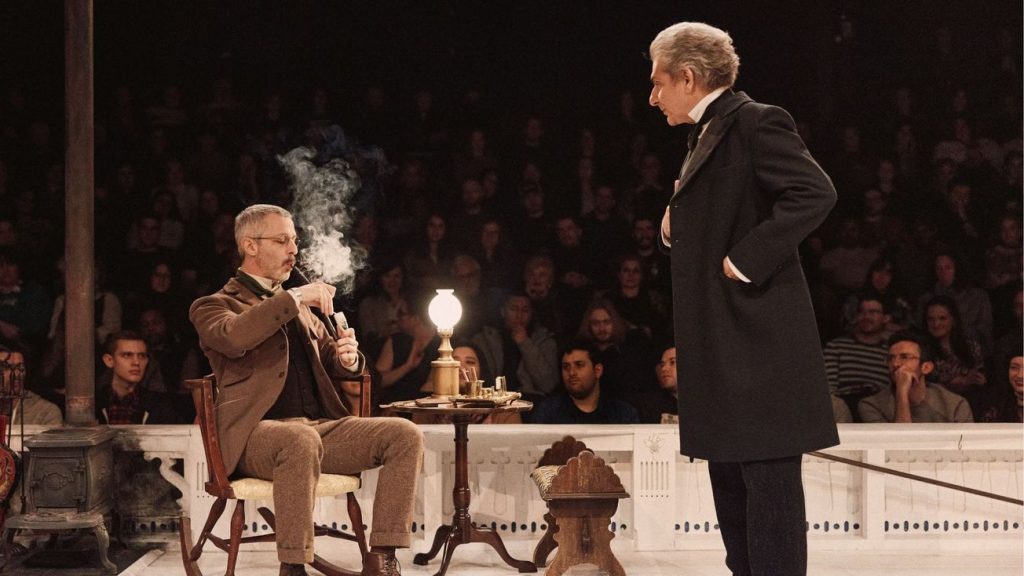
The very same non-Shakespearean playwrights hold the next records, as well: Ibsen’s An Enemy of the People and Chekhov’s Uncle Vanya have been revived 10 times, both most recently in 2024, respectively starring Jeremy Strong and Steve Carell. Right behind are Chekhov’s The Three Sisters (9 revivals), Rostand’s L’Aiglon (9, although none since 1934!), and Sheridan’s The Rivals (also 9, but with a 200-year headstart). Also joining them at nine revivals is The Old Homestead by Denman Thompson, but don’t worry if you’ve never heard of it: those nine productions all played between 1897 and 1913!

An Enemy of the People. Photo by Emilio Madrid

When we move down to a mere eight revivals, a legendary twentieth century American playwright from the modern theatrical era joins the list: Tennessee Williams. A Streetcar Named Desire was first produced in 1949, far later the prior record holders, and has returned eight times since. That number ties Shaw’s Saint Joan, originally from 1923, as well as Oscar Wilde’s classic The Importance of Being Earnest, which first played Broadway in 1895. (Also at eight, less impressively, are the older, less well-known plays She Stoops to Conquer, which premiered in 1777, and Louis XI, from 1858.)

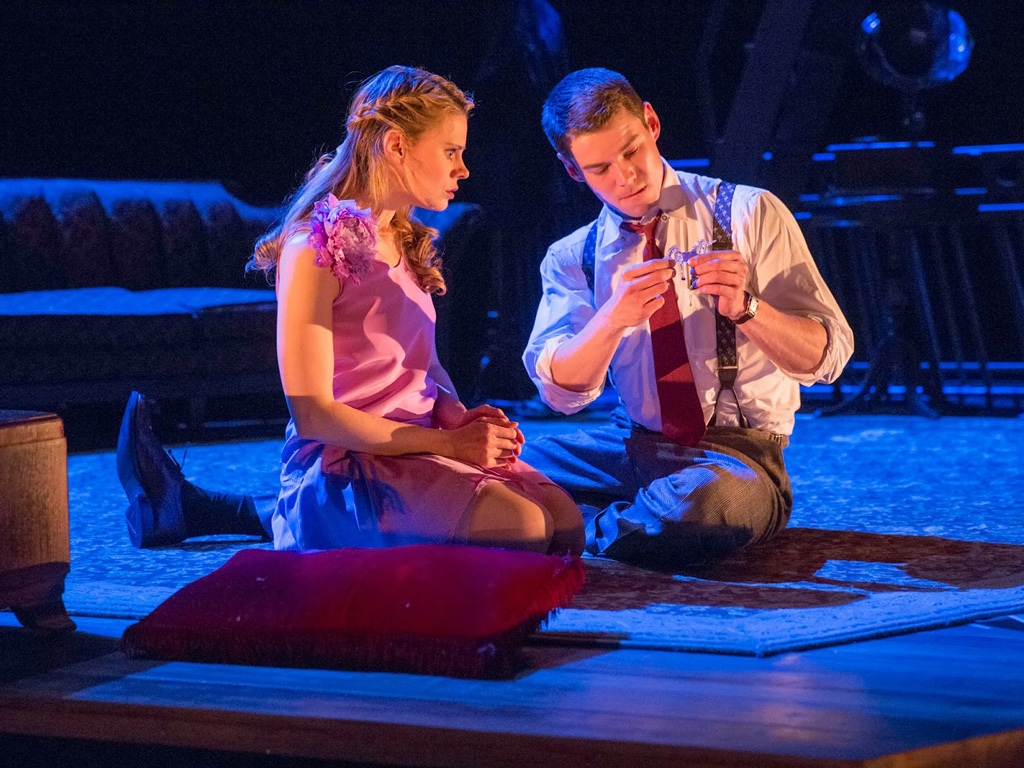
Classic plays in the seven revival club include Tennessee Williams’ The Glass Menagerie (premiered 1945), Chekhov’s The Seagull (1916), and several classic operas. The Gershwins’ Porgy and Bess (1935) joins them as the first musical on the list, making it the most revived musical of all time, not counting older operettas.

The Glass Menagerie

Finally, joining Death of a Salesman at six revivals are the classic musicals Show Boat (1927, by Jerome Kern & Oscar Hammerstein II) and The Threepenny Opera (1928, by Berthold Brecht & Kurt Weill), alongside Shaw’s play Arms and the Man, Gilbert & Sullivan operettas, Shakespeare plays, and more classic operas. A sixth revival of Williams’ Cat on a Hot Tin Roof will premiere on Broadway next spring, directed by Sam Gold.

As you’ve seen, if we discount Shakespeare and focus on plays written in the last 150 years, the most revived playwrights are easily Henrik Ibsen, George Bernard Shaw, and Anton Chekhov. None of these writers are American, however, so as far as twentieth century Broadway playwrights, Tennessee Williams and Arthur Miller reign supreme.

But you never know who is waiting in the wings…classic American plays like Thornton Wilder’s Our Town, Arthur Miller’s The Crucible, and Eugene O’Neill’s Long Day’s Journey Into Night are standing strong at five revivals, as are such beloved musicals as Gypsy, Guys & Dolls, Oklahoma, Fiddler on the Roof, and West Side Story. Any of these could rise on the list in the upcoming Broadway seasons. Which would you like to see back on the stage next?