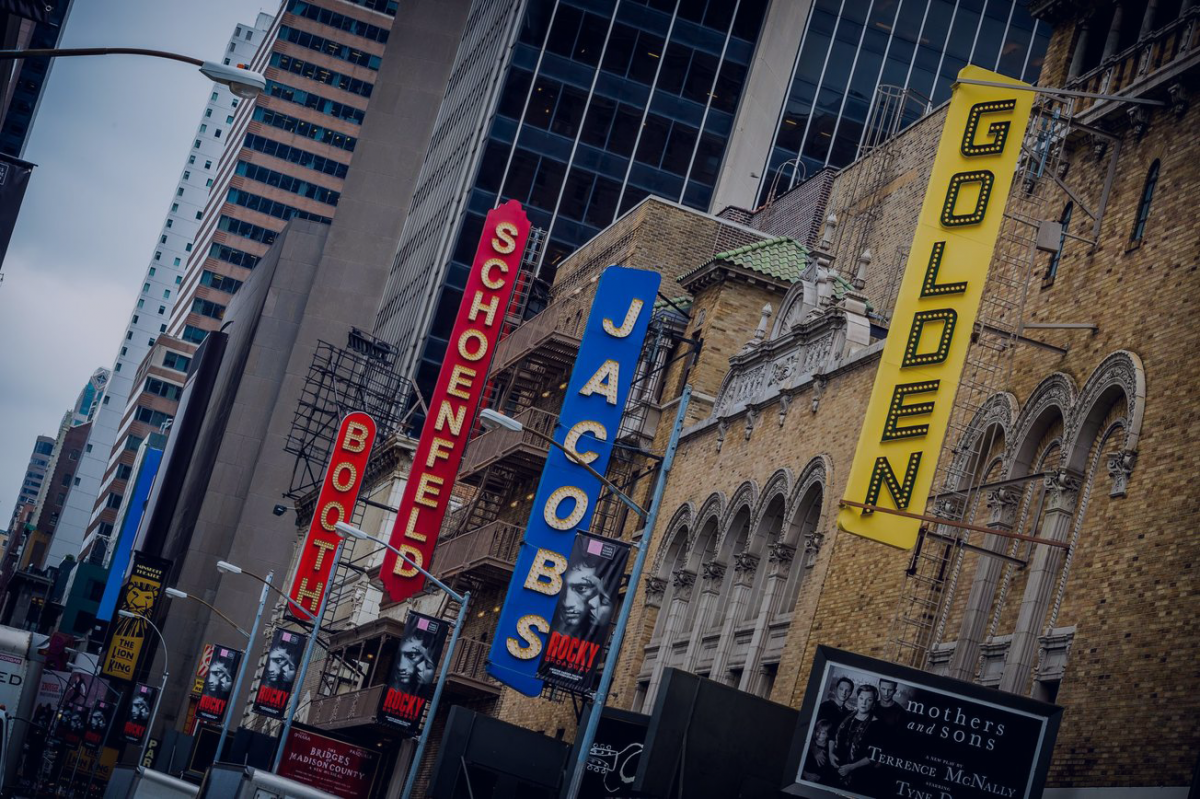
The curtain has come down. Every show has opened and the 2025–2026 Broadway season is now history. Before the Tonys hand out their envelopes and the discourse shifts to who won and who was snubbed, it’s worth pausing to ask a quieter question: what was Broadway actually saying this year?
Taken together, this season told us something, not in any single show, but in the accumulation of them: the recurring questions, the shared anxieties, the themes that kept surfacing across very different stages. Here’s what we found.
By Jim Glaub
This season asked: who are you, really?
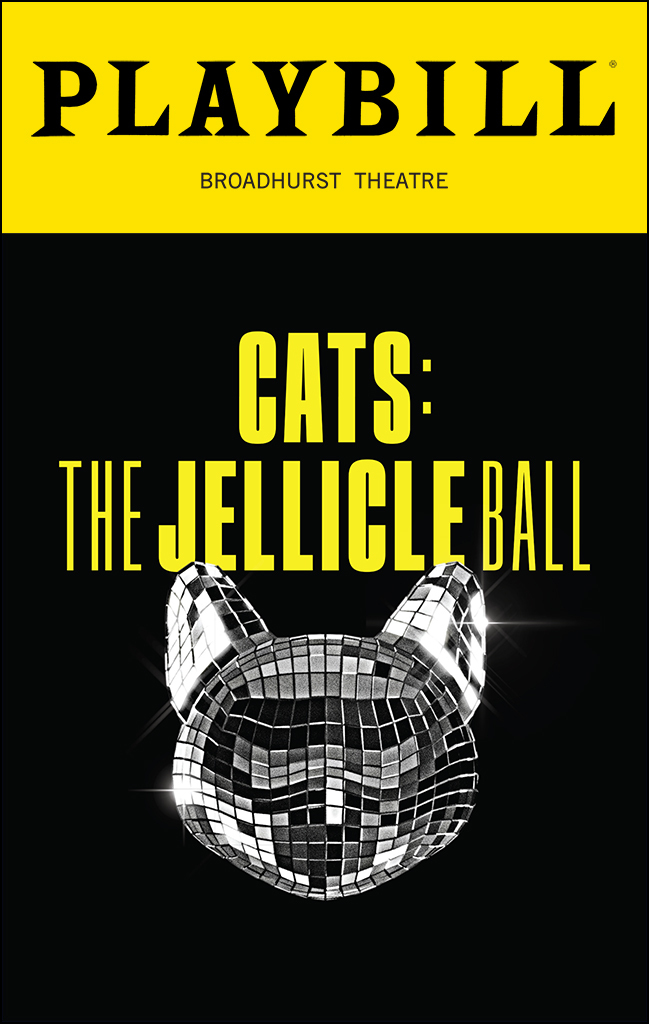
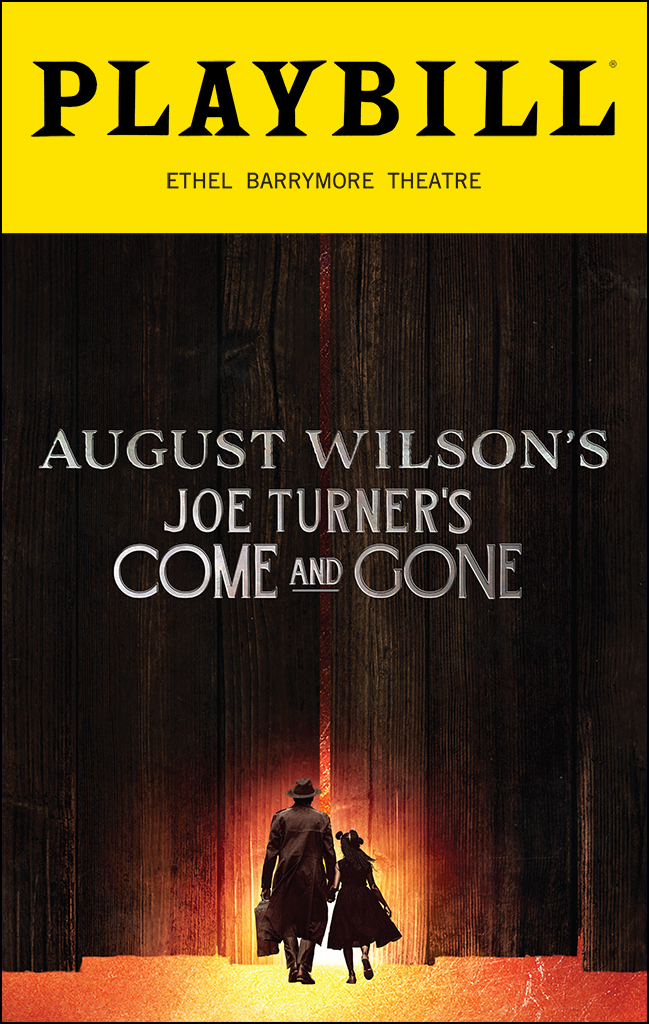
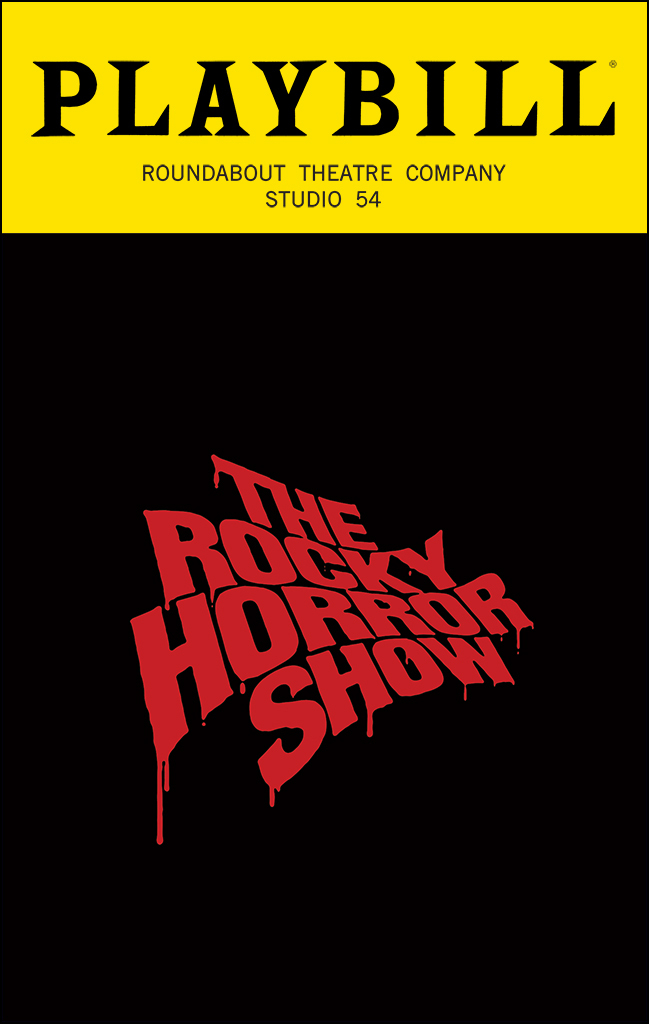
Identity was everywhere. The Lost Boys explored the fear of growing up and what we sacrifice when we refuse to. Cats: The Jellicle Ball turned selfhood into something performed, shaped by community and spectacle (and death drops). Call Me Izzy made the simple act of naming yourself feel like the most consequential thing a person can do. Joe Turner’s Come and Gone went deeper still, tracing what it takes to reclaim an identity that history tried to erase, and The Rocky Horror Picture Show reminded us, joyfully and defiantly, that self-expression needs no apology.
These are completely different shows circling the same question: who am I?
This season asked: can you trust what you know?
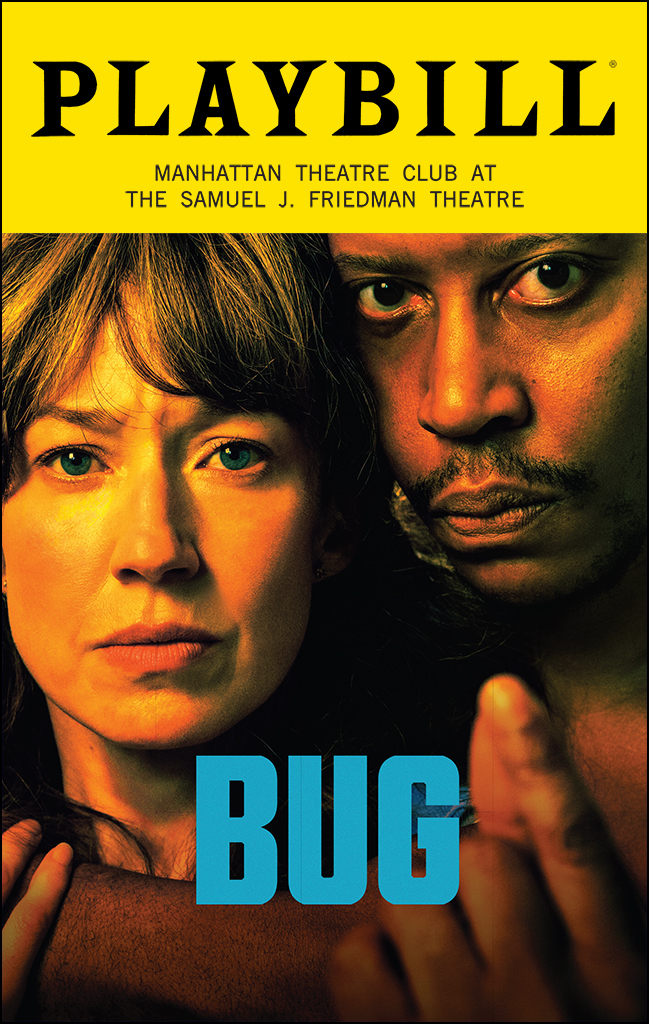
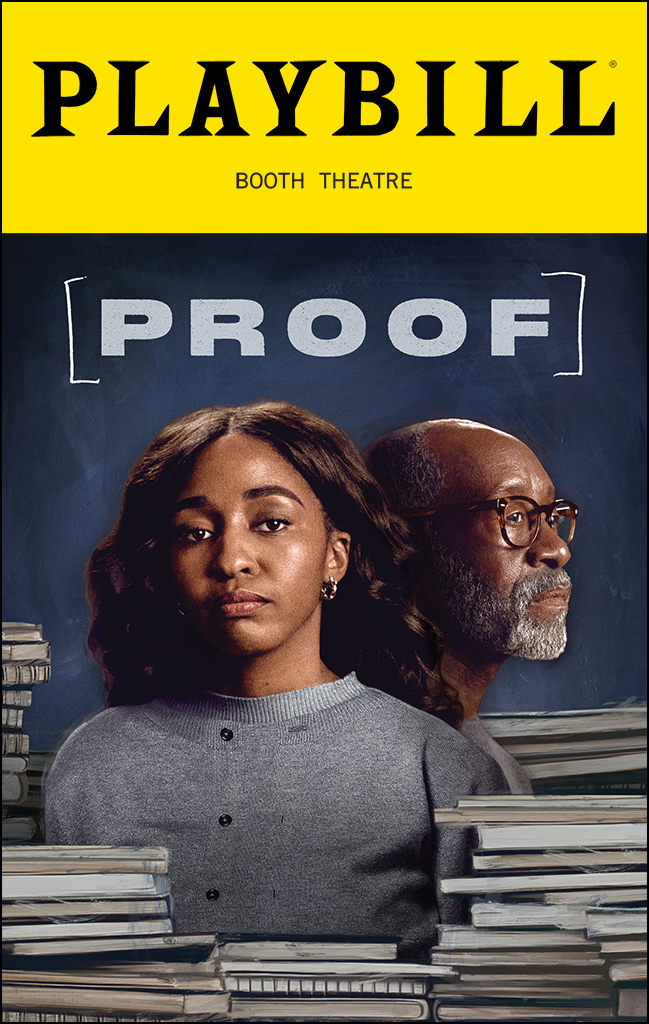
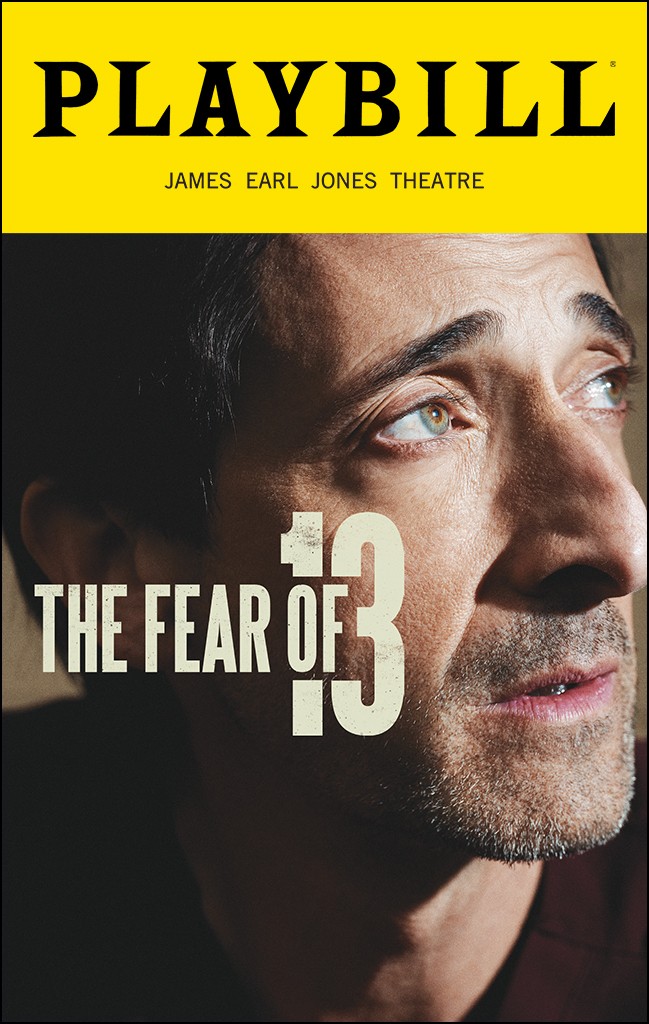
Several productions this year put perception itself on trial. Proof followed a woman wrestling with whether she can trust her own brilliant mind. Bug watched paranoia quietly dismantle reality. Oedipus delivered its ancient warning: that the truth, once uncovered, cannot be unfound. Marjorie Prime asked something gentler but no less unsettling, whether the past is something we remember, or something we build. And The Fear of 13 argued that truth doesn’t reveal itself. Someone has to fight for it.
In a year when fact and fiction feel increasingly negotiable, Broadway put truth itself on trial and didn’t offer a verdict.
This season asked: who built this, and who pays for it?
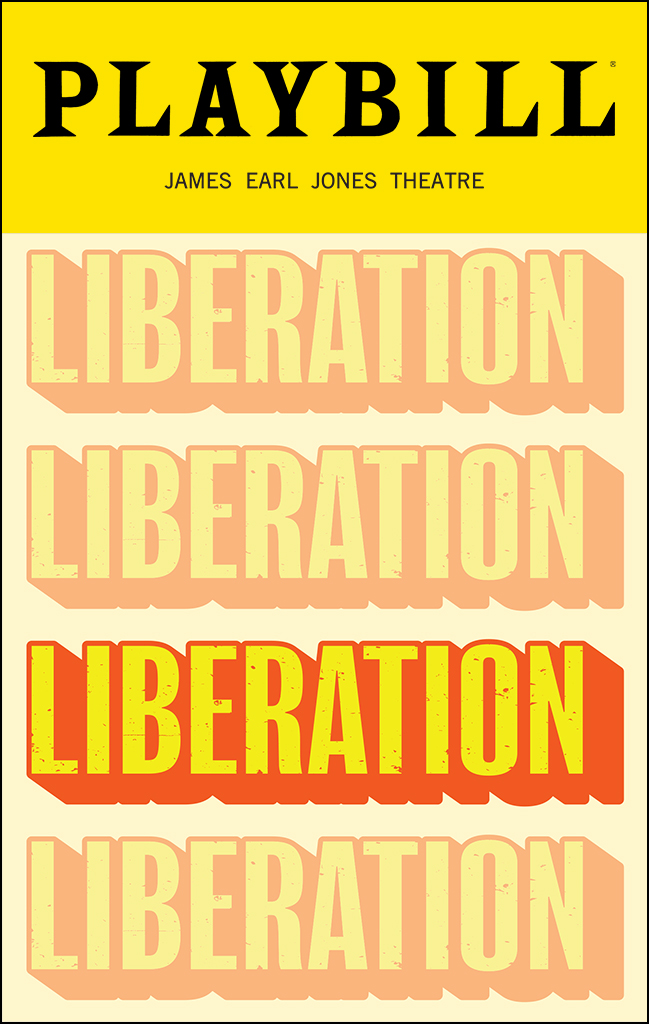
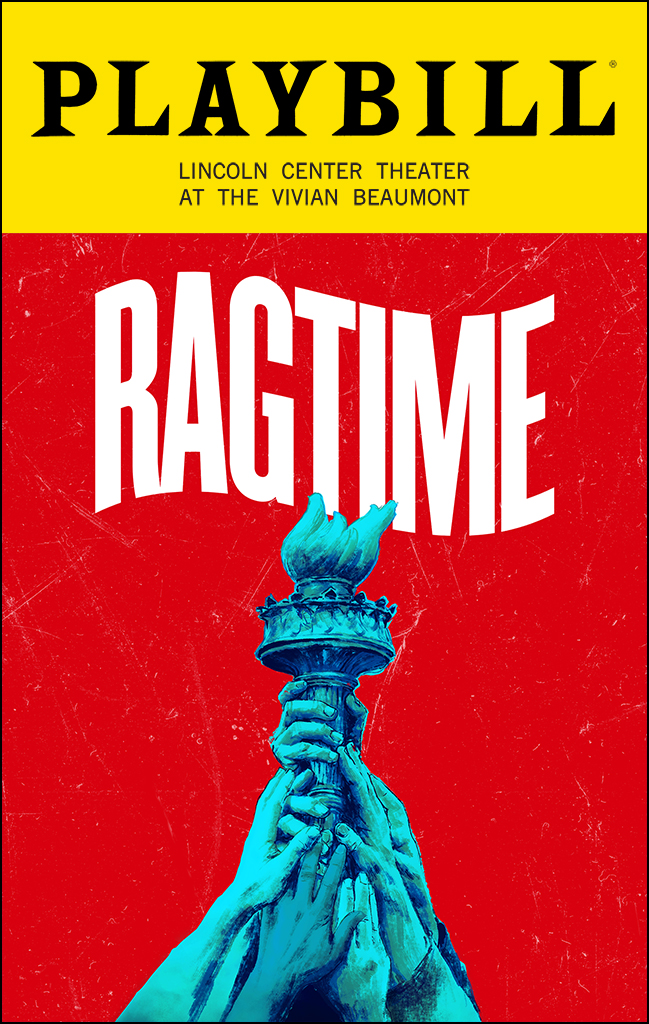
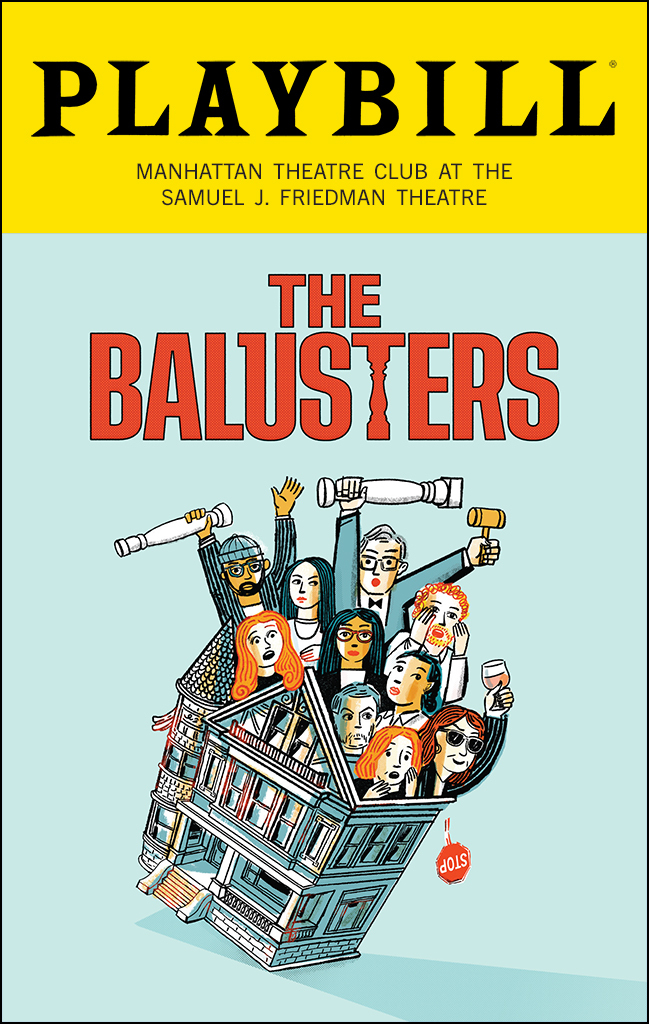
The season’s most politically charged work gathered around questions of power and legacy. Death of a Salesman, as devastating as ever, laid bare the gap between the American Dream and American reality. Ragtime brilliantly mapped the contradictions of national identity across race, class, and immigrant experience. The Queen of Versailles examined what excess looks like from the inside, and what it looks like when it falls apart. Giant traced how power shifts across generations, while Liberation and The Balusters both asked how long any system can hold before its foundations show.
These are not abstract questions, they are the questions on the front page every morning. This season, Broadway held up a mirror and the reflection was uncomfortably familiar.
This season asked: what happens after the moment you can’t take back?
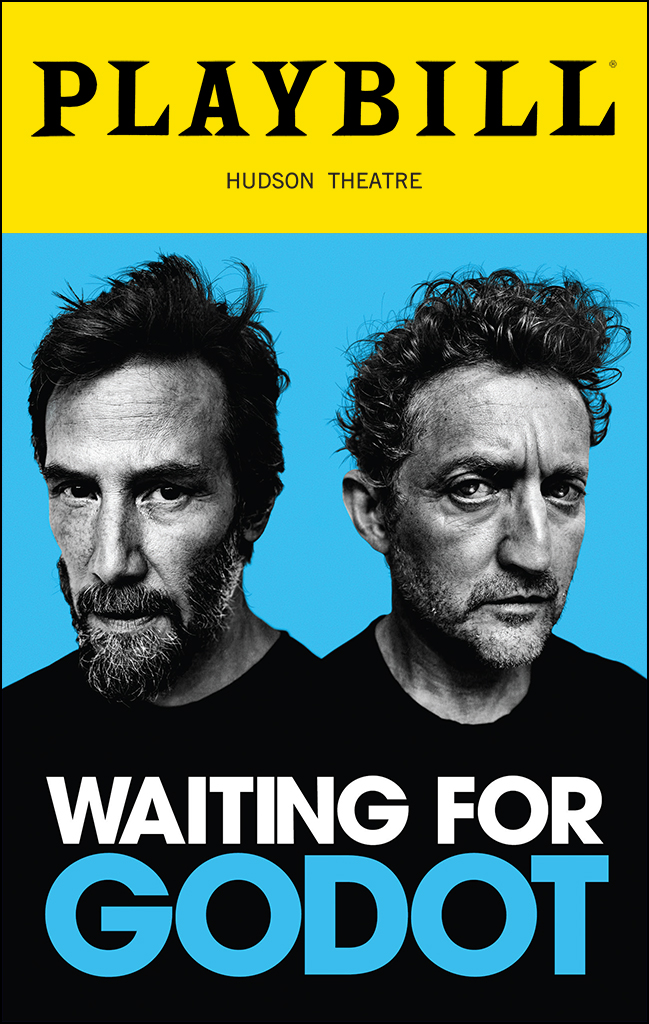
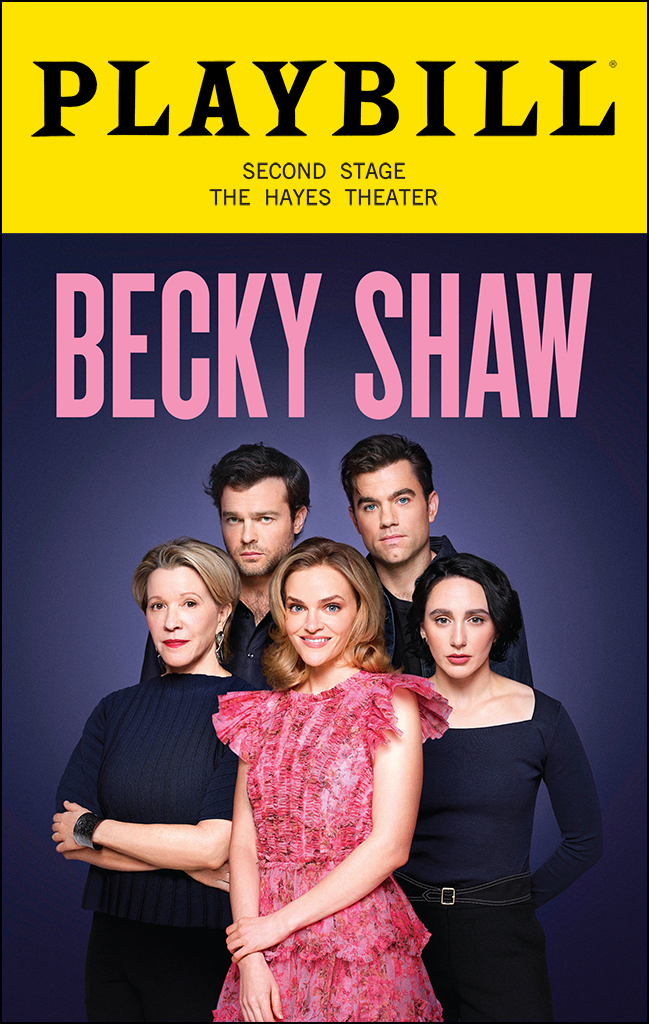
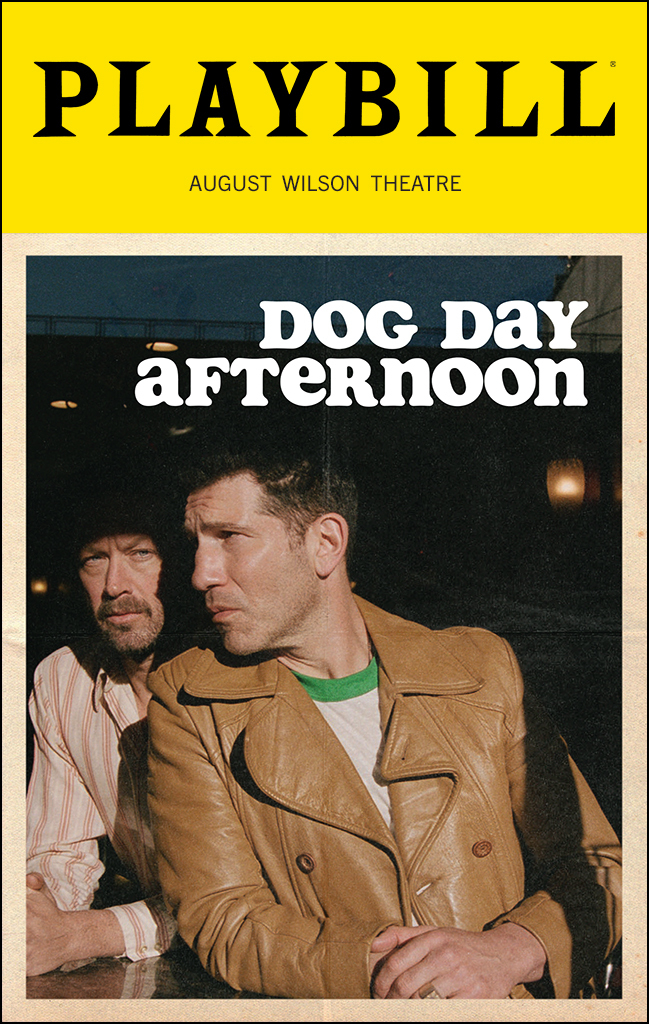
Some of the season’s most gripping work lived in aftermath. Dog Day Afternoon put a desperate man under a public microscope and watched the pressure build. Punch followed the ripple effects of a single act of violence far beyond its origin. Becky Shaw looked at the quieter damage: what happens when well-meaning people make careless choices and the people around them absorb the cost. Waiting for Godot made the case, quietly, that choosing not to act is still a choice, and it carries weight. Little Bear Ridge Road asked what happens when emotional distance quietly becomes permanent.
This season asked: who do you hold onto?
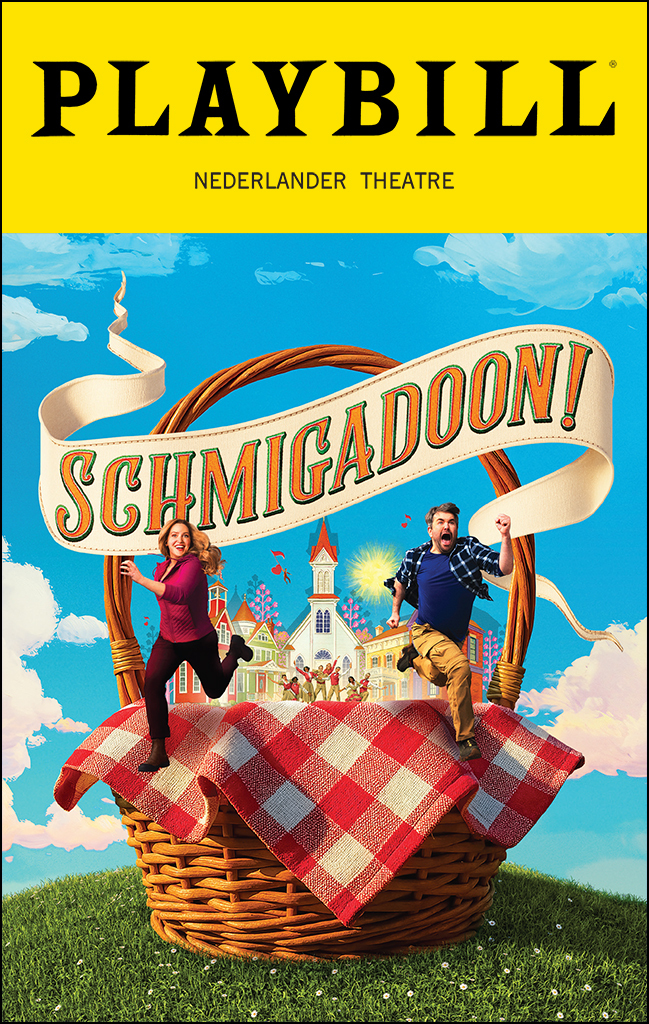
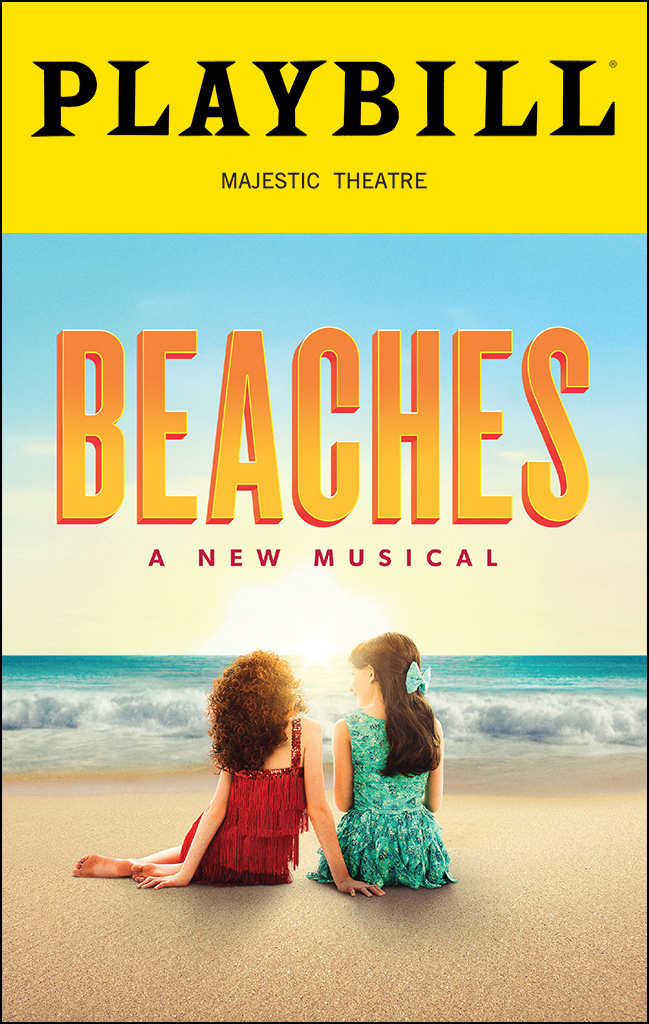
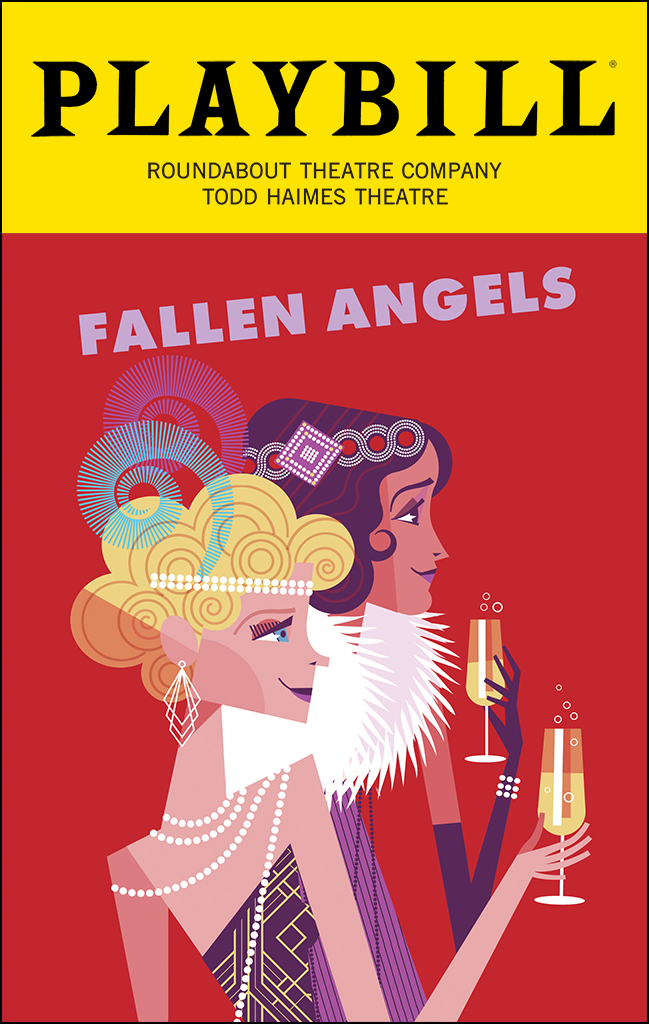
There was love, not romance exactly, but connection in all its forms. Beaches: A New Musical made the case that a friendship can be the central love story of a life. Two Strangers Carry a Cake Across New York found something true and surprising in a chance encounter. Chess put love in direct tension with loyalty and ideology. Schmigadoon! argued that real connection requires putting down your defenses. Fallen Angels approached it from a different angle entirely, with Noël Coward’s razor wit asking what long-term love actually looks like when an old flame reappears and the carefully maintained surface begins to crack.
We live in a world with more ways to connect than ever before, and an epidemic of loneliness to show for it. This season asked the question underneath that contradiction: not how do we reach each other, but who are we actually willing to show up for?
This season made room for joy.
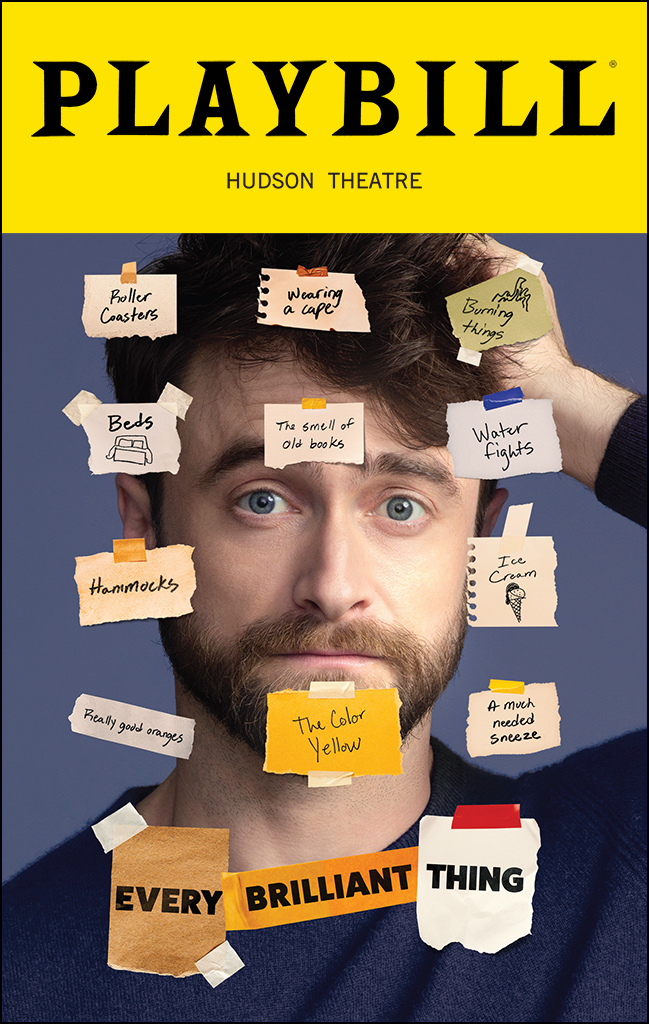
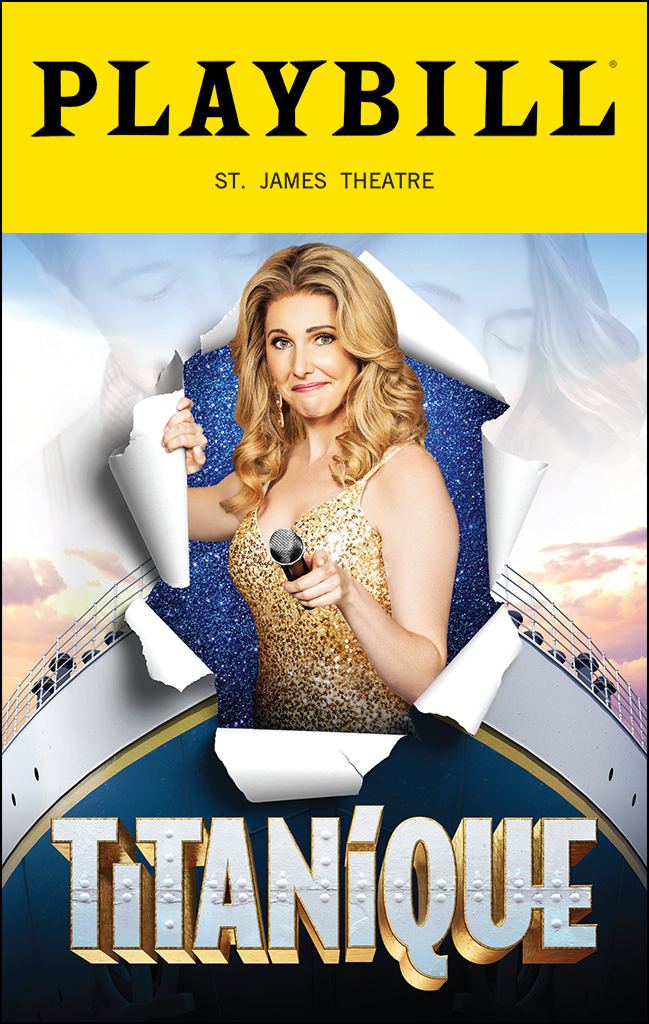
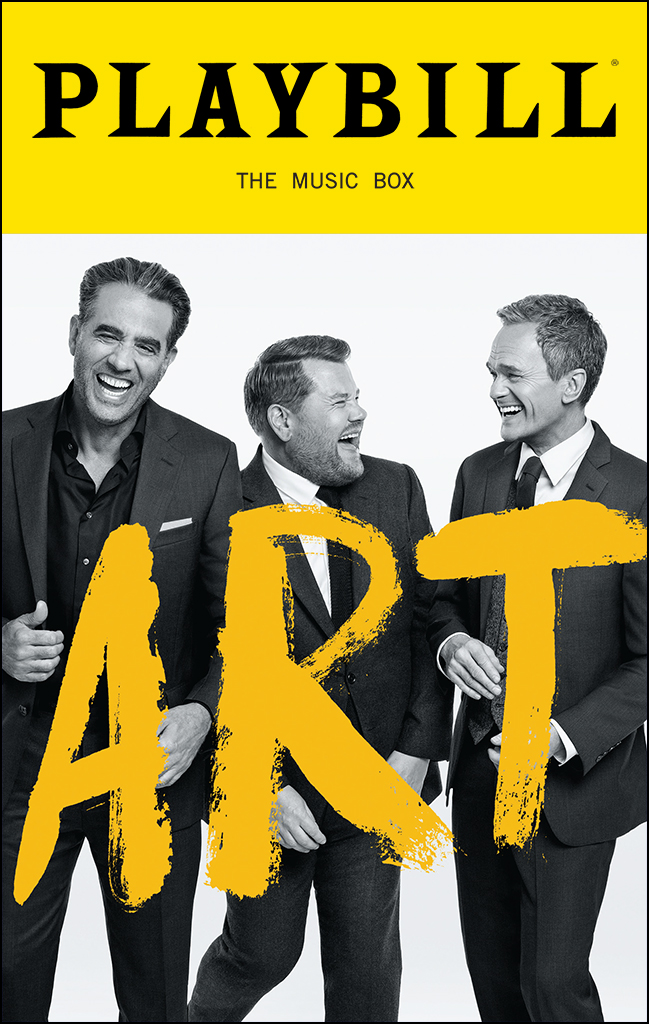
Not every show this season asked a hard question, some just insisted on joy, and in 2026, that might be the hardest position of all. We’re living in a moment that makes delight feel frivolous, that treats lightness as a failure of seriousness, and Broadway pushed back. Titanique reinvented myth purely for the pleasure of it, and dared you to feel guilty about laughing. Every Brilliant Thing catalogued small delights, a list built against despair, until they added up to something that felt, unexpectedly, like a reason to keep going. Art hid genuine feeling inside a comedy of manners, which is perhaps the only way to sneak tenderness past an audience that has learned to be defended against it. Mamma Mia! chose warmth, deliberately and without apology, in a season and a world that kept choosing difficulty
In this moment, choosing joy is a radical act. And yet, ask anyone in the industry and they’ll tell you: this was a weird one. No foolproof hits or single juggernaut that swept the conversation. Instead, a season of clear frontrunners in some categories and genuine uncertainty in others, a slate of shows that didn’t all want the same audience or offer the same experience.
And maybe that was exactly the point.
This wasn’t a season built for everyone. It was a season built to reflect everyone, which is a different thing entirely. Divided, emotional, searching, occasionally exhausting, and shot through with unexpected moments of beauty and laughter. Sound familiar? It should. Broadway in 2025-2026 looked a lot like the world it was made in.
So much of what this season offered was a slice of joy, a few hours of laughter, beauty, and feeling in a world that can feel relentlessly heavy. Not every show landed for every person and not every theme resonated, but somewhere in those thirty productions, there was something for the grieving, the hopeful, the furious, the romantic, the skeptical, and the ones who just needed to laugh.
That’s what this community has always done in difficult times: holds up a mirror, asks hard questions, and finds joy even when joy feels radical. Then, the curtain comes down, the house lights come up, and we all walk back out into the world we came from.
Broadway didn’t try to comfort us this season, it tried to reflect us, and in that, it did something uncommonly well.