By Ben Schachne
A Look at the Best Lighting Designs Behind the 2026 Tony Nominees
Lighting design shapes the atmosphere of a Broadway production in ways audiences often feel before they consciously notice it. Through shifts in color, shadow, and focus, lighting guides attention, defines mood, and transforms the emotional temperature of a scene from one line to the next.
Across the 2025–2026 Broadway season, lighting designers demonstrated exceptional artistry, using everything from subtle naturalistic illumination to vibrant theatrical effects to heighten the impact of each production. The productions below illustrate how light can transform the stage from moment to moment, intensifying drama, revealing character, and turning live performance into a truly immersive experience.
The Lost Boys
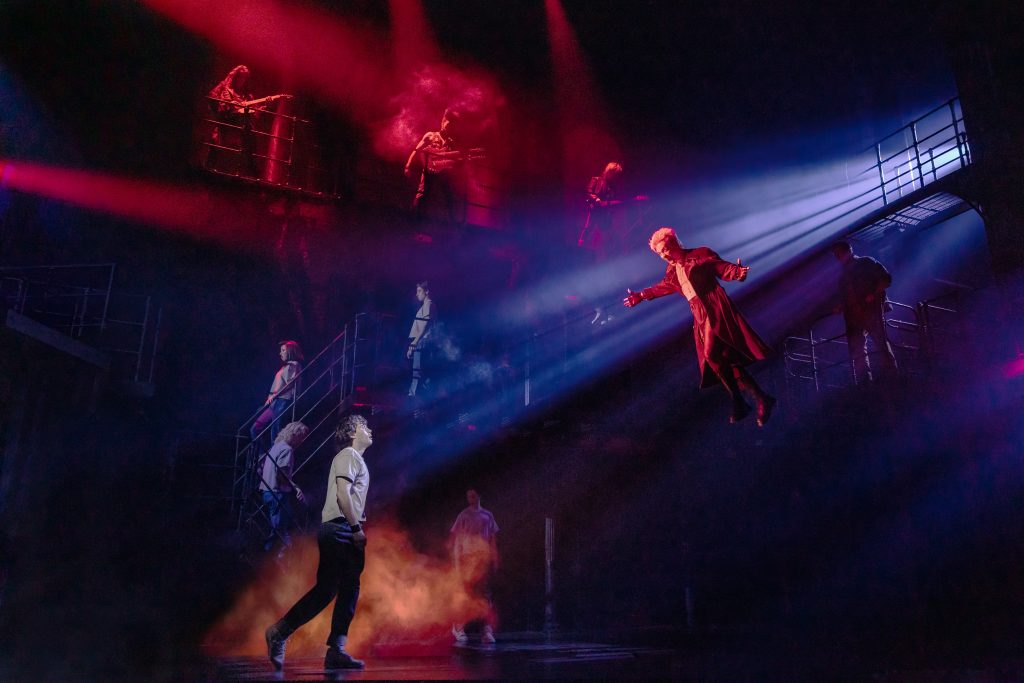
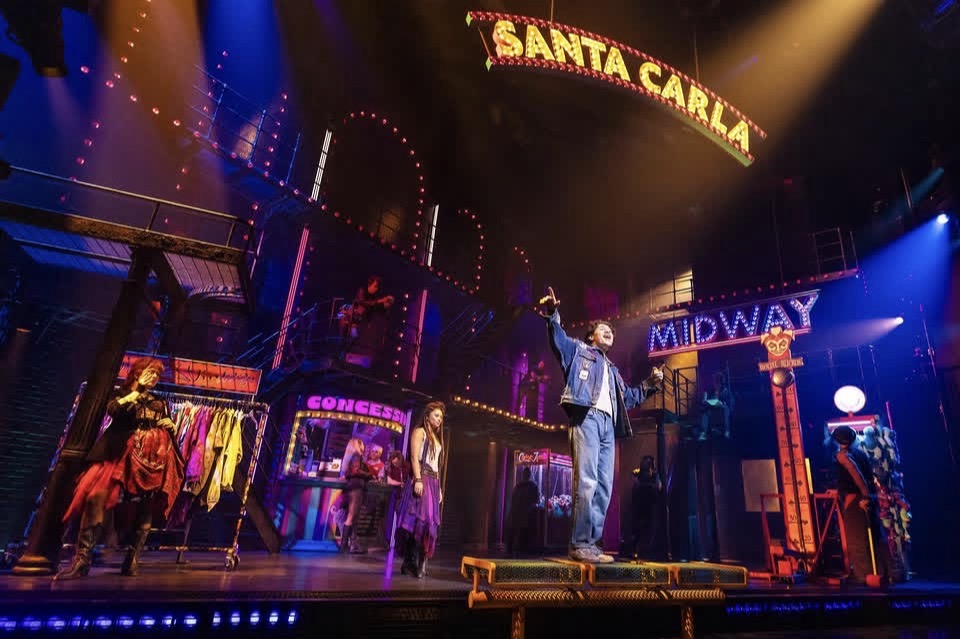
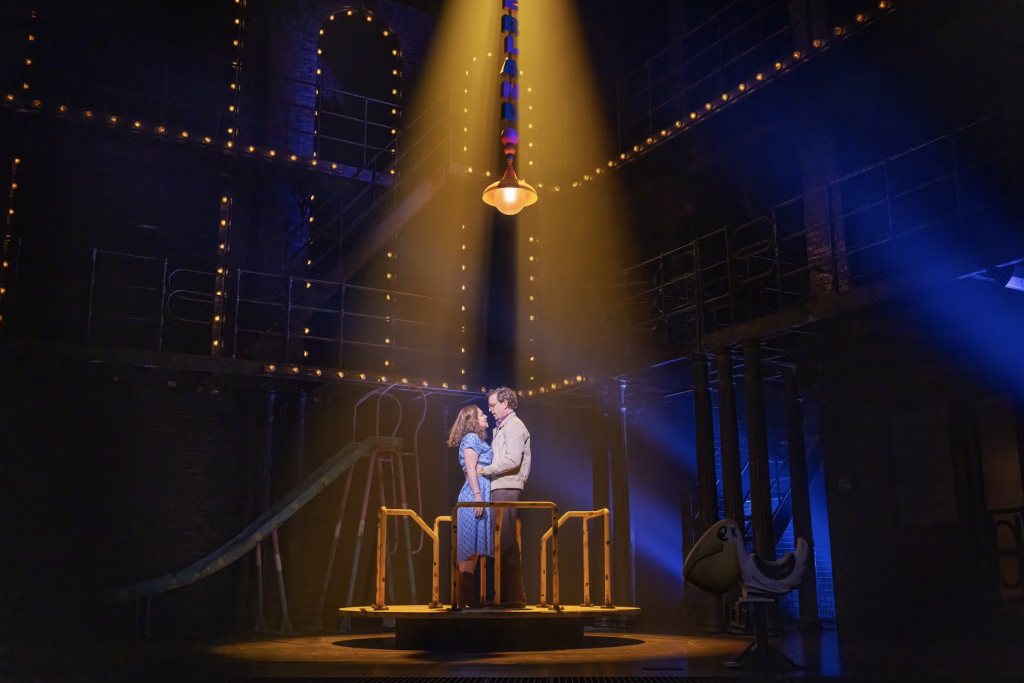
Winner of the 2026 Tony Award for Best Lighting Design of a Musical, The Lost Boys uses light not simply to illuminate the stage but to shape the production’s entire atmosphere, making it feel like a character in its own right. Jen Schriever and Michael Arden combine an eclectic palette of lighting instruments, from warm spotlights and cool ellipsoidals that evoke haunting moonlight to glowing neon-inspired signs and bulbed strip lighting that frames the set. Rarely allowing the stage to be fully illuminated, their design cloaks the world in deep shadows, creating an ever-shifting landscape where characters and scenery can emerge from the darkness at precisely the right moment.
Cats: The Jellicle Ball
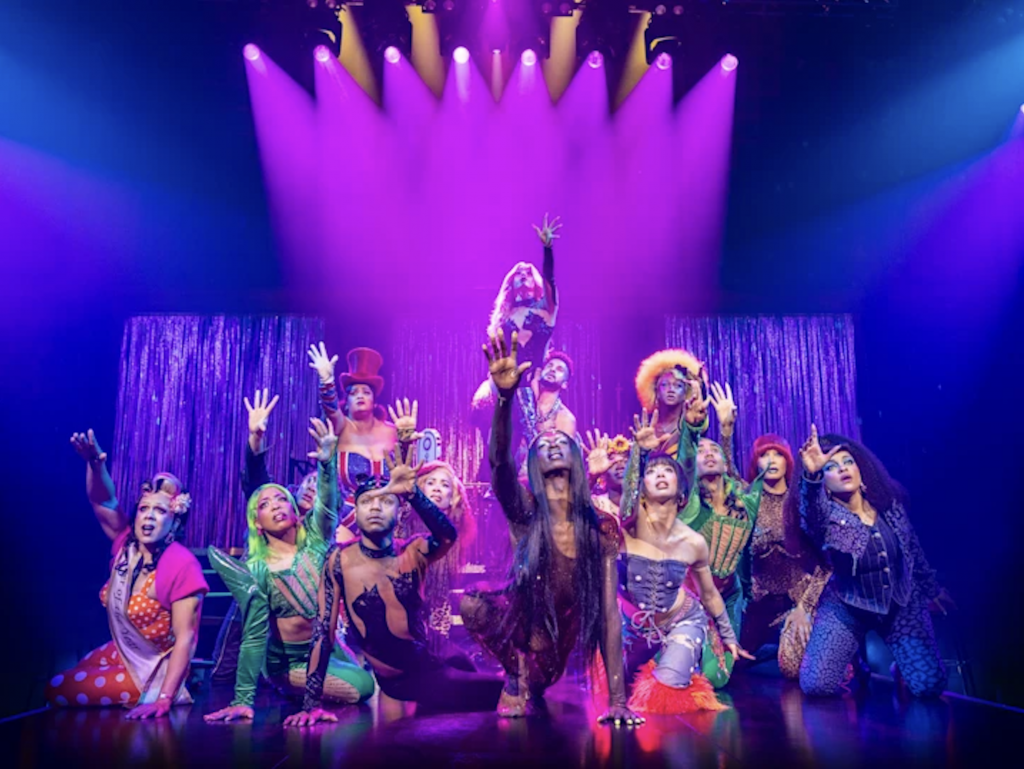
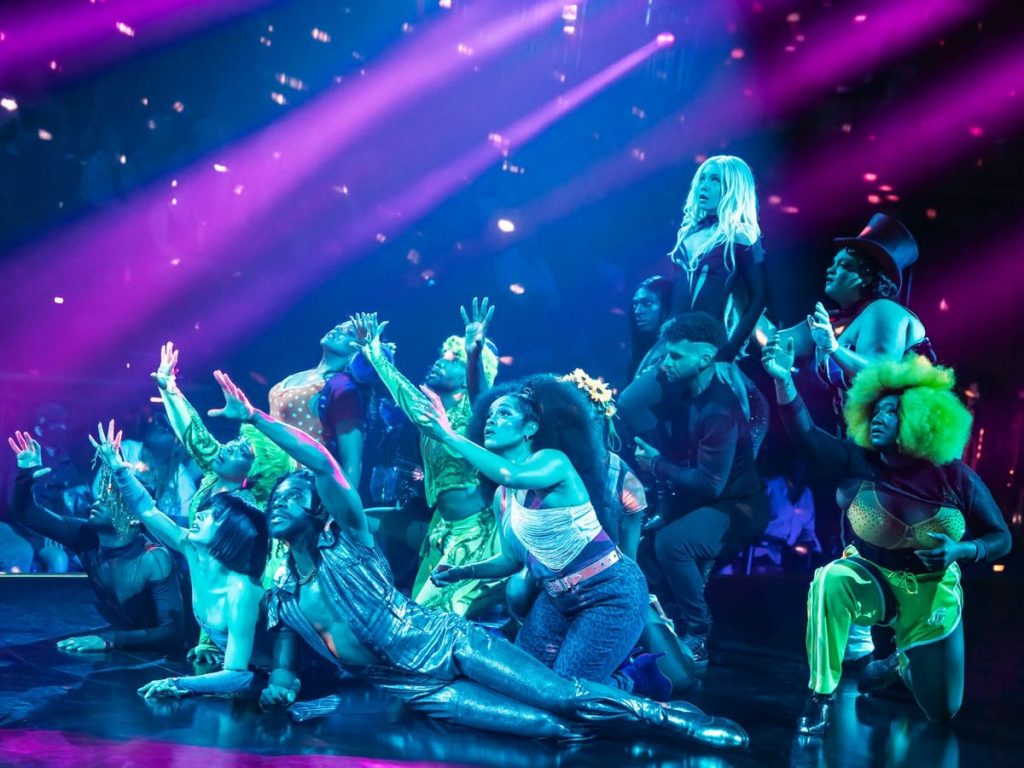
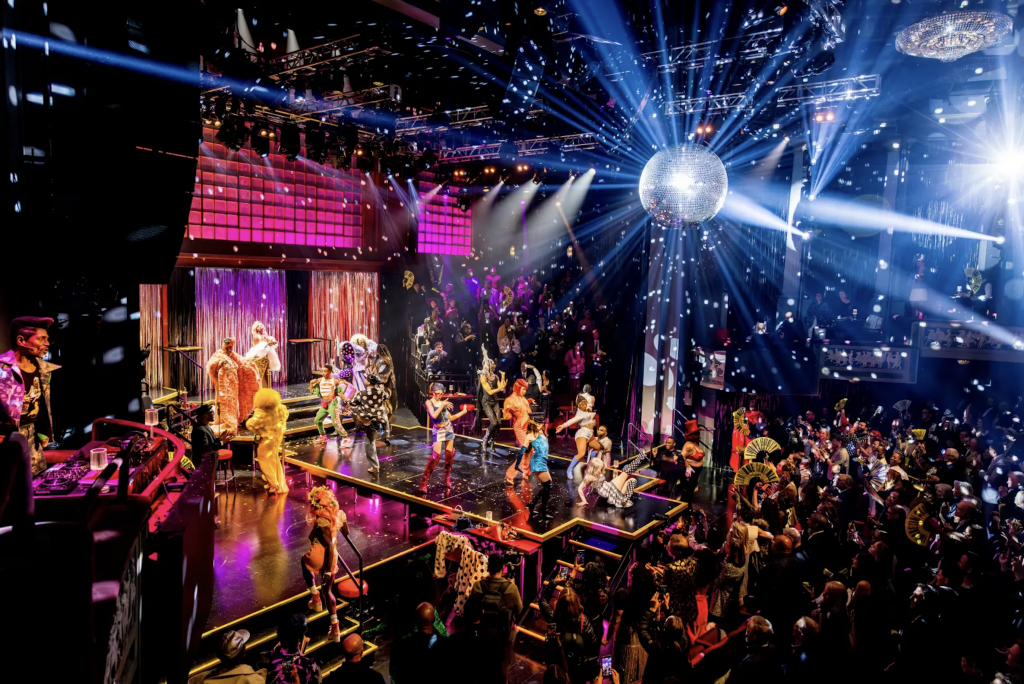
Nominated for the 2026 Tony Award for Best Lighting Design of a Musical, Cats: The Jellicle Ball defines its bold reinterpretation not only through its storytelling but through a lighting design that transforms the entire visual world of the production. Just as Qween Jean’s costumes celebrate the glamour and self-expression of Ballroom culture, Adam Honoré’s lighting channels the energy of Ballroom, evoking the exhilaration of runway shows and performances with vivid color and dynamic movement. Saturated hues, shimmering reflections, and radiant beams dance across the production’s massive disco ball, enveloping the theatre in an atmosphere that is as electrifying and unforgettable as the Jellicle Ball itself.
Death of a Salesman
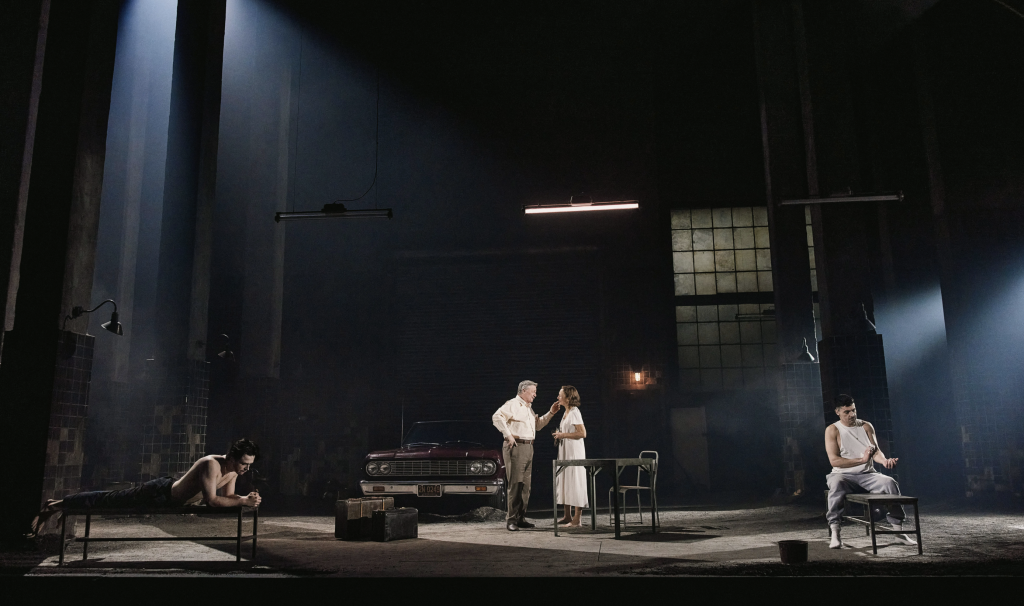
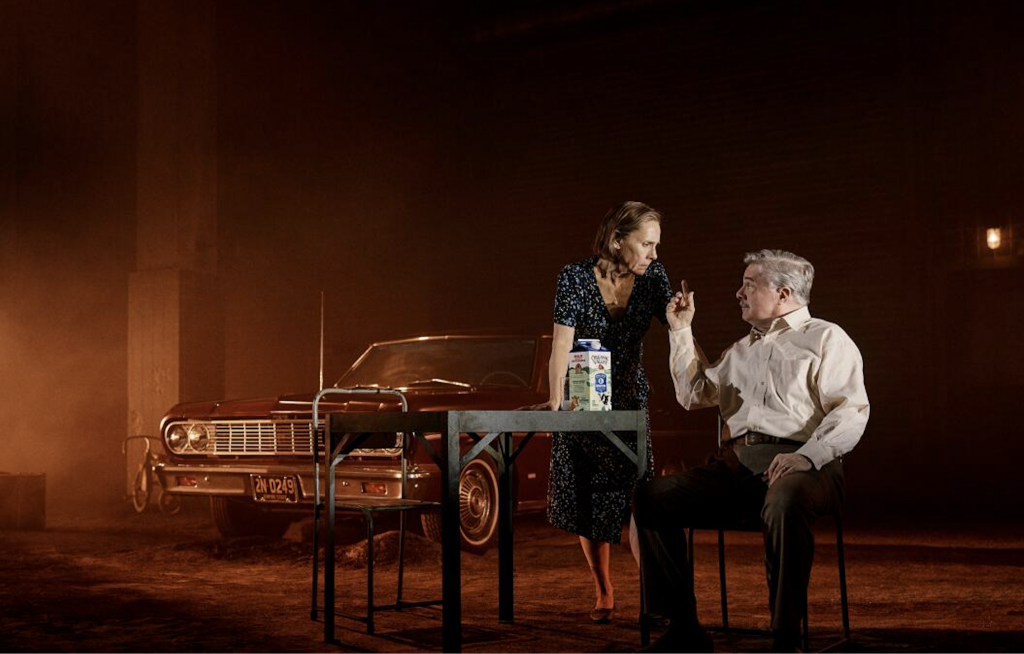
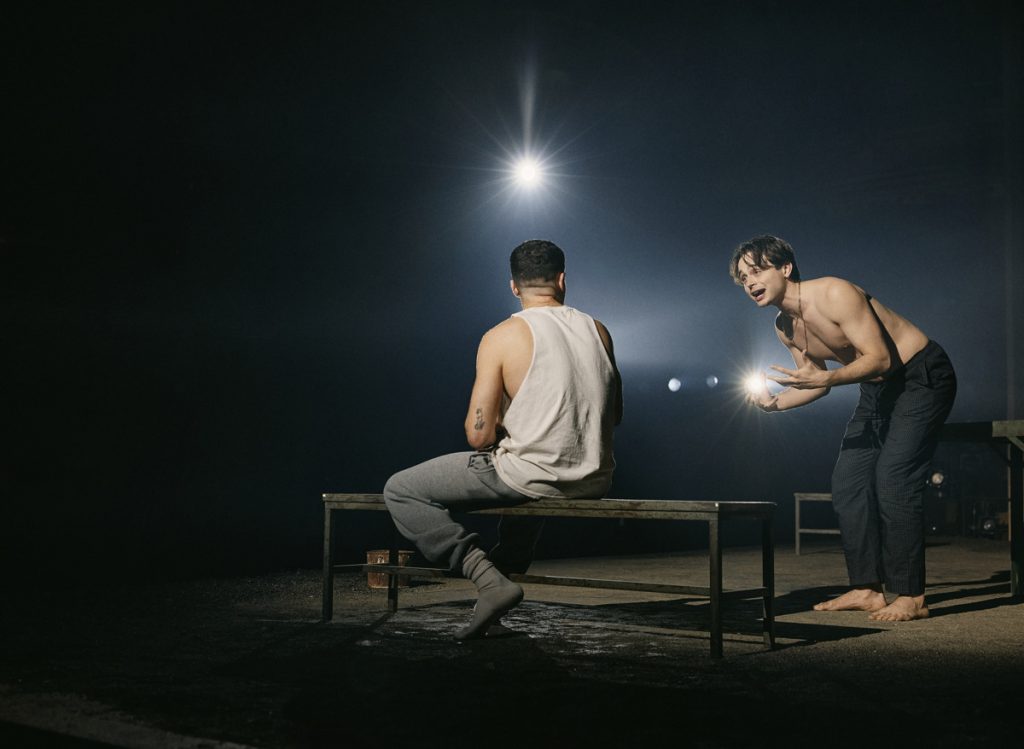
Winner of the 2026 Tony Award for Best Lighting Design of a Play, Death of a Salesman features one of the season’s most riveting and unconventional lighting designs by Jack Knowles. Set within a vast, warehouse-like garage, the production relies almost entirely on light sources from the overhead fluorescent fixtures, the headlights of a parked car, and the floodlights pouring in through the rear window and the wings. Fleeting moments of warm light occasionally pierce the otherwise cold palette, but the stage remains largely enveloped in shadow, reinforcing the play’s oppressive atmosphere and mirroring the fractured inner mind of Willy Loman.
Bug
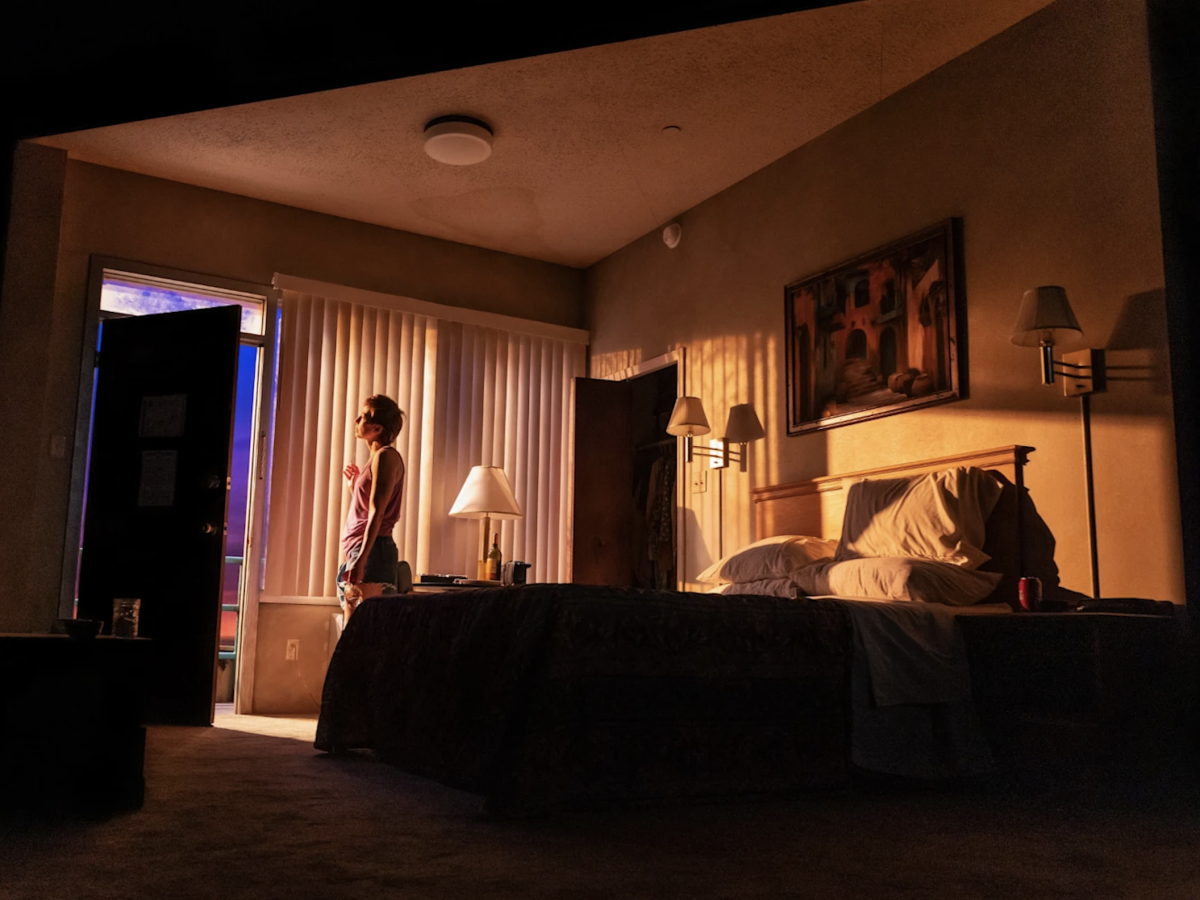
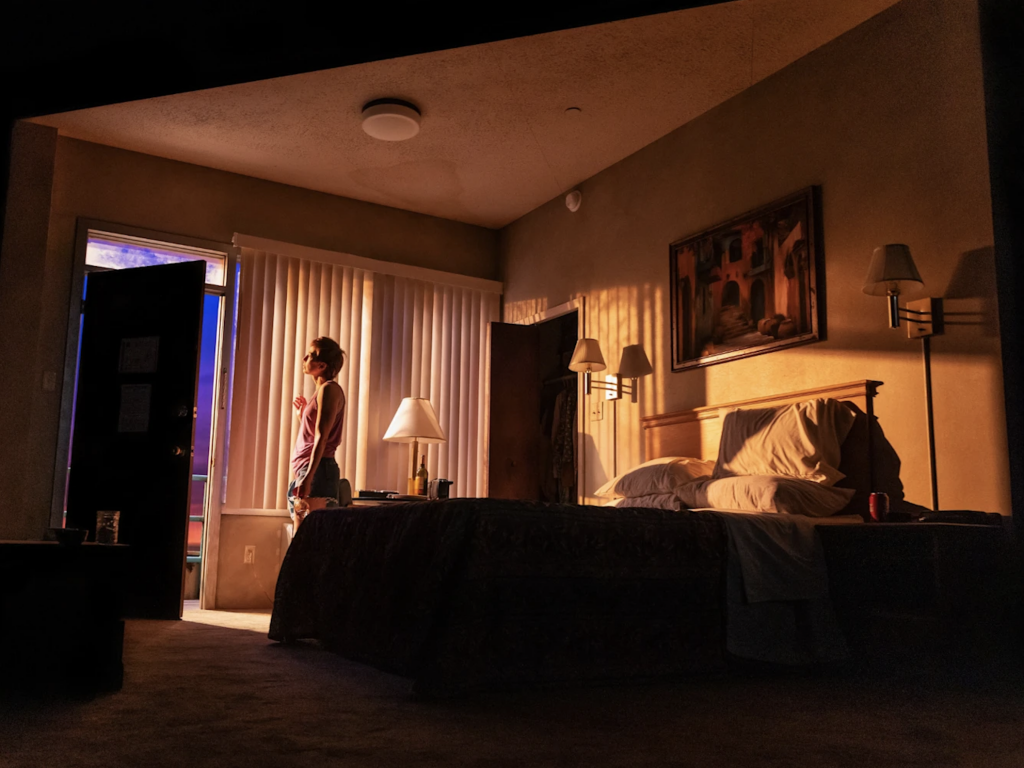
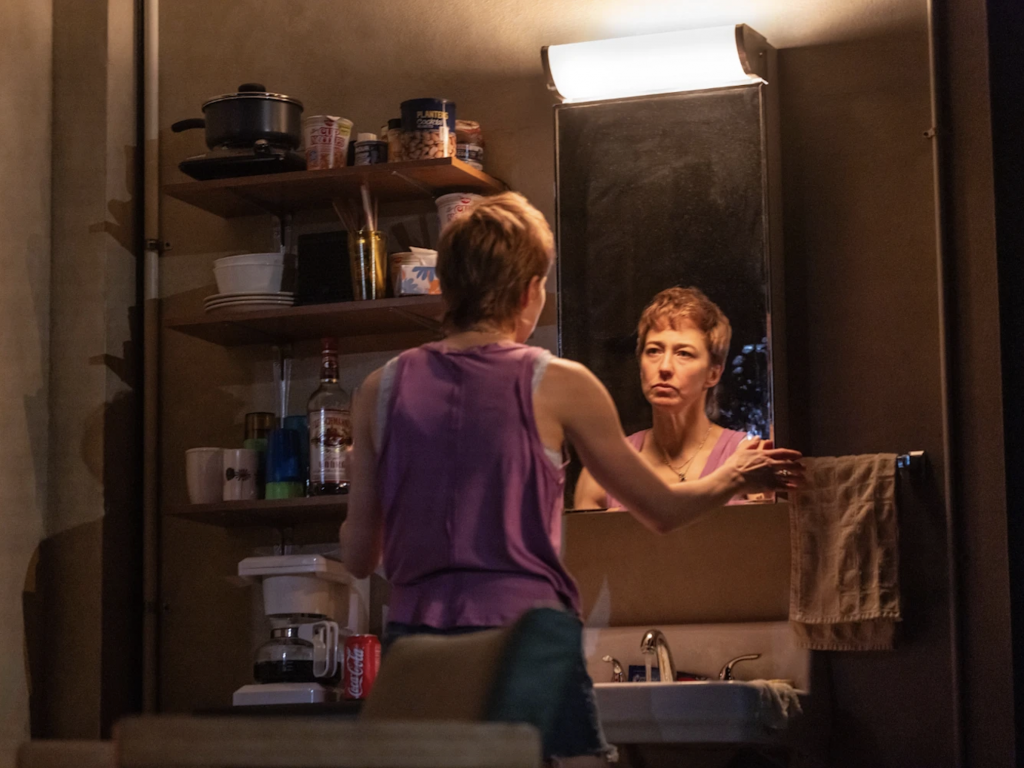
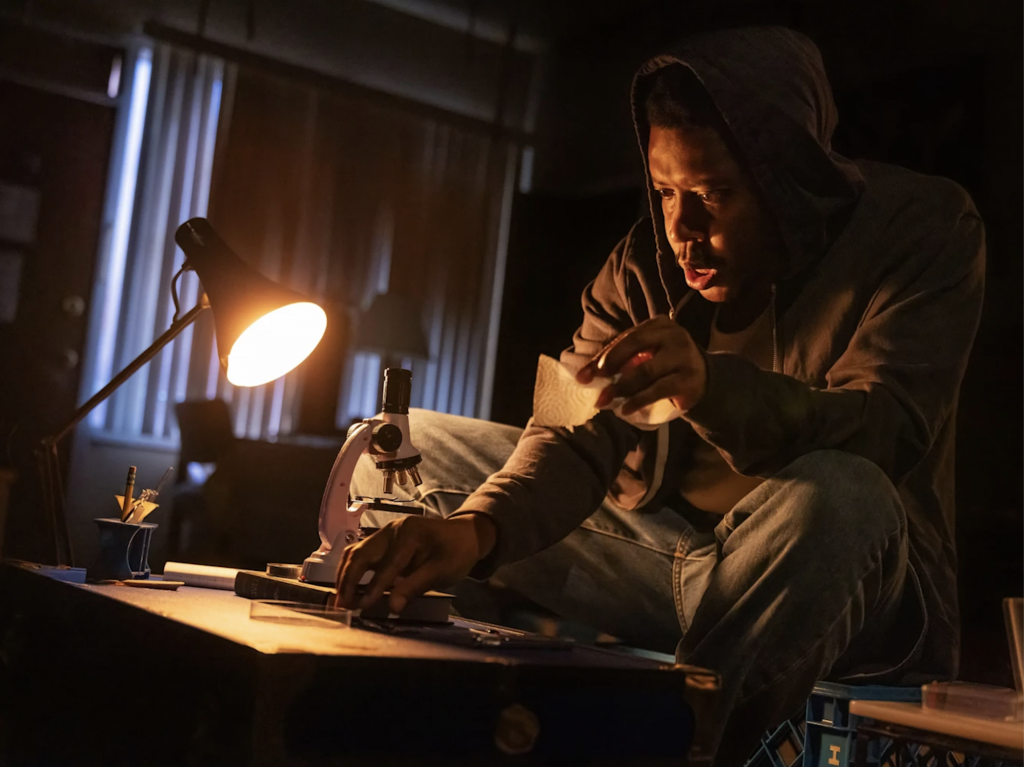
Nominated for the 2026 Tony Award for Best Lighting Design of a Play, Bug embraces one of the season’s most naturalistic approaches to theatrical lighting, reinforcing the production’s raw and unfiltered aesthetic. Set inside an Oklahoma motel room, Heather Gilbert’s design relies almost entirely on practical sources, from warm sunlight streaming through the window to the ordinary lamps and fluorescent fixtures that illuminate the space. The breathtaking illusion of shifting daylight gradually gives way to the room’s harsher artificial light, subtly mirroring the characters’ unraveling psychological states as their grip on reality begins to deteriorate.
Chess
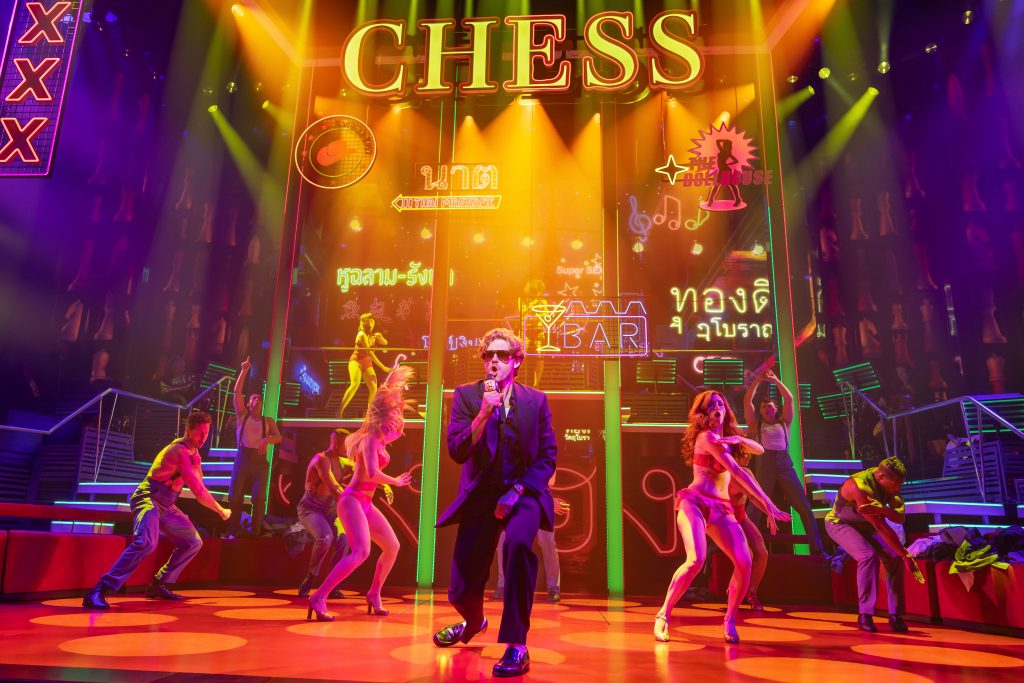
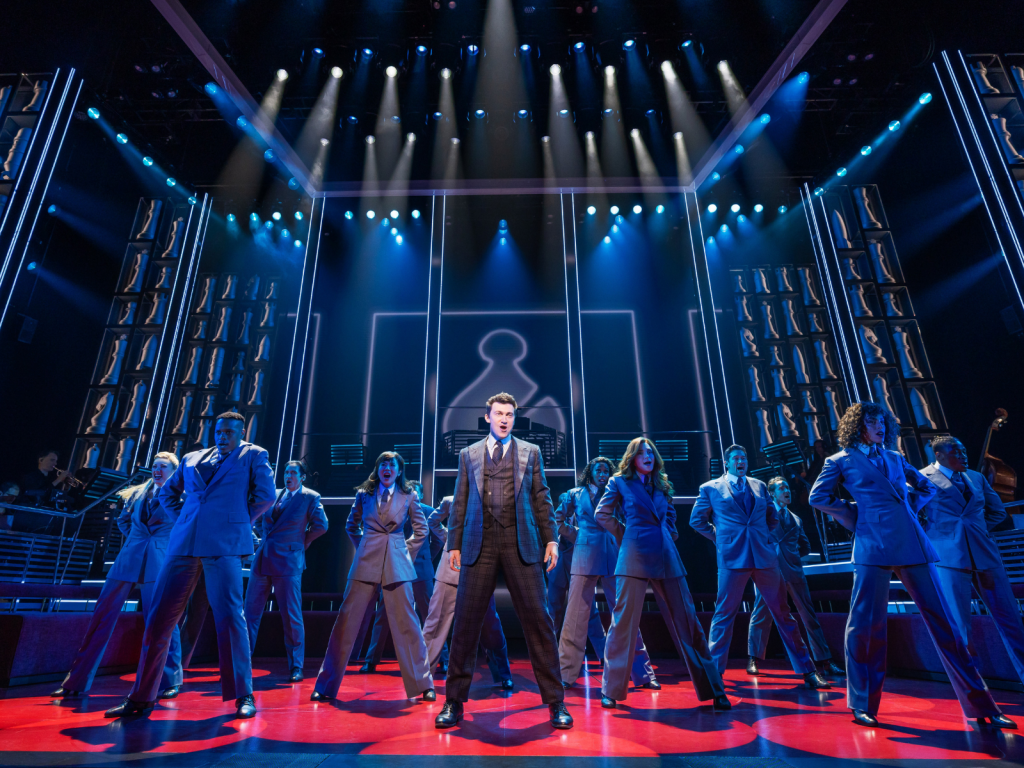
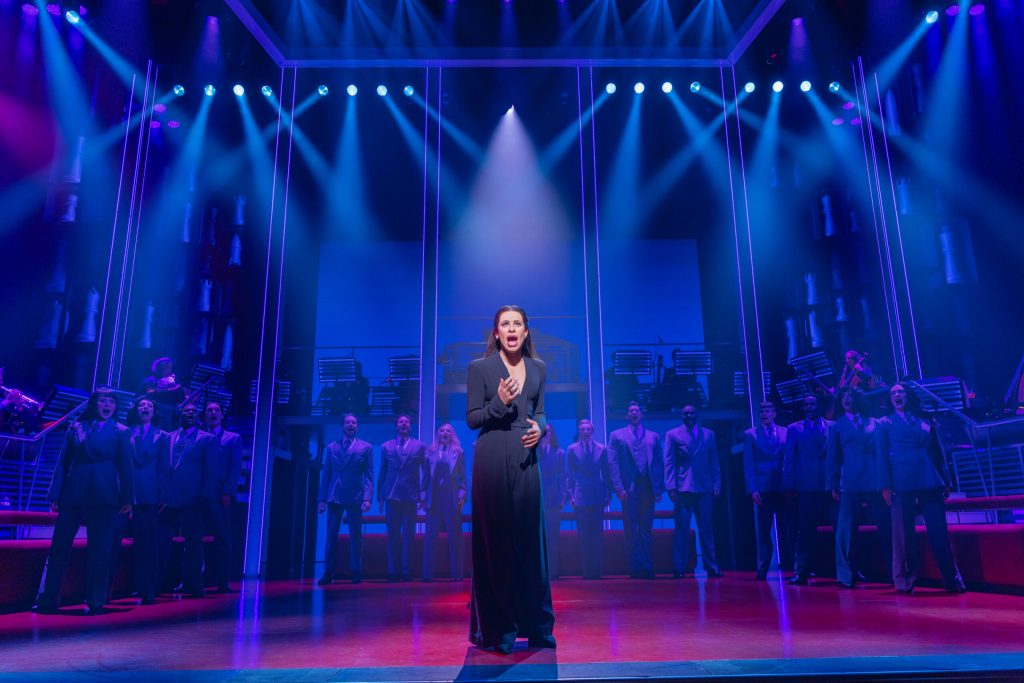
Nominated for the 2026 Tony Award for Best Lighting Design of a Musical, Chess employs dynamic, vibrant lighting to define its world and amplify the production’s emotional and political stakes. With a deliberately minimal scenic design, Kevin Adams’ lighting becomes the primary tool for shaping each environment, converting the stage from the stark intensity of international chess tournaments to the electric energy of the streets of Bangkok. Dominated by opposing washes of blue and red, the design frequently places the two colors in contrast before allowing them to merge into shades of purple, a blatant visual metaphor for the Cold War conflict between the United States and the Soviet Union.