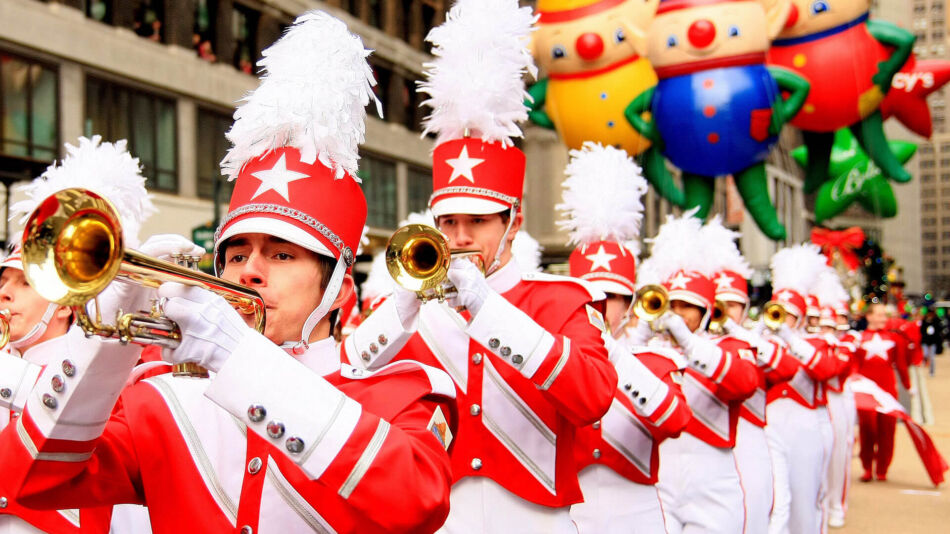
As Thanksgiving approaches, many Broadway fans will be gathering around their TV or streaming device to catch the annual Macy’s Thanksgiving Day Parade. To celebrate, Broadway’s Best Shows is looking back at some of our favorite parade performances throughout the years.
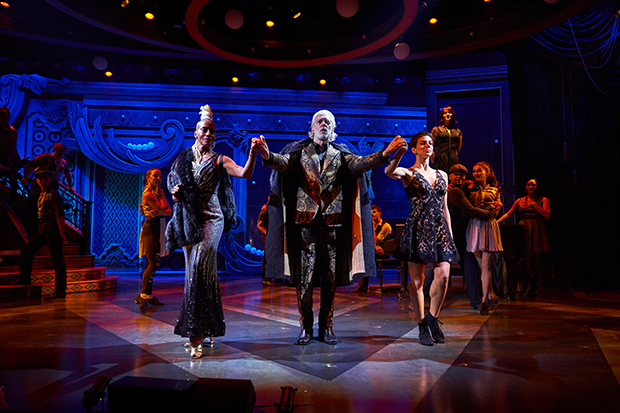
When we see most musicals, they tend to use spoken word and song to get their point across, with elements of dance mixed in. However, there have also been several “dance revues” through the years in which the choreography does the heavy lifting. For instance, earlier this week, MCC Theater’s Only Gold officially opened. It tells the story of a royal family returning to Paris in the 1920s (including a king who tries to save his fading marriage) and three couples falling in and out of love, making everyone in town reexamine their lives and the choices they have made. Using the music of singer-songwriter Kate Nash, the diverse, multitalented cast performs Andy Blankenbuehler’s choreography, a series of moves that turn “eye-catching sequences into long narrative arcs.” (The New York Times)Their postures, twists, and turns tell the bulk of the story.
Bob Fosse’s Dancin’
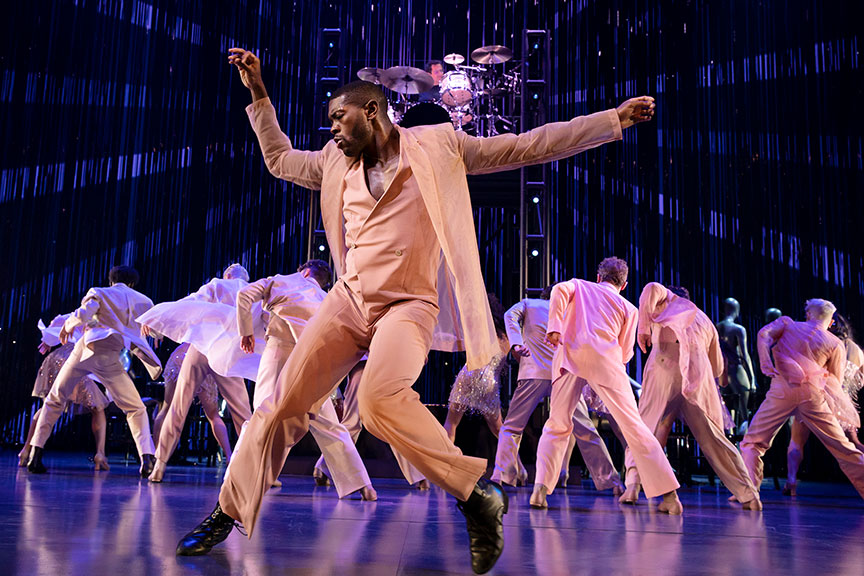
Meanwhile, it was recently announced that a revival of Bob Fosse’s Dancin’ will arrive on Broadway in the spring; previews begin March 2 at the Music Box Theatre with an official opening set for March 19. A tribute to the art form that is dance, Dancin’ sets Fosse’s moves to a variety of musical styles and artists — from Mozart and Bach to Cat Stevens and Neil Diamond and everything in between — celebrating his influential form and exemplary spirit. The revue was nominated for seven Tony Awards, winning two (including Fosse for Choreography), and running on Broadway for over four years and 1,774 performances.
Other “dance-icals” have jetéd to NYC in seasons past, to varying degrees of success. The late 1990s and early 2000s especially saw a renaissance of extended dance pieces reach New York stages.
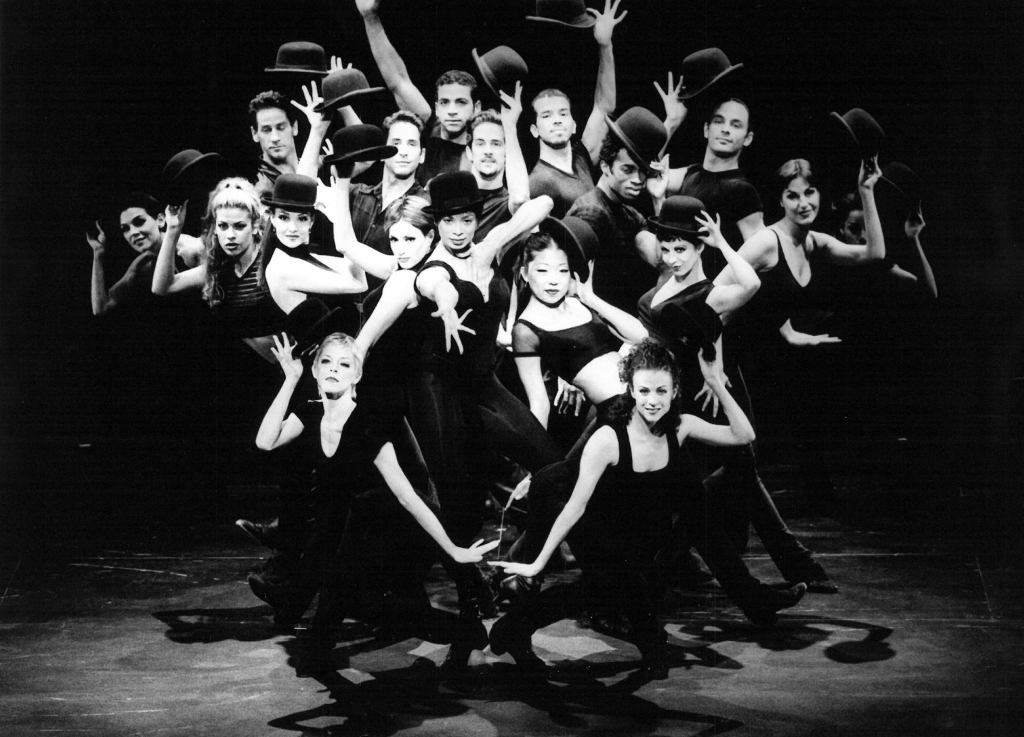
The three-act musical revue Fosse is a more direct link to the many shows Bob Fosse worked on, and some of their most memorable numbers. Conceived by Fosse interpreter Chet Walker, Fosse played over 1,000 performances at the Broadhurst Theatre, from 1999 to 2001.
Lincoln Center Theater also got in on the dancing act at the turn of the century, as Susan Stroman’s Contact opened in March 2000 and was met with critical acclaim. Made up of three separate extended dance pieces (and set to prerecorded music from all different eras, from Tchaikovsky to The Beach Boys), each one follows a central character’s desire to make a romantic connection or increase their “contact.” Contact won four Tonys including Best Musical but did not shy away from controversy because there was no live singing or original music in the show; a separate award for Best Special Theatrical event (which has since been discontinued) was introduced the following year.
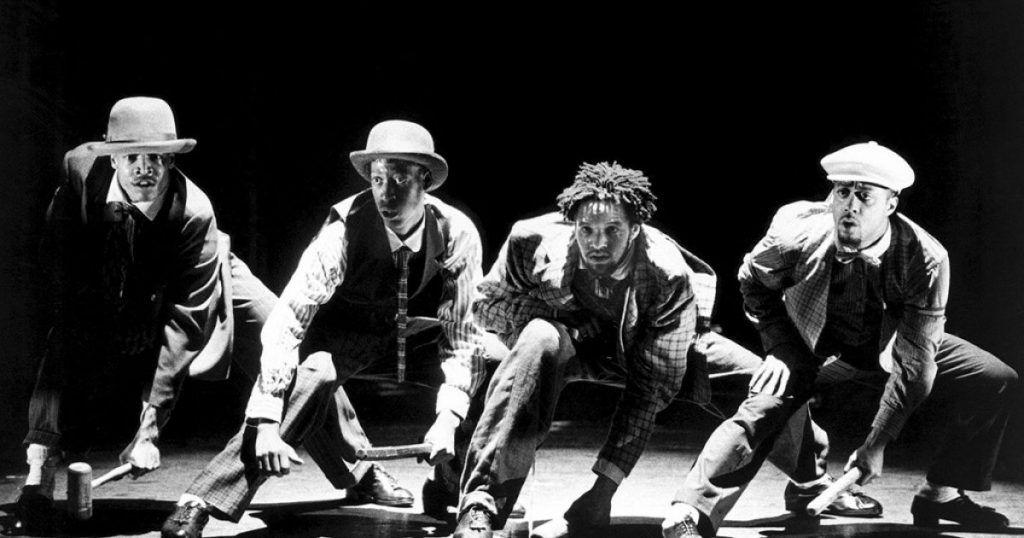
Bring in ‘da Noise, Bring in ‘da Funk
In 1996, Savion Glover (of next season’s Pal Joey revival) put on his dancing feet as he choreographed Bring in ‘da Noise, Bring in ‘da Funk, which also won four Tonys (including Choreography). Here, dance served as both entertainment and a guide to history, as the concept of this revue revolved around the Black experience, from slavery to the present day. Glover was also part of the dynamic original cast, returning to the show for its final weeks before it shuttered after a successful 1135 performances.
Right before the dawn of the 2000s, Lynne Taylor-Corbett’s swing musical, the aptly titled Swing!, opened December 1999 at the St. James Theatre. Told entirely through music and dance, the show celebrates the look and sound of the swing era; Swing! featured well-known tunes from Count Basie, Duke Ellington, Benny Goodman, and many others. Though it didn’t win any Tonys, it was nominated for Best Musical and Choreography; it closed after over a year on Broadway.
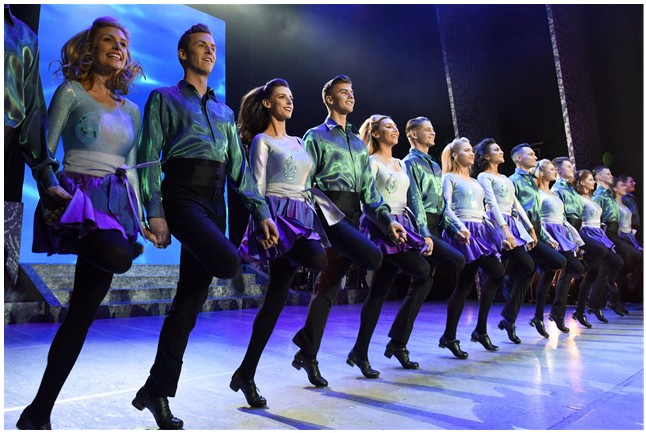
Riverdance
Even the Irish received some love in New York at the turn of the century, as a company of 16 led Riverdance to the Great Bright Way. This show’s path was an unorthodox one, having been an interval act during the 1994 Eurovision Song Contest. It was expanded into a stage show the following year, opening (where else?) in Dublin. To this day, over 25 million people have witnessed the step-dancing wonder of Riverdance, in over 450 venues worldwide. It ran for a year and a half in New York, from early 2000 to mid-2001.
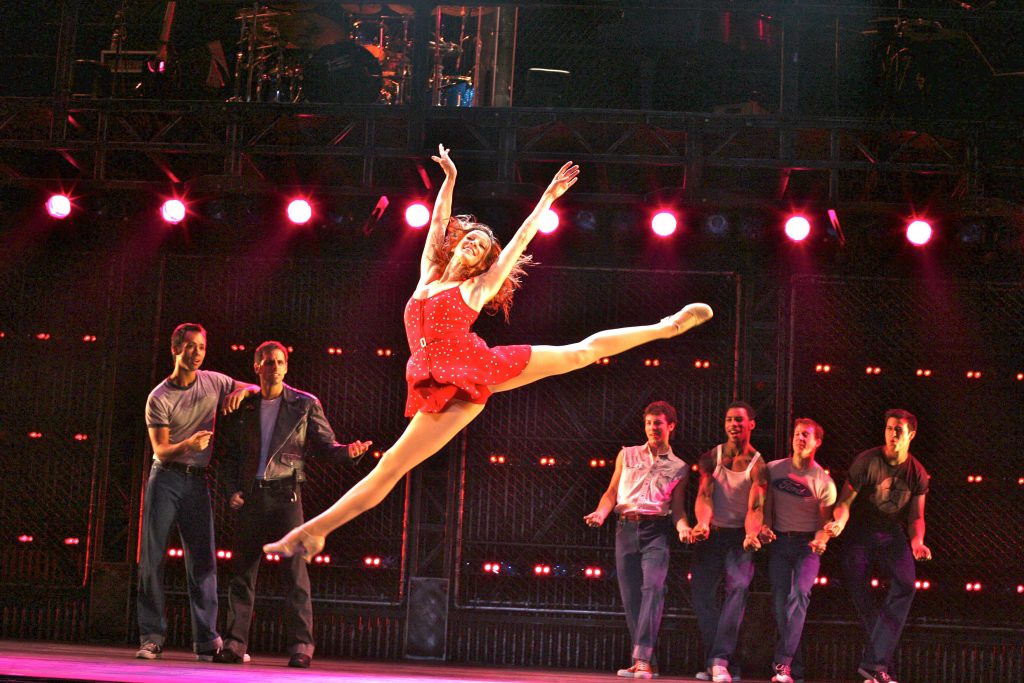
The early 2000s introduced the world to the work of renowned choreographer Twyla Tharp, who had three separate Broadway “dance-icals” utilizing the work of popular artists. The most successful of them was Billy Joel’s Movin’ Out, about a group of Long Island youths and their experiences with the Vietnam War. The rock ballet ran three years (2002 to 2005), won two Tonys (Joel for co-orchestrating, as well as Tharp), and spawned a national tour — a commercial hit.
Tharp also received a Tony nomination for her short-lived 2011 Frank Sinatra ballet Come Fly Away, which, like that of Contact, told the story of several couples in search of love. Despite only lasting five months on Broadway, it also received a national tour of its own.
A valid reason as to why all these moving-and-grooving productions have popped up here and there is that dance is a language of its own. When words can’t say quite enough, choreography at its finest can be expressed by emotion and physical expression. Dancing breaks all language barriers and can easily be communicated amongst vastly different cultures. “Dance-icals” get their point across to both English and non-English speakers, opening themselves up to large audiences whenever they kick-ball-change their way over to Broadway houses.
The 2022 Clio Entertainment Awards, recognizing creative excellence in the marketing of film, television, home entertainment, gaming and live entertainment, were handed out on Tuesday night in Hollywood and 2021 Spotlight On Plays series were awarded with a Silver Clio.
Live Entertainment winners include AKA for Harry Potter and the Cursed Child, RPM for A Strange Loop and Super Awesome Friends for Spotlight on Plays.
The theatre has always been a place of inspiration and invention. From the stories that we tell to the increasingly innovative ways we tell them, the theatre has continued to flourish and evolve throughout the centuries.
However, with the advent of digital streaming and the unforeseen impact of the COVID-19 pandemic, the theatre – and Broadway in particular – are facing a rocky road ahead.
The good news is that there is still time to do what the theatre has always done: adapt.
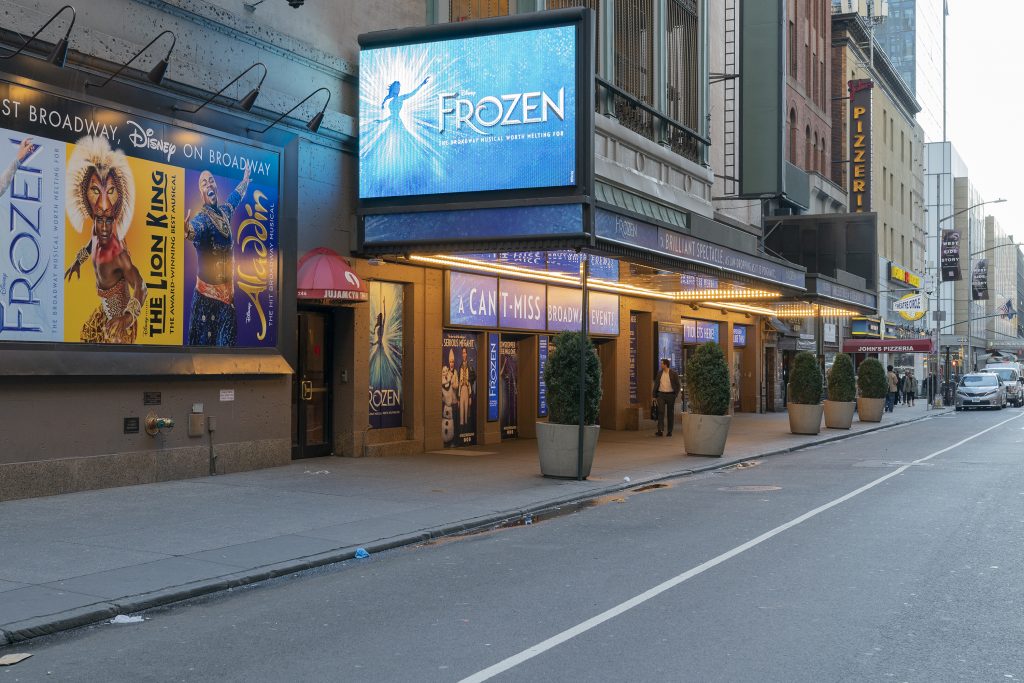
Frozen on Broadway musical canceled because of COVID-19 outbreak at St. James Theatre. (Photo by Lev Radin/Pacific Press/LightRocket/Getty Images)
Global Shutdown
When the world shut down in the spring of 2020, the creators, casts, and crews of Broadway were forced to reimagine the theatergoing experience. Concerts, plays, musicals, and more took to the digital sphere with virtual performances; helping audiences stuck at-home experience the bright lights of Broadway.
In fact, during this period, people everywhere discovered that they could access a wide variety of experiences from the comfort of home: online shopping, video streaming, gaming, socializing, and so much more.
This was already a trend prior to 2020, but the pandemic accelerated digital development and led to a massive influx of services designed to make the desire to stay home more sustainable.
Needless to say, there will always be a demand for in-person experiences and interactions, but there is also a lot to be said for the convenience of having the outside world come directly to your doorstep.
Embrace the Change
Prior to the pandemic, digital streaming was becoming increasingly popular with seemingly every media company creating their own exclusive platform and content. This caused a major disruption in the movie theater industry that was only exacerbated by the global shutdown.
Even as COVID-19 restrictions and stay-at-home orders became more lax and were eventually lifted, movie theaters failed to see the return of audiences that they would have liked.
In fact, several movie studios including Universal Pictures and Walt Disney Pictures have continued to release top-priority films either exclusively on their respective streaming platforms or simultaneously with the wider theatrical release.
This has given audiences the option of going to the theater or streaming the most anticipated films remotely.
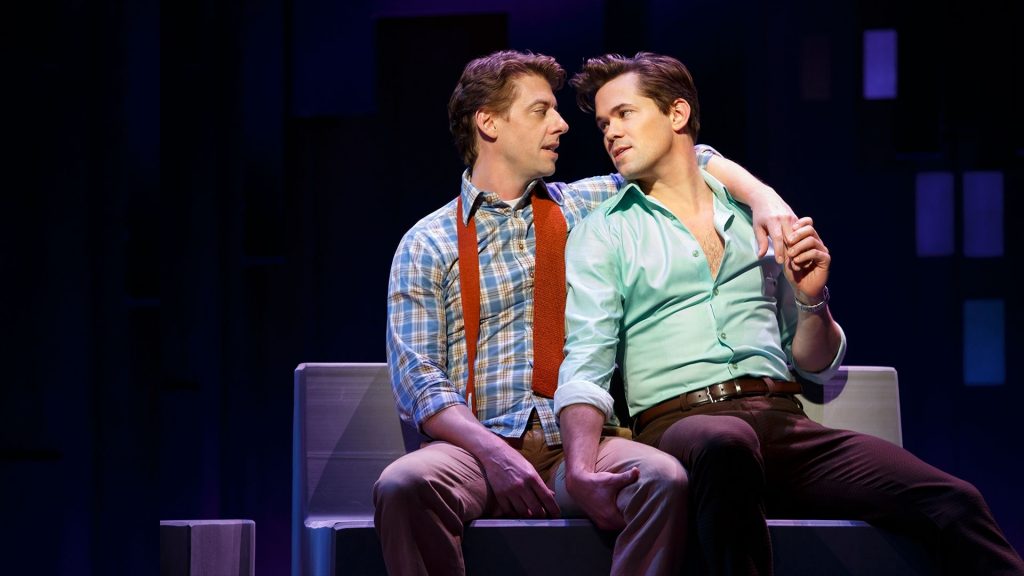
Falsettos on BroadwayHD
Critics of this film release strategy consider it a cannibalization of the film’s potential box office take. However, while the direct profit from ticket sales may have taken a hit, streaming services themselves are seeing an increase in subscribers, viewing hours, and overall engagement.
This strategy also has meant that more audiences have had exposure to films, television series, and other content that they normally would not.
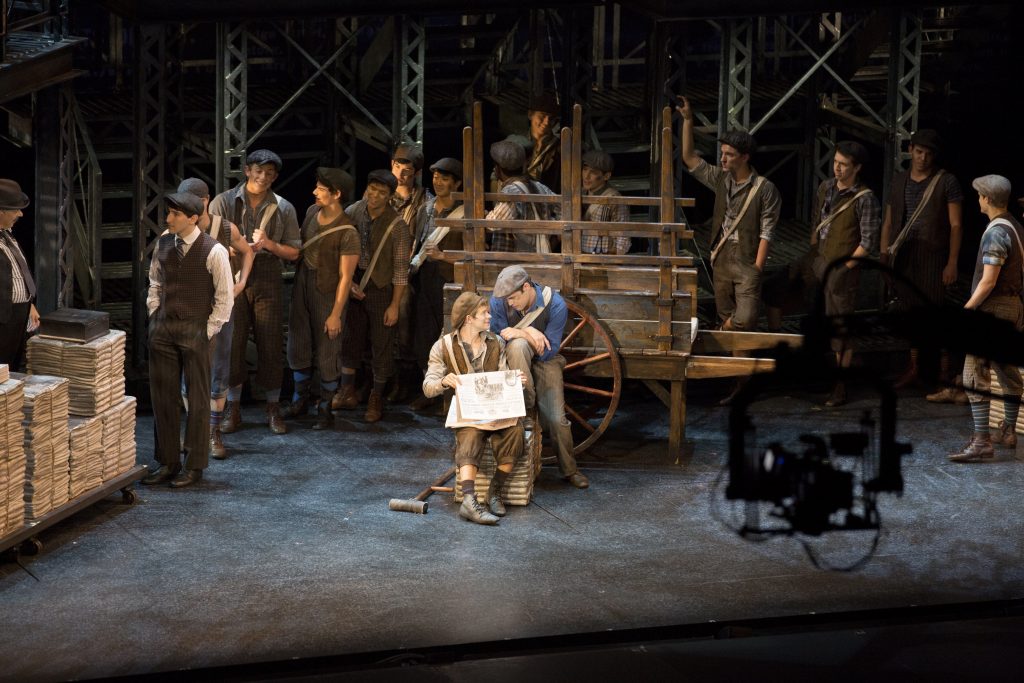
Newsies on Broadway
Broadway’s Broader Audience
Broadway has always had a difficult time obtaining mass appeal primarily due to its geographical limitations. Even if potential theatergoers had general interest and consideration for attending any specific show, there is always a barrier to overcome.
Travel costs, schedules, and more become prohibitive for many consumers as they opt instead for the convenience of in-home viewing. However, instead of writing these audiences off, there is an opportunity to meet them where they are.
The idea of broadcasting musicals into movie theaters and televisions is far from revolutionary. The movie musical and live television special have enjoyed their own successes in the past, but as audiences continue to “cut the cord” and shift from traditional appointment viewing to mobile and digital streaming, it has become essential that Broadway do the same.
Media companies like BroadwayHD have already started this process. However, their business model prevents the casual viewer from experiencing their productions as a result of its focused appeal in the oversaturated market of streaming platforms.
By partnering with major media companies like NBCUniversal, ViacomCBS, and Warner Bros. Discovery, Broadway has an opportunity to tap into existing audiences and subscribers.
This would provide shows with an opportunity to reach entirely new audiences and to raise awareness of up-and-coming Broadway talent giving them immediate exposure to a much wider fan base.
Ultimately, nothing will ever compare to the thrill of live, in-person theater – the connection with an audience, the energy, the spectacle – but there is a huge opportunity for Broadway to seize; not simply out of a necessity for continued growth but to expand and promote a love of theater like never before.
It’s every Broadway fan’s favorite time of year… the start of the World Series!
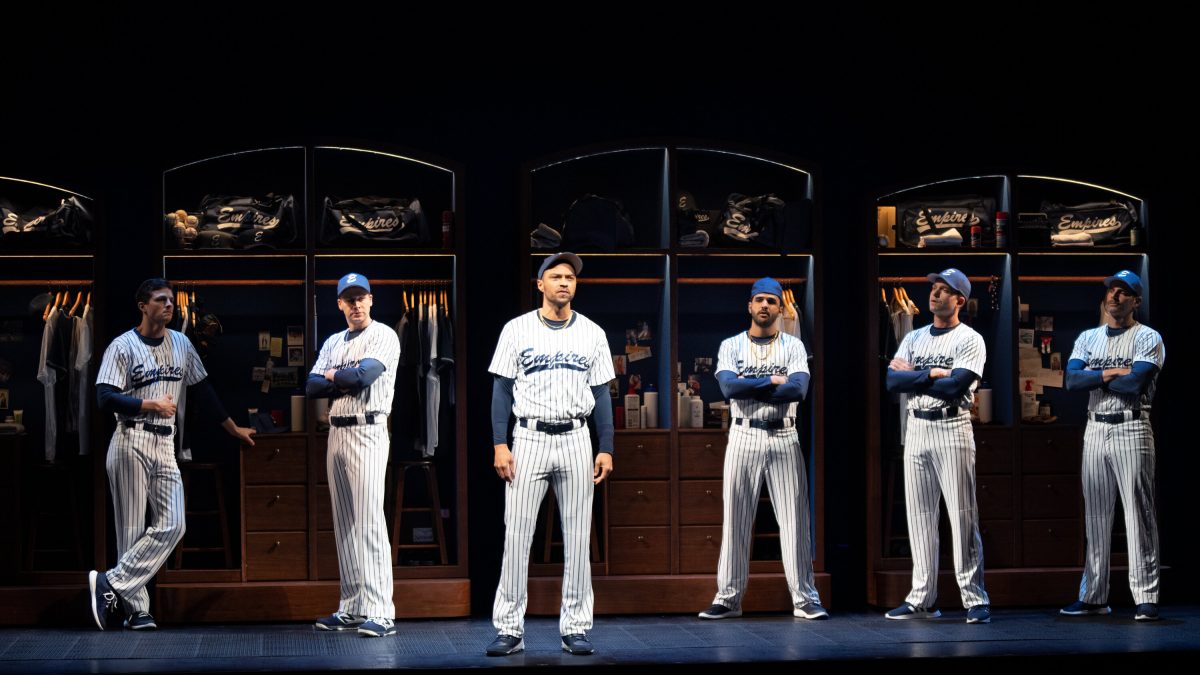
While not every theater goer is an avid watcher of baseball, it may be one of the most represented sports on stage. Here are just a few times baseball has been featured on Broadway.
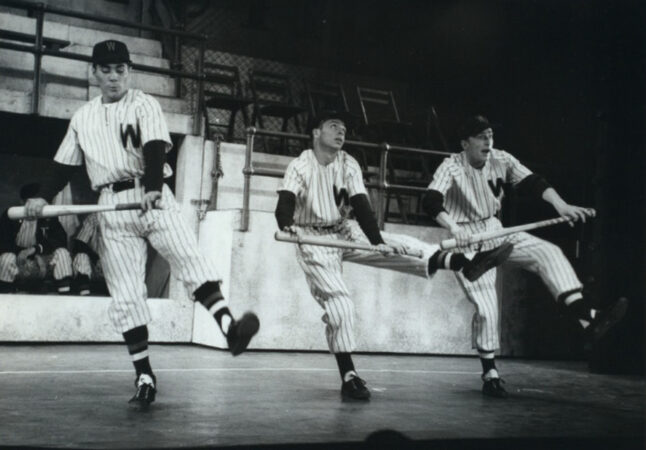
Damn Yankees
Probably the most known Broadway show centered on baseball is Damn Yankees. The 1955 musical comedy, book by George Abbot and Douglas Wallop and music and lyrics by Richard Adler and Jerry Ross, follows Joe Boyd, a middle-aged baseball fan who makes a deal with the devil to help his favorite team, the Washington Senators, defeat the New York Yankees. The original Broadway production starred legend Gwen Verdon and was choreographed by Bob Fosse (both of whom won Tony Awards for the production). The show won the 1956 Tony Award for Best Musical and in 1958, the musical was adapted into a film featuring many members of the original Broadway cast. The musical was revived at the Marquis Theatre in 1994 starring Victor Garber and Bebe Neuwirth as the dynamic duo, Mr. Applegate and Lola.
Considerably less successful than Damn Yankees, Allen and Ruby Sully Boretz’s The Hot Corner opened in January of 1956. This farce comedy about a minor-league manager trying to get back to the major leagues ran for a measly 5 performances before closing. The play was directed by and starred Sam Levene, who originated the role of Nathan Detroit in Guys and Dolls.
The First
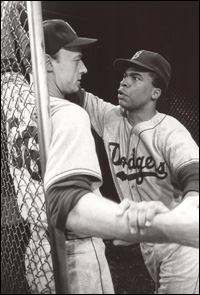
In 1981, The First opened at the Al Hirschfeld Theatre. The musical, book by Joel Siegel and music and lyrics by Robert Brush and Martin Charnin, depicts the life of the first black player in major league baseball, Jackie Robinson. Closing after 31 performances, the musical was the Broadway debut of Tony Award winner and Broadway veteran David Alan Grier.
Baseball plays an important role in August Wilson’s Pulitzer Prize winning drama, Fences. Troy, a middle-aged trash collector in Pittsburg, had ambitions of being in the Major League, but was unable to get in due to his troubled past and the color of his skin. When his son receives a college football scholarship, Troy’s past clouds his judgement, further separating him from his son. The original Tony winning production opened in 1987 starring James Earl Jones and had a Tony winning revived in 2010 starring Denzel Washington (Both leading men won the Tony Award for Best Performance by a Leading Actor).
Take Me Out
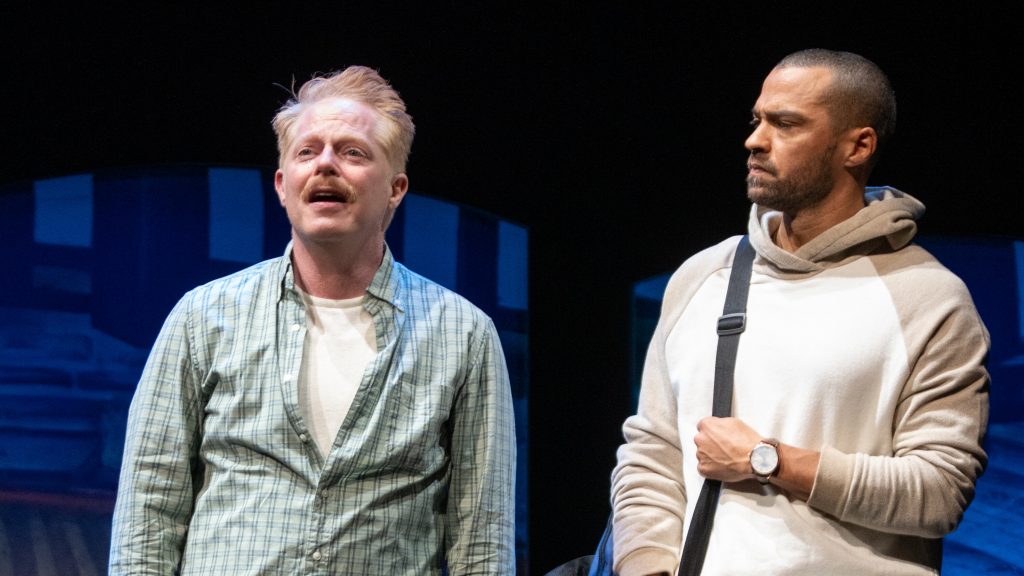
Most recently, baseball appeared on Broadway in the 2022 2nd Stage production of Take Me Out. The 2022 Tony winning revival will be returning to Broadway this fall for a limited engagement. Richard Greenberg’s play, which premiered in 2002, explores themes of racism and homophobia in sports. Among the returning cast is Jesse Williams and Tony Award winner Jesse Tyler Ferguson. Performances begin October 27 th at the Schoenfeld Theatre.
So, even if 42 nd St. feels more at home to you than Yankee Stadium, there’s always a way to catch America’s favorite pass time.
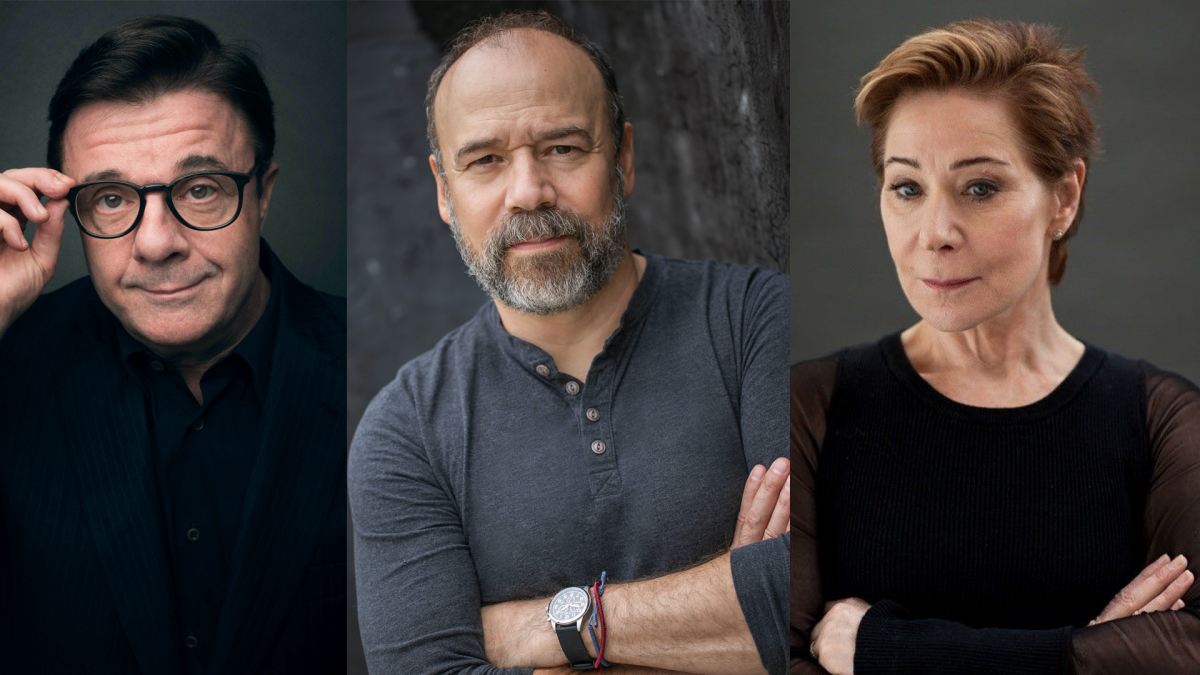
Three of the theatre’s most inventive, inspired and award-winning artists will return to the stage in the Broadway premiere of Pictures From Home, which brings to vivid theatrical life a comic and dramatic portrait of a mother, a father and the son who photographed their lives. Based on the photo memoir by Larry Sultan, adapted to the stage by Sharr White (The Other Place, Annapurna), starring Nathan Lane, Danny Burstein and Zoë Wanamaker and staged by award-winning director Bartlett Sher, Pictures From Home will evoke memories of childhood, parenthood, and the vicissitudes that comprise familial relationships.
Pictures From Home will begin previews on Tuesday, January 10, 2023 at Studio 54 on Broadway (254 W 54 th Street) and officially open on Thursday, February 9, 2023 for a strictly limited engagement. The creative team and ticketing information will be announced at a later date.
Even Hillary Clinton is [successfully] jumping on the hot Mystery bandwagon today, as audiences seeking great ‘Whodunits’ stories are steadily growing in abundance. So, in honor of her upcoming Broadway debut for Ohio State Murders, Adrienne Kennedy takes our top spot. See who else we ranked and why!
Lately, Whodunits are all the rage. From books to famous podcasts to Netflix to HBO to the theater and the theatre, mystery content and suspenseful storytelling is showing no signs of losing steam with audiences anytime soon. Maybe it’s the promise of escapism wrapped in thrills and oftentimes chills, that viewers find so enticing. Whatever the allure, mystery writers have provided a solid niche that has satisfied the itch of readers seeking a surprise since at least the 1800s.
Keep reading for our countdown of who we’d pick to be the top ten women writers for mystery.
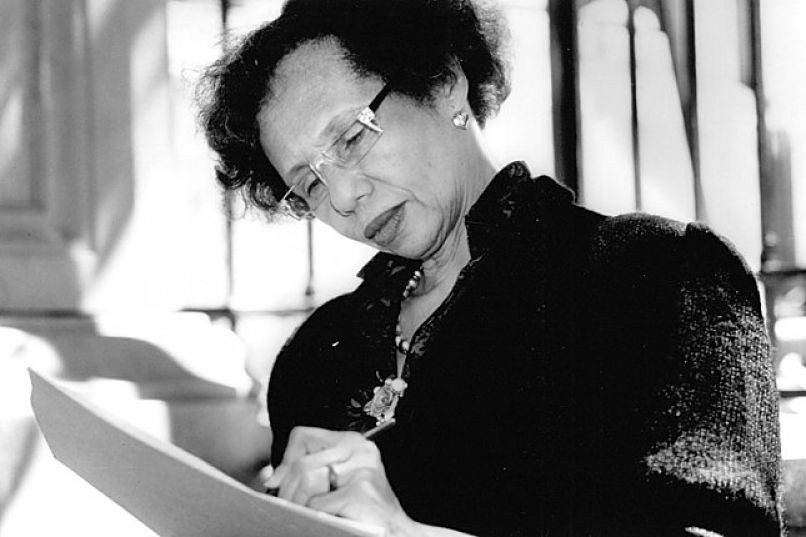
1. Adrienne Kennedy
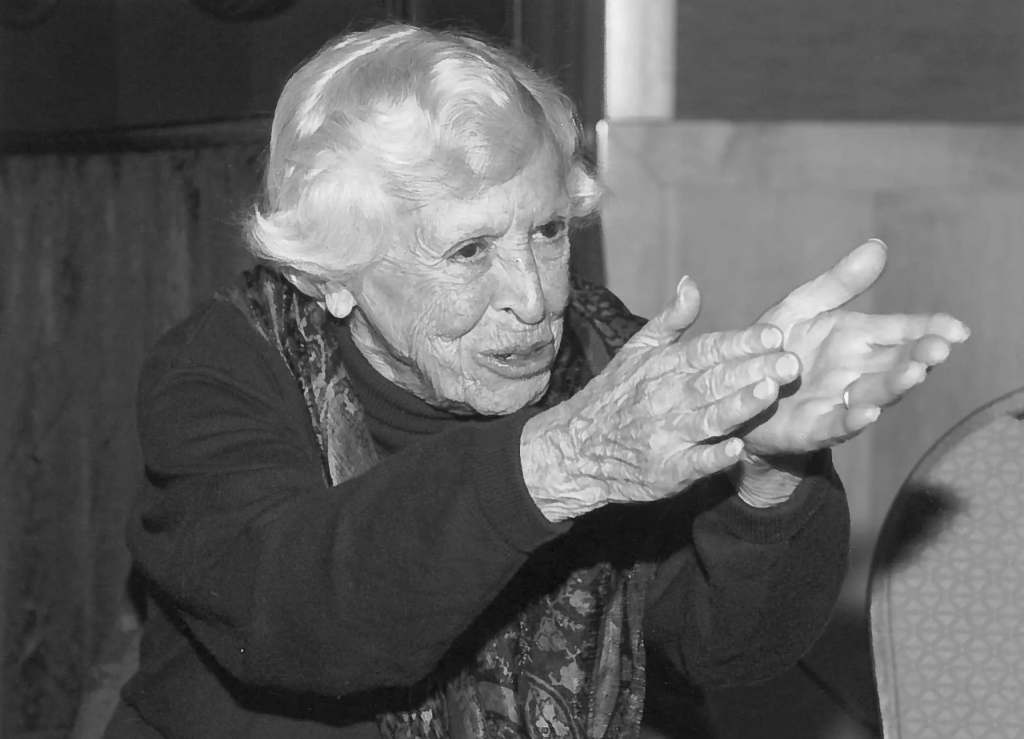
Born in Pennsylvania, 91 year old author and playwright, Adrienne Kennedy is best known for her early work of Funnyhouse of a Negro. In 2022, Kennedy won a Gold Medal award for Drama from the American Academy of Arts and Letters, solidifying her incredible career and trajectory to Icon status. Kennedy’s plays draw on the past, both her own and outside events, and address the struggles of race, sex and individuality. Kennedy often relies on metaphors and narrative fragments that can leave audiences reeling and wanting more. As a playwright, she consistently centers Black women in her incredible storytelling. Her Broadway debut, at 91 years young, with Ohio State Murders, stars six-time Tony winning Audra McDonald, and will offer a nail-biting suspense thriller like no other, this November at the stunning James Earl Jones Theatre. Get your tickets now, as the play is sure to be a hypnotic success.
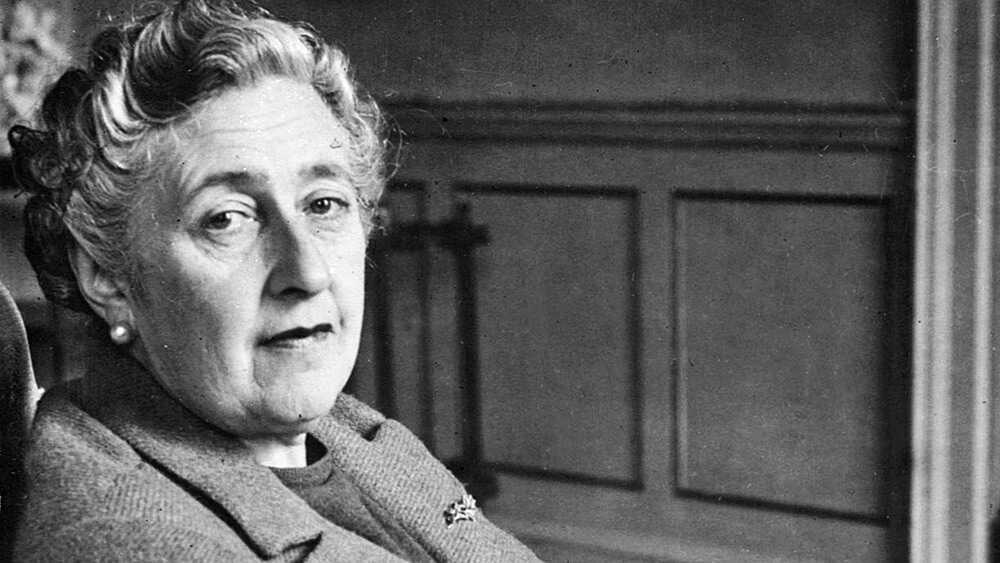
1890 – 1976. Born in the UK in 1890, Agatha Christie became, and remains, the best-selling novelist of all time. Christie is known for her popular 1966 detective novels and 14 short story collections, as well as the world’s longest-running play, The Mousetrap. Her books have sold over a billion copies in the English language and a billion in multiple translations.
Photograph: Peter Jones/Corbis/Getty Images
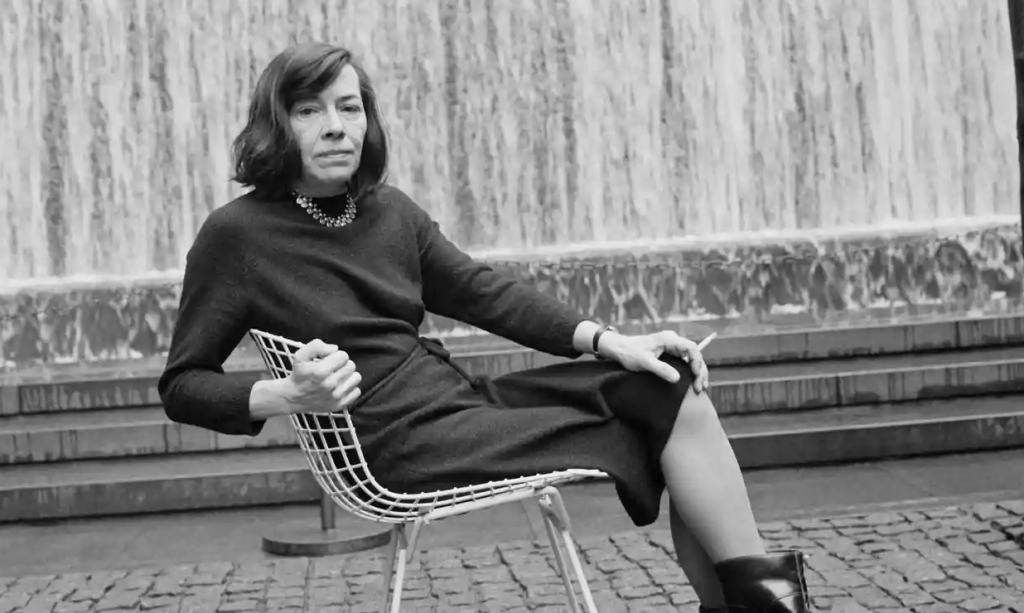
3. Patricia Highsmith
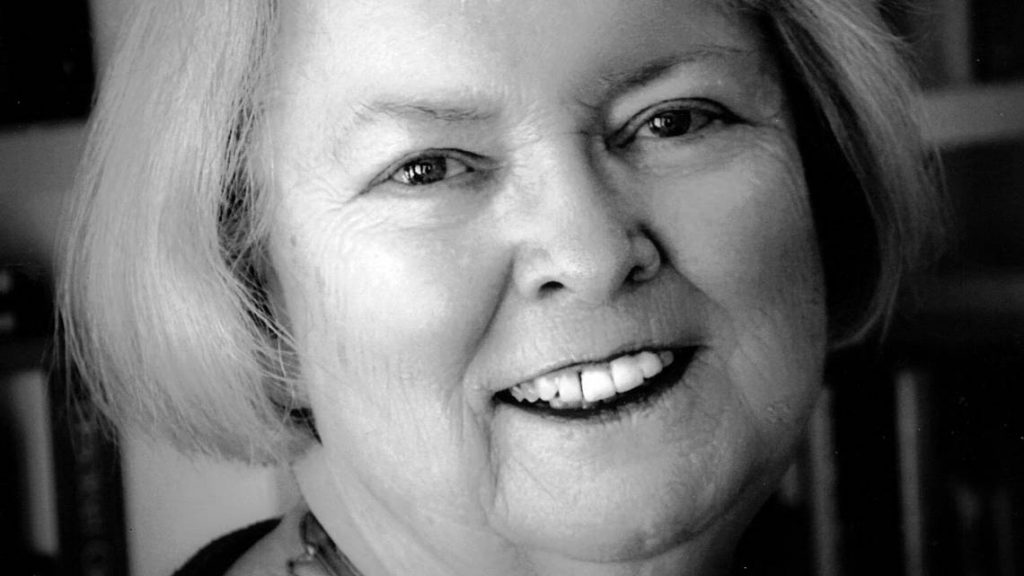
1921 – 1995. Patricia Highsmith was born in Fort Worth, TX and later died in Switzerland. Highsmith is an American novelist and short story writer best known for her psychological thrillers. The author delves into the nature of guilt, innocence, good and evil wrapped in beautiful backdrops. Her most famous works to-date are Strangers on a Train, The Talented Mr. Ripley, and Carol, to name a few.
Photo credit: Heidi Jo Brady
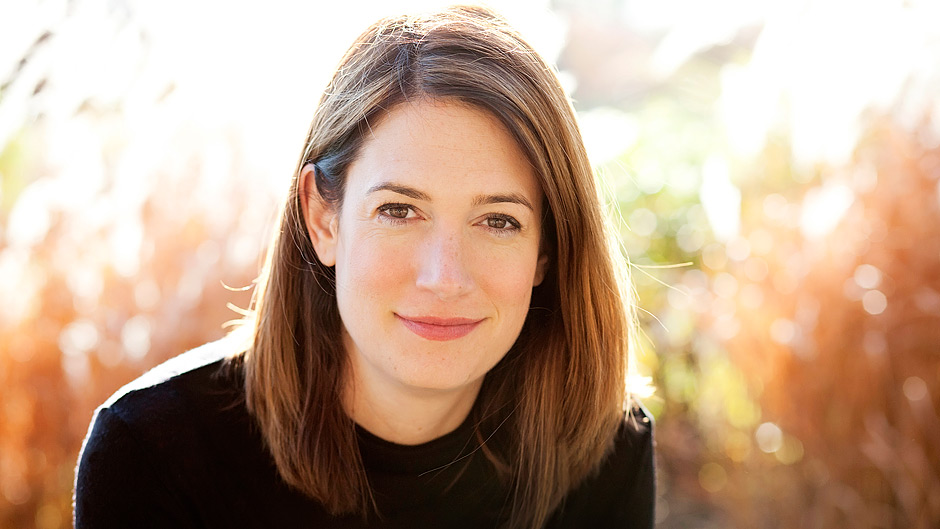
4. Gillian Flynn
Born in Kansas City, MO, Gillian Flynn is the author of the #1 New York Times bestseller, Gone Girl, for which she wrote the Golden Globe–nominated screenplay and film starring Ben Affleck and more Hollywood A-listers. Flynn has since released the The Times bestsellers, Dark Places, Sharp Objects, and even a novella, The Grownup. A former critic for Entertainment Weekly, she lives [and writes] in Chicago with her husband and children.
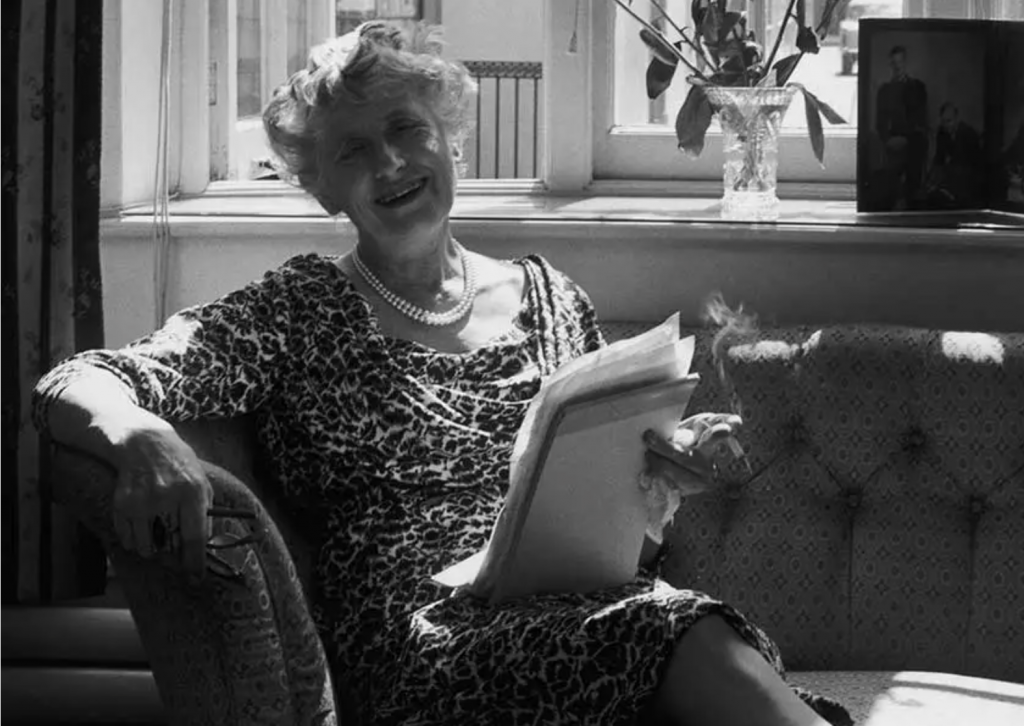
5. Ngaio Marsh
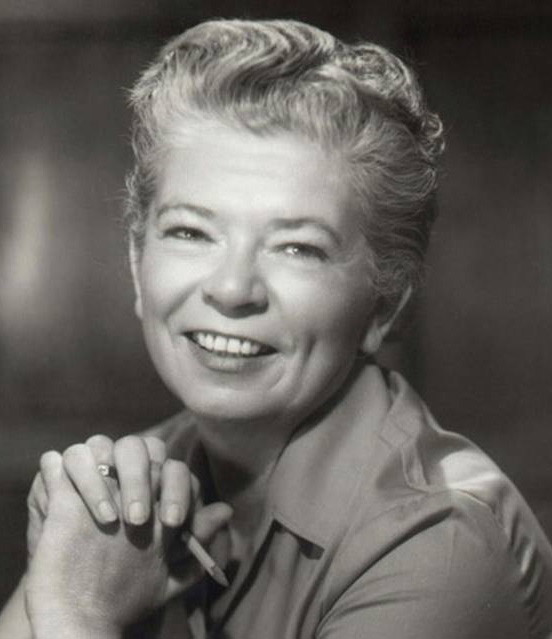
1895 – 1982. New Zealand born, Ngaio Marsh, is best known internationally for her 32 detective novels published between 1934 and 1982. Along with Dorothy L. Sayers, Margery Allingham and Agatha Christie, Marsh has been classed as one of the four original “Queens of Crime” – a group of female writers who dominated the genre of crime fiction in the Golden Age of the ‘20s and ‘30s.Several of Marsh’s novels feature her other loves—the theatre and painting. A number of her works are set around theatrical productions (Enter a Murderer, Vintage Murder, Overture to Death, Opening Night, Death at the Dolphin, and Light Thickens).
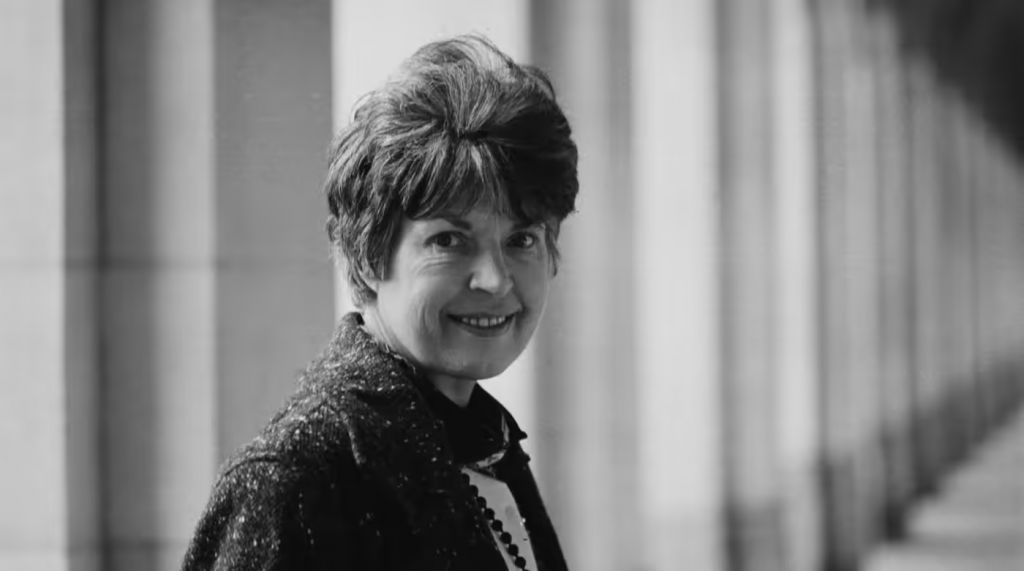
6. Ruth Rendell
1930 – 2015. Born in the UK, Ruth Rendell is a British writer of mystery novels, psychological crime novels, and short stories and was perhaps best known for her novels featuring Chief Inspector Reginald Wexford. Rendell initially worked as a reporter and copy editor for West Essex newspapers. Her first novel, From Doon with Death (1964), introduced Wexford, the clever chief inspector of a town in southeastern England, and his more stodgy associate Mike Burden. The pair appear in more than 20 additional popular novels thereafter.
Photo by Eric Vorenkamp
7. Dorothy Salisbury Davis
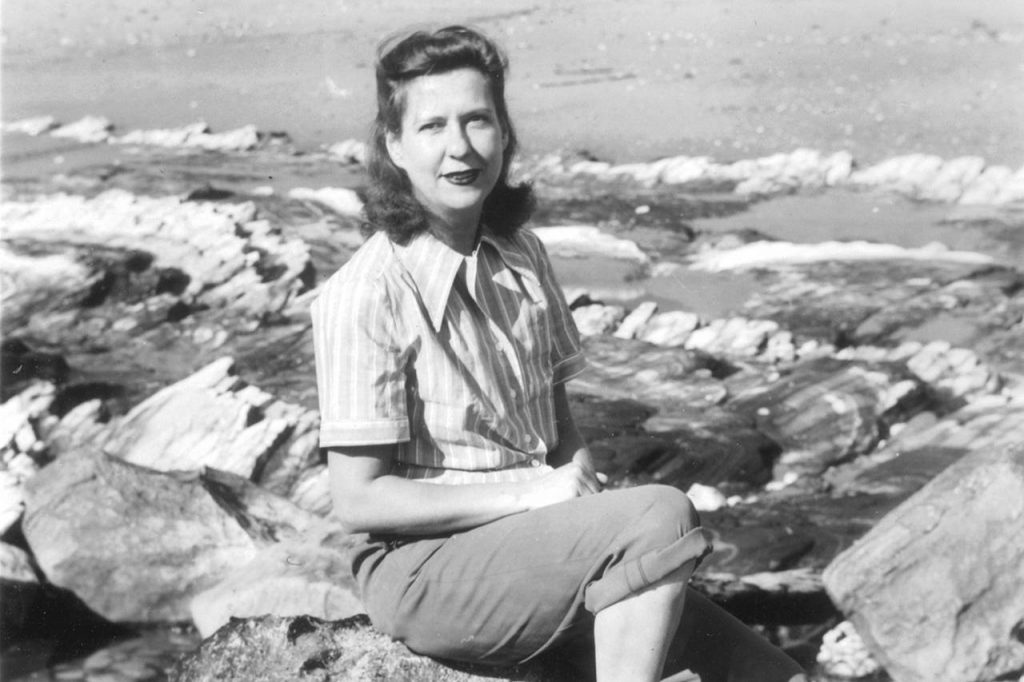
1916 – 2014. Born in Chicago, Dorothy Salisbury Davis was an accomplished writer in the crime-fiction genre. She was nominated eight times for the renowned Edgar Award for Best Novel, and eventually served as the president of the Mystery Writers of America group in 1956. Davis is well known for such works as A Gentle Murderer, and A Gentleman Called. She continued working with literary organizations, such as Sisters in Crime, until her death in 2014.
8. Margaret Maron
1938 – 2021. Born in Greensboro, NC, Margaret Maron’s 1992 novel, The Bootlegger’s Daughter, is part of her famous Deborah Knott Series. She is also one of the founders of Sisters in Crime, an organization that helps and encourages women mystery writers and includes the likes of fellow writer Dorothy Salisbury Davis.
9. Charlotte Armstrong
1905 – 1969. Born in Michigan, the Edgar Award-winning Charlotte Armstrong was one of America’s finest authors of classic mystery and suspense. The daughter of an inventor, Armstrong attended college at Barnard, in New York City. After college she found work at the New York Times and the Breath of The Avenue magazine. For a decade she wrote plays and poetry, and though she had work produced on Broadway and published in The New Yorker, Armstrong was unsatisfied. In the early 1940’s, she began writing suspense. The Unsuspected (1945) and Mischief (1950) were both made into films–the latter was renamed “Don’t Bother to Knock”, starring Marilyn Monroe, Richard Widmark and Anne Bancroft. A Dram of Poison (1956) won the Edgar Award for best novel that year.
PHOTO: SYNDICATE BOOKS
10. Margaret Millar
1915 – 1994. Born in Canada and died in California, Margaret Millar was well-known for her suspenseful writing style and shocking novel endings. Beast in View, a novel that won the 1956 Best Novel honor for the Edgar Award clearly shows why. This psychological thriller was also adapted into an Alfred Hitchcock Hour TV episode.
With so many incredible female mystery writers throughout our time, this list wasn’t easy to breakdown and rank. But that’s a great problem to have thanks to a huge, insanely talented pool of both old and newer contenders steadily pumping out hard-to-beat stories and characters that we can’t get enough of.
Be sure and see Adrienne Kennedy’s debut masterpiece, Ohio State Murders, for all the thrilling twists and turns on Broadway, beginning November 11.
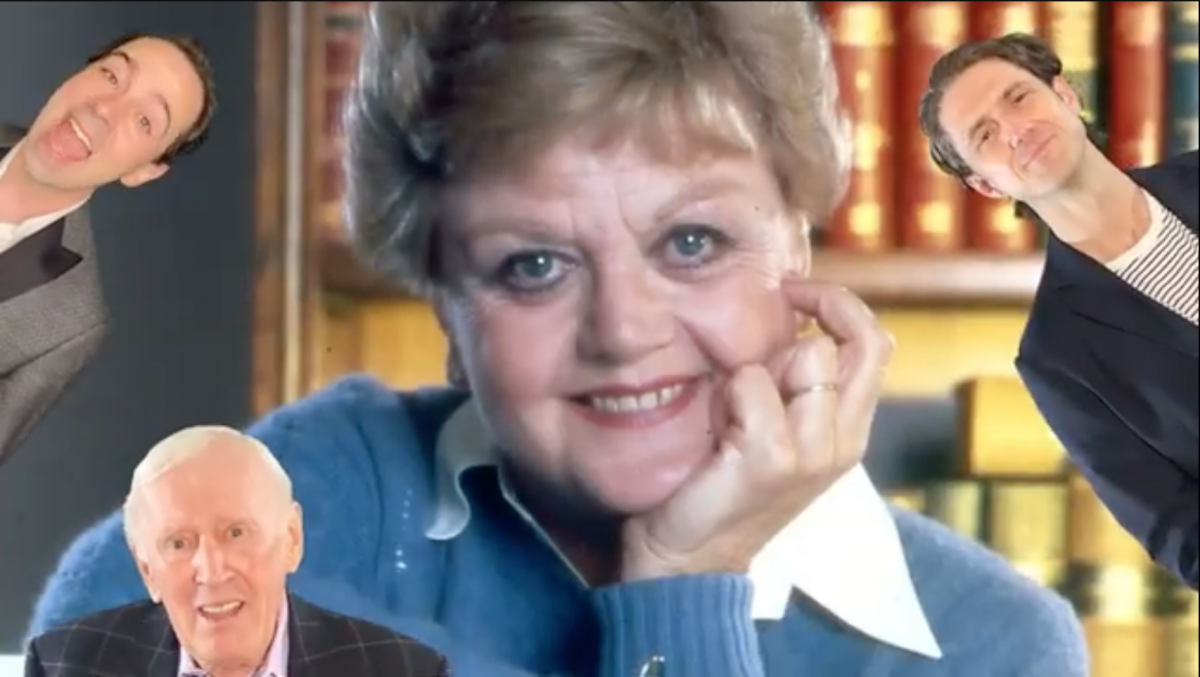
Today we celebrate what would have been Angela Lansbury’s 97th birthday with Broadway’s Best Shows’ 2021 “Show of Titles” special tribute to Angela, “Angie” as friends called her, performed by Len Cariou, Rob McClure and Aaron Tveit. We miss you deeply already, Angie.
All week long Broadway’s Best Shows will be sharing memories from friends and colleagues.
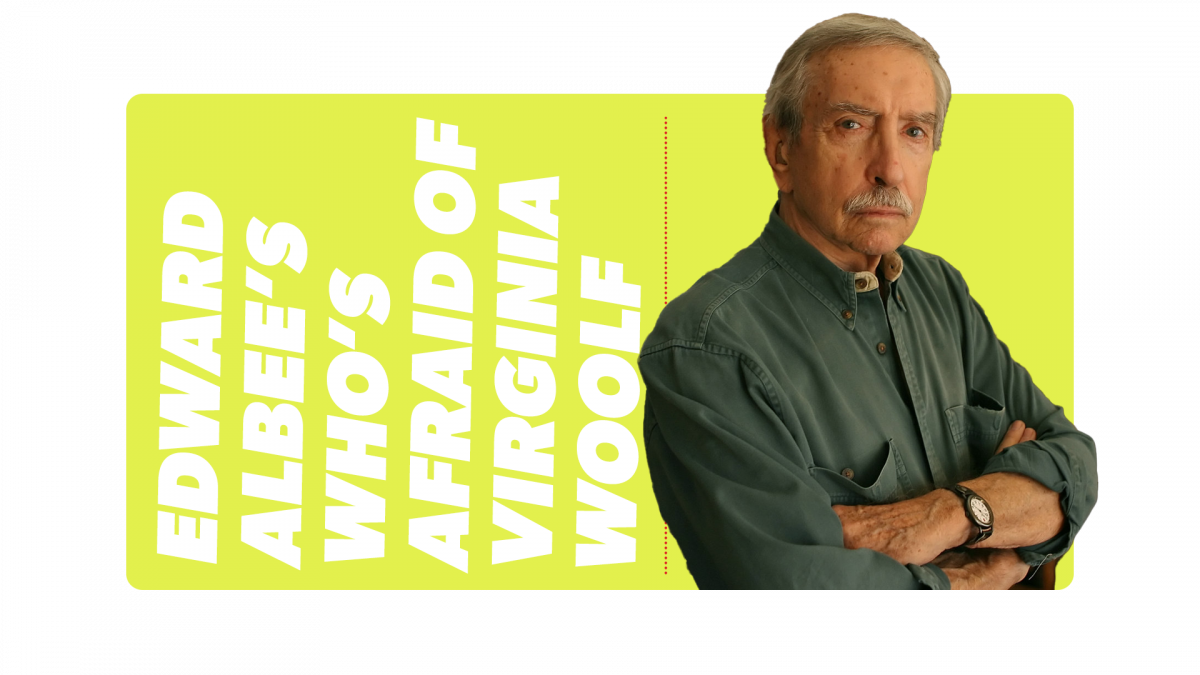
60 years ago on this date in 1962, Who’s Afraid of Virginia Woolf? exploded on Broadway at the Billy Rose Theatre; the author was an acclaimed Off-Broadway playwright, Edward Albee, whose previous successes had included The Zoo Story, An American Dream and The Death of Bessie Smith. The director was Alan Schneider, whose reputation soared after this production and went on to direct several Albee plays (Tiny Alice, A Delicate Balance, and The Ballad of the Sad Café) as well as major productions of Harold Pinter, Samuel Beckett, and Robert Anderson. His life was tragically cut short when he was killed in an accident in London, when he looked to his left for traffic on a cross street, forgetting that motor vehicles traveled on the left side of the road, and was hit by a motorcycle. The play won Tony Awards for its leading actors, Uta Hagen and Arthur Hill, who were supported by George Grizzard and Melinda Dillon and became a cause celebre, as well as the talk of the town, when it was passed over for a Pulitzer Prize despite the recommendation of the advisors to the Pulitzer Prize board. It was said to have been denied the award because of its frank language and explicit sexual themes. It played for 664 performances, it did not have an out of town engagement, there were only five previews when it opened in New York, and the first-string critics all attended the opening night.
One of the intriguing anecdotes concerning the production was the potential involvement of Henry Fonda, the great film actor who periodically returned to the stage every few years beginning in 1948 with Mister Roberts, then Point of No Return, then The Caine Mutiny Court-Martial, Two For the Seesaw and Critic’s Choice. His agent rejected the script out of hand, without consulting him. The agent gave as his reason the assertion that, “You don’t want to be in a play about four people yelling at each other all the time.” Fonda, who was an admirer of playwright Edward Albee’s talents, reportedly was furious. Finally seeing the show himself, Fonda was duly impressed by Arthur Hill’s performance in the role, and conceded that he couldn’t have played the part any better.
In 1970, he and Richard Burton approached Albee about doing an all-male version; for the younger couple they wanted Warren Beatty and Jon Voight, but the playwright turned them down.
Virginia Woolf didn’t come to Broadway again until 1976 when Ben Gazzara and Colleen Dewhurst co-starred in a production at the Music Box Theatre. It played for slightly over 3 months and unlike the original production, which had a second company doing matinees due to the length and the fierce, uncompromising battle of the sexes (that second company by the way included Elaine Stritch at one point), Gazzara and Dewhurt played all eight performances.
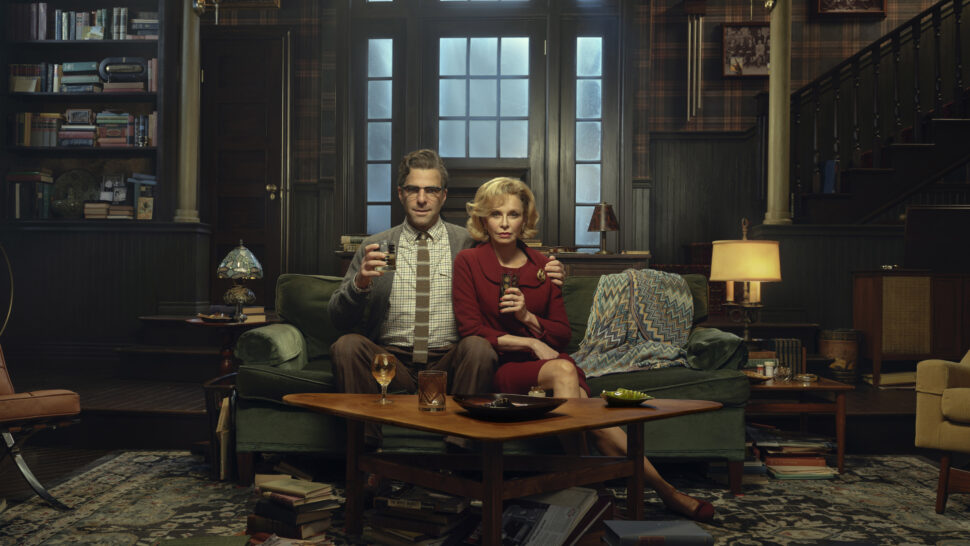
By that time Virginia Woolf had entered into the canon of major American plays, helped also by the film version which starred Elizabeth Taylor and Richard Burton, with Sandy Dennis and George Segal in support. Major artists who interpreted the roles over the years ranged from Mike Nichols and Elaine May to a recent production in Los Angeles with Zachary Quinto and Calista Flockhart.
Zachary Quinto and Calista Flockhart (photo by Justin Bettman)
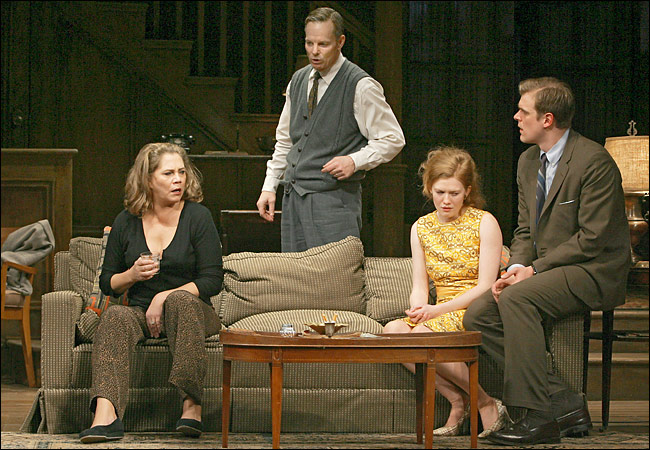
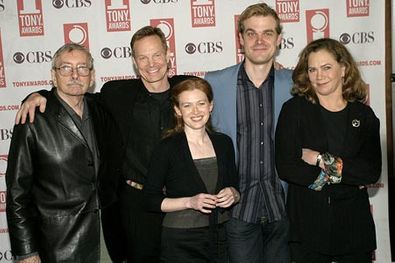
The next time that Virginia Woolf appeared on Broadway was approximately 28 years after the first revival, which was 14 years after the original. Kathleen Turner and Bill Irwin were Martha and George and Irwin won a Tony for his performance. He had earned the admiration of Albee when he stepped in to do The Goat after Bill Pullman had departed. The play alternated seven and eight performances bi-weekly and played for 177 performances. Since the 60’s when Hagen and Elizabeth Taylor (who won an Oscar), the role of Martha has eluded the top prize but George in the three out of four major Broadway productions has provided Tony Awards for its interpreters.
The most acclaimed revival came to Broadway in a very roundabout way just seven years after the Turner-Irwin. For the first time the artist who staged the play was a woman who had done resident theatre productions of The Play About the Baby (Philadelphia Stage Company), The Goat or Who is Sylvia (the Alley Theatre) and the world premiere of Pete and Jerry at the Hartford Stage Theatre; the latter served an opener to The Zoo Story. Pam Mackinnon, the director, had the previous season brilliantly directed the award-winning play Clybourne Park and wanted to do Virginia Woolf with Amy Morton as Martha Henry. Molly Smyth, Artistic Director, was all set to do the production, which had been approved, when Martha Lavey, the Artistic Director of Steppenwolf, insisted that as Amy Morton was a member of the company it had been to be done at that theatre first. Albee had never allowed a play of his to be done at Steppenwolf, but Mackinnon was persuasive and the play began its life there in 2011-2012 and then traveled to the Arena Stage. The response to the production was overwhelming, there were two performances left, when Lavey called the New York producer Jeffrey Richards and ask him to come and see the production, noting his relationship with Amy and Tracy Letts (portraying George) from August: Osage County and Superior Donuts. The matinee performance was magnificent, so much so that Richards and his producing partner Susan Gallin immediately decided to bring it to New York. Albee’s agent, Jonathan Lomma, was called who met with Richards the next afternoon and granted the rights. The play now titled Edward Albee’s Who’s Afraid of Virginia Woolf? again awarded the George (Tracy Letts) with a Tony Award, Mackinnon with the Best Director Award, and the play won Best Revival. Noteworthy note: it was the first time two American women directors had won the Tony Award in the same year (Mackinnon for Woolf, Diane Paulus for Pippin).
When Richards met with Albee, he asked why it was now called Edward Albee’s Who’s Afraid of Virginia Woolf?. Richards had retitled, with the playwright’s permission, the generic The Best Man to Gore Vidal’s The Best Man. Albee said he had seen a program of a production in a resident theatre in which his name was so small that he felt that it would never happen again if his name was in the title.
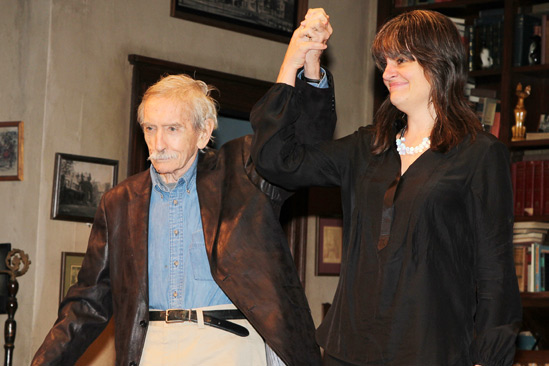
At intermission when the play opened, 50 years to the actual date of the first production, Albee agreed to come onstage at the end of the performance and received a standing ovation. It was the last time he was to appear on stage at the conclusion of one of his plays.
A production of Edward Albee’s Who’s Afraid of Virginia Woolf? was scheduled to open in March 2020 with Rupert Everett (initially Eddie Izzard had been announced) and Laurie Metcalf as George and Martha and Joe Mantello was the director. Sadly it was one of the productions which never reopened after Covid and it was the production which signaled the beginning of the Broadway shutdown when an usher at the theatre was found to have Covid.