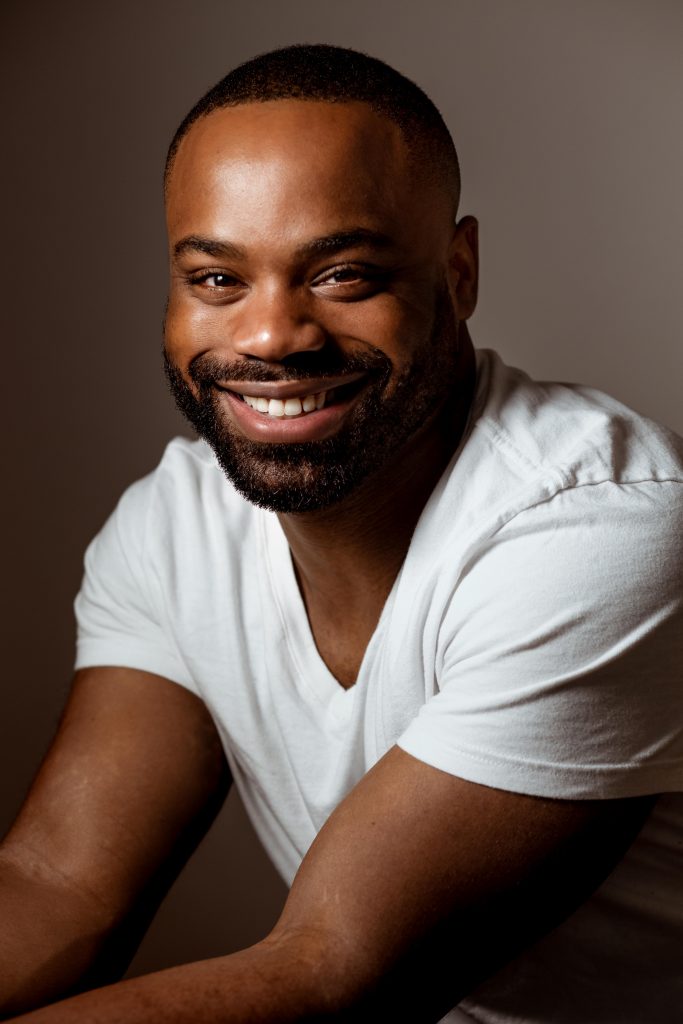
It wasn’t until I got backstage that I officially fell in love with the theater, and that was when I was 11 years old. I was born in the city but our family moved to Denver, Colorado when I was very young… We took yearly trips back to NYC and got to see Broadway shows but it felt like a different world and I had never really thought about the making of them. I never considered all of the work and all of the people involved in creating that magical few hours for my family and me. When I was in 4th grade I began to sing in a choir, and the following year the director of the choir recommended me to the Denver Center Theater when they asked him for a child who could sing and perform on stage in their upcoming production of George Bernard Shaw’s Androcles and the Lion. I went in and auditioned at the Denver Center and got the part. Little did I know what I was about to be a part of. From the first rehearsal I knew I had found a world where I wanted to spend a lot of time. Incredibly bright, funny, supportive, creative and irreverent professionals. The set designer showed us incredible models of what the set would look like, the costume designer showed us pictures and materials and drawings of what the costumes would look like. There was a wig maker, there were stage managers keeping track of everything. There was a musical director. Eventually there were dressers, and ushers and light and sound board operators. Everyone working to put our show on! I got to be on stage with Mercedes Ruehl and the other incredible actors who were part of the company (back then many regional theaters had companies who played many different roles for years)… Yes, I loved being on stage and feeling the stillness and focus and magic of a theater full of people all willing a story into being. But what I remember even more, and what gave me the itch to make my life in the theater, was the backstage. The greenroom where all of the actors hung out before the show in their various costumes and makeup, smoking (!) and joking and telling incredible stories, and treating me like a fellow collaborator and colleague. I was 11 and I’m sure many stories went over my head with the smoke, but what I gleaned was happy artists, working hard on their craft, making the show better and better. It was a giant family back there, and though the characters and settings and plays have changed, that feeling has never gone away.
This 15 months has been hard for our community, for our theater family. I include audiences as part of that family, because live theater is not live theater without them. We all miss being in a space together making a story come to life. Until that happens, we are so lucky to have opportunities to create and watch shows however they happen and I feel so pleased to have been included in Watch on the Rhine. I got a little taste of that backstage fellowship and the audience will get a taste of a great story told. Until we are lucky enough to be together let’s revel in the chance to soak up any “theater” we can! I know I’m happy to be “backstage” again if even in a Zoom box!
Watch Jeremy zoom into your living room, den, kitchen, wherever this weekend when Spotlight on Plays presents Lillian Hellman’s “Watch on the Rhine”.
Jeremy Shamos has been seen off-Broadway in Corpus Christi, Engaged, Miss Witherspoon, Race, Gutenberg! The Musical!, 100 Saints You Should Know, Hunting and Gathering,The New York Idea and The Complete Works of William Shakespeare (Abridged). His Broadway credits include Reckless, The Rivals, Glengarry Glen Ross, and Elling, and he earned a Tony nomination for playing two roles in Pulitzer Prize-winner Clybourne Park. He can be seen in Spotlight on Play’s Watch on the Rhine streaming this Thursday.
It was a wonderful opportunity to explore Lillian Hellman’s classic play with such a dream cast as part of this series of online performances. The themes of liberal America and its imperative to combat fascism in all its manifestations feels all too pertinent to the needs of our present times. When Watch On The Rhine premiered in 1941 it served to bring to the theatre-going public a sense of the turmoil that was brewing in mainland Europe and its potential impact on the global stage.
I was first exposed to the epic dimensions of the American drama when I made my professional theatrical debut in a revival of Strange Interlude by Eugene O’Neill. Written in the shadow of the Great War, this Pulitzer Prize winning drama features the theatrical convention of characters speaking their innermost thoughts as asides. In deploying this classical device in a contemporary setting, O’Neil shows that despite the privileges of modern education, human beings still struggle to communicate directly and truthfully with one another. However, my lasting impression of this masterpiece is not as profound as I would wish. I was thirteen years old at the time and my hair had been bleached a platinum blonde to evoke the archetypal Golden Child. The abiding memory I have is of the cast, which included Glenda Jackson and my father Brian Cox, gently but firmly urging me to go easy on the gold hairspray that I had applied to my side parting when the dark roots began to show. Luckily, I don’t think my besmirching of the beautifully tailored 1920’s costumes could be glimpsed past the front row.
Thirty seven years later and one of the benefits of being involved in the remote capture of an online performance of a classic play is that this actor can transform himself without having to make a trip to the hairdresser.
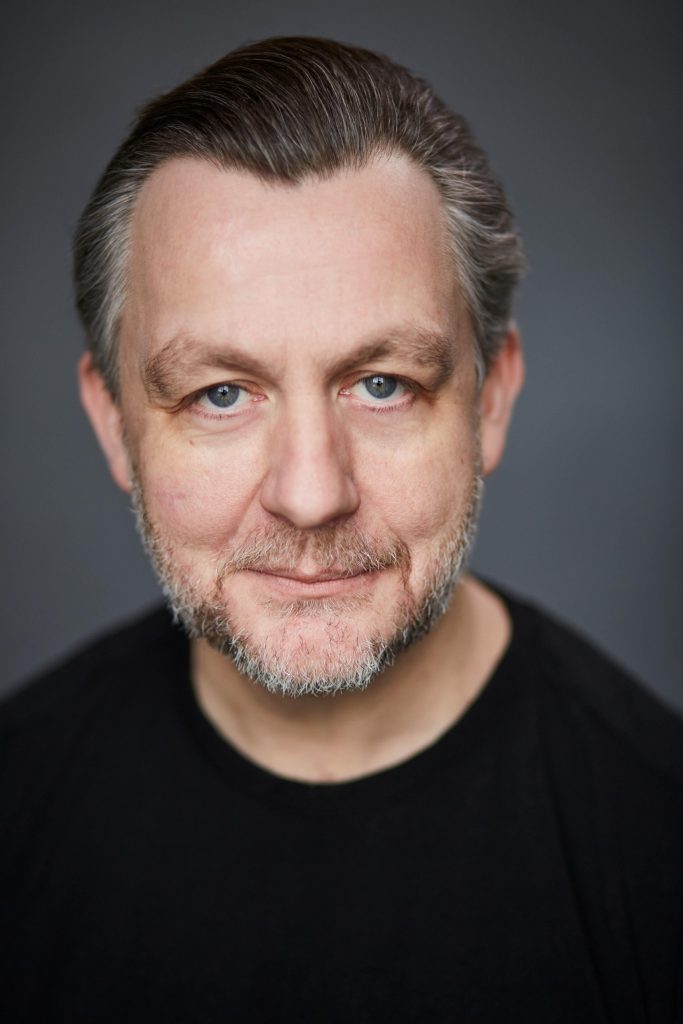
Alan Cox recently played Uncle Vanya at the Hampstead Theatre in London and Claudius in Hamlet for the Shakespeare Theatre Company in Washington, D.C. He played David Frost in the national tour of Frost/Nixon, for which he received a Helen Hayes Award nomination. He made his Broadway debut in Translations. He made his motion picture debut as Watson in Young Sherlock Holmes. His film work includes Contagion, The Dictator, Mrs. Dalloway, and An Awfully Big Adventure. Alan’s television credits include The Good Wife, John Adams, and The Odyssey. He can be seen in Spotlight on Play’s Watch on the Rhine streaming this Thursday.
One of my favorite experiences as a Stage Manager has been working on the show Jerusalem by Jez Butterworth. It stands out to me for several reasons. I went to London to rehearse the show which was a first for me. Working with my assistant Ken McGee, I learned a lot about how differently a British director and acting company work on a play. There was a lot of improvisation and playtime built into the day. The majority of the cast had done the show before so this helped the new members (and us) get a feel for the show and become integrated into the world of the play. We also had to work on our accents (we all had to practice it for a few days). And we took a field trip to the area outside London to the part of England where our play was set.
This passion and care to create the exact atmosphere was invaluable as we moved this show to New York.
Another extraordinary component was that the show had live chickens, (kept in their own “star” dressing room) a turtle, goldfish, a horse trough full of water, small children, real grass and dirt and an Airstream trailer on stage. As it turns out this was not the last show I did with live animals and children but that’s another story. The magic we created together with Mark Rylance as the lead actor and Ian Rickson as our director was an amazing experience. The show started with a late night rave party with strobe lights, stage fog and LOUD music and ended with the conjuring of mythical giants.
Every night I was swept away as the actors and technicians joined together to believe wholeheartedly in the story we were telling. We were lucky to be able to make that magic with every performance.
JILL CORDLE Broadway: The Inheritance,The Ferryman, Six Degrees of Separation, The Cherry Orchard, Blackbird, The Gin Game, The Audience, The Realistic Joneses, Betrayal, Picnic, Death of a Salesman, Jerusalem, God of Carnage, November, The Odd Couple, Glengarry Glen Ross, Reckless, The Tale of the Allergist’s Wife, True West, Smokey Joe’s Cafe, Art.
I think that the first musical that inspired me to be a director (even though I didn’t know it at the time) was “Ain’t Misbehavin’”. I wore that album out! When I was in High School in the late 70’s I was obsessed with it – I thought the staging was so simple and thrilling, and the performers were absolutely incredible. I saw the national tour in Los Angeles and San Francisco, and then when it was in San Diego I volunteered to usher for the week it was there. It was perfectly staged by Richard Maltby Jr. It was seamless and moved so beautifully. It felt like a big show while retaining the intimacy of only 5 performers (with big personalities)onstage.
I think this was the first time I watched something and took notice of the direction. In my first 10 years or so in New York, I concentrated on being a performer and I wasn’t really aware that I wanted to direct – but I’d subconsciously absorbed the shows and experiences where the staging had a big influence on me. A Chorus Line, Dreamgirls, Evita, Once On this Island, Me and My Girl and Ragtime to name a few were shows that wowed and inspired me with their direction and choreography and the way the two were integrated. Never did I dream that I would be creating my own work for the Broadway stage.
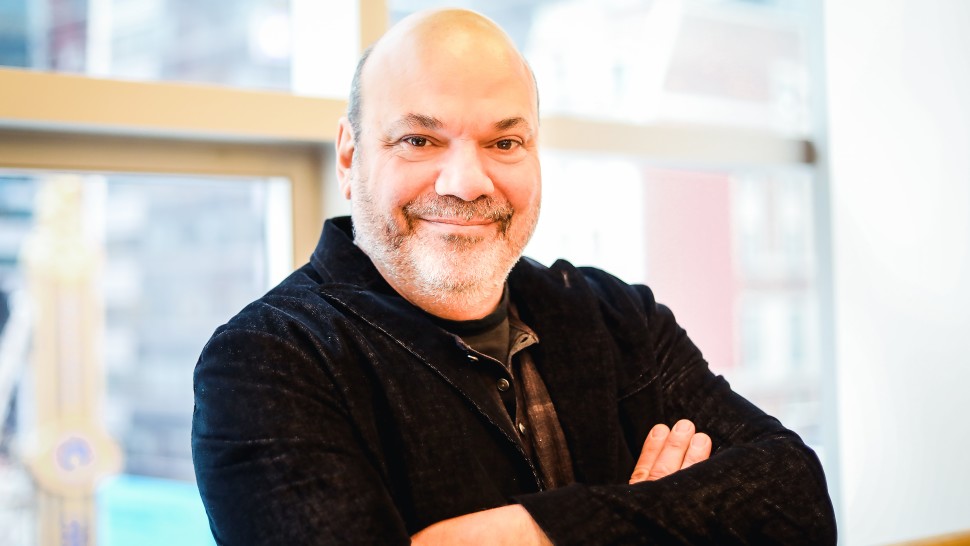
Casey Nicholaw is a multiple Tony award nominated theatre director and choreographer best known for his work on The Drowsy Chaperone, The Book of Mormon (Tony Award- Director), Something Rotten!, Aladdin, Mean Girls and The Prom, and for choreographing Monty Python’s Spamalot.
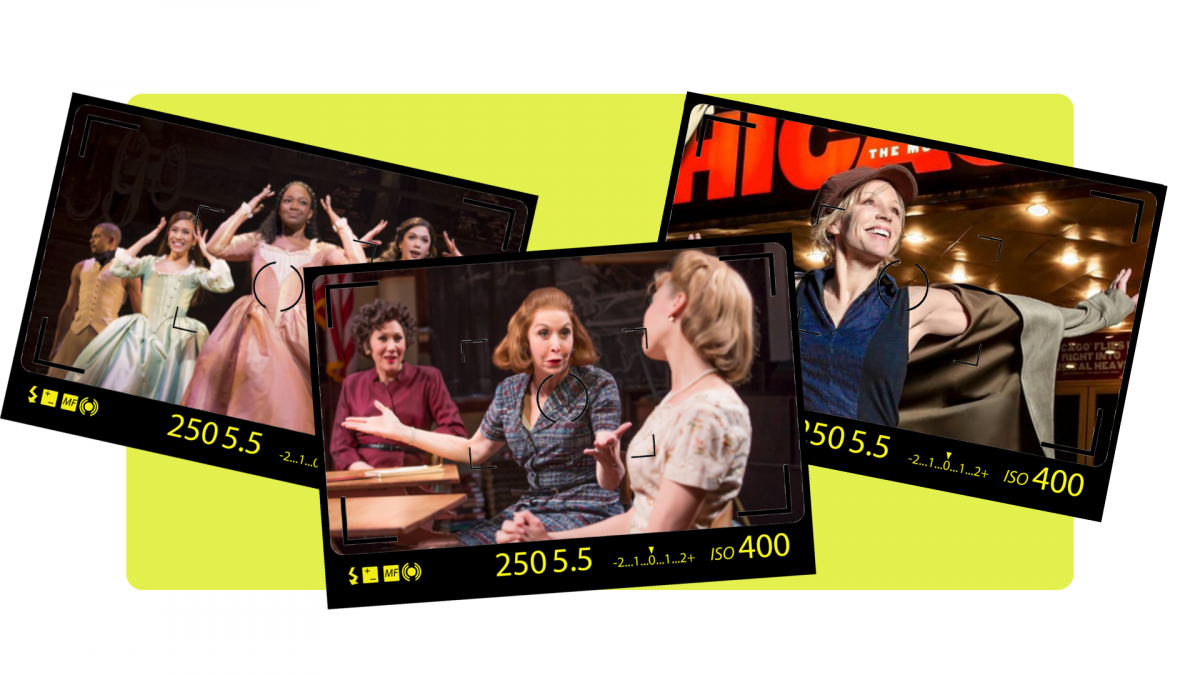
Broadway photographers have a big task: capture the magic, beauty and wonder of a brand new show every night, each one posing new and unexpected challenges. It is essential work not only for the show’s marketing team, but for the historical record. Their work may well shape how, or if, a show is remembered.
We spoke to seasoned veterans Joan Marcus, Matthew Murphy, Jeremy Daniel and Peter Cunningham about memorable shows, challenging shoots, and why they do what they do.
In this last abbreviated season, is there a show that stands out in your memory as having been particularly challenging to shoot?
JOAN MARCUS
Six was hard. The lighting, which is totally spectacular andfabulous, was challenging because it moves so fast. Fortunately on that one I got to do set-ups [a photoshoot designed to replicate scenes or moments in a show]. So you could slow it down a bit, and make some images that you wanted to make but couldn’t quite do – because the show moves so fast!
Photo: Joan Marcus
MATTHEW MURPHY
The Inheritance was so stunning, but the design of the show was really sparse. It’s a lot of people on stage most of the time, on opposite ends of this really wide platform – which as an audience member is so striking, but as a photographer you’re like, “How do I establish the relationships between the characters in a single frame that doesn’t feel too sparse, or too overly spread out?”
How I approach production photography is, it really is about finding an image that feels like the show feels to an audience member. We finally did get to do a set-up call early in February and figure out a way to shape it for a camera so that it had the maximum emotional impact on first glance.
Especially now, with how quickly we all ingest imagery on a constant basis, you have to figure out a way to make it “thumb-stopping.” If you’re scrolling through Instagram, you need something that immediately is going to be dynamic enough that it’s going to stop you at least for that 0.5 seconds to tap the “Heart” button. That’s how it’s changed.
Photo: Matthew Murphy
JEREMY DANIEL
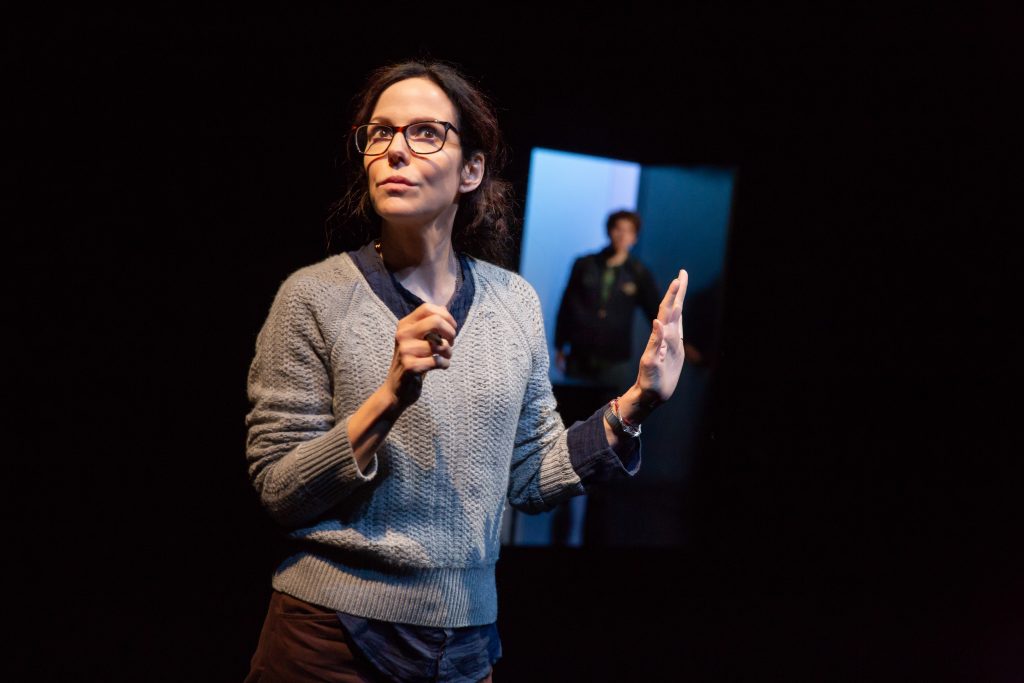
“The Sound Inside,” Adam Rapp’s brilliant Tony-nominated play starring Mary-Louise Parker, was especially tough. Normally when shooting a show, my gut instinct is to accentuate the light and minimize the darkness. Within the composition of a photo, empty stage space is one thing — but total, complete darkness is another. For “The Sound Inside,” I had to put those gut instincts aside. I had to do a complete 180, and consciously pay attention to the darkness. I had to allow space for it. I had to include it, because it had a role to play in the remarkable story being told. It was a brilliant lesson.
Photo: Jeremy Daniel
Reflecting back on your career during this time, what memories of past shoots have especially stuck with you?
PETER CUNNINGHAM
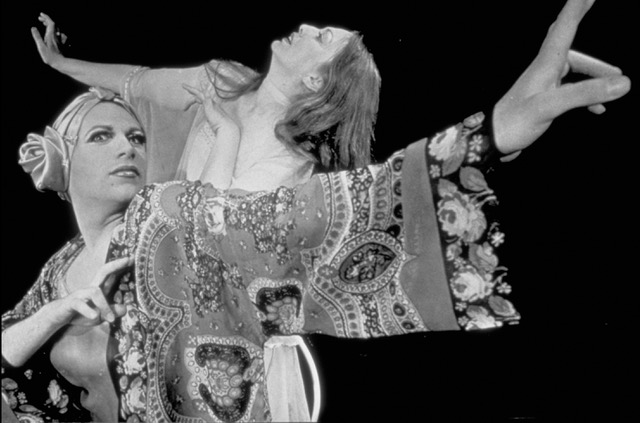
The very first show I did. I ran into [then press representative, now producer] Jeffrey Richards on the street. He said he had this new guy Harvey Fierstein, who was doing a show called International Stud, and he needed a photographer. So my first initiation to the theater business was Harvey, who is absolutely wonderful and outrageous. That was a great training for me. I have never had a chance to thank Harvey for that, actually. To just be immersed, for a short while, in his perception of the world was the best thing that could happen to a young photographer in the late 1970s.
Photo: Peter Cunningham
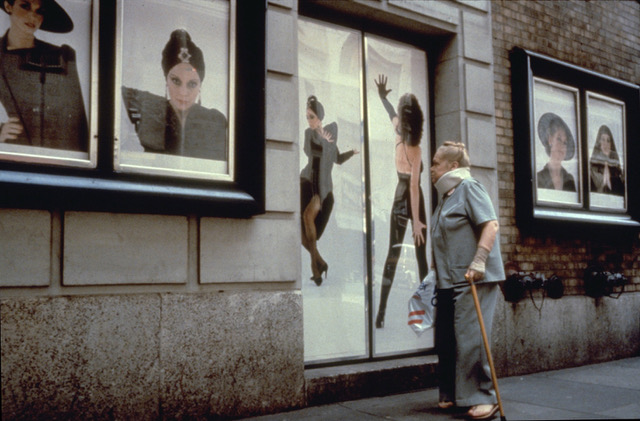
Then in 1982 I photographed Nine. They wanted to decorate the outside of the theater differently than had ever been done before. So I had the whole cast, 22 women and Raul Julia, come down to the studio one day to be photographed. And it was that day that the toilet decided to break. So that was a challenge – and a pleasure, obviously. The photos made quite a stir, and are still talked about as having changed the way theater displays are done.
Photo: Peter Cunningham
JOAN MARCUS
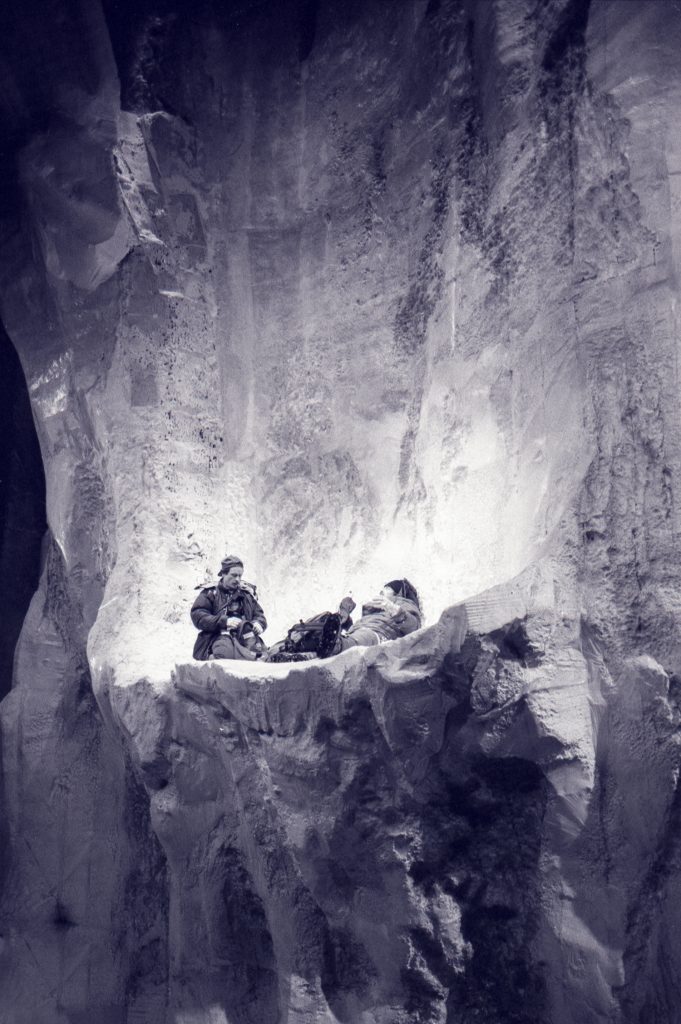
Right now the set of the play K2 is all I can think about, because it was designed by Ming Cho Lee, who just passed away. It was unbelievable. I shot it at Arena Stage in Washington [in 1982] when I was first starting out. The play was about two mountain climbers who are in an avalanche and get stuck on a ledge on K2, and only one of them can survive.
So the whole play takes place on the side of the mountain. And it was the most amazing set you’ve ever seen. Just floor-to-ceiling mountain, into the pit, up into the flys, and edge-to-edge – just ice. But it was really styrofoam, unbelievably lit by Allen Lee Hughes. It was just regal and magnificent.
Photo: Joan Marcus
MATTHEW MURPHY
The first thing that really pops into my mind is Howell Binkley’s face [Tony Award-winning lighting designer of Hamilton, who died of lung cancer on August 14]. Losing Howell over this time has been so heartbreaking for the community. From the minute I started working with him, he just had the most warm, generous energy. He had an incredible way of shaping a space as a designer, and an incredible way of shaping a space as a human.
You watch Hamilton and you’re just like, holy crap – how is he telling this much of a story with just lighting? It’s crazy the way he could shape a space. I’ll miss walking in and hearing his laugh at the tech table.
Photo: Matthew Murphy
JEREMY DANIEL
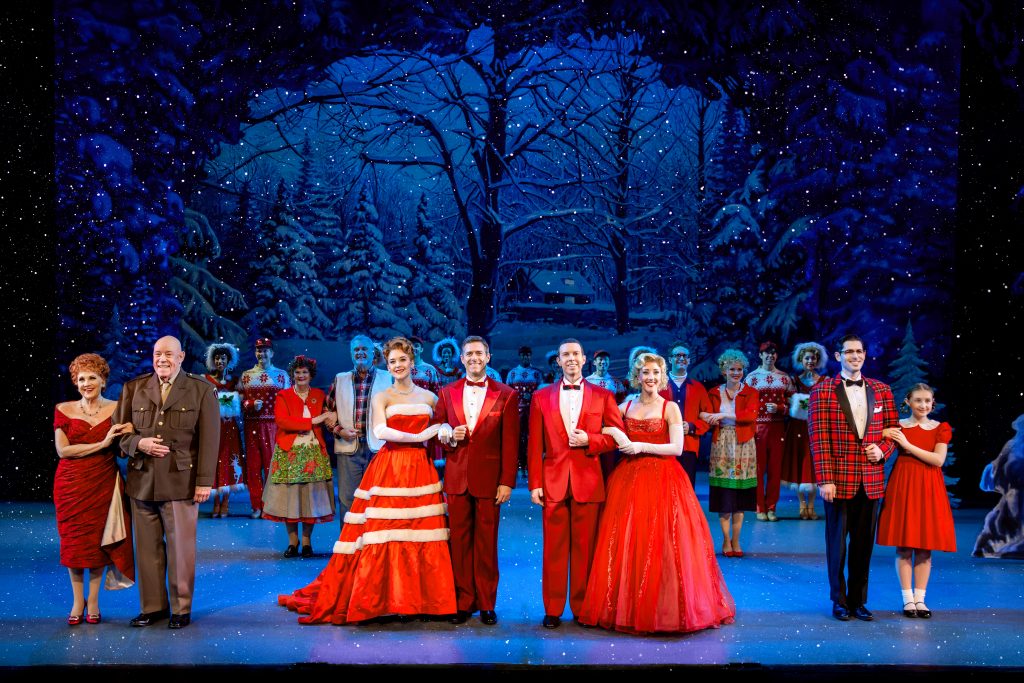
Normally each November I’d be getting ready to hit the road for my annual photo shoot with the “White Christmas” Broadway national tour. That show always techs out-of-town during the first week of November, and it has held a special place in my heart for years (mostly because I’m a total sucker for an old-fashioned musical comedy). How I wish audiences around the country could experience the joys of that show this year. Boy, do we need it.
Photo: Jeremy Daniel
Four years ago, on the day after the election, that evening was the final dress for “The Babylon Line,” a new play at Lincoln Center. When I arrived at the theatre that evening, everyone was in a state of quiet disbelief, stunned and shocked by the events of the day. The mood was unlike anything we’d ever experienced. But then the final dress began. And God bless Julie Halston. Julie Halston made us laugh. It was just the right thing, at just the right time. That night was a glorious lesson in how incredibly healing and uplifting theater can be. For that reason, whenever I see photos of “The Babylon Line,” I’ll always be grateful.
Photo: Jeremy Daniel
How Are You Reflecting on Life as a Broadway Photographer?
PETER CUNNINGHAM
I loved the human experience. What I remember most from photographing Jeffrey Richards’ 2000 revival of The Best Man is actually being there for the readthrough. The production photographer has so many different interfaces with a play. In that case, I was part of that first day where the actors meet each other, and the director – and me. That’s a great feeling, to be there at the beginning of a project, and to be part of the team.
That may have been the most unique read-through I attended. Charles Durning, who was to star in the production as the ex-President, had been hospitalized for an operation (successful) to remove polyps and the cast was informed right before the read-thru that he would be joining the company in two weeks. Gore Vidal agreed to read the role of Art Hockstader…he was mesmerizing, sharp and funny and even folksy (well patrician folksy) when his dialogue called for it. When there were scene breaks, Gore would regale the company– Chris Noth, Michael Learned, Liz Ashley, Christine Ebersole, Spalding Gray–with anecdotes about the original production and anecdotes about the politics of the era. Gore loved doing the role and the company loved his doing it…
Photo: Peter Cunningham
JOAN MARCUS
I know photography is recording somebody else’s work, and being a little bit of a cipher. But it’s kind of the whole package – every day is different, every show is different, every show poses a different challenge. And that’s scary, but the fact that you have to problem solve with every show you do keeps it really interesting.
The greatest thing is being in that room. Like seeing Hamilton for the first time and thinking: “It’s even more wonderful than they say!” It’s that element of surprise when you’re one of the first people to see something. Being with all of these people who are so talented, and seeing something wonderful – or even seeing something disappointing! I just miss it.
Photo: Joan Marcus
JEREMY DANIEL
As a photographer, my heart will always be on Broadway. One evening last in May (which feels like a lifetime ago!), just as the industry was starting to accept the long-term realities of what lay ahead, I took a walk alone, around the theater district. The sun was setting and the sky was absolutely gorgeous. As I looked up at the Broadway marquees, still shining brightly against that sunset, I thought “Oh, right now would be the places call.” Yes, the streets were empty and the doors were shut, but there was something magical & hopeful about it.
Photo: Jeremy Daniel
It gave me an idea for a photo series…but then the vibe in our city shifted again with the George Floyd protests, the curfews, etc. That’s when most of the Broadway lights were turned off as a safety precaution. So while the photo series couldn’t materialize the way I’d hoped, I think the social uprising that ensued was a worthwhile exchange.
Photo: Jeremy Daniel
MATTHEW MURPHY
In September, I shot the cast of Moulin Rouge! as they returned to the empty Al Hirschfeld theater, marking six months since the shutdown. I never took being in a theater for granted. But it was even more obvious how special of a place it is, and how fortunate I am to do what I do. Reflecting back on that day in the last month or so, I’ve felt a lot of sorrow about it, and a lot of joy about having that moment with those people. A moment to really look at them, and be present with them – and to value the space, the sacredness of a theater.
Photo: Matthew Murphy
Joey Sims has written at The Brooklyn Rail, TheaterMania, Culturebot, Exeunt NYC, and Extended Play. He was also Social Media Editor at Exeunt for two years. He has written short plays and sketches at The Tank and The PIT. Joey is an alumnus of the Eugene O’Neill Theater Center’s National Critics Institute, and a script reader for The O’Neill and New Dramatists. Prior to the theater shutdown, he was an Operations Manager at TodayTix.
In 1981, I was in my last year of high school in the suburbs of Toronto. I’d done a bunch of musicals in theatre class (Godspell, Pippin, Fantasticks) but never worked professionally. I got a job bussing tables at a brand-new dinner theatre uptown, O’Neill’s. The opening show, starring six young actors in their mid-20’s, was a collection of songs (from other musicals) about making it in show biz. It was called, literally, One Big Break. Five nights a week, for months, I’d clear plates and glasses, then sit at the back, by the spotlight, and watch my new, slightly-older friends perform. After one show, I was washing dishes when I overheard the owners, in a kitchen corner, whispering their concerns about Stephen, one of the actors.
“He could barely sing tonight,” said Sandra O’Neill, the theatre’s namesake. “Well, we don’t have understudies, Sandra,” hissed the other owner, “what would you suggest?”
“I can do it,” I blurted.
They looked over at me, in my apron and my mullet. Sandra smiled, like I was an adorable puppy. “Aww,” she cooed, “thanks, hon. It’s Eric, right? We’ll figure it out, sweetheart.”
The next day, in history class, I got called to the front office. This had never happened in my life. The principal’s secretary handed me the phone. Sandra O’Neill was on the other end.
“Were you… serious?” she asked, with hesitation.
“Absolutely,” I replied, with none. The bravado of eighteen.
I met with the musical director at 4:00 and we ran the numbers. Once. When the actors got there, they looked ashen. Sure, I was their favorite busboy, but…this? We reviewed choreography for about half an hour…then we opened the place for dinner.
And I bussed tables.
At 8:00, the waiters (to the surprise of the patrons) suddenly became the performers. One by one they’d put down their trays and start to sing the opening number. I was the last. The first lines out of my mouth, the first words I ever sang in a professional theatre…
“One good break is really all I need to make the world stand up and cheer…”
It was a pretty good night. I played the role for two more months. I will always have a special place in my heart for Sandra.
And for Stephen McMulkin.
Eric McCormack
Best known as Will Truman on TV’s Will & Grace, Eric McCormack made his Broadway debut in The Music Man. He appeared as a mystery guest star in The Play What I Wrote, starred off-Broadway in Neil LaBute’s Some Girl(s) and returns to the Main Stem opposite James Earl Jones in the 2012 revival of Gore Vidal’s The Best Man.
During my Signature season, I discovered I would be missing a producer/artistic director, Jim Houghton, who took a much needed sabbatical. And so I found myself perching in the position of “all hands on board:” parking the car for the habitually late music director on my first show, and apologizing to critics when our electricity went out on critics night (the old signature theatre shared electricity with a medical office that did MRIs so the circuit somehow always tripped on opening nights). There was a director I couldn’t fire, because there was no artistic director, and who refused to quit, so I needed to be at every rehearsal. The women cast members and the stage manager ended up staging the play, and their spirits saw me through. My directors Mark Brokaw and Les Waters saw me through the rest of the season.
And so one night I was keeping vigil in the lobby during “Hot ‘N’ Throbbing.” As we watched through the monitor, the house manager and I saw something…not right. A woman got up from the audience, and tried to make her way up the side aisle, weaving and stumbling. A heart attack? A stroke?
We rushed into the back of the theatre, up a flight of stairs, and caught her at the top of the stairs as she passed out in our arms. We quietly carried her out of the theatre—the audience didn’t even notice. We laid her down on the lobby floor. The house manager ran to the phone and dialed 911, while I stayed with the woman, leaning over her. She suddenly opened her eyes and exclaimed: “Who wrote this play?!”
“…I did.”
“Oh!. Are you a professional?”
(I thought she was talking about being a professional playwright). “Yes, I am.”
“I thought so! Only a professional could know this stuff! “. She chatted as she sat up, and we gave her orange juice. “I used to do films, too. But…it got too rough….and when I heard the whir of the camera, the sound effect kinda of….well, I knew I had to get out of there. My John is still inside.”
“Do you want me to get him?”
“Nah! He’s enjoying it.”
She refused to go to the hospital. I insisted on walking her to tenth avenue to get her a cab.
She chatted, happy to find that a professional sex worker was engaged in playwriting. But does it pay? she asked. Not really, I admitted. By this point I realized what she meant by being professional, and I didn’t want to dash her enthusiasm.
“I am so glad you are out of the trade!” she told me as the cab neared. “I’m gonna leave it soon, too.”
With the cab door open, she gave me a hug.
“I’m so proud of you!”
I hope she got out of the trade. One day, I’m gonna leave my trade, too. We all do.
PAULA VOGEL is a Pulitzer Prize-winning playwright whose plays include INDECENT (Tony Award for Best Play), HOW I LEARNED TO DRIVE (Broadway production set for spring 2020; Pulitzer Prize for Drama, the Lortel Prize, OBIE Award, Drama Desk Award, Outer Critics Circle and New York Drama Critics Awards for Best Play), THE LONG CHRISTMAS RIDE HOME, THE MINEOLA TWINS, THE BALTIMORE WALTZ, HOT’N’THROBBING, DESDEMONA, AND BABY MAKES SEVEN, THE OLDEST PROFESSION and A CIVIL WAR CHRISTMAS.
2016-2017 is what I would have called my “breakout” season as a young director, I was working on three shows: Lucas Hnath’s Red Speedo at NYTW, Alice Birch’s Revolt. She said. Revolt Again. at Soho Rep and Branden Jacobs-Jenkins play War at LCT3. I was thrilled!
So I’m known for being rather enthusiastic in rehearsal rooms, and the energy of this season was apparently really sending that enthusiasm into its extremes – hah!
I’m in rehearsal for Red Speedo at NYTW, a lovely sunny room on the third floor… I’m standing with Lucas Hnath and the actors…essentially hyping them up about the fight scene near the end of the play…..as I’m running around the room I joke that it would be amazing if they bounded off the wall in the stage in epic fight mode and proceeded to run to the wall as if to kick off it to punch my imaginary co partner…but instead of kicking off elegantly in epic style….my foot…. explodes through the other side of the wall.
…I was mortified. Luckily the room erupted in laughter and NYTW was ever so gracious about my overenthusiastic mishap.
Needless to say…I don’t kick walls anymore!
But the memory brings me joy about returning to rehearsal shenanigans.
Lileana Blain-Cruz is a recent recipient of a Lincoln Center Emerging Artist Award and an Obie Award for Marys Seacole at LCT3. Recent projects include Anatomy of a Suicide at The Atlantic Theater Company, Fefu and Her Friends at Theater For a New Audience, Girlsat Yale Repertory Theater, Faust at Opera Omaha, and The House That Will Not Stand at New York Theater Workshop. She won an Obie Award for her direction of The Death of the Last Black Man in the Whole Entire World AKA The Negro Book of the Dead at Signature Theater. She also directed Paula Vogel’s The Baltimore Waltz for the Spotlight on Plays series which will stream on April 29th.
This may come as a surprise to some, not so much to others, but Othello is a complex role to accept for the 21st century black actor. On one hand, he’s an incredibly deep, densely drawn character and one of the few that are built specifically for actors of color in the Elizabethan canon. On the other hand, he’s been reduced to some pretty nasty stereotyping. The character has a well documented history of blackface, and the optics of a white woman being strangled by a black man brings to mind the gut-dropping feeling we got in those last moments of Jordan Peele’s Get Out (Daniel Kaaluya hands wrapped around the neck of his captor/honeypot/devil in a white dress, Allison Williams, when suddenly red and blue lights wash the screen). So in my second year of graduate school, when I was called into my department chairs office to talk about playing Othello in the spring…I wasn’t sure what to do. I mean sure; in the name of the pedagogical experience, in the name of practice (because inevitably it wouldn’t be my last time playing the character) and well, the thing looks good on the resume, so why not? But does taking the part make me a sellout? Or worse…is it a full on soul sell?
Around this time, I was reckoning with myself, my artistry and this liquid prison I was attempting to construct. Growing inside me was this festering shadow of insecurity, imposter syndrome, and the ever present doom of letting everyone down, one I tried to bar up with Whiskey, Tequila and Rum. Little did I know, this shadow loved a drink, and despite my attempts to drown it, grew gills. I’ll spare you the rest of the bloody details but I can tell you with confidence that some people do indeed crack their skulls open on rock bottom. Others, however, bounce off stones of despair (it’s my band name, you cannot have it) and are given a chance to change direction.
I started writing letters to Othello in between classes, outpatient treatment, rehearsal and AA meetings on cold Sunday mornings (so much coffee and the squeaking of grey slush on the bottoms of winter boots). It’s not a ritual I had experienced before, but one of my Sunday Morning Crew was like “I write letters to myself and found xyz”. I thought that was a corny thing for a person to do, so I wrote letters to the characters I was cast as (a practice I still carry with me and yes, it is a far cornier endeavor).
We all “know” the play, and in that “knowledge” Othello is this larger than life character who looms over the canon/performer. If the past were to be prologue, he “should” be this gravitational force, the embodiment of strength and “manly-ness”. He’s jealous and angry or something along those lines. So rather than fall in lockstep with the mythic barnacles of the play, I re-read it with the fresh young eyes of a curious child at Disneyworld for the first time.
The first Act is the portrait of a man in love, a man with purpose, a man who has a grasp on what he wants the world to look like and how he can nudge the paradigm a bit closer to the shores of that promise. In my letters, I asked Othello to teach me what love was; specifically, to teach me what it was to be in love with oneself and one’s purpose (he later taught me that once you do that, falling in love is relatively easy). I asked him to remind me of what it means to see beyond what “is” into the realm of what “can be”. I asked him to demand my radical honesty. For a time it felt as though the letter went unheeded. Instead of waiting, I worked my ass off. I scanned and rescanned text, I battled tooth and nail for text to be re-entered into the cut, I linked arms with my castmates/peers to honor the work put in to tell the story as written. I fought for the story in the hopes that it would fight for me. And then, out of that big, looming shadow shrank there emerged a man. He looked a bit like me; a little stockier, a whole lot wiser and a generous smile. And we walked side by side through the play and he revealed things to me. Little secrets other people overlook.
Jealousy seems to be a trait oft associated with The Moor of Venice. I ask…where though? He’s one of the highest ranking generals in the nation, he’s got the hand of one of the most sought after bachelorettes in the nation, he talks business, pleasure and war with the Duke. Iago mentions jealousy, sure…but when does Othello? On the page, he wants to be the change he wants to see in the world. He chooses to partner with the only other human who sees him as such: who sees the sensitivity and the vulnerability in Othello, rather than upholding the expectations of manhood set upon him. With this realization, I felt a little hydrophobic daemon, resistant to my attempts to drown him, squeal away in a puff of brimstone and smoke. I dug deeper: when it is made known to him the possibility of deceit on the part of Desdemona, there is no time for jealousy when your heart is shattered. When you’ve been duped, hoodwinked, bamboozled, how can you blame anyone else but yourself? You can only perform the confusing task of picking up the shards of your heart and fighting through the wincing pain of putting it back together…even though you know it will not refract light the same way. Huh. That’s not jealousy. That’s good old fashioned world weary heartbreak and disappointment. In understanding a bit about him, I understood a bit more about myself. He wasn’t a monolith looming over me, he was right there, next to me, ensuring I honored every step in his shoes.
It’s a cliché to say that Theatre saved my life…so I won’t (it did though, *insert eyeroll*). I know that the characters aren’t actually leaping off the page to rescue me (I’m fully aware it’s my imagination+therapy+the work doing some heavy lifting). As much as I say that the characters are teaching me things, I know that ultimately it’s me, a room full of people, blood, sweat, tears, imagination, and ink on paper. Nor am I here to suggest that Theatre is a replacement to therapy, psychiatry, and/or AA/NA meetings (it isn’t, shout out to my therapist). But it can be a supplement (like B12). The gift and wisdom of the playwright is their ability to teach us lessons about what it means to be human. Sometimes those lessons are about success. They are often about failure; but always, there are lessons to be excavated, digested and shared. There are empathetic bridges to be built; within ourselves, to each other, and to the world into which we wake. And while that sounds like a gushy Barney sing along, the work is hard. It requires dedication, it requires an open mind and an open heart. Building empathetic bridges to truly see each other can be painful. Much like a journey to sobriety, it can feel pretty ugly (ha, I did one of those Shakespeare things). Much like nudging social norms and our existential paradigm towards a just and verdant society, you take it one day, one hour, one minute at a time.
It’s worth it.
Brandon Burton is a 2020 graduate of The Yale School of Drama Master of Fine Arts program. He can be seen in Spotlight on Play’s reading of The Baltimore Waltz streaming April 29th
When I first came to New York, with all those aspirations, I, through a fluke of a chance conversation between an actor I know and her agent, learned that Jerry Robbins, who was about to direct, off-Broadway, Arthur Kopit’s brilliant play Oh Dad, Poor Dad, Momma’s Hung You in the Closet and I’m Feeling so Sad, was having a terrible time casting the part of the young son in the play. I worked hard on the audition and waltzed in and knocked him out with the audition. So he asked me to come to a callback audition a few days later. At which I totally bombed. I’d never heard of a callback. It was a fiasco. Jerry called me the next day and asked me to come see him. He said. “what happened?!” He wasn’t angry, he was just bewildered. I told him that I had no idea, at that second audition, what I was doing. So he kept calling me back and calling me back, looking for the fire to return. Then finally, on, I think, the sixth audition, he had me read opposite the magnificent Barbara Harris. And we soared.
So my career was launched. Jerry was the launcher and Barbara was the rocket.
Luck. Pure, wild luck. This business is beyond capricious.
Austin Pendleton
Austin Pendleton is an actor and director who made his Broadway debut as the original Motel in Fiddler on the Roof. Other Broadway credits include Hail Scrawdyke!, The Little Foxes, An American Millionaire, Doubles, Grand Hotel, The Diary of Anne Frank and Choir Boy as an actor and Shelter, The Runner Stumbles, John Gabriel Borkman and Spoils of War as a director. He was nominated for a Tony Award for Best Direction of a Play for The Little Foxes and most recently appeared on Broadway as Mr. Oldfield in The Minutes.